I have seen black bears in the wild before. Always from a distance.
Always a little bit scary. This place in New Hampshire is completely different.
The bears are right there. Close enough to see the texture of their fur and the way their claws dig into the logs.
Behind a safe barrier, of course. But still closer than I have ever been.
The nonprofit runs on a simple idea. Let people see native wildlife up close so they learn to care about protecting it.
There are bobcats with tufted ears and spotted coats. There are otters that swim in circles like they are showing off.
There are birds with wingspans that made me stop and stare. I walked the outdoor trails slowly, stopping at each exhibit.
A staff member answered my questions with genuine enthusiasm. You can tell they love what they do.
I watched a black bear scratch its back against a tree and laughed out loud. That is the kind of experience this place gives you.
The Live Animal Exhibit Trail That Feels Nothing Like a Zoo
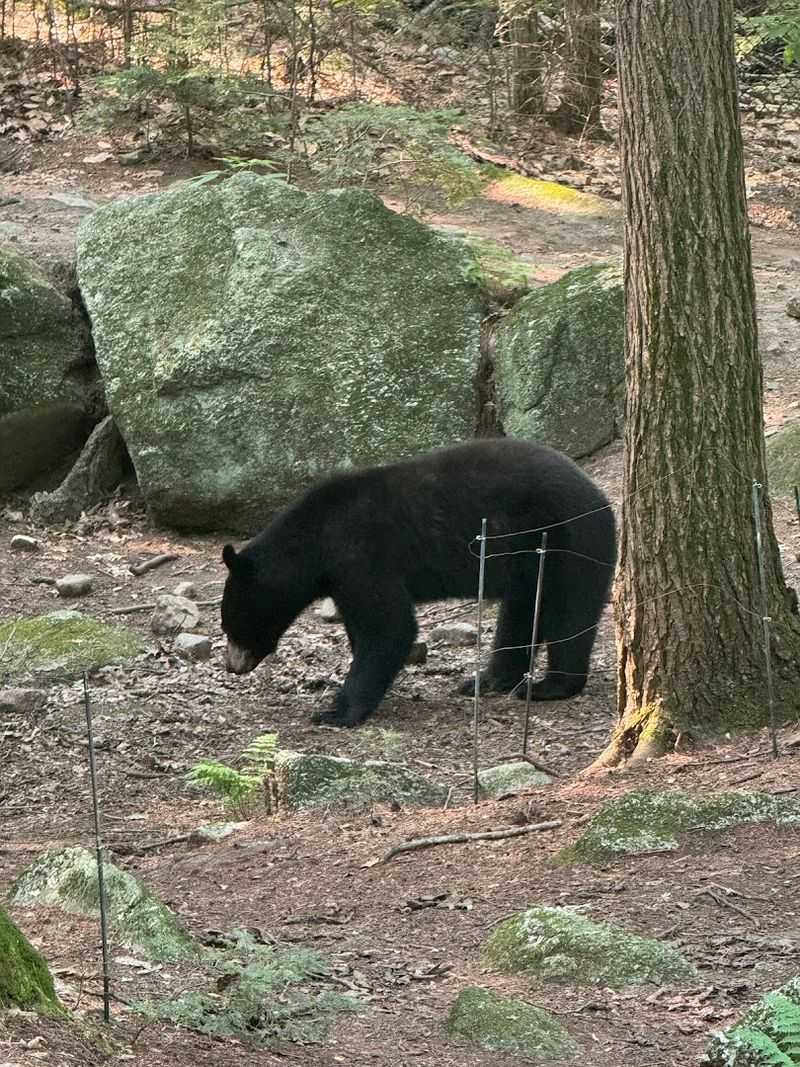
Forget everything you think you know about animal exhibits. The live animal trail at Squam Lakes Natural Science Center is a three-quarter-mile walk through actual woodland, where enclosures blend so naturally into the landscape that you almost feel like you stumbled upon wildlife by accident.
Each stop along the path introduces a different native New Hampshire species. Black bears lumber through forested spaces, bobcats perch on rocky outcroppings, and river otters splash around with unmistakable enthusiasm.
The whole setup feels less like a controlled attraction and more like a guided hike with very cooperative wildlife.
What makes this trail genuinely special is how it respects both the animals and the visitors. Informational signs at each exhibit explain each animal’s backstory, including why it cannot be released into the wild.
Most residents here were orphaned or injured, and the center gave them a permanent, dignified home. You leave the trail feeling informed, moved, and honestly a little grateful that places like this exist in New Hampshire.
Meeting Black Bears Up Close Without the Adrenaline Spike
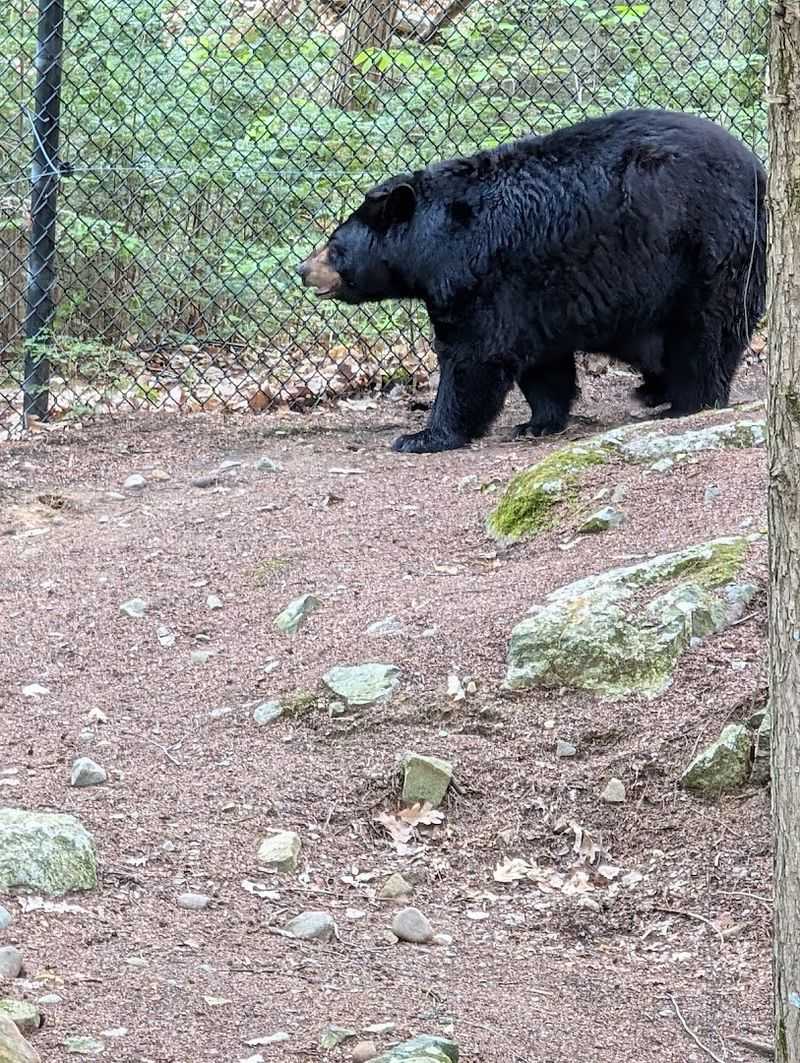
Black bears are one of New Hampshire’s most iconic wild residents, and most people never get closer than a blurry trail camera photo. At Squam Lakes Natural Science Center, that changes completely.
The bear enclosures are generously sized and built to mimic the bears’ natural forest habitat, giving them room to roam, climb, and just be bears.
Standing at the viewing area and watching a black bear move through the trees is genuinely breathtaking. There is something humbling about seeing an animal that powerful up close, especially when you understand its story.
The bears at the center are non-releasable, meaning they rely entirely on the care provided here.
Kids absolutely lose their minds at the bear exhibit, but honestly, adults are not much calmer. Watching a bear investigate an enrichment activity or lounge in the shade is oddly mesmerizing.
The center does a brilliant job of making this encounter educational rather than just thrilling, pairing the visual wow factor with real conservation context that sticks with you long after you leave the trail.
Bobcats, Coyotes, and the Predator Lineup That Commands Respect
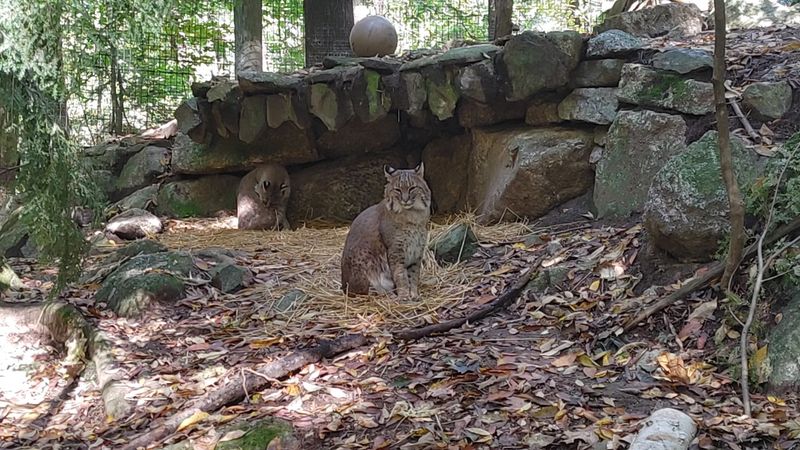
There is a particular thrill that comes with spotting a bobcat in the wild, and most hikers never experience it. At Squam Lakes Natural Science Center, you get that thrill on a reliable schedule.
The bobcat enclosure is one of the trail’s most popular stops, and it is easy to see why.
These compact, spotted cats carry themselves with a quiet intensity that commands your full attention. Pair that with the coyotes, foxes, and mountain lions also featured along the trail, and you have got yourself a proper predator parade through the New Hampshire woods.
Each enclosure is thoughtfully designed to give the animals space while keeping sightlines excellent for curious visitors.
Beyond the pure excitement, this section of the trail carries real educational weight. Predators often get a bad reputation in popular culture, and the center pushes back on that narrative with clear, compelling signage explaining each animal’s ecological role.
Learning why coyotes matter to a healthy ecosystem while watching one trot through the trees is the kind of lesson that no classroom can replicate. New Hampshire’s wild side has never looked this approachable.
Raptors and Bald Eagles That Make You Forget to Breathe
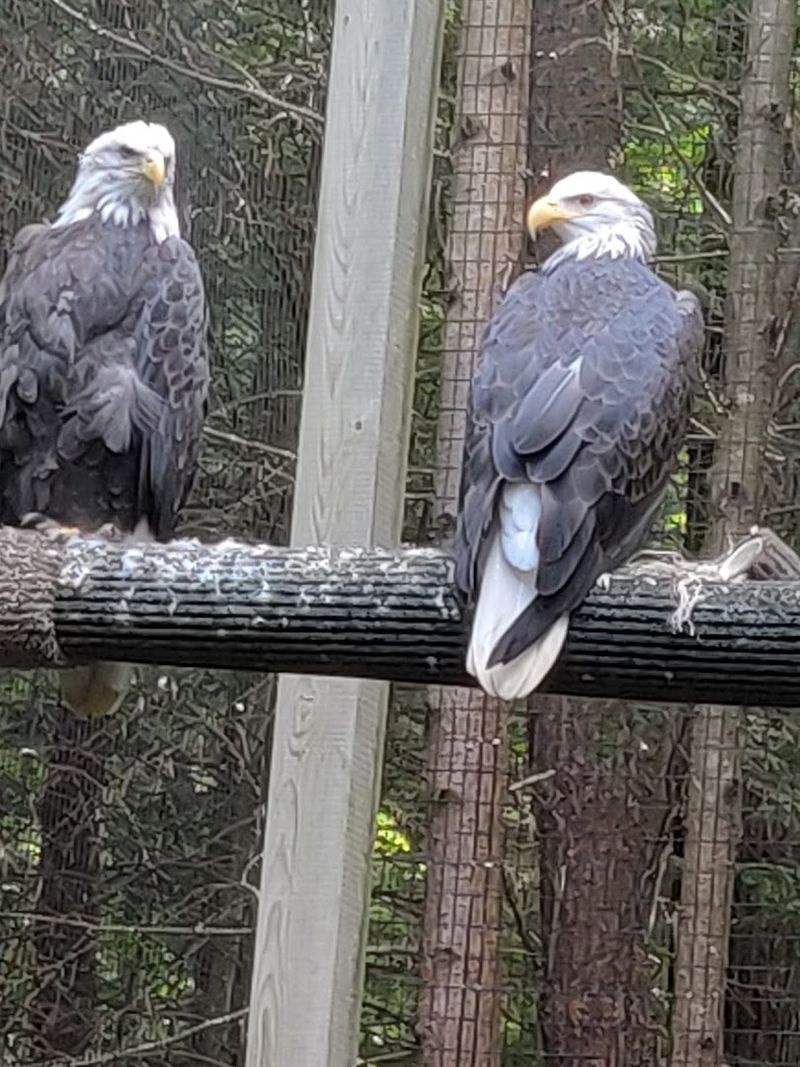
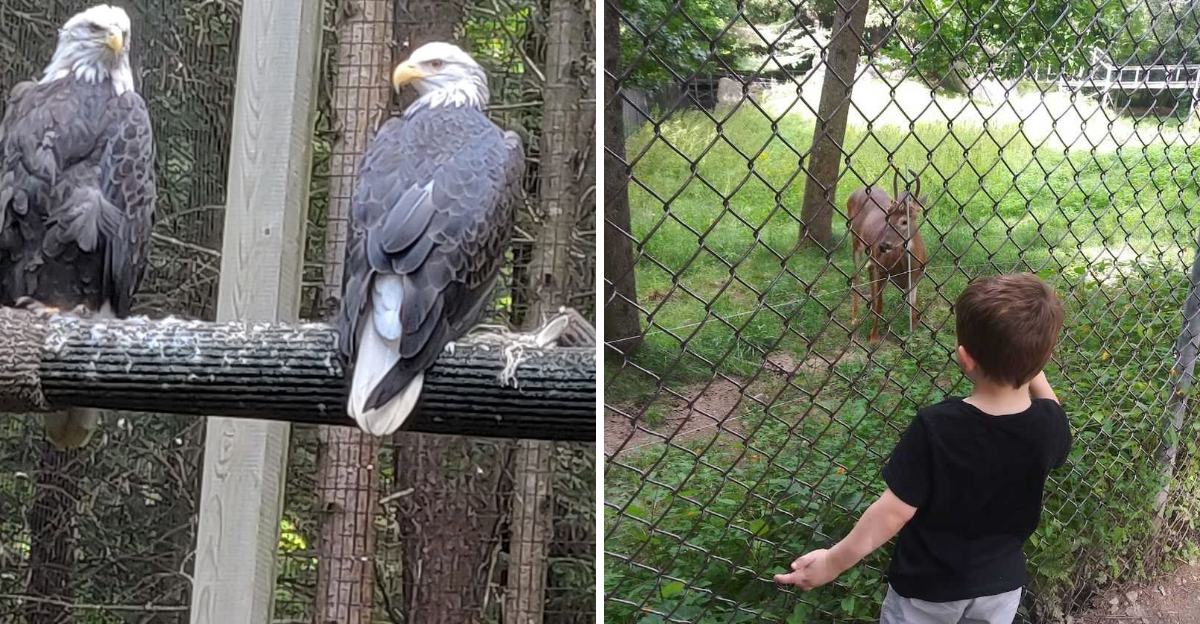
Bald eagles look impressive in photographs. In person, at close range, they are absolutely staggering.
The raptors at Squam Lakes Natural Science Center include several species of hawks and owls alongside the iconic bald eagle, and every single one of them commands the kind of reverent silence usually reserved for cathedrals.
The Up Close to Animals presentations, held daily during the peak summer months at the outdoor Amphitheater, bring these birds even closer.
Naturalists introduce live birds to the audience with the kind of enthusiasm that is genuinely contagious, sharing facts about wingspan, hunting behavior, and conservation status that make you see these animals in an entirely new light.
One visitor described seeing a bald eagle up close as a moment that reframed the entire symbol. That tracks.
There is nothing abstract about the national bird once you are standing a few feet away from one. The raptor program at this New Hampshire center is one of the most memorable wildlife encounters available in the entire region.
It requires no special booking, no extra fee, just showing up and paying attention.
River Otters and the Exhibit That Guarantees Smiles
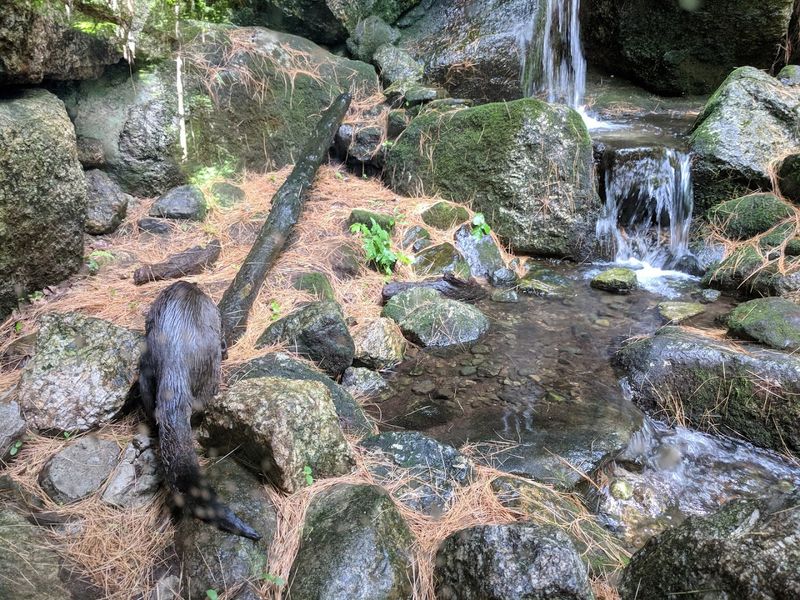
If you need a mood boost, head straight to the river otter exhibit. These animals are physically incapable of being boring.
Splashing, wrestling, sliding, and generally performing for anyone willing to watch, the otters at Squam Lakes Natural Science Center are the undisputed fan favorites of the entire trail.
Their enclosure features a proper aquatic setup with plenty of space for swimming and a viewing area that lets you watch them both above and below the waterline.
The result is a front-row seat to some of the most entertaining wildlife behavior you will ever witness in New Hampshire, or anywhere else for that matter.
Beyond the pure joy of watching them, the otter exhibit also connects to important conservation messaging about freshwater habitats and the health of New England’s rivers. River otters were once rare in this region, and their recovery is a genuine conservation success story.
The center weaves that context into the exhibit beautifully, so what starts as pure delight ends with a deeper appreciation for what healthy ecosystems look like and why protecting them matters so much.
Squam Lake Cruises That Add a Whole New Dimension
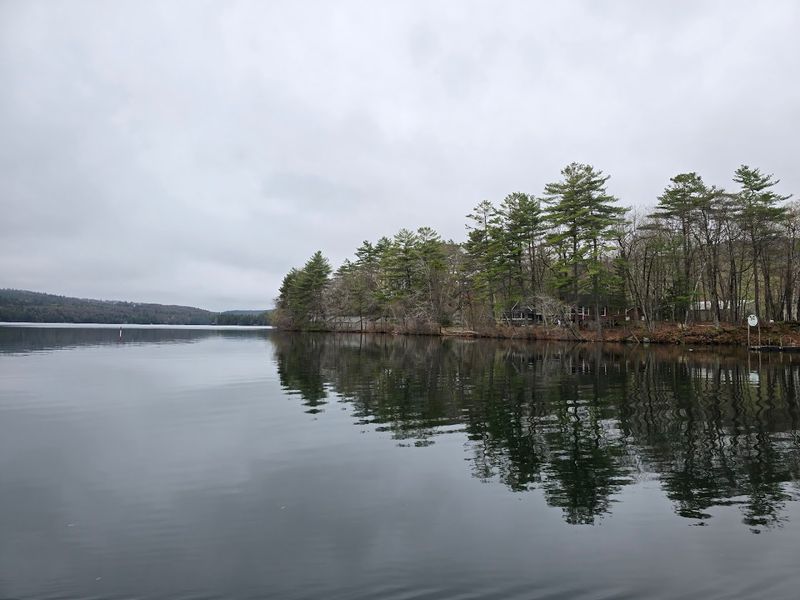
The animal trail is spectacular, but the adventure does not stop at the trailhead. Guided cruises on Squam Lake offer a completely different kind of wildlife encounter, one that floats gently through some of the most gorgeous scenery in all of New Hampshire.
Loons call across the water, bald eagles soar overhead, and the forested shoreline reflects perfectly in the calm surface.
Squam Lake has a certain cinematic quality to it, which makes sense given its famous film history. The cruises lean into the natural beauty of the lake while keeping the focus firmly on ecology and wildlife observation.
Naturalists on board point out nesting sites, explain seasonal animal behavior, and generally make you feel like a proper field scientist for an afternoon.
Booking a cruise alongside your trail visit turns a great day into an exceptional one. The contrast between the forest trail and the open water gives you two completely different perspectives on New Hampshire’s native wildlife and the ecosystems that support them.
It is the kind of experience that makes you want to plan a return trip before you have even driven home from Holderness.
Kirkwood Gardens and the Peaceful Side of the Science Center
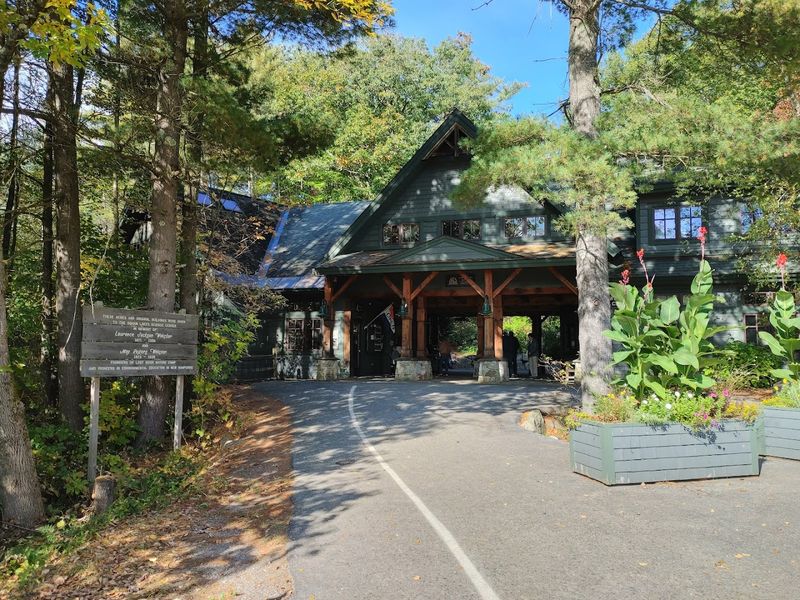
Not every great moment at Squam Lakes Natural Science Center involves a predator. Kirkwood Gardens offers a quieter, more contemplative experience that balances perfectly with the excitement of the animal trail.
Native plants, thoughtful landscaping, and a genuine sense of tranquility make this garden one of the most underappreciated spots on the property.
Designed to showcase plants native to New Hampshire and the broader New England region, the gardens serve a dual educational purpose. Visitors learn about the plant species that support local wildlife while also getting a genuinely beautiful space to slow down and breathe.
After a morning of bear sightings and otter antics, the garden feels like a natural exhale.
Photographers love this corner of the center, and it is easy to understand why. The combination of carefully cultivated plantings against a backdrop of natural woodland creates compositions that look effortless.
Families with younger kids often use the garden as a rest stop between trail sections, while adults tend to linger longer than expected. It is a reminder that conservation education does not always need to be loud to be impactful.
Sometimes a quiet garden says everything that needs to be said.
Hiking Trails That Go Beyond the Animal Exhibits
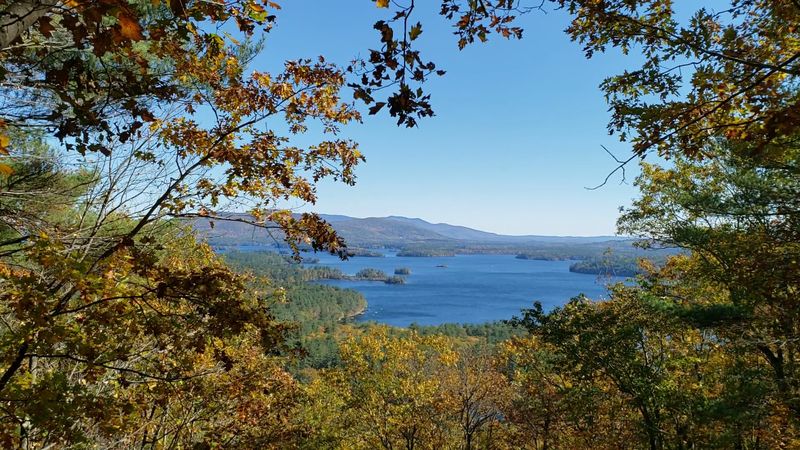
The animal trail is the headliner, but the supporting acts deserve serious credit. Squam Lakes Natural Science Center maintains several hiking trails beyond the main exhibit loop, including the Ecotone Trail, Forest Trail, and the Mt.
Fayal Trail. Each one offers a distinct experience and a chance to explore the natural landscape at your own pace.
The Mt. Fayal Trail is particularly rewarding, climbing through forested terrain to deliver views that remind you exactly why New Hampshire earns its outdoor reputation.
These trails are open to visitors throughout the season and provide a wonderful way to extend your time on the property without any additional fuss.
What sets these trails apart from a standard nature walk is the educational layer baked into the experience. Interpretive signage along the paths explains the ecology of the surrounding forest, from soil composition to canopy structure, turning a pleasant hike into a genuinely informative outing.
Trail maps are available at the entrance, and the routes are clearly marked and accessible for a range of fitness levels. Bring good shoes, bring water, and plan to spend more time here than you originally budgeted.
That is basically a guarantee.
Interactive Exhibits and the Predator-Prey Playscape That Kids Obsess Over
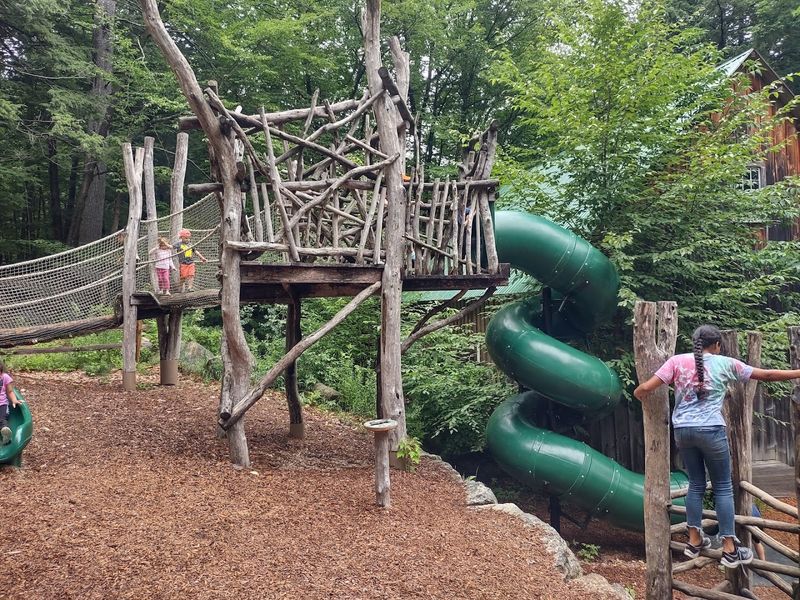
The Predator-Prey Adventure playscape is one of those attractions that sounds educational on paper and turns out to be an absolute blast in practice. Kids scramble through the structures, navigate the climbing elements, and basically act out the ecological concepts they just learned on the trail.
It is hands-on learning at its most kinetic and joyful.
Interactive exhibits are woven throughout the entire property, not just in one dedicated spot. Puzzles, matching games, and discovery stations appear at nearly every animal enclosure, giving younger visitors a way to engage actively with what they are seeing.
The result is a trail experience where kids stay genuinely curious from start to finish, which any parent will tell you is no small achievement.
Adults are not immune to the interactive elements either. More than a few grown-ups have been caught enthusiastically completing the animal track matching activity or debating raptor identification at the bird exhibit.
The center has a gift for making learning feel playful rather than obligatory, and that quality runs through every corner of the property. New Hampshire families keep coming back season after season, and this is a big reason why.
Planning Your Visit to 23 Science Center Road in Holderness
Getting the most out of a visit to Squam Lakes Natural Science Center starts with a little planning. The center is open daily from May through early November, with trail hours running from mid-morning into the afternoon.
Arriving early means cooler temperatures, fewer crowds, and animals that tend to be more active before the heat of the day sets in.
The center is a Certified Sensory Inclusive facility through KultureCity, which means sensory bags with noise-canceling headphones and other aids are available at the admissions desk.
The trail is stroller-friendly and accessible, with a borrowed electric wheelchair available for visitors who need one.
Free parking and EV charging stations are on site, which is a genuinely thoughtful touch.
Picnic tables are scattered throughout the property, so packing a lunch is highly encouraged. The gift shop near the entrance is worth a browse, especially for anyone looking for nature-themed items that actually connect to what they just experienced.
The center is located at 23 Science Center Road, Holderness, New Hampshire, 03245. You can reach them at 603-968-7194 or visit nhnature.org to plan your trip.
Honestly, just go. You will not regret it.
