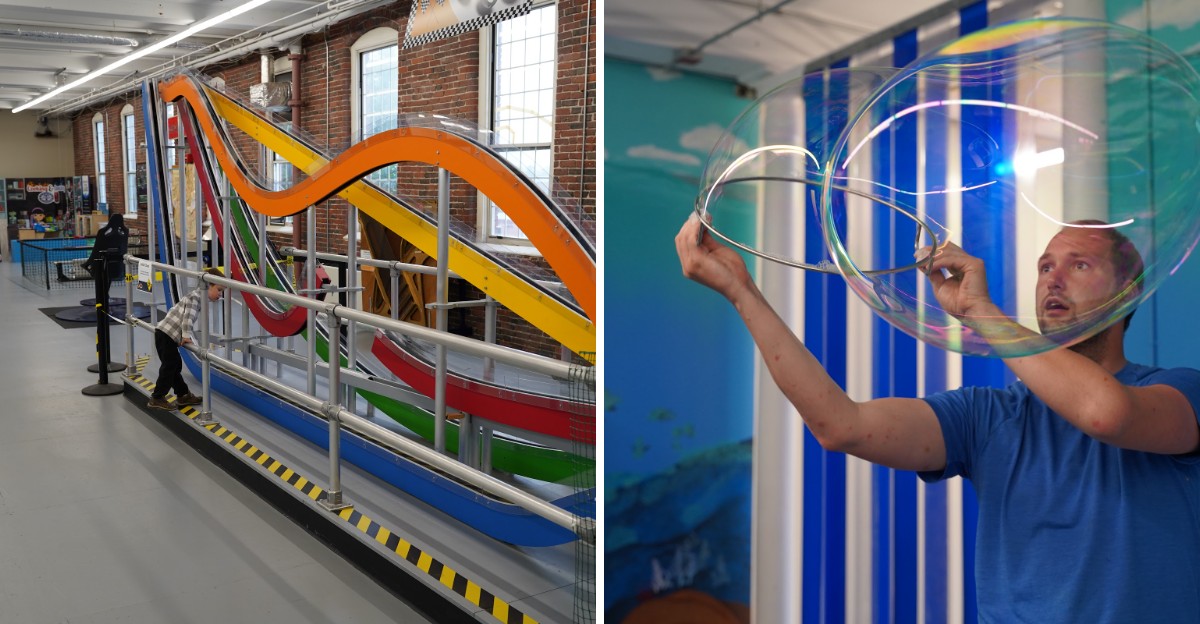
Some museums earn their reputation through famous paintings or rare artifacts. This one earned it with three million LEGO bricks.
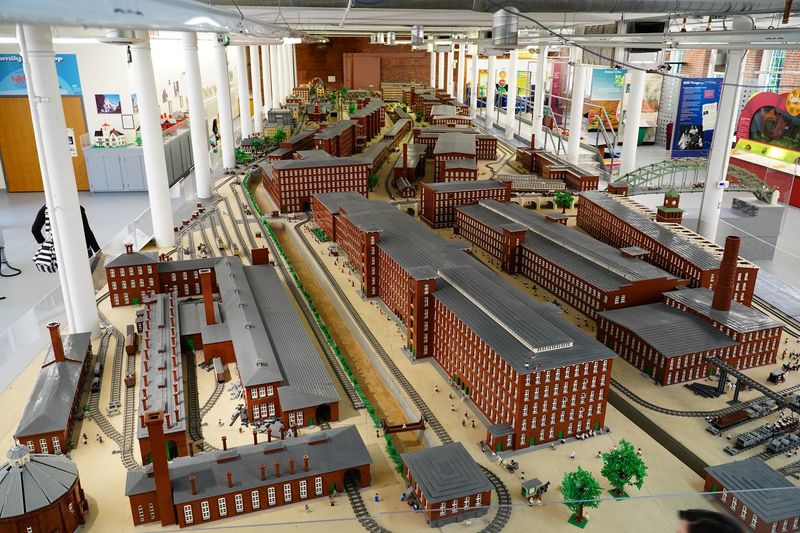
The SEE Science Center in New Hampshire is home to the LEGO Millyard Project, a permanent installation that holds the Guinness World Record for the largest permanent LEGO display at minifigure scale in the world. The model recreates the Amoskeag Millyard as it looked around 1900, back when the complex was the largest textile manufacturer on the planet.
It took employees of the LEGO Company approximately 10,000 person-hours to complete between 2004 and 2006, using only production bricks with no custom components. The result is a sprawling replica complete with chugging trains, a working canal system, and roughly 8,000 minifigures scattered throughout the scene.
You do not need to be a LEGO enthusiast to appreciate what is on display here. You just need to look closely at the details and let the scale of it sink in.
This New Hampshire science center turned a pile of plastic bricks into a piece of living history. And once you see it, you will understand why it took two and a half years to build.
A Tiny City With a Giant Reputation
Millions of little bricks walk into a museum. No punch line needed, because the result is the punch line.
SEE Science Center is home to what is billed as the world’s largest permanent LEGO installation at minifigure scale.
Minifigure scale means everything is sized for those classic little plastic people. Buildings, streets, bridges, and trains all match their height, so the whole scene feels like a real town shrunk down.
Standing over it, you feel like a friendly giant.
The model recreates the Amoskeag Millyard and the city of Manchester as it looked in the early twentieth century. Back then, these mills were among the biggest textile operations on the planet.
The LEGO version captures that bustling energy in plastic form.
Plan for more than a quick glance. Your eyes will keep jumping from one detail to the next, and every pass reveals something new.
Bring patience and maybe a little extra time on your parking plan.
Here is a tip. Walk the full length of the display once to take in the big picture.
Then circle back slowly and hunt for the small surprises tucked between the buildings. That second lap is where the magic really lives.
Mill Town History Built Brick by Brick
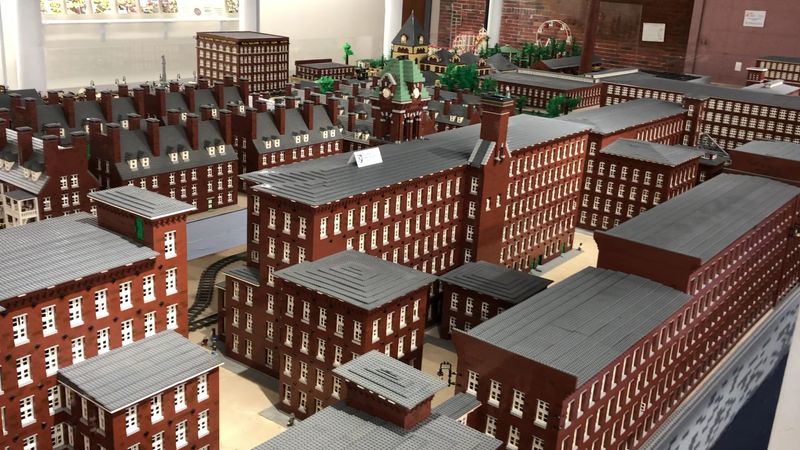
History class rarely looks this colorful. The Millyard model turns a chapter of New Hampshire’s past into something you can actually see from every angle.
Long brick mill buildings line the river, just like the real ones still standing outside in Manchester today. Canals, rail lines, and worker housing fill in the story.
You get a clear sense of how one industry shaped an entire city.
Kids may not care about textile production at first. Show them the trains and tiny workers, though, and the questions start pouring out.
Why was the river so important? Where did everyone live?
How did they make cloth?
That curiosity is the real win here. SEE Science Center uses the model as a doorway into engineering, water power, and city planning.
Learning sneaks in while everyone thinks they are just looking at toys.
For bonus points, take a short stroll around the real Millyard district after your visit. Spotting the full-size buildings you just saw in plastic is a surprisingly fun game.
Little ones love pointing and shouting when they recognize a match.
Suddenly the old mills are not boring brick boxes anymore. They are characters in a story your family just explored together.
Funny Little Scenes Worth Hunting For
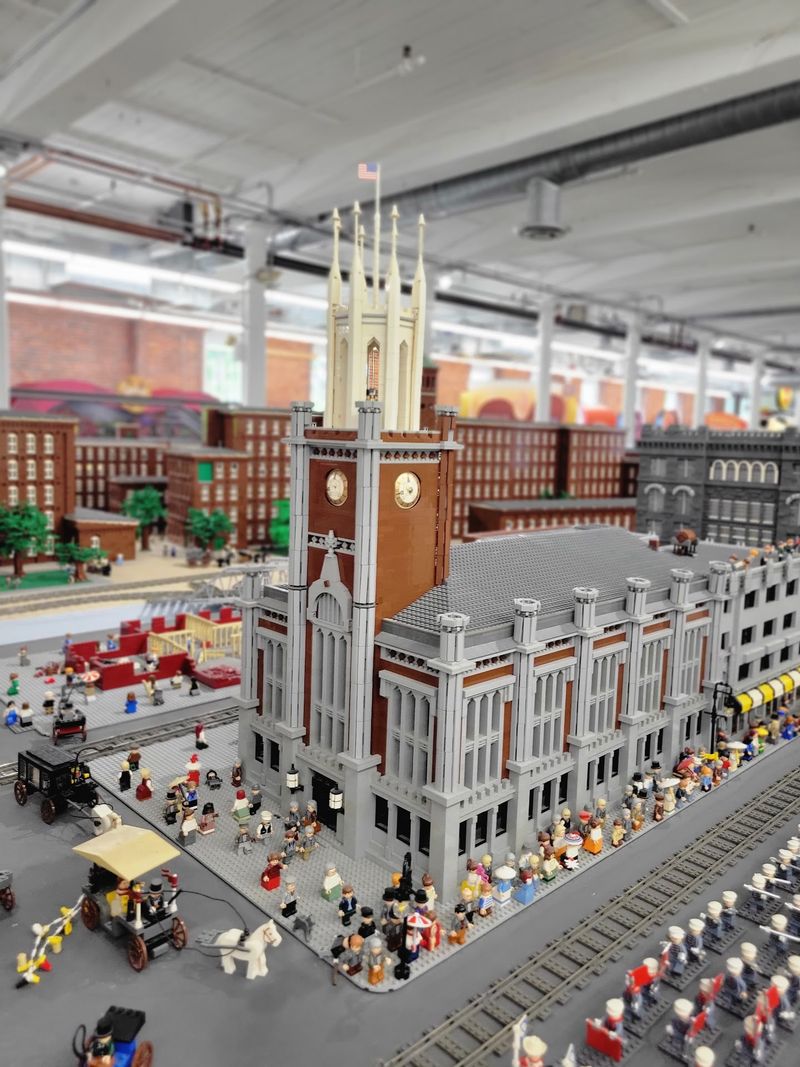
Look closer. No, closer than that.
The best part of the LEGO display might be the goofy moments hidden among all that serious history.
Tiny minifigures are caught in funny situations all over the model. Some scenes make you giggle, and others make you squint and wonder what on earth is going on.
The builders clearly had a sense of humor.
Turn it into a scavenger hunt. Challenge your crew to find the silliest scene before anyone else does.
Whoever spots the most wins bragging rights for the car ride home.
You will also notice community details sprinkled throughout, like shops, public buildings, and everyday life in action. The model shows how a whole city worked together, not just the factories.
It feels lived in, which is impressive for a town made of plastic.
Younger kids may need a boost to see some spots clearly. Older kids and adults tend to lean in and lose track of time.
Neither group seems to mind.
My advice is simple. Do not rush this part.
Those quirky little moments are what turn a cool display into a memory everyone keeps talking about later.
Bubbles Big Enough to Make Everyone Squeal

Pop quiz. What makes a toddler and a grandparent shriek with the same joy?
Giant soap bubbles, obviously.
The bubble-making station at SEE Science Center is a crowd favorite for good reason. Kids can stretch and shape shimmering bubbles while learning a bit about surface tension along the way.
It looks like play, but real science is happening.
Watch the swirling rainbow colors on each bubble. Those colors come from light bouncing off a film thinner than you can imagine.
That is a fun fact to drop when your child asks why bubbles look like oil slicks.
Things can get a little wet here. Pack an extra shirt for very young explorers, or just accept a few soapy sleeves as a badge of honor.
Nobody has ever regretted a bubble moment.
Patience pays off at this station too. The slower you pull, the bigger the bubble grows, which is a sneaky lesson in gentle movement for wiggly hands.
Expect lots of attempts and plenty of popping.
When the giggles finally fade, move on to the next exhibit. Chances are your kids will want to come back for one more try before you leave.
Gadgets, Gears, and Grabby Robot Arms
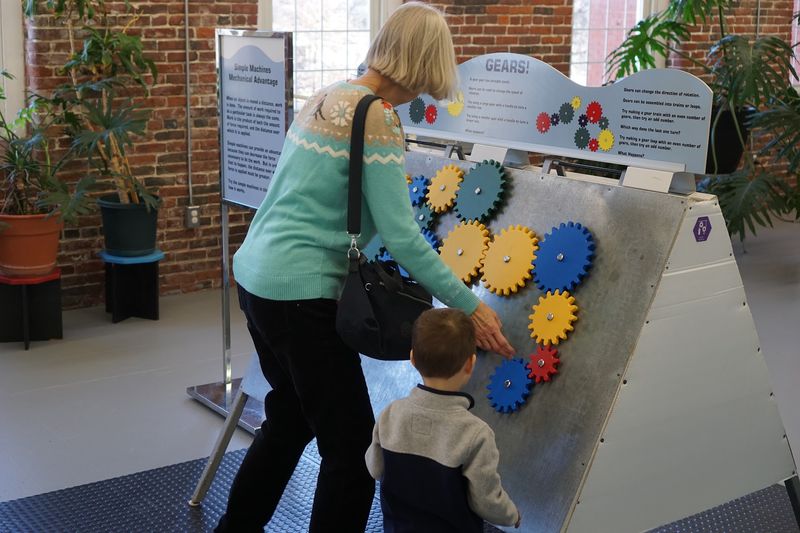
Hands off? Not here.
Nearly everything at SEE Science Center begs to be touched, pushed, pulled, or spun.
A robotic arm lets young engineers try moving objects with controls. Pulley systems show how a little effort can lift something heavy.
Engine displays reveal how machines turn energy into motion.
Musical tubes add a noisy twist. Tap them and you hear how length changes pitch, which is basically a science lesson disguised as a drum solo.
Fair warning, kids may never want to stop.
There are also ball racing setups, puzzles, and brain teasers scattered around. Some stations let you create electricity with your own effort.
That moment when a light flicks on because you powered it never gets old.
The beauty of these exhibits is their simplicity. You do not need a science degree to explain them, and kids figure most of them out by experimenting.
Trial and error becomes the teacher.
Join in instead of watching from a bench. Kids love seeing grown-ups get stumped by a puzzle.
Plus, you might accidentally learn something you forgot from middle school, which is a pretty great bonus for an afternoon out.
Little Explorers Get Their Own Playground of Ideas
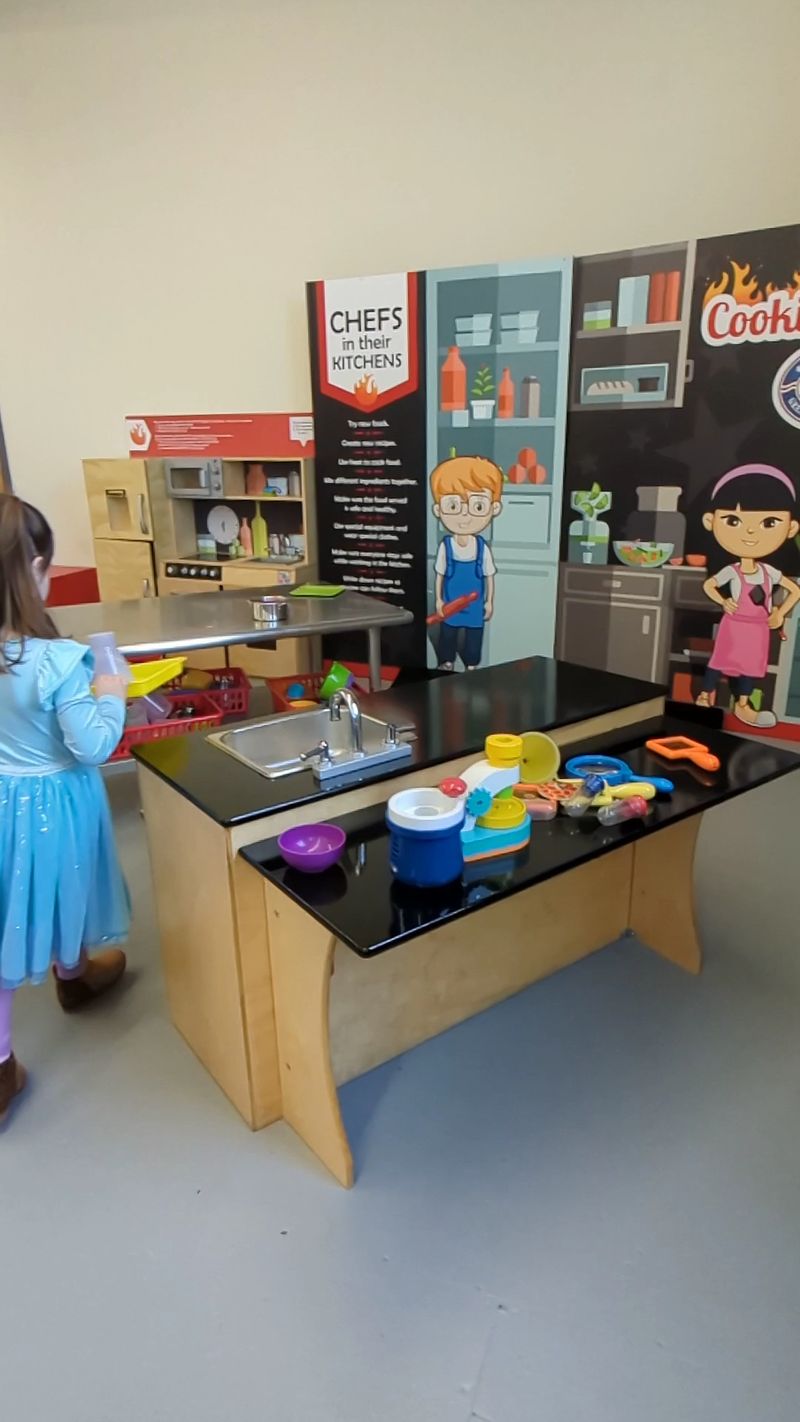
Small hands, big curiosity. The museum does a lovely job making room for its youngest scientists.
Several exhibits are designed with toddlers and preschoolers in mind. Simple buttons, bright colors, and easy-to-grab pieces keep tiny attention spans happy.
A play kitchen area adds pretend fun to the science mix.
The layout spreads across two levels, and each has a slightly different feel. Some spaces lean toward little ones, while others offer more for older kids.
That variety means siblings of different ages can all find something.
Open space gives kids room to wander from station to station. Nothing feels dangerous, so parents can relax a bit while children explore.
That freedom is a big part of the charm.
Kids around four to eight seem to hit the sweet spot. Still, babies and tweens find moments of wonder too, especially at the LEGO model.
Everyone leaves with a favorite.
A smart move is arriving close to opening time. The rooms tend to feel calmer early on, which makes it easier for shy or easily overwhelmed kids to settle in.
Then the fun can build at their own pace.
Field Trips That Feel Like Free Play
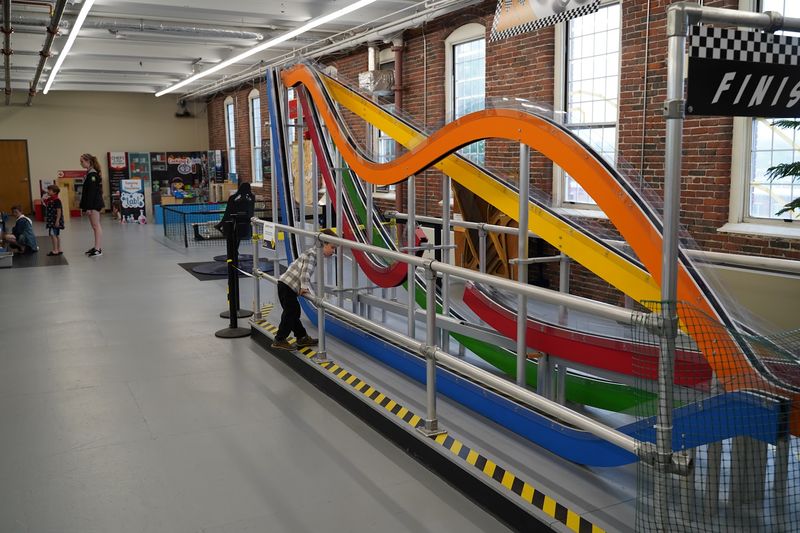
Remember dreading school trips to dusty buildings? Kids heading here have zero reason to groan.
SEE Science Center runs hands-on programs for school groups. Activities have included making silly putty and building LEGO race cars to see whose design rolls the farthest.
That is engineering class, but way more exciting.
These programs connect classroom topics to real experiments. Students test ideas, fail, tweak, and try again.
The lesson sticks because they earned it with their own hands.
Free time after the activities lets groups roam the exhibits. Many kids head straight for the giant LEGO city, and honestly, who can blame them?
It is the star of the show.
Teachers and homeschool families in New Hampshire have a great resource here. The staff focus on science, technology, engineering, and math in ways that feel friendly instead of stiff.
Topics stretch to interest older students too.
If you are planning a group trip, reach out through the museum’s website to learn about current programs. Offerings can change, so checking ahead helps you match activities with your class.
A little planning turns a fun day into a truly memorable one.
Birthday Parties With Brains and Bubbles
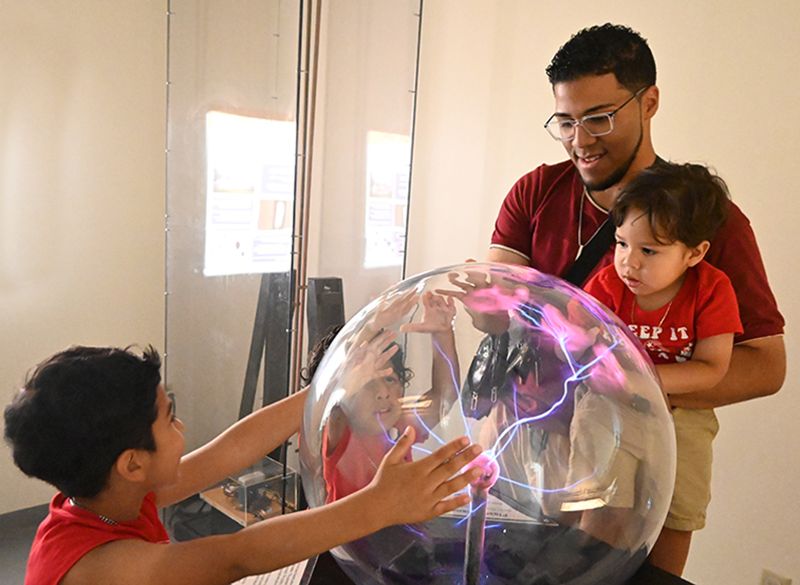
Cake is great. Cake plus science experiments?
That is next-level celebrating.
Birthday parties are a big deal at this Manchester museum. A party room can be rented while the rest of the center stays open, so guests get the celebration and the exhibits.
It is two outings rolled into one.
Families can bring their own snacks and cake, which keeps things flexible. Picky eaters, allergies, favorite flavors, you call the shots.
That makes planning a lot less stressful.
The staff get warm praise for helping parties run smoothly. Kids bounce between the party room and the hands-on stations, burning off sugar while learning something new.
Parents get to enjoy the chaos instead of managing it alone.
Parties here work especially well for preschoolers and early elementary ages. Little guests are wowed by bubbles, gadgets, and of course the enormous LEGO town.
Even the grown-up chaperones end up staring at it.
Booking ahead is smart, since weekend dates can fill up. Check the website for current party details and options.
Your birthday kid will feel like the coolest scientist in town, and you will not have to clean your living room afterward.
Gift Shop Goodies That Keep Curiosity Going
Exit through the gift shop. Normally that phrase makes parents sigh, but this one is a pleasant surprise.
The shop is stocked with STEM-themed treasures that keep the learning going at home. Think science kits, puzzles, and building toys that spark the same curiosity your kids just felt in the exhibits.
Prices are generally friendly to family budgets.
Picking a souvenir becomes part of the adventure. Kids can choose something tied to their favorite exhibit, whether that was bubbles, machines, or bricks.
It helps them remember the day long after the car ride home.
There is also a snack area for refueling between exhibits. Small explorers run on snacks, and a quick break can save a meltdown.
Smart parents use it strategically.
Buying something here also supports SEE Science Center as a nonprofit. Your purchase helps keep exhibits running and programs growing.
That is a feel-good bonus on top of a fun toy.
Set a spending plan before walking in if your kids tend to want everything. A quick rule like one item each keeps things peaceful.
Then everyone leaves smiling, holding something that will spark more questions at the kitchen table later.
Plan Your Trip to the Brick City
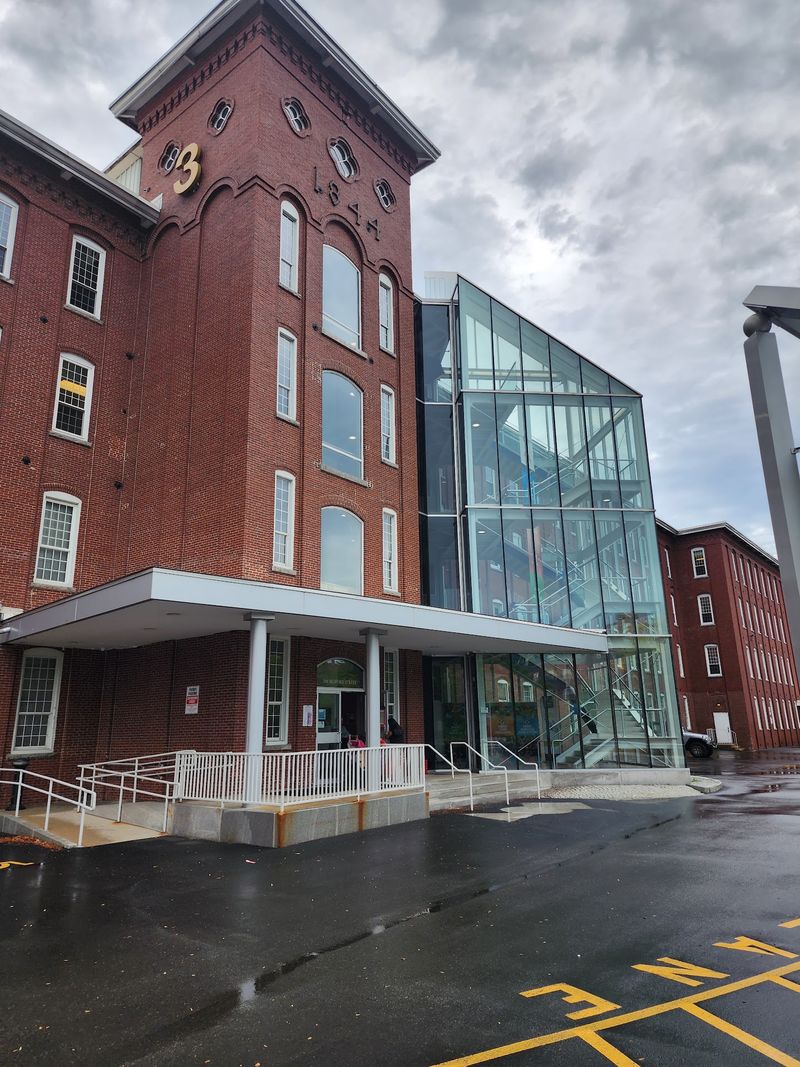
Here comes the easy part. Getting to this brick-built wonderland is simple once you know where to point the car.
SEE Science Center sits at 200 Bedford St, Manchester, NH 03101, right in the historic Millyard. The museum is housed inside one of the old mill buildings, which makes the LEGO model even cooler.
You are literally standing in the history it shows.
Parking is usually smooth on weekends. Weekdays can get busier around the Millyard, so give yourself a few extra minutes.
Arriving early also means quieter exhibits.
Block out more time than you think you need. Two to three hours disappears fast once the bubbles and gadgets take over.
Rushing the LEGO display would be a real shame.
Check ticket prices and current exhibits on the museum website before you go. Rotating displays mean there may be something brand new waiting for you.
Surprises are part of the fun.
Afterward, stroll the riverside and admire the real mills. New Hampshire packs a lot of history into this small stretch.
So grab the kids, charge your phone for photos, and go meet the tiniest city in New England. Those minifigures are waiting.
