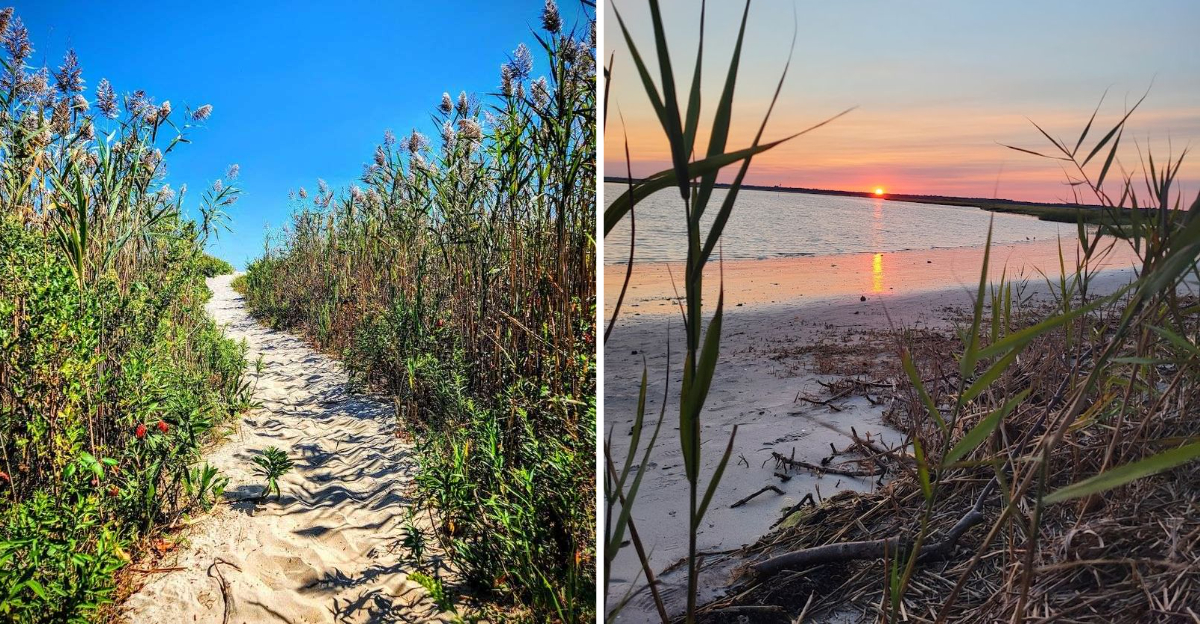
Most New Jersey beach towns come with boardwalks, bumper cars, and fried dough stands, but this place has none of that.
The state legislature set aside 341 acres of pure, undeveloped shoreline back in 1969 specifically to protect one of the last wild stretches of the Jersey coast .
You will find primary sand dunes, marine estuaries, and a beach so untouched that endangered piping plovers and least terns nest here without a care in the world .
A single wooden boat ramp and a quiet parking lot off Ocean Drive are the only signs that humans have found this place at all.
341 Acres of Untouched Coastal Wilderness
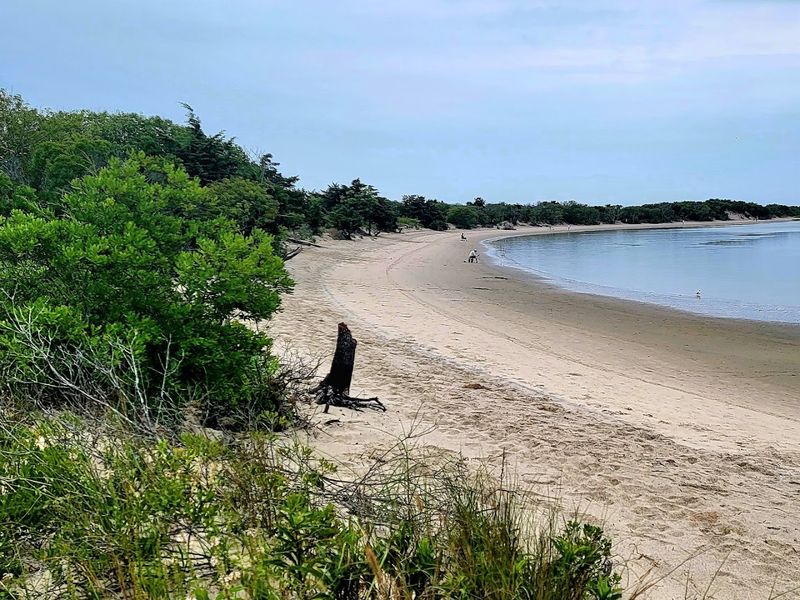
Most parks feel like a nature experience wrapped in a very human package, with paved paths, food stands, and signs telling you where to look. Corson’s Inlet flips that completely.
The 341 acres here are raw, wide, and refreshingly untamed, the kind of space that makes your shoulders drop the moment you step in.
Established in 1969, the park preserves one of New Jersey’s last undeveloped barrier island ecosystems. That means no hotels crowding the waterline, no concession stands, and no noise beyond the wind and the occasional gull making a strong opinion known.
Walking through it feels genuinely different from any other shore experience in the state. The dunes rise and shift naturally, the marshes stretch quietly behind the beach, and the whole place hums with a kind of stillness that is hard to find anywhere near the coast.
Pack your own snacks, bring plenty of water, and give yourself more time than you think you need. You will want it.
The Untamed Sand Dunes That Define the Landscape
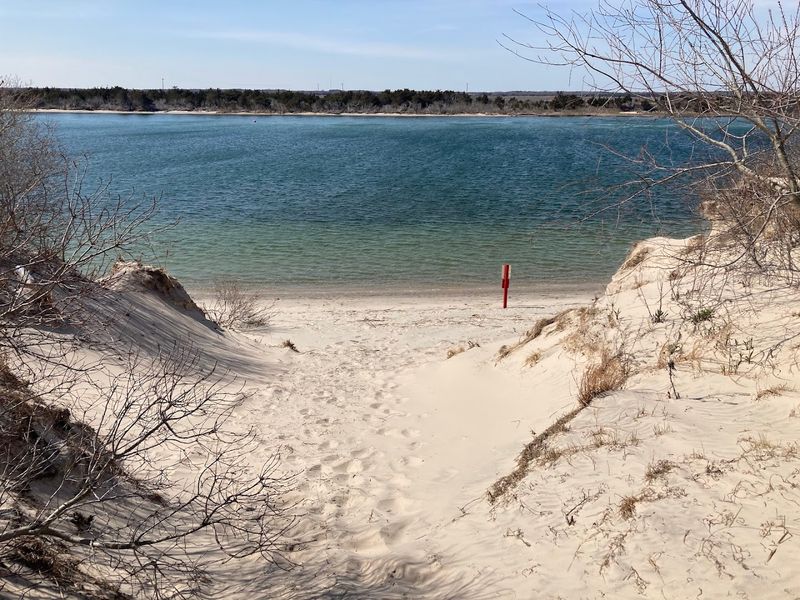
There is something almost theatrical about the dunes at Corson’s Inlet. They roll and stack in ways that feel deliberate, like the landscape is showing off just a little.
Coastal grasses cling to the ridges, bending in the breeze, and the whole scene shifts depending on the light and the season.
These are not groomed, manicured dunes. They are the real thing, shaped by wind and tide over centuries.
Walking among them, you get a genuine sense of how the Jersey Shore looked long before anyone thought to build a boardwalk on it.
The dune system also plays a critical ecological role, protecting the salt marshes and inland habitats from storm surge and erosion. So beyond being visually stunning, they are doing serious work.
Bring a camera, because the textures, shadows, and sweeping views make for some genuinely striking photos. Early morning light hits the dunes in a way that feels almost cinematic, and the walk is smooth enough for most fitness levels.
Birdwatching Paradise for Coastal Species
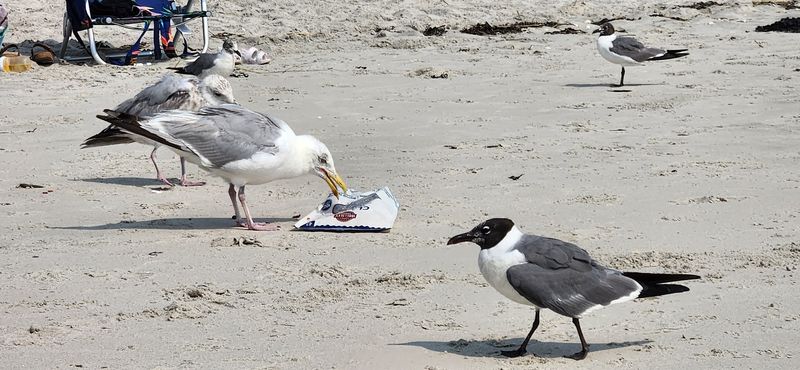
Few things feel as quietly exciting as spotting an endangered bird doing something completely ordinary. At Corson’s Inlet, that happens regularly.
The park is a critical nesting site for the piping plover, least tern, and black skimmer, three species that have become increasingly rare along the Atlantic coast.
Beyond those headline species, the park hosts American oystercatchers, sanderlings, various sandpipers, herons, and a rotating cast of migratory visitors depending on the season. Spring and summer bring the most dramatic activity, especially around the roped-off nesting zones near the beach.
Binoculars are a must. A field guide helps too, though honestly even without one, watching these birds work the shoreline is endlessly entertaining.
The black skimmer alone, flying low and dragging its lower bill through the water to catch fish, looks like something out of a nature film. Respect the nesting boundaries, stay on marked paths near sensitive areas, and you will have one of the most memorable wildlife moments the Jersey Shore has to offer.
Hiking Trails Through Dunes, Forests, and Marshes
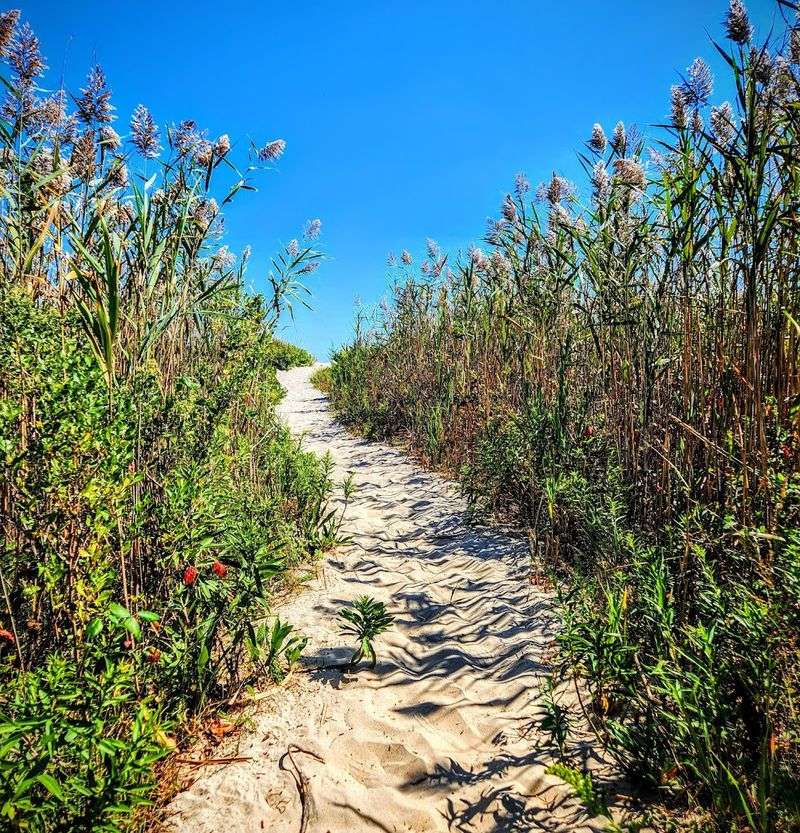
The trails here have a way of surprising you. What starts as a sandy footpath through scrubby coastal shrubs gradually opens into sweeping dune views, then brushes past the edge of a salt marsh, and eventually delivers you to a wide, quiet beach.
The payoff is real, and the journey is just as good.
Color-coded trails, including the red and yellow routes, wind through the park’s varied ecosystems. The red trail runs about a mile into the interior before connecting with the yellow trail, which branches toward both the beach and the back bay.
Most visitors complete the full loop in about an hour, though stopping to look around adds time quickly.
Wear closed-toe shoes and long socks regardless of the season. Poison ivy lines portions of the path, and ticks, including the aggressive Lone Star tick, are present especially during warmer months.
Bug spray is genuinely helpful here. Despite those caveats, the trails are accessible, scenic, and worth every step.
This is the kind of hike that resets your whole mood.
Saltwater Fishing at One of the Shore’s Best Spots
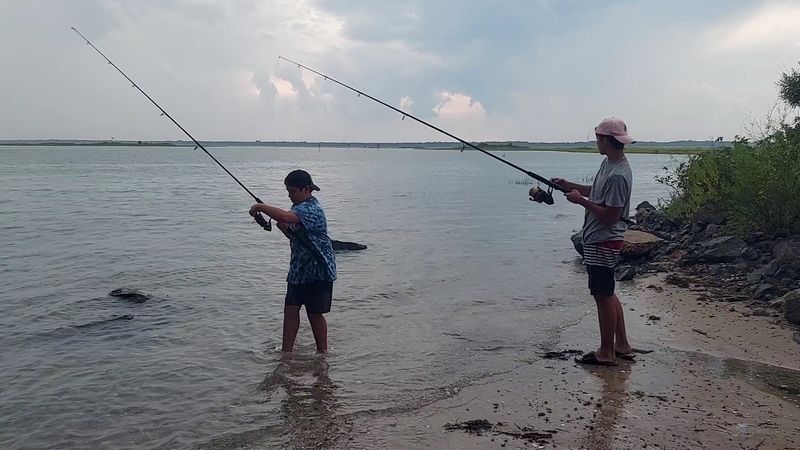
Fishing at Corson’s Inlet has a reputation that stretches well beyond the immediate area. Anglers show up early, set up along the inlet banks, and often have a very good morning.
The mix of species here is genuinely impressive, including bluefish, striped bass, weakfish, and kingfish moving through depending on the season.
The inlet’s natural geography creates strong tidal currents that funnel baitfish through predictably, which is exactly what bigger fish are waiting for. Surf fishing along the Atlantic side also produces results, particularly in fall when stripers push close to shore in serious numbers.
A boat ramp is available for those who want to get out on the water, accommodating canoes, kayaks, and motorboats.
There are no fishing fees beyond any required state licenses, and the whole setup has a relaxed, low-key energy that feels right for a long day on the water.
Pack your own food and drinks since there are no concessions on site. A cooler full of good snacks turns a fishing trip here into a full afternoon well spent.
Kayaking and Boating Through the Inlet Waters
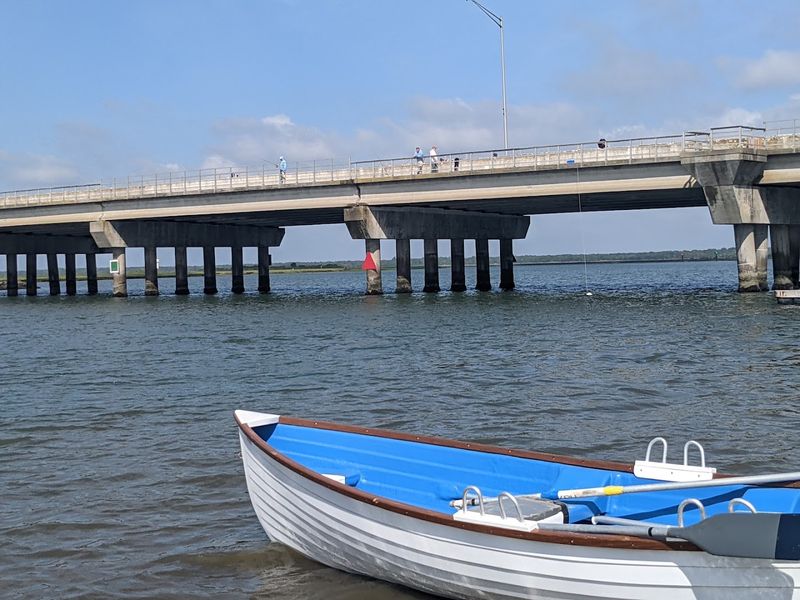
Getting out on the water at Corson’s Inlet changes the whole perspective. From a kayak, the salt marshes look completely different, quieter, more layered, and full of details you simply cannot see from the trail.
Egrets stand in the shallows without flinching. Fiddler crabs scatter at the edge of the grass.
The whole ecosystem feels alive in a very immediate way.
The boat ramp near the Ocean Drive parking area handles a range of watercraft, from kayaks and canoes to small motorboats. Paddlers tend to favor the calmer back bay sections, which offer sheltered routes through the marsh channels with manageable currents.
The inlet itself moves with stronger tidal flow, so timing your paddle around slack tide makes the experience much smoother.
No rentals are available on site, so bring your own gear or arrange it beforehand. Early morning is the best time to launch, both for calmer water and better wildlife sightings.
The combination of open sky, marsh grass, and still water at that hour is genuinely one of the most peaceful things you can do on the Jersey Shore.
Sunset Views That Make the Drive Worth Every Minute
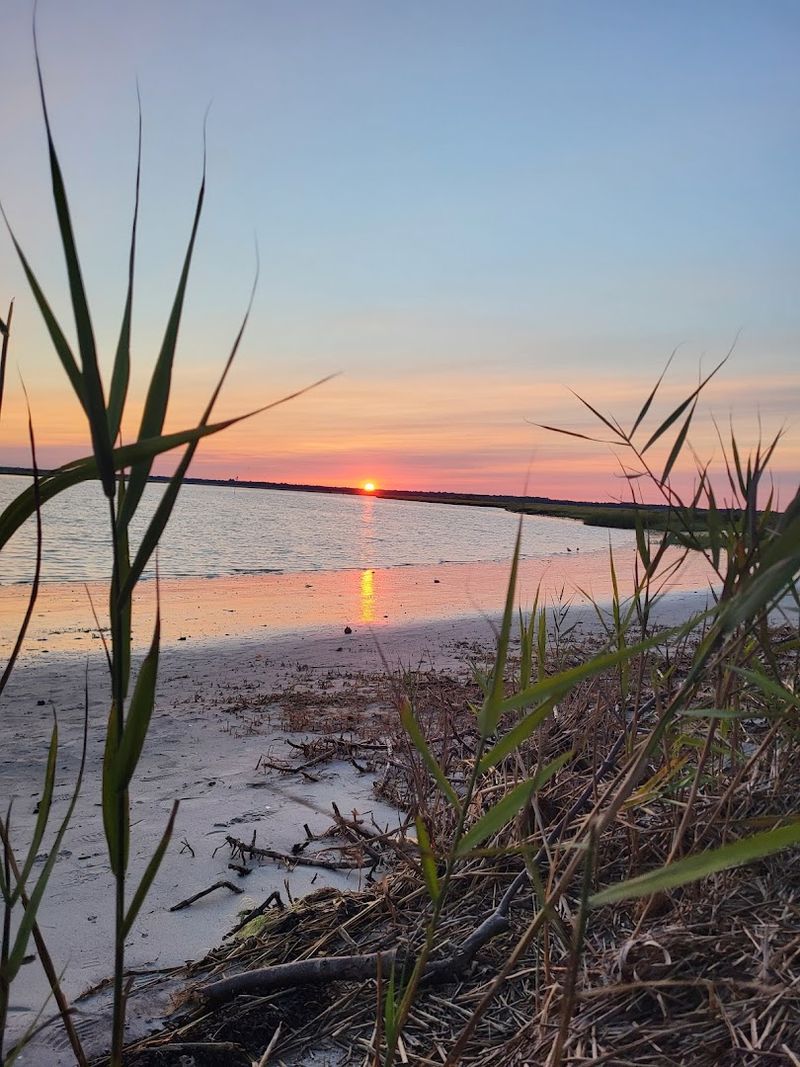
Sunsets at Corson’s Inlet hit differently than they do at a crowded beach. There is no competition for the best view, no one blocking the horizon with an umbrella, and no background noise drowning out the moment.
Just open sky, still water, and a color show that builds slowly and then goes completely over the top.
The western exposure over the back bay and salt marshes makes this one of the better sunset spots along the southern Jersey Shore. The flat, open landscape means the whole sky lights up, and the water picks up every color shift in real time.
It is the kind of view that makes you put your phone down, at least for a few minutes.
Visiting in the fall adds an extra layer. The seaside goldenrod blooms along the trail edges, the crowds thin dramatically, and the cooler air gives everything a crispness that summer does not offer.
A few snacks, a blanket, and a good spot near the inlet edge is all you need. Some evenings here genuinely feel like a reward for showing up.
Salt Marshes and the Ecosystem That Holds It All Together
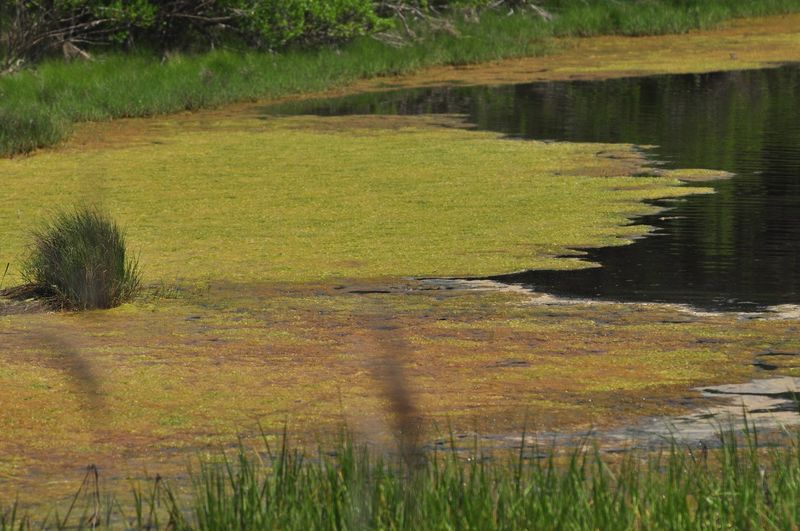
Salt marshes do not always get the attention they deserve. They are not as dramatic as ocean waves or as immediately satisfying as a sandy beach, but they are arguably the most important habitat in the entire park.
The cordgrass marshes at Corson’s Inlet filter water, buffer storms, and provide nursery habitat for dozens of fish and invertebrate species.
Walking the trails that skirt the marsh edges gives you a front-row view of how productive this ecosystem actually is. Fiddler crabs move in coordinated waves.
Herons stand motionless in the shallows, waiting with a patience that is almost philosophical. Egrets drift overhead and land without ceremony.
The whole place operates on its own schedule, and observing it feels like a privilege.
The park’s conservation work actively protects these marshes from development and degradation, which is part of why the ecosystem here remains so healthy. Understanding what you are looking at deepens the experience considerably.
Even a quick read-up on tidal marsh ecology before your visit transforms a nice walk into something genuinely eye-opening. The marshes here are the quiet heart of the whole park.
A Free, Dog-Friendly Escape From the Crowded Shore

Free admission and dog-friendly access make Corson’s Inlet a genuinely easy yes. There are no entry fees, no reservations, and no complicated rules beyond the basics.
Leashed dogs are welcome throughout most of the park, which makes it a popular destination for locals who want a real outdoor experience without the summer crowds or the expense.
The sandy trails are manageable for most dogs, though the heat can build up quickly on exposed sections during midday in summer. Early morning or late afternoon visits are smarter for both comfort and wildlife sightings.
Portable restrooms are available near the parking areas, and the two lots, one at 59th Street and one off Ocean Drive, rarely fill up the way main beach parking does.
Bring water for yourself and your dog, pack your own food, and plan the visit around the sunrise-to-sunset hours the park keeps daily. The overall vibe here is relaxed and unhurried, the kind of place where a two-hour visit turns into four without anyone complaining.
Address: County Hwy 619, Ocean City, NJ.
