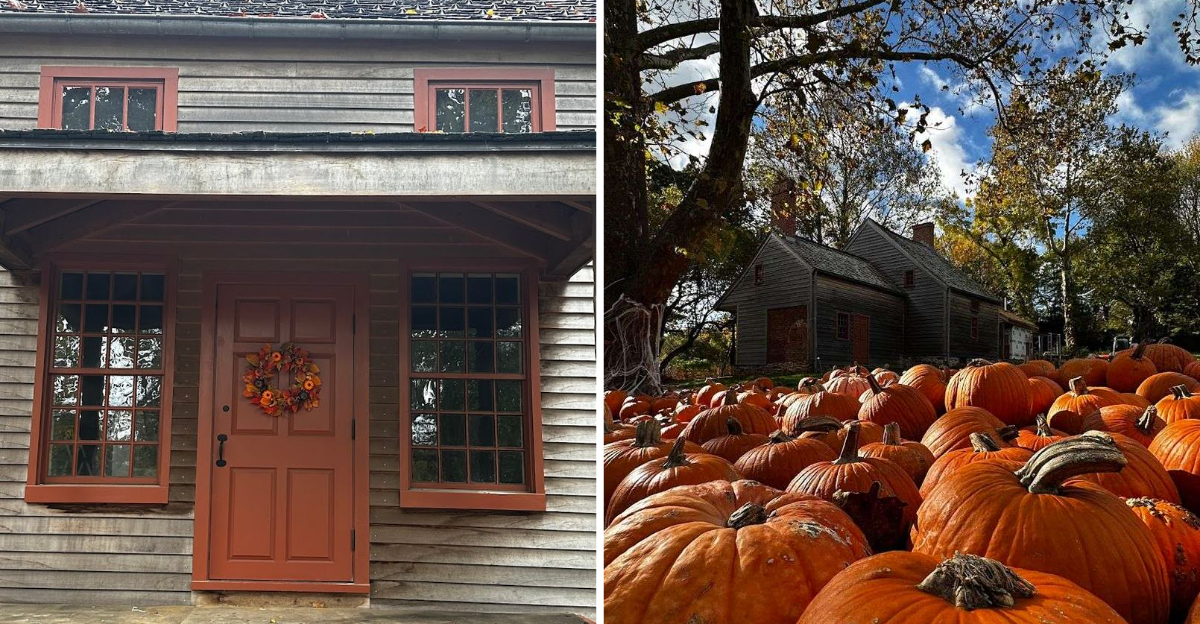
Most New Jersey historic plaques are just places where George Washington took a nap, but this farmhouse actually has some backbone.
Picture this: you’re just trying to bake bread when a literal British army rolls up to your front door demanding lunch.
Most of us would hand over the sourdough and hide, but the legendary woman who lived here basically told the Redcoats to kick rocks with a level of sass that deserves its own reality show.
My personal take?
Standing in the kitchen where a local grandmother stared down an empire makes you realize that “Jersey attitude” isn’t a new invention; we’ve been perfecting it since the 1770s.
The Origins of the Frazee House and Its Anglo-Dutch Architecture
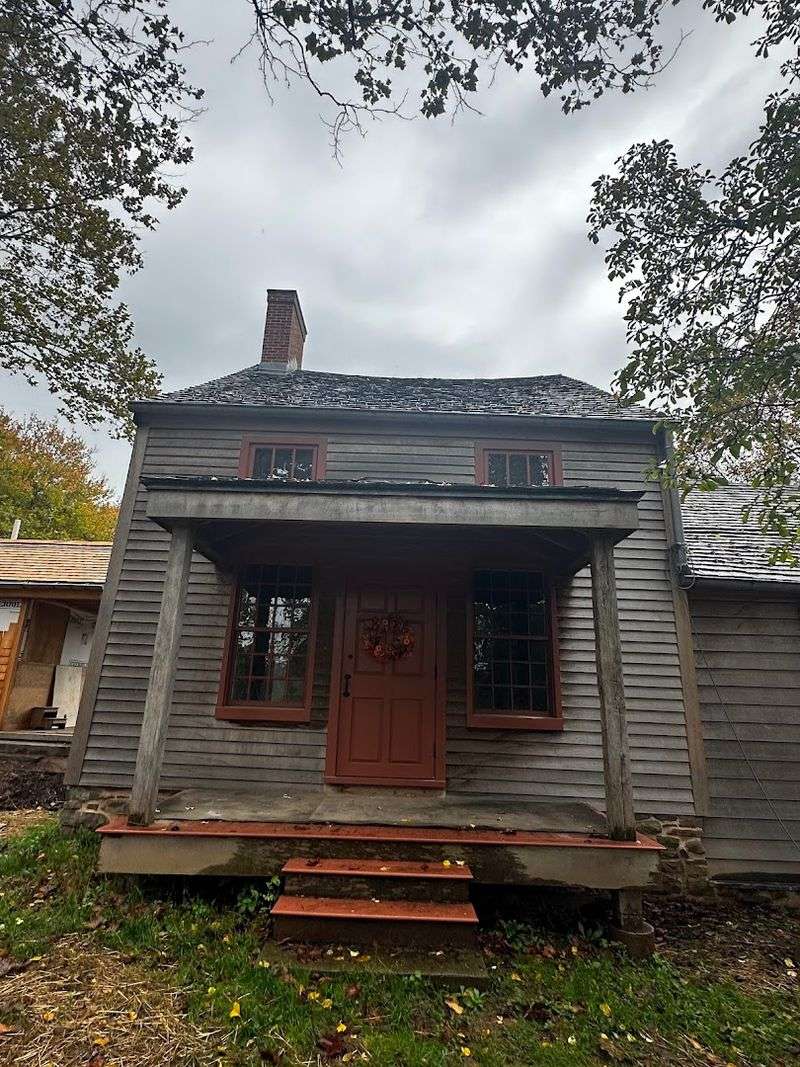
Walking up to the Frazee House for the first time, the low-slung roofline and wide front immediately signal that something genuinely old is standing before you. Built between 1720 and 1740 by Gershom Frazee, a skilled carpenter and joiner, this farmhouse is one of the finest surviving examples of Anglo-Dutch vernacular architecture in New Jersey.
The craftsmanship is deliberate, confident, and deeply rooted in a regional building tradition that has largely disappeared.
The house features a distinctive cantilevered pent roof that extends over the kitchen area, a hallmark of this architectural style that blends English and Dutch colonial influences. That overhanging roof was not just decorative.
It protected the working kitchen entrance from rain and provided a shaded outdoor workspace for daily farm life.
Gershom Frazee built this home with the same hands he used to craft furniture and structures throughout the region. Every beam and joint reflects his professional skill.
Standing inside, you get a strong sense of how families organized their daily lives around practical spaces, food preparation, and seasonal rhythms. The house is a physical record of 18th-century rural New Jersey in a way no textbook can fully replicate.
Gershom Frazee, The Master Carpenter Behind The Walls
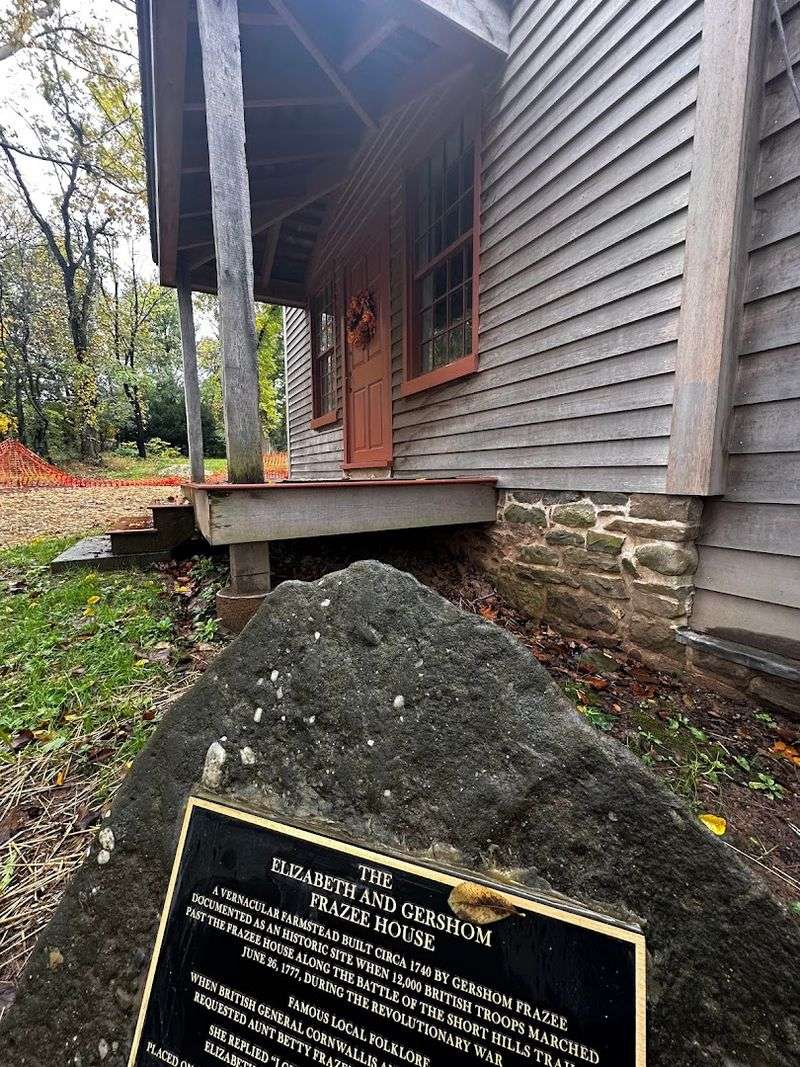
Most historic homes get remembered for dramatic events, but the Frazee House carries the quiet pride of the craftsman who built it. Gershom Frazee was not just a homeowner.
He was a master carpenter and joiner whose professional reputation shaped the physical character of the entire structure. Every mortise, every tenon, every carefully fitted joint in that house came from a man who understood wood the way a musician understands rhythm.
Gershom was away serving with the Continental Army when British forces passed through his property during the summer of 1777. His absence during that moment makes the story of his household even more remarkable.
The farm, the tools, the animals, all of it was left in the care of his family while he fought for a new country.
After the war, the family submitted claims to the Continental Congress for the property stolen by British troops during their march. Those records still exist in the Library of Congress today, which means Gershom Frazee left behind not just a beautifully built home but a documented piece of American Revolutionary history.
His craftsmanship outlasted the conflict that threatened to erase everything he had built.
Elizabeth ‘Aunt Betty’ Frazee, The Woman Who Stood Her Ground
Some people become legends because of grand gestures. Aunt Betty Frazee became one because of bread.
When British General Cornwallis and his troops marched past the Frazee farmhouse in June 1777, the smell of freshly baked loaves drifted out to meet them. The soldiers demanded the bread, and Betty gave it, but not quietly.
Her reported response, that she gave the bread out of fear and not in love, was an act of extraordinary courage for someone standing alone in front of an armed foreign army. Cornwallis, reportedly impressed by her boldness, ordered his men not to take any loaves.
His troops, however, still plundered the farm, taking animals, the picket fence, and Gershom’s carpentry tools.
What makes this story verifiable rather than just legendary is the claim Betty filed afterward with the Continental Congress. She requested reimbursement for every item taken that day, and that record is preserved in the Library of Congress.
Her courage was not just a moment of personal defiance. It was a documented act that placed her firmly inside the official history of the American Revolution.
Aunt Betty Frazee deserves far more recognition than she typically receives.
The Battle of Short Hills and Its Connection to the Farm
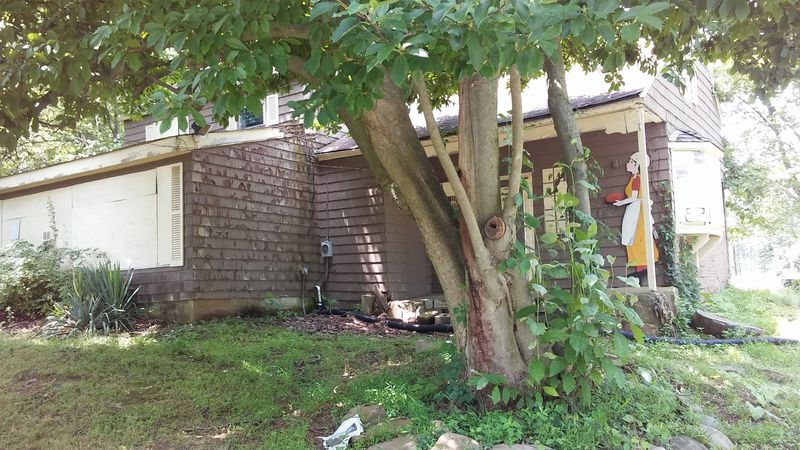
June 26, 1777 was not a quiet day in Scotch Plains. The Battle of Short Hills brought British forces under General Cornwallis marching through the area toward the Watchung Mountains, and the Frazee farm sat directly in their path.
The battle itself ended as a stalemate, but its strategic importance was significant in ways that shaped the larger arc of the Revolutionary War.
American forces managed to stop British artillery cannons at Ashbrook Swamp, also located in Scotch Plains. That defensive move prevented those cannons from being used at the front of future engagements, which was a meaningful tactical outcome even within a fight that did not produce a clear winner.
Small moments in smaller places sometimes carry enormous consequences.
The name Short Hills referred to the terrain near the Frazee property and the current Plainfield Country Club, not the town of Short Hills further east. That geographic detail matters because it roots the battle firmly in the landscape you can still walk through today.
Standing near the Frazee House, knowing that soldiers once moved through that same ground, makes the history feel immediate rather than distant. The farmhouse is a physical anchor for a battle most people have never heard of.
The Bread That Became a Symbol of Colonial Defiance
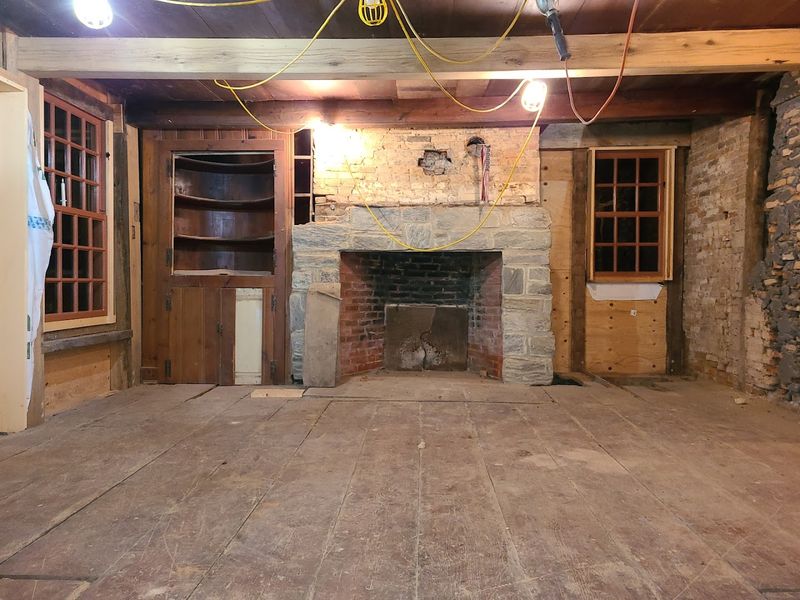
Bread baking in the 18th century was not a casual weekend hobby. It was daily, physical, essential labor that fed entire households and often neighbors as well.
Aunt Betty Frazee was known throughout the area for her prolific baking, and on the morning British troops arrived, her kitchen was already in full production. That aroma became the unlikely centerpiece of a moment that would outlast the war itself.
The loaves she was preparing that day represented more than food. In the context of wartime scarcity and occupation, bread carried enormous practical and emotional weight.
Giving it up under duress, while speaking truth about the conditions of that giving, turned a domestic act into a statement of political identity. She was not just feeding people.
She was drawing a line.
Food historians and Revolutionary War enthusiasts find this story compelling precisely because it grounds enormous historical themes in something utterly human and tangible. You can imagine the smell, the heat from the hearth, the weight of the loaves.
The Frazee House connects visitors to that sensory reality in a way that makes the past feel genuinely close. History tastes different when it starts in a kitchen.
The National and New Jersey Registers of Historic Places Recognition
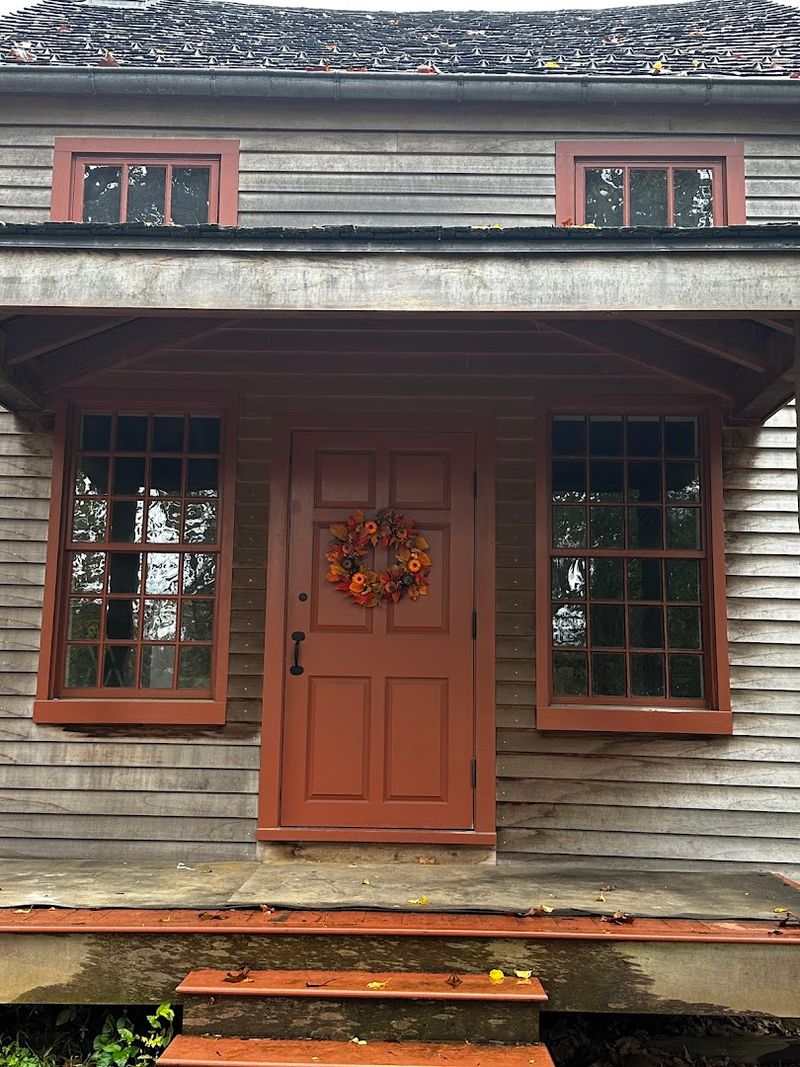
Getting listed on the National Register of Historic Places is not a casual achievement. It requires documented historical significance, architectural integrity, and a demonstrated connection to broader American history.
The Frazee House earned that recognition, and it also appears on the New Jersey Register of Historic Places, which adds a layer of state-level acknowledgment to its already considerable credentials.
These designations matter practically as well as symbolically. Historic register status can open doors to preservation grants, tax incentives, and specialized restoration funding that would otherwise be unavailable.
For a property that has faced serious structural challenges over the decades, that access to resources has been genuinely important in keeping the building standing.
In 2000, the house was included among Preservation New Jersey’s top ten endangered historic places, which sounds alarming but actually reflects the organization’s commitment to drawing attention to at-risk sites before they disappear entirely. That listing helped spark the restoration momentum that followed in the early 2000s.
Recognition, even recognition that highlights vulnerability, can be the thing that saves a building. The Frazee House is a strong example of how official designation translates into real-world preservation action over time.
The Restoration Journey and Community Preservation Efforts
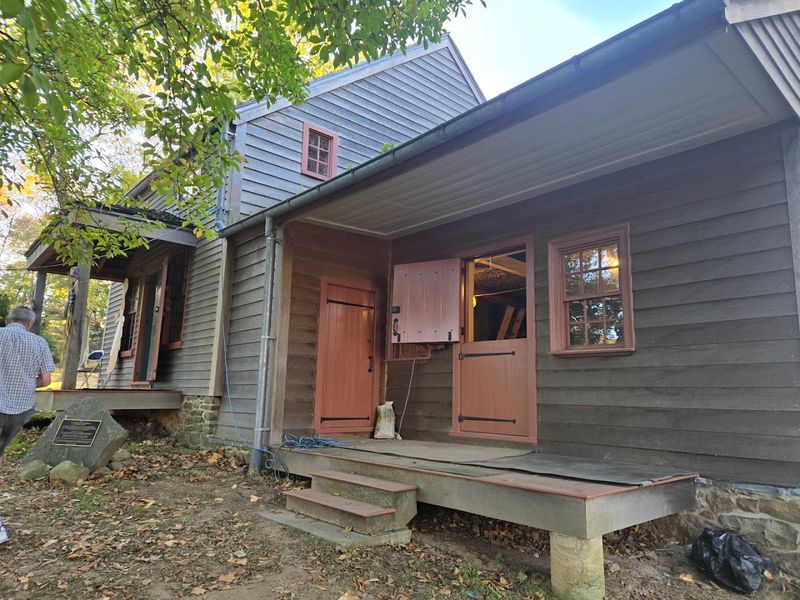
Restoring a 300-year-old building is not like renovating a kitchen. Every material choice, every structural repair has to respect the original construction methods and period-appropriate standards.
The Fanwood-Scotch Plains Rotary Club stepped up in 2004 to lead the restoration effort, recognizing that without serious intervention, the Frazee House was at genuine risk of being lost permanently.
The project has drawn over $145,000 in grants and donations to address stabilization and water damage issues. That funding reflects real community investment in a building that connects the local area to a pivotal chapter of American history.
Restoration work on a structure this old requires craftsmen with highly specialized skills, people who know how to work with the original materials and techniques rather than simply replacing them with modern substitutes.
The process is slow, expensive, and deeply worth it. Each stabilized beam and repaired section of the house represents hours of skilled labor and a commitment to authenticity that shortcuts simply cannot replace.
Community members who support the restoration, whether through donations, volunteering, or simply showing up to seasonal events, are actively participating in keeping a piece of Revolutionary War history alive and accessible for future generations.
Visiting the Frazee House Today and Why It Deserves Your Attention
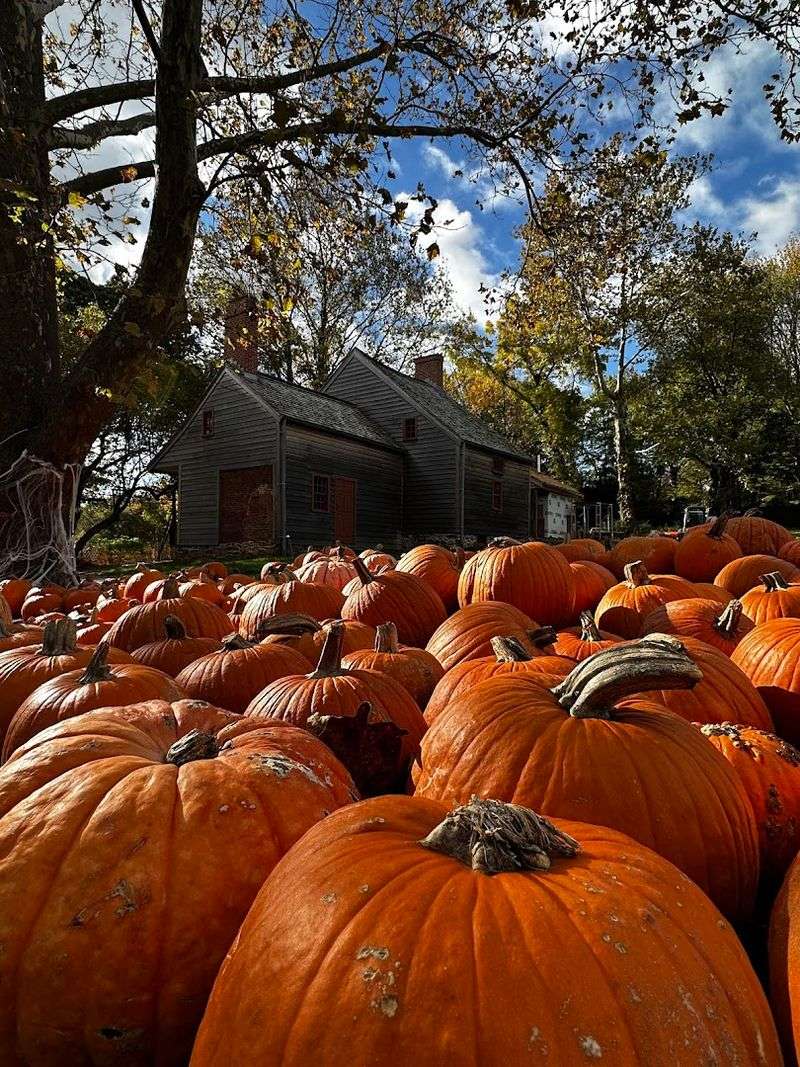
Pulling up to 1451 Raritan Road in Scotch Plains, the Frazee House sits with an understated presence that rewards those who slow down enough to pay attention. It is not a grand mansion or a polished tourist destination with a gift shop and a cafe.
It is something rarer: an authentic, imperfect, still-being-saved piece of American history that exists because people cared enough to fight for it.
The surrounding park adds to the experience, giving visitors space to walk, reflect, and absorb the setting that shaped the events of June 1777. Knowing that the fields nearby once saw British troops marching toward the Watchung Mountains makes the landscape feel charged with significance.
The place earns its 4.6-star rating through substance, not spectacle.
Supporting the Frazee House, whether by attending events, spreading the word, or contributing to ongoing preservation efforts, is a meaningful way to engage with local history. Places like this survive only when communities decide they are worth saving.
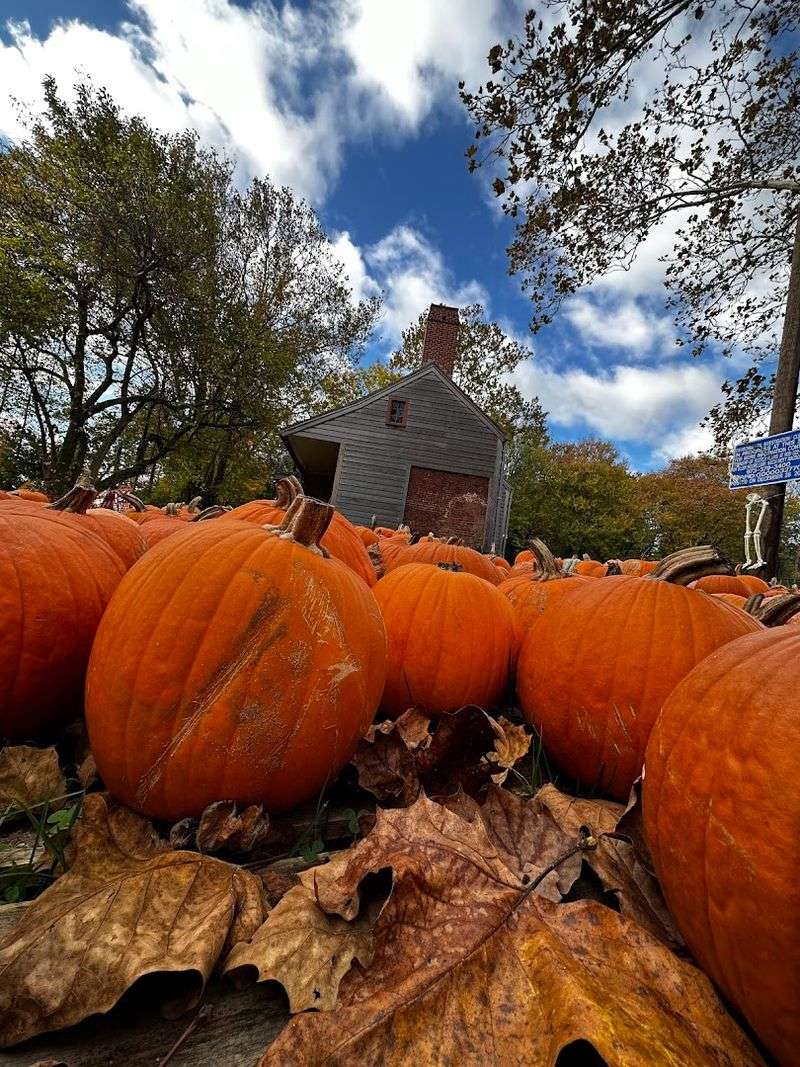
Every visit matters. Every pumpkin purchased at the fall festival is a small vote for keeping the story of Aunt Betty Frazee, Gershom Frazee, and this remarkable farmhouse alive for the people who come after us.
Address: 1451 Raritan Rd, Scotch Plains, NJ
Dear Reader: This page may contain affiliate links which may earn a commission if you click through and make a purchase. Our independent journalism is not influenced by any advertiser or commercial initiative unless it is clearly marked as sponsored content. As travel products change, please be sure to reconfirm all details and stay up to date with current events to ensure a safe and successful trip.
