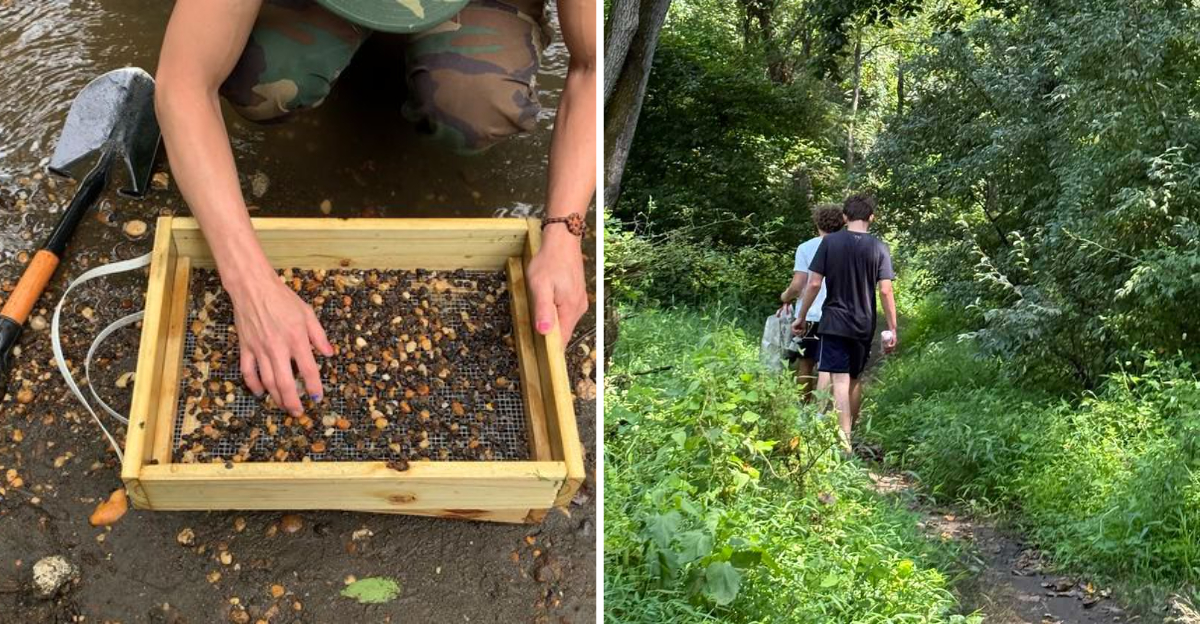
Grab a sifter and step into the water. This New Jersey creek is a 72 million year old time machine.
Instead of shells and river stones, you are looking for glossy fossilized teeth left behind by ancient sharks.
The streambed replenishes itself every spring, so there is always something new to uncover.
You do not need to be a scientist to join the fun. Just bring old sneakers and a little patience.
The Ancient Shark Teeth That Started It All
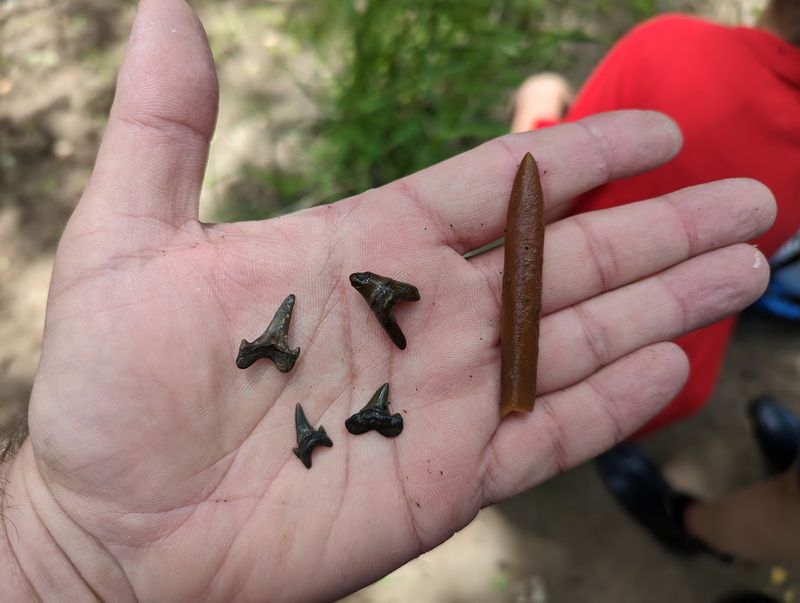
Finding a shark tooth in a New Jersey creek sounds like the kind of thing someone makes up to impress people at a dinner party. At Big Brook Park, though, it is completely real.
The creek has been eroding through Late Cretaceous sediment for thousands of years, slowly releasing fossils that are roughly 67 to 74 million years old.
The shark teeth here come from species that no longer exist on Earth. Scapanorhynchus texanus, an ancient goblin shark, left behind slender, curved teeth that look almost alien.
Cretolamna appendiculata, a mackerel shark ancestor, produced broader, more triangular teeth that feel satisfyingly solid when you hold one.
What makes the hunt so addictive is the unpredictability of it. You never quite know what the creek is going to hand you on any given visit.
Some people find tiny fragments. Others pull out nearly perfect specimens.
Either way, holding something that old in your hand is a feeling that is genuinely hard to put into words.
Big Brook Itself: The Creek That Does the Work for You
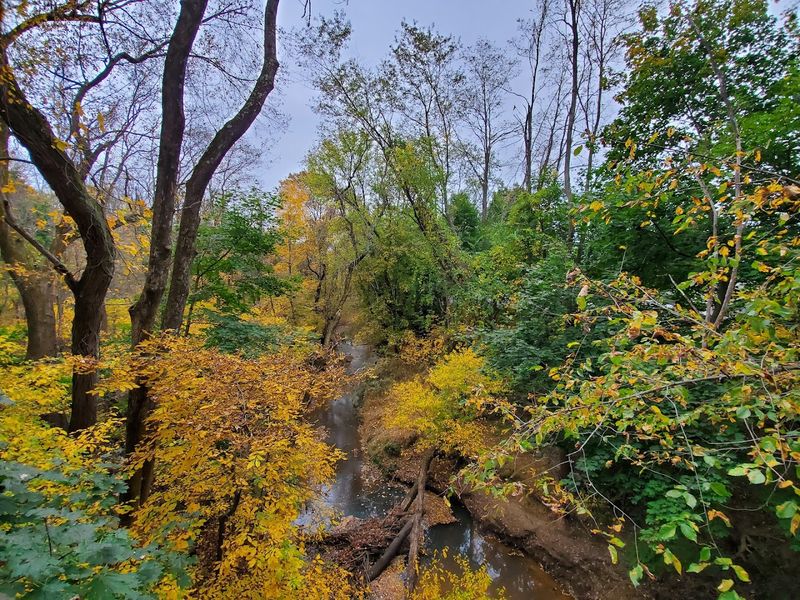
There is something almost meditative about standing in a slow-moving creek with your eyes fixed on the gravel below. Big Brook does a lot of the heavy lifting for fossil hunters by continuously eroding the surrounding Cretaceous clay banks.
Rain events are especially productive because fresh material gets washed into the streambed, bringing new fossils to the surface.
The brook itself is shallow and manageable for most visitors, though the bottom can be uneven and sometimes slippery. Wearing sturdy water shoes or rubber boots is genuinely the smartest decision you can make before stepping in.
Sharp fossil fragments can be lurking just below the surface, so bare feet are a hard no.
Beyond the fossil hunting, the creek is just pleasant to be around. The sound of moving water, the shade from the surrounding trees, and the cool temperature of the stream make it a refreshing place to spend a few hours.
It feels secluded and unhurried, which is rare for anywhere in central New Jersey.
What Else You Can Find Beyond Shark Teeth
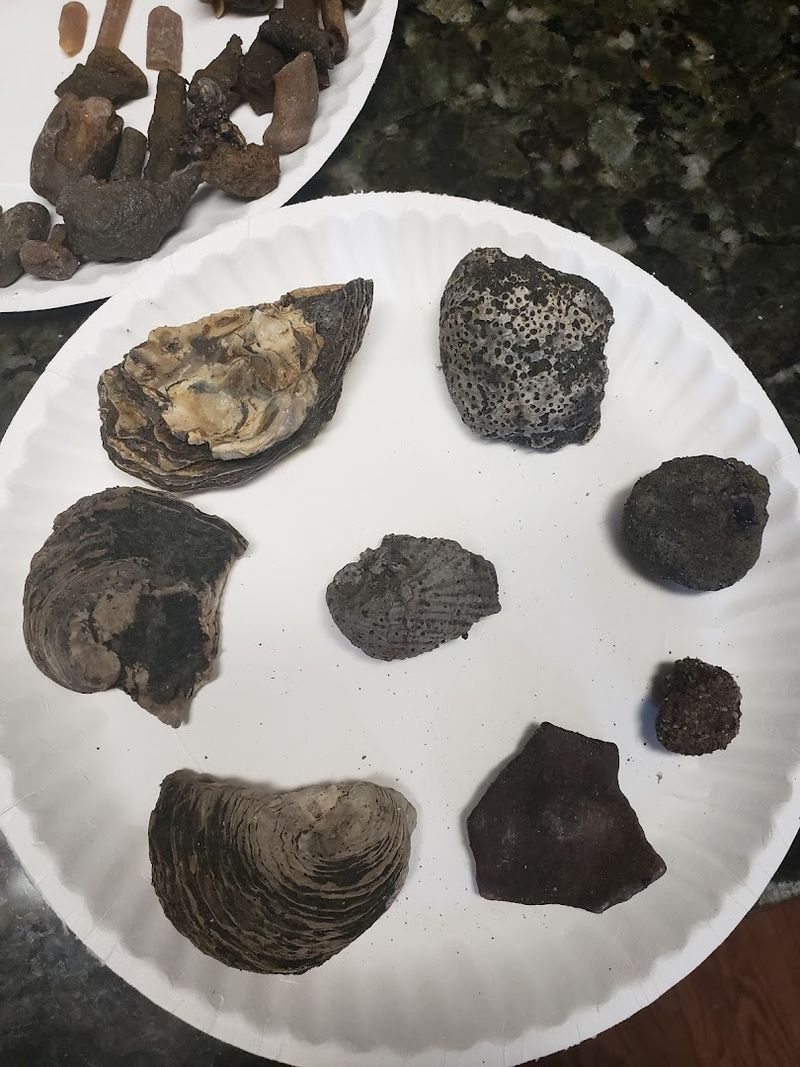
Shark teeth get all the glory, but Big Brook Park is hiding a much bigger menu of prehistoric finds. Belemnites are among the most common discoveries here.
These bullet-shaped fossils came from squid-like creatures called cephalopods, and they show up in the gravel with surprising regularity once you know what to look for.
Fossilized oyster shells are another frequent find, and they come in a satisfying range of sizes. Some are small enough to sit in a bottle cap.
Others are chunky and unmistakable, almost like holding a piece of an ancient seafloor. The sheer variety keeps every visit feeling fresh.
On rarer occasions, visitors have turned up dinosaur material. Hadrosaur teeth and bone fragments have been documented from this area, which adds a whole extra layer of excitement to an already thrilling outing.
The chances of finding dinosaur material are slim, but the possibility alone is enough to make you look just a little more carefully at every piece of rock you pick up.
The Rules of the Hunt: What You Need to Know Before You Go
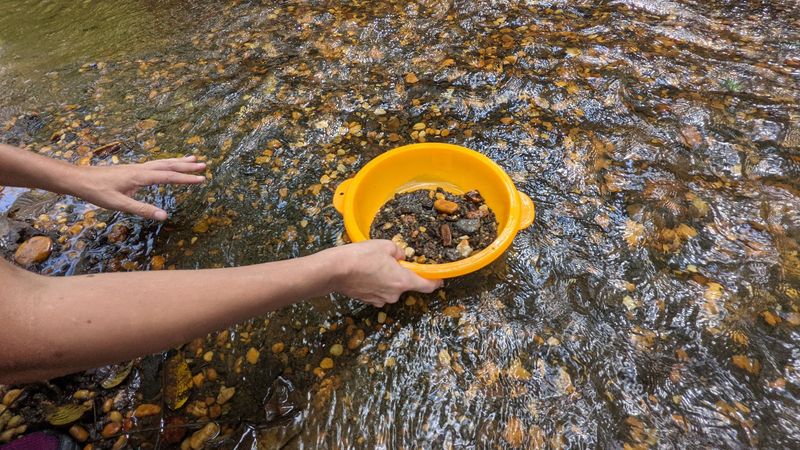
Fossil hunting at Big Brook Park comes with a set of rules, and knowing them before you arrive makes the whole experience smoother. Groups of ten or fewer do not need a permit, which covers most casual family visits easily.
Larger groups of fifteen or more need to contact the Monmouth County Department of Recreation and Parks ahead of time.
Hand tools are allowed, but keep them small. Trowels and shovels with blades no longer than fourteen inches are the limit.
Mechanical equipment, sifting machines, and anything motorized are completely off the table. The goal is to keep the site sustainable and fair for everyone who visits.
Collection limits are straightforward but firm. Each visitor can take up to five fossils per day, and the total combined volume cannot exceed what fits in a sandwich-sized zip-lock bag or a twelve-ounce can.
Digging into the stream banks and disturbing vegetation are also prohibited. These rules exist to protect the site for future generations, so following them is not just required, it is the right thing to do.
Gearing Up: The Best Tools to Bring Along
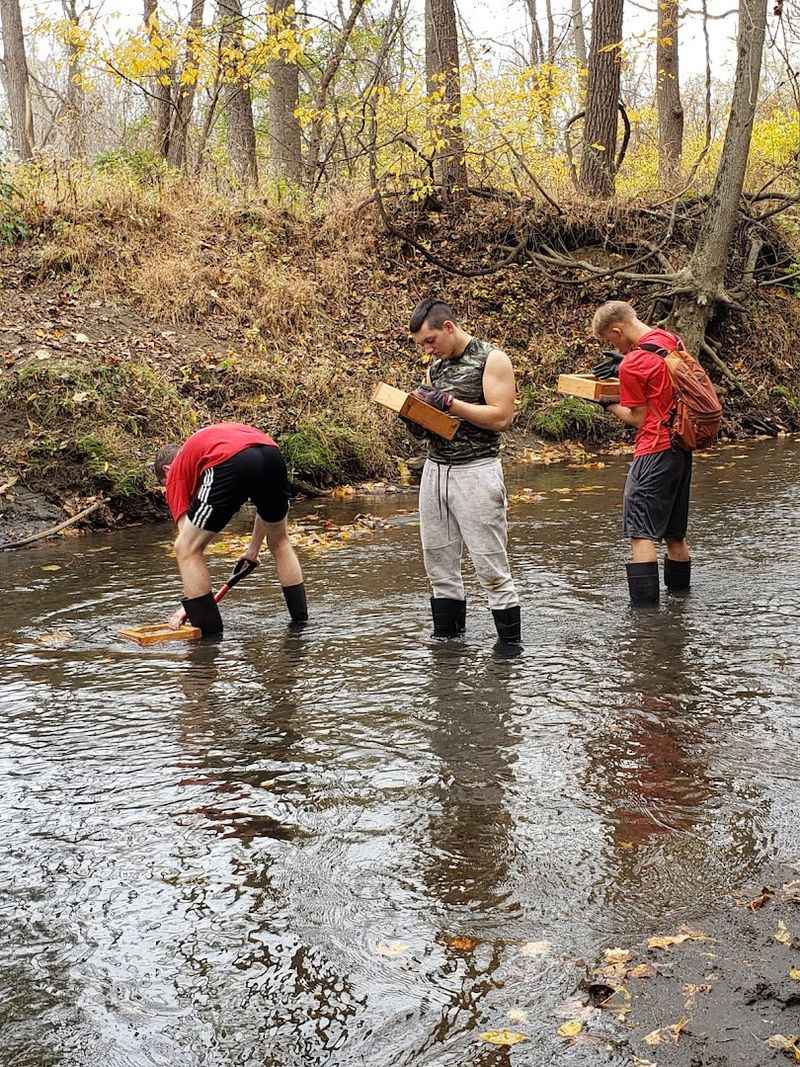
Showing up unprepared at Big Brook is like going grocery shopping on an empty stomach. You will survive, but the experience will be significantly less satisfying.
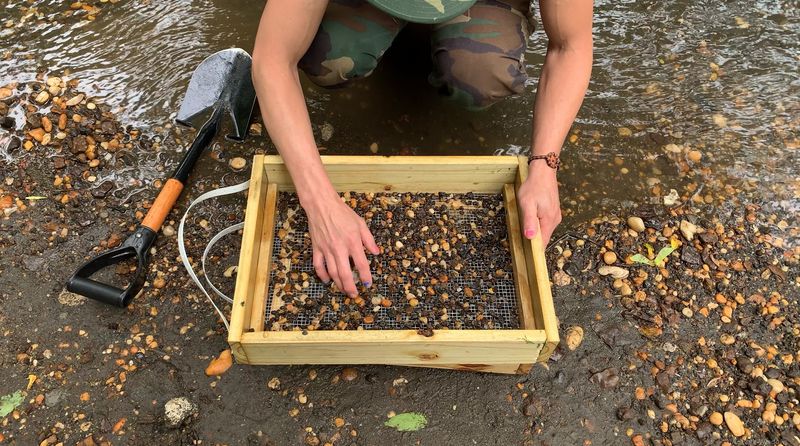
A small garden trowel is the most useful tool you can bring, and it fits easily into a backpack without any drama.
A mesh sifting screen or a simple kitchen strainer is a game-changer for sorting through creek gravel. Scoop up a handful of material, swirl it in the water, and watch the lighter sediment wash away while heavier fossils stay behind.
It is oddly satisfying every single time.
Waterproof boots or sturdy water shoes are non-negotiable. The creek bottom has sharp rocks and fossil fragments that can cut through thin soles without warning.
Bring a small container or a zip-lock bag to store your finds, and pack a change of socks because wet feet on the drive home are never as fun as they sound. Sunscreen and water round out the kit perfectly.
Visiting With Kids: A Hands-On History Lesson They Will Actually Remember
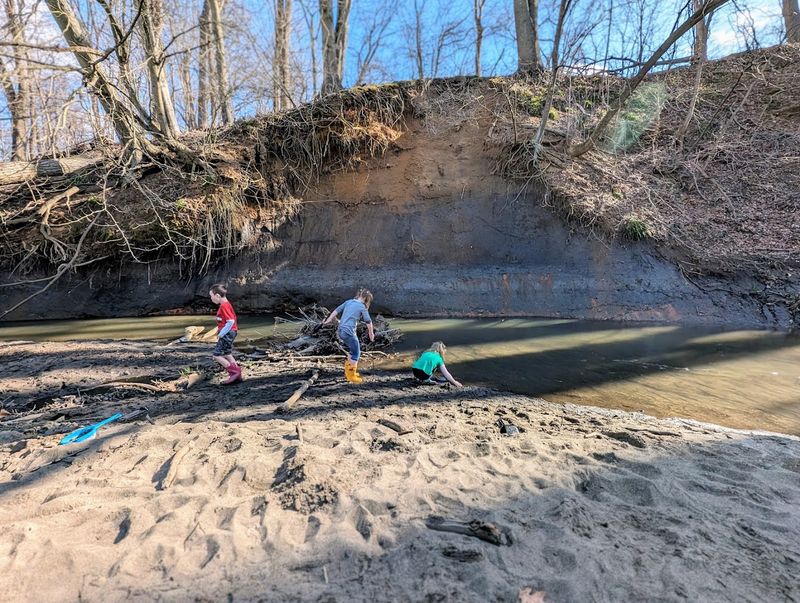
Most kids check out about thirty seconds into a museum exhibit. Put those same kids in a creek where they might actually find a shark tooth, and suddenly history becomes the most interesting subject on the planet.
Big Brook Park delivers that kind of engagement effortlessly, and it works on children of almost every age.
Children under fourteen must be accompanied by a parent or guardian who stays within visual contact at all times. This is a safety rule that also happens to make the experience more fun, since having an adult nearby to share the excitement of a discovery doubles the joy instantly.
The creek is shallow enough to feel safe while still being engaging. Kids can wade, sift, and explore without it feeling like a structured activity.
Pack snacks, because the time will disappear faster than expected. A picnic near the brook after a morning of fossil hunting is a genuinely lovely way to wrap up the kind of afternoon that kids will still be talking about weeks later.
The Trails Beyond the Creek: More Than Just Fossils
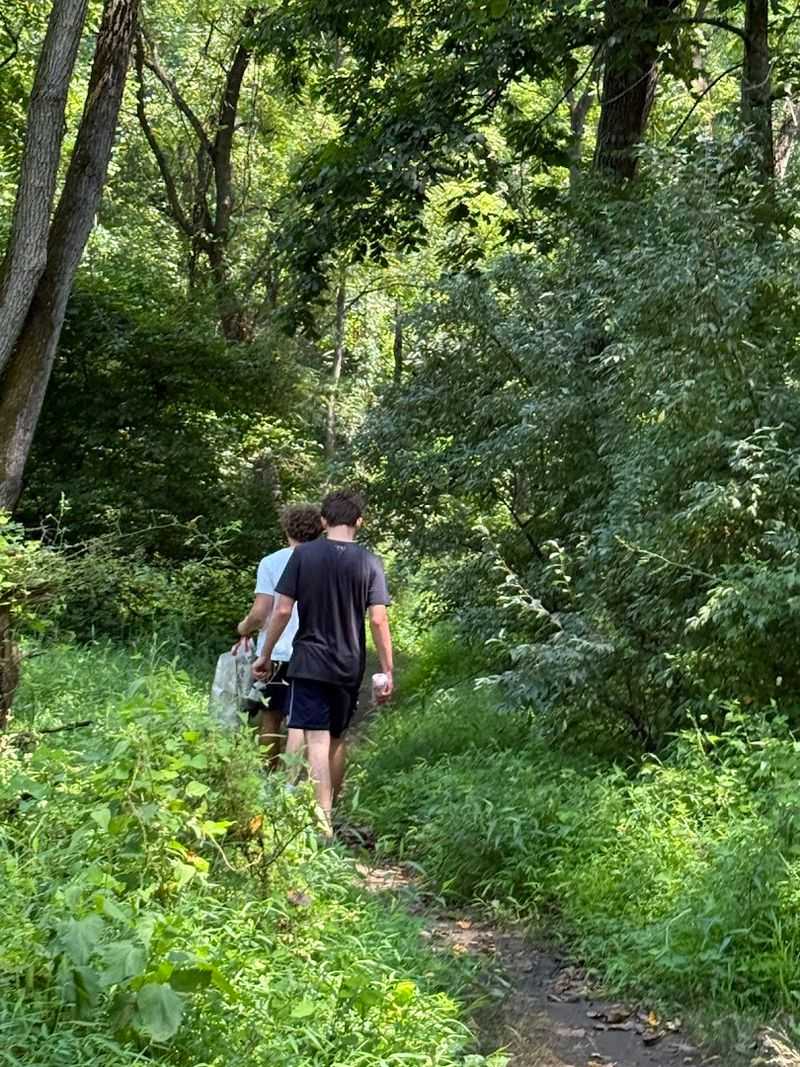
Big Brook Park is much larger than its famous fossil-hunting creek. The park features several miles of trails that wind through forests, open fields, and varied terrain that shifts pleasantly as you walk.
Some sections are paved and smooth, making them accessible for bikes and strollers. Other parts get more rugged and forested, which is where the park really starts to feel wild.
The Henry Hudson Trail passes through the park and connects to a broader network of paths that extend toward Freehold and beyond. For hikers and cyclists who want a longer outing, this connection opens up a full day of exploration.
Geese, deer, bunnies, and a range of bird species make appearances regularly along the way.
Fall is an especially striking time to visit. The foliage transforms the trails into something that genuinely looks like a painting, and the cooler temperatures make walking feel effortless.
In winter, there is even a small hill that locals use for sledding, which adds a completely different kind of fun to the park’s already impressive resume.
Picnicking Near Prehistoric Ground: Food and the Great Outdoors
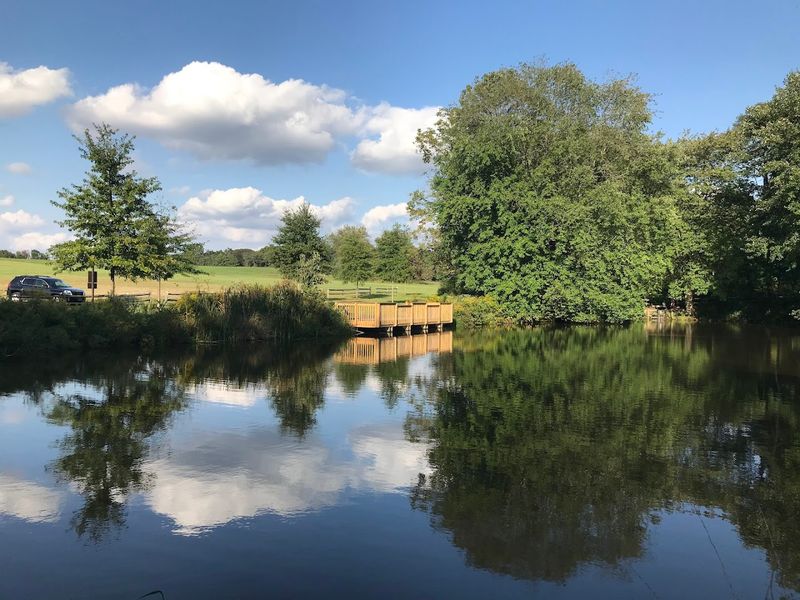
There is a particular kind of satisfaction that comes from eating lunch outdoors after spending the morning doing something genuinely exciting. Big Brook Park has open fields, shaded spots, and a small pond area near the parking lot that make it an excellent picnicking destination.
Pack something hearty because fossil hunting burns more energy than it looks like it should.
Sandwiches, wraps, fresh fruit, and trail mix are all solid choices that travel well and hold up in a backpack. The park does not have food vendors on site, so bringing everything you need is essential.
A small cooler with cold drinks and some easy-to-eat snacks will keep the energy levels up through a long afternoon of exploring.
Eating by the pond while watching the bluegill swim near the surface is one of those small, unhurried pleasures that feels disproportionately good. The park has plenty of seating, and the scenery is consistently beautiful no matter what season you visit.
It is the kind of lunch break that makes you forget you were ever in a rush.
Planning Your Visit: Practical Tips for a Great Day at Big Brook Park
Big Brook Park is open seven days a week from 7 AM to 8:30 PM, which gives visitors a generous window to explore without feeling rushed.
Morning visits tend to be quieter, especially on weekdays.
Facilities at the park are modest. Portable restrooms are available near the Newman Springs Road parking area, but there is no running water on site.
Bringing hand sanitizer and wet wipes is a genuinely good idea, especially after spending time in the creek. A basic first aid kit is also worth tossing in the bag.
The park connects to the Henry Hudson Trail, so cyclists can incorporate Big Brook into a longer ride. Dogs are welcome on the trails, and there is even a well-maintained dog park within the property.
Whether the plan is fossil hunting, hiking, biking, or just sitting quietly near the water, this park delivers a full, memorable outdoor experience from start to finish.
Address: 95 Hillsdale Rd, Colts Neck, NJ 07722, United States
