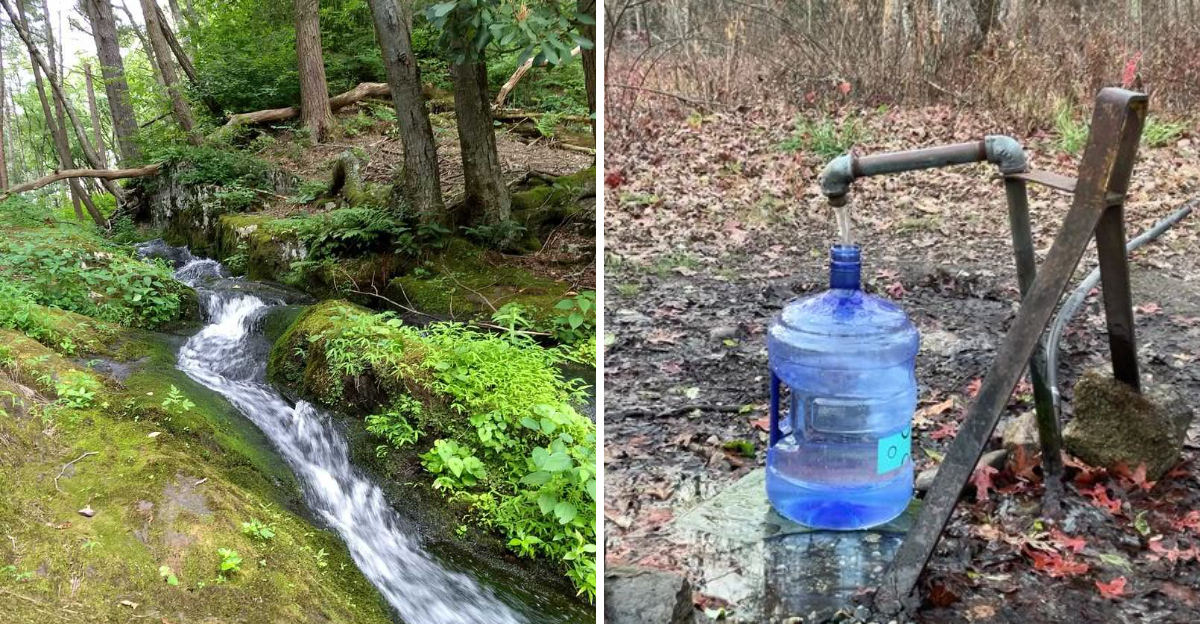
Have you ever tasted water so fresh it actually makes you want to ditch your tap for good? I have.
Lately, I’ve spent a lot of time wandering through the Northwest Jersey highlands, and let me tell you, Stokes State Forest is so much more than just a spot for a nice hike or a quick photo of the fall colors.
I stumbled upon a local legend deep in these 16,000 acres, a natural spring where the water literally bubbles straight out of the ground.
It’s easily the crispest, coldest water I’ve ever had, and it makes those plastic bottles from the store feel like a total scam.
There’s something almost primal about drinking from a source that’s been filtered by the earth for thousands of years.
Why do you think people are willing to haul stacks of empty jugs all the way out here just for a fill-up?
And if the water is this good, can you imagine what kind of trails and overlooks are waiting just a bit further into the woods?
The Legendary Natural Spring
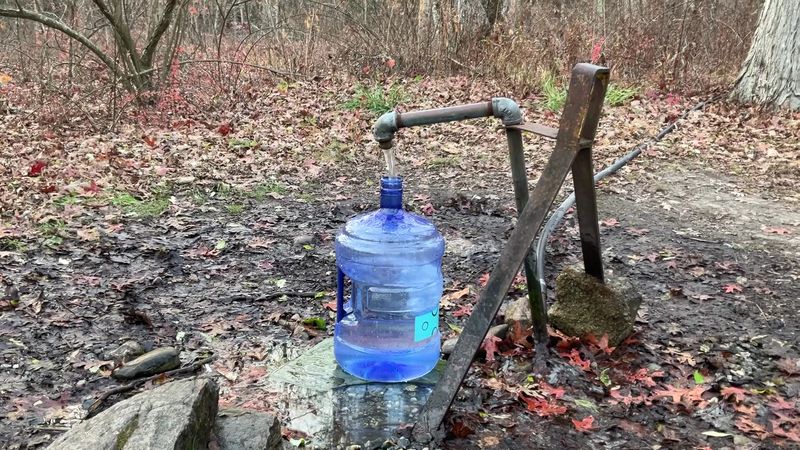
Pulling up to the spring site feels like discovering a secret that’s been hiding in plain sight all along. Located right off Route 206 near the ranger station, this isn’t some fancy tourist trap with gift shops and admission fees.
Water flows continuously from the ground through a simple pipe setup, and visitors line up with everything from gallon jugs to fancy reusable bottles to capture nature’s finest offering.
The spring has been tested repeatedly over the years, and the results speak for themselves. Minerals naturally filter through layers of rock and soil, creating water so pure that many people claim it’s the best they’ve ever tasted.
Local families have been making pilgrimages here for decades, treating it like their personal water source rather than relying on municipal supplies.
What makes this spot truly special is its accessibility combined with its authenticity. You don’t need hiking boots or a guide to reach it, just pull off the road and fill up.
The flow never stops, winter or summer, providing a reliable source that has become legendary among those who know about it.
During peak times, you might wait a few minutes as others fill their containers, but the community atmosphere makes it enjoyable. People swap stories about their favorite camping spots, share trail recommendations, and bond over their appreciation for this natural resource.
Some folks drive from neighboring counties specifically for this water, claiming nothing else compares for making coffee or simply drinking straight.
Sunrise Mountain’s Breathtaking Views
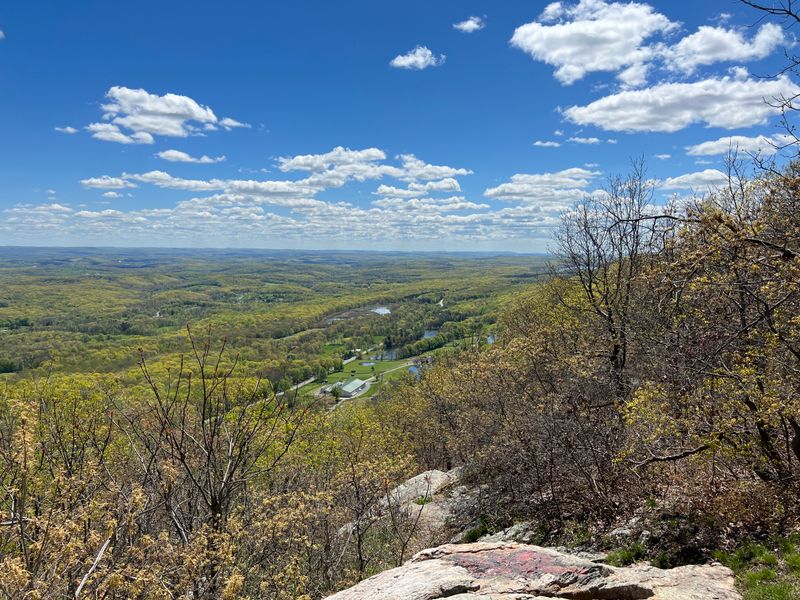
Climbing to the top of Sunrise Mountain rewards you with views that’ll make you forget you’re still in New Jersey. The Appalachian Trail passes right through here, and the scenic overlook sits at 1,653 feet above sea level.
From this vantage point, the landscape unfolds like a living map, with the Pocono Mountains visible to the west and the Kittatinny Ridge stretching endlessly in both directions.
Getting there takes about a half-mile hike from the parking area, manageable for most fitness levels without being too challenging. The trail winds through hardwood forests before opening up to the rocky summit.
Early morning visitors understand why it earned its name, as sunrise here transforms the entire valley into a canvas of oranges, pinks, and golds that photographers dream about capturing.
A stone pavilion at the summit provides shelter and serves as a gathering spot where hikers rest and soak in the scenery. The structure was built by the Civilian Conservation Corps back in the 1930s, adding a touch of history to your mountaintop experience.
Benches allow you to sit comfortably while scanning the horizon for hawks and eagles that frequently soar past at eye level.
Fall brings extra magic when the forests below explode into brilliant reds and yellows, creating a patchwork quilt effect across the mountains. Winter visits offer solitude and crisp air, though the trail can get icy, so proper footwear becomes essential then.
Stony Lake’s Family-Friendly Recreation
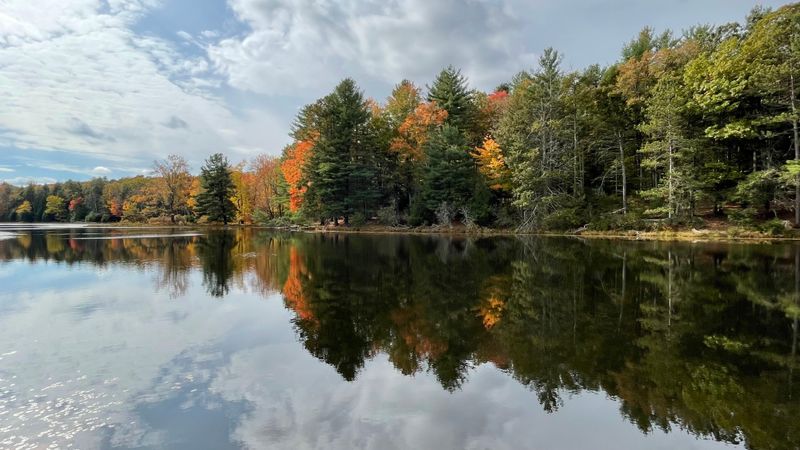
Stony Lake serves as the forest’s recreational heart, where families gather for swimming, picnicking, and making memories that last lifetimes. The lake features a designated swimming area with a sandy beach that kids absolutely love.
Lifeguards watch over swimmers during summer months, giving parents peace of mind while their children splash around in the refreshingly cool water.
A charming waterfall feeds into the lake, creating a picturesque backdrop that makes every photo look like a postcard. The gentle cascade isn’t dramatic enough to be dangerous but provides just enough visual interest to captivate visitors.
Many people wade near the waterfall area, enjoying the extra movement and sound of flowing water.
Picnic tables dot the shoreline under shade trees, perfect for spreading out lunch after a morning hike. The beach house offers changing rooms and restrooms, making it convenient for families spending the whole day.
Some visitors bring kayaks or canoes to paddle around the calm waters, though motorized boats aren’t allowed, keeping the atmosphere peaceful and safe.
Birthday parties happen here frequently because the setting provides natural entertainment without requiring much planning. Kids can swim, explore the trails that circle the lake, or simply play on the beach while adults relax nearby.
The combination of water access, facilities, and natural beauty makes Stony Lake ideal for introducing children to outdoor recreation without overwhelming them with wilderness challenges.
Diverse Camping Options Throughout The Forest
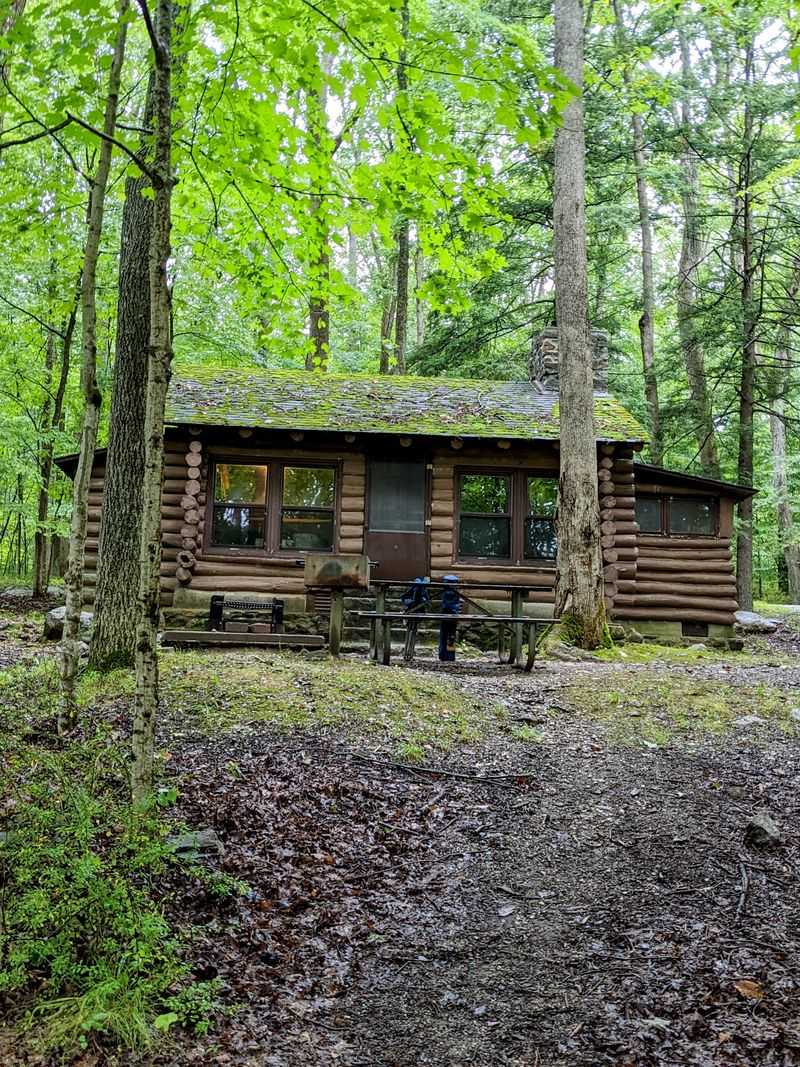
Camping at Stokes gives you choices that range from primitive backcountry sites to more developed areas with amenities. The Shotwell Campground offers the most facilities, with sites that include picnic tables, fire rings, and access to clean bathrooms with showers.
Families appreciate the upper loop for its extra privacy, where sites are spaced far enough apart that you feel secluded without being completely isolated.
Lean-to shelters provide a unique middle ground between tent camping and cabin stays. These structures offer solid roofs and walls on three sides, protecting you from weather while keeping you connected to nature.
They’re surprisingly spacious and come equipped with wooden platforms that elevate you off the ground, making sleeping arrangements more comfortable than traditional tent camping.
For those seeking solitude, the Steam Mill area provides primitive sites accessible by hiking in with your gear. These spots appeal to experienced campers who want genuine wilderness experiences without the noise and activity of developed campgrounds.
You’ll need to pack everything in and out, but the reward is having a corner of the forest almost entirely to yourself.
Cabins operated by the YMCA section offer even more comfort for those who want indoor sleeping arrangements. These well-maintained structures sleep multiple people and provide basic furnishings, though you’ll still need to bring bedding and cooking supplies.
They’re perfect for groups or families testing the camping waters before committing to tent life.
Miles Of Hiking Trails For Every Skill Level
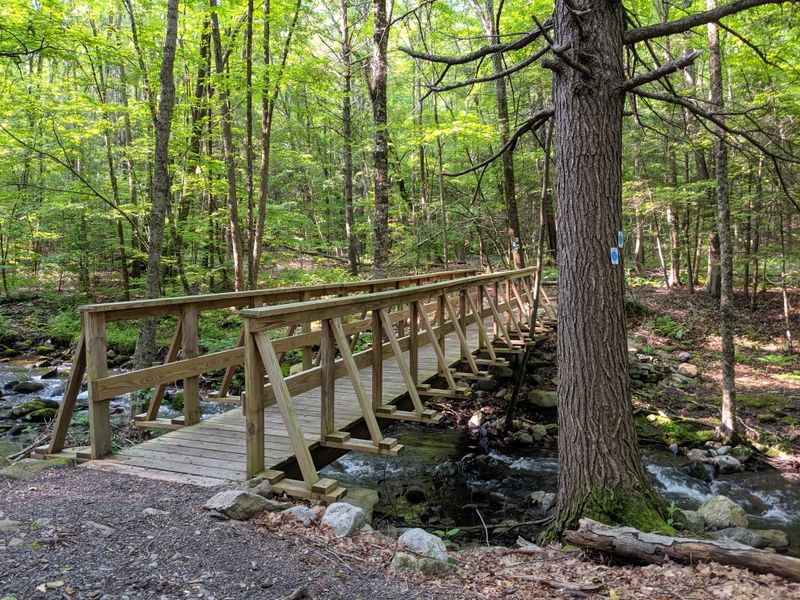
Over 50 miles of trails crisscross Stokes State Forest, offering everything from gentle nature walks to challenging ridge hikes. The famous Appalachian Trail cuts right through the property, giving thru-hikers a beautiful stretch and day hikers a chance to walk a piece of America’s most iconic footpath.
White blazes mark the AT, making it easy to follow even for those new to trail navigation.
Swenson Trail provides a moderate loop that showcases the forest’s diversity without requiring advanced hiking skills. This path takes you through different ecosystems, from dense hardwood groves to rocky outcroppings that offer glimpses of surrounding valleys.
The varied terrain keeps things interesting without becoming exhausting, making it popular with families and casual hikers.
For waterfall enthusiasts, trails lead to cascades tucked away in the forest’s hidden corners. These aren’t the massive drops you’d find out west, but their intimate scale and surrounding greenery create enchanting scenes worth the walk.
Spring runoff makes them most impressive, though they maintain flow throughout most of the year.
Trail maintenance stays consistently good thanks to dedicated volunteers and park staff who clear fallen trees and mark paths clearly. Maps available at the ranger station help you plan routes based on your fitness level and time available.
Some trails connect to neighboring High Point State Park, essentially giving you access to over 30,000 acres of connected wilderness if you’re feeling ambitious.
Seasonal Beauty That Changes Everything
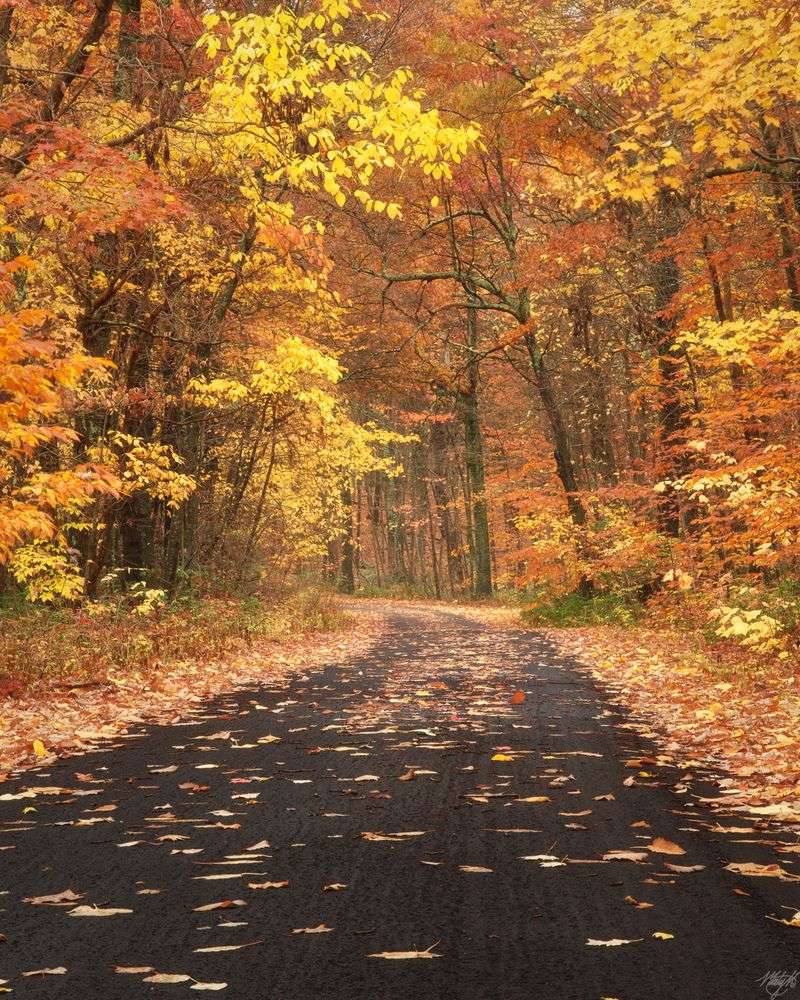
Visiting Stokes during different seasons feels like experiencing four completely different forests. Autumn transforms the landscape into an explosion of color that rivals anywhere in the northeastern United States.
Maples, oaks, and birches compete for attention with their brilliant reds, oranges, and yellows, creating scenes so stunning that Sunrise Mountain Road becomes clogged with leaf peepers during peak weeks in October.
Winter blankets everything in snow, turning the forest into a quiet wonderland perfect for snowshoeing and cross-country skiing. The trails take on new character when covered in white, and the absence of leaves opens up views that remain hidden during warmer months.
Fewer visitors mean more solitude, though you’ll need proper gear to stay warm and safe in the elements.
Spring awakening brings wildflowers, rushing streams swollen with snowmelt, and the return of migratory birds that fill the canopy with songs. The forest literally comes alive after winter’s dormancy, with everything from tiny hepaticas blooming on the forest floor to trout becoming active in cold streams.
This season offers perfect hiking temperatures before summer heat and humidity arrive.
Summer provides the fullest canopy and warmest weather for swimming and camping. Though temperatures can climb, the forest’s elevation and shade keep things cooler than surrounding lowlands.
This is prime time for families, with school out and all facilities operating at full capacity, creating a bustling atmosphere quite different from winter’s solitude.
Fishing Opportunities In Pristine Waters
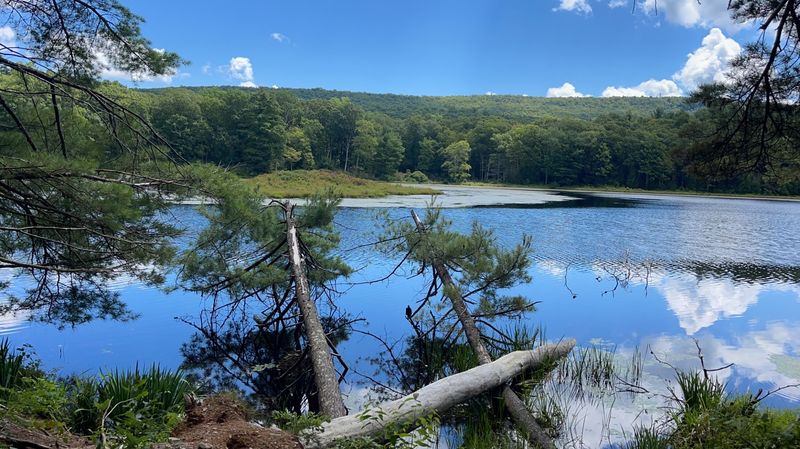
Big Flatbrook runs through Stokes State Forest, providing some of New Jersey’s finest trout fishing in a wild setting. The stream stays cold year-round thanks to springs and forest shade, creating perfect habitat for brook, brown, and rainbow trout.
Experienced anglers appreciate the challenge of fishing these waters, where trout grow selective and wary in the clear currents.
Special regulations protect certain stretches, with catch-and-release sections ensuring sustainable populations for future generations. These rules have paid off beautifully, with healthy fish numbers and even some trophy-sized catches reported by lucky anglers.
The combination of natural reproduction and careful management makes this a destination for serious fly fishers.
Stony Lake also offers fishing, though the species differ from the stream’s cold-water trout. Panfish like bluegill and pumpkinseed provide action for kids learning to fish, while bass attract those seeking bigger challenges.
The peaceful setting makes fishing here relaxing regardless of what’s biting, with wooded shores and mountain views creating ambiance that transcends the catch itself.
You’ll need a New Jersey fishing license and should check current regulations before wetting a line. The ranger station can provide basic information, though serious anglers should research specific rules for different areas.
Early mornings and evenings typically produce best results, when fish feed most actively and the forest comes alive with wildlife activity along the water’s edge.
Wildlife Watching In Natural Habitat
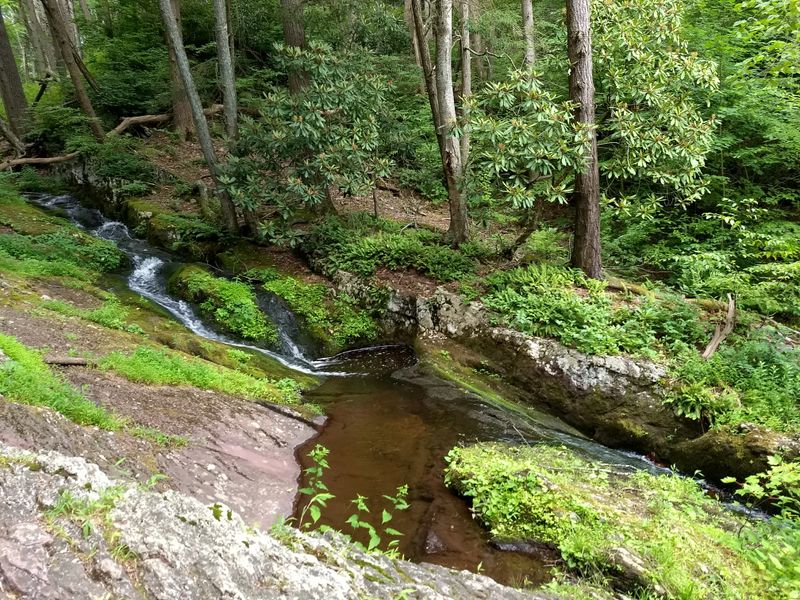
Stokes State Forest hosts an impressive variety of wildlife that thrives in its protected acres. White-tailed deer appear so frequently that seeing them becomes almost expected rather than exciting, though watching does with spotted fawns in spring never gets old.
They browse along trail edges during early morning and evening hours, often allowing close observation if you move quietly and respect their space.
Bird watchers find paradise here, with over 200 species documented throughout the seasons. Raptors soar along the ridgelines, using thermals to gain altitude while scanning for prey below.
Warblers fill the spring canopy with color and song during migration, while year-round residents like chickadees and nuthatches provide entertainment even in winter’s quiet months.
Black bears call this forest home, though they typically avoid human contact and encounters remain rare. Proper food storage at campsites prevents problems, and rangers provide clear guidelines for coexisting safely with these impressive animals.
Most visitors never see bears, but knowing they’re out there adds a thrilling wild element to your forest experience.
Smaller creatures from chipmunks to salamanders inhabit every nook and cranny of the ecosystem. Patient observers discover turtles sunning on logs, frogs calling from wetlands, and countless insects that form the base of the forest’s food web.
This diversity reflects healthy habitat management and reminds visitors that wilderness means sharing space with creatures who were here long before us and deserve our respect and protection.
Historical Significance And Conservation Legacy
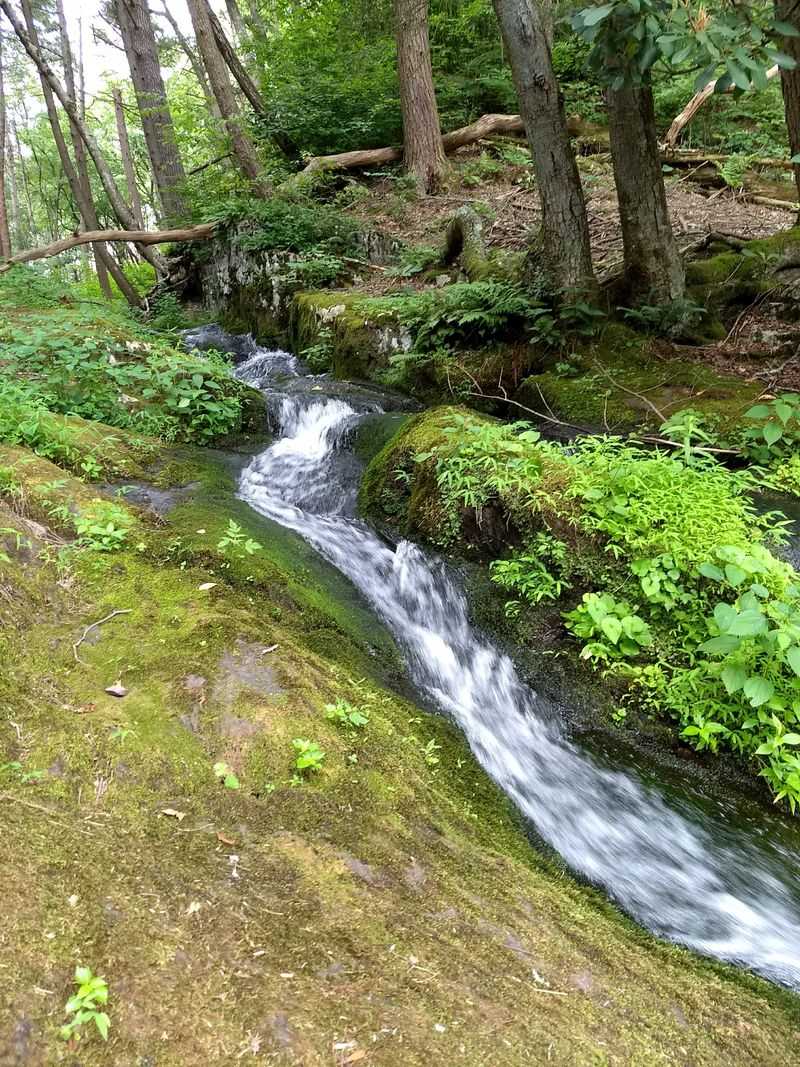
Stokes State Forest owes its existence to Governor Edward C. Stokes, who donated the initial 500 acres in 1907 to preserve this landscape for future generations.
His vision sparked a conservation movement that gradually expanded the protected area to today’s impressive 16,000-plus acres. This foresight ensured that development pressures never consumed these mountains, leaving them wild for us to enjoy over a century later.
The Civilian Conservation Corps left its mark throughout the forest during the 1930s, building trails, shelters, and the iconic stone pavilion atop Sunrise Mountain. These Depression-era workers created infrastructure that still serves visitors today, their craftsmanship evident in structures that have weathered decades of weather and use.
Walking these trails connects you to history, knowing that young men once labored here to improve the forest while earning wages during difficult economic times.
Modern management balances recreation with ecosystem protection, maintaining habitats for sensitive species while providing access for millions of annual visitors. Forest managers conduct prescribed burns, remove invasive plants, and monitor wildlife populations to ensure the forest stays healthy.
This active stewardship prevents the forest from becoming degraded despite heavy use.
Educational programs teach visitors about forest ecology, Leave No Trace principles, and the importance of conservation. Rangers lead interpretive hikes that reveal hidden aspects of the forest’s natural and human history.
These efforts ensure that future generations will inherit not just protected acres but also knowledge and appreciation for why these wild places matter so much to New Jersey and beyond.
Dear Reader: This page may contain affiliate links which may earn a commission if you click through and make a purchase. Our independent journalism is not influenced by any advertiser or commercial initiative unless it is clearly marked as sponsored content. As travel products change, please be sure to reconfirm all details and stay up to date with current events to ensure a safe and successful trip.
