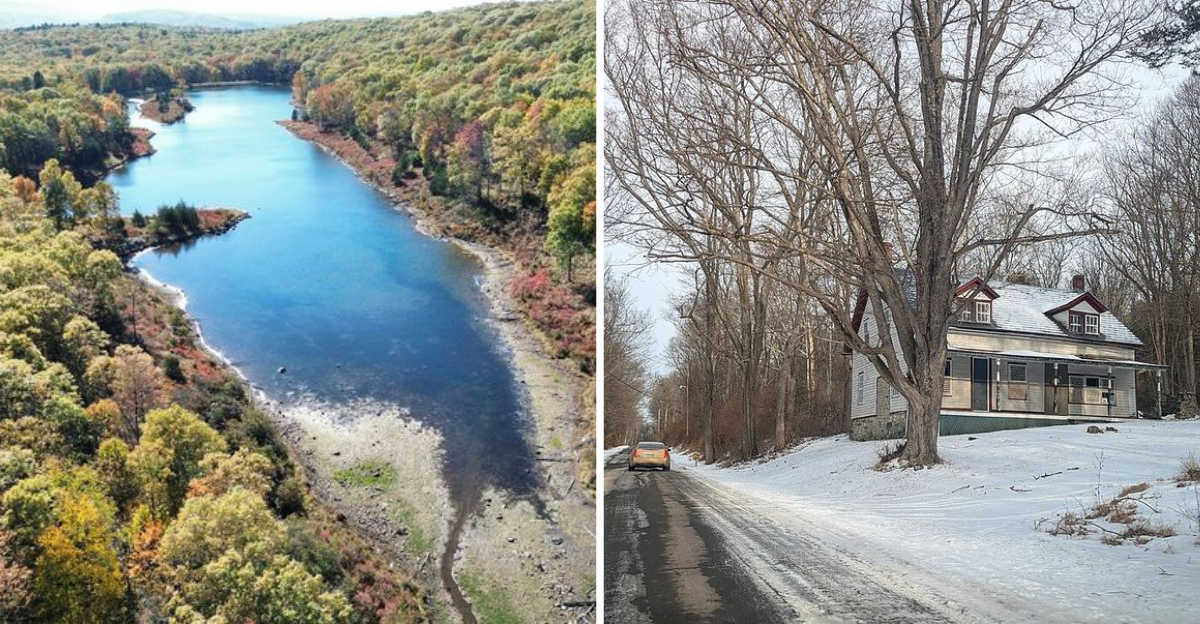
Ever wondered if you could have an entire New Jersey zip code all to yourself?
Welcome to the “Humble Legend” of the Garden State, where the local census is basically just a headcount of the local deer and maybe one very confused mailman.
I’ve always believed that the best way to social distance is to move to a 19th-century time capsule where the neighbors haven’t made a peep since the 1970s.
It’s officially the state’s smallest population, unless you count the ghosts, in which case, it’s actually getting a bit crowded!
I am genuinely vibrating with excitement to show you this historic masterpiece where the only “rush hour” involves a slow-moving turtle crossing the street.
A Population So Small It Barely Registers
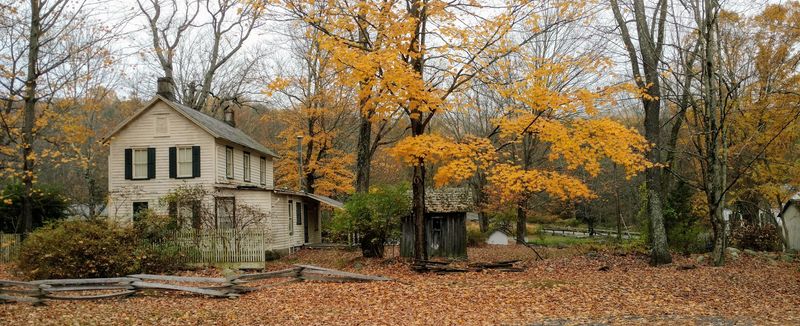
Seven people. That is the entire recorded population of Walpack Township according to the 2020 United States Census.
Seven. That is fewer people than most families have gathered at a Thanksgiving table.
Back in 2000, the population sat at 41 residents, which already felt like a whisper compared to most New Jersey towns. By 2010, that number dropped to 16.
Then came 2020 with its jaw-dropping count of just 7.
New Jersey is famously the most densely populated state in the entire country, which makes Walpack a complete outlier. It holds the official title of least populated municipality in the state, and that distinction is not even close.
The nearest competitors do not come anywhere near this level of emptiness.
Standing in the middle of Walpack, the quiet feels almost physical. There are no traffic jams, no honking, no crowds pushing past you.
Just open roads, rustling trees, and the kind of stillness that makes you realize how rare real silence actually is.
Where Exactly Is This Place Hiding
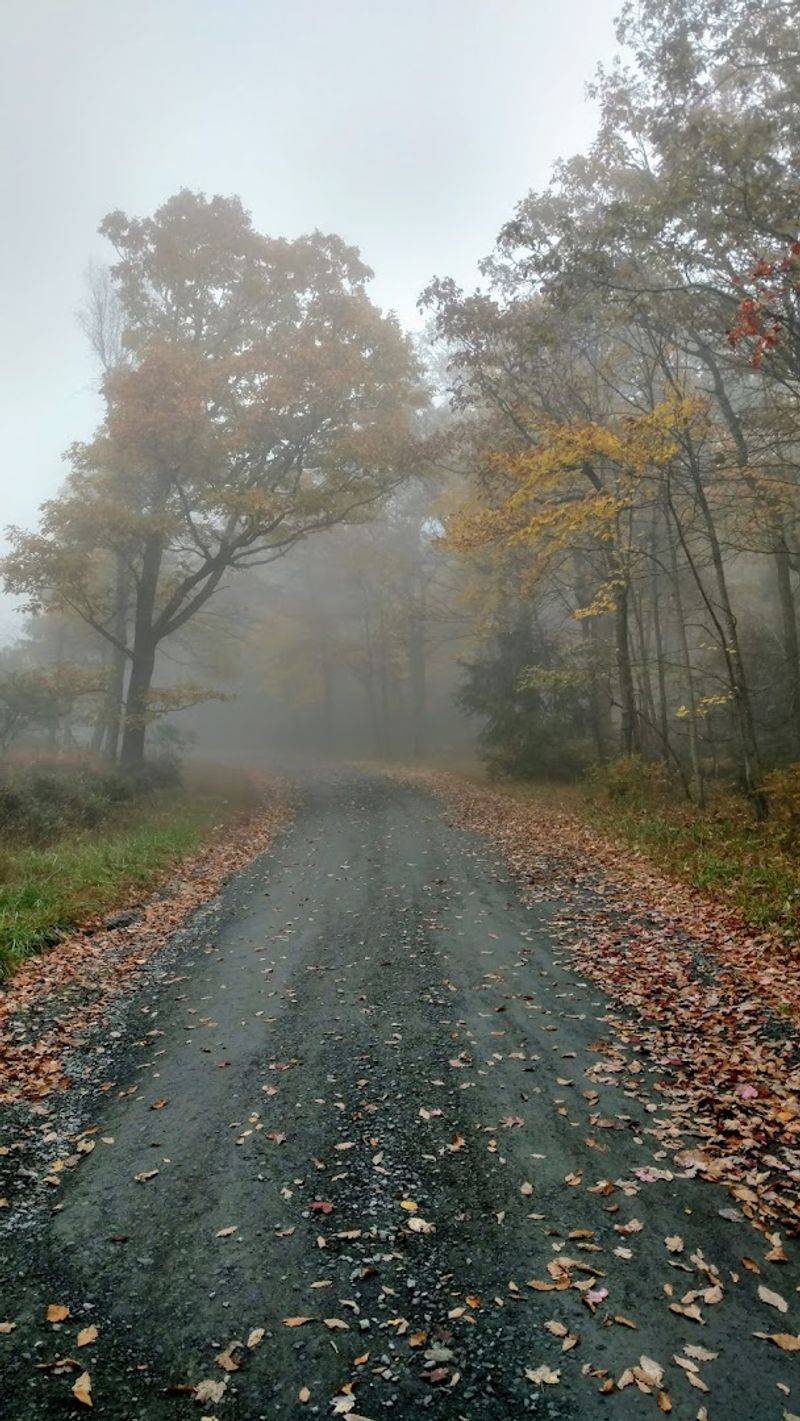
Walpack Township sits tucked inside Sussex County, New Jersey, stretching through a gorgeous stretch of land known as the Minisink Valley.
The valley runs from the Delaware Water Gap all the way north to Port Jervis, New York, and the scenery along that corridor is genuinely stunning.
The township covers roughly 24.88 square miles in total. Most of that is land, about 24.24 square miles, with a small slice of water making up the rest.
For context, that is a decent chunk of territory for only seven residents to call home.
Getting there involves winding through back roads that feel increasingly remote the further you go. Cell service starts fading.
The trees get taller. The houses get fewer.
It has that slow-building feeling of going somewhere genuinely off the beaten path, not just a place that markets itself as one.
The Delaware River runs nearby, adding a natural boundary and a gorgeous backdrop to the whole area. The geography alone makes the drive feel like its own reward.
The Lenape Legacy Behind the Name
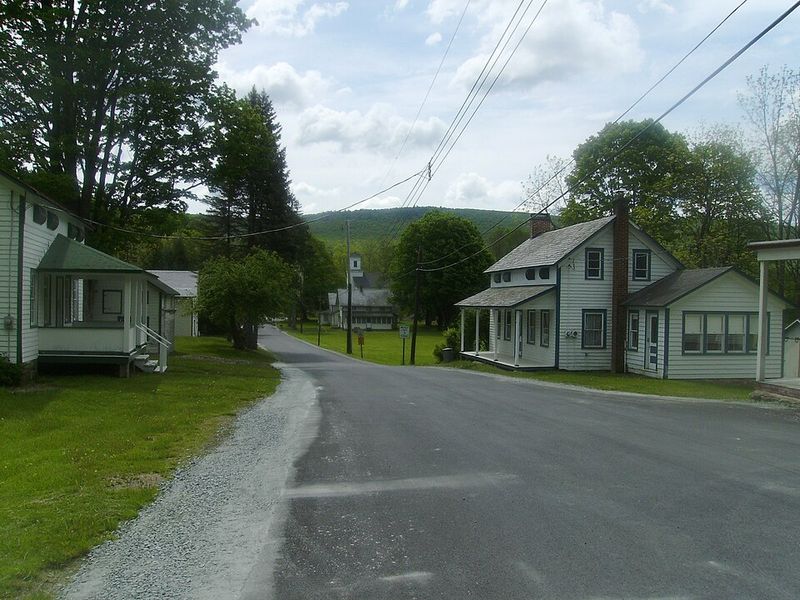
The name Walpack has roots that go much deeper than any road sign suggests. It comes from the Lenape Native American word “wahlpeck,” which translates roughly to “turn-hole” or “eddy,” describing a whirlpool or a sharp bend in a moving stream.
The Lenape people lived throughout this region for centuries before European settlers arrived. Their connection to the land was deeply practical and spiritual, and the names they gave to places were always descriptive of the natural world around them.
Walpack is a perfect example of that tradition.
When you stand near the Delaware River and watch the water curl and twist around the rocky bends, the name suddenly makes complete sense. There is something almost poetic about a place keeping its original name across hundreds of years of change.
That linguistic connection to the Lenape people adds a layer of meaning to every visit here. The land has been witnessed, named, and respected long before any census ever counted its residents.
That history deserves to be carried forward.
A Township With Surprisingly Deep Roots
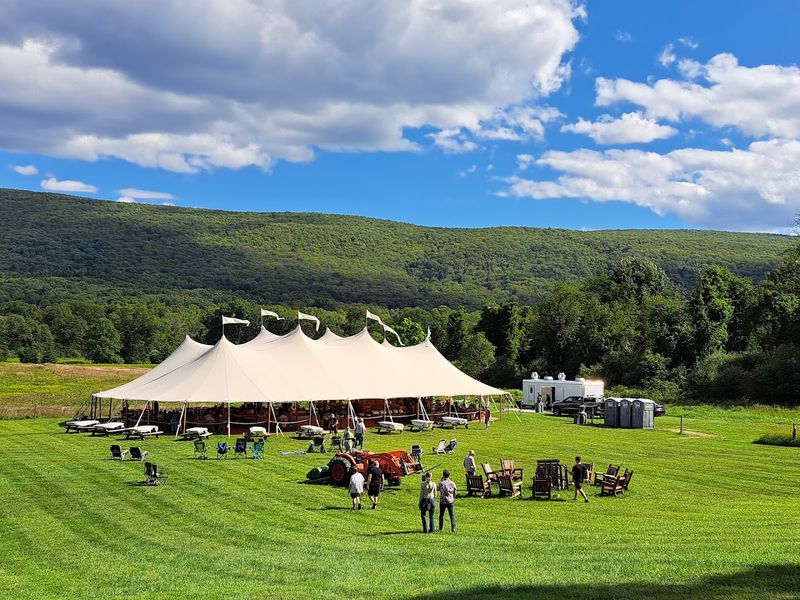
Walpack Township has been around far longer than most people would guess from its current ghost-town reputation. The area was first mentioned in historical records back in 1731, and the township was formally incorporated in 1798.
That means this community predates many of the institutions most Americans take for granted.
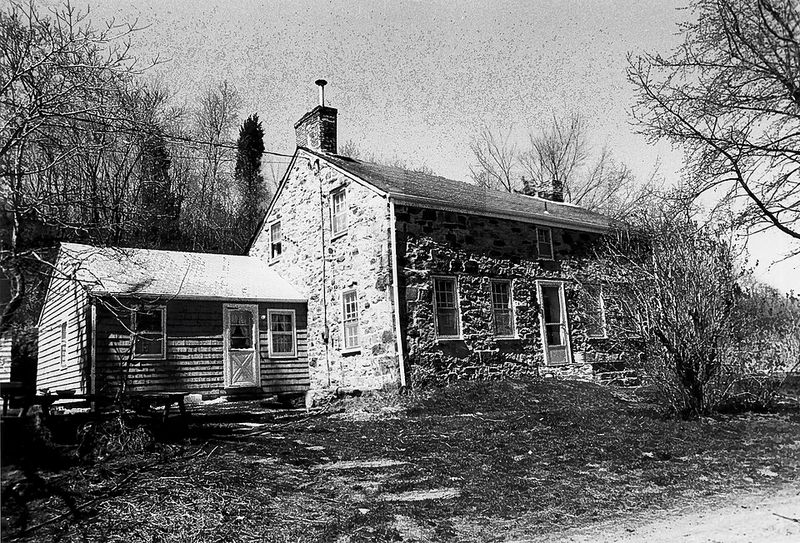
One of its most notable historical landmarks is the Andrew Snable House, built in 1801. That structure is listed on the National Register of Historic Places, which is a real honor for a place this small.
It stands as a physical reminder that real families lived, worked, and built lives here.
The entire township feels like a slow walk through early American rural life. Stone foundations peek out from overgrown lots.
Old fences line fields that have not been farmed in decades. The land holds its history quietly, without needing any fanfare.
Visiting with even a basic awareness of that timeline changes everything. Suddenly every crumbling wall and mossy path becomes part of a much longer story, one that started long before New Jersey was even a state.
The Dam That Never Happened
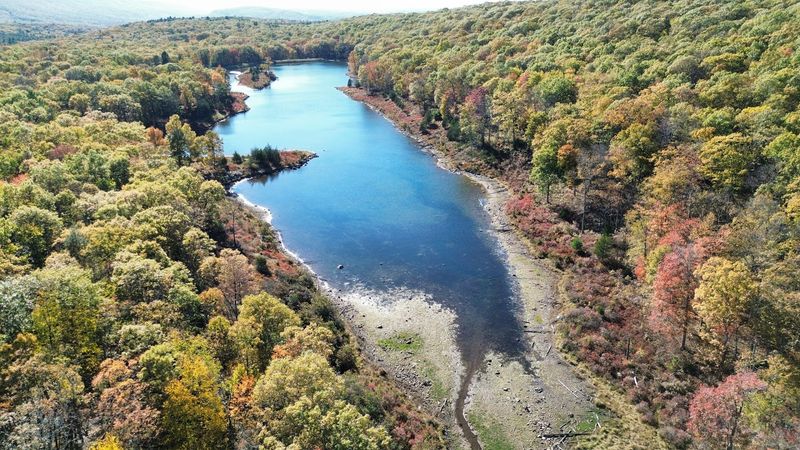
One of the most fascinating chapters in Walpack’s story involves a massive dam that was proposed but never actually built. Back in 1962, the U.S.
Army Corps of Engineers put forward a plan to construct a dam at Tocks Island on the Delaware River. The goal was to control flooding in the region.
The problem was that building that dam would have completely flooded Walpack Township and the surrounding areas. To prepare for the project, the government used eminent domain to acquire approximately 72,000 acres of land, displacing the families and communities that had been there for generations.
Years of environmental debate, public opposition, and changing priorities ultimately killed the dam project. It was never built.
But the land that had already been taken was not simply handed back overnight, and the disruption fundamentally changed the character of the whole area.
That history explains so much about why Walpack feels the way it does today. The emptiness is not just natural rural quiet.
It is the lingering result of a massive upheaval that reshaped an entire community, and then left the land largely to itself.
Food and Foraging in a Nearly Empty Township
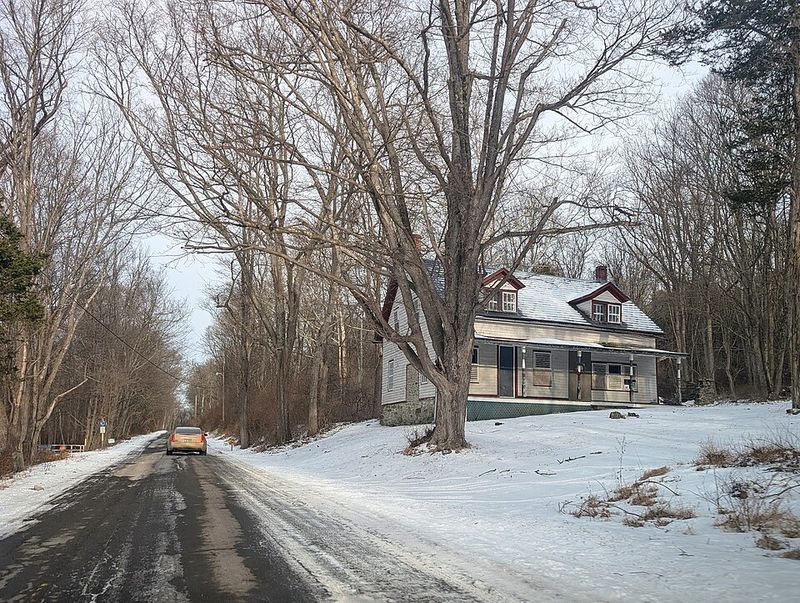
Finding food in Walpack Township requires a little creativity, and honestly that is part of the fun. This is not a place with a restaurant on every corner or a coffee shop with a drive-through window.
The food experience here is more about what the land itself offers and what you bring with you.
The surrounding forests and meadows are rich with wild edibles during the right seasons. Mushrooms, berries, and wild greens grow throughout the area in ways that reward anyone willing to pay attention.
Foraging culture has deep roots in communities like this, where people have always known how to read the land.
Packing a proper picnic for a trip to Walpack is genuinely one of the best ways to experience it. Spreading out near the river or along one of the old farm fields turns a simple meal into something memorable.
The setting does most of the work.
Nearby towns along the Delaware Water Gap corridor offer small diners and local markets worth stopping at before heading in. Stocking up beforehand makes the whole visit feel more like a real backcountry adventure and less like a forgotten detour.
The Delaware Water Gap Connection
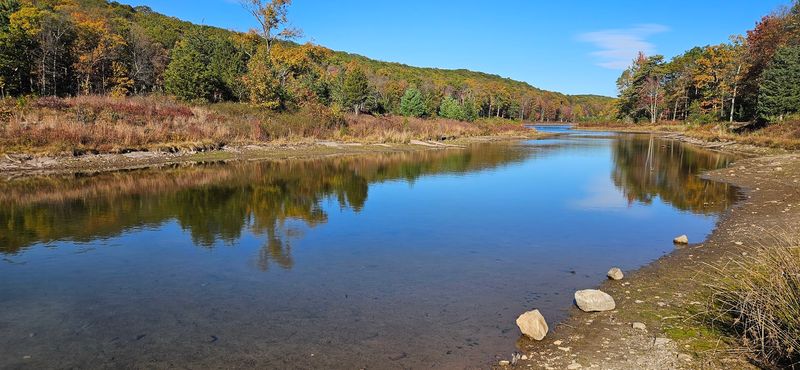
Walpack Township sits right in the heart of the Delaware Water Gap National Recreation Area, and that connection gives the whole visit an extra layer of depth. The recreation area stretches across both New Jersey and Pennsylvania, covering over 70,000 acres of protected land along the Delaware River.
Because of that federal protection, the land around Walpack has been preserved in a way that most of New Jersey simply has not. Development never crept in the way it did elsewhere.
The forests stayed intact. The river stayed clean.
The whole corridor feels like a time capsule of what this region once looked like across its entirety.
Hiking trails, river access points, and scenic overlooks are all within easy reach of the township. The combination of historical emptiness and natural abundance makes Walpack a genuinely unique base for exploring the broader recreation area.
Most visitors to the Delaware Water Gap never make it as far as Walpack, which means the trails nearby tend to be quieter than the more famous access points. That extra bit of solitude is worth the longer drive every single time.
Ghost Town Energy Without the Gimmicks
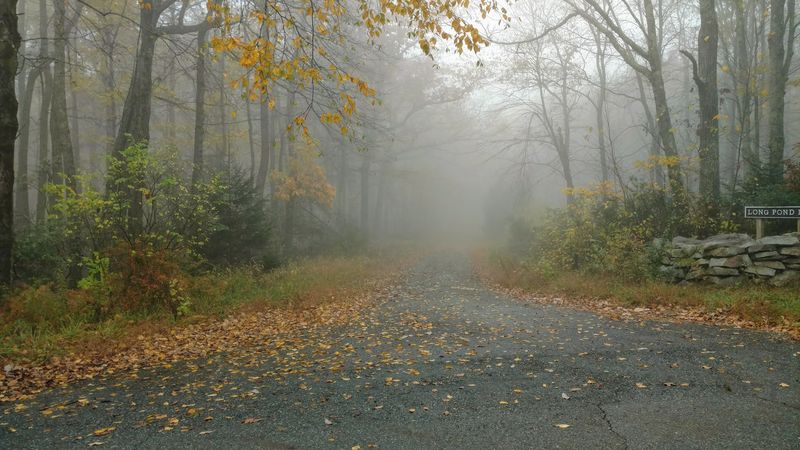
Some places call themselves ghost towns as a marketing angle, leaning into spooky tours and themed events to draw visitors. Walpack is not that kind of place.
The ghost town feeling here is completely authentic and comes entirely from the actual history of what happened to the community.
Empty lots where houses once stood are now just patches of grass slightly different from the surrounding meadow. Old cellar holes hide under decades of leaf litter.
The occasional stone chimney stands alone in a field, no house attached, no explanation offered.
That quietness feels earned rather than performed. There is no soundtrack, no tour guide, no entrance fee.
Just the land and whatever knowledge you bring with you about what this place once was and what it went through.
For people who find abandoned places genuinely interesting rather than just creepy, Walpack offers something rare. The history is visible but not dramatized.
The emptiness is real but not sad. It feels more like a long exhale than a haunting, which makes it surprisingly peaceful to spend time in.
Why This Tiny Township Deserves a Visit
There are not many places in New Jersey where you can stand in the middle of a road and hear absolutely nothing man-made. Walpack Township is one of them.
That alone feels like a reason to make the trip at least once.
Beyond the silence, there is genuine historical weight here. The story of the dam proposal, the eminent domain land seizures, the slow depopulation, and the eventual preservation of the area forms one of the more unusual chapters in New Jersey history.
Understanding it makes the landscape feel alive in a completely different way.
The natural beauty of the Minisink Valley adds to everything. Whether you come for the history, the hiking, the foraging, or just the experience of being somewhere genuinely remote, Walpack delivers without trying hard at all.
It is not curated or polished, and that is exactly the point.
Getting here takes a little effort and some advance planning, but that is part of what makes it feel special. Places that require something from you tend to give something back in return.
Walpack Township gives back in quiet, lasting ways.
Dear Reader: This page may contain affiliate links which may earn a commission if you click through and make a purchase. Our independent journalism is not influenced by any advertiser or commercial initiative unless it is clearly marked as sponsored content. As travel products change, please be sure to reconfirm all details and stay up to date with current events to ensure a safe and successful trip.
