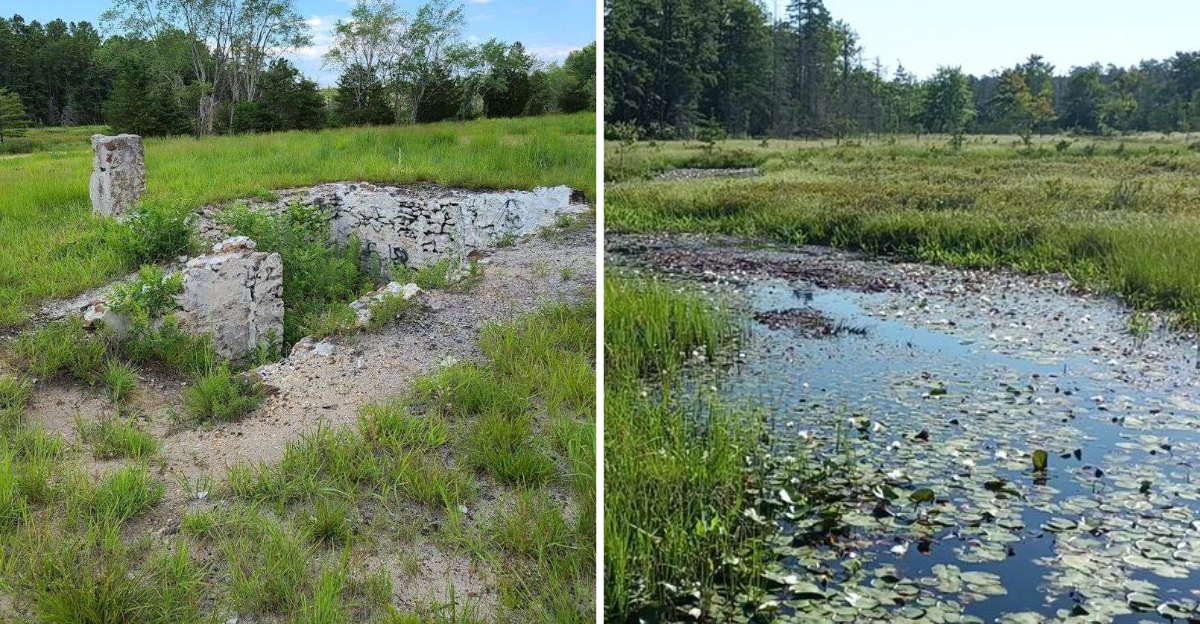
Set deep in the Pine Barrens, this forgotten New Jersey spot once buzzed with cranberry farmers and their families.
Now, all that remains are crumbling walls, a silent general store, and whispers carried by the wind.
Nature has happily reclaimed the streets, turning them into leafy trails just begging for a curious explorer.
Can you feel the history hiding behind every vine covered brick?
No crowds, no noise… just friendly ghosts of a very busy past.
Come see how a bustling little village became the woods’ best kept secret.
Adventure awaits, but bring your own snacks!
The Origins of Friendship Village and Its Cranberry Farming Legacy
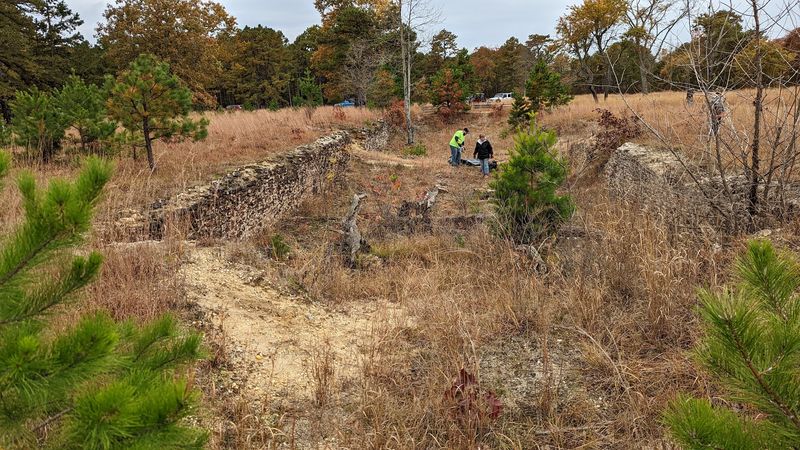
Back in 1869, a bold decision was made to carve a working village right out of the heart of the New Jersey Pine Barrens. Friendship was not just a cluster of buildings.
It was a fully functioning community built around one of the most ambitious cranberry farming operations the region had ever seen.
The village sat at the center of a sprawling 3,000-acre cranberry farm, making it a serious agricultural powerhouse for its time. The sandy, acidic soil of the Pine Barrens turned out to be absolutely perfect for growing cranberries, which thrive in peat and marshy ground.
Farmers flooded the bogs each fall between September and October to harvest the bright red fruit.
Commercial cranberry farming had been picking up steam in the Pine Barrens since the mid-1800s, and Friendship was riding that wave hard. The whole operation was a carefully coordinated effort that supported an entire community.
Understanding this foundation makes walking those ruins feel like stepping into a living history lesson.
What the Village Actually Looked Like at Its Peak
Picturing Friendship at its peak is genuinely fun, because this was not just a bog with a few shacks thrown in. The village had real infrastructure that supported a working population day in and day out.
At the heart of it all was a cranberry sorting and packing plant, which was the economic engine of the whole settlement. Workers would bring in the harvested cranberries, sort them by quality, and pack them for distribution.
Alongside the plant stood a general store where residents could grab supplies without making the long trek into town.
There was also a one-room schoolhouse, which tells you that families were living here year-round, not just passing through for seasonal work. Multiple homes dotted the landscape, creating a tight-knit community deep in the pines.
Most of the structures were built from wood, which explains why so little remains today. The schoolhouse was the lucky exception.
It was preserved and actually relocated by Tabernacle Township, making it a rare surviving piece of Friendship’s story.
How the Pine Barrens Made Cranberry Farming Possible
There is something almost poetic about the Pine Barrens being the ideal home for cranberry farming. The same harsh, nutrient-poor soil that makes it nearly impossible to grow most crops turns out to be exactly what cranberries love.
Cranberries need acidic, sandy, or peaty soil with reliable access to water. The Pine Barrens delivers all of that in abundance.
The region sits on top of a massive aquifer, giving farmers consistent water access for flooding the bogs during harvest. That flooding technique, where bogs are submerged to float the ripe berries to the surface, is still used today on active farms across South Jersey.
When Friendship was established, farmers here were already benefiting from generations of knowledge about working with the land rather than against it. The seasonal rhythm of the cranberry harvest shaped the entire calendar of village life.
Autumn meant everything. It was the busiest, most important stretch of the year, and the whole community mobilized around it.
That deep connection between land and livelihood is what made Friendship so unique.
The Slow Decline and Abandonment of Friendship
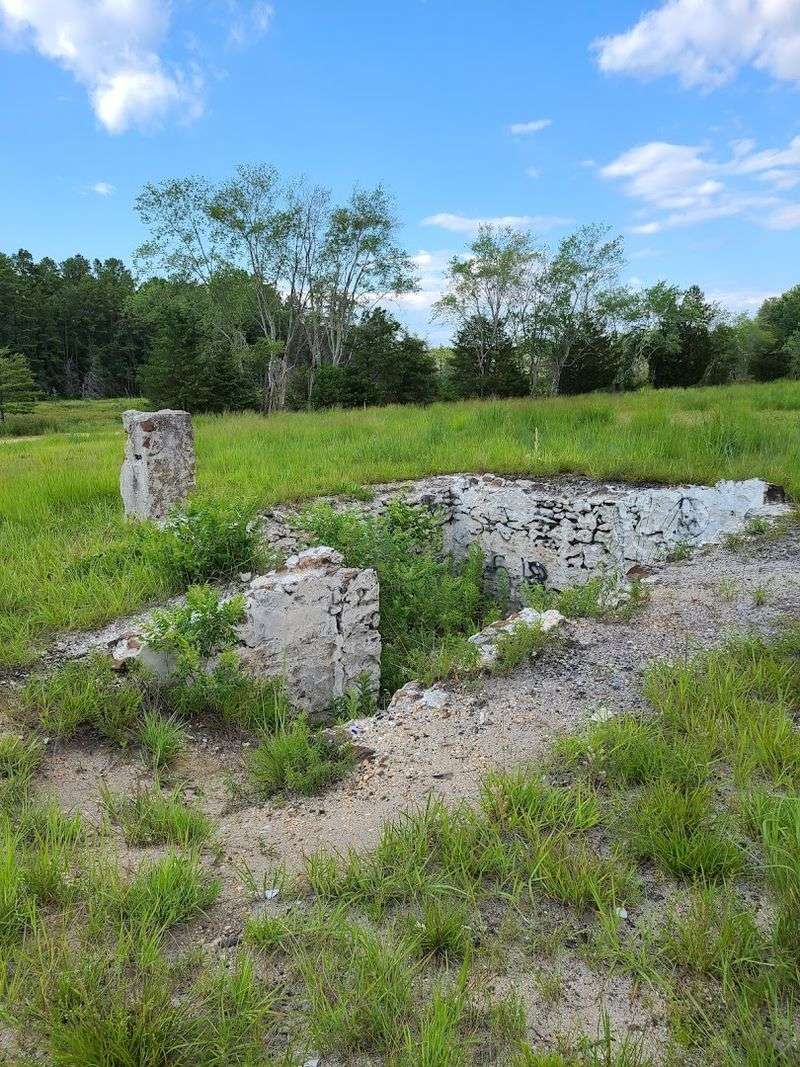
Every ghost town has a turning point, and for Friendship, it came quietly rather than all at once. By 1938, visitors passing through the area would have found a settlement that looked more like a ruin than a living community.
Buildings had fallen into disrepair and vegetation had begun swallowing the structures whole. The population had thinned out as economic pressures and changing agricultural practices made the remote village less viable.
Without consistent upkeep, wooden structures deteriorated fast in the humid Pine Barrens environment.
Friendship continued limping along in some form until approximately the 1960s, but the writing had been on the wall for decades. Once the last residents moved on, nature moved in with zero hesitation.
The cranberry bogs that once fed a community were reclaimed by local wildlife. Reeds, shrubs, and pine saplings took over what had been carefully maintained farmland.
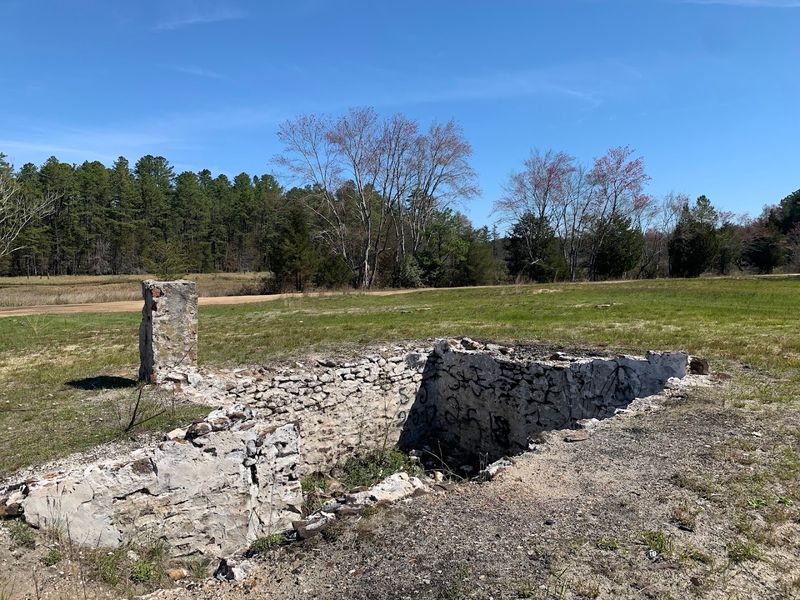
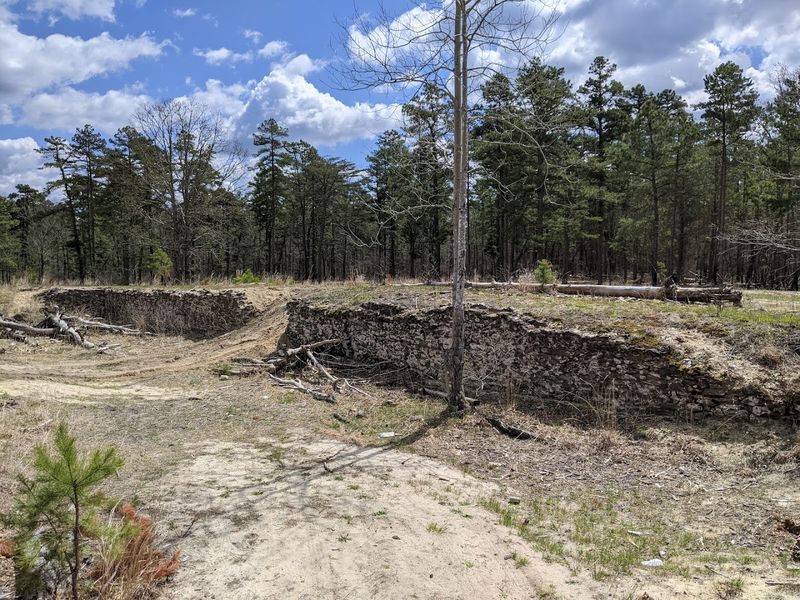
Today, what remains is a quiet collection of stone foundations and earthwork remnants, slowly being absorbed back into the forest floor in the most unhurried way imaginable.
Exploring the Ruins: What You Can Still Find Today
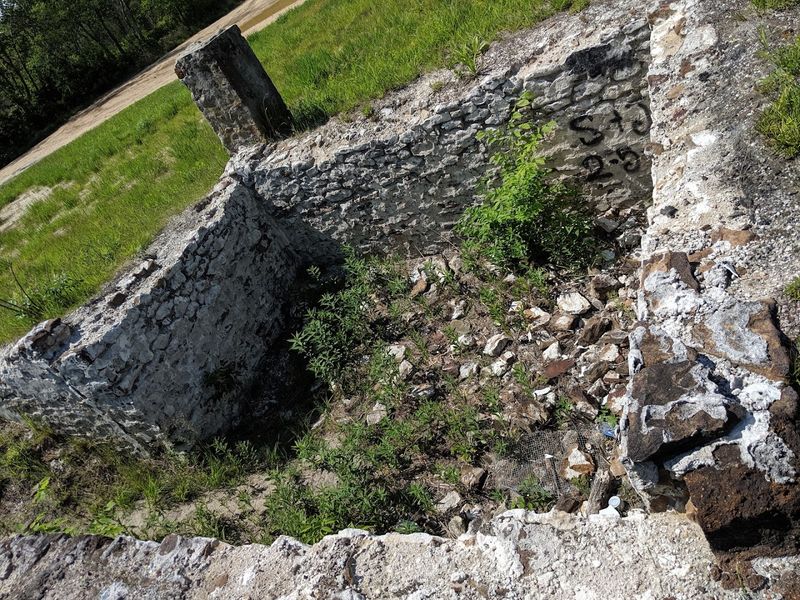
Arriving at Friendship Historic Ruins for the first time, there is a moment where you genuinely wonder if you are in the right place. The landscape is wide open and sandy, with scattered pines and patches of scrubby vegetation.
Then the foundations start to reveal themselves. Stone outlines emerge from the ground, tracing the footprints of buildings that stood here well over a century ago.
Some sections show deeper depressions in the earth, hinting at what might have been cellars or loading areas near the packing plant. A few partial walls still stand, giving a sense of the scale of the original structures.
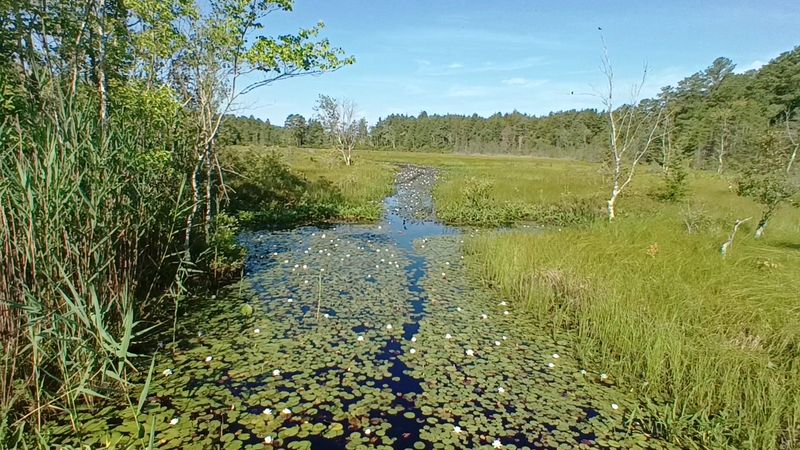
The old cranberry bogs have transformed into marshy, wildlife-rich wetlands that stretch out behind the ruins. The whole site rewards slow, attentive exploration rather than a quick walk-through.
Bringing a good pair of boots is a smart move, especially after rain. The sandy terrain can shift into surprisingly soft ground near the bog areas.
For anyone who enjoys piecing together a place from what little remains, Friendship offers a genuinely satisfying puzzle.
Stargazing and Night Visits at Friendship Historic Ruins
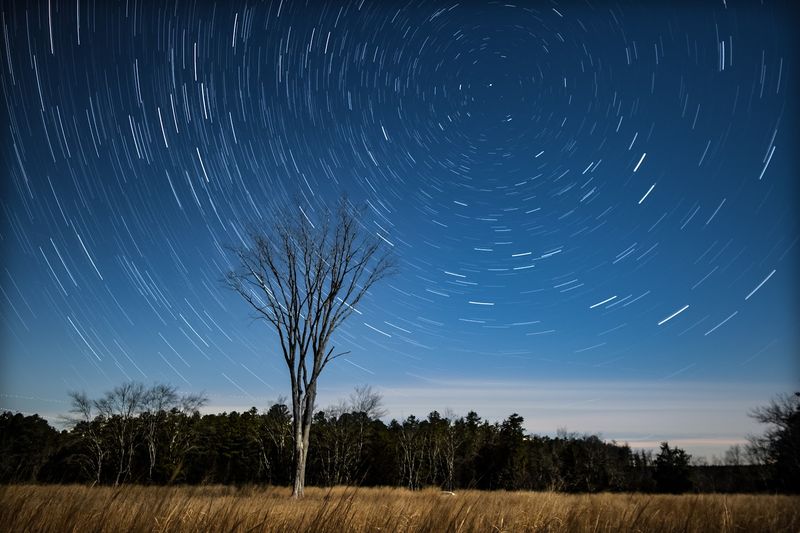
Once the sun drops below the pine tree line, Friendship transforms into something completely different. The darkness here is the real deal, thick and uninterrupted, because the Pine Barrens sits far from the glow of major cities.
Light pollution is nearly nonexistent at this location, which makes it one of the better spots in New Jersey for stargazing. On a clear night, the Milky Way stretches overhead in a way that feels almost too good to be true if you are used to suburban skies.
The wide open clearing near the ruins gives an unobstructed view in multiple directions.
Bringing a blanket, some snacks, and a good star map app turns a visit here into a memorable evening. The quiet is striking.
There are no traffic sounds, no distant sirens, just the occasional rustle of wildlife in the brush. The ruins take on a different kind of presence in the dark, subtle and atmospheric rather than dramatic.
It is the kind of place that makes you want to linger much longer than originally planned.
Getting There: Trails, Roads, and What to Expect
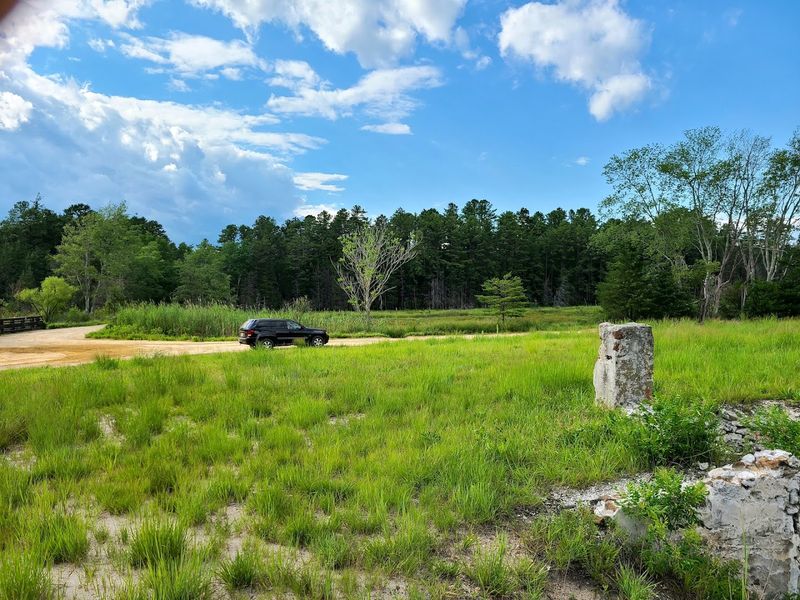
Reaching Friendship is part of the adventure, and the approach along Hawkins Bridge Road sets the tone immediately. The road is unpaved, sandy, and lined with the kind of dense pine forest that makes you feel like you are genuinely heading somewhere off the grid.
Most of the northern and eastern trails are accessible in a regular car if conditions are dry. The hard-packed dirt holds up reasonably well during fair weather.
However, approaching from the western direction via Atsion is a different story entirely. That route demands a capable four-wheel-drive vehicle and some genuine off-road confidence, since deep mud holes can appear without much warning.
The site is open 24 hours a day, seven days a week, giving visitors total flexibility on timing. Early morning visits offer the best light for photography and the best chance of having the place mostly to yourself.
Late afternoon tends to bring out the golden tones in the sandy soil and the pine needles. Regardless of when you arrive, packing water, snacks, and a trail map is always a smart call before heading into the Barrens.
Wildlife and Nature at the Reclaimed Cranberry Bogs
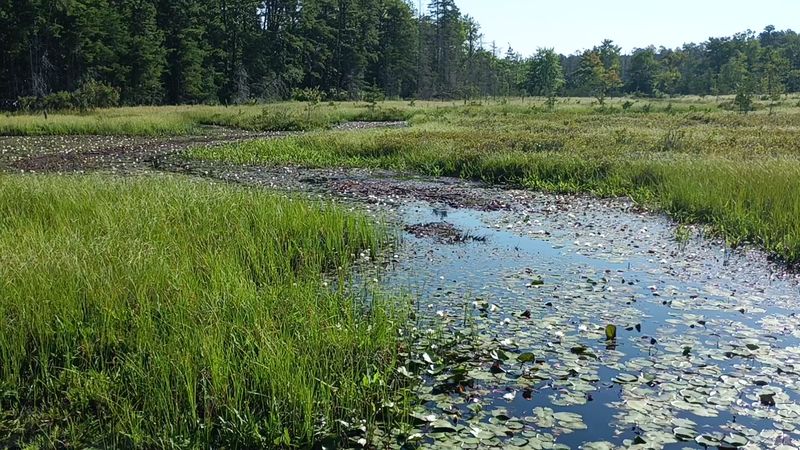
One of the most quietly spectacular aspects of Friendship is watching what happens when farmland is left alone for decades. The old cranberry bogs did not just disappear.
They became something entirely new.
What were once carefully managed agricultural fields have evolved into rich, biodiverse wetlands. The standing water and marshy edges attract a wide range of birds, including herons, egrets, and various migratory species depending on the season.
Turtles are commonly spotted sunning themselves near the water. White-tailed deer move through the surrounding forest with a comfortable ease that suggests they own the place, because honestly, they kind of do now.
The Pine Barrens ecosystem is one of the most ecologically significant in the entire northeastern United States. It supports rare plant species, including carnivorous plants like sundews and pitcher plants, which thrive in the acidic, nutrient-poor soil.
Visiting Friendship means stepping into this living ecosystem as much as visiting a historic site. The two experiences layer over each other in a way that makes the whole trip feel richer and more meaningful than a simple ruins walk.
Photography Tips for Capturing Friendship Historic Ruins
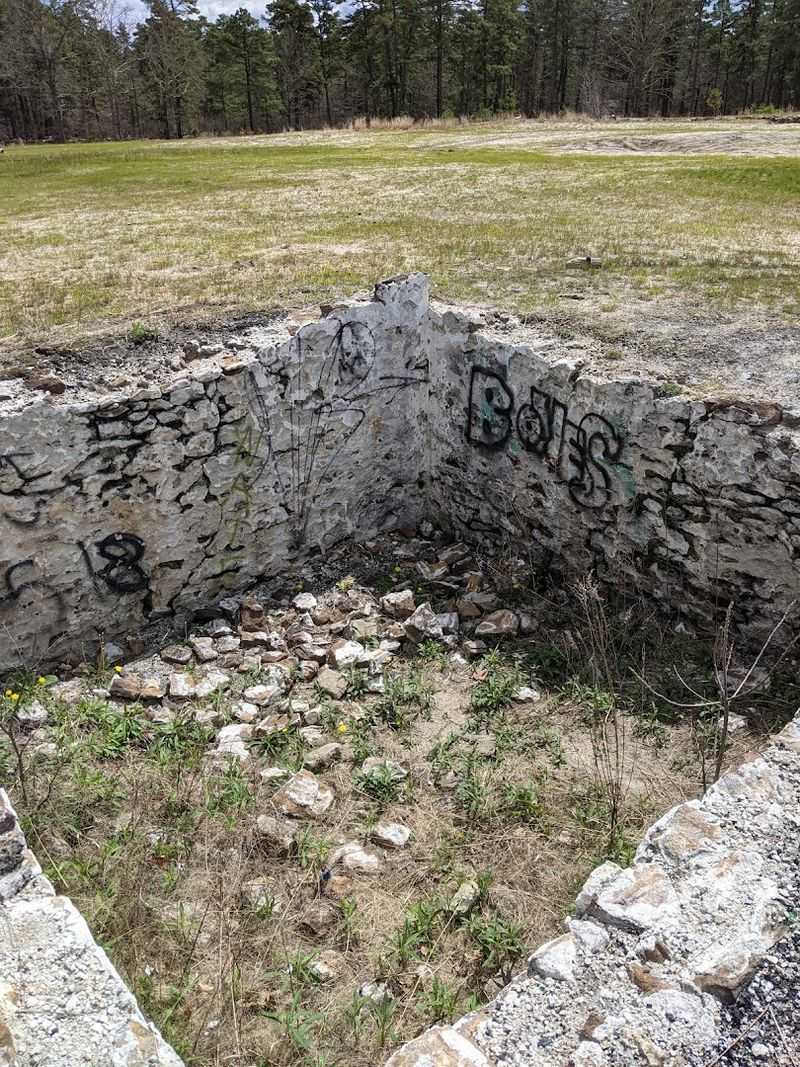
Friendship is a genuinely photogenic place, but it rewards patience and a good eye rather than just pointing a camera at the obvious spots. The ruins are subtle, so finding the right angles takes some wandering.
Golden hour is the absolute best time to shoot here. The warm light catches the texture of the old stone foundations beautifully and casts long shadows across the sandy ground that add depth to every frame.
Early morning mist, which occasionally settles over the bog areas in cooler months, creates an atmospheric, almost dreamlike quality that is hard to replicate at any other time of day.
Wide-angle shots that include both the ruins and the surrounding pine forest tell a fuller story of the place. Getting low to the ground near the foundation edges shows the scale and texture of the stonework in a compelling way.
Winter visits are worth considering too, since the bare vegetation reveals more of the landscape structure than summer growth allows. Bring extra battery packs, because the cold and the excitement of the place both drain power faster than expected.
Why Friendship Historic Ruins Is Worth Adding to Your New Jersey Bucket List
Some places earn their spot on a travel list through sheer spectacle. Friendship earns its place through something quieter and more lasting.
It is the kind of site that settles into your memory slowly, the way a good book does after you put it down.
The combination of history, nature, solitude, and raw landscape makes Friendship genuinely hard to compare to anything else in New Jersey. There are no crowds, no entrance fees, no guided tours.
Just open land, old stones, and the constant background hum of the Pine Barrens doing its thing.
For hikers, history enthusiasts, photographers, stargazers, and anyone who simply wants to feel far away from the ordinary for a few hours, this site delivers. The story of a thriving cranberry village that rose, flourished, and quietly faded back into the forest is told entirely through what the land has held onto.
That kind of storytelling does not need a plaque or a visitor center. It just needs someone willing to show up, slow down, and pay attention.
Address: Hawkins Bridge Rd, Vincentown, NJ 08088
