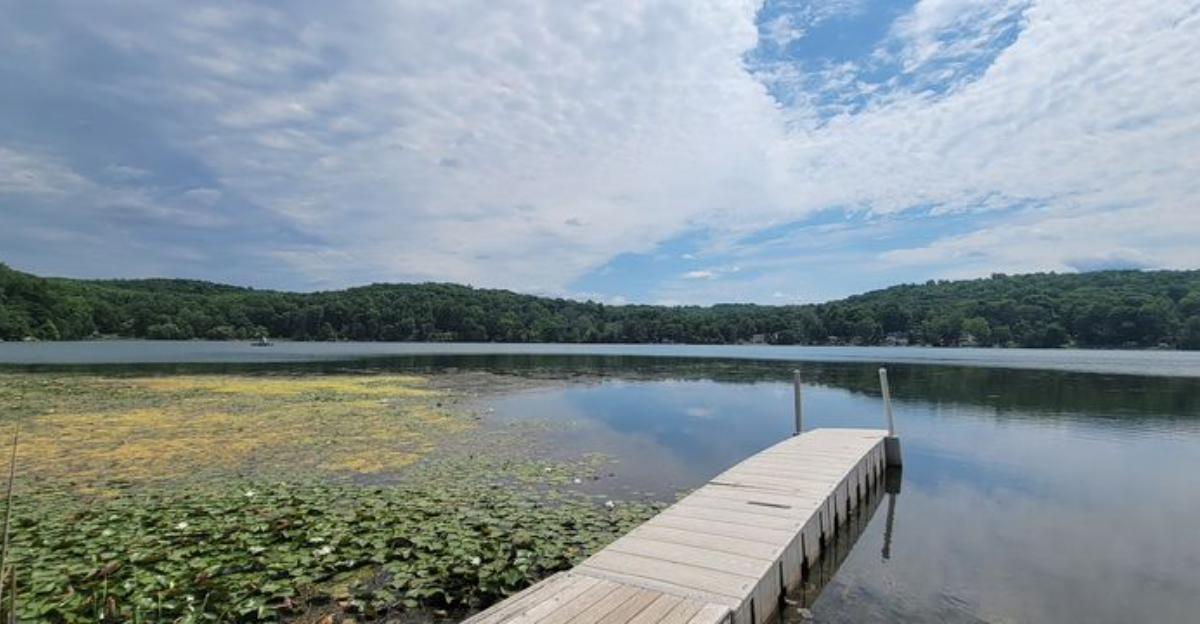
Imagine a body of water that has witnessed twelve thousand summers. That is ancient, right?
This glacial relic has been a silent witness to history, a shimmering jewel set in the New Jersey landscape.
But lately, this old soul is facing a modern problem.
The once crystal clear waters are struggling with an excess of algae, turning its usual sparkle into a murky green.
It is a stark reminder that even the most ancient places are not immune to change.
However, there is hope. Local efforts are underway to restore its former glory, and the surrounding trails still offer breathtaking views.
It is a poignant spot that teaches us about resilience and the delicate balance of nature.
So, can we help this timeless treasure find its balance again?
A Lake Older Than Recorded History
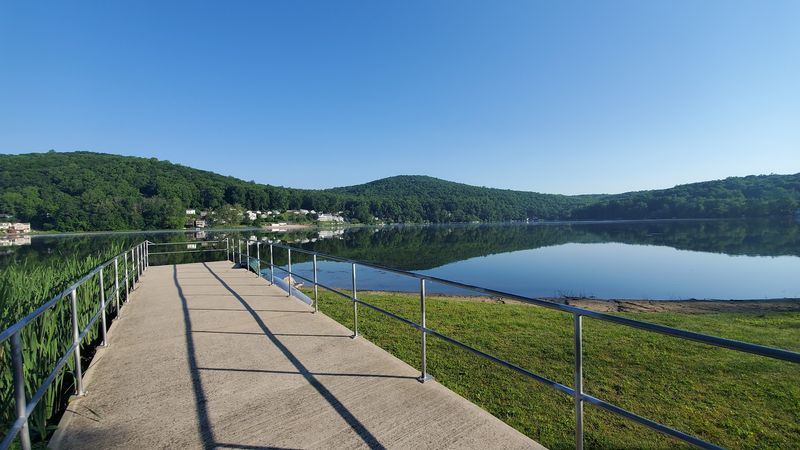
Mountain Lake has been quietly sitting in Warren County long before anyone thought to write anything down.
Formed during the last glacial period roughly 12,000 years ago, this natural wonder is the largest glacial lake in Warren County, New Jersey.
That is not just a fun trivia fact. It is genuinely staggering to stand near its shore and realize the landscape you are looking at was shaped by retreating ice sheets thousands of years before modern civilization even existed.
The lake stretches across 122 acres with an average depth of 17 feet and a maximum depth of 38 feet. Those numbers might sound modest, but for a glacial lake tucked into the New Jersey highlands, that is impressive.
The surrounding woodland gives it a quiet, almost ancient atmosphere that feels completely removed from the busy world nearby.
Visiting here feels like stepping into a living geology lesson. The water, the hills, and the tree line all carry a kind of quiet permanence that is hard to find anywhere else in the region.
Warren County’s Largest Glacial Lake
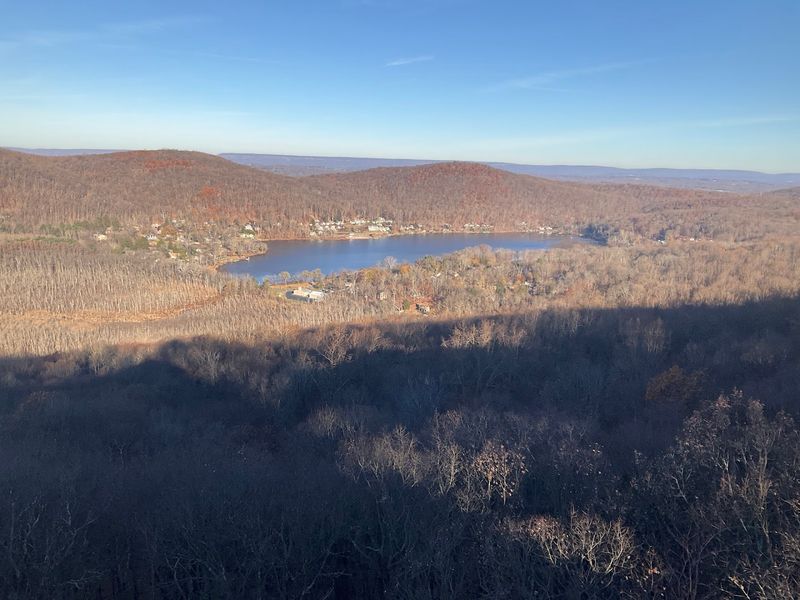
Being the biggest glacial lake in Warren County comes with a certain kind of quiet prestige. Mountain Lake earns that title not just through its size but through the raw, unpolished beauty it offers anyone willing to make the trip out to Liberty Township.
There are no flashy attractions here. Just water, trees, and sky stretched across 122 acres of genuinely wild New Jersey landscape.
Glacial lakes form differently than man-made reservoirs or river-fed bodies of water. They are carved out by the slow, grinding movement of ancient ice, leaving behind basins that fill with snowmelt and rainfall over thousands of years.
The result is a lake with a character all its own, shaped entirely by natural forces rather than human engineering.
Standing at the edge of Mountain Lake, you get a real sense of that geological history. The water has a stillness that feels earned, not manufactured.
For anyone who loves the outdoors and appreciates nature in its most unfiltered form, this place delivers something genuinely memorable every single time.
The Blue-Green Algae Problem Explained
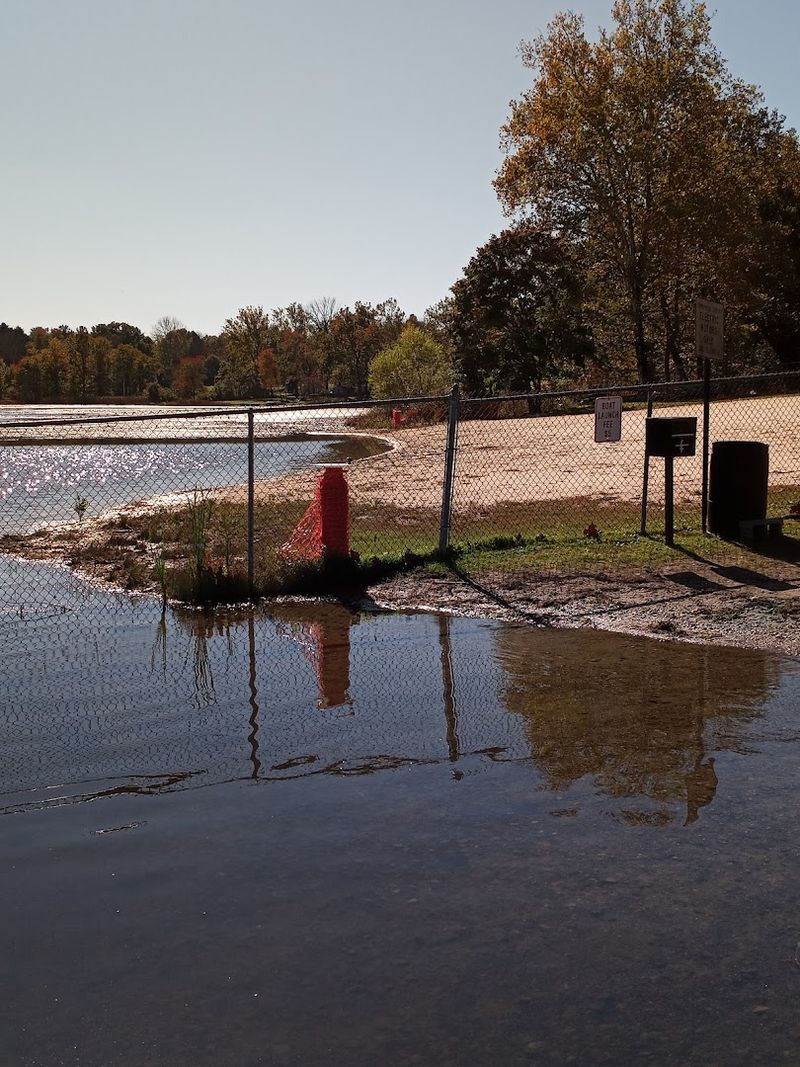
Blue-green algae sounds almost pretty, like something you might find decorating a nature journal. But cyanobacteria, which is the scientific name for this type of organism, is far less charming than it sounds.
Mountain Lake has been dealing with harmful algal blooms, commonly called HABs, and the situation became particularly serious in the spring of 2026.
On May 4, 2026, cyanobacteria levels at Mountain Lake hit 586,411 cells per milliliter. That figure represents the highest recorded bloom in five years at this location.
By June 2026, those numbers had dropped significantly, but toxin levels were still slightly above the state advisory threshold of 2.0 micrograms per liter.
The New Jersey Department of Environmental Protection has maintained an active advisory for the lake because of these elevated toxin levels. The bacteria responsible, primarily Aphanizomenon, can cause skin irritation, eye irritation, and flu-like symptoms with prolonged contact.
Understanding what is happening chemically beneath that deceptively calm surface is the first step toward appreciating why everyone is taking this so seriously.
How the 2026 Bloom Season Unfolded
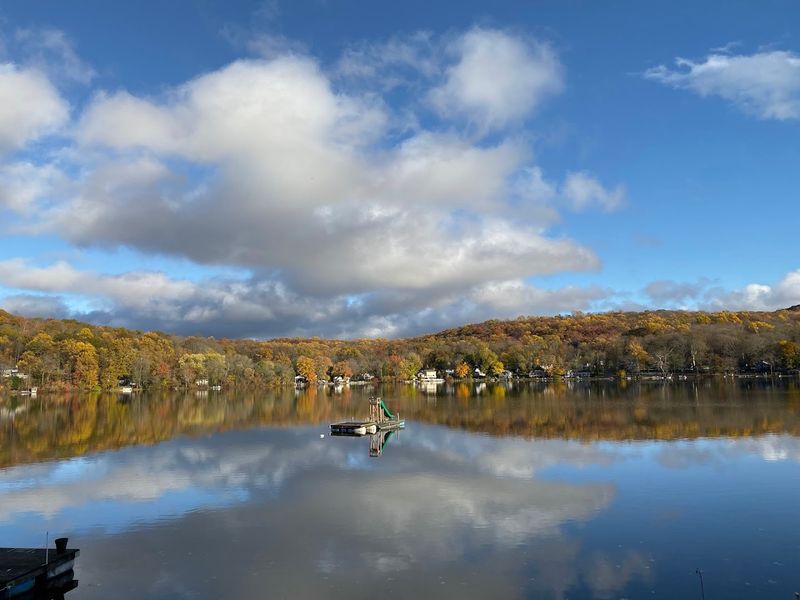
The 2026 bloom season at Mountain Lake has been a rollercoaster of data, concern, and cautious optimism. It started aggressively.
Early May brought cyanobacteria readings that shocked local environmental monitors, with cell counts soaring to over half a million cells per milliliter. That was the third harmful algal bloom at the lake since March 2026, which tells you just how active this particular season has been.
By June 2, toxin levels measured 3.32 micrograms per liter. Then, on June 19, that figure dropped to 2.19 micrograms per liter, the lowest reading recorded all year.
Progress is real, but the advisory remained in place because the state threshold sits at 2.0 micrograms per liter, and the lake had not quite crossed back into safe territory.
What makes this season particularly interesting from an environmental standpoint is the pattern. The bloom is subsiding, but slowly.
Seasonal lake stratification and high phosphorus levels in deeper, oxygen-depleted water are contributing factors. The story is still being written, and local organizations are watching every data point closely.
What the Advisory Actually Means for Visitors
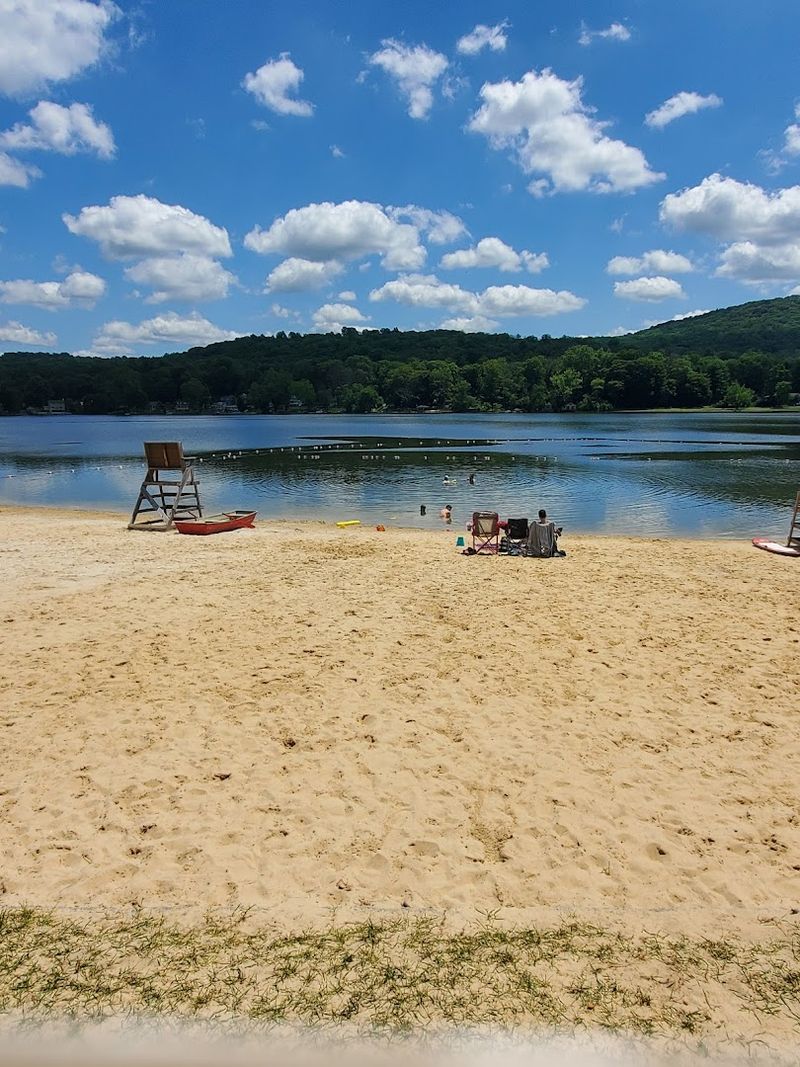
When a blue-green algae advisory goes up, it changes the whole character of a lake visit. Swimming is out, full stop.
Primary contact recreation, meaning anything that involves your body going into the water, is strongly discouraged. That might feel like a buzzkill, but it is genuinely the right call given the toxin levels that have been detected.
Catch-and-release fishing is still permitted, which is good news for anglers who come out to Mountain Lake regularly. Boating is also generally allowed, though caution is advised.
What you absolutely should not do is eat fish caught from the lake during an active advisory, and pets should be kept away from the water entirely.
The toxins produced by Aphanizomenon bacteria can cause skin and eye irritation. Prolonged contact or accidental ingestion can lead to hay fever symptoms or flu-like reactions.
None of that sounds like a fun afternoon, so respecting the advisory is genuinely important. The lake is still worth visiting for its scenery and peaceful atmosphere, just with a healthy distance from the water itself.
The Science Behind Seasonal Lake Stratification
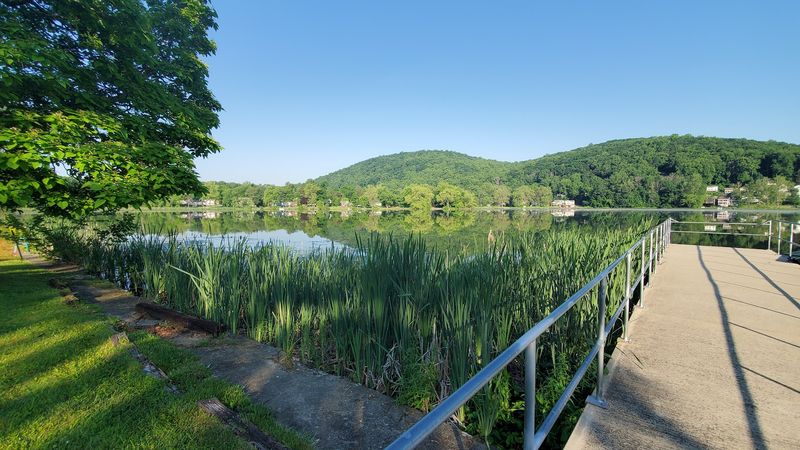
Here is something that does not come up in casual lake conversation very often: thermal stratification. During warmer months, lakes like Mountain Lake develop distinct temperature layers.
The warm surface water and the cold, deep water stop mixing, which creates some serious problems for water quality.
In those deep, cold, oxygen-depleted layers, phosphorus accumulates. Phosphorus is a nutrient that algae absolutely loves.
When conditions are right, it gets released from the sediment and makes its way upward, feeding blooms at the surface. Monitoring by the Mountain Lake Community Association and Princeton Hydro in early June 2026 confirmed this is exactly what is happening at Mountain Lake right now.
Understanding stratification helps explain why algae problems tend to peak in late spring and summer. The lake is not doing anything wrong.
It is following natural physical processes, but those processes are being amplified by excess nutrients in the water. Addressing phosphorus levels is a key part of any long-term solution, and it is something the organizations monitoring this lake are actively working to understand and manage.
Local Rules That Protect the Lake
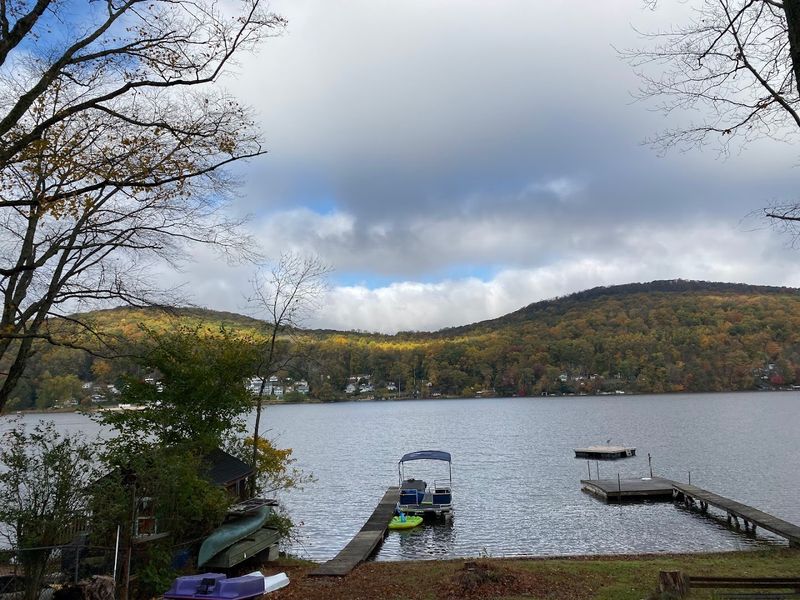
Liberty Township is not sitting around waiting for someone else to fix the lake. Local ordinances already in place show a real commitment to protecting Mountain Lake from the kinds of human activity that can make algae problems worse.
Gas-powered motors are banned on the lake entirely. That keeps fuel and exhaust out of the water while also preserving the peaceful quiet that makes the place so special.
Feeding waterfowl is also prohibited. That might seem like a small thing, but waterfowl waste contributes nitrogen and phosphorus to the water, both of which feed algae.
Applying phosphorus-based fertilizer to lawns near the lake is restricted as well, with exceptions only for new turf establishment. Proper pet waste disposal is required throughout the area.
These rules exist because every little input into a lake’s ecosystem matters. Phosphorus from fertilizer runoff, waste from animals, and fuel residue all add up over time.
The ordinances Liberty Township has put in place reflect a community that genuinely values what it has here. Visitors are expected to respect those rules, and honestly, that respect feels well earned.
The Role of Princeton Hydro and the MLCA
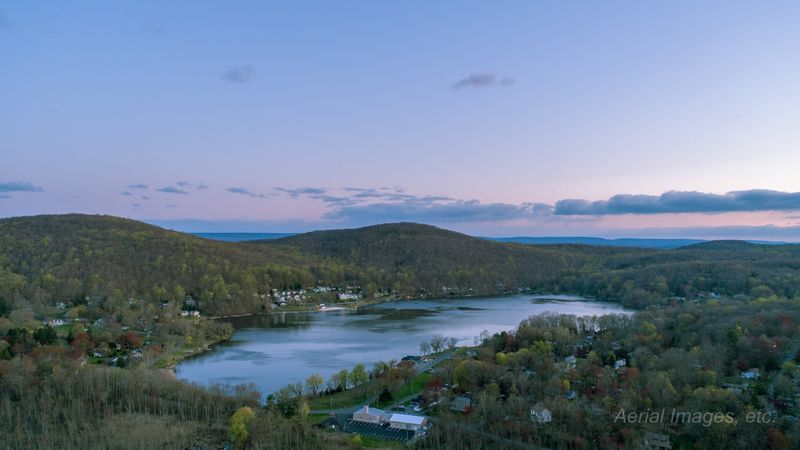
Behind every well-managed lake is a group of people doing unglamorous but critically important work.
At Mountain Lake, that means the Mountain Lake Community Association, known as the MLCA, working alongside Princeton Hydro, an environmental consulting firm with deep expertise in freshwater ecosystems.
Princeton Hydro has been conducting regular water quality monitoring at the lake, tracking cyanobacteria cell counts, toxin levels, and the physical conditions like stratification that influence bloom behavior.
Their data is what drives the NJDEP advisories and informs the community about what is safe and what is not.
The MLCA is actively consulting with Princeton Hydro to develop a comprehensive action plan aimed at improving long-term water quality. That kind of partnership between a local community organization and specialized environmental scientists is genuinely encouraging.
It means the decisions being made about Mountain Lake are grounded in real data, not guesswork. The collaboration also signals that the community is not treating this as a short-term problem.
They are thinking about the lake’s future across years and decades, which is exactly the kind of stewardship a 12,000-year-old lake deserves.
Why Mountain Lake Still Deserves Your Visit
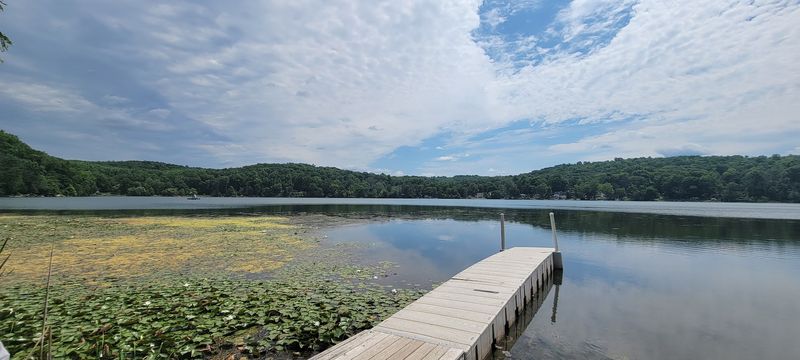
An algae advisory does not erase 12,000 years of geological wonder.
Mountain Lake remains one of the most genuinely interesting natural sites in New Jersey, and the current water quality challenges are part of a larger story about environmental stewardship, community action, and the fragility of ecosystems we often take for granted.
The lake is still beautiful. The shoreline, the surrounding hills, the quiet of a place where gas-powered motors are banned and the loudest sound is often birdsong, all of that still exists and still draws people out to Liberty Township.
Boating and catch-and-release fishing continue to offer ways to connect with the water responsibly.
More than anything, visiting Mountain Lake right now means bearing witness to a community actively fighting for something it loves.
The MLCA, Princeton Hydro, Liberty Township, and the NJDEP are all working together to bring this ancient lake back to full health.
Coming here, respecting the rules, and appreciating what is being protected feels like the right way to experience it.
Address: Mountain Lake, Liberty, NJ 07823.
