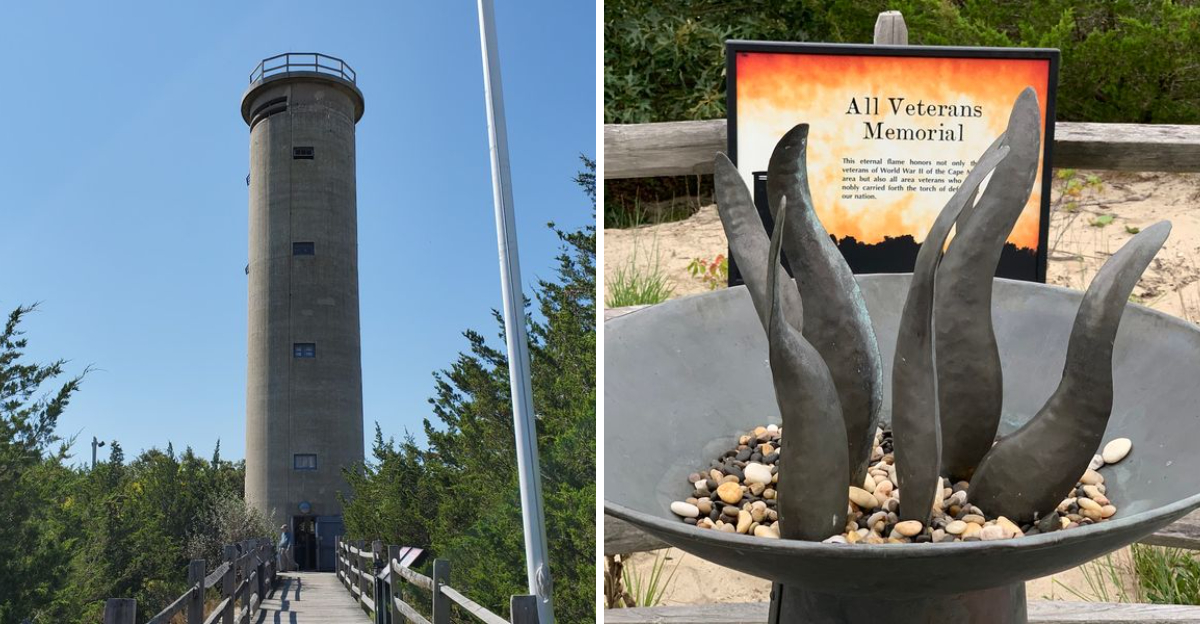
Imagine standing where soldiers once scanned the horizon for threats. Your eyes trace the same endless curve of the Atlantic that they did nearly a century ago.
But here is the twist.
You feel awe, not anxiety. This tower is a survivor. It is the last freestanding World War II lookout tower left in the entire state of New Jersey.
This concrete giant refused to fade into history. It has weathered storms, salt spray, and the passage of time.
All the while, it kept a quiet vigil over the coastline. Can you feel the weight of that history?
Climbing its steps feels like walking through a living history book. The views are much better, though.
This is not just a photo op. This is a salute to resilience.
And honestly, who does not love a structure with a story and a view?
New Jersey’s Last Freestanding WWII Watchtower
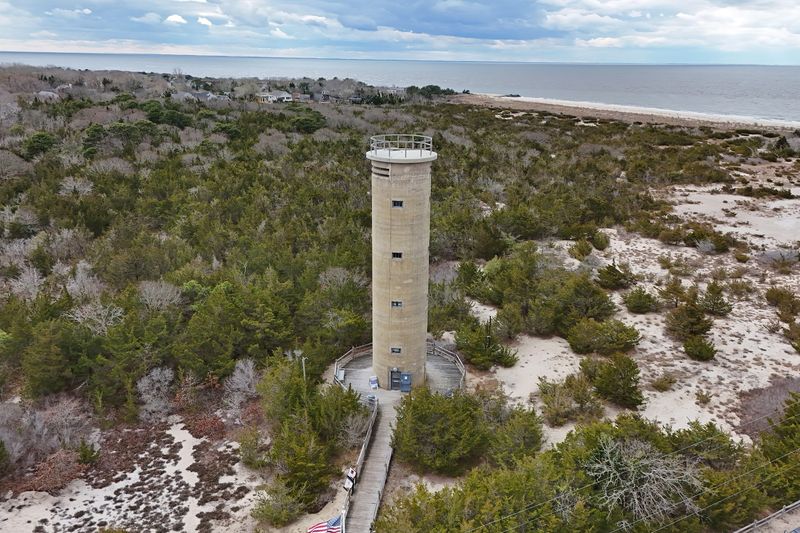
Fire Control Tower No. 23 holds a title that no other structure in New Jersey can claim: it is the last freestanding World War II lookout tower left standing in the entire state. That fact alone hits differently when you are standing at its base, craning your neck upward.
Originally, four such towers were built in New Jersey as part of the broader Harbor Defense of the Delaware system, a network often referred to as Fort Miles.
Time, development, and changing priorities claimed the others. This one survived, and it survived well.
Listed on the National Register of Historic Places, the tower earned its recognition through both historical significance and remarkable physical endurance.
Thanks to the dedicated work of Cape May MAC, a full restoration was completed between 2008 and 2009. The tower opened to the public in April 2009 and has welcomed curious visitors ever since.
Standing here feels less like visiting a relic and more like meeting a witness to history that still has plenty left to say.
Six Floors of History in Cape May
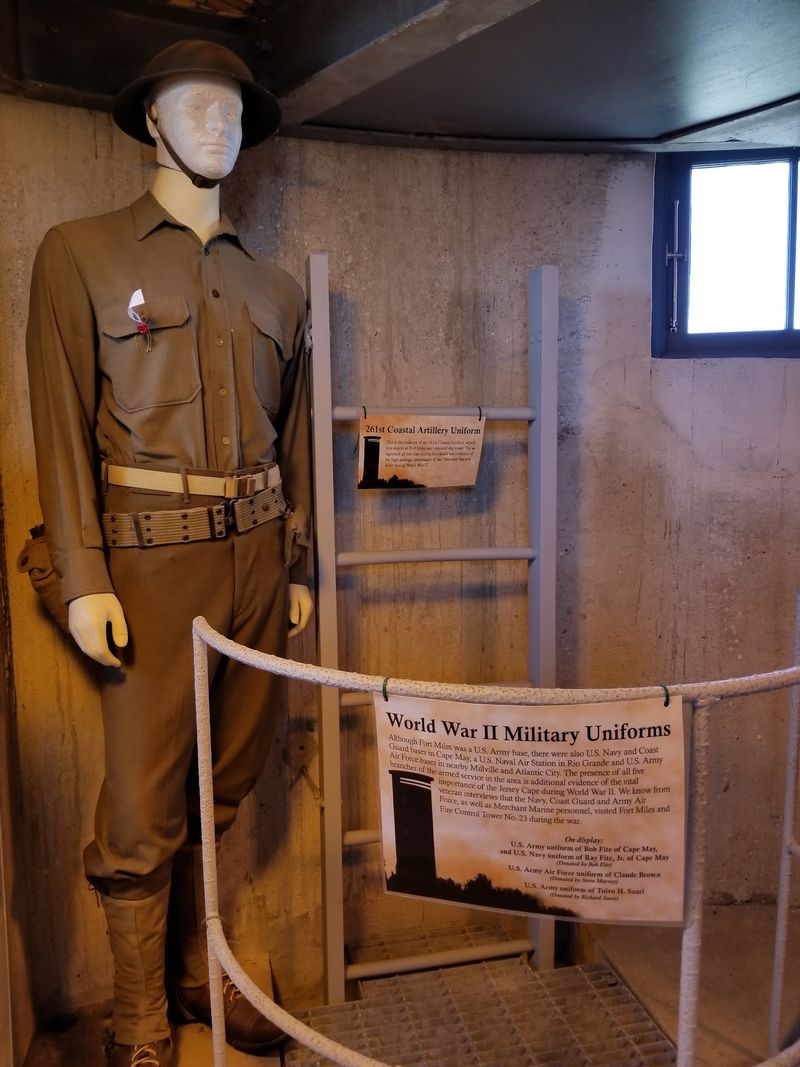
Climbing through six floors of a building might not sound thrilling on paper, but this tower makes every single step count.
A winding staircase, installed during the 2008-2009 restoration, carries visitors upward through a continuous stream of exhibits and informative panels that make the ascent feel genuinely engaging.
Each level reveals something new, a different angle on the tower’s wartime purpose and the people connected to it.
The ground floor offers a small shop stocked with mementos and bottled water, plus a binder packed with historical photographs and facts. The second floor features rotating displays that explore various aspects of the tower’s rich wartime role.
Higher up on the third level, the Wall of Honor commands attention with over 160 photographs of local World War II veterans. Reaching the sixth-floor spotting gallery is the reward for the climb, and it delivers.
A knowledgeable docent or interpreter is often stationed at the top, ready to walk visitors through the equipment and the critical responsibilities that once filled this space daily.
The Tower That Guarded the Delaware Bay
From the top of this tower, the Delaware Bay stretches out in every direction, and it is easy to understand why this spot was chosen. Soldiers stationed here were not simply watching the horizon for something interesting.
They were gathering precise coordinates and relaying targeting data to coastal artillery batteries positioned nearby, including Battery 223, ensuring that any approaching enemy vessel could be met with an accurate defensive response.
This tower was one of fifteen built across New Jersey and Delaware to protect the region from potential German naval incursions.
Its primary focus was large enemy battleships, though the evolving nature of the war eventually brought Coast Guard Auxiliary members here to watch for submarines as well.
German U-boats were sinking merchant ships with alarming regularity off the Cape May coast, making coastal vigilance absolutely critical. Despite the very real danger, German forces never managed to breach the inner defenses of the Delaware River.
The combination of artillery batteries, underwater nets, and watchful towers like this one formed a formidable defensive wall that held firm throughout the war.
Built in Weeks, Standing for Decades
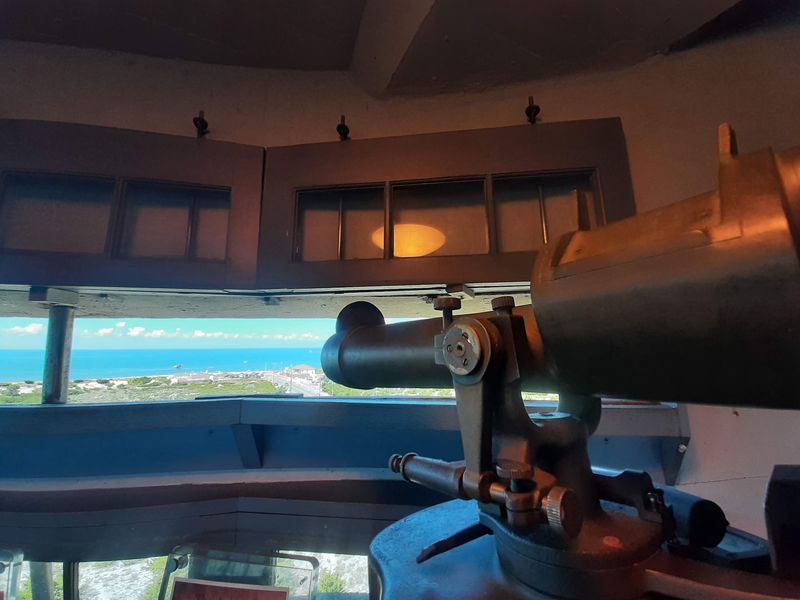
Here is a fact that genuinely catches people off guard: this 71-foot tower was constructed in June 1942 in approximately two and a half to three days. That speed sounds almost impossible until you learn how engineers pulled it off.
A sliding, tube-shaped form was used to continuously pour reinforced concrete in rings, with each section hardening before the form moved upward to allow the next pour.
The walls are a solid foot thick, reinforced with iron bars to ensure lasting structural strength. The interior measures fifteen feet in diameter, with the full tower spanning seventeen feet wide.
Metal was a precious wartime resource, so most interior components, including the original ladders, were crafted from wood to conserve materials needed elsewhere in the war effort.
What makes this engineering story so compelling is not just the speed, but the durability. A structure built in days has now stood for over eighty years through coastal storms, harsh winters, and everything else the New Jersey shoreline could throw at it.
That kind of staying power deserves genuine respect.
A Front Row Seat to WWII History
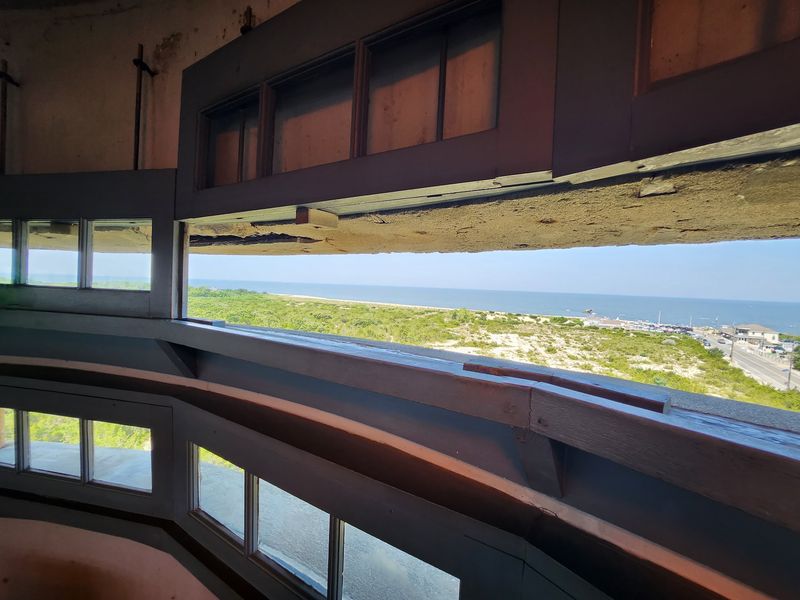
Reaching the top observation gallery of this tower puts you exactly where wartime soldiers once stood, scanning the same waters with a completely different kind of urgency.
The panoramic view from the sixth floor takes in Sunset Beach and the broad expanse of the Cape, offering a visual connection to the coastline that once needed protecting.
It is the kind of view that makes history feel immediate rather than distant.
Throughout the tower, interpretive panels and photographs document the structure’s history in thorough, accessible detail. These displays are thoughtfully designed to inform visitors of all ages, turning the climb into an educational journey rather than just a physical one.
Cape May during World War II was far from a sleepy beach town. The area buzzed with military activity, serving as a genuine hub of coastal defense operations involving the Army, Navy, and Coast Guard.
Understanding that context makes the tower feel even more significant. Standing where those soldiers once stood, looking out over the same waters they watched, creates a connection to that chapter of American history that no textbook can fully replicate.
Concrete Giant on Sunset Boulevard
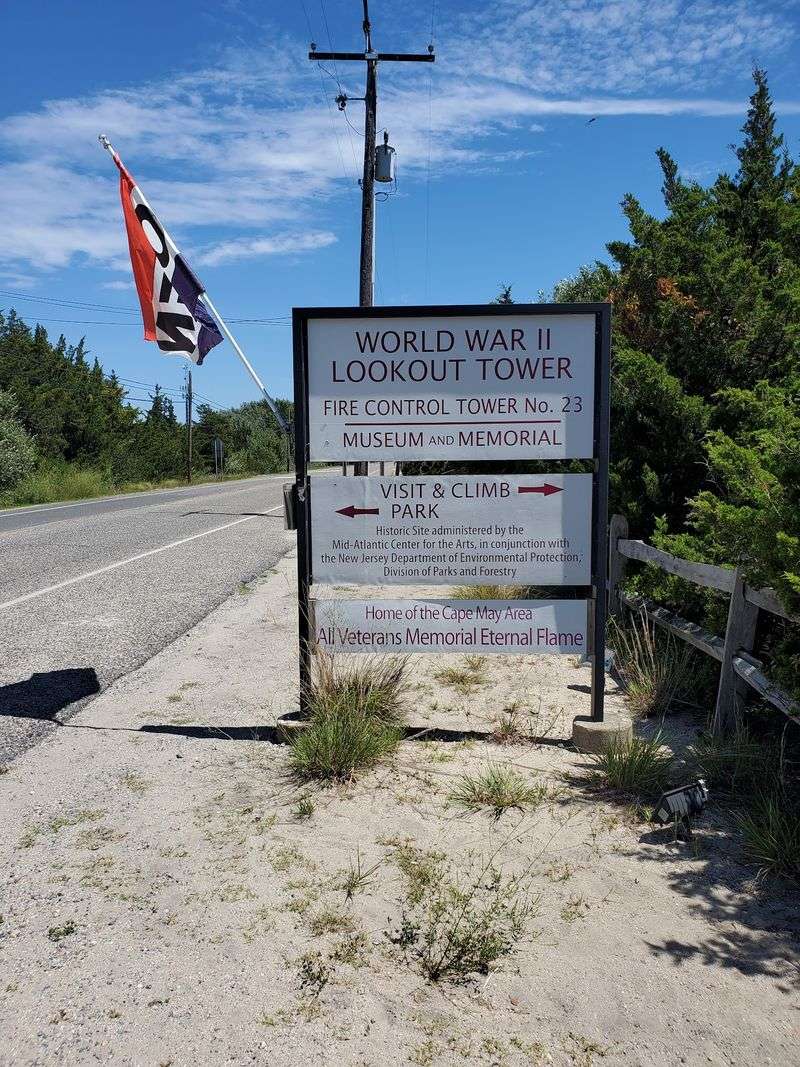
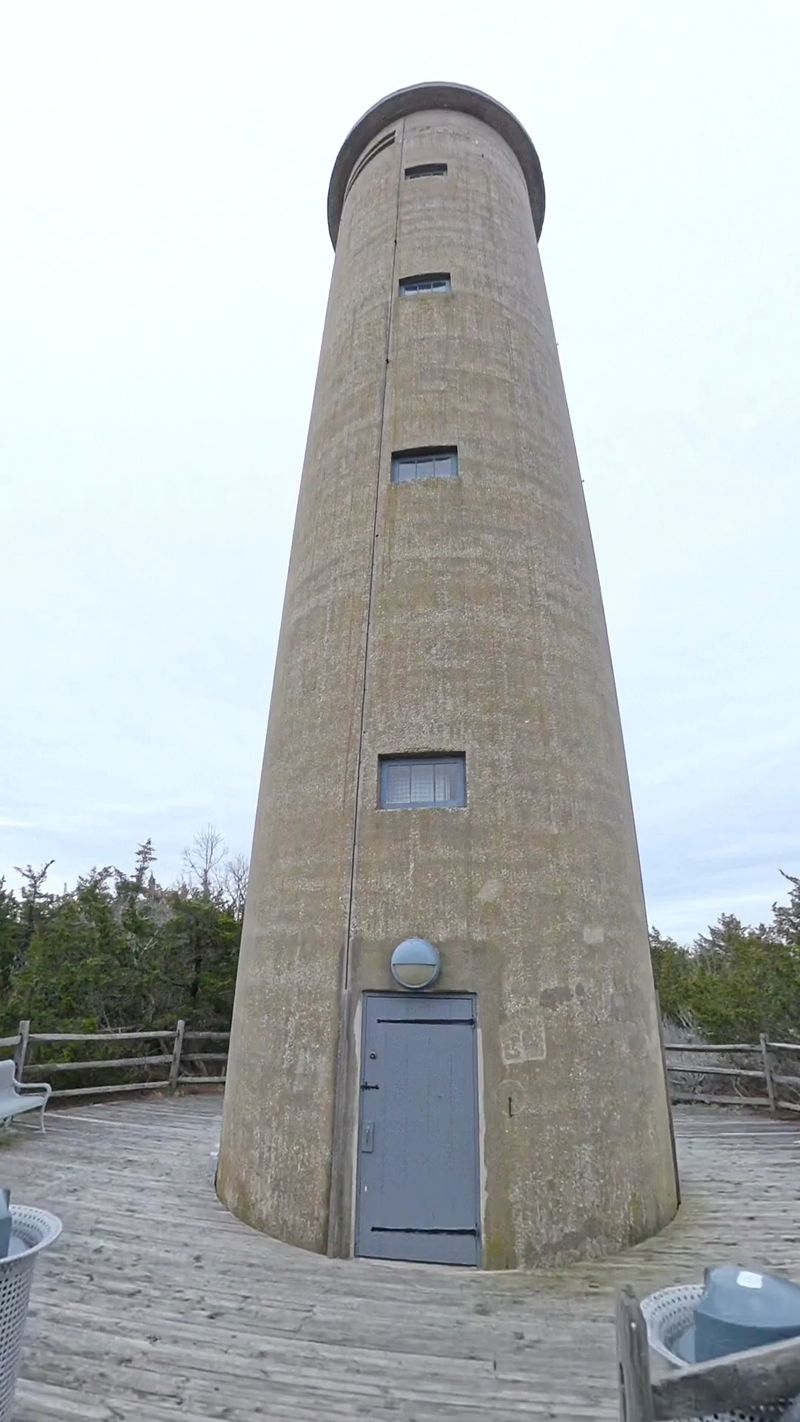
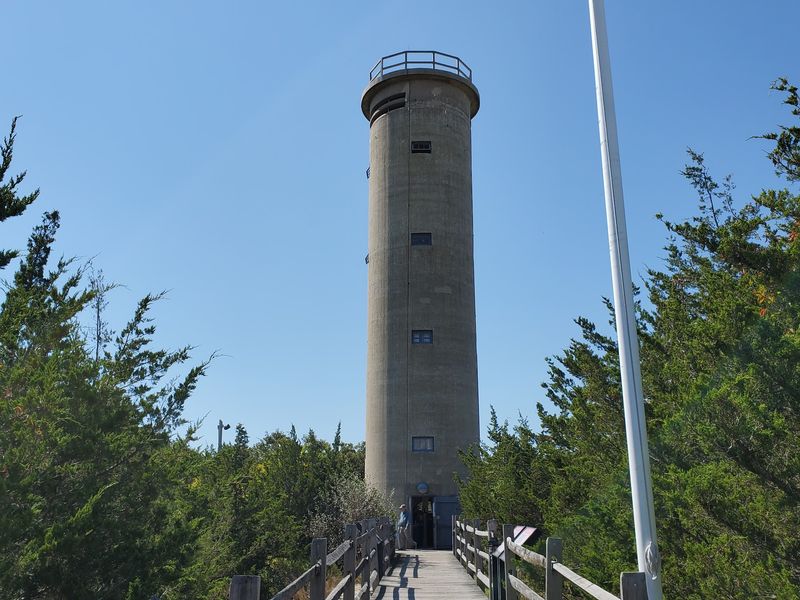
Approaching the tower for the first time, its presence on Sunset Boulevard is impossible to ignore. The structure rises 71 feet above the surrounding flat landscape, a round concrete column that commands attention without trying.
There is no ornamentation, no decorative flourish. Every design decision was driven purely by function, and that stripped-down practicality gives it a striking visual authority all its own.
The continuous pour construction method produced walls that are uniformly one foot thick, reinforced with iron bars running throughout. This method was chosen not for aesthetics but for speed and strength, and it delivered on both counts.
The result is a structure that looks exactly like what it is: built to last and built to withstand.
At 17 feet wide with a 15-foot interior diameter, the tower is compact but purposeful. Its scale relative to the flat coastal landscape around it makes it feel even more imposing in person than photographs suggest.
Walking up to it, you get a real sense of the wartime urgency that drove its rapid creation and the enduring resolve that kept it standing all these decades later.
Where Veterans’ Stories Are Honored
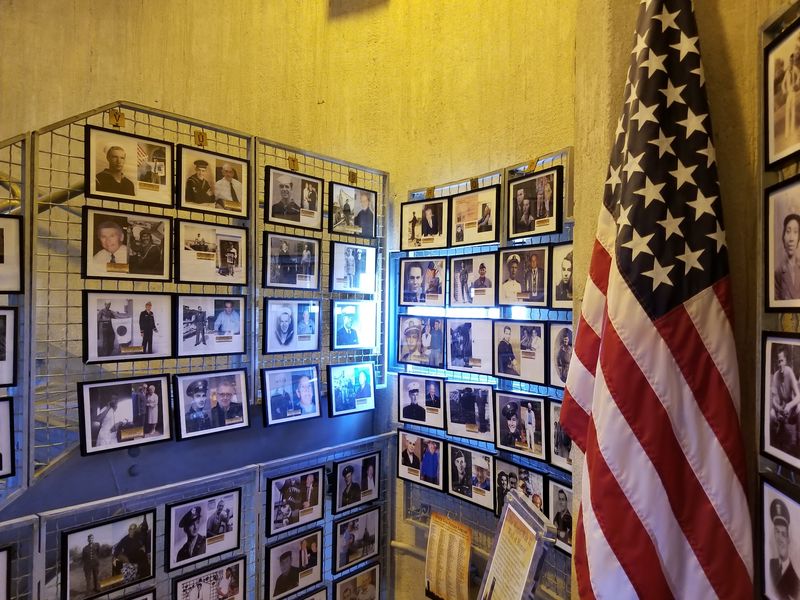
The Wall of Honor on the third floor stops most visitors in their tracks, and for good reason. More than 160 photographs of local World War II veterans fill the display, showing both their wartime images and, in many cases, more recent portraits.
Seeing those faces, young soldiers and older survivors side by side, creates a deeply personal connection to a conflict that can sometimes feel abstract through the lens of history books.
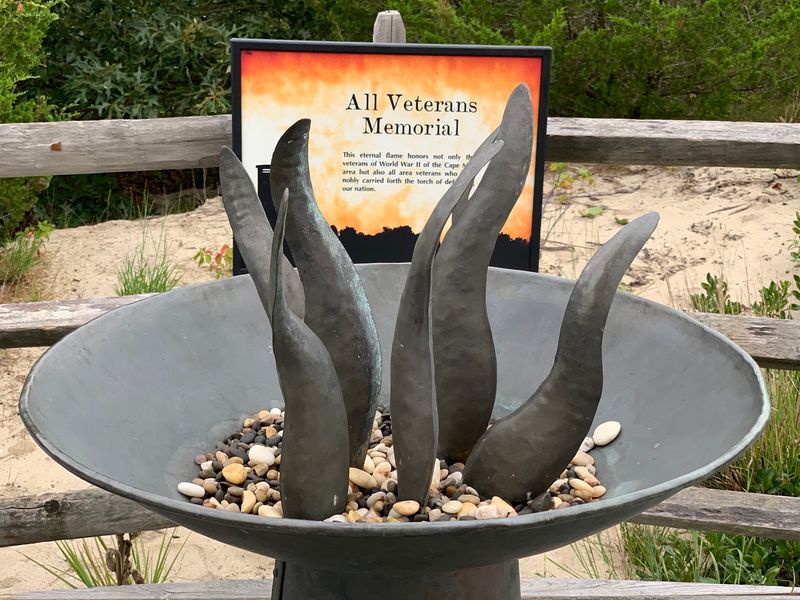
Behind the tower, an All Veterans Memorial provides a quiet, reflective space. An eternal flame sculpture anchors the memorial, surrounded by benches that invite visitors to slow down and sit with the weight of what they have just experienced inside.
Throughout the tower, rotating exhibits keep the historical content fresh and relevant, consistently tying new topics back to the structure’s wartime role. Each visit offers the chance to encounter a different facet of the story, which makes returning worthwhile.
The commitment to honoring the people behind the history, not just the events themselves, is what gives this tower its emotional depth and makes it genuinely memorable long after you leave.
A Must-Climb for History Buffs
For anyone who finds history genuinely exciting, climbing this tower is one of those experiences that delivers far more than expected. The six-floor ascent is not a steep physical challenge, but it is a rewarding mental one.
Each floor introduces new information, new artifacts, and new perspectives on what life looked like for the people who served here during the war.
The staircase itself is wide and manageable, making the climb accessible for most visitors. Interpretive panels line the walls at each level, providing a steady flow of context that keeps the experience engaging from bottom to top.
Reaching the summit and standing in the original spotting gallery is the kind of moment that genuinely stays with you.
A knowledgeable interpreter stationed at the top adds tremendous value to the visit, offering insights that go beyond what the panels can convey.
The combination of self-guided exploration and human interaction creates a layered experience that works for both casual visitors and dedicated history enthusiasts.
Arriving curious and leaving with a much fuller understanding of wartime coastal defense is practically guaranteed here.
Cape May’s Sole Surviving Sentinel
Of all the fire control towers that once stood watch along New Jersey’s coastline, only this one remains freestanding. That singular status gives it a weight that goes beyond its concrete walls.
Fire Control Tower No. 23 is not just a preserved building; it is the last physical representative of an entire defensive strategy that shaped how the eastern seaboard responded to the very real threat of wartime attack.
Built in days and standing for over eight decades, the tower’s endurance mirrors the resolve of the people who built and operated it. Visiting it offers something genuinely rare: a tangible, climbable, explorable connection to a chapter of American history that unfolded just offshore.
The views from the top, the veterans honored on the third floor, the exhibits explaining wartime coastal defense, and the simple act of standing inside a structure that was built under wartime urgency all combine into an experience that feeds curiosity and leaves a lasting impression.
Address: 536 Sunset Blvd, Cape May, NJ 08204, United States.
