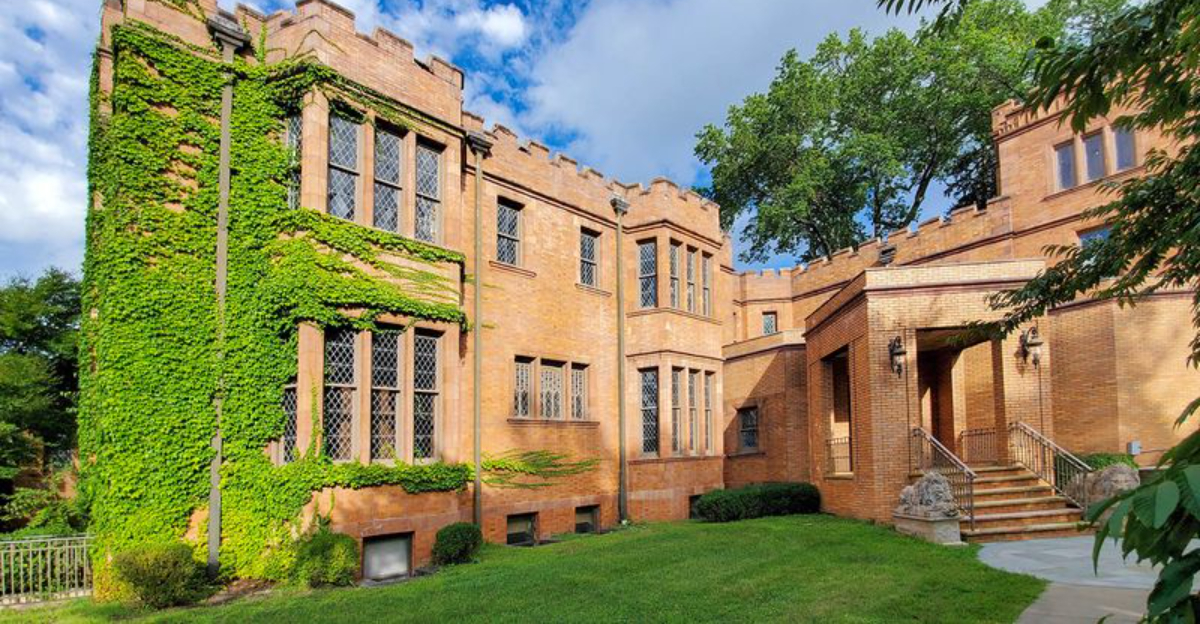
Traveling back a thousand years in time does not require a passport.
It just requires a trip to this magnificent structure that looks like it was plucked straight from the English countryside and dropped into the middle of suburban New Jersey.
The mastermind behind this architectural wonder was a Gilded Age visionary who decided that a standard mansion simply would not do.
Instead, he commissioned a faithful replica of an 11th-century English fortress, complete with a massive dining hall, a library dripping in dark wood, and stained glass windows that tell stories without saying a word.
The stone walls hold secrets, the turrets reach for the sky, and the gardens are meticulously manicured.
The entire place feels like a page torn from a medieval manuscript, yet it stands proudly in this state.
The Castle That Somehow Ended Up in New Jersey
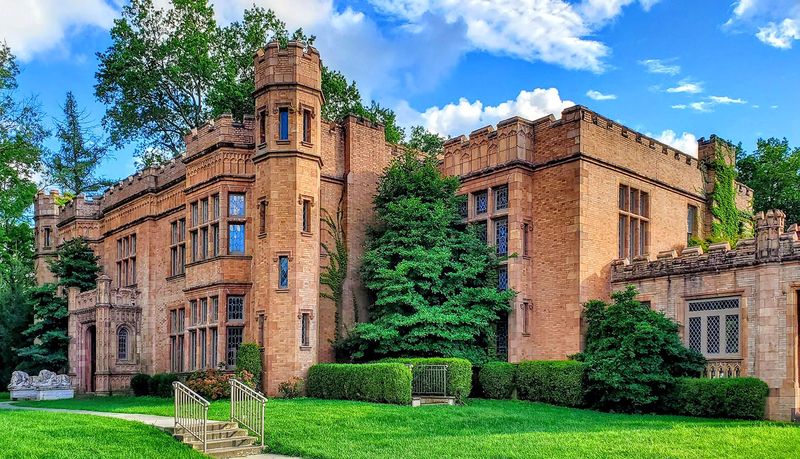
Some buildings just stop you cold. The Abbey on Madison Avenue does exactly that, rising from its manicured grounds like something transplanted straight from the English countryside.
Built in 1904, the mansion was originally called Alnwick Hall, and the name alone tells you everything about its ambitions.
The Meany family, for whom it was constructed, wanted something that felt genuinely historic, not just impressive. They looked across the Atlantic for inspiration and found it in Alnwick Castle, a real fortress in Northumberland, England, that had been standing for roughly a thousand years.
That decision shaped every stone, every arch, and every tower you see today.
Morristown was once lined with estates like this along Madison Avenue, earning the stretch the nickname Millionaires Row. Most of those grand homes are long gone.
The Abbey survived, and standing in front of it, you understand immediately why people fought so hard to preserve it. It feels permanent in a way that very few buildings ever do.
The 1,000-Year-Old Muse Across the Ocean
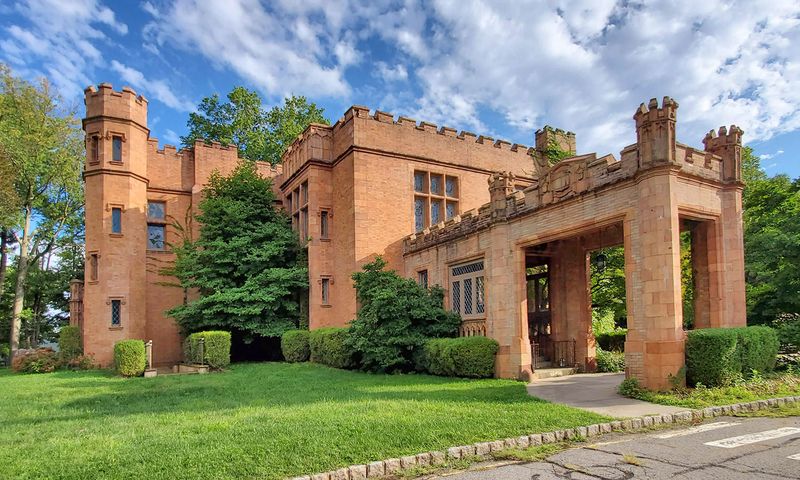
Before you can fully appreciate The Abbey, it helps to know the building it was modeled after. Alnwick Castle in Northumberland has been standing since the eleventh century, making it one of the oldest continually inhabited castles in England.
It has sheltered royalty, survived wars, and watched centuries roll by with quiet authority.
You might actually recognize it from somewhere unexpected. Alnwick Castle doubled as Hogwarts in the early Harry Potter films, which means the mansion in Morristown shares its DNA with one of the most iconic fictional schools ever put on screen.
That connection feels almost too good to be true, but it is completely real.
When Edward Meany and his wife Rosaline chose Alnwick as their architectural reference, they were not being modest. They were reaching for something timeless and monumental.
The Gothic Revival style they embraced translated surprisingly well to the New Jersey landscape, creating a building that feels both foreign and entirely at home on its shaded, rolling grounds.
The Gilded Age Vision Behind Alnwick Hall
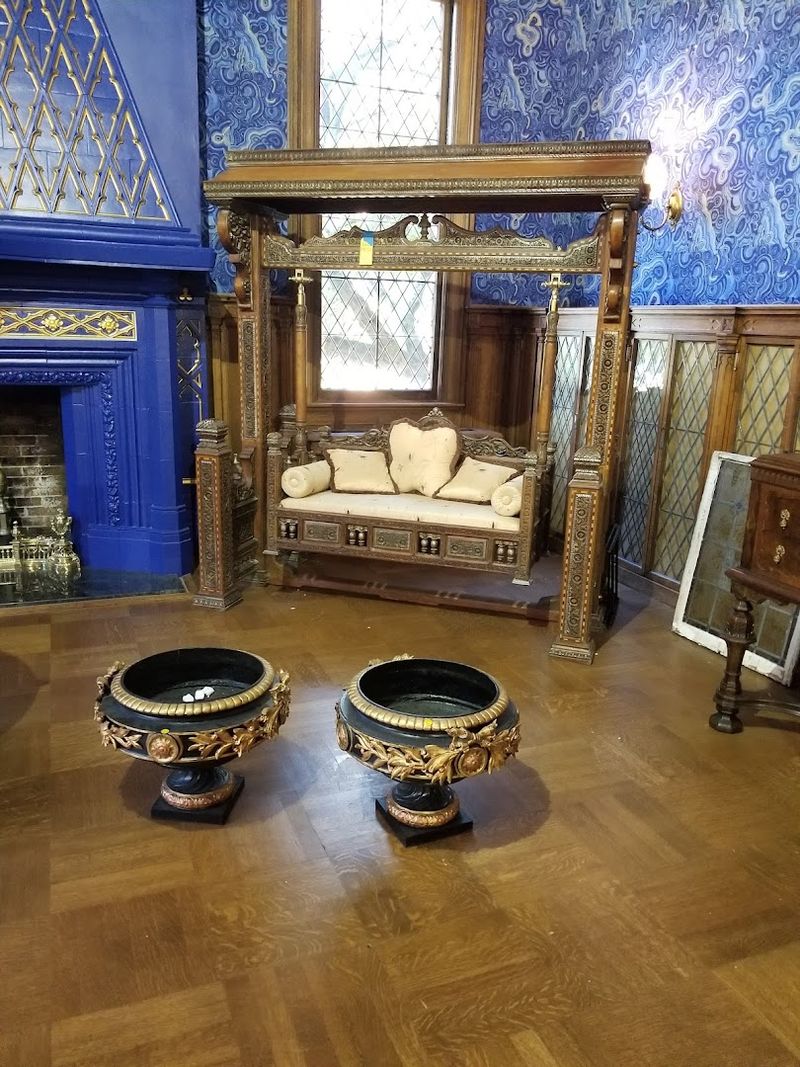
Building a castle-inspired estate in 1904 was not exactly a casual weekend project. The original cost came in around fifty thousand dollars, which sounds modest until you realize that translates to roughly one point six million dollars in today’s money.
Edward Meany was not cutting corners anywhere.
Meany was a prominent figure in New Jersey, serving as Judge Advocate General of the state while also holding a director position at the American Telephone and Telegraph Company. He had the resources and the ambition to match, and Alnwick Hall was his statement to the world.
The original property stretched across thirty acres, giving the mansion room to breathe and project the kind of grandeur its owners clearly intended.
The Gilded Age was all about making your success visible, and this house did exactly that. Every detail, from the stone facade to the sweeping grounds, communicated wealth, taste, and permanence.
Walking the exterior today, you can still feel the original intention radiating from the walls, even after more than a century of change and reinvention.
Gothic Revival Style That Still Turns Heads Today
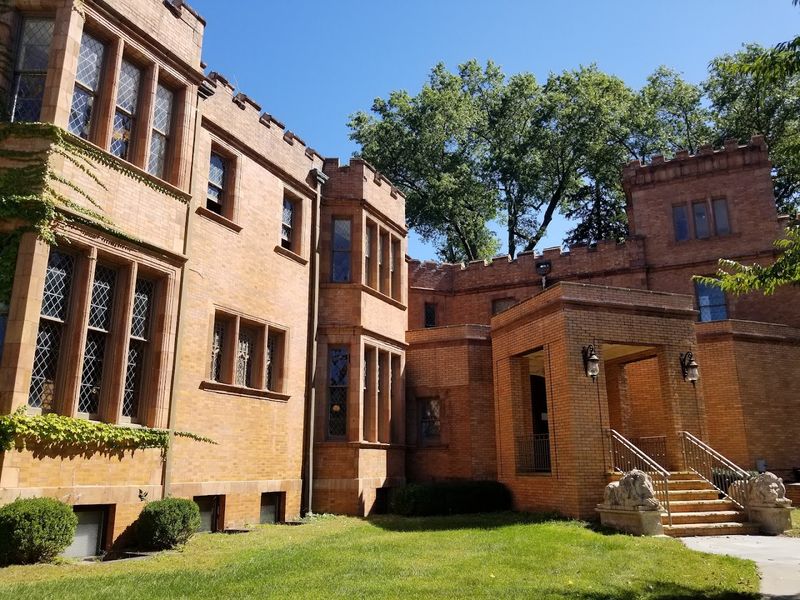
Gothic Revival architecture was having a serious moment in the early twentieth century, and The Abbey represents one of its finest surviving examples in New Jersey.
The style borrows heavily from medieval European ecclesiastical and castle architecture, layering pointed arches, rough-cut stone, and dramatic verticality into something that feels both ancient and theatrical.
Up close, the stonework is genuinely impressive. The texture of the walls, the rhythm of the windows, and the way the roofline breaks against the sky all suggest a building that was designed with obsessive attention to detail.
It is the kind of craftsmanship that modern construction rarely attempts, partly because it takes enormous time and skill to execute properly.
Some people describe the style as heavy or even brooding, but standing in front of The Abbey on a bright afternoon, it reads more as dignified and self-assured. The building does not try to charm you with prettiness.
It earns your respect through sheer presence, which feels entirely appropriate for something modeled after a thousand-year-old fortress.
From Private Home to Church to Office Building
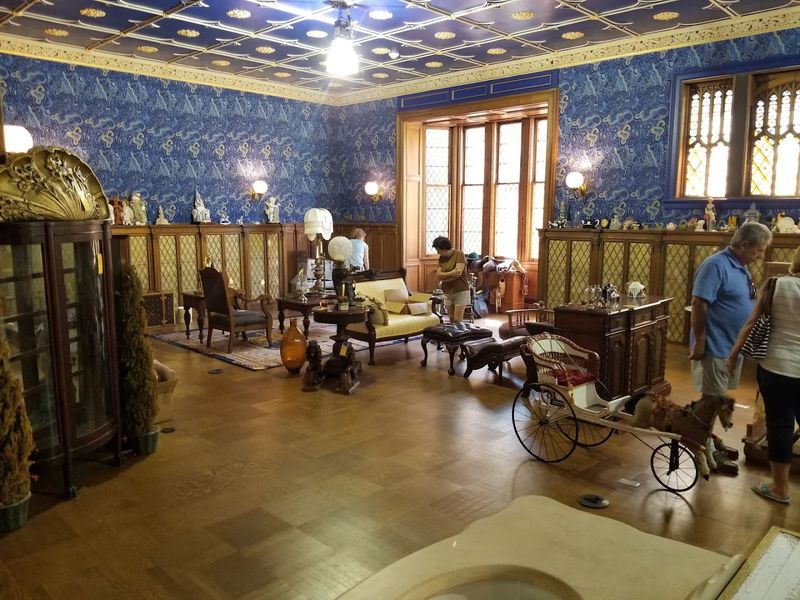
Few buildings have worn as many hats as The Abbey. After its years as a private estate, the mansion shifted into a new chapter in 1961 when it became Saint Mark’s Lutheran Church.
For more than two decades, those Gothic stone walls hosted services, community gatherings, and the quiet rhythms of congregational life.
By 1984, the church had moved on, and the building underwent another transformation, this time into an office complex. That is also when it received the name The Abbey, a nod to its unmistakably ecclesiastical appearance.
The name stuck, and it suits the building far better than any corporate label ever could.
Each reinvention added a new layer to the building’s story without erasing what came before. The stone walls absorbed all of it quietly, the prayers, the business meetings, the estate sales, the architectural tours.
Buildings that survive this long tend to accumulate meaning the way old trees accumulate rings, and The Abbey carries its history with a kind of unhurried confidence that feels entirely earned.
Millionaires Row and the Neighborhood That Once Was
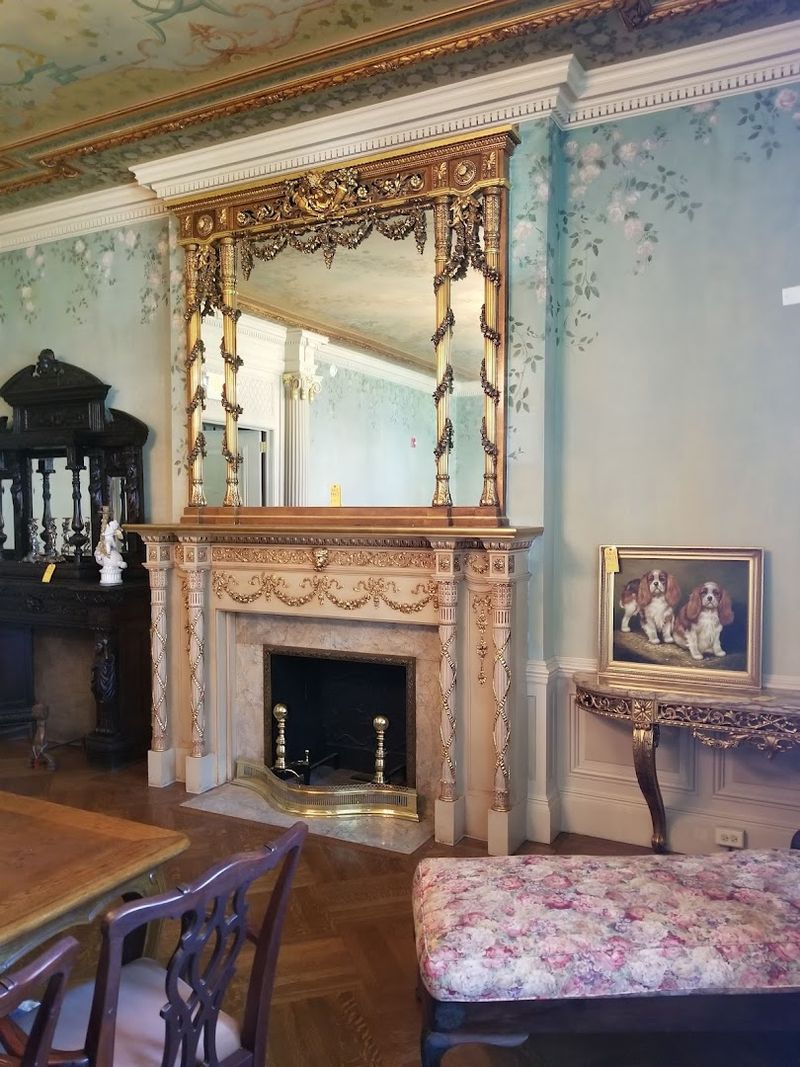
Madison Avenue in Morristown was not always just another busy road. At the turn of the twentieth century, it was one of the most prestigious addresses in the entire state, lined with sprawling estates that belonged to industrialists, financiers, and civic leaders.
People called it Millionaires Row without a trace of exaggeration.
The Abbey is one of the last remaining monuments to that era. Most of its neighbors have been torn down, subdivided, or transformed beyond recognition.
Driving past today, you have to use a fair amount of imagination to reconstruct what the street once looked like, but The Abbey makes that imaginative leap considerably easier.
There is something quietly melancholy about being the last of your kind standing. The Abbey carries that weight without looking burdened by it.
If anything, its survival feels like a small act of defiance against the relentless march of development, a reminder that some things are worth protecting simply because they cannot be recreated once they are gone.
Historic Registers and the Fight to Preserve the Abbey
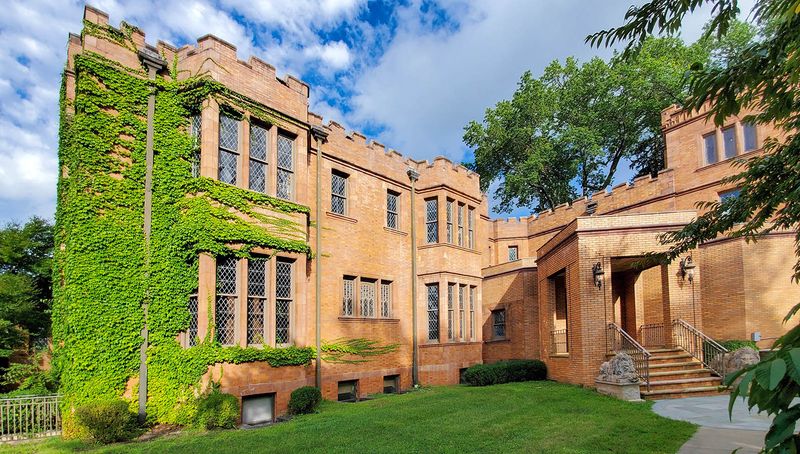
Preservation is never automatic. It takes deliberate effort, paperwork, advocacy, and sometimes a fair amount of stubbornness to keep a historic building standing when development pressure is pushing in the opposite direction.
The Abbey earned its place on both the state and national historic registers, a designation that provides real legal protection.
That listing matters more than it might sound. Buildings on the national register gain access to preservation tax incentives and must meet specific standards before any alterations can be approved.
It creates a framework that makes thoughtless demolition or disfiguring renovation significantly harder to pull off.
The fact that The Abbey made it this far is genuinely good news for anyone who cares about architectural history. New Jersey lost so many of its Gilded Age landmarks to neglect and redevelopment over the twentieth century.
Each one that survives becomes more valuable, not just historically but culturally, as a tangible link to a period of extraordinary ambition and craftsmanship that shaped the state’s identity in ways that still echo today.
A New Chapter for an Old Castle
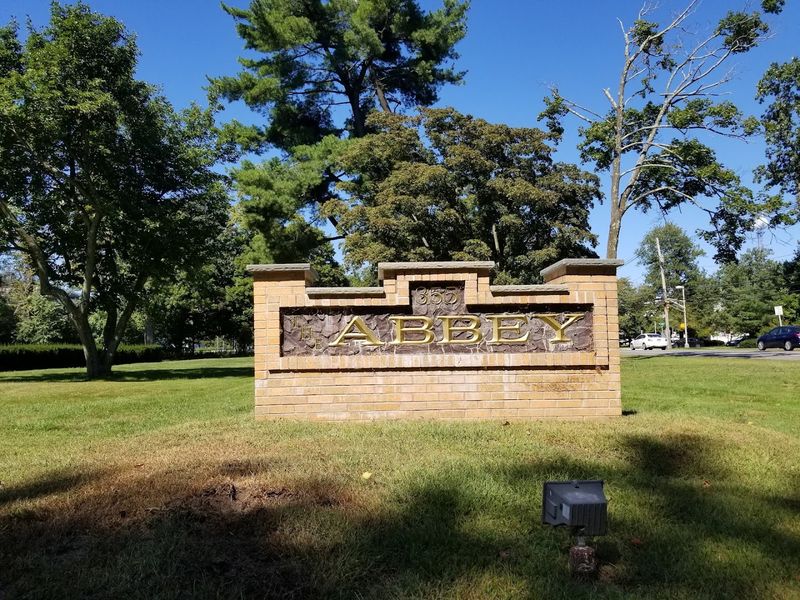
The most recent chapter in The Abbey’s story is arguably its most ambitious. In 2020, Restoration Hardware, known widely as RH, received approval to transform the mansion into an upscale furniture showroom.
The plan included preserving the historic structure while adding a new wing and incorporating a restaurant space into the property.
Work began in earnest in 2021, and the project represented a genuine commitment to adaptive reuse done at a high level.
Rather than gutting the building or burying its character under layers of modern renovation, the approach aimed to let the original architecture breathe while giving it a new functional purpose.
Pairing a Gothic Revival castle with a luxury home furnishings brand sounds like an unlikely combination on paper, but it actually makes a kind of intuitive sense. Both are in the business of making spaces feel extraordinary.
The Abbey has always been about elevating the everyday into something grander, and that aspiration connects naturally to what RH does as a brand. The building found a steward willing to match its scale.
Why The Abbey Still Belongs on Every New Jersey Road Trip
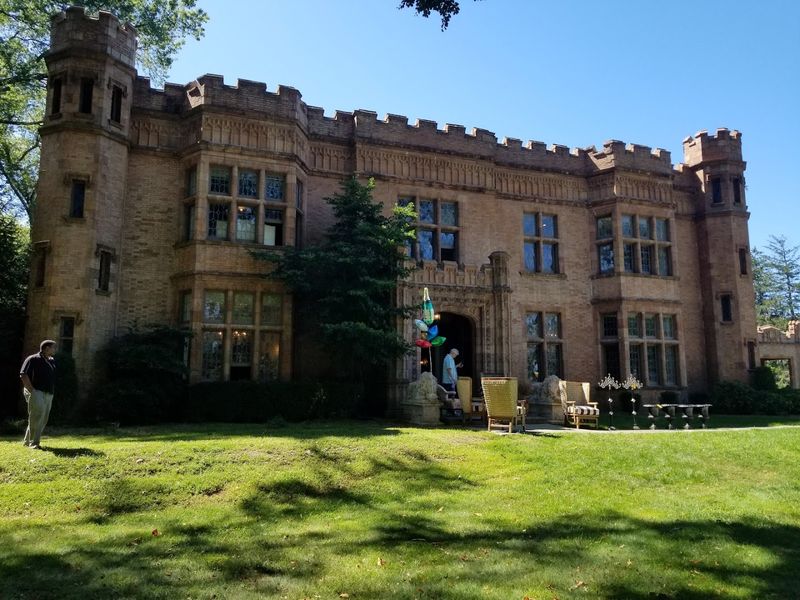
Some places earn their spot on a road trip list through fame or novelty. The Abbey earns its place through something harder to manufacture: genuine, irreplaceable character.
There is simply nothing else in New Jersey that looks or feels quite like it, and that alone makes the detour worthwhile.
Morristown itself is a town worth exploring, with a strong sense of history and a walkable downtown that rewards a few hours of wandering. The Abbey anchors the experience, giving the visit a focal point that sparks real curiosity and conversation.
It is the kind of place that sends you home researching things you never knew you wanted to know about Gilded Age architecture and English castles.
Renovations have limited access at various points, so checking current conditions before visiting is always a smart move. Even from the street, though, the building delivers.
Standing in front of a structure that has survived more than a century of change, still carrying the ambition of the people who built it, feels like a small but genuine privilege.
Address: 355 Madison Ave, Morristown, NJ
