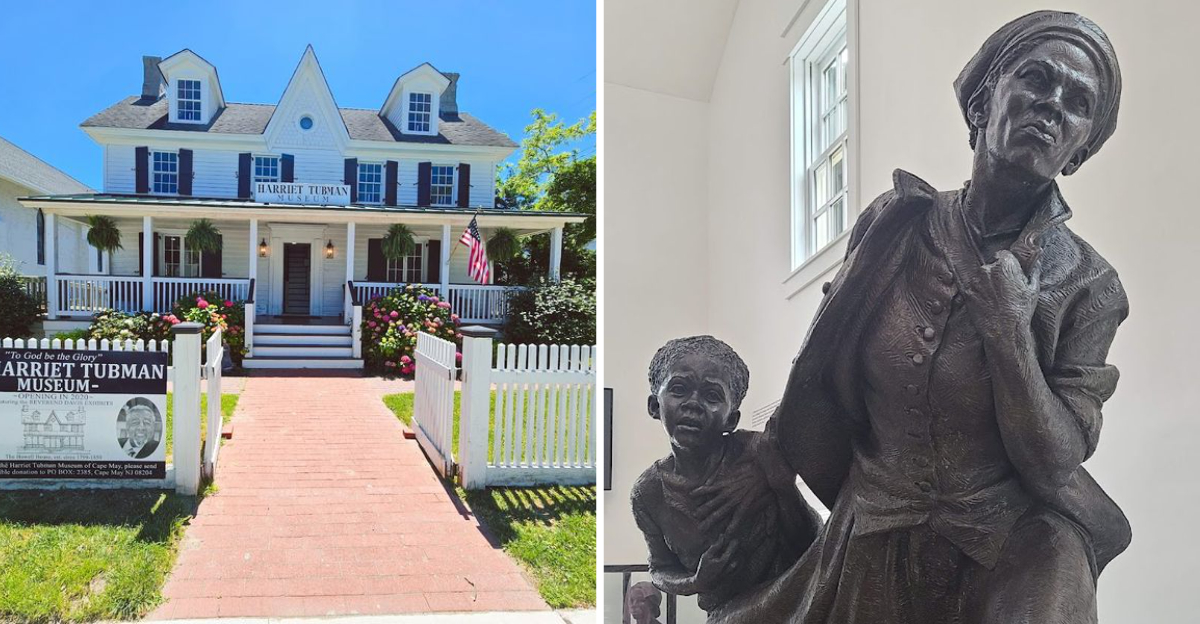
She worked hotel kitchens so others could walk free. That is the story this New Jersey museum tells with quiet power.
The exhibits trace how Tubman turned summer jobs into rescue missions along the Underground Railroad.
Visitors say the guided tour changes what you thought you knew about her life.
Walk through the doors and leave with a whole new understanding of courage.
The Story Behind the Museum’s Creation
Some museums feel like they were built out of obligation. This one feels like it was built out of love.
The Harriet Tubman Museum of New Jersey came to life through years of community effort, dedication, and a genuine desire to preserve a story that too many people had never heard in full.
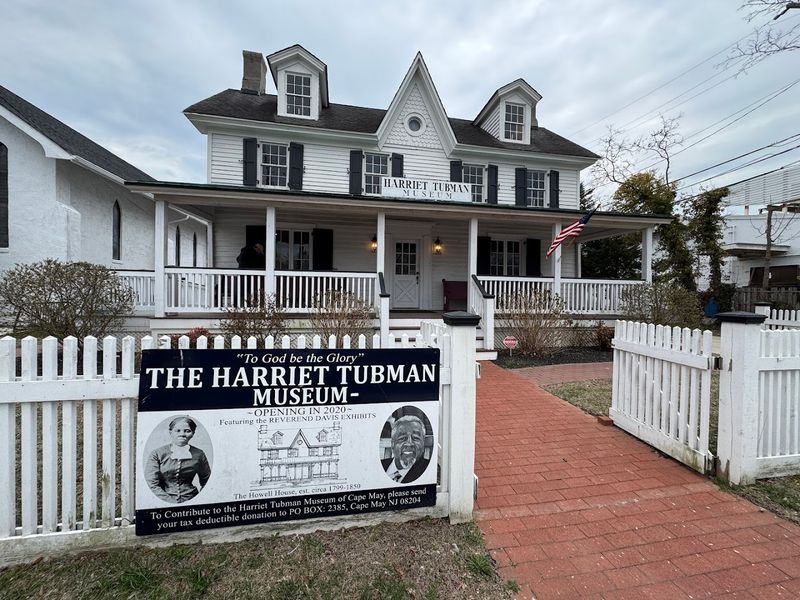
The museum is housed in the Howell House, formerly the Macedonia Baptist Church Parsonage. It sits right in the Cape May Historic District, giving it a sense of place that feels earned rather than manufactured.
The building was carefully renovated to serve as a museum space, and it officially opened on September 17, 2020. Governor Phil Murphy was present at the opening, which speaks to how meaningful this project was for the entire state of New Jersey.
Walking through the front door, you immediately feel that this space was created with real intention and heart behind every decision made along the way.
Harriet Tubman’s Deep Connection to Cape May
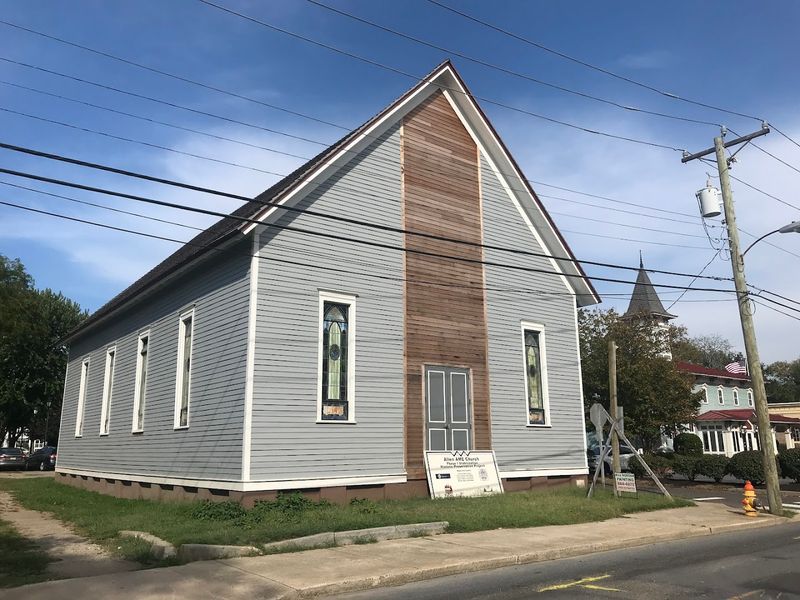
Most people associate Harriet Tubman with Maryland or the Deep South, so learning she had a real connection to Cape May genuinely caught me off guard. During the early 1850s, Tubman spent time in this very town working as a cook and domestic servant to earn money.
That money was not for herself. Every dollar she saved went toward funding her incredibly dangerous missions to guide enslaved people to freedom along the Underground Railroad.
Cape May was essentially her financial base of operations, a place where she quietly worked so she could boldly act elsewhere.
Knowing that detail changes how you see the whole town. Those Victorian streets and pastel-colored buildings suddenly feel layered with a history that goes far beyond summer vacations.
The museum does a beautiful job of placing Tubman right here in Cape May, making her connection to this place feel vivid, real, and absolutely unforgettable for anyone who takes the time to visit.
What the Museum Exhibits Actually Show You
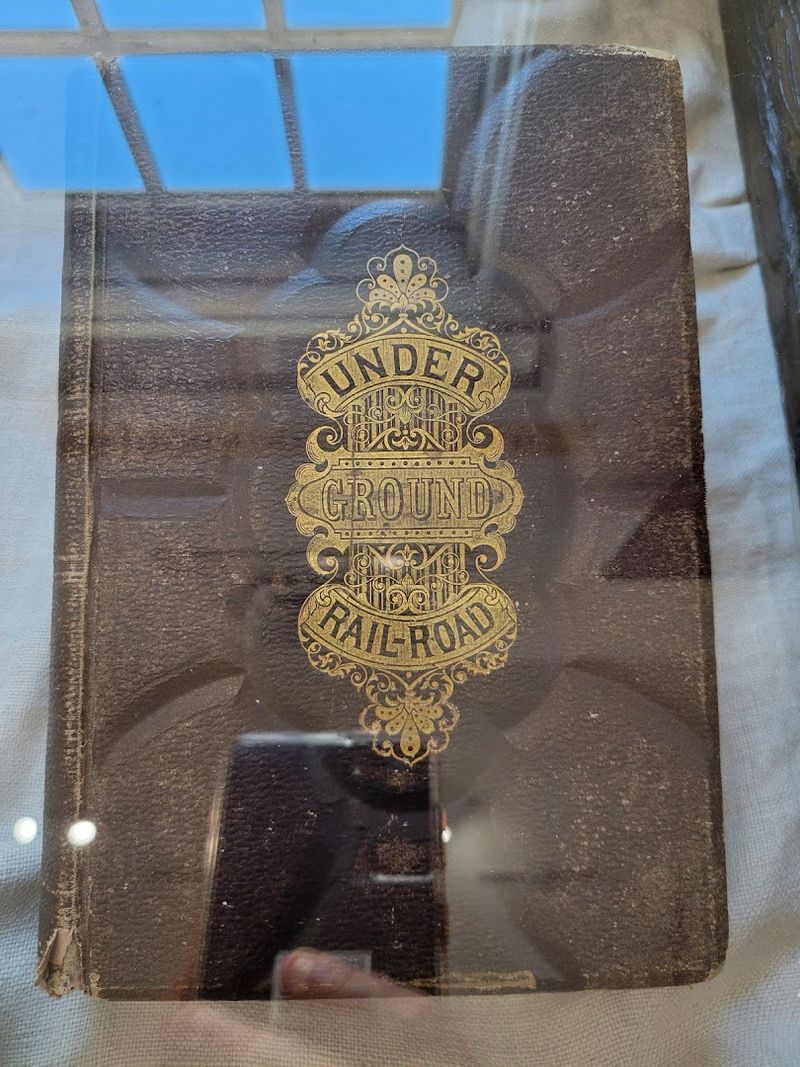
Walking through the exhibits feels less like reading a textbook and more like piecing together a story that has been waiting to be told. One of the most remarkable items on display is a signed first-edition printing of the 1872 book “The Underground Railroad Records” by abolitionist William Still.
That alone would make the trip worthwhile. But the collection also includes African masks and art pieces that once belonged to the Reverend Robert Davis, a former pastor of the church who lived in the very building that now serves as the museum.
There is something quietly powerful about seeing objects that belonged to real people who lived in this space. The exhibits are not flashy or overwhelming.
They are thoughtfully arranged, asking you to slow down and actually absorb what you are looking at. Each artifact carries weight, and the museum gives you enough room to feel that weight without rushing you through to the next display case or the gift shop.
The Guided Tour Experience Worth Every Minute
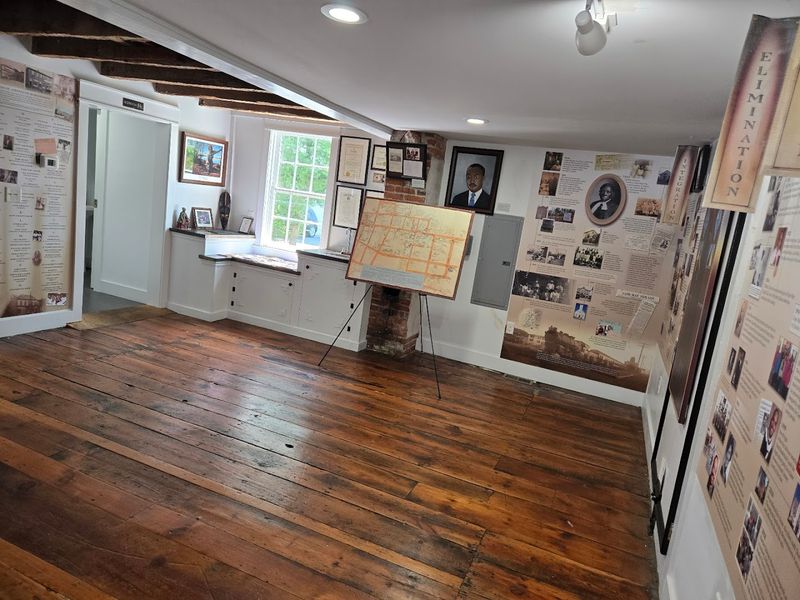
Going on the guided tour at this museum is a completely different experience from wandering around on your own. The guides here are not just reading from a script.
They are storytellers, educators, and performers all rolled into one incredibly engaging person.
The tour brings Harriet Tubman’s story to life in ways that feel personal and immediate. Visitors are encouraged to participate, and some tours even include singing, which sounds unexpected but somehow feels completely right in the moment.
One thing worth knowing is that it is strongly recommended to book your guided tour tickets online in advance. The museum is popular, spots fill up fast, and showing up without a reservation might mean missing out on the full experience.
The guided tour lasts roughly one hour, and the time genuinely flies by. Visitors consistently leave feeling like they absorbed more history in that single hour than they ever did sitting in a classroom, which is exactly the kind of education that actually sticks with you long after you leave.
Self-Guided Tours for Your Own Pace
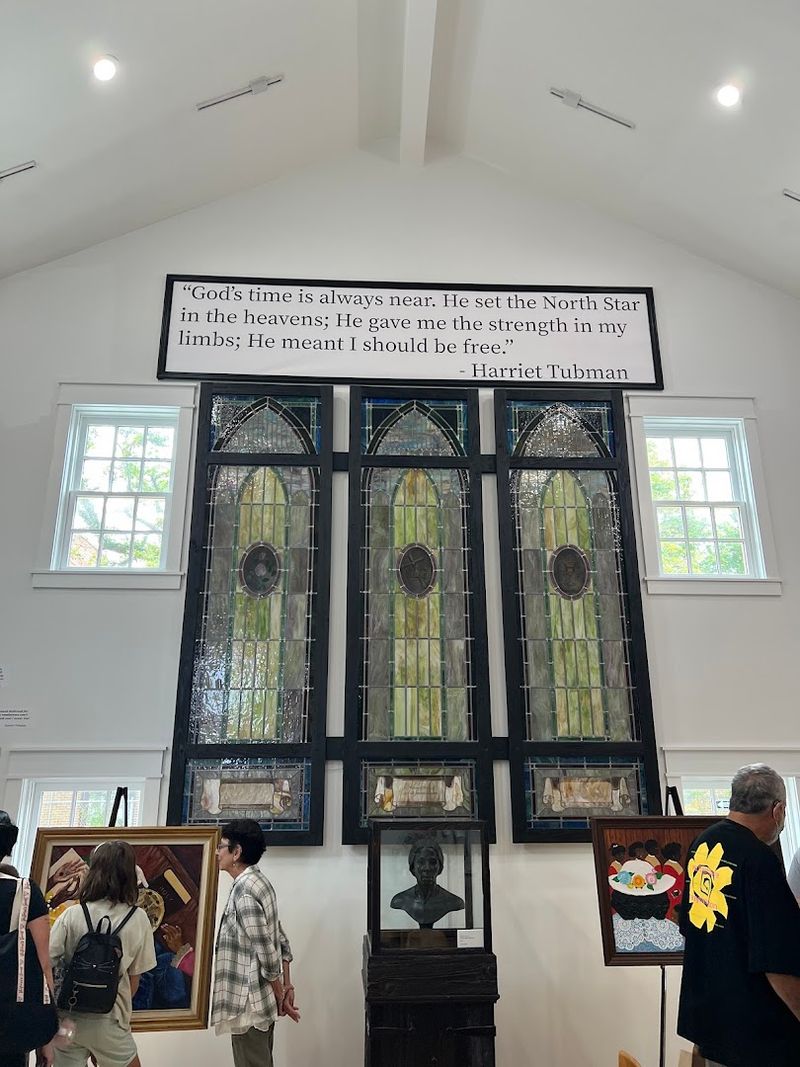
Not everyone wants to move at a group’s pace, and the museum completely understands that. Self-guided tours are available for visitors who prefer to linger longer in front of certain exhibits or simply explore the space on their own terms.
The front rooms of the museum are filled with informative displays covering the history of African Americans in Cape May, and those displays are genuinely worth reading slowly.
There is a lot packed into a small space, and rushing through it would mean missing some of the most interesting details.
Self-guided visits also give you a chance to sit with the quieter moments, the ones that hit you when nobody is talking and you are just standing in a room where real history happened.
The museum is fully wheelchair accessible and ADA compliant, so everyone can move through comfortably.
Whether you go guided or self-guided, the experience rewards curiosity, and the more questions you bring with you, the more satisfying the visit tends to be for most people.
The Role of Cape May in Black American History
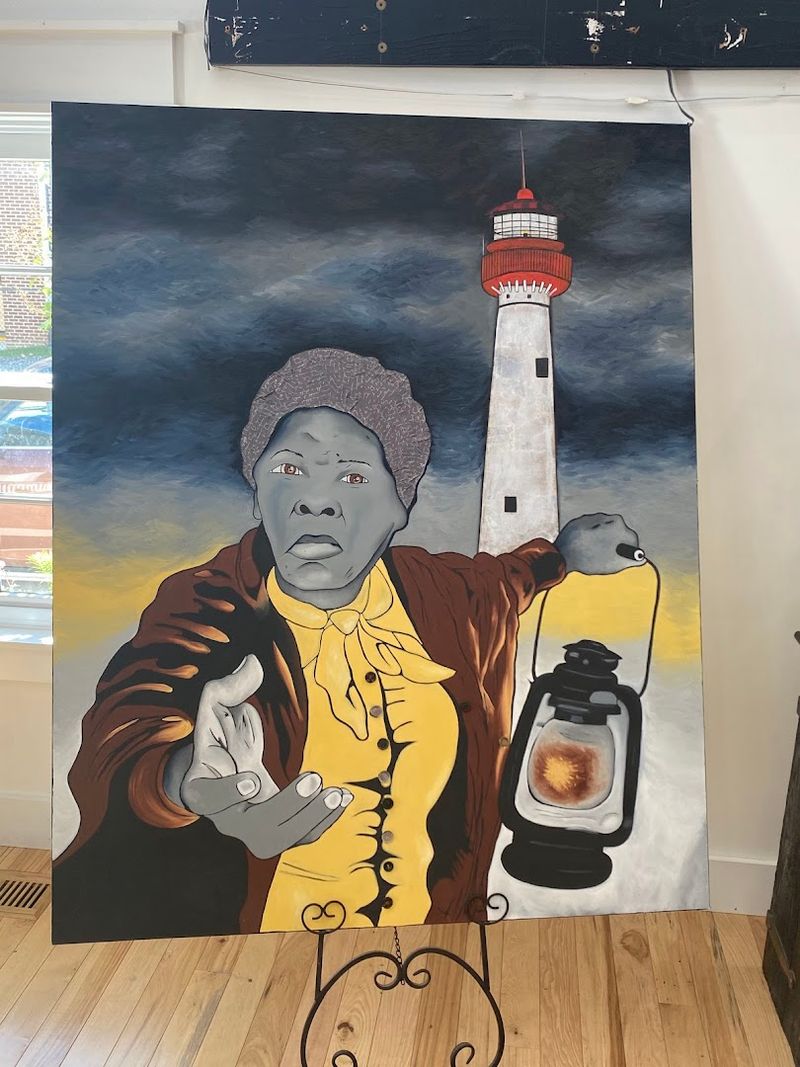
Before visiting this museum, Cape May felt like a beach town with good seafood and pretty architecture. After the tour, it felt like a place with real bones, a community that played a meaningful role in one of the most important chapters in American history.
The museum’s front section dedicates serious attention to the history of African Americans in Cape May specifically.
It is detailed, informative, and places the town in its proper historical context as a place where Black people could rebuild, retain, and celebrate their culture even during deeply difficult times.
Cape May served as a destination where freedom had real meaning, not just as an idea but as a daily lived experience for many people. Learning about the town’s Black history adds a whole new layer to every street you walk down afterward.
The museum makes that history accessible and engaging without ever feeling like it is lecturing you. It feels more like someone finally sharing a story that deserved to be heard a long time ago.
Food Culture Connected to Tubman’s Time in Cape May
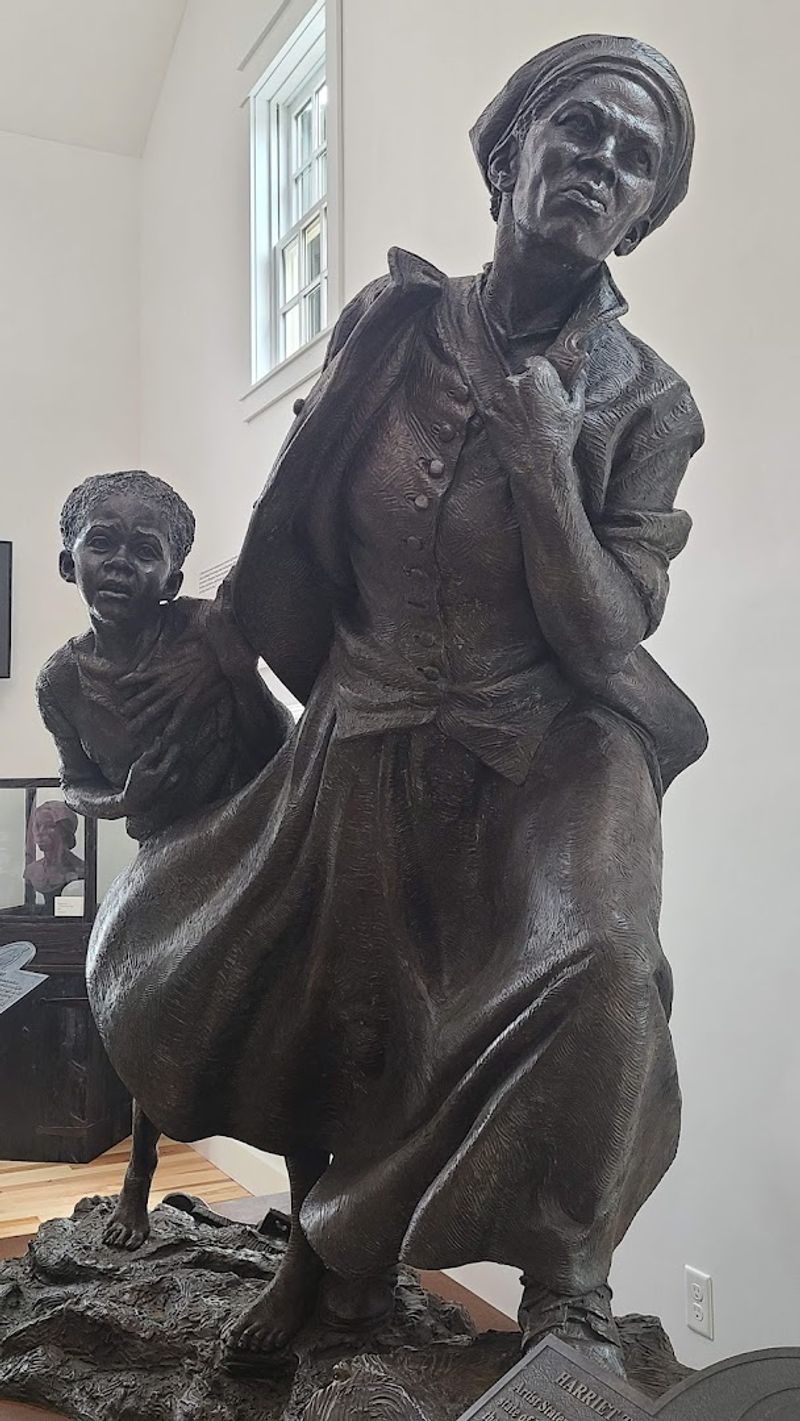
There is something quietly fascinating about the fact that Harriet Tubman, one of history’s most fearless freedom fighters, spent her time in Cape May working as a cook. Food was her cover, her income, and her survival strategy all at once.
Thinking about that connection makes the act of eating in Cape May feel different. The town has a wonderful food scene today, with fresh seafood and local flavors around every corner.
But somewhere beneath all of that is the history of people who cooked not for pleasure but for purpose.
Tubman’s work in domestic kitchens funded missions that changed lives and altered the course of history. That is a remarkable thing to sit with over a bowl of clam chowder or a plate of fresh-caught fish.
Cape May’s food culture today carries echoes of those earlier stories, even if most diners never think about it. The museum helps you make that connection in a way that feels genuinely meaningful rather than forced or overly sentimental.
Planning Your Visit: Hours, Access, and Practical Tips
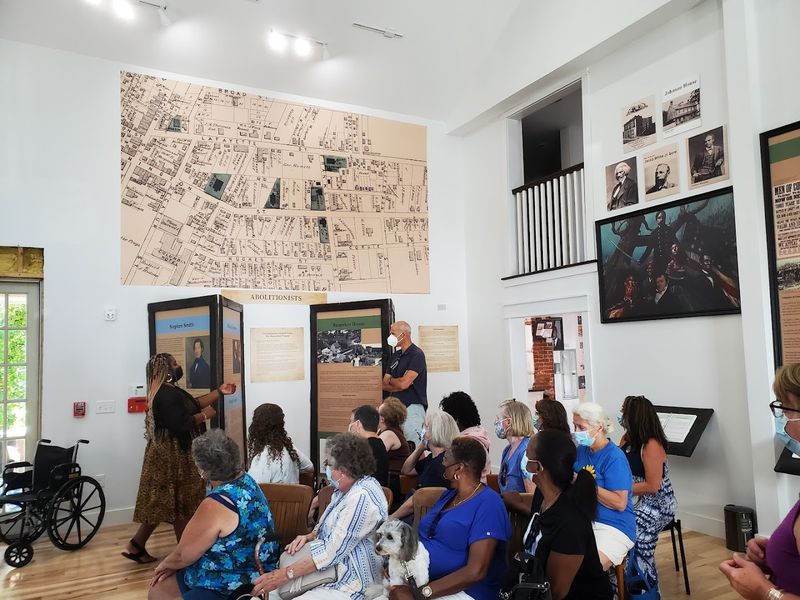
Getting the most out of this museum takes just a little bit of planning, and it is absolutely worth the extra effort. The museum is open Friday and Saturday from 11 AM to 4 PM, and on Sundays from 2 to 4 PM.
It is closed Monday through Thursday, so checking the schedule before heading over is a smart move.
Parking near the museum can be a bit tricky since spaces are limited. Street parking is available nearby, and there are some lots within walking distance.
Arriving a few minutes early gives you time to settle in before the tour begins rather than rushing in at the last second.
Booking tickets online in advance is genuinely the best advice anyone can give you about this place. Tours fill up, especially on weekends during the busy season.
The museum is fully ADA compliant and wheelchair accessible, making it welcoming for visitors of all mobility levels. A little preparation turns what could be a stressful visit into a smooth, deeply rewarding afternoon spent learning something truly important.
Leaving With More Than You Came With
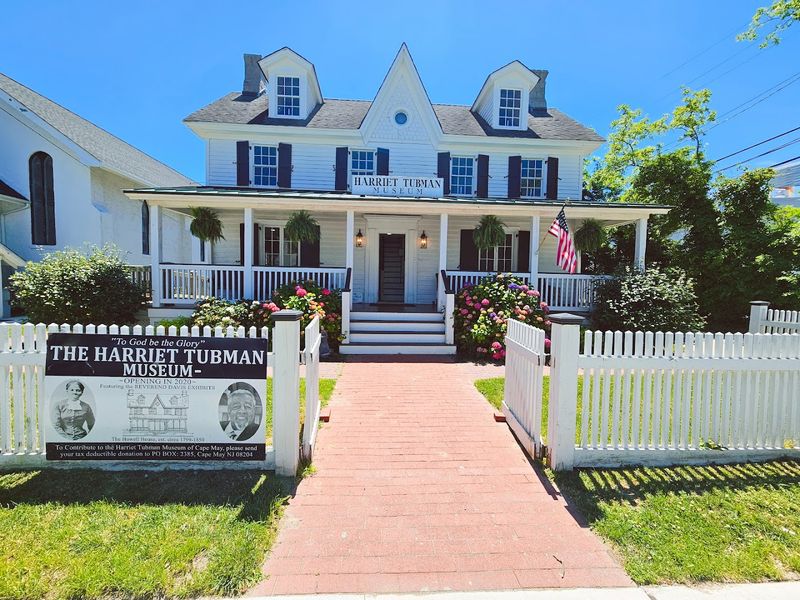
Walking out of this museum, the afternoon light in Cape May looked different somehow. The streets felt more layered, the history more present, and the town itself more interesting than it had seemed just a few hours earlier.
That is the real gift of a visit here.
The museum is expanding, with plans for a second floor that will add even more space for exhibits and storytelling.
Knowing that the story being told here will only grow bigger and richer with time makes the current visit feel like catching something special while it is still in its most personal, intimate form.
Whether you come as a history enthusiast, a curious traveler, or a parent looking for something genuinely educational for your family, this museum delivers.
Cape May has beaches, great food, and beautiful architecture. But this museum is the kind of stop that turns a nice trip into a meaningful one.
Address: 632 Lafayette St, Cape May, NJ
