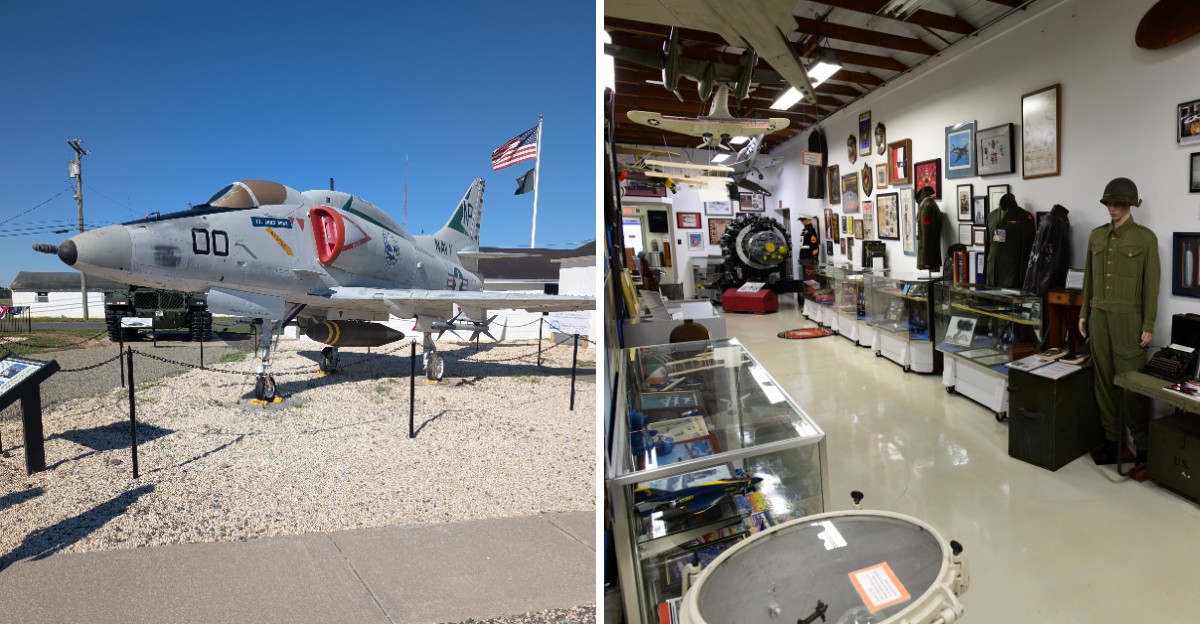
In 1941, the U.S. government named one small airfield America’s First Defense Airport. That title still sounds like something out of a movie, and it belongs to a spot in South Jersey.
About 1,500 young pilots trained there in P-47 Thunderbolts and P-40 Warhawks. Then they headed overseas.
I like how the original base headquarters now holds their stories instead of their paperwork.
The museum inside costs nothing to enter. You’ll find uniforms, medals, a real WWII flight simulator, and airplanes parked right outside.
I can’t imagine a better way to spend an afternoon in New Jersey than following the footsteps of those pilots.
The runway is still active, too. Small planes come and go while you explore.
So how did a quiet field become a training ground for some of the bravest flyers of the 1940s?
The Building Itself Is Part Of The History Lesson
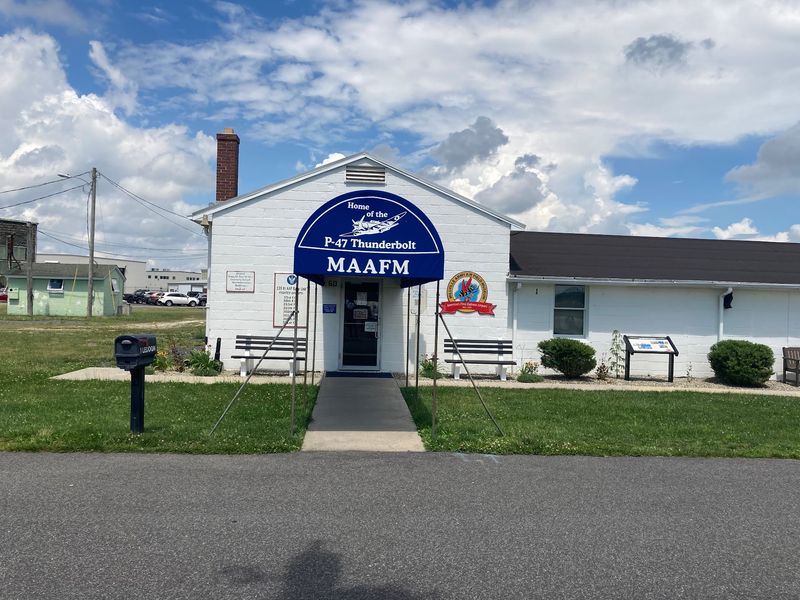
Plenty of museums borrow old buildings, but this one stays right where the action happened. The Millville Army Air Field Museum sits inside the original base headquarters from World War II.
That means the halls you explore once handled real orders, schedules, and pilot records. It’s history you can stand inside, not just read about on a plaque.
The airfield opened as a gunnery school for fighter pilots in January 1943. Over its three years as a military base, more than 10,000 men and women served there.
Think about that number for a second. That’s a small town’s worth of people working, training, and living around one runway in South Jersey.
The property is listed on the New Jersey Historic Register, and preservation work keeps going. In fiscal year 2024, the museum received a state grant to repair the chimneys on the headquarters building.
Chimney repairs might not sound thrilling. Still, they help keep a one-of-a-kind building standing for the next generation of visitors.
When you arrive, take a moment outside before heading in. You’re looking at the same doorway that pilots and staff used more than 80 years ago, which is a pretty great warm-up for everything inside.
Thunderbolts And Warhawks Once Owned These Skies
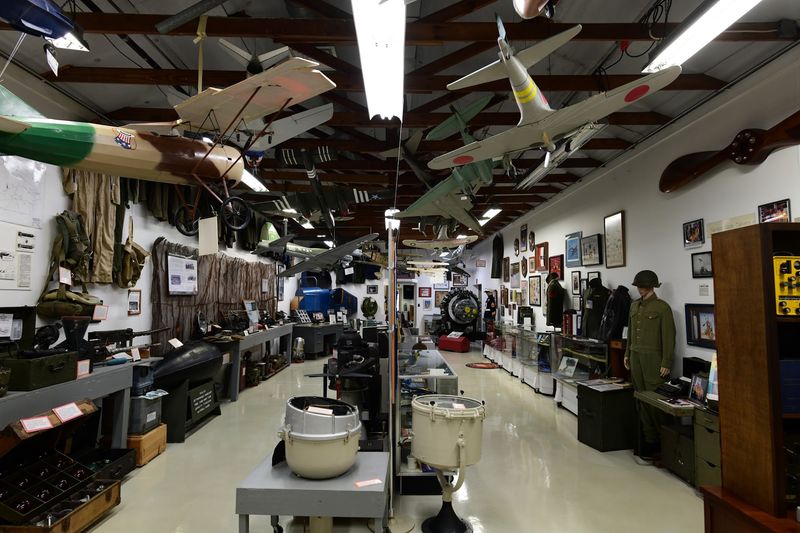
Roughly 1,500 pilots learned to fly fighter planes here before shipping out. Their main rides were the P-47 Thunderbolt and the P-40 Warhawk, two famous names in aviation history.
The P-47 was big, tough, and powerful. It’s no surprise the museum is also home to a group called the P-47 Thunderbolt Advocates.
Inside the exhibits, you’ll learn how training worked at a gunnery school. Pilots practiced aiming and flying skills they’d need once they reached combat zones far from New Jersey.
The museum doesn’t skip the hard parts, either. It honors the 14 pilots who lost their lives during training at Millville, and their stories get respectful attention.
That balance makes the visit feel meaningful. You come away understanding both the excitement of flying and the serious risks these young pilots accepted.
Many of them were barely older than college students. Picture handing a teenager the keys to a fighter plane, and you start to see how much courage it took.
If you have an aviation fan in your family, this part of the museum might be the one they talk about all the way home.
Climb Into The Past With A Rare Flight Simulator
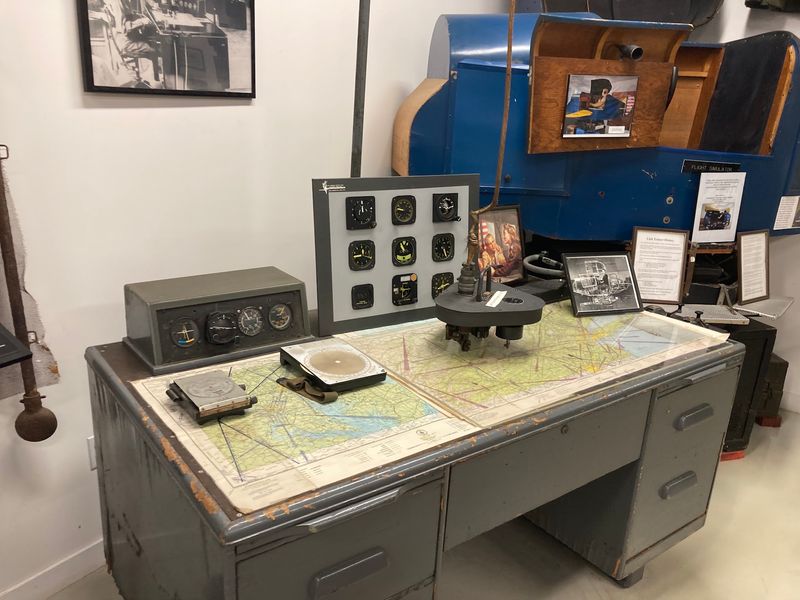
Long before video games, pilots trained in a machine called the Link Trainer. One of them still lives at this museum, and it’s a real head-turner.
The museum’s original WWII Link Trainer Building houses one of only five fully operational WWII flight simulators. Yes, it still works, which is honestly impressive for a gadget from the 1940s.
These simulators let students practice flying by instruments without leaving the ground. Mistakes in a Link Trainer cost nothing, while mistakes in a real plane could cost everything.
The building itself is also original to the air base. So you get two pieces of history at once: the machine and the room where pilots actually sat in it.
For kids, this is where the past suddenly clicks. A boxy little cockpit explains flight training better than a whole textbook chapter.
Adults tend to enjoy it just as much. It’s fun to compare this early simulator to modern flight software and realize how far technology has come.
Ask about tours if you want more background on how the trainer works. Guided tours are available, and they add great context to this standout exhibit.
Real Aircraft Are Waiting In The Courtyard
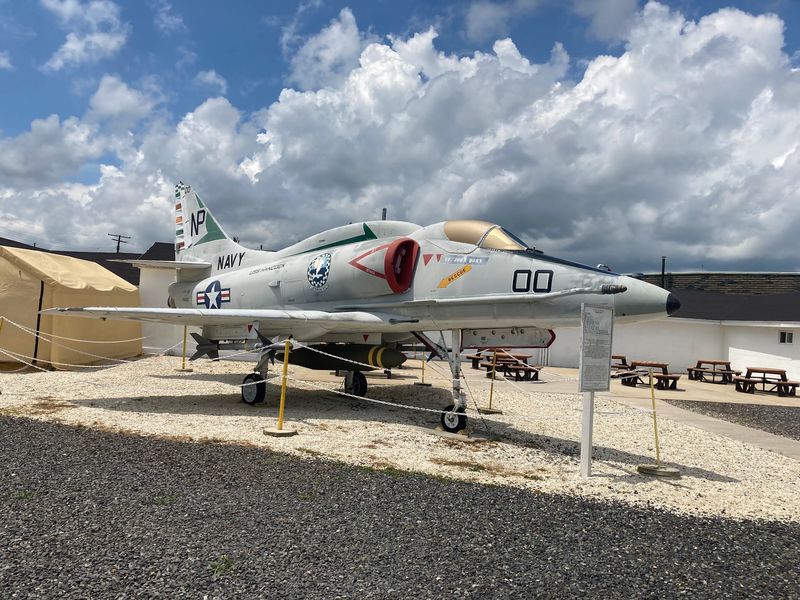
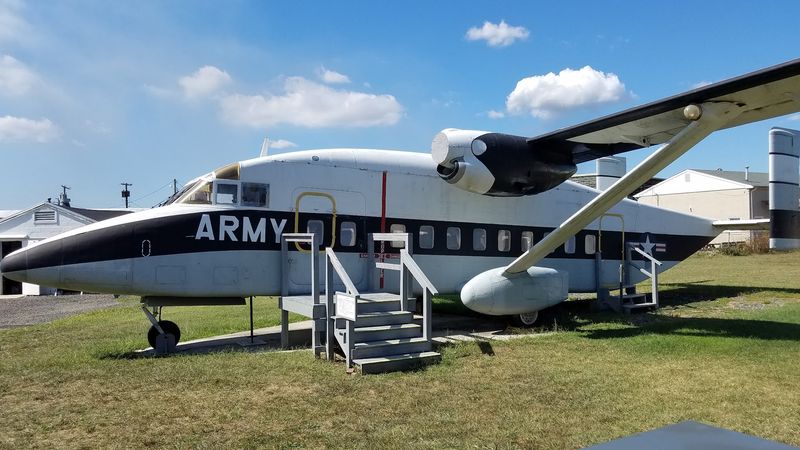
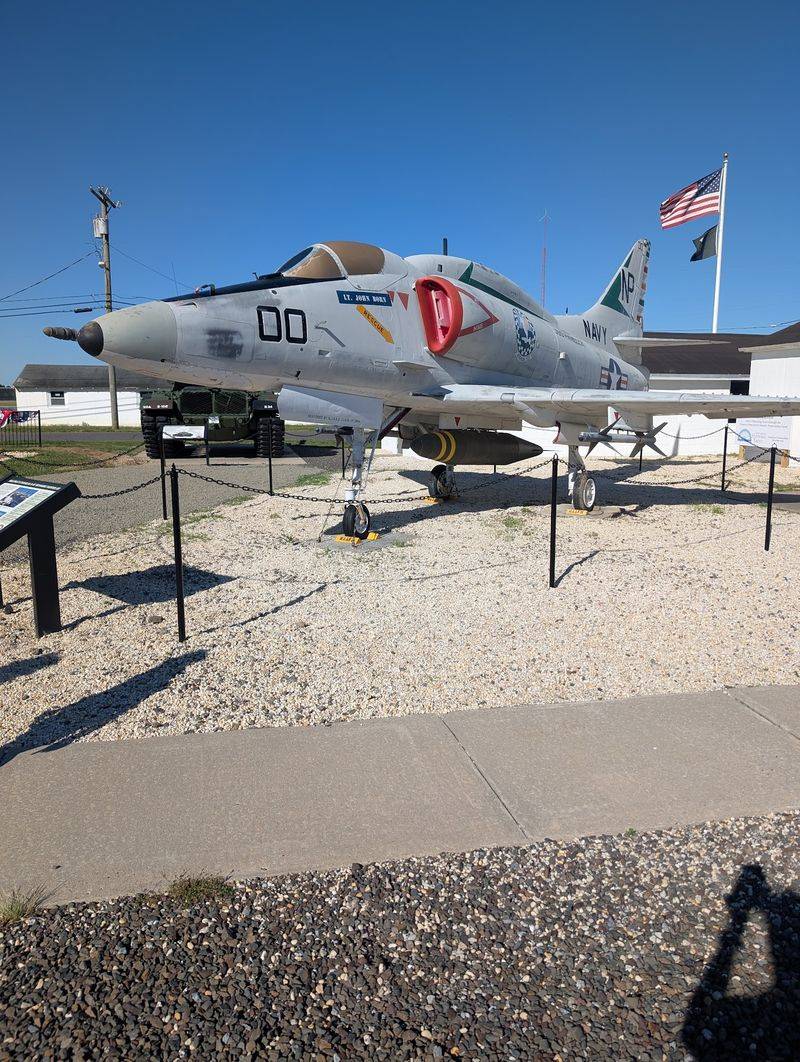
A Navy jet parked outside a museum is a pretty good way to say hello. The courtyard at the Millville Army Air Field Museum features static displays you can walk right up to.
Look for the A-4 Navy Skyhawk, a sleek jet that served for decades. Nearby sits a Short Sherpa aircraft, which looks nothing like a fighter and has its own unique boxy charm.
The vehicle lineup keeps going on the ground. There’s a two-and-a-half-ton truck and a WWII ambulance, both reminders that air bases needed much more than pilots.
Mechanics, drivers, medics, and supply crews kept everything running. These vehicles help tell their side of the story.
Bring your camera for this part. Planes, trucks, and murals make a fun backdrop, especially with the active runway nearby.
Plan for some outdoor time when the weather cooperates. It’s the perfect spot for kids to stretch their legs between indoor exhibits.
Every Room Holds Something Worth A Second Look
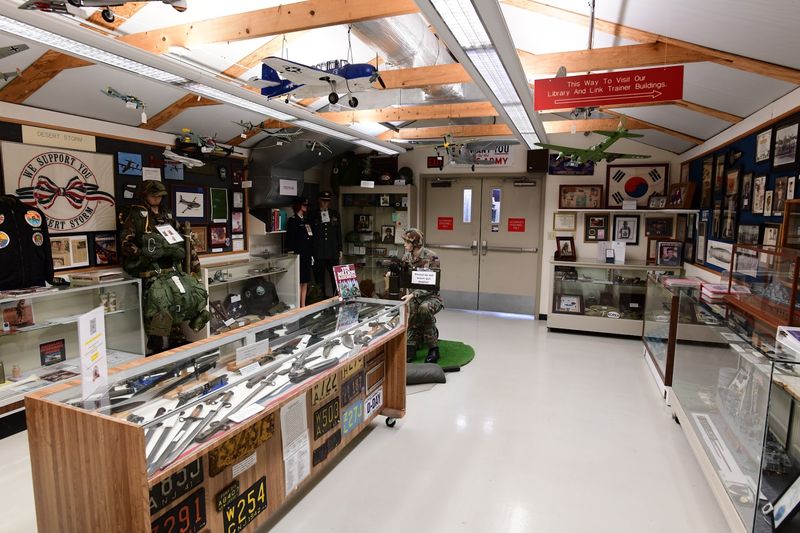
Uniforms, medals, and gear fill the galleries from wall to wall. The collection centers on World War II aviation, which makes sense given the airfield’s past.
Exhibits don’t stop in the 1940s, though. Displays also cover the Korean and Vietnam eras, Desert Storm, and more recent service in the Middle East.
That wide range means families with veterans from different generations can all find something personal. Grandparents and grandkids might end up pointing at different cases for very different reasons.
Take your time with the smaller items. A worn patch or a carefully kept medal often tells a bigger story than you’d expect.
The museum’s roots go back to the early 1970s. That’s when Michael T.
Stowe began collecting artifacts and information about the airfield.
His work led to a permanent display in 1983, and the museum incorporated in 1988. Not bad for a project that started with one person’s curiosity.
Give yourself enough time here instead of rushing. The galleries reward slow wandering, and you’ll probably notice new details on a return trip.
The Stories Of Real Veterans Bring It All Home
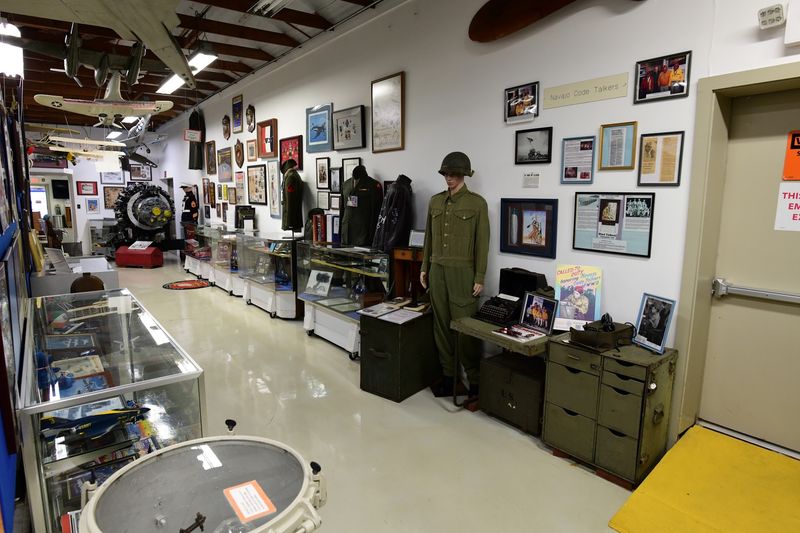
Objects are great, but people make history stick. Honoring all veterans is a core mission here, and you’ll feel it throughout the museum.
Biographical exhibits share the lives of individual service members. One example is the oral history and display dedicated to Carmen Poloff.
Hearing someone describe their own experience changes everything. Dates and battles turn into real memories from real neighbors.
The museum also runs an ongoing Veterans Interview Project. It keeps adding new biographies, so the collection grows a little richer over time.
That project matters more each year. Many voices from the 1940s are fading, and recording them now protects their stories for good.
If someone in your family served, this section might spark a great conversation on the ride home. It could even inspire you to write down a few family stories of your own.
Bring tissues if you’re the sentimental type. Some of these personal accounts hit harder than you’d expect, in the best possible way.
It’s a thoughtful reminder that every uniform in the building once belonged to someone with a name and a hometown.
Researchers And Curious Minds Get Their Own Library
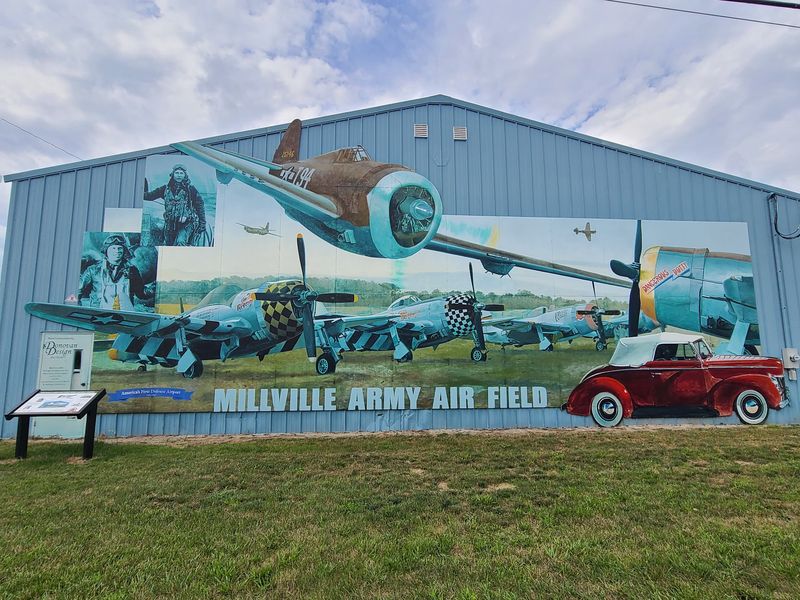
History buffs, meet your new favorite reading room. The Henry E.
Wyble Historic Research Library and Education Center sits right on the museum grounds.
It lives in a restored WWII warehouse. Supplies once filled that space, and now it holds a large collection of books and video resources.
Students can use it for school projects about aviation or World War II. Writers and family historians will find plenty to chew on, too.
Have a relative who might have served at Millville? A place like this can be a smart starting point for learning more about life on the base.
That’s a lot of aviation knowledge packed into one New Jersey address. It’s like getting several museums for the price of one visit, and the visit is already free.
Call ahead if you plan to do serious research. Staff can help you make the most of your time with the collection.
Air Shows Turn The Runway Into A Party
Engines roaring overhead are hard to ignore. The museum hosts special events that bring the airfield back to life in a big way.
The Millville Wheels and Wings Air Show is one of the headliners. It mixes aircraft and vehicles for a full day of aviation fun.
Another favorite is WWII Warbirds at Millville. Vintage aircraft line up for static displays, giving you a close look at planes from the era the base was built for.
Seeing a warbird on the same field where pilots trained adds a special kind of magic. It’s like history pulled up a chair and joined the party.
The museum also holds Veterans Appreciation Day. It’s a heartfelt event that celebrates the people the museum works so hard to honor.
Event dates change from year to year. Check the museum’s announcements before you go so you don’t miss the big days.
Even on regular days, small planes still use the runway nearby. So keep an eye on the sky, because you might catch a takeoff while exploring.
Planning Your Visit Is Refreshingly Easy
Free admission, free parking, and a runway view. That’s a pretty sweet deal for a day trip in South Jersey.
You’ll find the museum at 1 Leddon St, Millville, NJ 08332. It sits at the airport, so follow the signs and watch for planes.
Doors open Tuesday through Sunday from 10 a.m. to 4 p.m. Monday visits are available by appointment, which helps groups with tricky schedules.
Admission is free, but donations are warmly welcomed. Those gifts help pay for preservation, exhibits, and projects that keep the museum growing.
Guided tours are offered, and they add helpful background. A gift shop gives you a chance to grab a souvenir for the aviation fan in your life.
The facilities are accessible, and there’s a family restroom. Parents with little ones will appreciate that small but thoughtful detail.
Plan for a relaxed pace rather than a quick stop. With exhibits inside, aircraft outside, and stories everywhere, the Millville Army Air Field Museum is easy to love and hard to leave.
