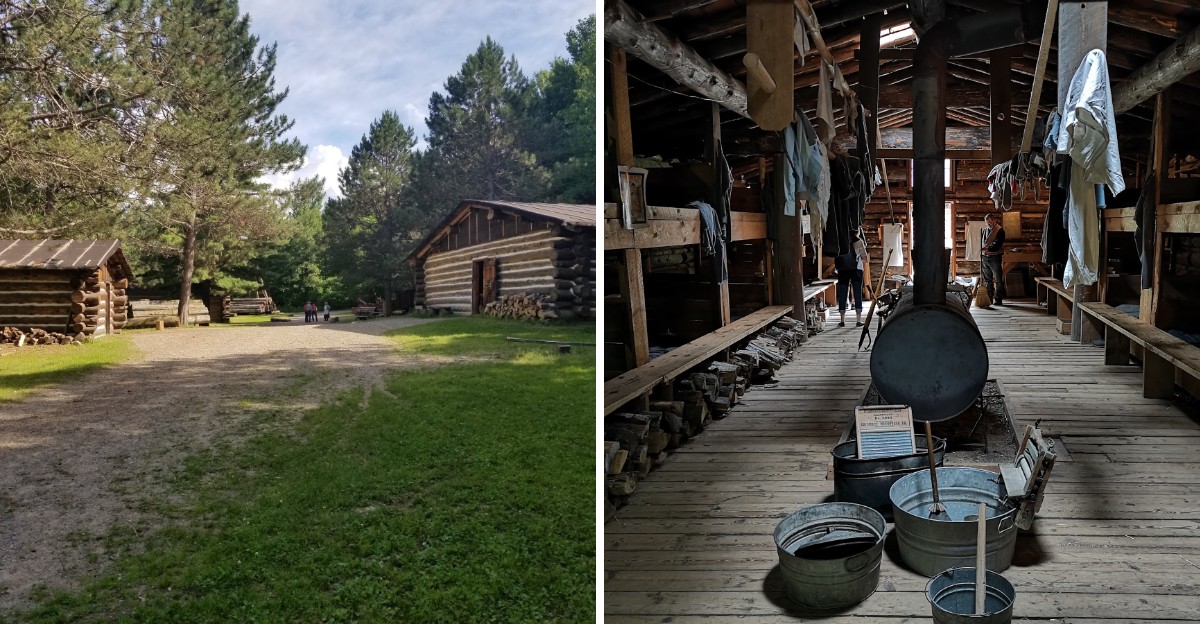
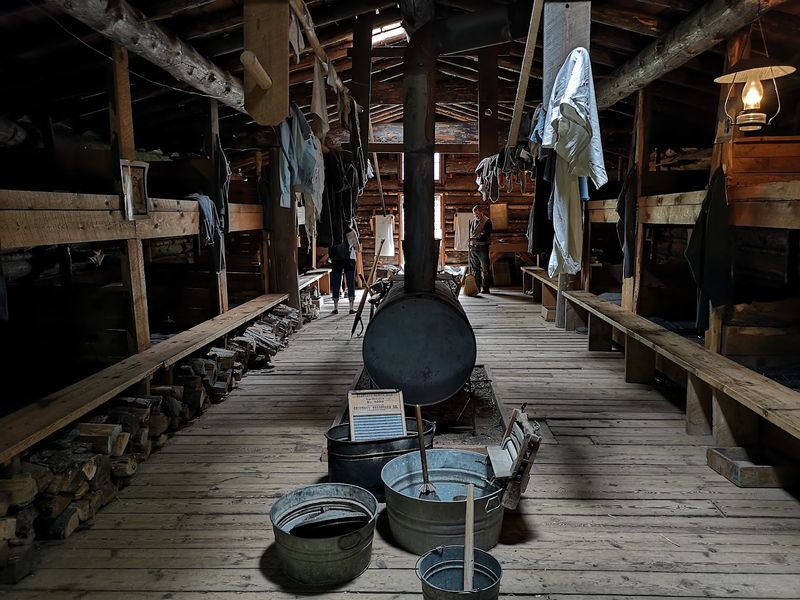
A lumberjack camp from the year 1900 still runs on rules like no fighting, with costumed crews ready to explain why. The cook shack, bunkhouse, and blacksmith shop all feel lived in, not roped off.
Then there’s the 100-foot fire tower. It was built in the 1930s by the Civilian Conservation Corps, and you’re allowed to climb it.
I like how this corner of northern Minnesota mixes draft horses, river history, and woods trails into one easy outing. I can’t imagine a better place to learn what logging life actually looked like up close.
The best part might be how quietly it sits outside town. Most travelers zip right past it. So what happens when you finally pull in and trade the present for a white pine camp?
Camp Rules Were Strict, And The Interpreters Will Happily Tell You Why
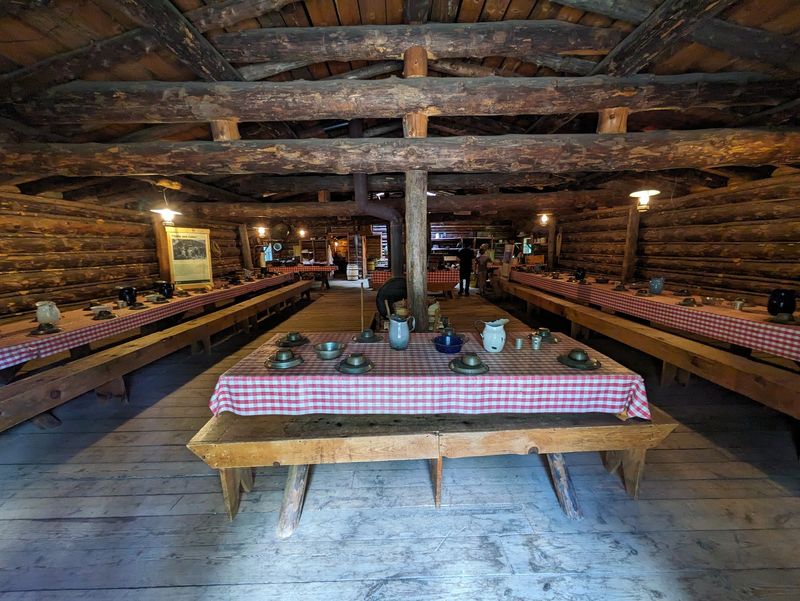
Welcome to 1900, where the cook runs the show and talking at supper could earn you a glare. The Forest History Center in Grand Rapids recreates Northwoods Camp #1, a white pine logging camp from that year.
The camp includes recreated buildings that show daily life for the crew. You’ll find a cook shack, a bunkhouse, and a blacksmith shop among them.
Costumed interpreters stay in character as camp workers. They explain how the operation ran and what a typical day demanded from the men.
Ask about the camp rules. There was no fighting and no drinking, though a friendly card game on a Saturday night might slide. I love that the history comes with personality here. Instead of reading a sign, you get the story from someone acting like they just finished a shift.
Plan to walk a bit, since the camp sits out on the grounds. Comfortable shoes make the trip easier, especially on warm summer days in Minnesota. Questions are encouraged, so bring a few. Kids especially seem to enjoy quizzing a lumberjack about bedtime, chores, and what was for breakfast.
Your Legs Will Notice This 100-Foot Climb, But Your Eyes Will Thank You
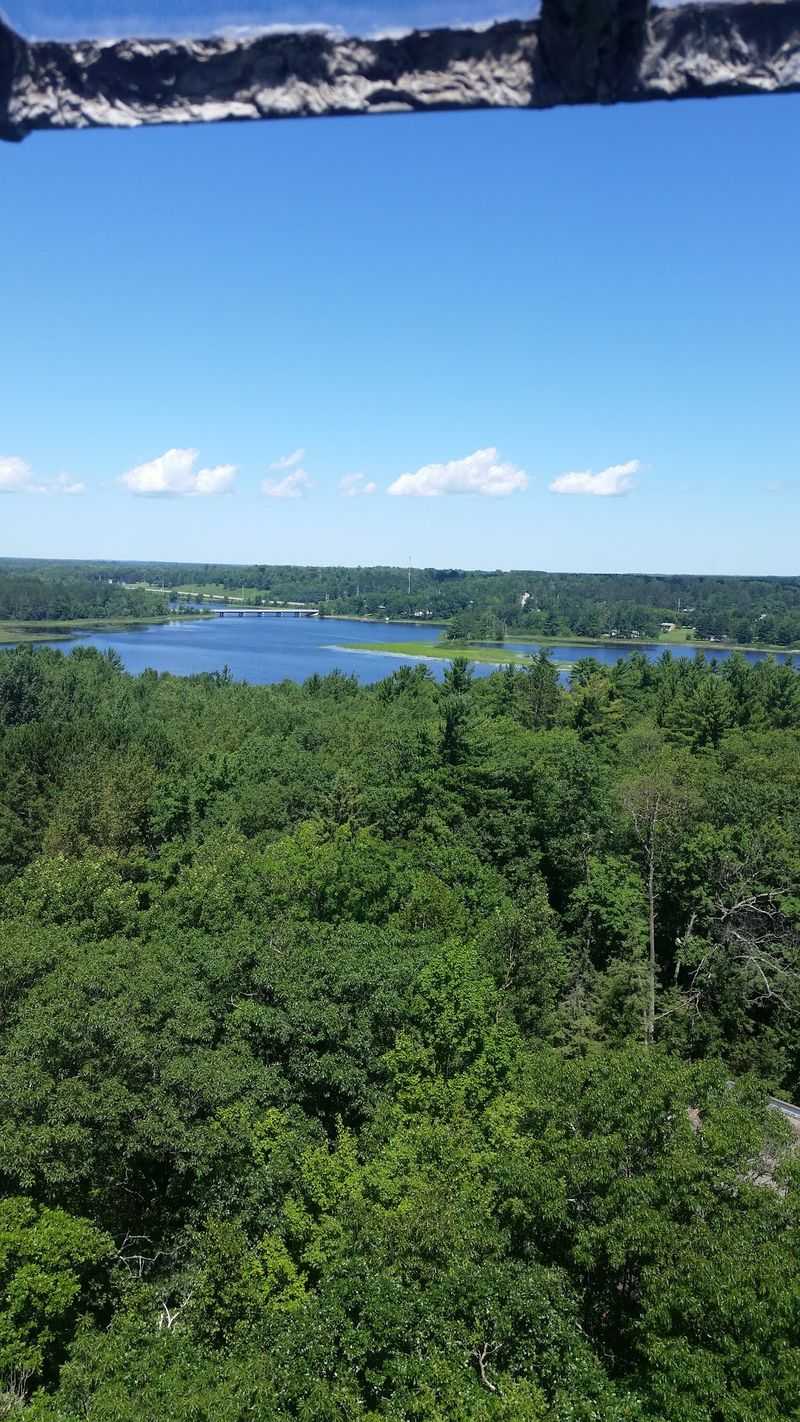
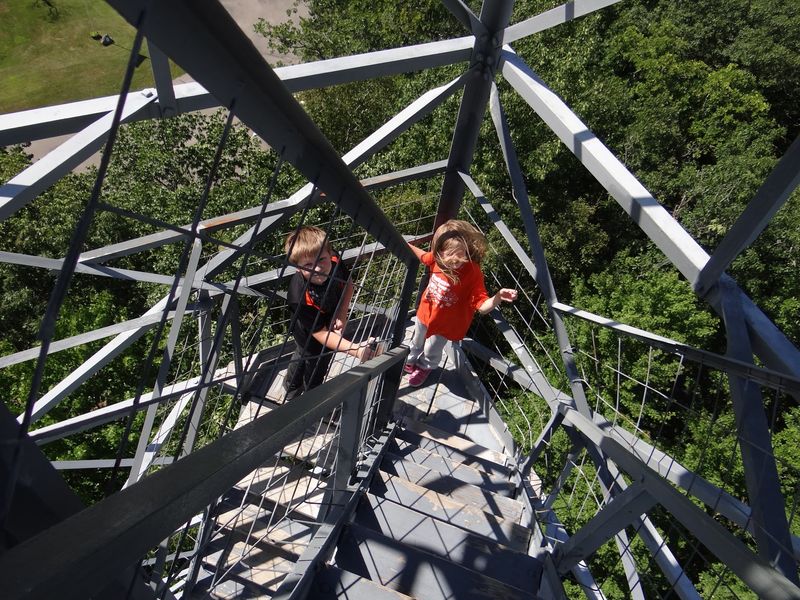
One hundred feet. That’s how high the fire tower at the Forest History Center rises above the forest floor. The tower dates to 1934 and was built by the Civilian Conservation Corps. It was later moved to the center and restored in 1997.
From the top, you get wide views of the surrounding forest and the Mississippi River. It’s a bird’s-eye look at the same land the loggers once worked.
Fire spotters used towers like this to watch for smoke across the Northwoods. Standing up there makes that job feel very real and very lonely. Climbers need to be older than six. Closed-toe shoes are a smart choice for the steps, and a jacket helps on breezy days.
Take your time going up. There’s no prize for speed, and the view doesn’t leave if you pause halfway. Bring a phone or camera with plenty of battery. In autumn, the treetops below can turn the whole scene into a patchwork of color.
Nervous about heights? Watching from the ground still lets you appreciate how much work went into protecting these forests.
The Visitor Center Lets You Drive A Timber Harvester Without A License
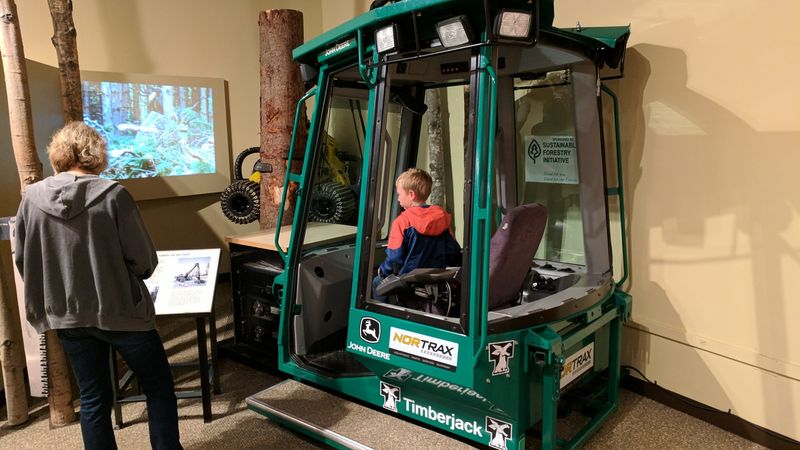
Start indoors, and you’ll understand the outdoor sights much better. The visitor center gives a solid look at the history and ecology of the Northwoods. Exhibits are interactive, so hands stay busy. One highlight is a timber harvester simulator that shows how modern logging works.
A full-size all-terrain vehicle sits on display too. Younger visitors can also crawl through a big log, which beats any museum bench. Don’t skip the 30-seat theater. It shows a multimedia presentation on the power of forest fires, including the history of the Cloquet fire.
That film adds serious weight to the fire tower outside. After watching it, the job of a spotter feels a lot more important. I think the mix here works well. Old logging stories sit right beside modern forestry, so you see how much has changed.
Give yourself time inside before heading out to the camp. The context pays off once you reach the bunkhouse and blacksmith shop. The building also makes a cozy break on chilly Minnesota days. Warm up, explore, then go back outside.
A Floating Kitchen Once Followed The Logs Down The River
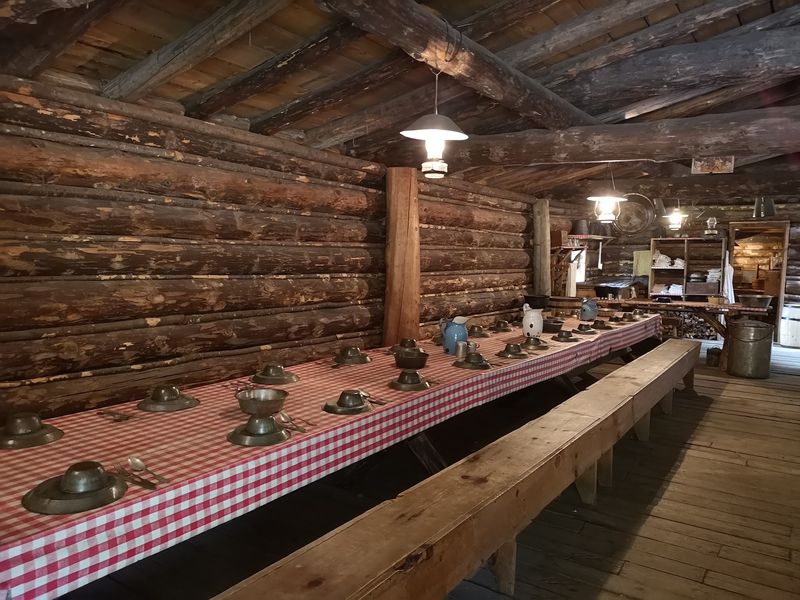
Lunch on a raft sounds fun until you remember the job was moving logs. River drivers relied on floating cook shacks called wanigans. The Forest History Center features a replica of a 1901 Mississippi River wanigan. It served as both kitchen and bunkhouse for the crew.
These vessels traveled along with the logs heading downstream to the mills. That meant meals and beds stayed close to the hard, wet work. Nearby sits a 1934 Forest Service patrol cabin. It shows how patrolmen lived while watching over the woods.
The cabin feels quiet and simple. You can almost picture a ranger on the porch, scanning the trees for trouble. I like how these two spots widen the story. Logging wasn’t only about chopping trees, it also meant moving timber and protecting the forest.
Both sites connect neatly with the trails. Pair them with a walk, and the history starts to feel like one big picture. Bring curiosity about the river. Once you know how logs traveled, the Mississippi looks a lot more interesting.
These Draft Horses Make The Best Tour Guides With Hooves
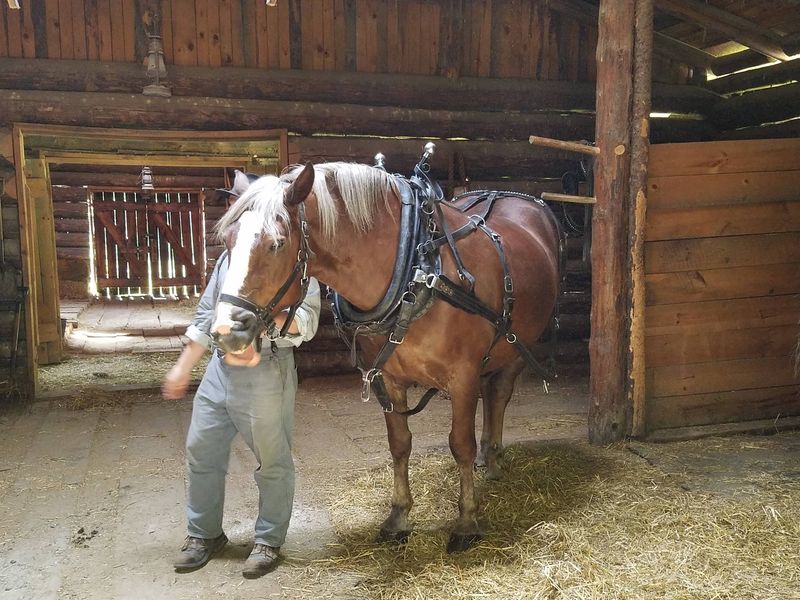
Big hooves, steady pace, and plenty of muscle. The draft horses at the Forest History Center are hard to miss. Horse-drawn trolley tours carry visitors around parts of the grounds. Guides share history as the team pulls you along.
Horses were central to logging in the old days. They hauled heavy loads through deep woods long before machines took over. Seeing these animals at work helps that history click. Their power is obvious, yet they move with calm patience.
The ride also slows down your visit in a good way. You get to rest your feet and still learn something. Winter brings sleigh rides during select events. Snow plus horses feels like an old postcard come to life.
Check the schedule ahead of time, since rides depend on the season and programming. Tours may have specific times or require tickets. Kids usually love meeting the horses up close. Just follow staff directions and keep hands where they’re asked to be.
Honestly, this might be the easiest way to impress a grandparent and a toddler at the same time.
Paddle The Mississippi With A Naturalist Riding Shotgun
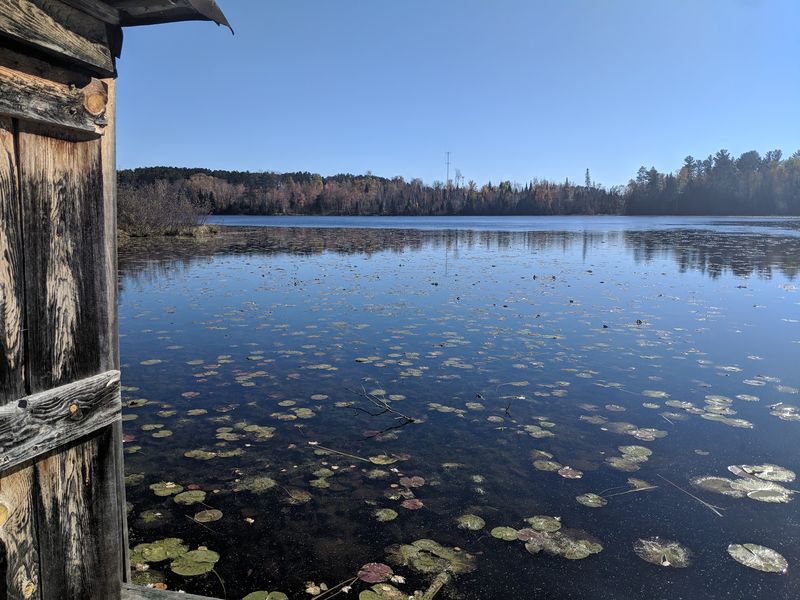
Kayaking the Mississippi near its northern stretch feels a bit like meeting a celebrity before it got famous. The river here is calmer and quieter. During summer, the Forest History Center offers guided kayak tours. All equipment is provided, which makes it simple to say yes.
Staff explain local natural history as you paddle. You’ll learn how the river shaped both wildlife and the logging industry. Seasonal pontoon tours are another option. They suit anyone who’d rather relax than steer.
Both trips give you a new angle on the site. From the water, you see why rivers mattered so much for moving logs. Dress for getting a little wet. Sunscreen, a hat, and a water bottle will help on bright days.
Spots can be limited, so plan ahead. Booking early is wise during the busy summer stretch. I think this is the sneakiest part of the visit. Many people come for the camp and leave talking about the river.
Five Miles Of Trails Turn A Museum Trip Into A Forest Walk
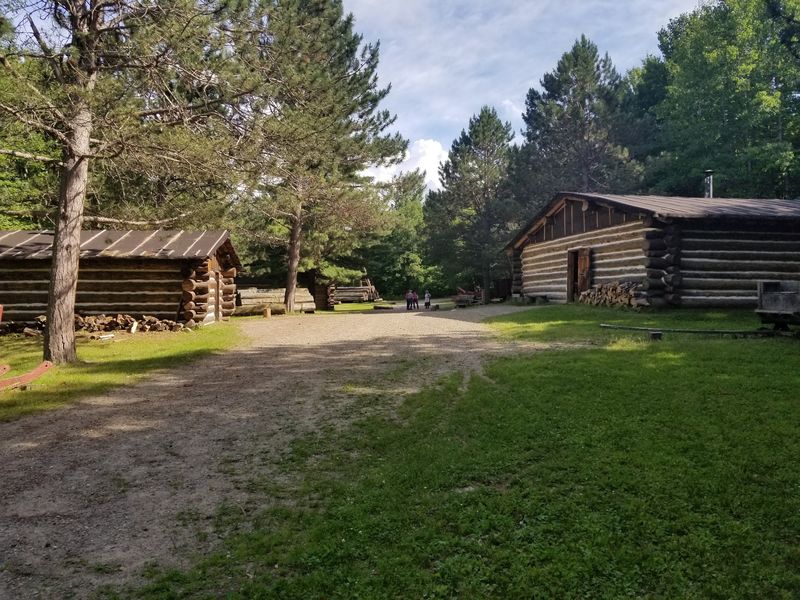
Museum visits don’t usually require hiking boots. Here, they might come in handy. The Forest History Center has about five miles of trails. They wind through forest, wetlands, and along the Mississippi River.
You can explore at your own pace. That makes the trails good for a short stroll or a longer outing. Wildlife watching is a real bonus. Keep eyes open for birds and signs of animals near the water.
In winter, the trails are groomed for cross-country skiing. Snowshoeing also shows up during seasonal programs. Dogs on leashes are welcome on trails. Bring bags and plenty of water for both of you.
I like how the trails connect history to the land itself. The forest isn’t just a backdrop, it’s the main character. Wear sturdy shoes and check the weather before heading out. Northern Minnesota can surprise you with quick changes.
Bug spray is helpful in warmer months too. Nobody wants mosquitoes stealing the spotlight from the pines.
Kids Get Scavenger Hunts, Stories, And Snow Days Here
Story time in the woods sounds like a fairy tale, and that’s partly the point. Family programs here lean into fun and discovery. Stories in the Forest offers storybook readings with a woodland theme. Crafts and games follow for younger kids.
The Great Fall Forest Scavenger Hunt sends teams across the 200-acre site. Clues lead players through the grounds. Other events have explored mythical forest creatures. Winter programs can include sledding and snowshoeing.
Many programs happen outdoors. That keeps kids moving and gives parents fresh air too. Event dates change throughout the year, so check the calendar ahead of time. Some programs may need advance registration.
These activities make history feel less like homework. Kids learn by doing, which tends to stick better. Pack snacks and layers for long outdoor days. A dry pair of socks can rescue a winter outing.
Field trips also visit often, which says a lot about the learning value. Families get the same hands-on spirit on weekends.
A Little Planning Keeps You From Missing The Good Stuff
Timing matters here, since the gates close at 4 pm. Arrive early so you aren’t racing the clock. The Forest History Center sits at 2609 Co Rd 76, Grand Rapids, MN 55744. It’s just minutes from downtown Grand Rapids.
Hours run from 10 am to 4 pm on open days, but the schedule shifts with the season. Check ahead before driving over.
Summer usually brings the most activity. After Labor Day, hours often shrink to select days and special events. There’s no restaurant on site. Snacks and bottled water are sold in the visitor center, and picnic tables welcome packed lunches.
Parking is free and roomy, even for buses and larger vehicles. That makes it an easy stop on a Minnesota road trip. The museum store offers books, local honey, and wood carvings. It’s a handy spot for gifts.
Plan at least a couple of hours, more if you add a tour. Combine the camp, tower, and trails for a full day of Northwoods history.
