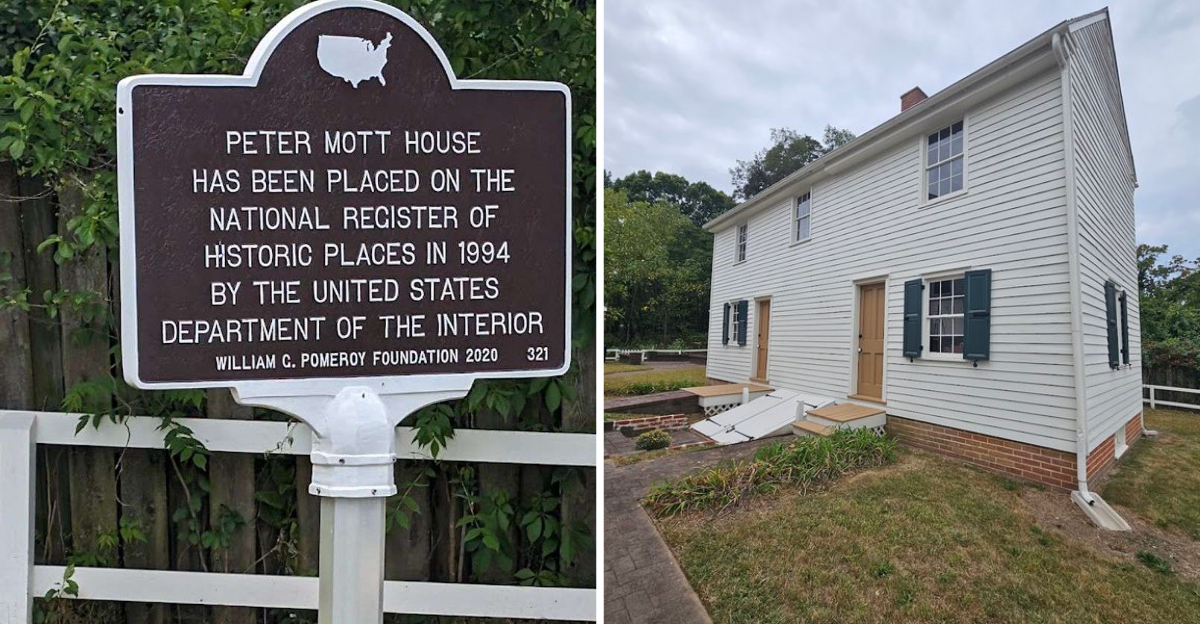
A hiding spot for freedom seekers. A free Black preacher’s home. And it nearly became a parking lot.
This quiet house in South Jersey looks like any other, but its walls once sheltered families escaping slavery on the Underground Railroad.
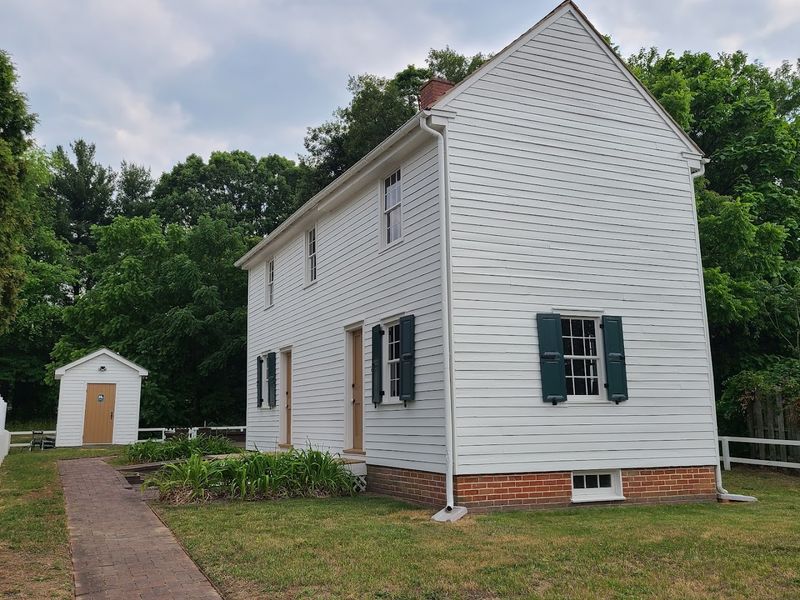
Built around 1845, the modest farmhouse served as a secret refuge where a brave conductor loaded frightened passengers into his wagon and drove them to safe houses under cover of darkness.
The building was almost bulldozed in the 1990s, but local residents fought to save it and turned it into a museum honoring one of the first self-governing Black communities in the North.
Walk through the same rooms where history happened, and you will leave with a deeper understanding of what ordinary courage actually looks like
The Story Behind Peter Mott and His Remarkable Home
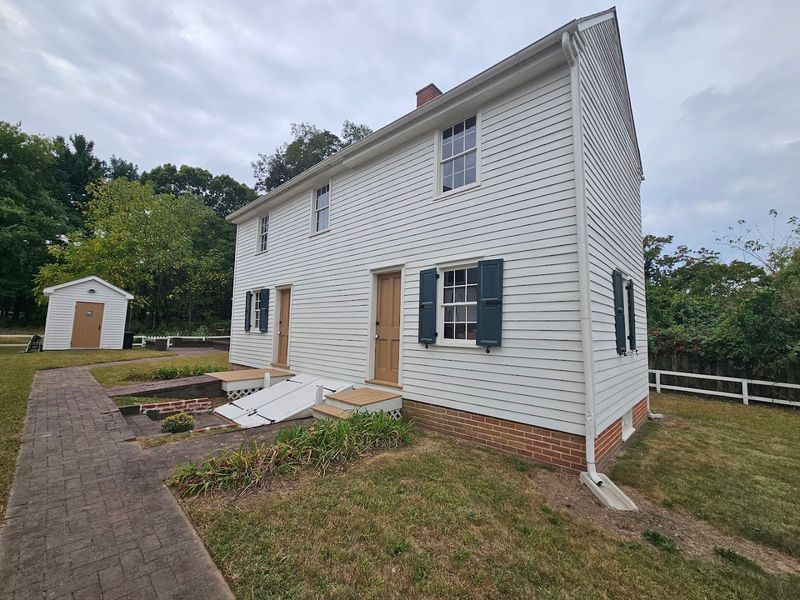
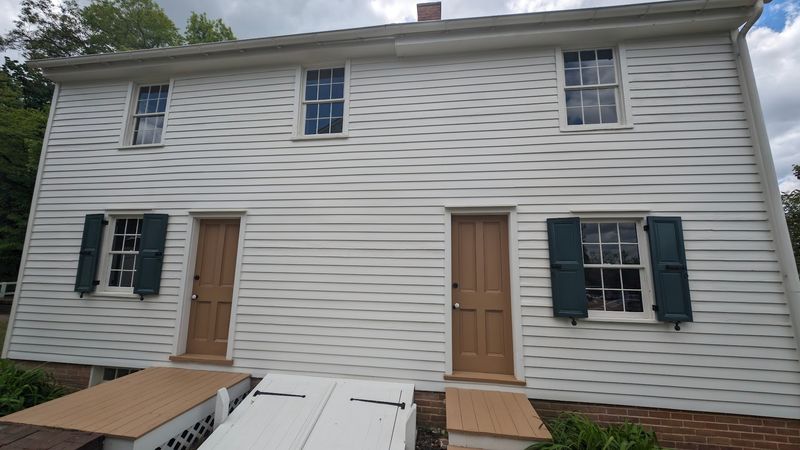
Few houses carry as much weight as this one. Peter Mott built his home around 1845, and from the outside it looks like a simple, sturdy structure that has weathered a lot of time.
But the walls of this place hold stories that most history books never fully captured.
Mott was a free Black man, a farmer, and a pastor who used his home as a station on the Underground Railroad. People escaping slavery found shelter here, often hiding in fear, trusting a man they barely knew with their lives.
That kind of courage is hard to fully absorb when you are standing in the same rooms where it all happened.
The Lawnside Historical Society now operates the house as a museum, carefully preserving everything it can about Mott and the community he helped build. Visiting feels less like a tour and more like a conversation with the past.
Lawnside’s Origins as a Sanctuary Town Called Free Haven
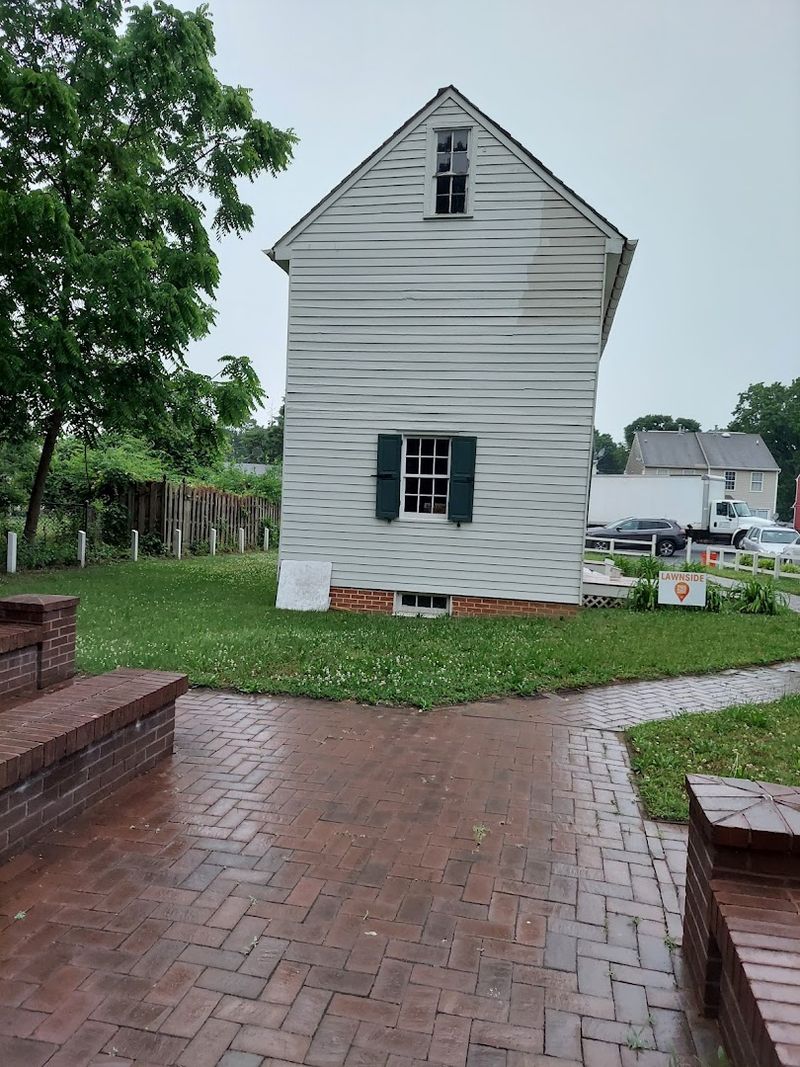
Long before it was called Lawnside, this community went by a name that told its whole story: Free Haven. Abolitionists purchased land here in 1840 specifically to create a safe place for freed and escaped enslaved people.
That founding intention shaped everything about the town that followed.
The community later became known as Snow Hill before eventually taking the name Lawnside. In 1926, it became the first self-governing Black municipality north of the Mason-Dixon line, which is a fact that genuinely stopped me in my tracks.
That is not a small footnote in history. That is a landmark achievement.
Walking through the museum and learning this timeline gives the whole visit a deeper meaning. Lawnside was not just a stop on a railroad.
It was a destination, a place where people could finally put down roots without fear. The historical society keeps this origin story alive with real care and dedication.
What the Underground Railroad Actually Looked Like Here
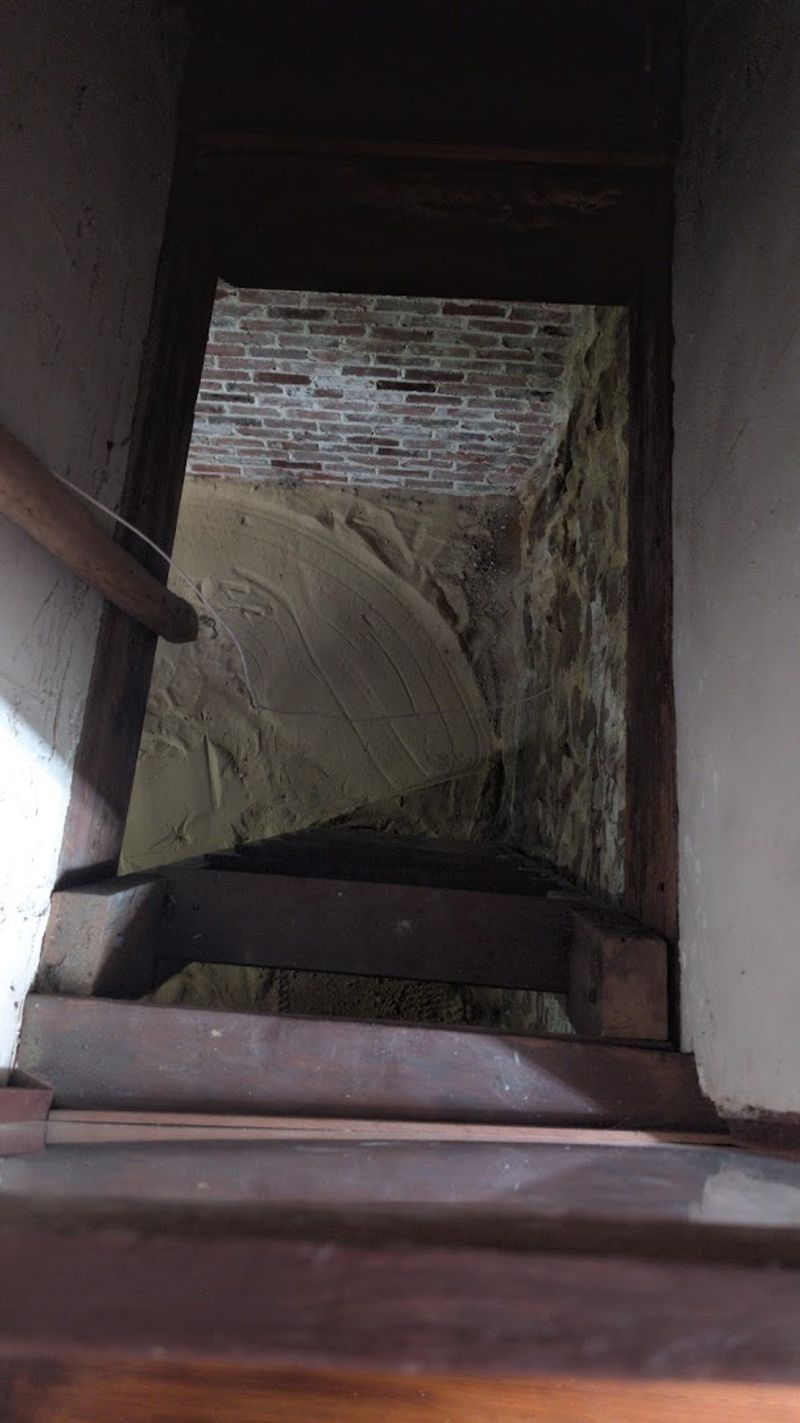
Most people picture the Underground Railroad as a dramatic network of tunnels, but the reality was far more human and far more terrifying. It was a web of trusted people, coded signals, and hidden spaces inside ordinary-looking homes.
The Peter Mott House was exactly that kind of place.
Freedom seekers would arrive exhausted, hungry, and frightened. They needed food, rest, and reassurance before moving on toward the next stop.
Mott and others in the Lawnside community provided all of that, at enormous personal risk.
The museum does a thoughtful job of explaining how the network functioned without romanticizing the danger involved. Exhibits show the kinds of routes people traveled, the conditions they endured, and the community systems that made safe passage possible.
Seeing it laid out so clearly makes you realize how much coordination and bravery was required just to move one person to freedom. It was not a metaphor.
It was an operation.
Artifacts and Exhibits That Bring History to Life
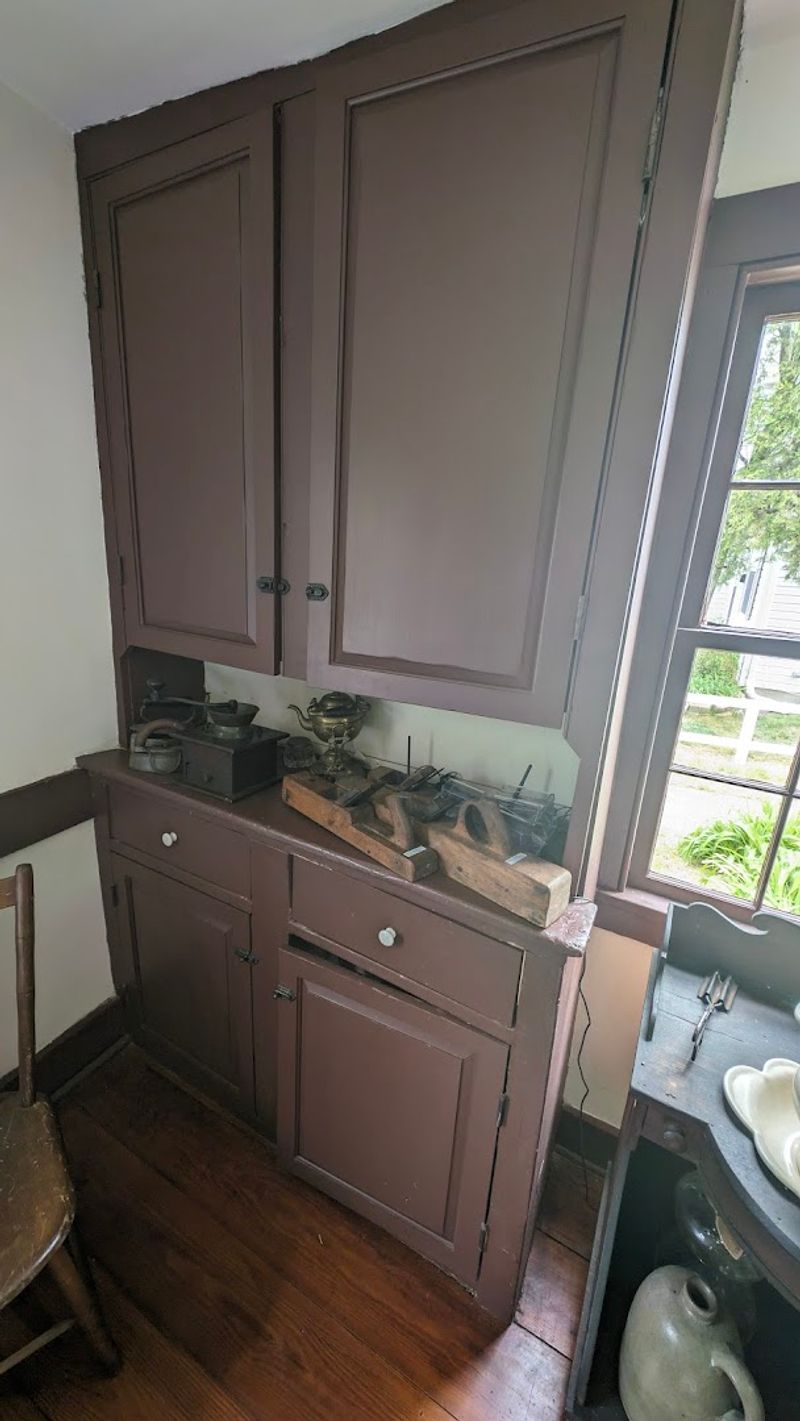
Stepping into the exhibit space at the Lawnside Historical Society feels like opening a time capsule that someone packed with extraordinary care. The collection includes documents, photographs, deeds, and personal items that connect visitors directly to the people who lived this history.
Nothing here feels generic or mass-produced. Each item has a story attached to it, and the way the exhibits are organized makes it easy to follow the thread from one era to the next.
You start with Peter Mott himself and gradually move outward into the broader Lawnside community and its role in the abolitionist movement.
In 2024, the historical society received a significant grant to digitize much of this collection, which means even more people will eventually be able to access these materials online. That kind of preservation work matters more than most people realize.
Physical items can deteriorate, but a well-managed digital archive keeps history reachable for generations who have not even been born yet.
Peter Mott’s Dual Role as Farmer and Faith Leader
Peter Mott wore more than one hat, and both of them mattered enormously to his community. As a farmer, he worked the land and built a livelihood that gave him standing and stability in the region.
As a pastor, he led a congregation and served as a moral anchor for the people around him.
Those two roles together made him uniquely positioned to run a station on the Underground Railroad. He had resources, he had trust, and he had a network of people who believed in what he was doing.
Faith and practicality worked together in his life in a way that is genuinely inspiring.
The museum explores both sides of his identity without reducing him to just one thing. He was not simply a conductor on a railroad.
He was a full person with a complex life, deep convictions, and real relationships. That humanity is what makes learning about him feel so different from reading a textbook entry.
The Community That Made Freedom Possible Together
Peter Mott did not work alone. The entire Lawnside community was part of what made the Underground Railroad function in this area.
Neighbors looked out for each other, kept secrets, and created a culture of collective protection that was remarkable given the legal risks involved.
Free Black communities in the North occupied a complicated position during the antebellum era. They had legal freedom, but that freedom was constantly under threat from slave catchers and hostile laws.
Building a self-sufficient, self-governing community was both a practical necessity and a profound act of resistance.
Learning about that collective effort inside the museum adds texture to the story that a single biography never could. You start to see Lawnside not as the backdrop to one man’s heroism but as a community of heroes who chose solidarity over self-protection every single day.
That reframe is one of the most powerful things a visit here can offer a curious mind.
William Still and His Connection to the Lawnside Story
One name that comes up repeatedly in the history surrounding Lawnside is William Still. A New Jersey native who became one of the most important abolitionists in Philadelphia, Still kept meticulous records of the people who passed through the Underground Railroad network.
His documentation is part of why historians know as much as they do today.
Still had family connections to the South Jersey region, and his work intersected with the community that Peter Mott helped build. The Lawnside Historical Society acknowledges his legacy as part of the broader story it tells, which adds another layer of richness to the visit.
Connecting individual figures like Mott and Still helps visitors understand that the Underground Railroad was not one person’s project. It was a movement built on relationships, shared values, and extraordinary personal courage.
Seeing how those connections worked across geography and community lines makes the history feel alive rather than distant. It is the kind of detail that sticks with you long after you leave.
Visiting the Museum: What to Expect When You Arrive
Showing up to the Lawnside Historical Society on a Saturday afternoon is a genuinely low-key and rewarding experience. The museum is open Saturdays from noon to three, and group tours can be arranged by appointment on other days.
It is not a sprawling institution with endless hallways. It is intimate, focused, and thoughtfully managed.
The house itself is the attraction. Being inside the actual structure where Peter Mott lived and worked gives the visit a weight that no replica could replicate.
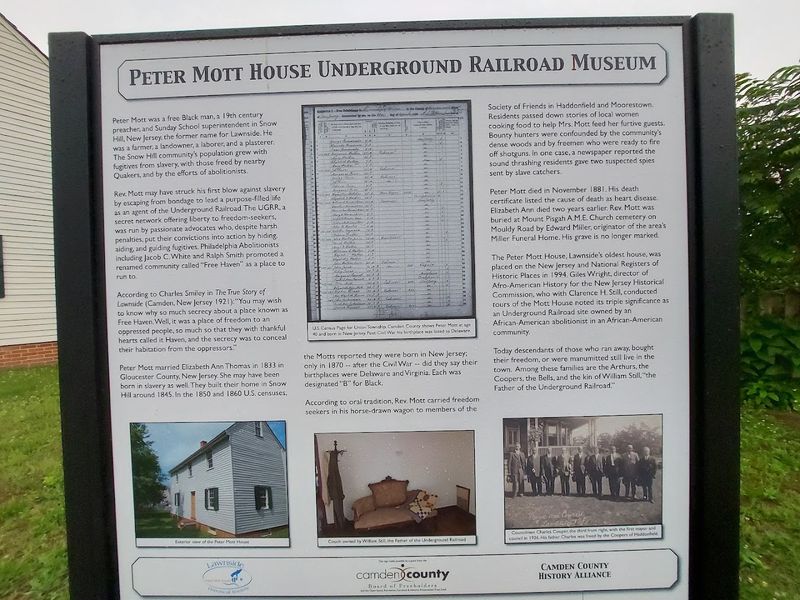
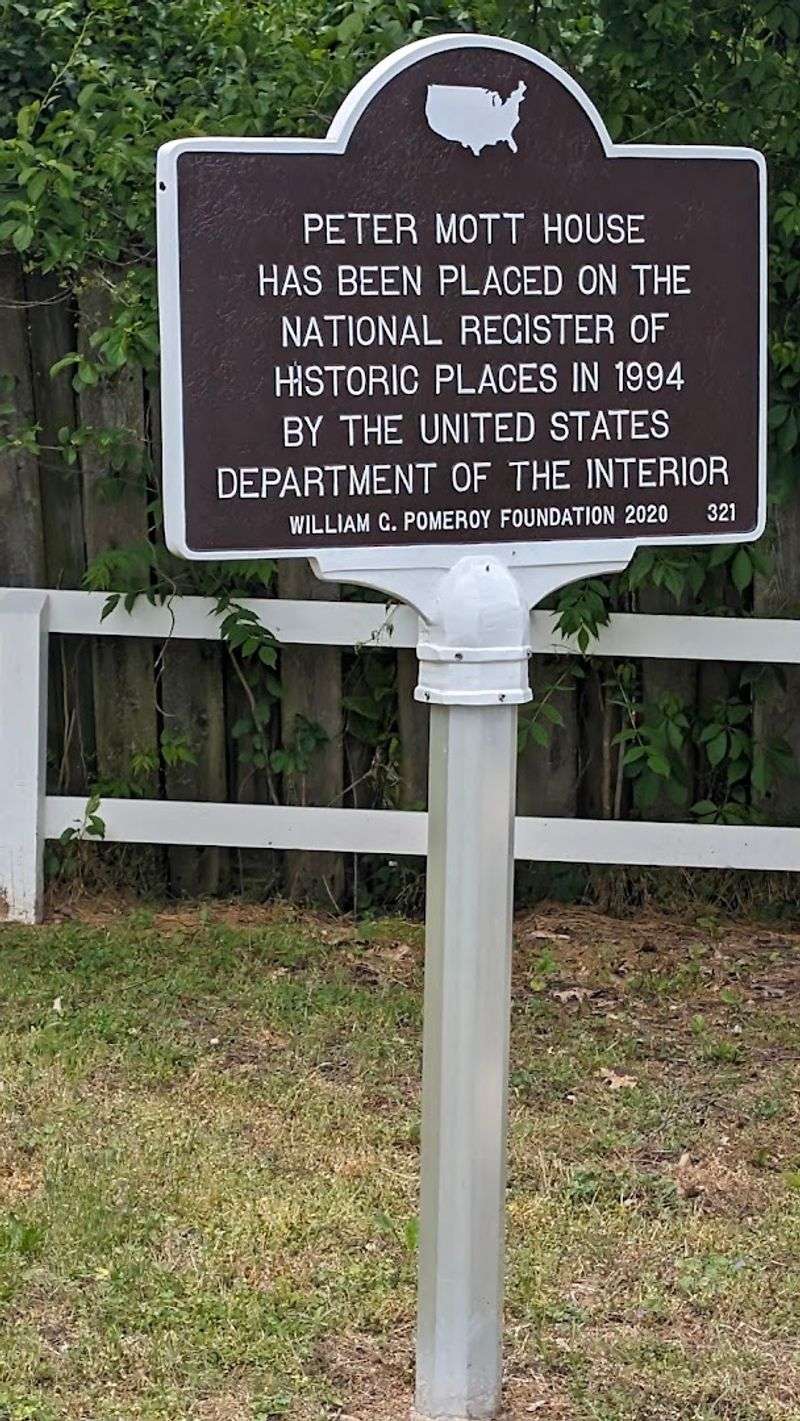
The informational signage outside is detailed enough to be educational even if you arrive at an off hour.
Bring your curiosity and leave plenty of time to absorb what you are seeing. This is not the kind of place you rush through.
The historical society staff are knowledgeable and clearly passionate about sharing what this community means to American history. Come ready to ask questions and leave ready to tell someone else about what you learned.
That is really the best way to honor a place like this.
Why This Place Deserves a Spot on Every History Lover’s List
Some museums exist to display objects. This one exists to restore something.
The Lawnside Historical Society gives back the full humanity of people whose stories were ignored, minimized, or simply never told in mainstream history education. That mission alone makes it worth the drive.
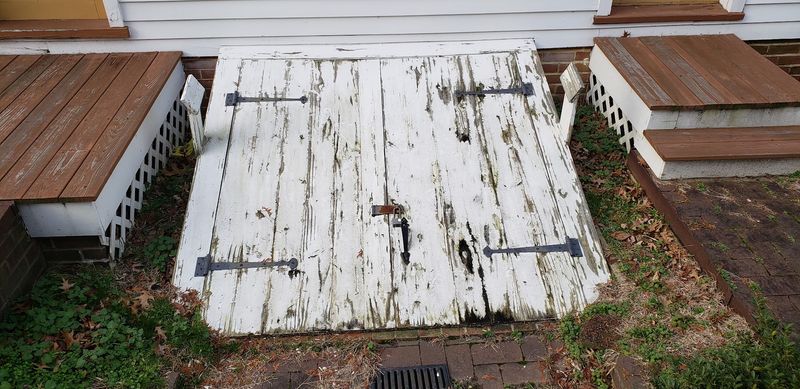
The Peter Mott House is a national treasure hiding in plain sight on a quiet New Jersey street. It connects visitors to the Underground Railroad in a way that feels personal rather than performative.
You are standing in the actual place. That matters in a way that a documentary or a textbook simply cannot replicate.
Whether you are a lifelong history enthusiast or someone who just stumbled across this place by accident, the experience leaves a mark. There is something clarifying about standing in a space where ordinary people made extraordinary choices without any guarantee of safety or recognition.
It puts a lot of things in perspective.
Address: 26 Kings Ct, Lawnside, NJ
