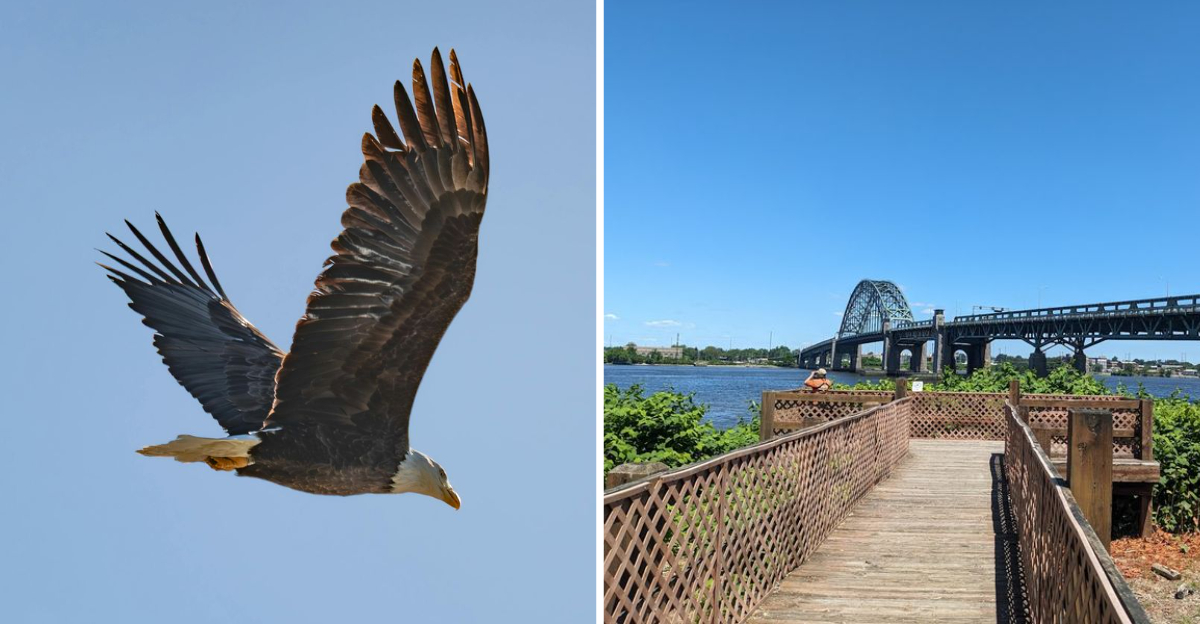
Marsh mellow. That is the feeling of standing on a squishy boardwalk as a bald eagle glides overhead.
This New Jersey nature park loops you through forests, grassy knolls, and along the Delaware River with views of the Philly skyline that feel miles away from the Turnpike.
The wooden planks creak under your feet while orioles flash orange in the bushes and herons hunt in the shallows.
Some trails are better for sturdy shoes than strollers, but finding wild turkeys and beaver dams makes the adventure worthwhile.
Just check the tide schedule before you go, because that beachfront path disappears completely when the water rolls in.
The Boardwalk Trail Through the Marsh
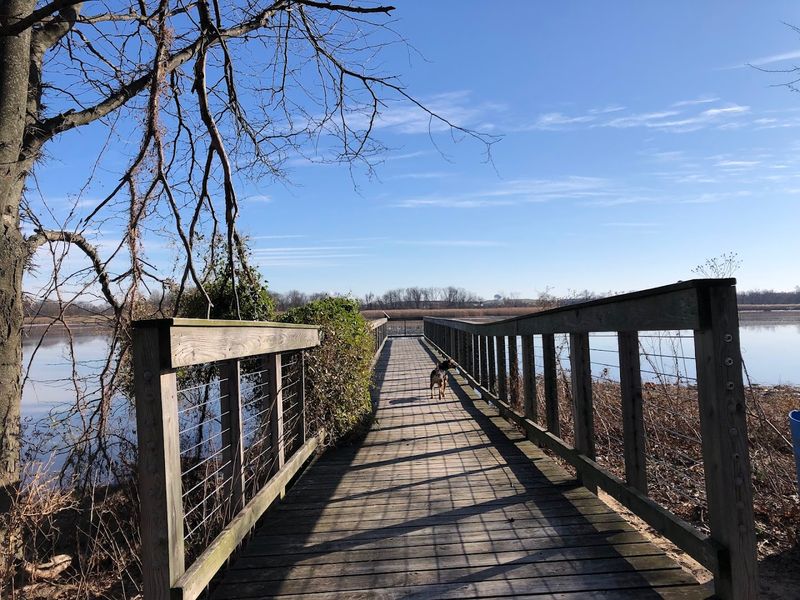
Walking onto the boardwalk for the first time feels like stepping into a completely different world. The wooden planks stretch out ahead of you, curving gently through stands of tall marsh grass, and the sound of highway traffic just fades away.
It is genuinely surprising how fast the outside world disappears once you are out there.
The boardwalk meanders through wetland areas where the water reflects the sky and the reeds sway in the breeze. Dragonflies zip past your ears.
Frogs plop into the water just out of sight, and the whole scene has this calm, unhurried rhythm that is hard to find anywhere near a major road.
This trail is not long enough to exhaust you, but it is absolutely long enough to reset your entire mood. Wear comfortable shoes with a little grip since the boards can get slick after rain.
Come early in the morning when the light hits the marsh at a low angle and everything glows gold. That is when the magic really shows up.
Bald Eagles Soaring Over the Wetlands
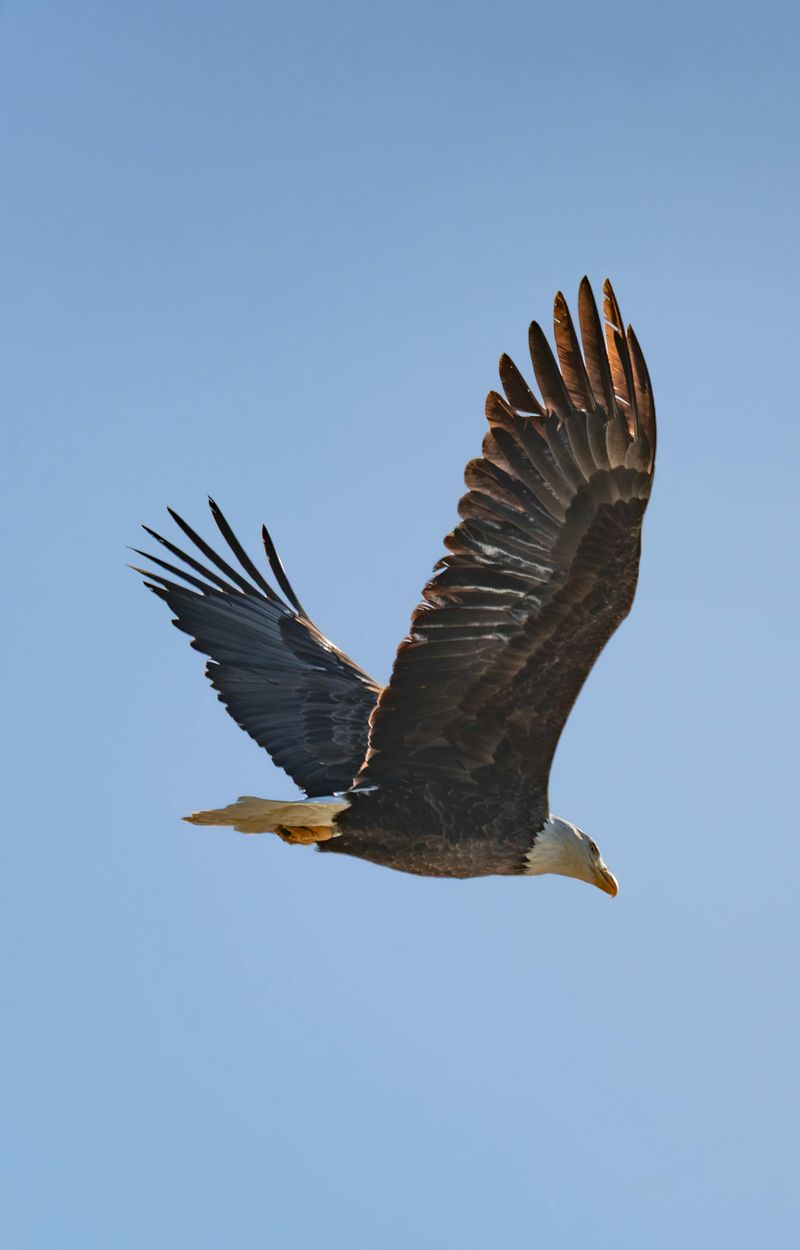
Seeing a bald eagle in the wild is the kind of thing that makes you freeze mid-step and hold your breath. At Palmyra Cove, this is not some rare lucky accident.
It is practically part of the regular programming, especially during the cooler months when eagles migrate toward open water and reliable food sources along the Delaware River.
They are enormous up close, with wingspans that make every other bird look like a sparrow. Spotting one banking over the marsh with that white head catching the winter light is genuinely jaw-dropping.
Bring binoculars if you have them because the detail you can see when they soar low is remarkable.
Winter and early spring tend to offer the best eagle sightings, though lucky visitors have spotted them during other seasons too. The marsh boardwalk puts you right in the middle of their preferred habitat.
Standing quietly and scanning the treeline along the river edge gives you the best shot at a long, unhurried view of one of North America’s most iconic birds in action.
The Cove Trail Along the Delaware River
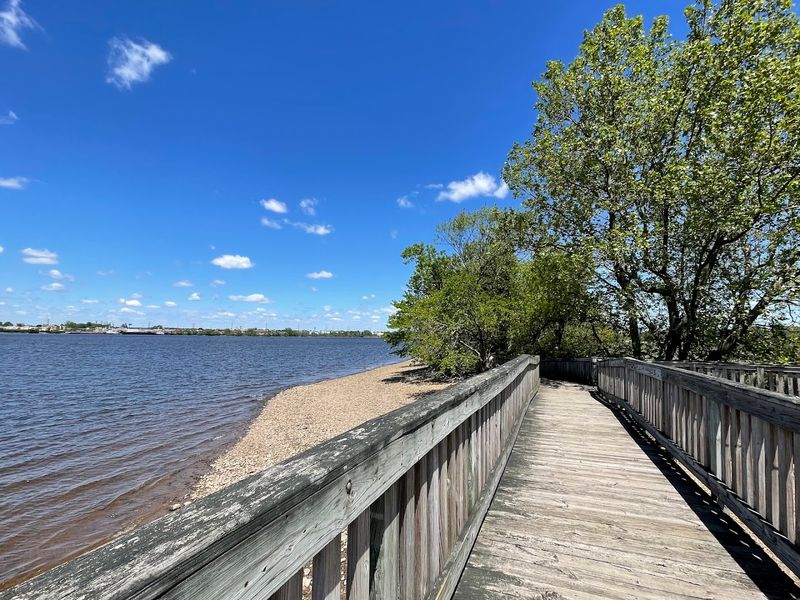
Few trails in South Jersey offer a view quite like this one. The Cove Trail hugs the edge of the Delaware River for a stretch that gives you open water on one side and dense woodland on the other.
On a clear day, the Philadelphia skyline sits right across the river, close enough to feel almost surreal from a quiet nature trail.
The trail runs about 1.8 miles and stays relatively flat, making it manageable for most fitness levels. Parts of it are packed stone, so it is worth knowing ahead of time that strollers can have a tough go of it on the narrower sections.
Walking shoes or light hiking boots work perfectly here.
Low tide is honestly the best time to visit if you want to walk along the sandy riverbank. The beach area opens up considerably when the water pulls back, and you can get right to the water’s edge.
Just keep an eye on the tide because it fills back in faster than you might expect. The views from this trail alone make the trip worth every step.
Wildlife Spotting at Every Turn
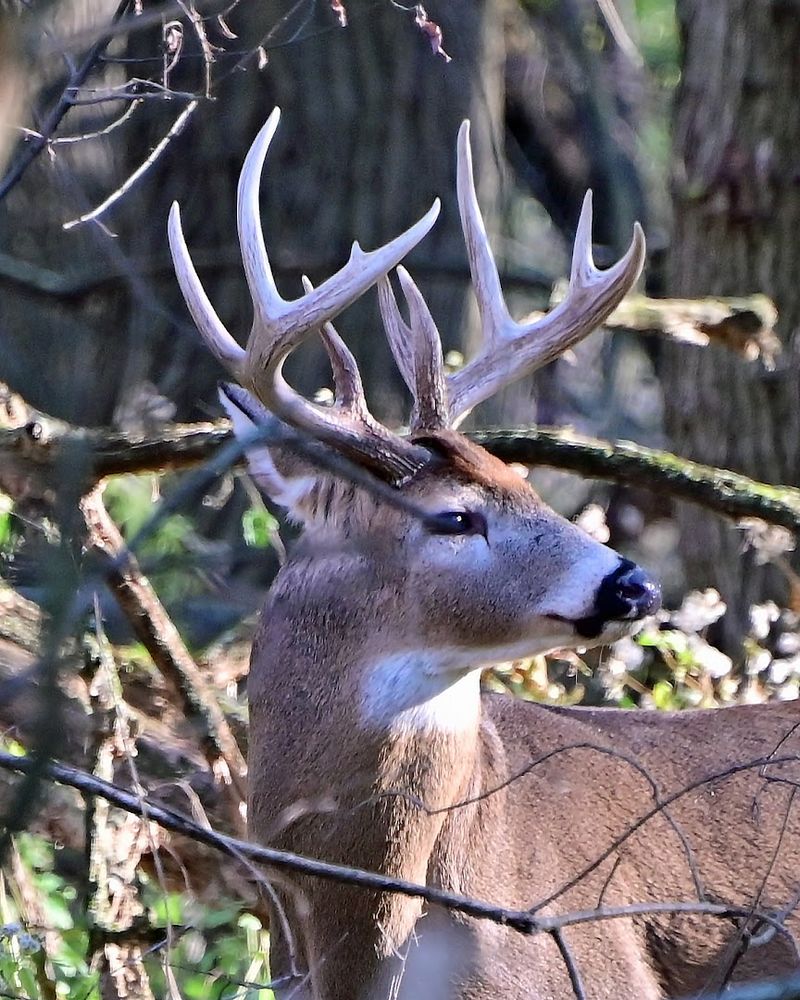
The wildlife here does not hide. Deer have been known to walk right up to cars near the entrance, completely unbothered by the presence of humans.
Wild turkeys strut along the trail edges like they are on their way to an important meeting. It is the kind of casual animal confidence that makes you feel like the guest rather than the visitor.
Beyond the deer and turkeys, the park shelters an impressive variety of birds including woodpeckers, scarlet tanagers, orioles, hawks, and great blue herons. Foxes and groundhogs have been spotted by lucky visitors who move quietly and stay patient.
The diverse mix of habitats, from wetlands to woodlands to meadows, creates a layered ecosystem that supports an unusually wide range of species.
Photography enthusiasts especially love this place. The variety of subjects means you can spend three or four hours on the trails and still feel like you have barely scratched the surface.
Moving slowly and staying quiet makes the biggest difference. Animals here seem remarkably comfortable with respectful visitors, which makes for some genuinely close encounters and memorable shots.
The Environmental Discovery Center
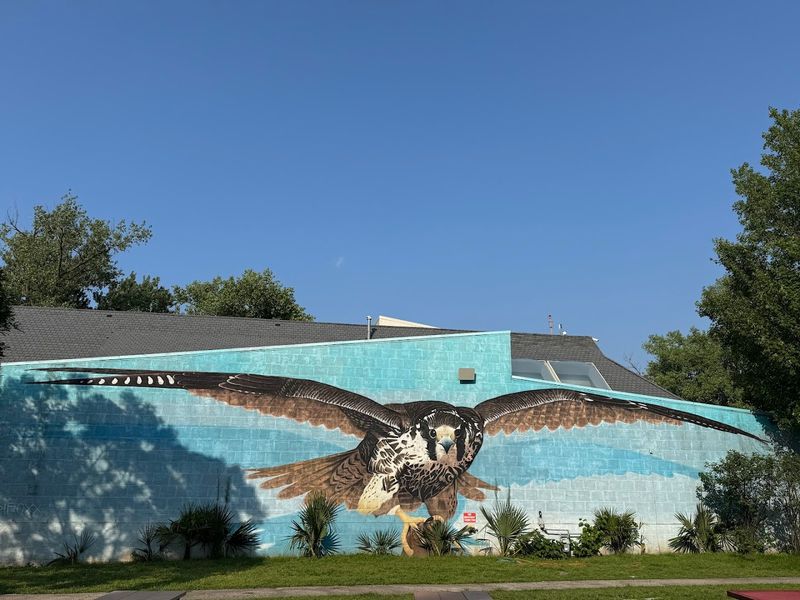
The building itself makes an impression before you even walk inside. A large, vividly painted hawk mural covers one exterior wall, and it is the kind of artwork that stops you cold the moment you pull into the parking lot.
It sets the tone for everything inside, which is genuinely interesting and educational without ever feeling like a lecture.
The Environmental Discovery Center serves as the park’s hub for learning about the local ecosystem. Exhibits explore the wetlands, river habitats, and the wildlife that depends on them.
The center is open weekdays from 9 a.m. to 4 p.m. and on weekends from 10 a.m. to 4 p.m., giving visitors a solid window to drop in before or after hitting the trails.
Staff members are knowledgeable and clearly enthusiastic about the park and its mission. Even a quick visit to the center adds meaningful context to everything you see outside on the trails.
For families with curious kids, this is a fantastic starting point before heading out to explore. The building also has clean restrooms, which is always a welcome detail on a longer outdoor visit.
Bird Watching Paradise for All Skill Levels
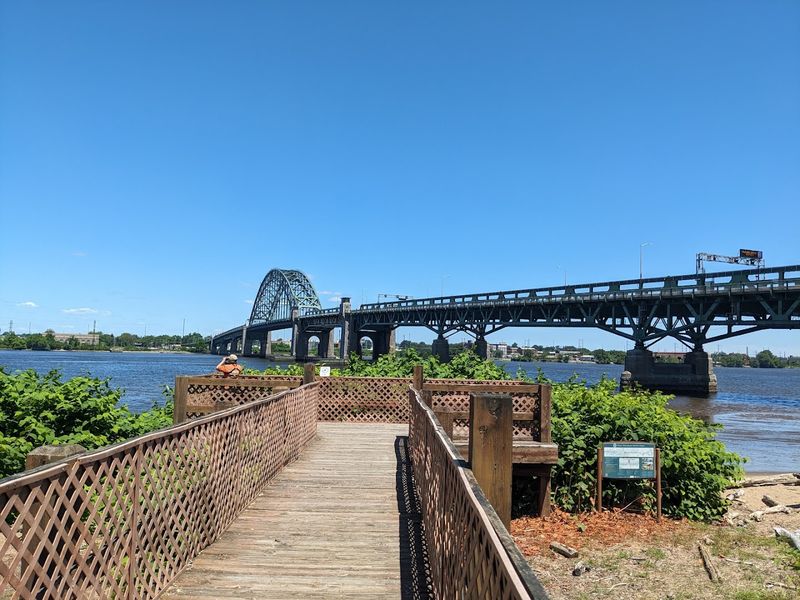
Whether you can tell a warbler from a wren or you are still figuring out how binoculars work, Palmyra Cove welcomes birders of every level.
The park sits along a stretch of the Delaware River that acts as a natural flyway for migratory species, meaning the bird list here changes with the seasons in the most exciting way possible.
Spring brings warblers and returning songbirds. Summer fills the marsh with herons and shorebirds.
Fall migration pushes raptors through in impressive numbers, and winter is prime time for eagle sightings. There is genuinely no bad season to visit if birds are your thing.
Rare sightings have been reported here often enough that serious birders make regular trips just to check what is passing through.
Bringing a field guide or downloading a birding app before your visit adds a whole new layer of enjoyment. The boardwalk and the river trail both offer open sightlines that make spotting and identifying birds much easier than in dense forest.
Even visitors who did not come specifically for birds tend to leave with a new appreciation for what is flying overhead.
Exploring the Freshwater Tidal Cove
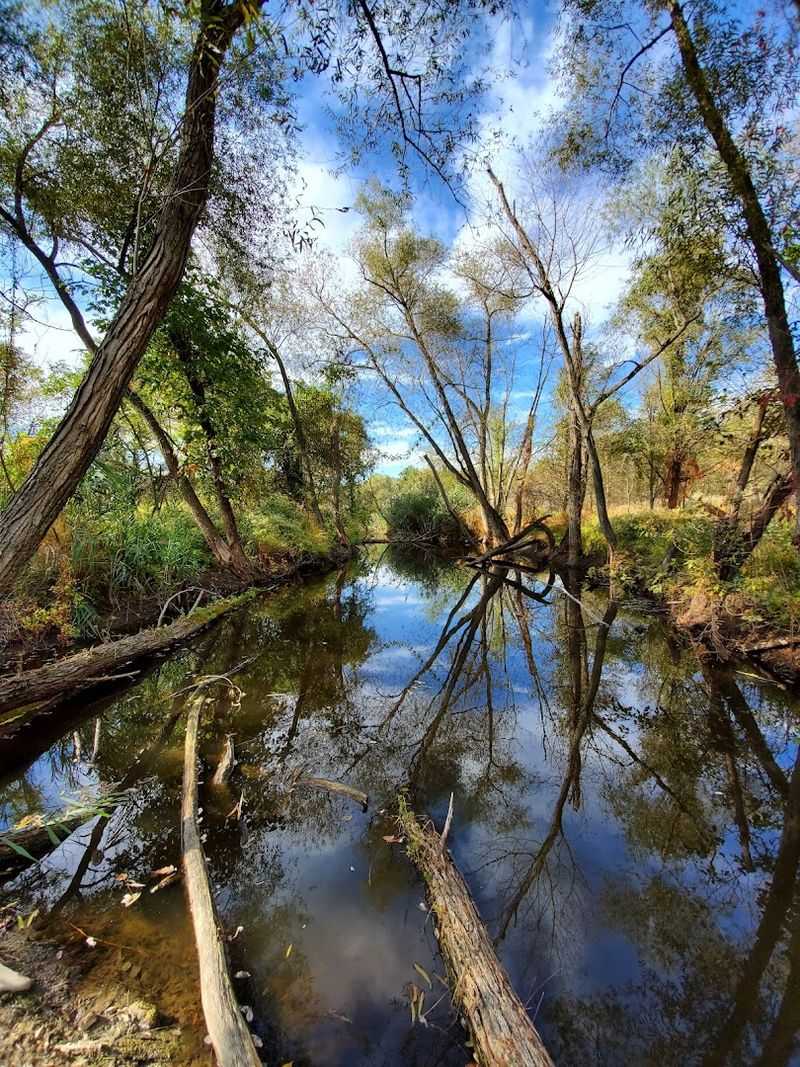
The cove itself is one of those places that rewards slow, unhurried attention. Turtles pile onto logs in the warmer months, stacking themselves in cheerful, sun-soaking clusters.
Bullfrogs announce themselves from the water’s edge, and the whole surface of the cove has this glassy stillness that makes it feel almost painted.
This freshwater tidal area is ecologically distinct from the river trail, supporting a different set of species and a noticeably quieter atmosphere. The water level shifts with the tides, which changes the look of the cove dramatically depending on when you visit.
High tide fills it up and makes it look like a small lake. Low tide reveals mudflats that attract shorebirds and wading species.
Visiting in spring is particularly rewarding for turtle enthusiasts. Dozens of painted turtles and red-eared sliders spread out across every available log and rock, and the scene is both charming and surprisingly photogenic.
Dragonflies hover above the water surface, and the surrounding vegetation hums with insect life. It is a self-contained little world that feels completely removed from everything just beyond the park boundary.
The River Trail and Sandy Shoreline
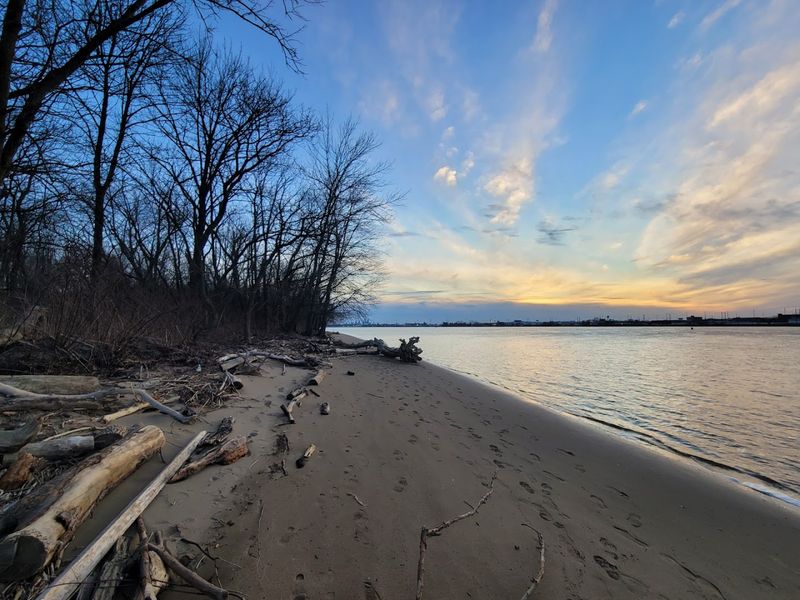
There is something unexpectedly exciting about reaching the sandy edge of the Delaware River on foot.
The river trail leads you to a narrow strip of beach that opens up beautifully at low tide, stretching out with views of bridges, the Philadelphia skyline, and the wide, moving water of one of the East Coast’s great rivers.
The beach section has a raw, unpolished quality that feels completely different from a typical shore visit. Driftwood collects along the waterline, and shorebirds pick through the sand looking for food.
Standing here with the city skyline in the background and the marsh behind you creates this strange, wonderful sense of being between two worlds at once.
Wearing sturdy shoes rather than sandals is a smart call since the shoreline can include debris washed in from the river. The tide moves quickly here, so checking a tide chart before heading down to the water saves a lot of guesswork.
Early morning visits on clear days produce some of the most striking light and the most peaceful atmosphere this stretch of riverfront has to offer.
Planning Your Visit to Palmyra Cove Nature Park
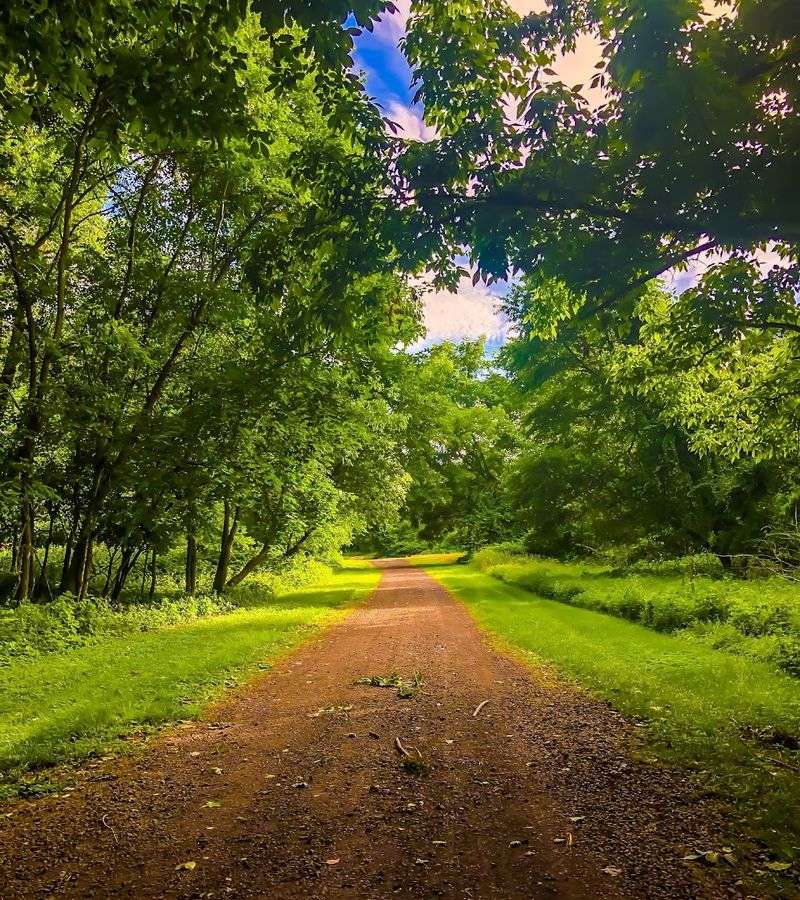
Getting to Palmyra Cove is straightforward since the park sits right off NJ-73, with a clearly marked entrance and a free parking lot that fills up on nice weekend mornings.
Arriving early on weekends gives you the best chance at a quieter experience and the freshest light for photography.
Weekday mornings are almost always peaceful regardless of the season.
Pets are not permitted inside the park, which is worth knowing before you load up the car. The no-pet rule helps protect the wildlife and keeps the trails calm and undisturbed, which is a big part of what makes the animal encounters here so special.
The trails are free to access, and the Environmental Discovery Center offers additional programming and exhibits worth checking out.
Packing light snacks and water is a good idea since there are picnic tables near the entrance where you can sit and eat before or after your walk. Binoculars and a camera with a zoom lens will dramatically improve your experience on the boardwalk and river trail.
The park is open daily from dawn to dusk.
Address: 1335 NJ-73, Palmyra, NJ.
