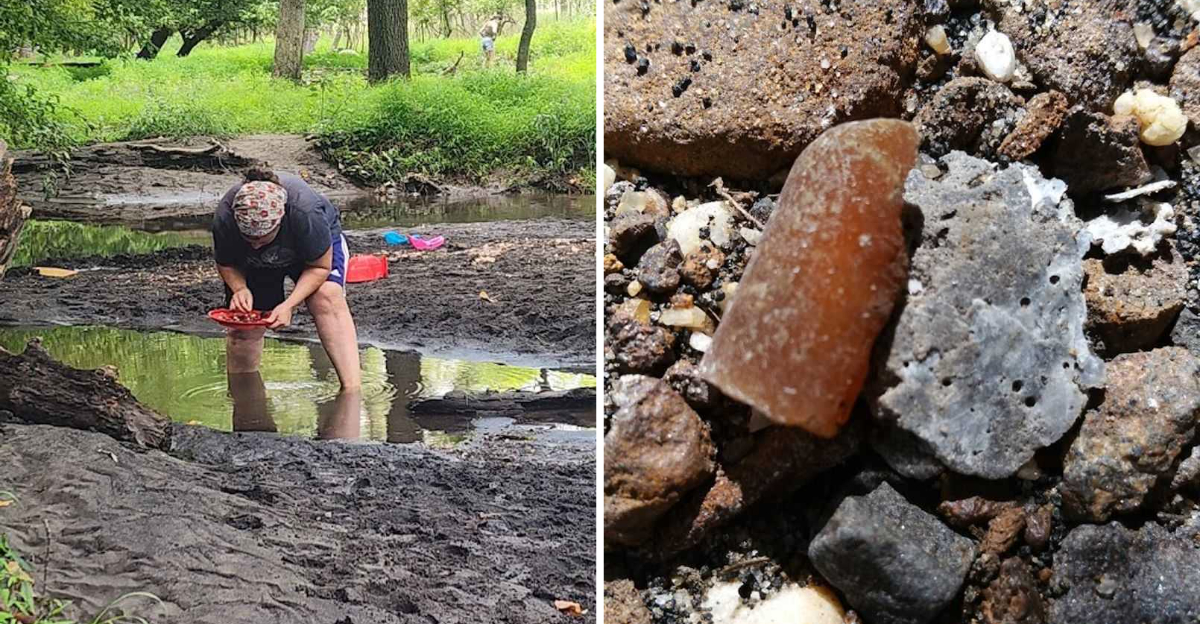
Grab a sifter and some old sneakers because this New Jersey creek is about to make you feel like a real paleontologist.
The water is shallow, the mud is squishy, and the thrill of finding something ancient is completely addictive.
You just wade in, scoop up some gravel, shake it around, and suddenly you are holding a shark tooth that has been buried since dinosaurs roamed the Earth.
No fancy gear required. Just a bucket, a sifter, and a willingness to get delightfully dirty.
Your turn to dig in.
What Makes Poricy Park Fossil Beds So Special
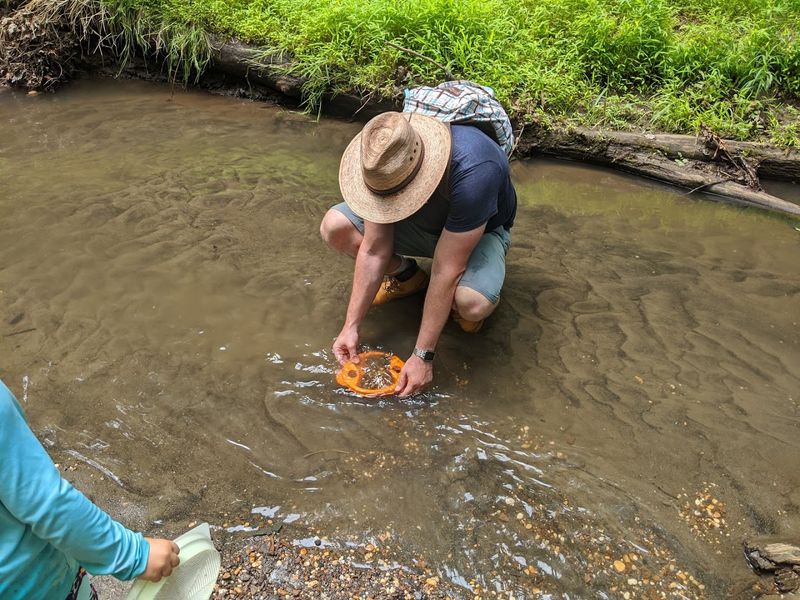
Few parks in the entire country let you casually reach into a stream and pull out something that predates humans by tens of millions of years.
Poricy Park sits on 250 acres of preserved land in Middletown Township, Monmouth County, and right through the heart of it runs Poricy Brook, a shallow stream hiding one of the most remarkable natural fossil sites on the East Coast.
The fossil beds here are part of the Navesink Formation, a geological layer dating back roughly 72 million years to the Late Cretaceous period. Back then, this entire region was a warm, shallow ocean teeming with marine life.
Over time, those creatures fossilized and settled into the streambed sediment.
What makes this place genuinely exciting is that the stream constantly replenishes itself. Rain and natural erosion keep exposing new fossils, which means every visit brings fresh possibilities.
It never really feels picked over when the timing is right. The park is free to enter and open every day, making it one of New Jersey’s most accessible natural treasures.
The 72-Million-Year-Old History Beneath Your Feet
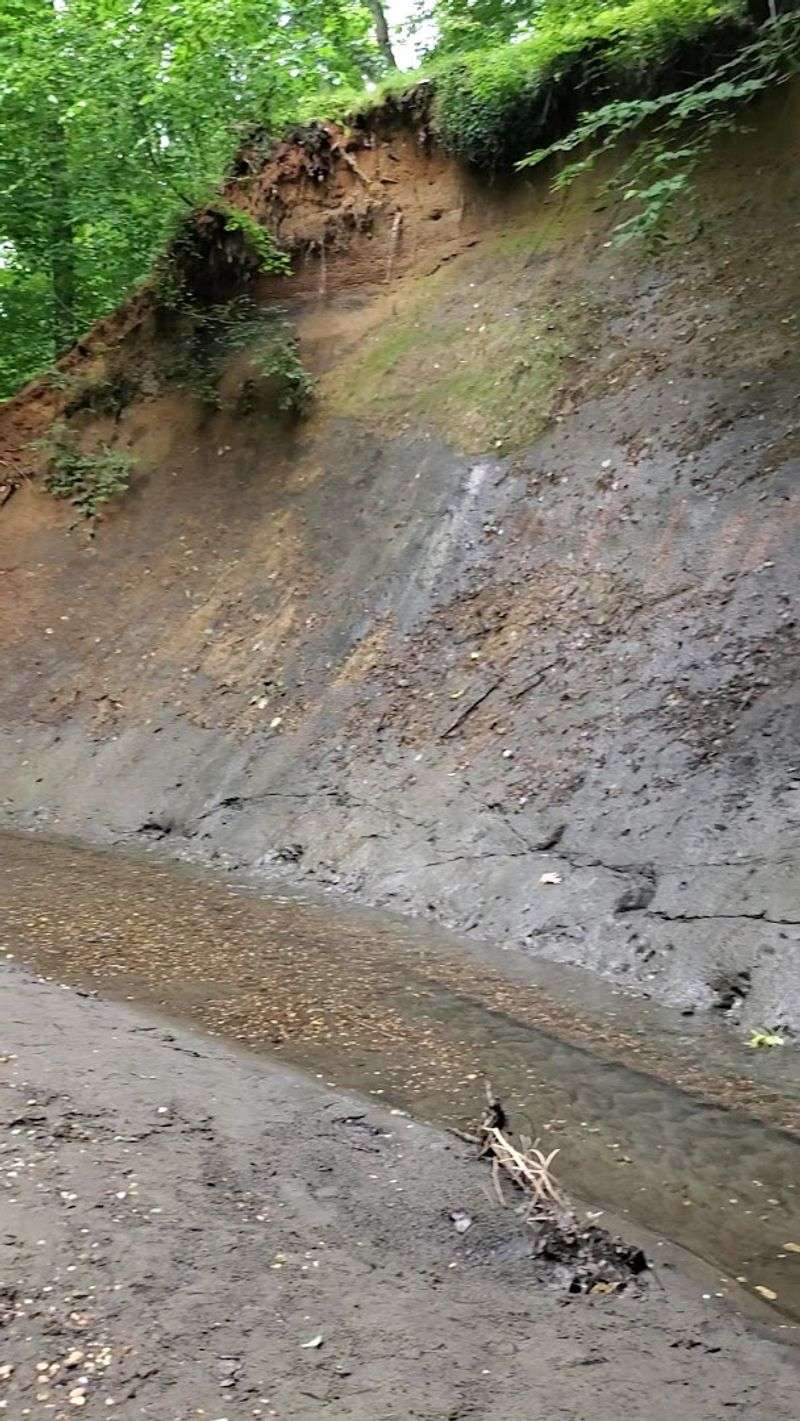
Seventy-two million years is a number that’s almost impossible to wrap your head around. To put it loosely in perspective, the dinosaurs that roamed the earth during the Late Cretaceous period were still alive when these marine creatures were living and dying in what is now central New Jersey.
That’s the kind of timeline you’re stepping into when you wade into Poricy Brook.
The Navesink Formation, which underlies the streambed here, formed when this part of North America was covered by a shallow inland sea. Marine invertebrates, fish, and even large reptiles lived in those waters.
When they died, their remains slowly hardened into the fossil record that visitors can find today.
The streambed acts like a slow-motion time capsule. Each rainstorm peels back a little more sediment and reveals something new.
Holding one of these fossils feels genuinely surreal, like the earth just handed you a piece of its own autobiography. It’s a history lesson you can carry home in your pocket.
How to Actually Find Fossils in the Stream
Getting started is easier than you might expect, but having a small plan makes the whole trip way more rewarding. The basic technique involves scooping up handfuls of gravel and sediment from the streambed, then sifting through it slowly.
Fossils tend to be heavier than regular pebbles, and once you know what you’re looking for, your eye starts picking them out surprisingly fast.
The Poricy Park Nature Center on Oakhill Road rents out small screens and trowels, so you don’t necessarily need to bring your own. That said, having your own lightweight mesh sifter and a small plastic trowel makes the experience smoother.
Focus on the gravel bars and the loose streambed material rather than the steep banks, which are off-limits to protect against erosion and safety hazards.
Patience matters more than technique here. Slow down, look carefully, and resist the urge to rush through huge amounts of sediment.
Some of the best finds happen when you stop moving and actually examine what’s already sitting right in front of you in the water.
What Fossils You Can Expect to Find
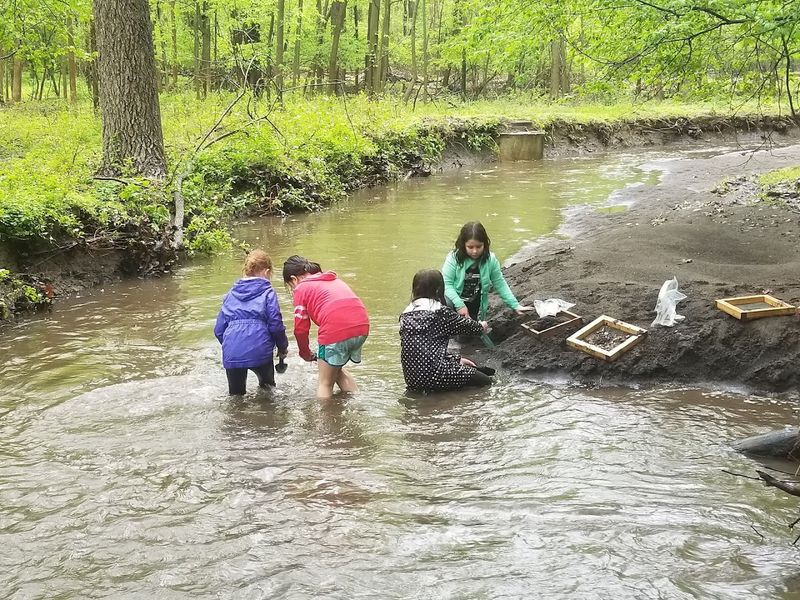
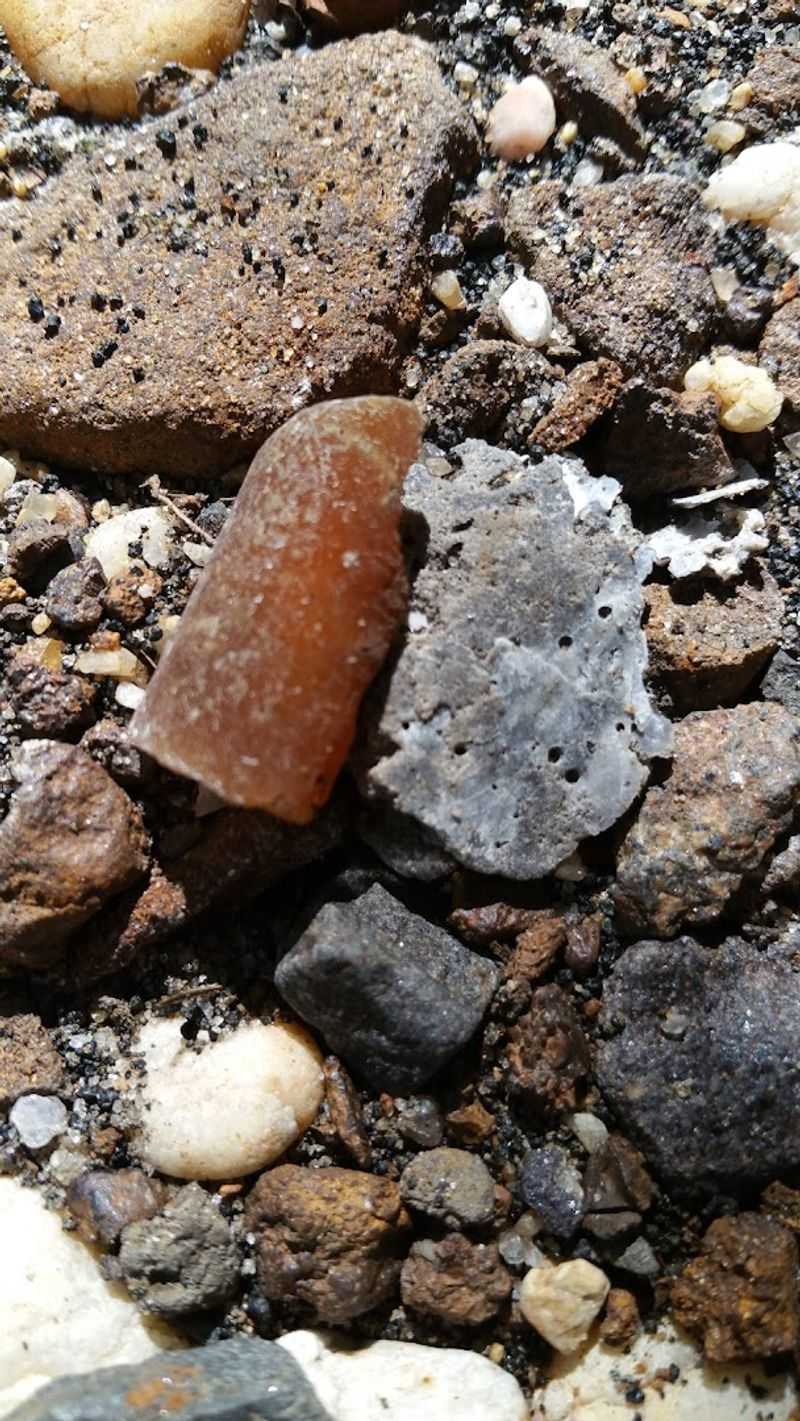
The most common finds at Poricy Brook are ancient oyster shells from extinct species like Exogyra cancellata, Pyncnodonte mutabilis, and Agerostrea.
These chunky, ridged shells are genuinely fascinating once you realize they haven’t existed on earth for tens of millions of years.
Most visitors leave with at least a handful of these, and they make surprisingly cool display pieces at home.
Beyond oysters, sharp-eyed hunters regularly turn up shark and ray teeth, belemnites from squid-like creatures, and brachiopods. The shark teeth are often tiny, sometimes smaller than a fingernail, which makes finding one feel like winning a small lottery.
Rarer discoveries include bone fragments from mosasaurs and other ancient reptiles.
Every once in a while, someone turns up something truly unusual, and the park asks that extraordinary finds be brought to the Nature Center for documentation. The collecting limit sits around five or six fossils per person, which keeps things sustainable.
It’s a fair trade for getting to experience one of the most hands-on fossil sites in the entire northeastern United States.
What to Wear and Bring for the Best Experience
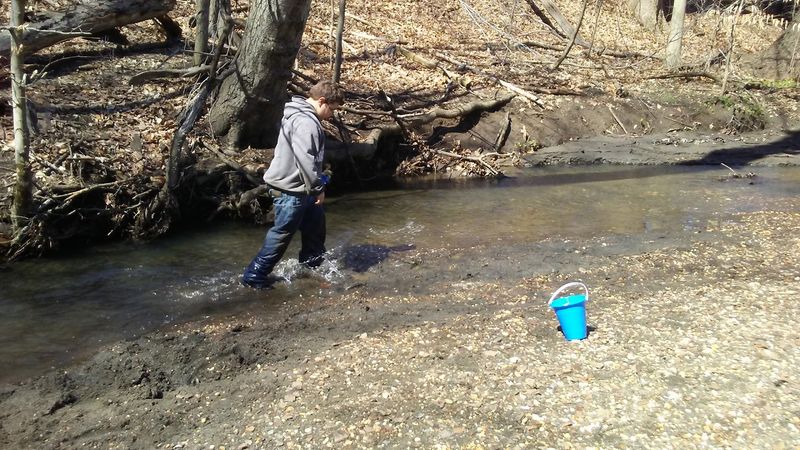
Footwear is the single most important thing to get right before heading to Poricy Brook. Rubber boots that come up to at least mid-calf are the gold standard here.
The streambed is soft in places, the water is cold, and there are reports of broken glass mixed into the sediment, so sandals and flip-flops are a hard no. Old sneakers work in a pinch, but expect them to get completely soaked.
Beyond boots, pack light and practical. A small plastic trowel and a mesh sifting screen are the core tools.
Bug spray is genuinely necessary, especially in warmer months when the wooded streambed area gets buzzy. Sunscreen helps too, since parts of the stream are open to the sky.
Bring a small container or zip-lock bag for your fossil finds. Old clothes are a must since mud happens without warning.
A towel for the drive home is always a smart call. The park has no bathroom facilities at the fossil bed area, so plan accordingly before you arrive.
A little preparation goes a very long way.
The Rules That Keep the Fossil Beds Alive
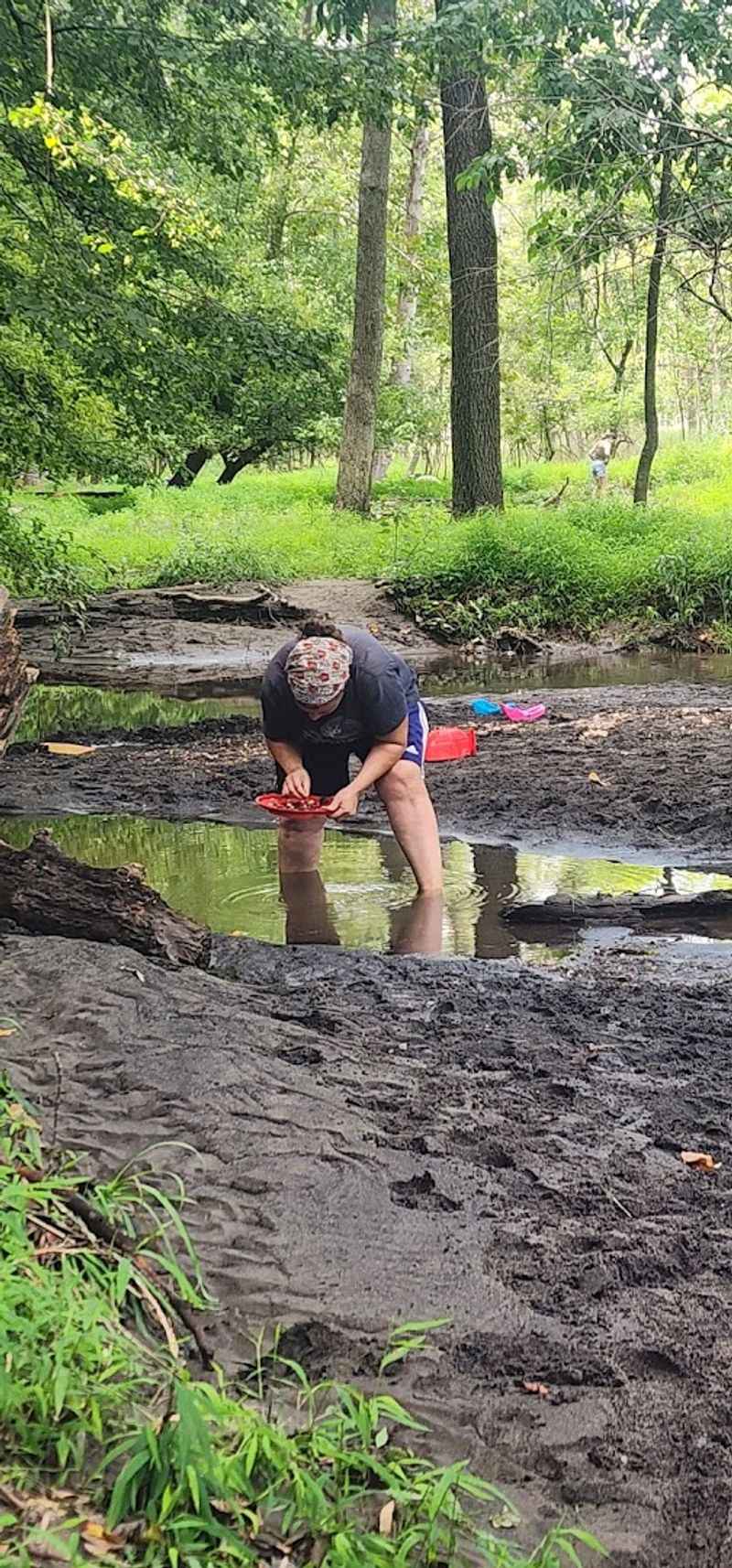
Part of what makes Poricy Park so special is that people actually follow the rules, and those rules exist for genuinely good reasons. Digging into the steep stream banks is strictly prohibited.
Those banks are fragile, and undercutting them can cause collapses that are both dangerous and destructive to the fossil record itself.
All fossil collecting should happen within the streambed and on the exposed gravel bars. The natural flow of water does the work of exposing new material over time, so there’s no need to excavate aggressively.
Trowels and small handheld screens are fine. Large shovels and hammers are not welcome here.
The collecting limit of around five or six fossils per person keeps things fair and sustainable for everyone who visits. If something truly unusual turns up, the Nature Center wants to know about it.
These guidelines aren’t meant to dampen the fun; they’re what keeps the beds productive year after year. Respecting them is honestly part of the experience, a reminder that some places only stay special because people choose to protect them.
The Poricy Park Nature Center and What It Offers
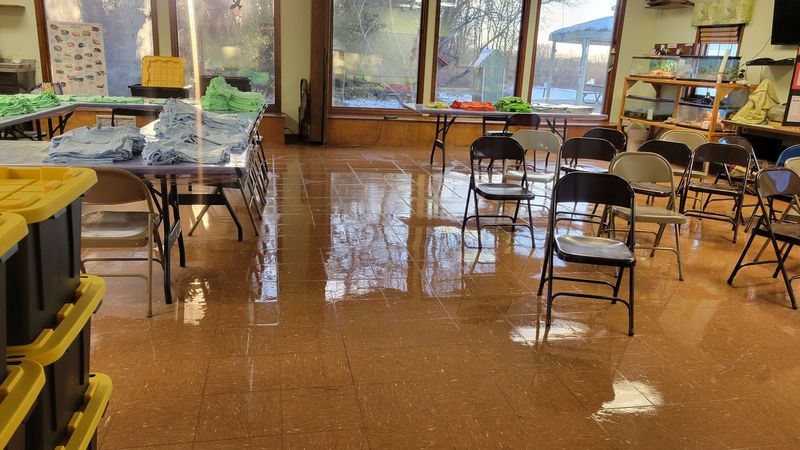
The Nature Center at Poricy Park adds a whole extra layer to the fossil hunting experience. Located on Oakhill Road, it’s the hub for guided fossil collecting trips, educational programs, and equipment rentals.
Stopping in before heading to the stream is a genuinely good idea, especially for first-timers who want a quick orientation on what to look for and how to look for it.
Inside, there’s a fossil display featuring specimens actually found in the Poricy Brook area. Seeing labeled examples of what the fossils look like before you go hunting makes a real difference in the field.
It’s a lot easier to recognize an Exogyra shell when you’ve already seen a clean example up close.
The Nature Center is run by the Poricy Park Conservancy, a non-profit organization that works to maintain and protect the park. Their presence is what keeps guided trips available and the fossil beds responsibly managed.
There’s also a picnic area nearby, which makes packing a lunch and turning this into a full half-day or full-day outing a very easy and enjoyable plan.
Best Times to Visit for the Most Fossils
Timing your visit well can seriously upgrade the experience. The best conditions for fossil hunting at Poricy Brook tend to follow a period of rain.
Rainfall raises the water level slightly, which accelerates natural erosion and pushes new material into the streambed. Visiting a day or two after a good rain often means fresher fossils sitting right on the surface.
Spring and early fall tend to offer the most comfortable conditions overall. Summer works well too, especially on hot days when wading in the cool stream is its own reward.
Weekday mornings are generally quieter than weekend afternoons, which means more of the streambed to yourself and less competition for the best sifting spots.
Avoid the coldest winter months unless you’re particularly determined, since cold water and slippery rocks make the experience less enjoyable. The park is technically open 24 hours a day, every day of the year, but daylight and reasonable temperatures are your real friends here.
A dry, partly cloudy day with a recent rain in the forecast is basically the fossil hunter’s ideal scenario.
Getting There and Making the Most of Your Trip
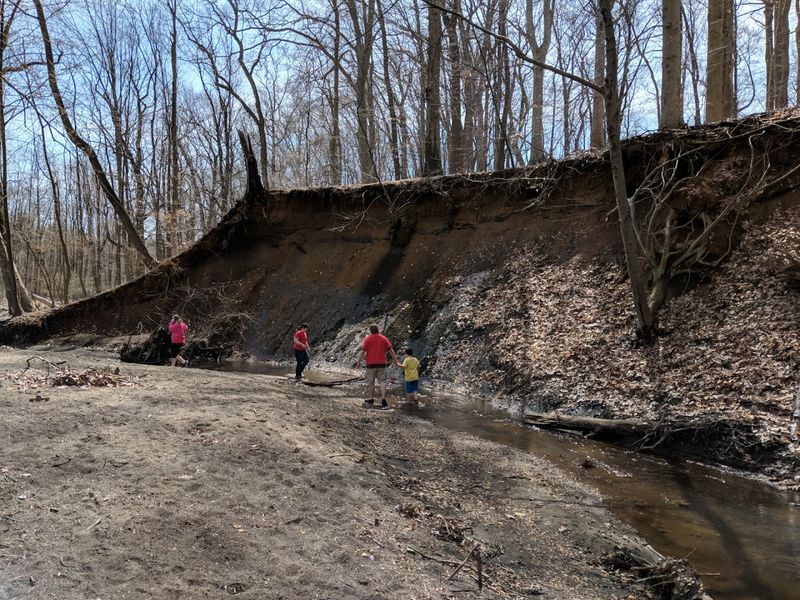
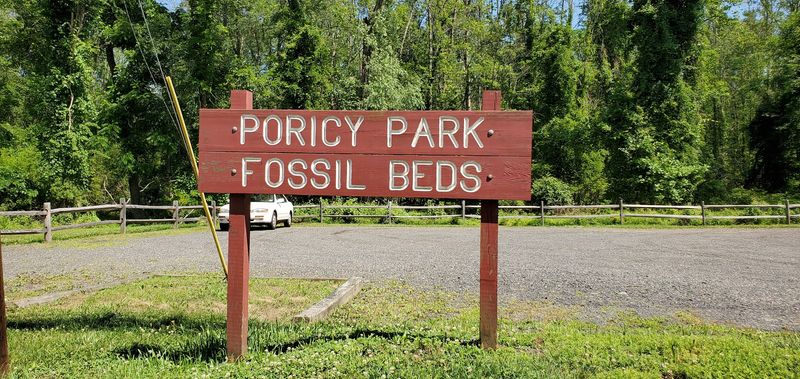
Getting to the fossil beds is straightforward. The main parking area for the fossil beds is accessible directly from Middletown-Lincroft Road, and from there it’s a short walk to the stream.
The address to plug into your navigation is 1083 Middletown-Lincroft Rd, which drops you right at the correct lot.
A few practical tips can make the difference between a good trip and a great one. Arrive early if you’re visiting on a weekend, especially in summer, since the parking area fills up faster than you’d expect.
Pack your gear in a small backpack so your hands stay free once you’re in the water.
Plan for at least two hours at the stream, though many people end up staying longer once they get into the rhythm of sifting. Bring snacks and water since there are no food vendors anywhere in the park.
The experience is completely free, which makes it one of the most genuinely rewarding budget-friendly outdoor adventures in the entire state.
Address: 1083 Middletown-Lincroft Rd, Middletown Township, NJ.
