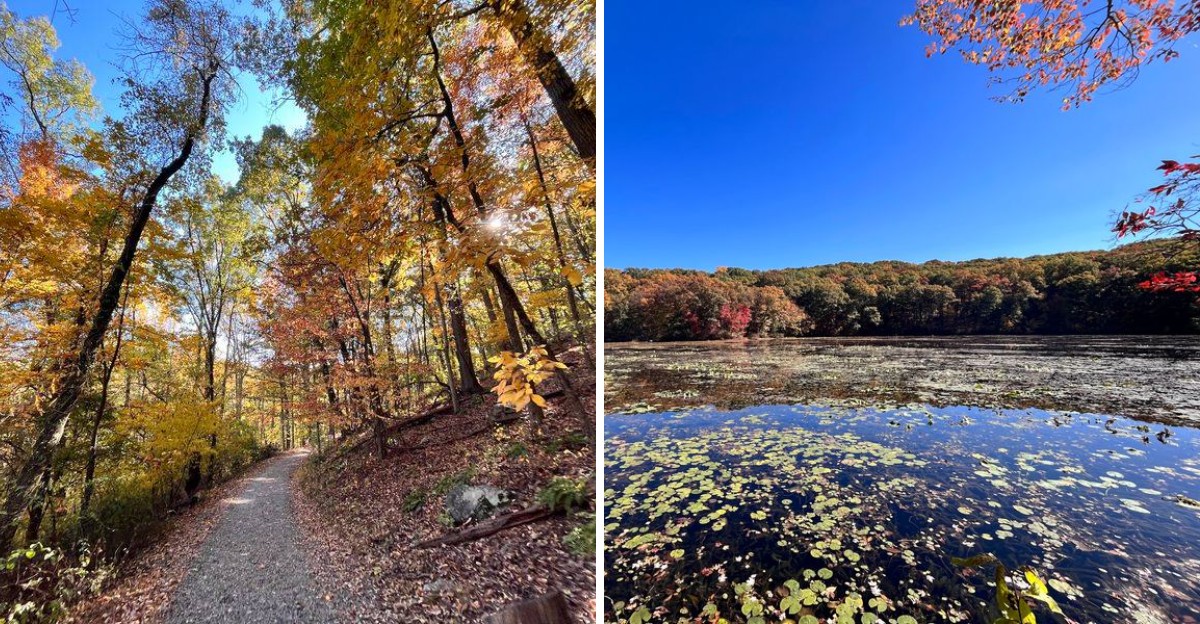
They say New Jersey has traffic, but they obviously have never seen me try to find a quiet walking trail.
This park is the exception.
A couple of miles of easy paths, a hill that is just steep enough to count as exercise, and plenty of spots to sit and stare at trees.
The whole place is beginner-friendly, so you will not need gear or a map.
Just a pair of sneakers and maybe a snack. The trails are short, the playground keeps the kids busy, and the views at the top are more rewarding than you would expect from a neighborhood park.
It has been around for decades, quietly serving up fresh air to anyone who needs it. No lines, no fees, no stress.
Just a simple reminder that peace is not always far away. You might even forget you are in New Jersey.
A Quiet Welcome at the Boonton Entrance
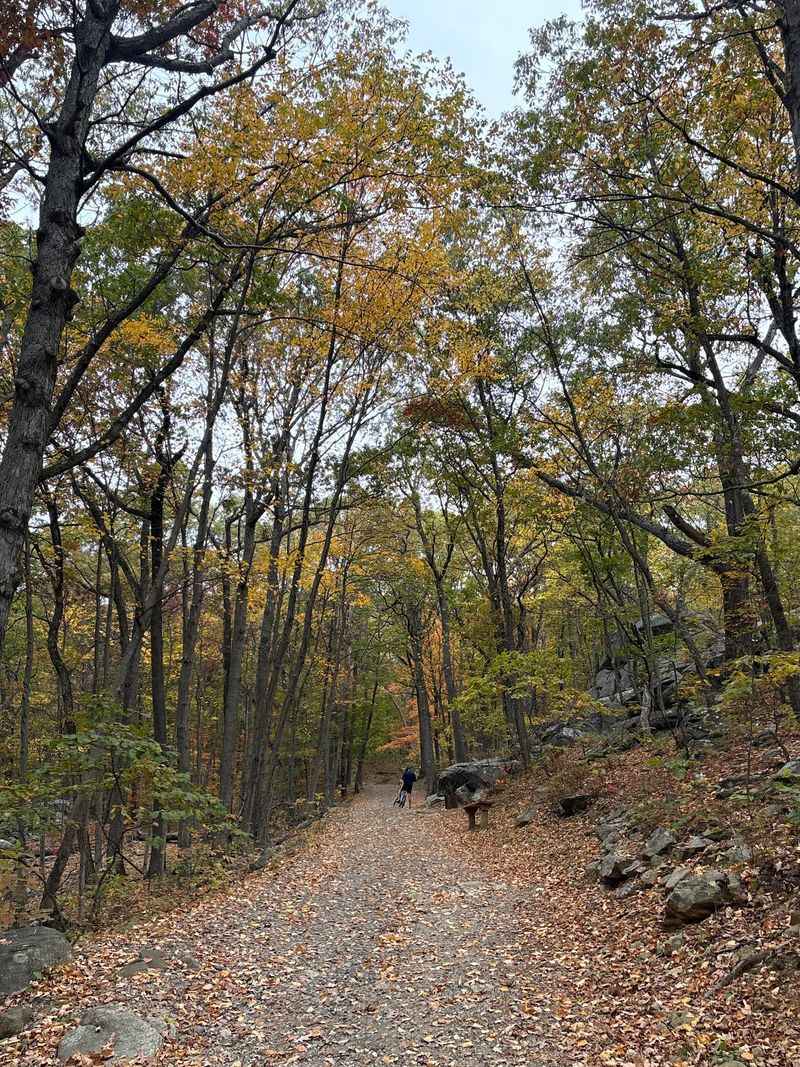
Pulling in from the Boonton side, the first thing that struck me was how little fuss there is. A modest parking area, a signboard, and then woods that swallow the road noise almost immediately.
Tourne County Park spreads across more than 550 acres, so even a short walk from the lot feels like real forest rather than a landscaped edge. Trail markers point you in a few directions, and none of them feel intimidating.
Arriving early is my favorite move here. The light comes through the trees at a low angle, the ground still smells like last night’s dew, and you often get whole stretches of path to yourself.
Worth knowing before you set out: the park has posted gate hours and can close during snow or bad weather, so a quick check on timing saves a wasted drive.
Bring sturdy shoes. The footing is rocky in plenty of spots, and sneakers with worn soles will let you know about it.
Rocky Trails That Keep Things Interesting
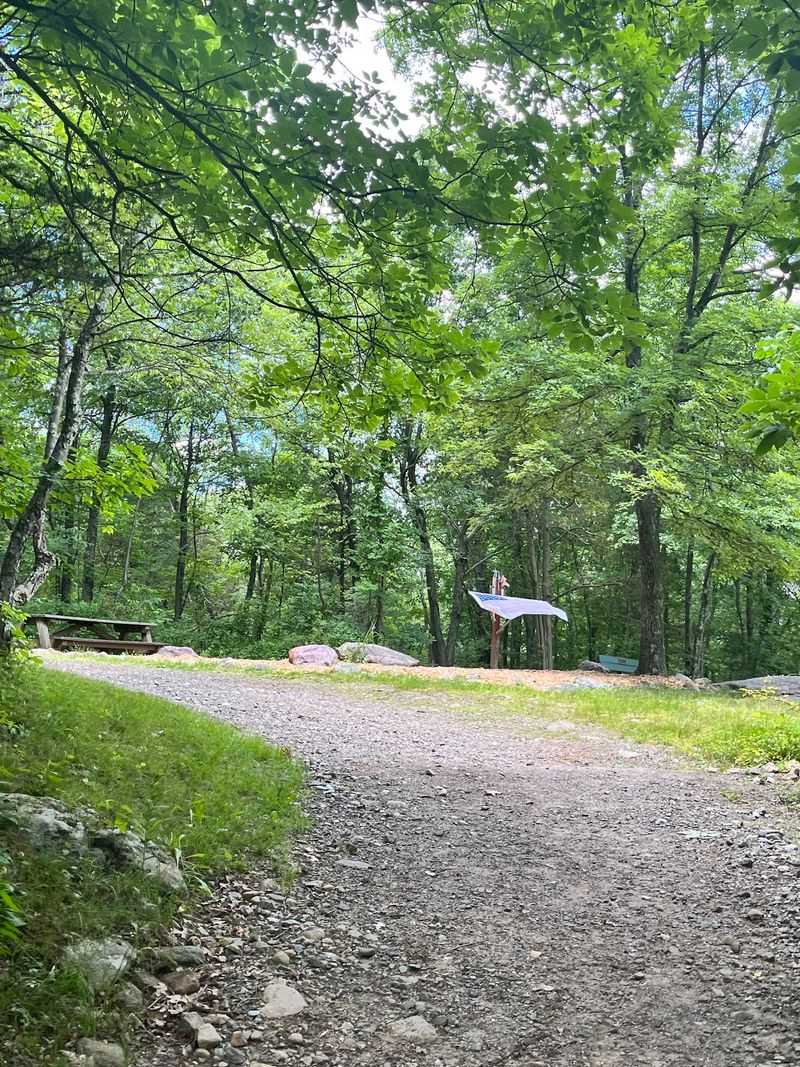
Roughly twelve miles of trails thread through this park, and they are not the smooth crushed-gravel type. Expect stones, roots, and the occasional small scramble.
That texture is part of the fun. You end up watching your feet, which somehow makes the walk feel more absorbing than a flat sidewalk loop ever could.
Some paths curl along the shoulders of hills with steady, manageable inclines. Others drop toward wetter ground where the trees change and the air turns cooler against your skin.
I appreciated how clearly the routes are blazed. Even when trails cross each other, it is easy enough to keep track of where you are without staring at a phone the whole time.
Mileage is flexible, which is the real gift here. You can string together a quick half hour amble or stretch it into a solid few hours depending on your energy.
One tip: after heavy rain, the rocks get slick, so slow your pace on the downhill sections.
Climbing to the Top of the Tourne for Skyline Views
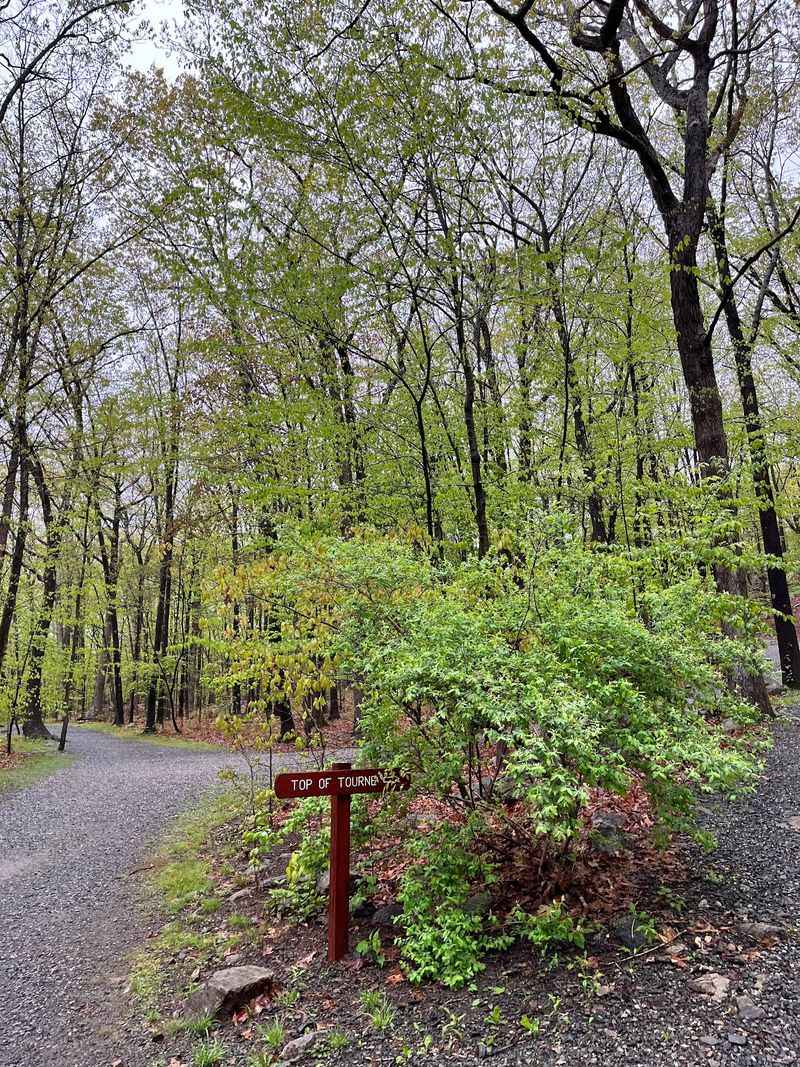
The high point of the park sits at 897 feet, and locals simply call it the Top of the Tourne. Getting there involves some climbing, though nothing that requires special skill.
What waits at the summit is genuinely surprising. On a clear day, the New York City skyline appears as a thin gray silhouette far off to the east, tiny and strange against all those rolling green hills.
Picnic tables sit up there, which makes the spot feel like a natural reward. Unpack a sandwich, sit for a while, and watch the haze shift over the horizon.
Cooler months tend to offer the sharpest visibility since summer humidity softens everything into a blur.
Pace yourself on the way up. The grade comes in bursts rather than one long slog, so there are plenty of excuses to pause and catch your breath.
Honestly, this view alone justifies the trip for most first-timers.
Mouse Cradle Rock and the Park’s Glacial Leftovers
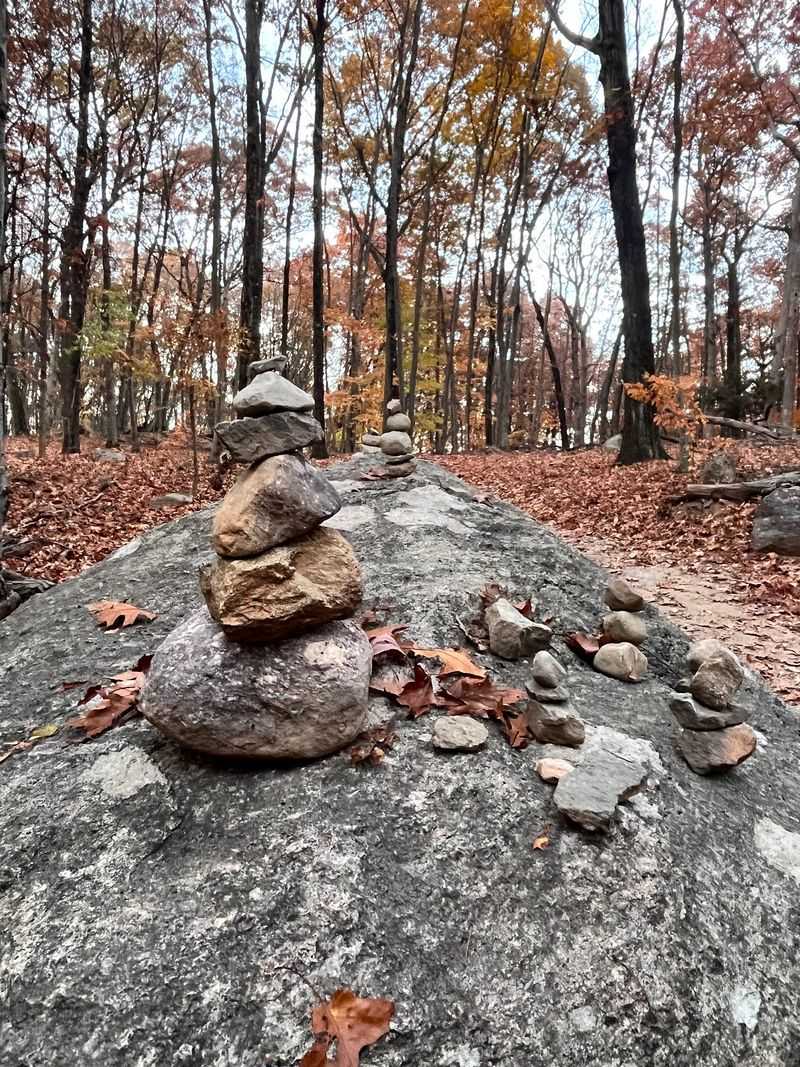
Here is a fact that stopped me mid-stride: one of the boulders in this park weighs about 54 tons and rests on top of smaller stones like it is showing off. That is Mouse Cradle Balancing Rock.
Glaciers hauled it here thousands of years ago and simply left it behind when the ice pulled back. Geologists call these leftovers erratics, which feels like a funny word for something so enormous.
Not far off, Denture Rock offers another odd shape carved by the same ancient ice. The names alone are worth the walk over.
Standing beside them, the scale is hard to process. You can put a hand on stone that traveled across the landscape long before anyone lived nearby.
Kids tend to love this part, since a giant rock is far more exciting than another pretty overlook.
Photos rarely capture the bulk of it, so go see the thing in person.
Where the Rockaway River Traces the Southern Edge
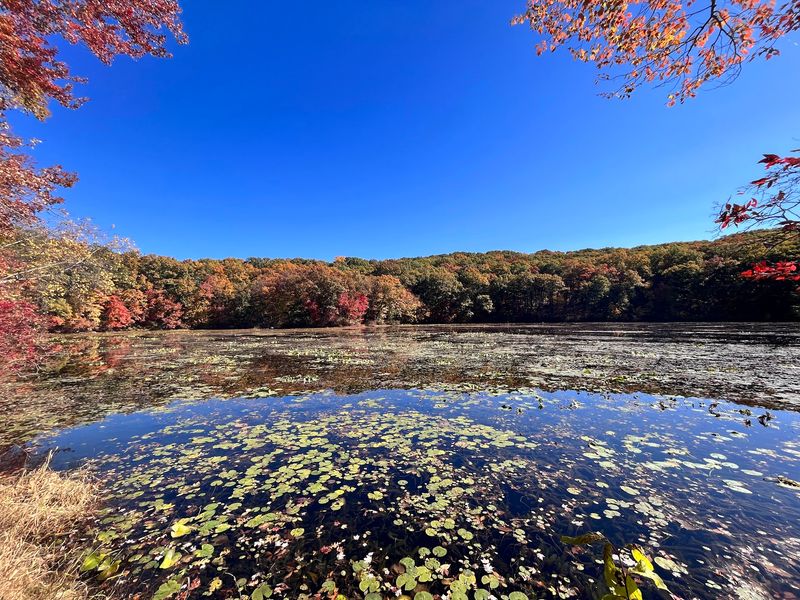
Down along the southern boundary, the Rockaway River slides past the park with almost no drama at all. It reflects the sky, the trees, and whatever clouds happen to be drifting by.
Paddlers use the access here for canoeing and kayaking, and anglers turn up with rods and a lot of patience. Being on the water gives you a completely different read on the landscape.
Even if you never launch a boat, sitting near the bank is a fine way to spend twenty minutes. Water sounds have a way of resetting your mood.
The riverside stretch feels softer than the ridge trails. Less rock, more green, and a steady cool breeze coming off the surface.
Spring runoff makes the current livelier, so anyone paddling should pay attention to conditions before heading out.
I liked ending a walk here. Downhill toward the water is a pleasant way to finish.
The Emily K. Hammond Wildflower Trail in Full Color
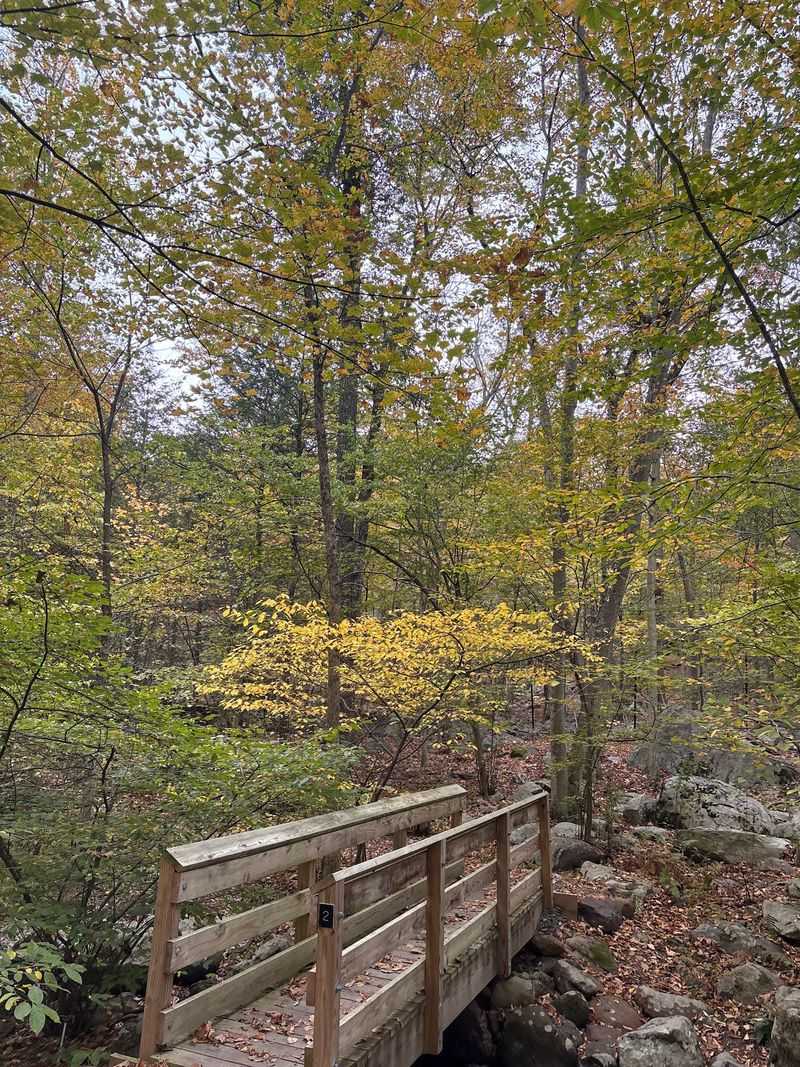
Tucked into the park is a short path that plant lovers quietly adore. The Emily K.
Hammond Wildflower Trail protects over 250 species of native plants and wildflowers behind fencing that keeps hungry deer out.
April and May are peak weeks. That is when the ground layer goes from bare to busy, with blooms crowding both sides of the walkway.
Progress along this trail is slow by design. You end up crouching to look at things, reading small labels, and noticing textures you would normally stride right past.
Even outside spring, the area holds interest thanks to ferns and shifting foliage.
The fencing is there for a reason, so staying on the path really does matter. Native plant communities are fragile, and a single careless step can undo years of growth.
Bring a phone for close-up photos. Some of these flowers are smaller than a coin and surprisingly photogenic.
Four Seasons, Four Completely Different Walks
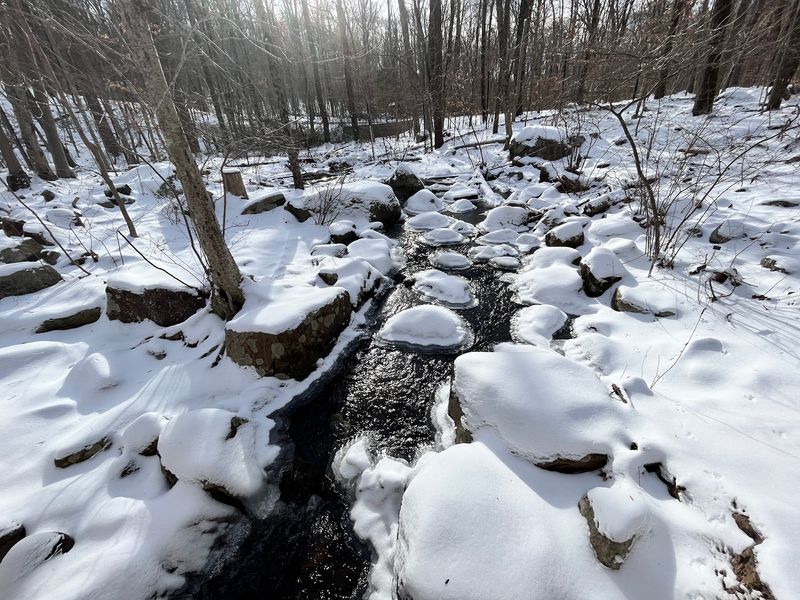
Few parks change personality as noticeably as this one. Spring arrives with that almost neon green on the new leaves, and the wildflowers take center stage.
Summer brings long evenings and welcome shade, especially on the lower trails where the canopy closes overhead. Picnic areas get more use, though the woods stay comfortably quiet.
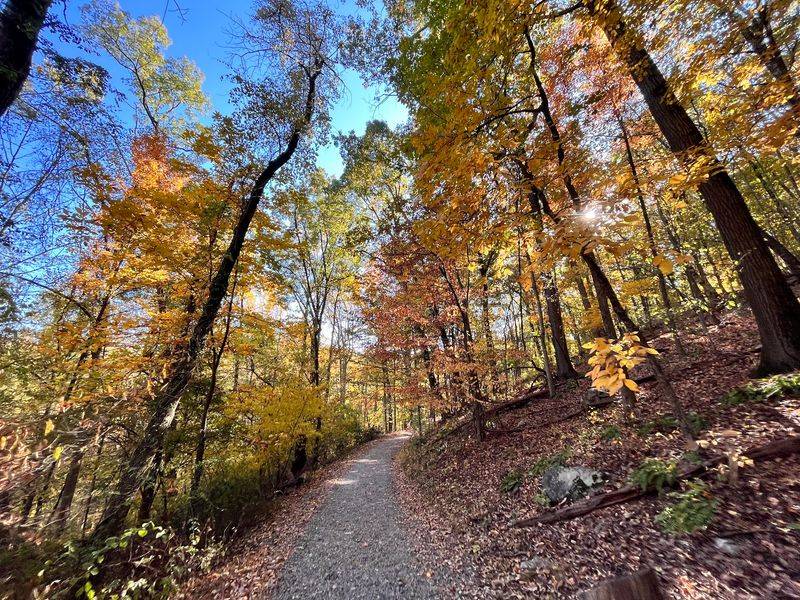
Autumn is the showstopper. The hillsides turn gold and rust, and the rocky footing disappears under a crunchy layer of fallen leaves.
Winter opens the place up in a different way. Once snow settles in, the park welcomes cross-country skiing, snowshoeing, and sledding, and bare branches reveal views that summer hides completely.
Weather closures do happen during storms, so flexibility helps if you are planning a snowy visit.
My suggestion? Come back in a different season and you will swear you are somewhere new.
Same trails, entirely new atmosphere.
Picnic Spots and Space for the Whole Crew
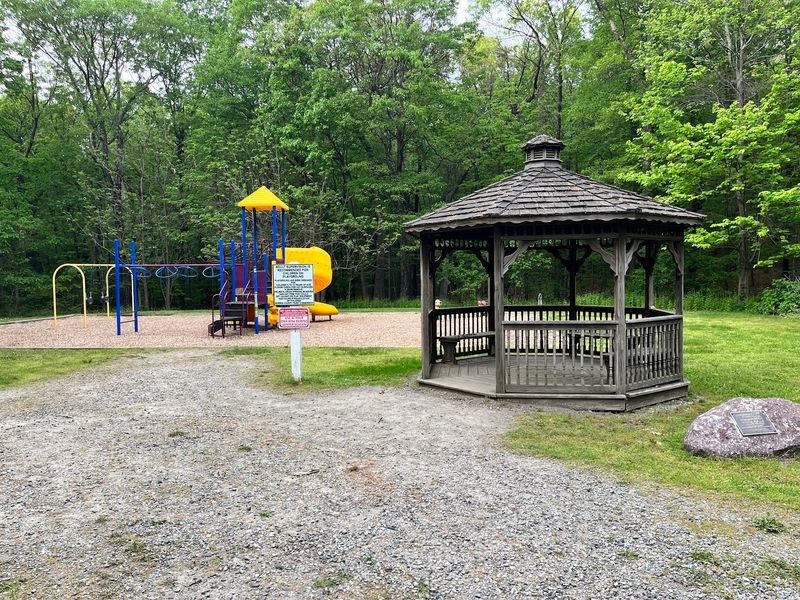
Families have it easy here, which is not always true of hilly parks. Several picnic sites sit tucked under trees, some outfitted with grills for a proper cookout.
Reservable shelters make bigger gatherings workable, whether that is a birthday, a reunion, or just an excuse to get everyone outside on the same afternoon.
Younger kids gravitate straight to the playground, and there is an open play field plus a softball field for anyone who packed a glove or a ball.
What I like is how these amenities sit close enough to the trails that you can mix and match. Short hike, long lunch, quick game, home.
Parking areas are conveniently spread out, so you are rarely hauling a cooler a huge distance.
Pack out whatever you carry in. The park stays pleasant precisely because most visitors treat it well, and that habit is worth keeping alive.
Sharing the Woods With Deer, Birds, and Yes, Bears
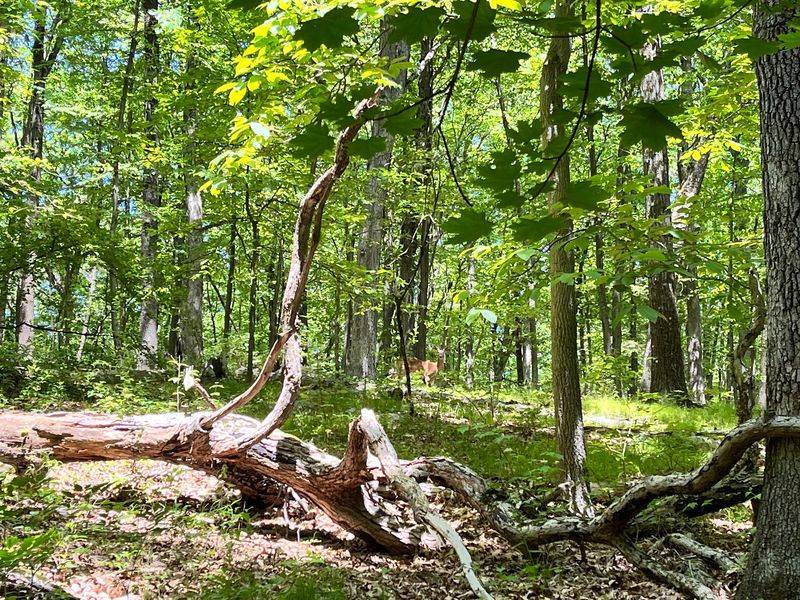
Wildlife is a real presence in these woods, not a maybe. White-tailed deer move through the undergrowth, foxes slip between trees, and birdsong follows you along most of the route.
The wetland areas support frogs, turtles, and other small creatures that make an impressive amount of noise for their size.
Black bears live in this part of northern New Jersey, and warning signs are posted at trailheads for good reason. Reading them before you start walking is genuinely smart.
Standard advice applies: make some noise as you go, keep dogs leashed, never leave food out, and back away calmly if you spot one rather than approaching for a photo.
None of this should scare anyone off. Encounters are uncommon, and awareness turns the whole thing into a manageable part of hiking here.
Honestly, the wildlife is part of what makes the park feel alive rather than merely scenic.
Why It Works When You Just Want an Easy Day
Not every outing needs a plan, and that is exactly where this place shines. You can show up with no itinerary, pick a trail, and let the afternoon sort itself out.
The mix is what makes it work. A hilltop with a faraway skyline, ancient boulders, a river along one edge, wildflowers in spring, and shady tables for lunch when your legs are done.
Tourne County Park never demands much from a visitor. There is no long approach hike, no complicated logistics, just woods that start close to the car.
For anyone in New Jersey looking to trade screens for fresh air, it lands in that sweet spot between effortless and genuinely rewarding.
Go once and you will probably keep it in your back pocket for future quiet days.
You can find Tourne County Park, Boonton Access at Boonton, NJ 07005, with the main park entrance located at 98 McCaffrey Lane in Boonton.
