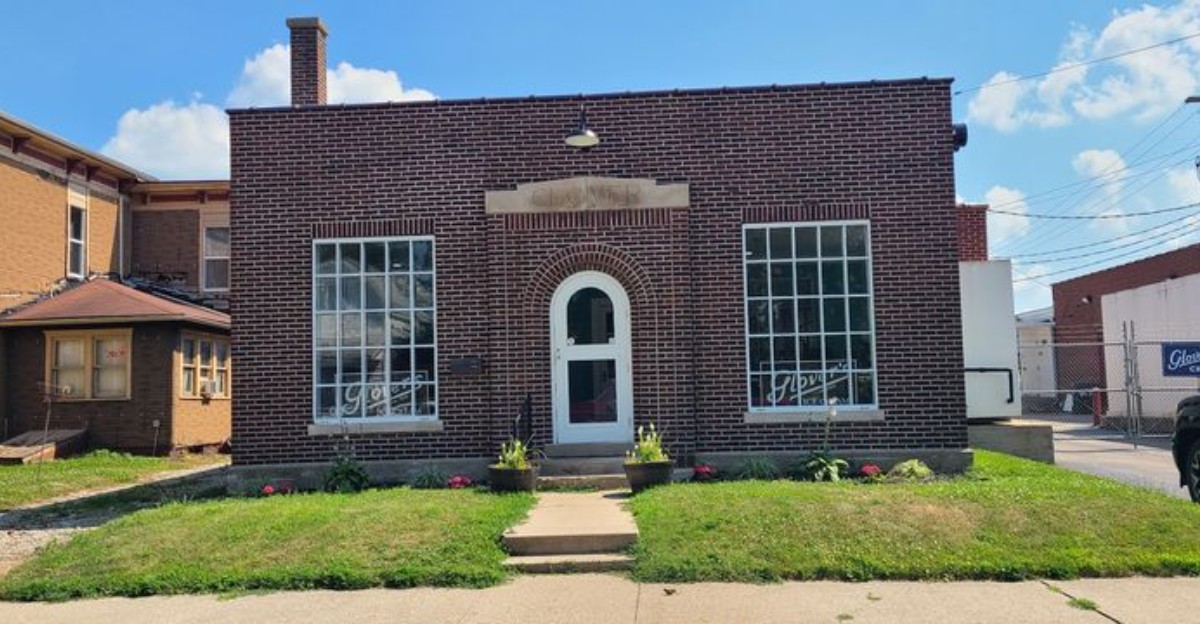
The churns keep turning. That is the whole story.
Except it is not. Behind those ordinary sounds is a 101-year-old Indiana factory that has somehow survived changing tastes, changing technology, and the arrival of enormous food companies.
The recipes remain remarkably familiar, and the machinery still operates inside the same small-town building where ice cream production began in 1925. The business is believed to be the last independent creamery in the state.
Recently, Clinton County families stepped in to help keep the operation going. There are bigger factories.
There are newer factories. Very few have this much history.
A Train Platform Hustle That Turned Into a Legacy
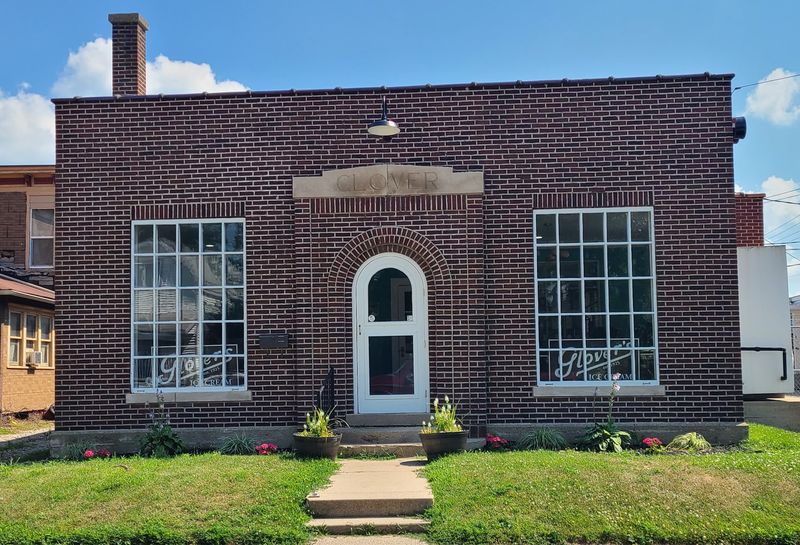
Long before freezers were common in Hoosier kitchens, a man named Foster Glover figured out that hungry train passengers made excellent customers.
In 1925 he began selling freshly made ice cream sandwiches aboard the passenger trains rolling into Frankfort, a place locals nicknamed the Gem City because of all the rail lines crossing there.
Ice cream in Frankfort was surprisingly competitive back then. Several companies fought for the same customers, and plenty of them eventually folded or sold out.
Glover’s survived by refusing to cut corners. Brass fixtures got polished, floors got scrubbed, and the mix got made right, which built the kind of reputation that outlasts advertising.
That founding story matters to visitors because it explains why the place still feels handmade rather than manufactured. Three generations of the Glover family ran the operation after Foster, each one holding onto the same standards.
Understanding the beginning also changes how the ice cream tastes. Knowing that a train platform hustle grew into a century-old institution adds something no marketing campaign could fake.
Travelers who enjoy tracing local history will find plenty to appreciate in Frankfort’s downtown, where old brick buildings and rail history sit side by side. The creamery fits right into that landscape, quietly proving that some small ideas simply refuse to disappear.
The Last One Standing in the Whole State
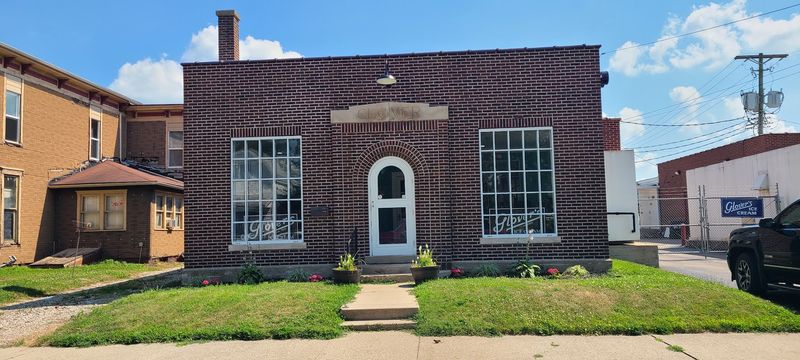
Being the last of something changes how people treat it. Glover’s is believed to be Indiana’s final independent ice cream company, meaning it answers to nobody but the families who own it and the neighbors who buy from it.
Across the Midwest, small creameries closed one by one over the decades. Others were swallowed by national brands and lost their names entirely.
Glover’s held on. That independence shows up in practical ways, from choosing ingredients to deciding which flavors deserve a permanent spot.
Visitors sometimes assume independence is just a nice label. Here it means every decision gets made by someone who lives nearby and eats the product.
There is no corporate office in another state reviewing spreadsheets and suggesting cheaper substitutes. The result is ice cream that tastes like a specific place rather than a category.
For travelers building a route through central Indiana, stopping somewhere genuinely one of a kind beats another chain drive-thru. Frankfort makes an easy detour off US 421, and the creamery gives the trip a purpose beyond mileage.
There is also something satisfying about buying directly from a business that never had to change its name. A century of independence is rare, and rarer still in food production, which makes this stop feel a bit like visiting a living museum that happens to sell dessert.
Five Local Families and a Rescue Worth Cheering For

The most recent chapter almost did not happen. After three generations, Stephen Glover, grandson of the founder, decided to retire, and the factory hit trouble with aging equipment and staffing shortages.
Production stopped, and for a while the future looked genuinely uncertain.
Then something unusual happened. Five local families from Clinton County pooled together and bought the company, taking on the nickname The Glover’s Five.
Their goal was simple. Get the creamery running consistently again and keep a piece of local history alive.
Even better, Stephen Glover came back to help. He returned to the plant to rebuild equipment and teach the new owners the traditional process, passing along knowledge that existed nowhere except in his hands and memory.
That kind of handoff is worth thinking about while eating a cup of the finished product. Nothing about it was inevitable.
Visitors who care about small-town resilience will find this story especially satisfying. It is not a corporate turnaround, just neighbors deciding a hundred-year-old tradition was worth the trouble.
Supporting the business today directly continues that effort, which gives a routine purchase unexpected meaning. Frankfort residents talk about the revival with obvious pride, and travelers who stop by become a small part of keeping the churns moving forward.
Recipes That Have Barely Changed Since 1925
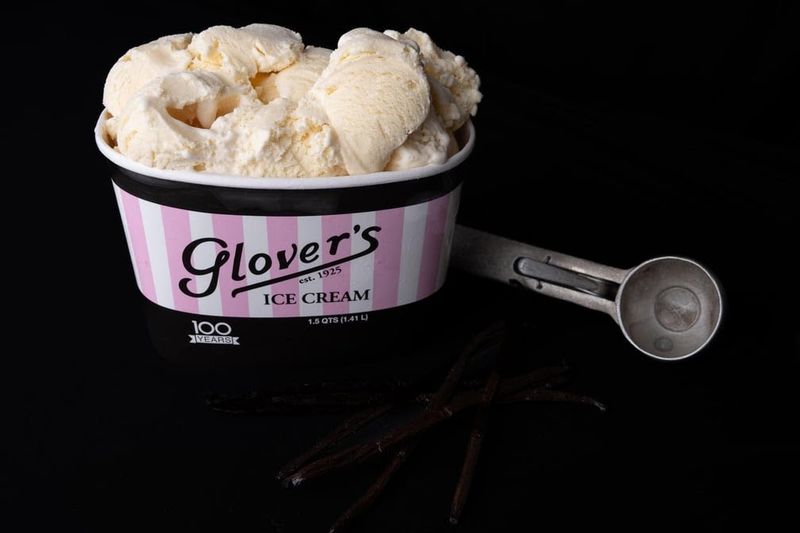
Consistency is an underrated kind of magic. The recipes and production methods at Glover’s have stayed largely the same for a hundred years, which is why longtime customers can taste a flavor and immediately be nine years old again.
Machinery has been updated for efficiency over the decades, naturally. The core approach has not.
A quality mix goes in, carefully chosen flavorings follow, and the add-ins get handled with actual attention. Once a flavor joins the lineup, the ingredients stay put rather than getting swapped for something cheaper.
The work remains genuinely hands-on. New owners and their family members are often right there on the production line, filling cups and checking batches themselves.
That closeness between maker and product is hard to find in modern food manufacturing. It also explains the texture, which leans rich and dense rather than airy.
For anyone curious about how food gets made, the appeal here is obvious. The distance between the mixing equipment and the retail freezer is measured in steps, not shipping days.
Travelers who appreciate craftsmanship in bread, coffee, or cheese will recognize the same instinct at work in Frankfort. Old methods survived because they worked, and nobody here saw a reason to argue with a century of happy customers.
Hoosier Pothole, Deer Tracks and Other Flavors With Character
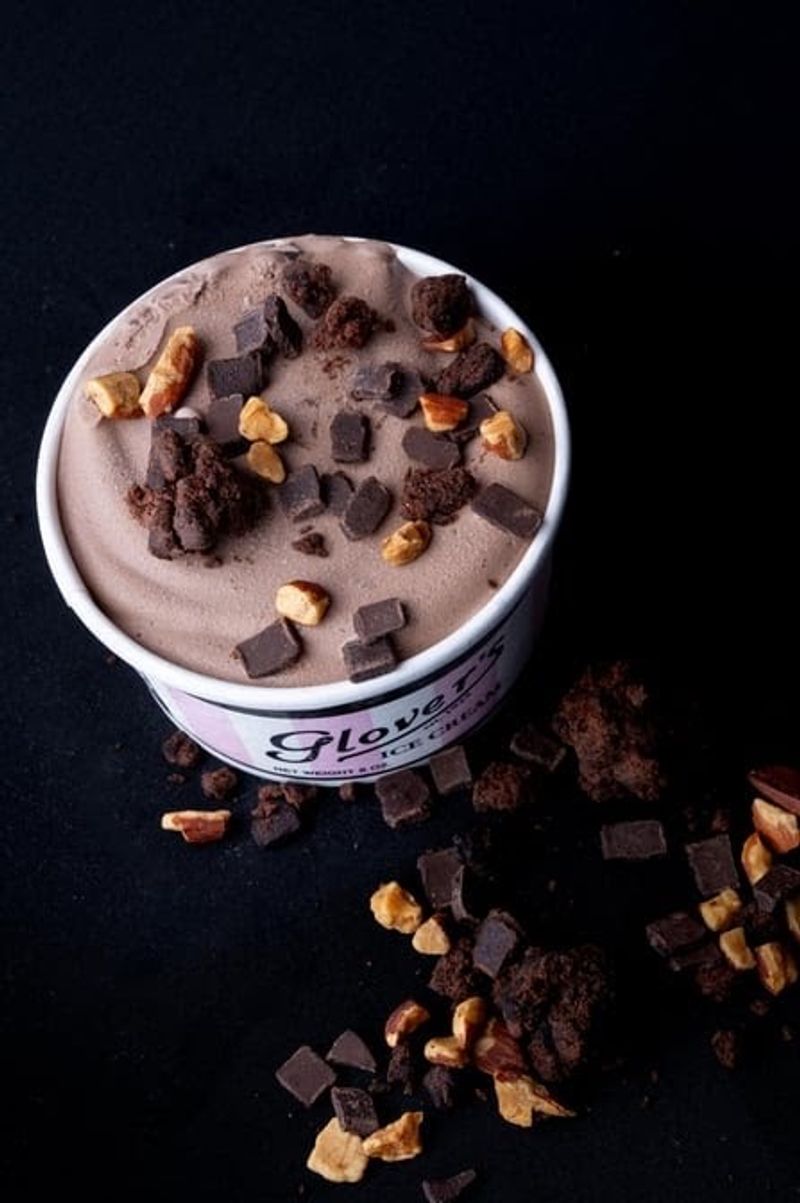
Six flavors got the whole thing started: vanilla, strawberry, chocolate, raspberry, strawberry ripple, and orange-pineapple. Perfectly respectable for 1925.
The lineup has grown considerably since then. French Vanilla, deep Chocolate, and Mint Chocolate Chip cover the comfort zone, while Black Walnut, Strawberry Cheesecake, and the ever-popular Butter Pecan bring a little more personality.
Then things get regional in the best way. Hoosier Pothole earns points for honesty about Indiana roads, and Indiana Sugar Cream Pie translates the state’s unofficial dessert into frozen form.
Deer Tracks deserves its own mention. Vanilla base, peanut butter cups, chocolate fudge ribbons, and absolutely no restraint.
One flavor comes with an academic pedigree. A partnership with Purdue University produced One Giant Scoop, an extra-smooth vanilla made using the original Purdue Creamery recipe and churn, which turns a simple cup into a nod toward hometown pride.
Choosing gets genuinely difficult, which is part of the fun. Many visitors solve the problem by grabbing several single-serve cups and calling it research.
Seasonal options rotate through as well, so return trips rarely feel repetitive. Between the classics and the local-inspired creations, the flavor board reads like a small tour of Indiana tastes, and that regional flavor is exactly what makes the stop memorable rather than just tasty.
Buying Straight From the Source on West Clinton Street
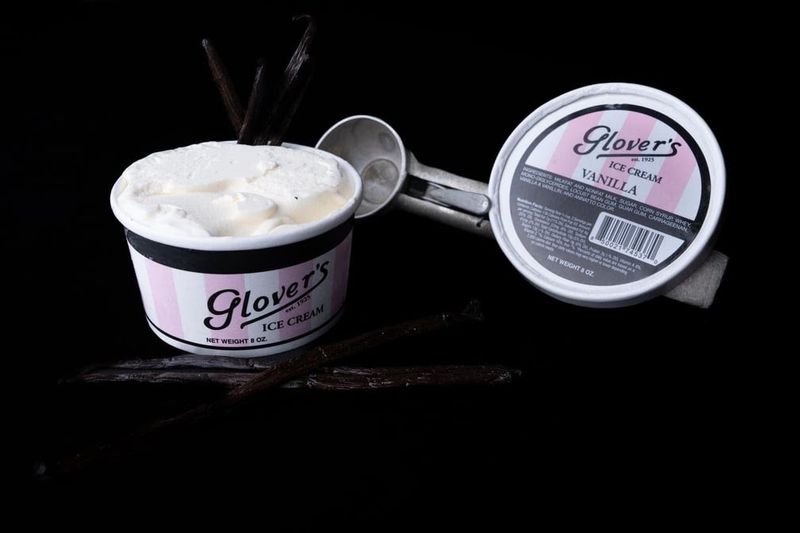
Here is the part worth knowing before the drive. The factory store at 705 W Clinton St, Frankfort, IN 46041 sells ice cream in packaged form rather than scooped into cones, so nobody should arrive expecting a soda fountain counter.
What it offers instead is directness. Options include 8 oz grab-and-go single-serve cups, 48 oz half gallons sized for a kitchen table, and 3-gallon party containers for anyone hosting a crowd.
The store typically operates on weekdays from noon to 5 p.m., which makes a lunchtime detour ideal. Planning around that window prevents disappointment.
Buying at the manufacturing site adds a layer most grocery aisles cannot match. The ice cream traveled only a few steps from where it was mixed and frozen.
A cooler in the car is a smart move, especially in summer. Half gallons do not survive a long Indiana afternoon otherwise.
Frankfort’s downtown sits close by, so pairing the stop with a short walk around the courthouse square rounds out the visit nicely. The town is small enough to explore quickly and pleasant enough to linger in.
Practical, unfussy, and rooted in its neighborhood, the factory store trades atmosphere for authenticity. For many travelers, that trade turns out to be the better deal.
Why a Cup of Ice Cream Feels Like Community Here
Some desserts are just dessert. This one carries a century of Clinton County memories inside it, from birthday parties to church potlucks to summer evenings on front porches.
At 101 years old, the factory represents generations of steady work rather than a single bright idea. Foster Glover started it, his family carried it, and now a group of neighbors keeps it going.
That continuity is the real attraction. Mass production and passing food trends surround everyone constantly, which makes a stubbornly local creamery feel almost radical.
Visiting offers a genuine connection to small-town American ingenuity, the kind that rarely makes headlines. Frankfort residents treat the brand as shared property, and that sense of ownership is easy to feel.
Travelers looking for authentic stops rather than manufactured attractions will find this one refreshing. Nothing here is staged for tourists.
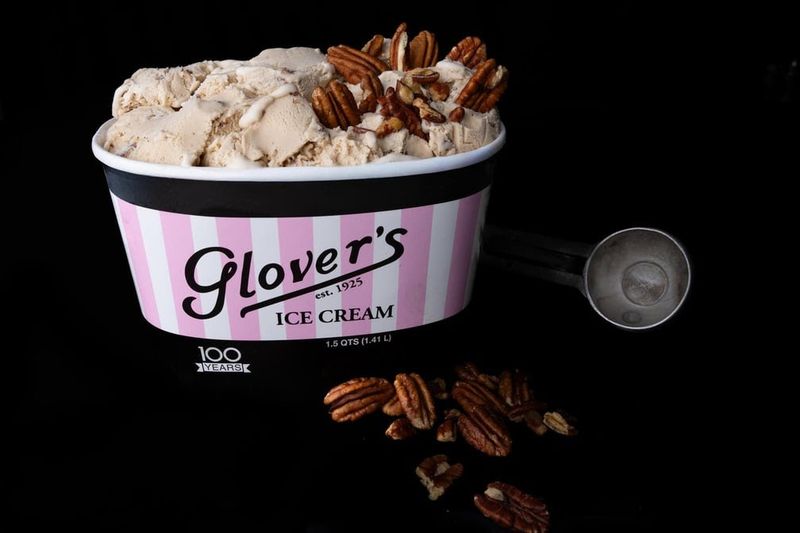
The sweetest experiences often turn up in places that quietly protect their past while still making something good today. A cup of Butter Pecan from a 101-year-old factory manages both at once.
Add it to any central Indiana itinerary and the trip gains a story worth retelling. Long after the ice cream is gone, the idea of five families rescuing a century-old creamery tends to stick around.
