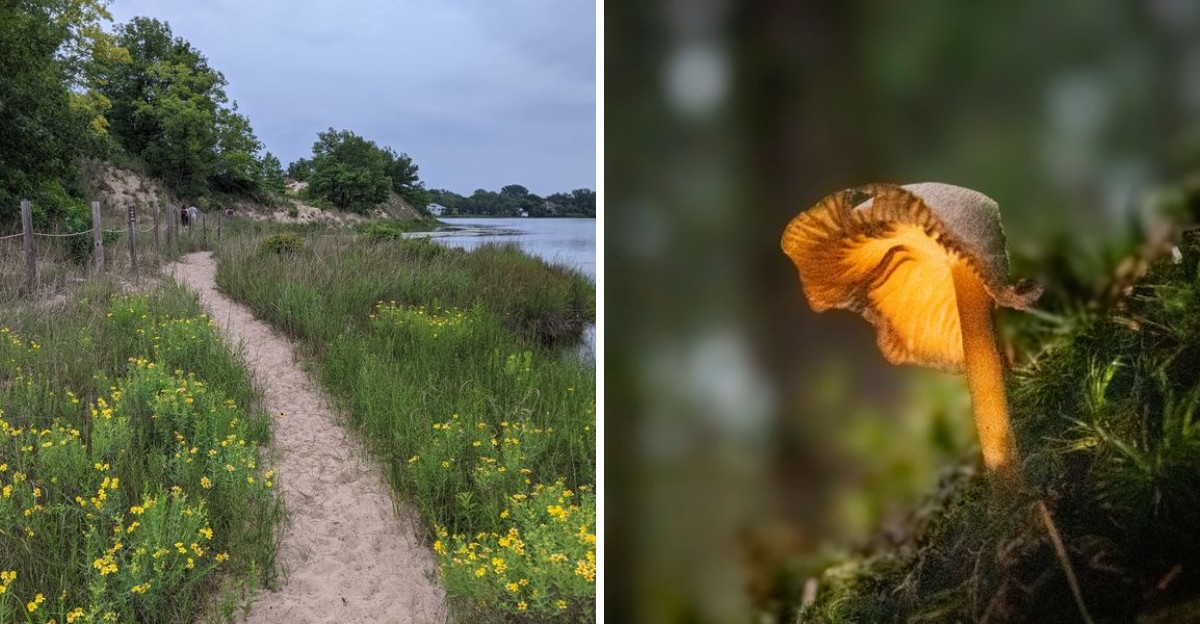
“Turn the flashlight off.” Bad advice, under normal circumstances. Here, it might be the best advice of the night.
Give your eyes time to adjust and the forest starts revealing tiny points of greenish-blue light along fallen logs. Certain mushrooms hidden in the darkness produce the glow naturally, including Jack-O-Lantern mushrooms that look orange and completely ordinary during daylight.
This Indiana state park already feels oversized, with 2,182 acres, towering dunes, three miles of beach, and more than 350 recorded bird species. After sunset, though, the landscape gets a completely different personality.
Suddenly, the dark is not empty. It is where the interesting stuff starts.
The 3 Dune Challenge Will Absolutely Make Legs Burn
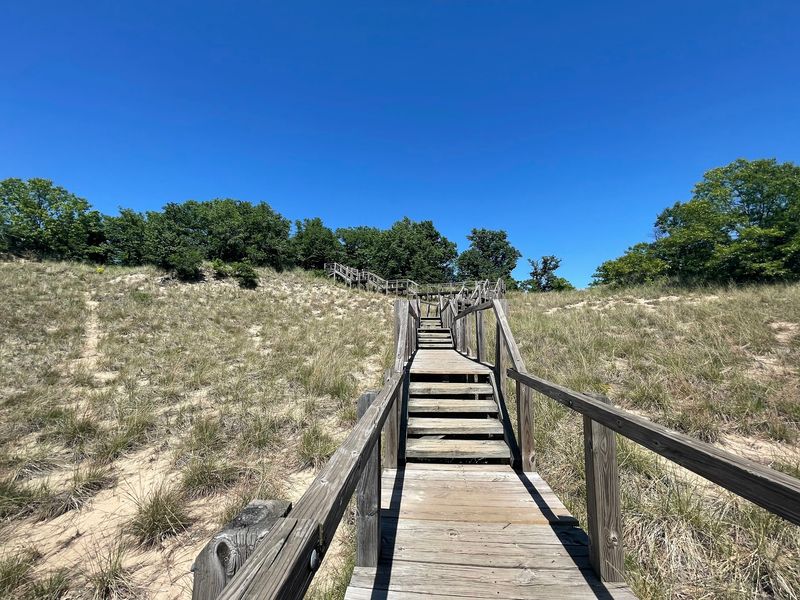
Sand does not cooperate. Every step up gives back half of itself, which is why the park’s famous 3 Dune Challenge feels far harder than its distance suggests.
The route climbs the three tallest dunes in the park: Mount Tom, Mount Holden, and Mount Jackson. Reaching the crests earns wide open views of Lake Michigan spreading flat and blue toward the horizon, sometimes with the Chicago skyline hovering faintly to the west on clear days.
Wind does the sculpting here, and it never really stops working.
Nearby Mount Baldy shows that process in real time, a living dune that shifts as much as four feet a year as steady breezes push sand inland. Watching a hill migrate is a slow spectacle, but the evidence sits right there in half-buried trees.
Not every trail demands that kind of effort. Some routes wander at a moderate pace through black oak forest, while gentler paths suit early spring wildflower and fern hunting without any serious climbing involved.
Footwear advice, simply put: expect sand inside the shoes no matter what.
Morning starts tend to be cooler and calmer, and the light along the ridgelines is worth the earlier alarm. Water is essential, since exposed dune tops offer almost no shade and the reflected heat off pale sand adds up quickly.
Chasing the Faint Green Light of Jack-O-Lantern Mushrooms
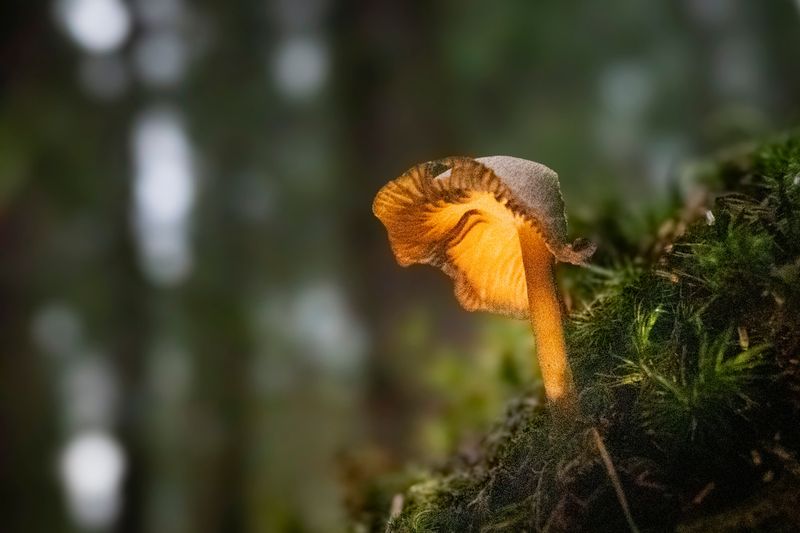
Orange caps clumped at the base of a rotting oak log look ordinary enough in daylight. Come back after dark and the gills give off a soft greenish glow, so faint that a phone screen can wash it out completely.
The species behind the show is Omphalotus illudens, commonly called the Jack-O-Lantern mushroom, and it turns up regularly in Indiana’s wooded areas, including the dunes. Clusters usually cling to decaying logs or dead wood.
Sometimes they seem to sprout straight from the soil, which just means the wood is buried under the surface.
Fresh specimens glow best, and the light comes from bioluminescence, a chemical reaction that produces cold light with no heat at all.
Timing helps enormously. Mid-summer through late fall is when these fungi show up in the biggest numbers, and humid stretches after rain seem to bring out more of them.
Patience matters more than gear. Flashlights should go off completely, and eyes need several quiet minutes to adjust before anything becomes visible.
One firm rule: admire only. These mushrooms are poisonous and never belong in a basket or a pan.
The dunes are a serious fungi destination beyond this one species, with more than 700 macrofungi identified across the park’s varied habitats. Local mycologists sometimes lead seasonal walks, which is the easiest way to learn what is what.
Three Miles of Lake Michigan Shoreline to Wander
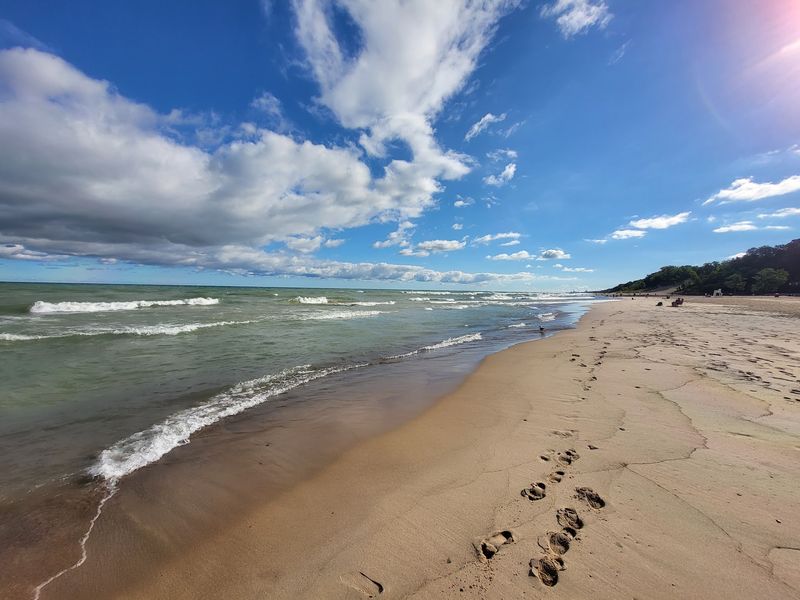
Waves on Lake Michigan can sound almost oceanic on a breezy afternoon. More than three miles of wide, sandy beach stretch along the park’s northern edge, and there is usually room to spread out well away from anyone else.
Swimming, sunbathing, and slow shoreline walks are the main attractions when the weather cooperates.
The mood shifts constantly. Summer brings warm shallow water and long golden evenings, autumn delivers a moody gray-blue lake with sharp wind, and winter can stack ice shelves along the sand into something genuinely otherworldly.
Repeat visits rarely look the same twice.
Beachcombing here rewards a downward gaze, since polished stones, driftwood, and shell fragments collect where the waves break.
The restored Dunes Pavilion sits near the water and handles the practical side of a beach day with amenities and refreshments, which saves hauling half a kitchen across the sand. Restrooms and changing space nearby make a longer stay far more comfortable.
Sunsets face west across open water, so the shoreline turns into a natural viewing platform without any effort at all.
Anyone planning to hunt for glowing fungi later in the evening can treat the beach as a natural warm-up, watching the light fade over the lake before heading into the darker forest trails inland where the mushrooms hide.
Birdsong, Deer Tracks, and a Species List That Keeps Growing
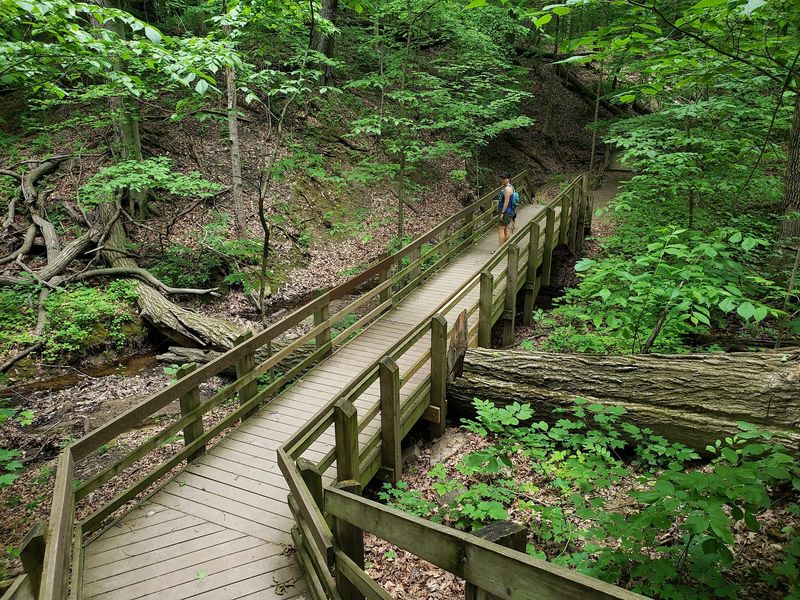
Few state parks in the Midwest can match this one for sheer variety of living things. Wetlands, forests, bogs, and prairies press up against each other, and each habitat brings its own residents.
Plant lovers get more than 1,100 species of flowering plants and ferns to sort through, which is an extraordinary number for a park this size.
Birders, though, may have the best deal. Over 350 bird species have been confirmed within the park or passing through during migration, and an accessible observation tower puts eyes at canopy level for warblers, hawks, and waterfowl alike.
Spring and fall migration turn the treetops into a busy airport.
Mammals number 46 species, with white-tailed deer the most likely sighting on a quiet morning.
Patient visitors occasionally spot a red fox slipping through the grass or hear a coyote somewhere out of view. Add 18 amphibian species, 23 reptile species, and clouds of butterflies and dragonflies in warm months, and the wildlife roster starts to feel almost tropical in its abundance.
Binoculars earn their weight here, even for casual walkers.
Early hours and late afternoons produce the most activity, and staying still for a few minutes usually does more than covering extra ground. The animals notice movement long before they notice people standing quietly.
Ancient Oak Savannas and Bogs Hiding Behind the Sand
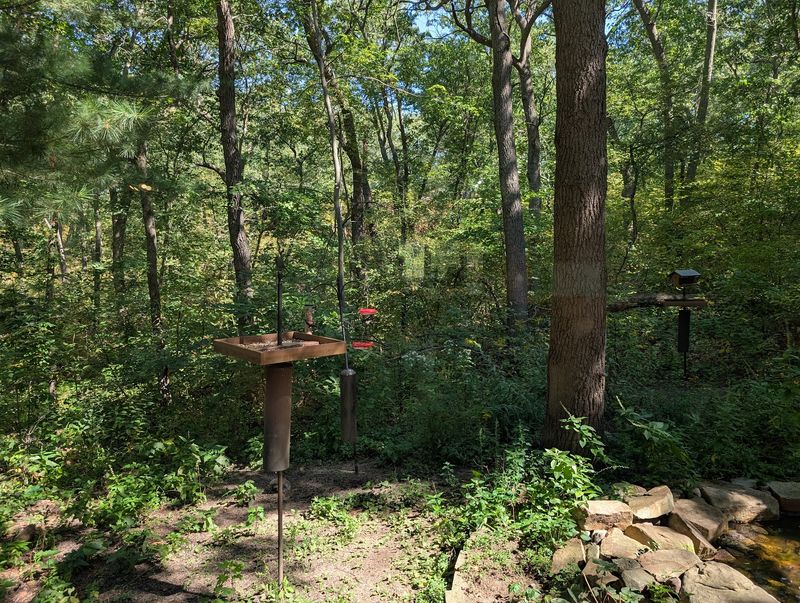
Behind the famous dunes sits something rarer than the sand itself. The park protects oak savannas counted among the last surviving and highest quality examples anywhere in the world, open woodlands where scattered trees stand over sunlit grasses.
Habitats change fast on foot here.
Ancient black oak forest blankets some dune slopes, while lower ground supports maple, beech, and black gum. A short walk can move from dry sand ridge to shaded hollow to standing water, and the plant life swaps out almost completely along the way.
Marshes, swamps, and bogs add the wet chapters of the story, sheltering specialized plants and giving frogs, salamanders, and turtles somewhere to thrive.
The Cowles Bog Trail in the surrounding national park area is famous for exactly this kind of variety, guiding hikers past marshes, ponds, swamps, and forest before opening onto the Lake Michigan shore. Few trails anywhere pack that many landscapes into one loop.
Decaying wood in these damp, shaded pockets is also prime fungi territory, which ties neatly back to the glowing mushroom hunt.
Glaciers set all of this in motion more than 10,000 years ago, and the park’s landscapes are still adjusting. Boots that can handle mud are a smart choice, since the low spots stay soft long after the dunes have dried out.
Fur Trade History at the Bailly Homestead
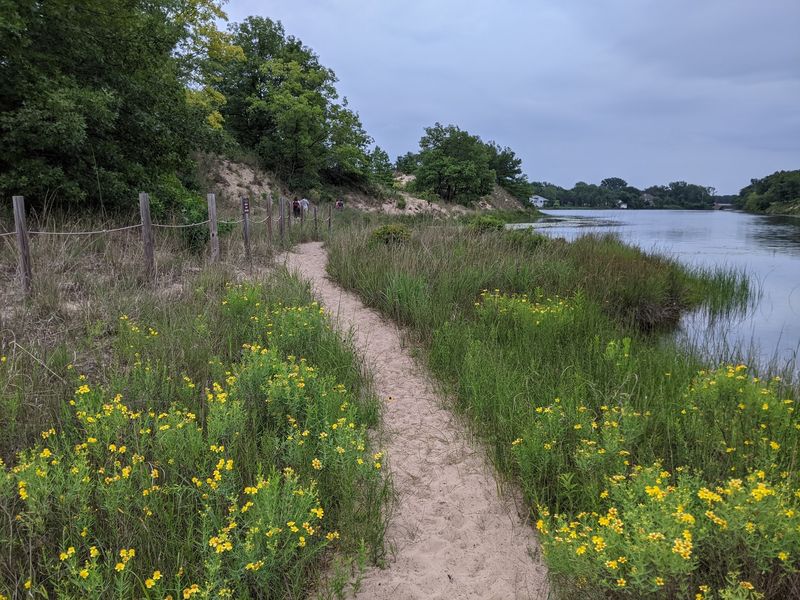
Long before anyone climbed these dunes for fun, the region was a working crossroads for French fur traders. The Bailly Homestead, a National Historic Landmark within the broader dunes area, preserves that chapter in wood and brick.
An imposing main house anchors the site.
Around it stand rustic log and brick structures plus a family cemetery, an unusual combination that gives a clear sense of how a trading household actually operated.
The architecture reflects the Calumet Region’s mixed cultural roots, which is not something most beach visitors expect to find nearby.
Standing among the buildings makes the landscape read differently afterward.
The same waterways and trails that now carry hikers once carried goods, and the dunes were an obstacle to be crossed rather than a view to be admired. History and geology sit side by side here in a way that rewards a slow walk.
Fall is a particularly good time to visit, with the surrounding trees turning color around the old structures.
Pairing the homestead with a forest trail makes for a full, layered day, and it fills the gap between an afternoon on the sand and an evening spent looking for luminous fungi. Interpretive signs cover the essentials, so no guide is required to follow the story from beginning to end.
When the Sky Takes Over After Sunset
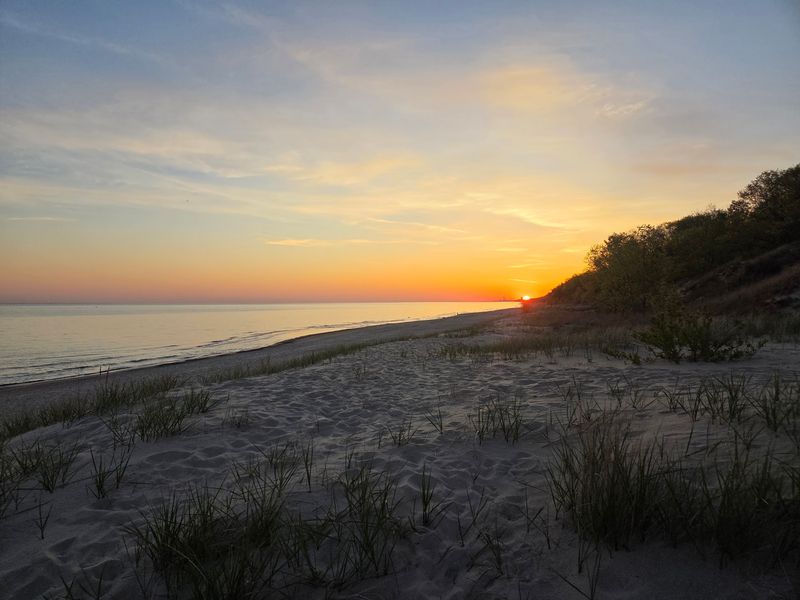
Darkness is the park’s most underrated feature. Set away from the heaviest city light pollution, the skies above the dunes open up enough for real stargazing, with the lake acting as a wide black mirror to the north.
Monthly telescope programs are occasionally offered, giving visitors a closer look at planets and star clusters with proper optics.
Organized events are only part of it, though. The park simply gets quiet after sunset, and that stillness is half the appeal for anyone who spends most days surrounded by traffic noise and screens.
Wind in the oaks and waves in the distance become the whole soundtrack.
Campers get the best version of the evening, unwinding beside a crackling fire with stars overhead.
Dark skies serve double duty for anyone tracking bioluminescent mushrooms, since the same absence of artificial light that reveals constellations also reveals that faint greenish glow on decaying wood. Turning off every light source is the trick either way.
Red-filtered headlamps preserve night vision far better than white beams, which is worth knowing before setting out.
The park sits at the north end of State Road 49 in Porter County, close enough to reach easily yet far enough from streetlights to feel genuinely remote once the sun drops behind the water.
