Rain is usually background noise. Drops on the windshield, puddles on the sidewalk, nothing worth a headline.
But in New Jersey, rain is the only lifeline for one of the rarest wetlands you’ll ever hear about.
Imagine a clay-lined basin that refuses help from streams or groundwater, surviving only on what falls from the sky.
Amphibians swarm its shallow pools, songbirds fill the air, and the clay beneath locks in the mystery like a vault.
It feels less like a preserve and more like a secret written into the landscape. Fragile, fascinating, and unlike anything else in the state.
Could this be New Jersey’s most overlooked natural wonder, hiding in plain sight and waiting to be discovered?
A Wetland That Drinks Only Rain
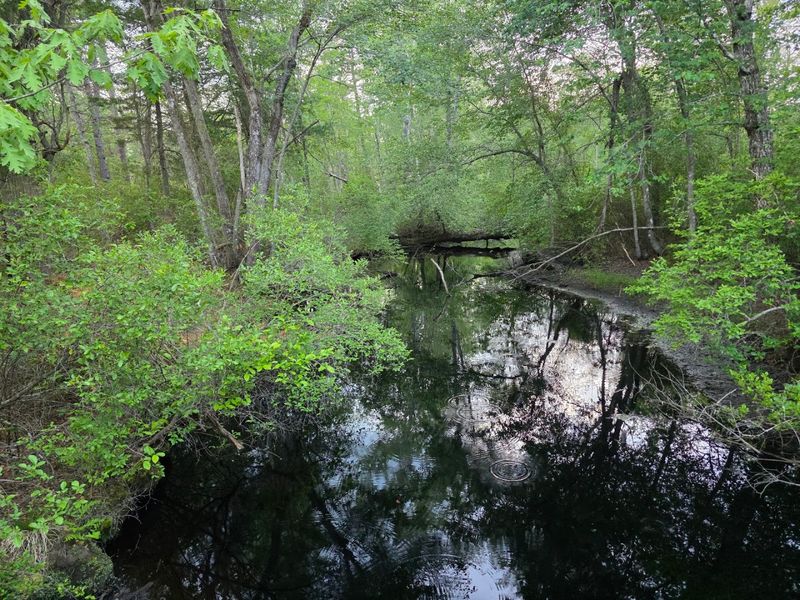
There is something almost poetic about a body of water that answers only to the sky. The wetland at Michael Huber Prairie Warbler Preserve, locally called a “spung,” collects no water from underground springs or nearby streams.
Every drop it holds fell directly from the clouds above, making it one of the most self-contained natural features in all of New Jersey.
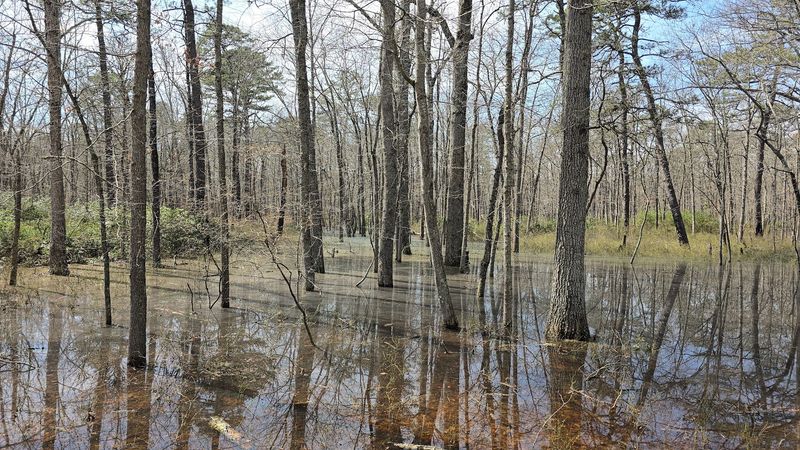
This kind of wetland is genuinely rare. The spung fills and empties entirely based on seasonal rainfall and snowmelt, which means its character shifts dramatically depending on when you visit.
A spring trip after heavy rains reveals a shimmering pool teeming with life, while a dry summer stretch leaves behind a quiet, mossy depression.
That unpredictability is actually part of the charm. Planning a visit means accepting that nature sets the agenda here.
Bring good walking shoes, a curious mindset, and maybe a light snack, because once you see this rain-fed wonder for yourself, you will want to linger far longer than planned.
Clay Beneath the Pines Holds Nature’s Secret
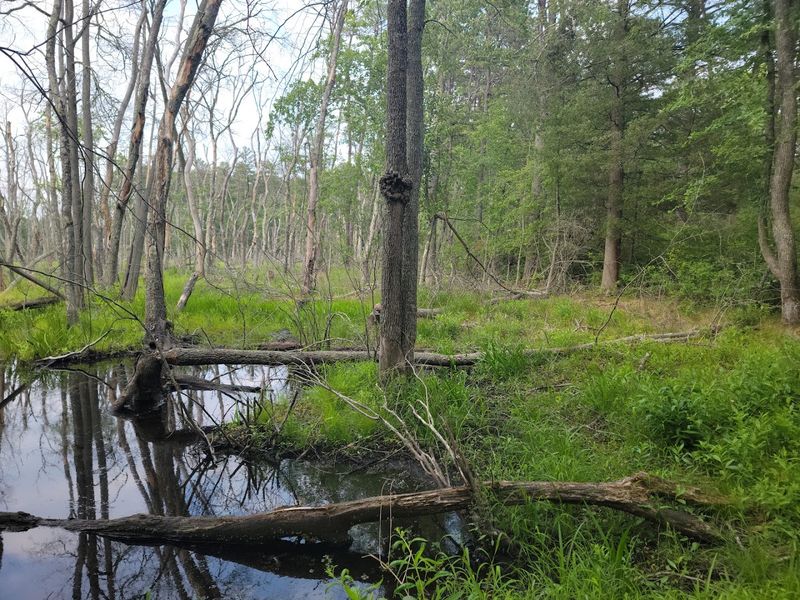
Most people do not think much about what lies beneath their feet on a forest trail. At Michael Huber Prairie Warbler Preserve, however, the ground itself is the star of the show.
A dense, impermeable layer of clay sits just below the sandy surface, forming a natural bowl that traps rainwater and isolates it completely from the surrounding groundwater.
This geological quirk is what makes the spung possible. Without that clay barrier, precipitation would simply drain away into the porous sandy soils typical of the Pine Barrens.
Instead, it pools, lingers, and creates a micro-environment unlike anything else in the region.
Walking through the surrounding pitch pine and scrub oak forest, you get a real sense of ancient ground shaped by forces far older than any trail marker.
The soft crunch of pine needles underfoot, the faint earthy scent rising from the soil, and the hush of the trees all combine to create a quietly thrilling feeling of discovery.
The geology here is not just beneath you. It is alive around you.
Songbirds Fill the Preserve With Music
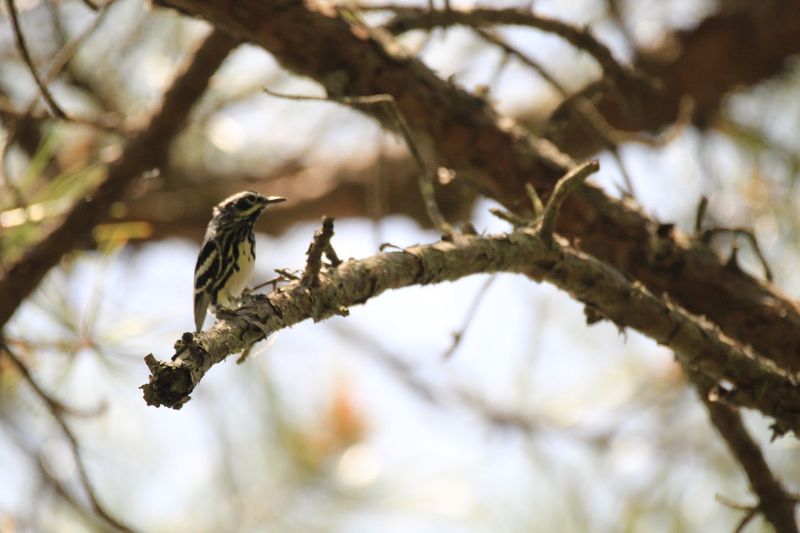
Few things wake up a trail quite like a Prairie Warbler in full song. These small but intensely vocal birds are the unofficial mascots of Michael Huber Prairie Warbler Preserve, and their rising, buzzy trills carry through the scrubby pines with surprising force.
They migrate all the way from the West Indies to breed here, which makes every sighting feel genuinely earned.
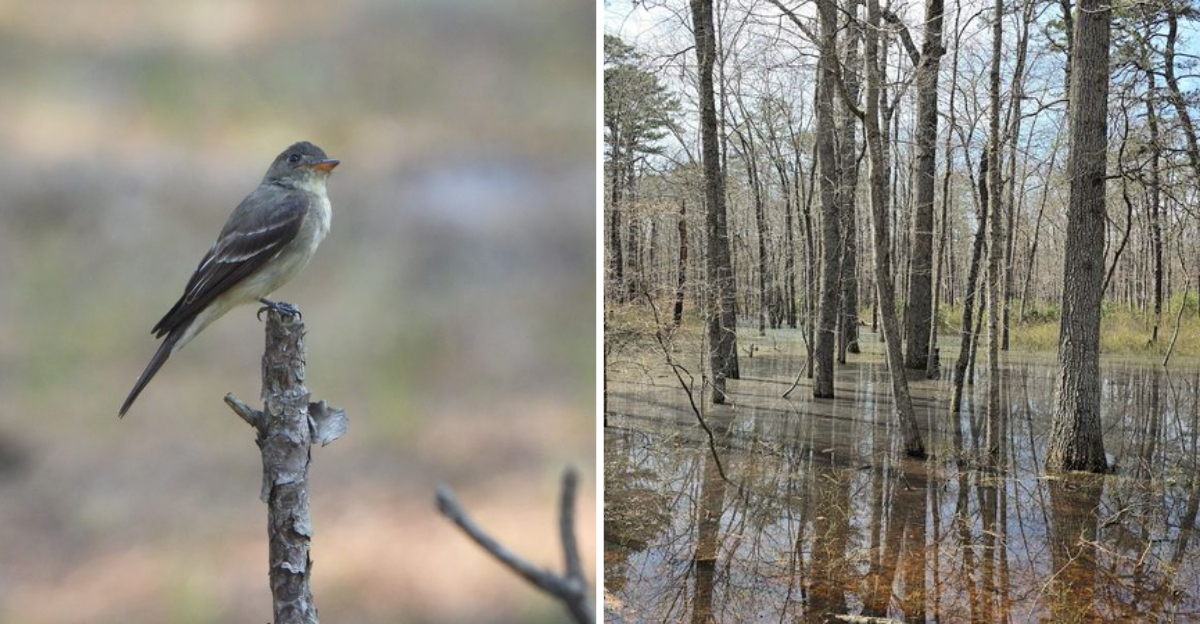
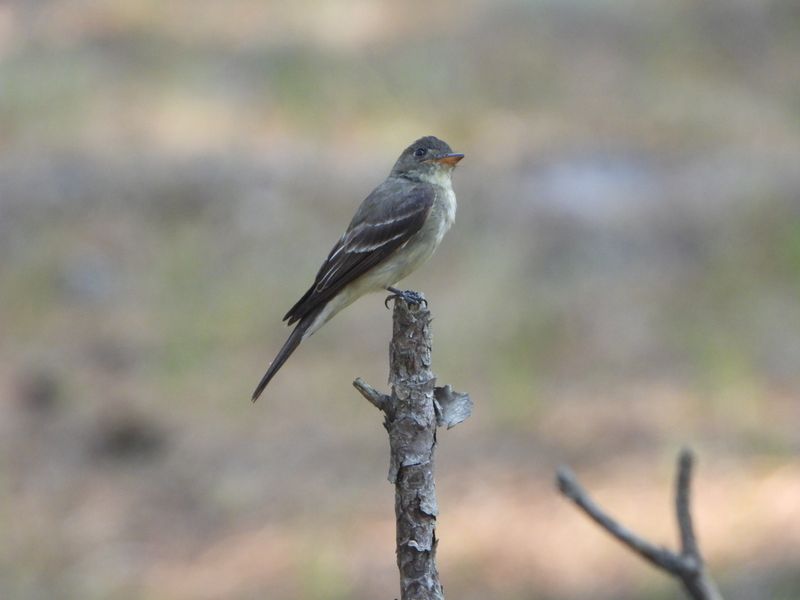
The preserve is also home to Pine Warblers, Eastern Wood Pewees, and Great Crested Flycatchers, among many others. Spring migration turns the whole place into a layered symphony of calls, whistles, and drumming.
Barred Owls occasionally add a haunting depth to the chorus, especially in the quieter corners of the trail network.
Even casual visitors with no birding background tend to stop and tilt their heads upward at some point. The sheer density of sound is hard to ignore.
Bringing a pair of binoculars and a basic bird ID app transforms a simple walk into something far more engaging. The birds here reward patience with moments of pure, uncomplicated joy.
Trails That Lead You Into Hidden Beauty
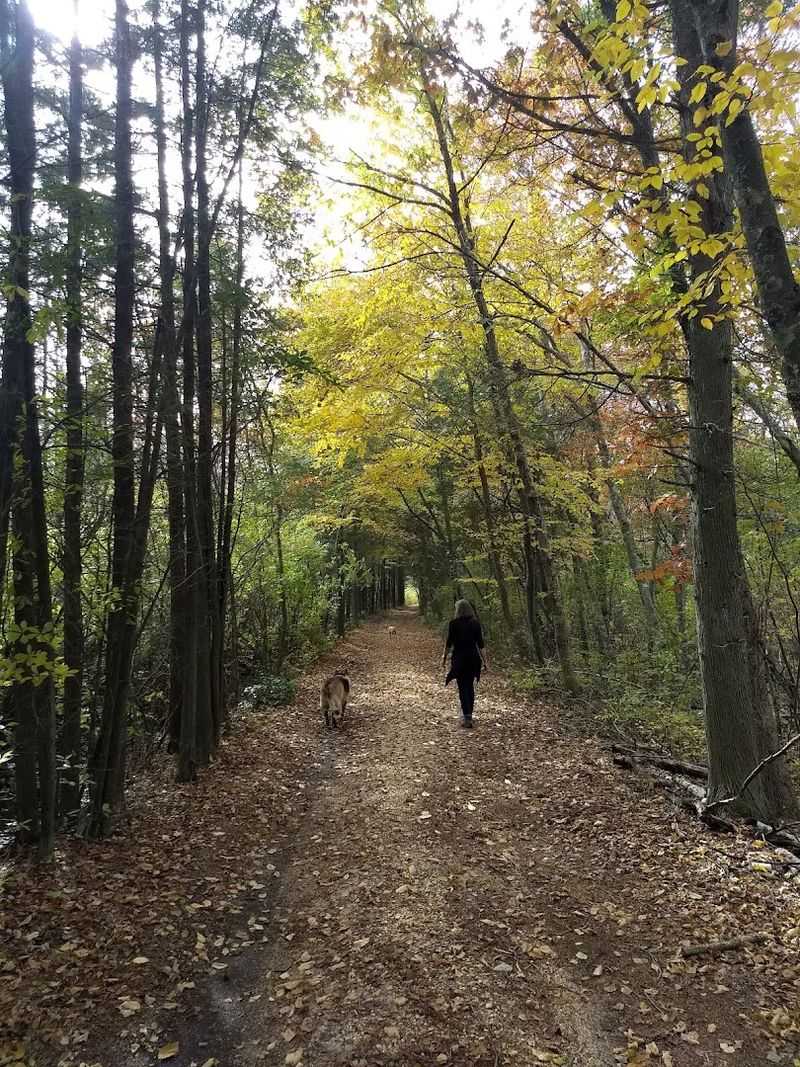
The trail network at Michael Huber Prairie Warbler Preserve spans roughly five miles, offering a satisfying range of options for both casual strollers and more committed hikers.
Sand roads and footpaths wind through diverse habitats, from open pitch pine lowlands to shadier Atlantic White Cedar forests.
Multiple loop configurations mean you can tailor the route to your energy level on any given day.
The white trail is particularly popular, leading to a small bridge with a red barrier that opens up into some of the best birding spots on the property.
Trails are well-maintained and clearly marked, though it helps to keep an eye out for the colored tags on the trees as you move deeper into the preserve.
Mountain bikers are also welcome on certain trails, which adds a nice layer of versatility to the preserve’s appeal. Whether you are out for a brisk forty-five-minute loop or a leisurely two-hour wander, the paths here never feel rushed or crowded.
Each bend in the trail tends to reveal something worth pausing for, a flash of color, a rustling in the brush, or simply a beautiful patch of filtered pine light.
Butterflies and Wildflowers Steal the Show
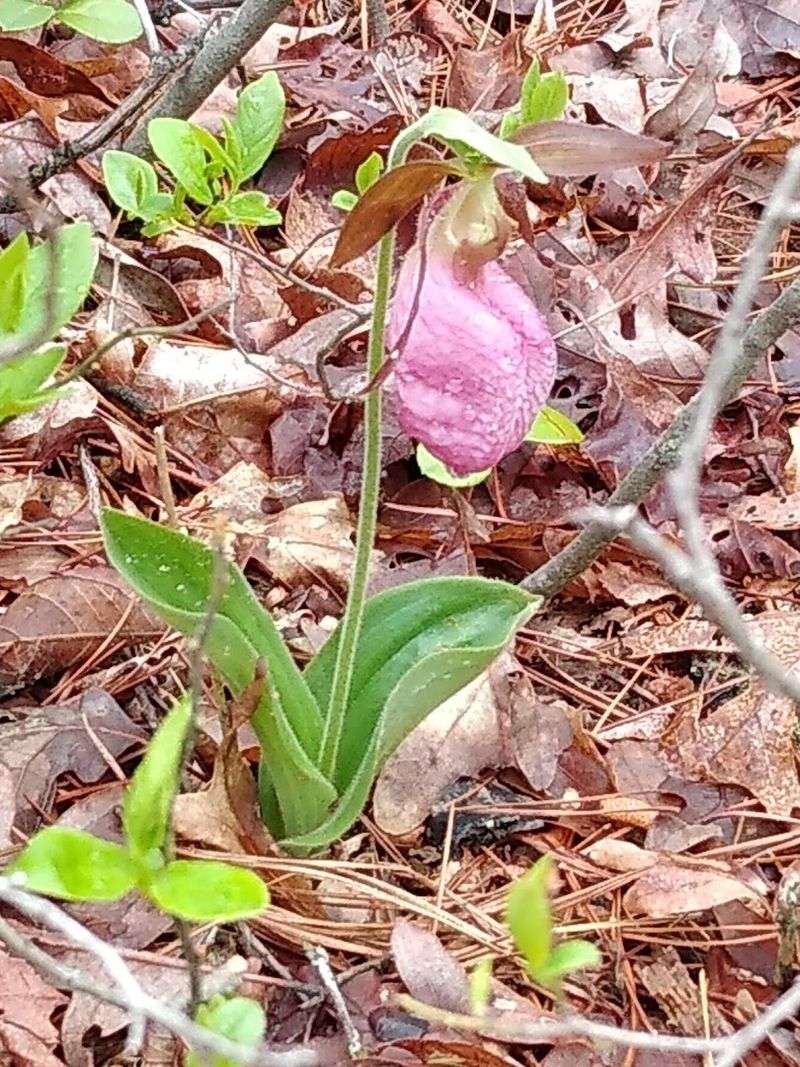
Beyond the birdsong and the geological curiosities, Michael Huber Prairie Warbler Preserve has a softer, more delicate side.
The open clearings and scrubby edges of the trails burst into color during warmer months, when wildflowers push through the sandy soil and attract a steady parade of pollinators.
Damselflies like the ebony jewelwing dart near the wetter areas, their iridescent wings catching the light in brief, brilliant flashes.
The Pine Barrens ecosystem supports a surprising variety of specialized plant life, including species like bog asphodel and Pine Barrens gentian that have adapted to the region’s unique soil conditions.
Spotting these plants requires a slower pace and a willingness to crouch down and look carefully at the ground level.
That slower pace, as it turns out, is the whole point. Rushing through this preserve would mean missing half of what makes it special.
The butterflies and wildflowers are not a backdrop to the experience. They are very much part of the main event, reminding every visitor that extraordinary things often come in small, unhurried packages.
Take your time here.
A Peaceful Escape Just Minutes From Town
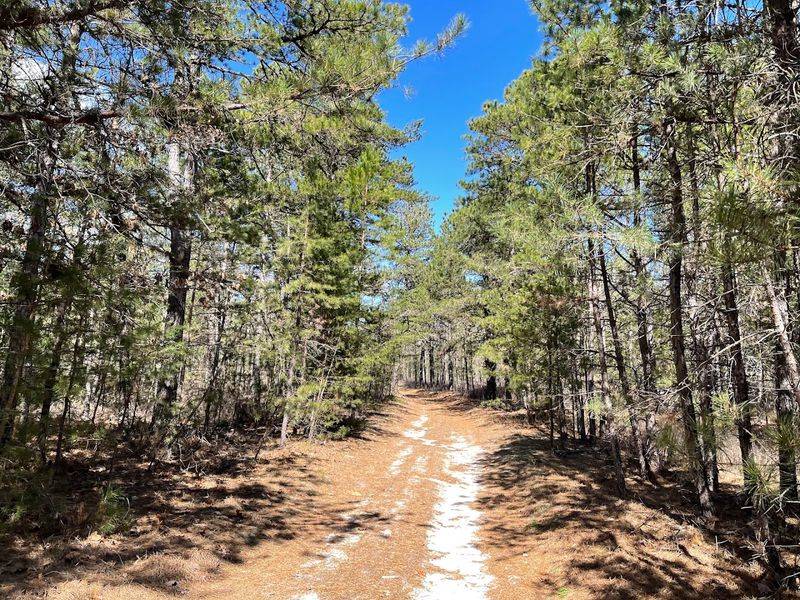
One of the most surprising things about Michael Huber Prairie Warbler Preserve is just how completely it manages to feel removed from everyday life.
The preserve sits close enough to Vincentown and surrounding communities to be an easy day trip, yet the moment you step onto the trails, the noise and pace of ordinary life simply fall away.
Over 1,900 acres of protected land creates a buffer that feels genuinely vast.
Cell service tends to get spotty in certain areas of the preserve, which, honestly, is a feature rather than a flaw. A few hours without notifications and endless scrolling does wonders for the mood.
The quiet here is the productive kind, the sort that makes you think more clearly and breathe a little deeper.
After a morning of wandering through the pines, heading into nearby Vincentown for a warm meal at a local diner or a slice from a family-run pizza spot feels like the ideal ending to the day. The contrast between wild stillness and small-town warmth is a combination that is hard to beat.
This preserve earns its place as a go-to local escape.
Birdwatchers Find Paradise in Vincentown
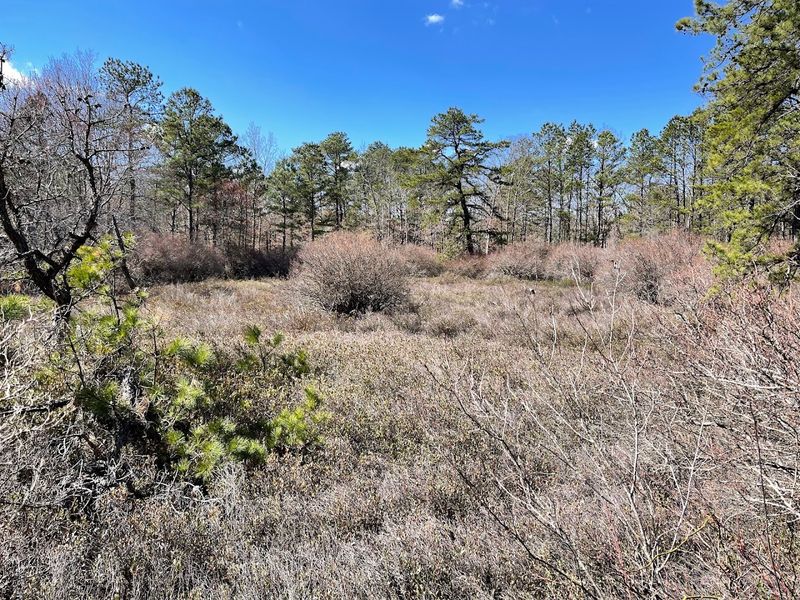
Ask any serious birder in New Jersey where to spend a spring morning, and the area around Vincentown tends to come up quickly.
Michael Huber Prairie Warbler Preserve has built a well-earned reputation as one of the better spots in the state for observing a wide range of species in a single outing.
The combination of early successional scrub habitat, mature pine forest, and the wetland edges creates a layered landscape that different birds use in different ways.
The white trail and the bridge with the red barrier are especially productive spots.
Mixed winter flocks of chickadees, titmice, Golden-crowned Kinglets, and Brown Creepers move through the area in colder months, while spring and summer bring the full chorus of breeding warblers and flycatchers back in force.
Red-headed Woodpeckers are a particularly exciting find for visiting birders, adding a bold splash of color to the otherwise muted Pine Barrens palette.
After a successful morning of spotting, settling into a nearby Vincentown diner for a hot breakfast and a chance to flip through a field guide is a deeply satisfying way to wrap up the experience.
Good birding and good food are a natural pair.
Nature’s Hidden Treasure Beneath the Pines
There is a particular kind of satisfaction that comes from finding a place that has not been over-shared, over-photographed, or turned into a tourist attraction. Michael Huber Prairie Warbler Preserve is exactly that kind of place.
Spanning more than 1,900 acres after recent conservation expansions, it offers vast stretches of pitch pine and scrub oak that feel genuinely remote, even though the parking area is just off a paved road.
The scent alone is worth the trip. Warm pine resin, damp earth after a rain, and the faint sweetness of low-growing vegetation combine into something that no candle or air freshener has ever successfully replicated.
It is the smell of a landscape doing exactly what it was meant to do.
Visitors who come without a rigid agenda tend to have the best experiences here. Wandering slowly, stopping often, and resisting the urge to cover every mile of trail in one go reveals the preserve’s quieter rewards.
Hidden clearings, unexpected bird calls, and the occasional glimpse of a rare plant make this New Jersey gem feel less like a park and more like a discovery waiting to happen every single time.
A Sanctuary Where Rain, Wildlife, and Wonder Meet
At its core, Michael Huber Prairie Warbler Preserve is a place where several remarkable things happen to overlap in one location. Rain becomes a wetland.
Clay becomes a nursery. Scrubby pines become a breeding ground for birds that travel thousands of miles to be there.
None of it is loud or dramatic, but all of it is genuinely extraordinary once you understand what you are looking at.
The preserve works as well for a solo two-hour walk as it does for a full day of birding and botanical exploration. Families with kids who are curious about nature will find plenty to engage with, from the spung’s unusual hydrology to the lively bird activity along the main trails.
The flat terrain and well-maintained paths make it accessible for a wide range of fitness levels.
Wrapping up a visit with a meal at a nearby family-owned Italian restaurant or a classic American diner in Vincentown adds a warm, grounding finish to the day. Good food after good hiking is one of life’s simpler pleasures.
Address: 449 Sooy Place Rd, Vincentown, NJ
