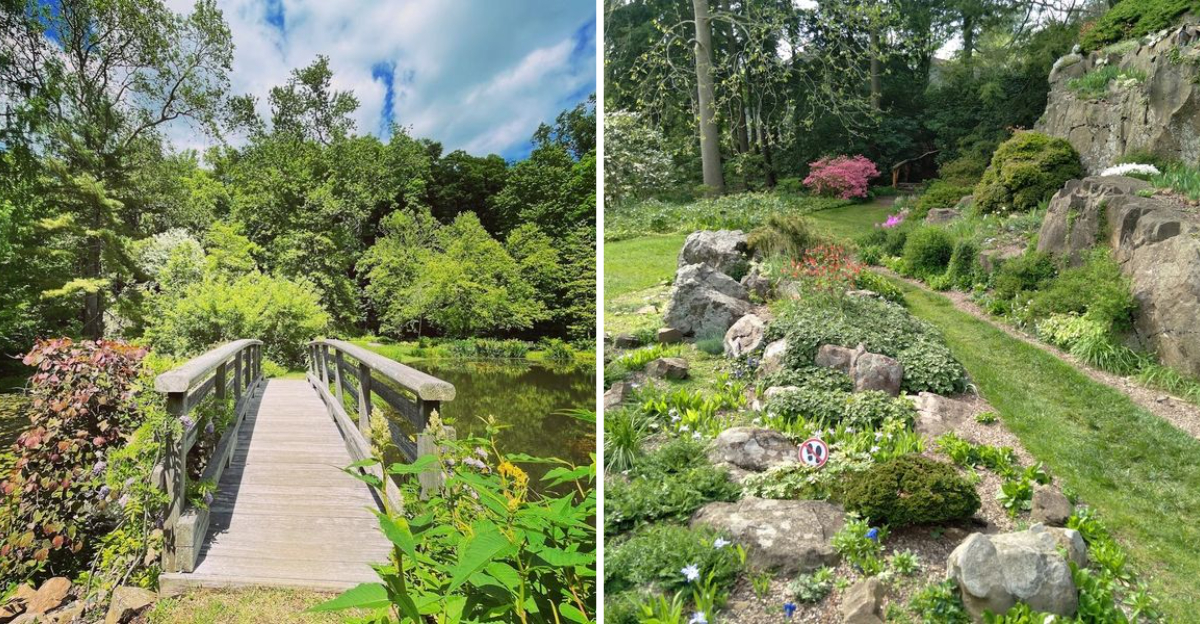
A geologist and a landscape architect walked onto a property in the 1930s, and instead of drawing a single plan, they just started moving rocks by eye.
The result is this 33-acre New Jersey gem, a woodland garden carved from a glacial stream valley with ponds, bridges, and hidden paths around every corner.
Spring brings wildflowers and blooming azaleas, but honestly, any season here feels like stumbling into a landscape painting.
The garden was donated to the public in 1977, and it has been a quiet escape for nature lovers ever since.
Just bring bug spray, leave the dog at home, and prepare to feel very far from Route 287.
The Rock Gardens: Where Geology Meets Beauty
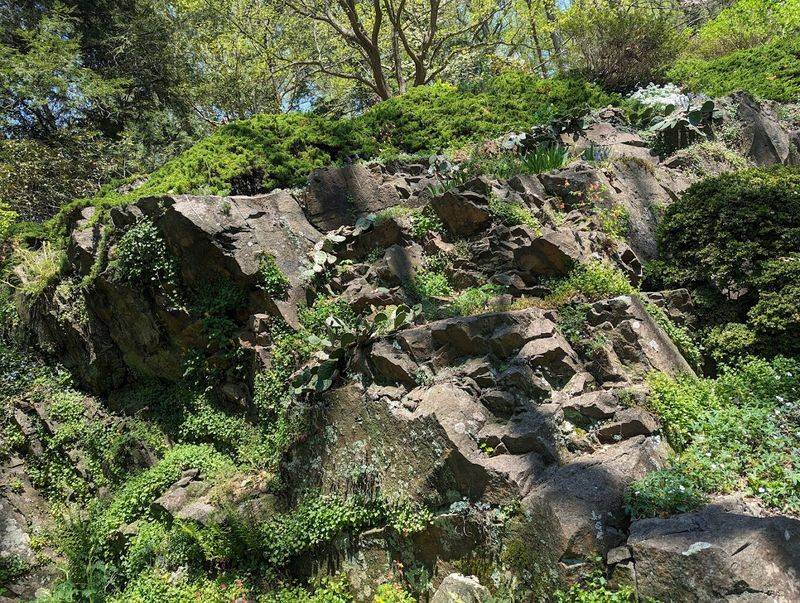
Some gardens impress you with rows of perfectly trimmed hedges. This one hits differently, because the star of the show is the rock itself.
The Leonard J. Buck Garden was originally designed around massive natural rock outcroppings left behind by glaciers thousands of years ago, and each one creates its own little world.
Geologist Leonard J. Buck and landscape architect Zenon Schreiber saw those boulders not as obstacles but as opportunities.
They planted each rocky outcrop with species suited to its unique microclimate, so you get sun-loving plants on exposed ledges and shade-lovers tucked into cool crevices. It feels less like a garden and more like a discovery.
Walking among the rocks, you get a real sense of scale. Some outcroppings tower above you, draped in moss and ferns, while others spread wide across the hillside like natural amphitheaters.
The variety keeps every turn feeling fresh and genuinely surprising. This is geology and horticulture working together in a way that few places in New Jersey can match.
Moggy Hollow: The Glacial Valley That Started It All
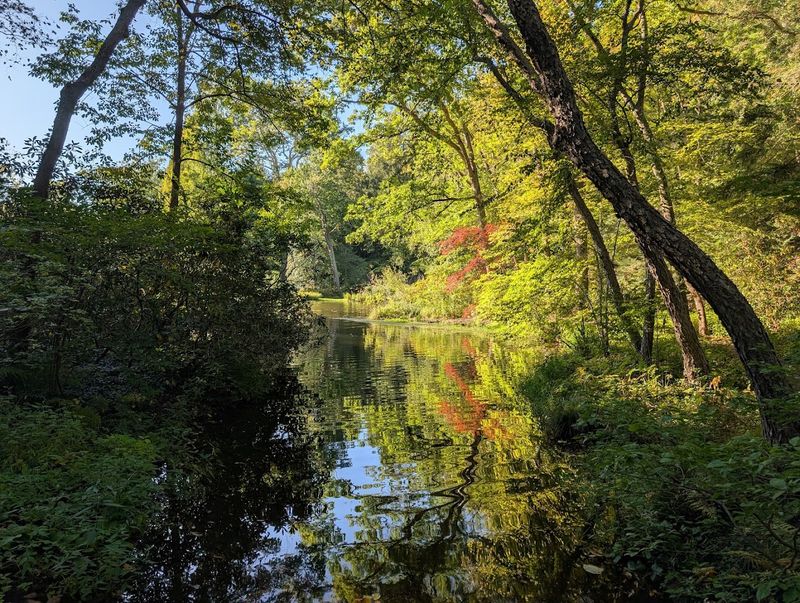
There is something almost magical about standing in a glacial valley and knowing that the landscape beneath your feet was carved by ice thousands of years ago. Moggy Hollow, the stream valley at the heart of the Buck Garden, carries that kind of quiet history with it everywhere you walk.
Moggy Hollow Brook winds through the property, feeding the ponds and keeping the soil rich and moist. That moisture is exactly what makes the plant life here so lush and varied.
Ferns grow thick along the banks, and the tree canopy above creates a cool, green tunnel that feels miles away from suburban New Jersey.
The valley setting also means the terrain changes constantly as you move through it. Low, flat stretches near the water give way to rocky slopes and shaded hillsides.
Each shift in elevation brings a different set of plants and a different quality of light. Moggy Hollow is genuinely one of the most atmospheric natural settings tucked inside any public garden in the entire state.
Woodland Trails That Actually Feel Like an Adventure
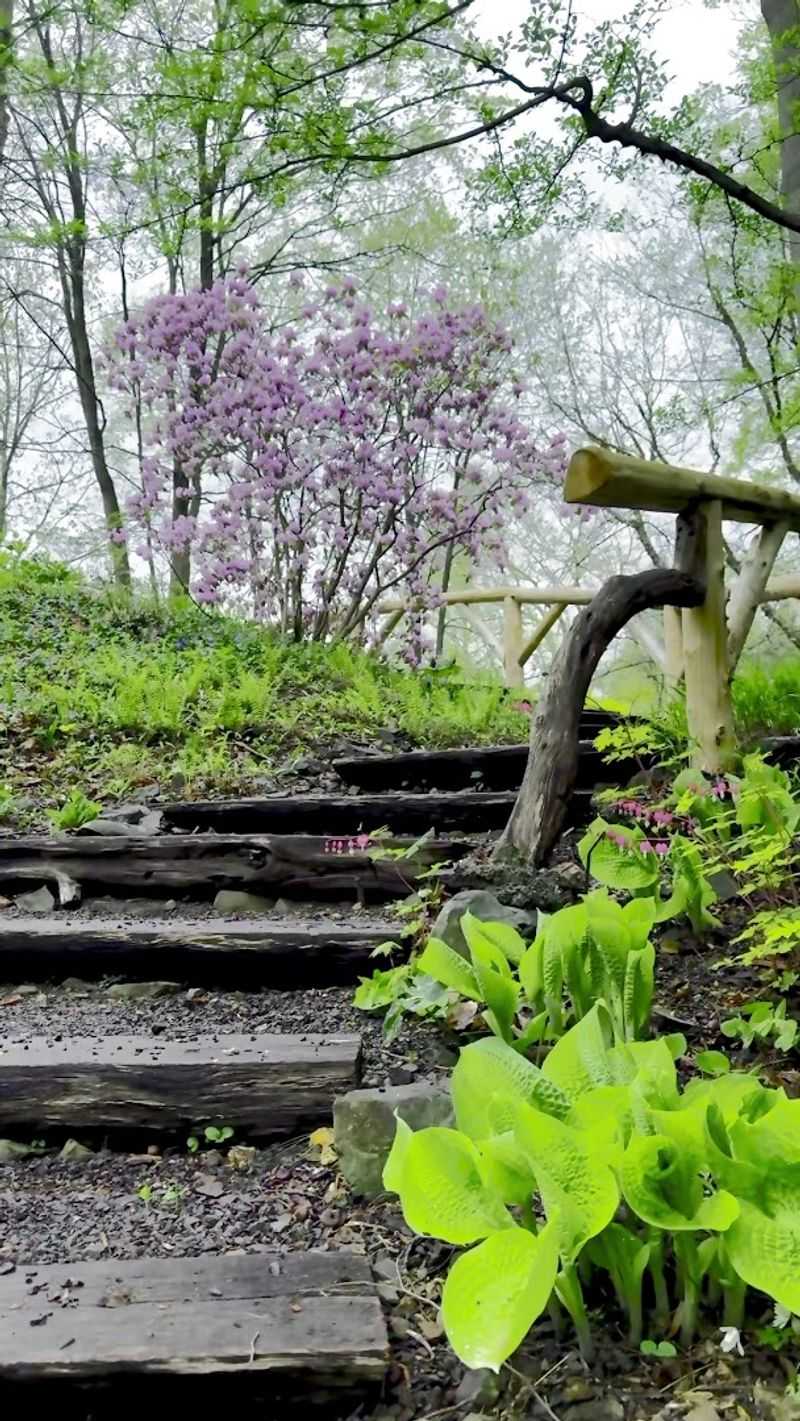
Most botanical gardens have paths that feel more like sidewalks than trails. Buck Garden goes a different direction entirely.
The winding gravel paths here climb over rocky terrain, dip down toward stream banks, and disappear around corners in ways that make you genuinely curious about what comes next.
Some sections are flat and easy, perfect for a slow stroll while taking in the plantings around each rock formation. Other stretches get a bit steeper, with stone steps cut right into the hillside.
Neither extreme is difficult, but the variety keeps the walk interesting from start to finish.
Wildflowers pop up along the path edges throughout the growing season, and the fern coverage is especially impressive in early summer. The trails connect all the major rock outcroppings, so following them means you naturally see the entire garden without needing to backtrack.
Grab a trail map from the visitor center before you head out. It helps you plan which sections to linger in and which ones to save for a second visit.
The Ponds: Lily Pads, Frogs, and Total Calm
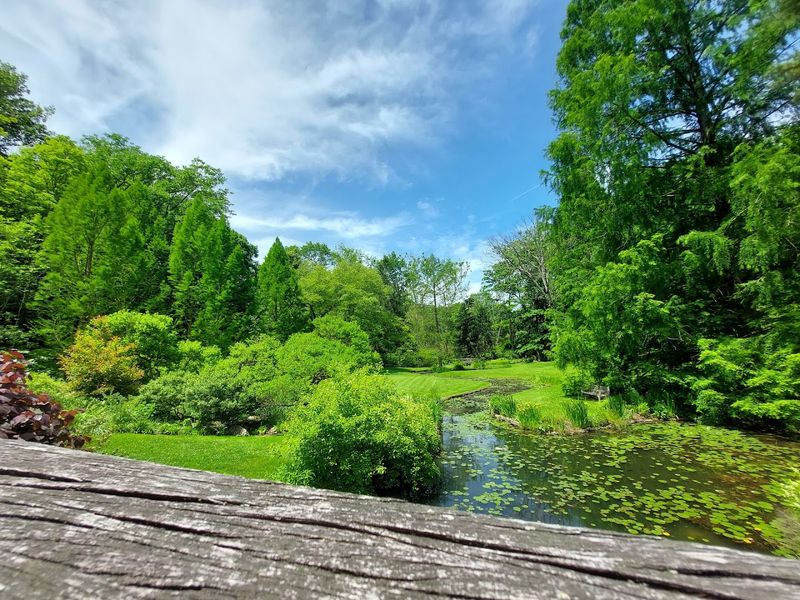
Few things slow a person down quite like a pond covered in lily pads. The lower pond at Buck Garden is exactly that kind of place, the sort of spot where you sit down for five minutes and suddenly realize half an hour has passed.
The water is clear enough to spot fish moving through the shallows, and if you stay quiet, frogs will start popping their heads above the surface with an almost comedic sense of timing. Turtles occasionally sun themselves on rocks near the water’s edge, completely unbothered by visitors.
The whole scene has a natural, unhurried quality that feels genuinely restorative.
A small fountain adds gentle sound and movement to the lower pond without breaking the peaceful mood. The upper pond sits further along the trail and has its own quieter character, surrounded by dense plantings that attract birds throughout the warmer months.
Together, these two water features give the garden a living, breathing quality that sets it apart from purely ornamental spaces. Bring a book.
You will want to stay.
Streams and Bridges: The Little Crossings You Will Remember
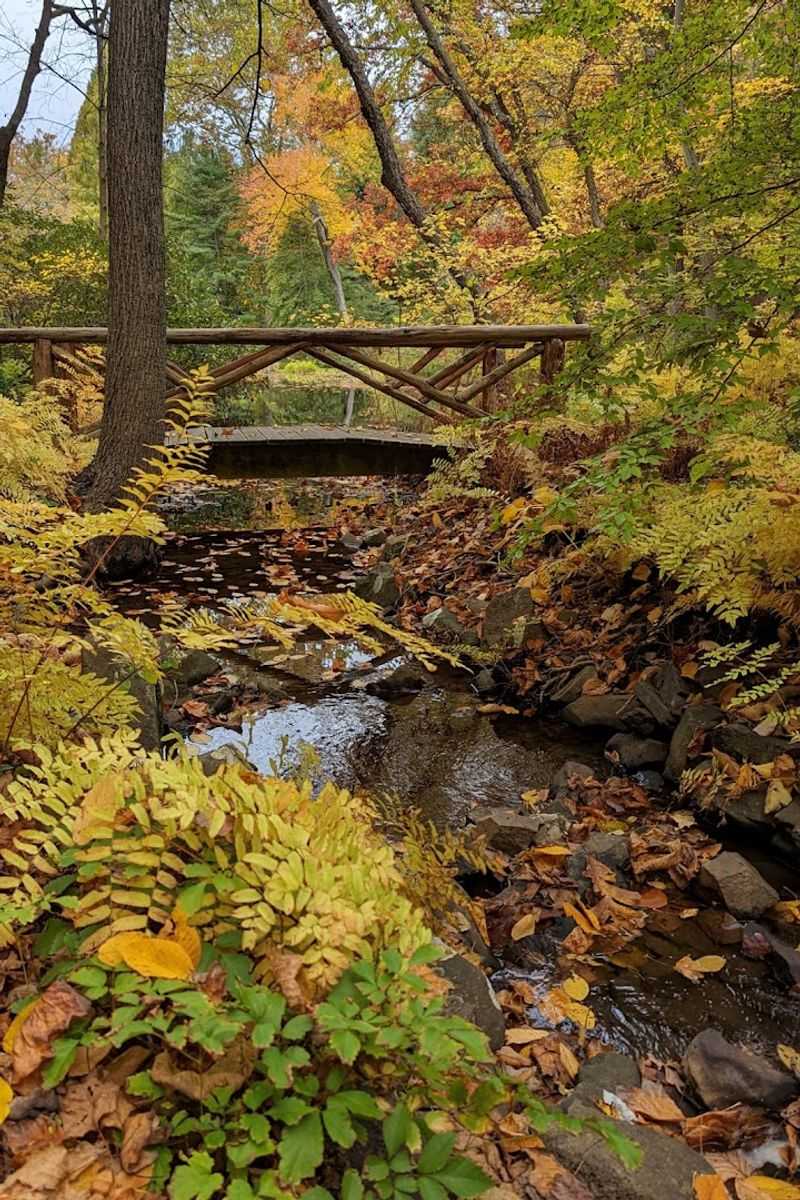
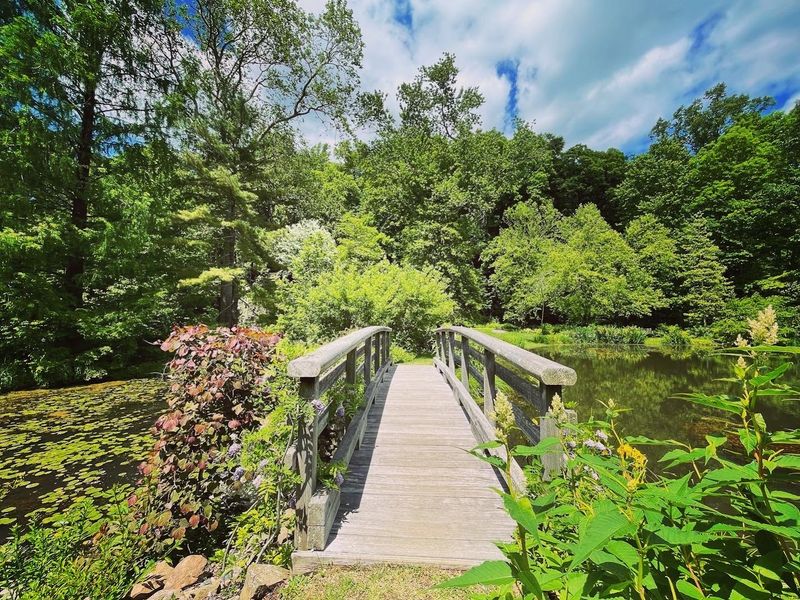
Crossing a little wooden bridge over a babbling stream is one of those simple pleasures that never gets old, no matter how many times you do it.
Buck Garden has several of these crossings scattered along the trails, and each one feels like its own quiet moment worth pausing for.
Moggy Hollow Brook feeds these streams, keeping the water moving steadily through the property even in drier months. The sound of moving water follows you through much of the garden, adding a natural soundtrack that makes the whole experience feel calming in a way that is hard to explain but easy to feel.
The bridges themselves are modest and functional, built to blend into the landscape rather than call attention to themselves. Mossy rocks line the stream banks on either side, and ferns lean in from both edges like they are trying to get a look at the water too.
Standing on one of those bridges with the canopy overhead and the stream below is honestly one of the best free moments this garden has to offer. Pure, simple, and surprisingly memorable.
Plant Collections That Span Continents and Climates
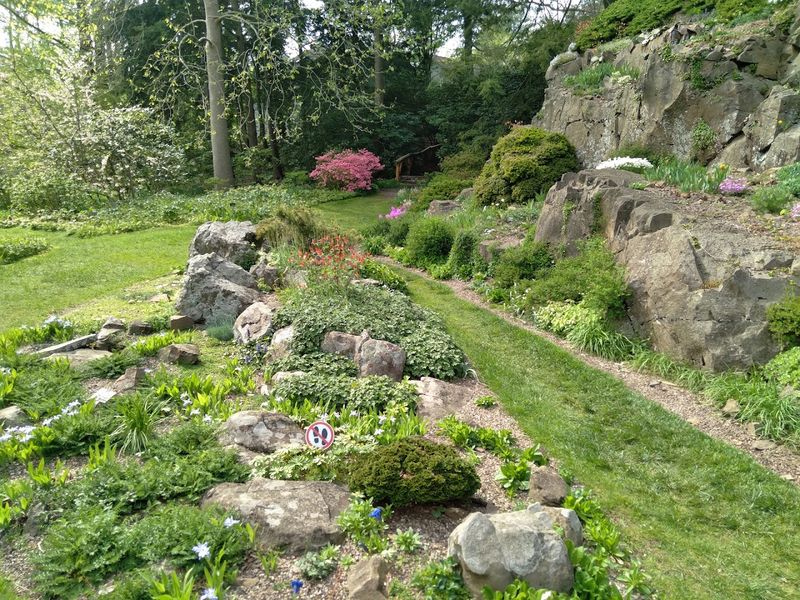
What makes Buck Garden genuinely special from a botanical standpoint is the sheer range of plants growing across those 33 acres. This is not just a local wildflower garden, though it has plenty of those.
The collection includes both native species and carefully chosen exotic plants from similar climates around the world.
Each rock outcropping essentially acts as a raised planting bed with its own drainage, moisture level, and sun exposure. That means a single afternoon walk takes you past plants that would normally grow on entirely different continents.
Alpine species sit near woodland natives. Shade-tolerant exotics nestle beside New Jersey wildflowers.
The contrast is fascinating.
Spring is particularly spectacular, when flowering bulbs, trilliums, and early bloomers carpet the ground between the rocks. Summer brings ferns and hostas to full lush growth.
Even fall has its rewards, with changing foliage turning the whole valley into something worth photographing. The garden rewards repeat visits throughout the year because something new is always coming into its peak.
Bring a plant identification guide if you really want to geek out.
The Visitor Center: History, Maps, and a Cool Bathroom
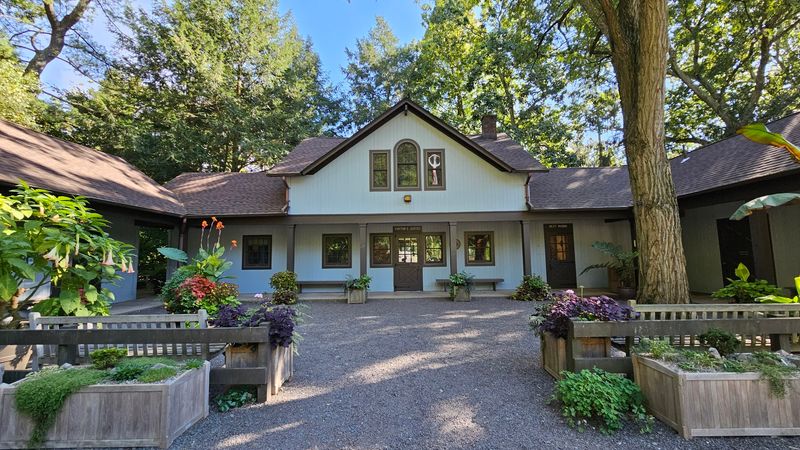
The visitor center at Buck Garden is housed in the original carriage house from the property, and that detail alone makes it worth stepping inside. The building has real character, with solid bones and a warm, unpretentious feel that matches the rest of the garden perfectly.
Inside, you can pick up a trail map that shows all the major rock outcroppings, pond locations, and path options. There is also background information on Leonard J.
Buck himself, the geologist who built this place starting in the 1930s, and on landscape architect Zenon Schreiber, whose design vision shaped everything you see today. It is a genuinely interesting story told without unnecessary fuss.
Clean restrooms are available here, and the facilities are designed with environmental efficiency in mind, which is a thoughtful touch for a conservation-minded garden. There is also a water bottle refill station, so come prepared with a reusable bottle.
The staff here are friendly and happy to point you toward the best spots depending on the season. Starting your visit here sets you up for a much more rewarding walk through the garden.
Seasonal Changes: A Garden Worth Visiting Year-Round
Some places have one good season and then coast on that reputation for the rest of the year. Buck Garden genuinely earns its reputation across every season it is open, which runs from April through November with weekday and weekend hours that accommodate most schedules.
Spring is the showiest time, with bulbs, trilliums, and early perennials blooming against the still-bare tree trunks in a way that feels almost theatrical. By summer, the ferns have filled in completely and the ponds are at their most lush and alive.
Fall brings a slower, warmer kind of beauty as the foliage turns and the light goes golden through the canopy.
Even the quieter shoulder months have their appeal. Early spring visits catch the first brave blooms pushing through leaf litter around the rocks.
Late fall walks feel contemplative and unhurried, with the garden stripped back to its structural bones. The rock formations actually become more visible and dramatic once the leaves drop.
Each season offers something genuinely different, which is exactly why so many visitors end up coming back more than once.
Planning Your Visit: What to Know Before You Go
Getting to Buck Garden is straightforward. The drive in is pleasant, winding through quiet Somerset County roads that feel like a preview of the calm waiting inside the garden.
There are two small parking lots on the property, and they fill up faster than you might expect on weekends. Arriving early, especially on Saturday or Sunday, gives you the best shot at a spot without having to park along the road and walk in.
Weekday visits are quieter and often feel almost private.
Admission is donation-based, with six dollars suggested for adults and three dollars for seniors and children. Hours run Monday through Friday from ten in the morning until four in the afternoon, Saturday until five, and Sunday from noon until five.
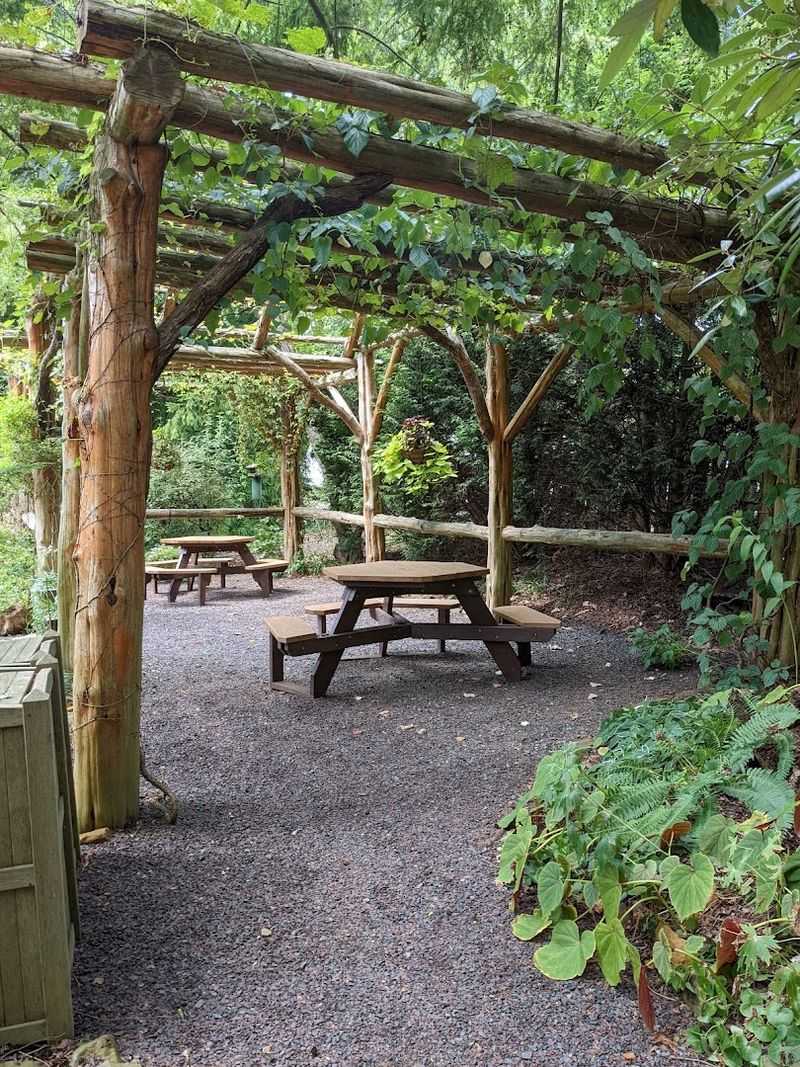
Wearing comfortable shoes with some grip is smart given the gravel paths and occasional stone steps. Bring insect repellent in summer, a water bottle any time, and a willingness to take your time.
Address: 11 Layton Rd, Far Hills, NJ
