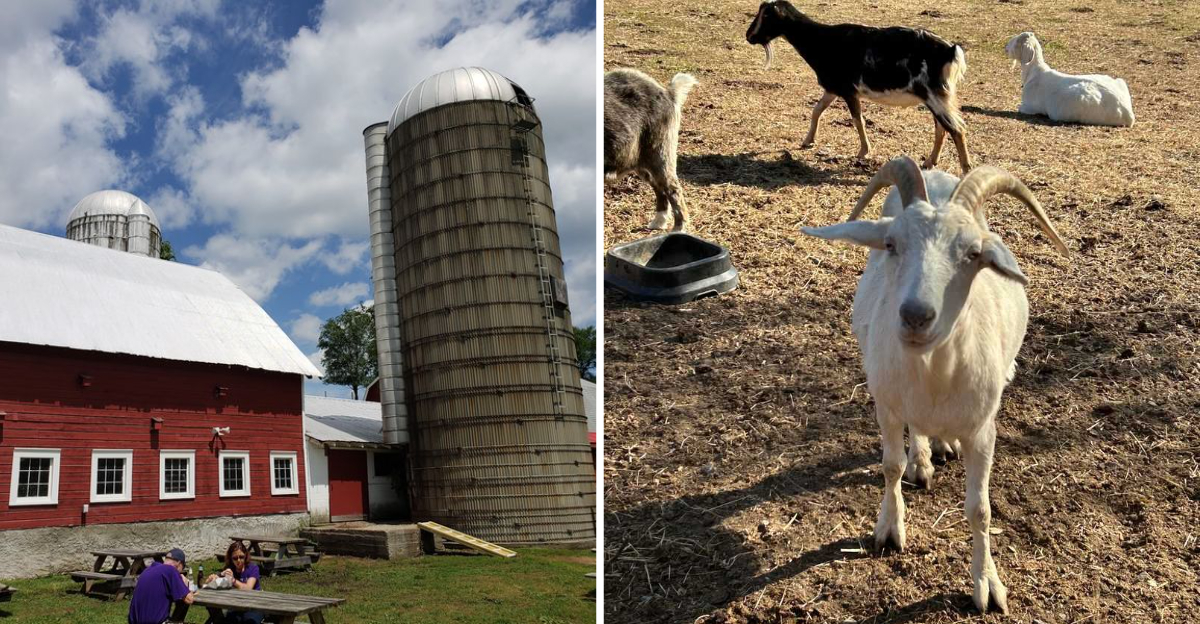
Imagine wandering through rolling green pastures where hundreds of rescued animals finally know what safety feels like. That’s exactly what awaits at this heartwarming sanctuary in the Garden State.
Over four hundred furry and feathered souls have found their forever home here, and I promise their stories will touch your heart in ways you never expected.
Cows amble freely across open fields, pigs root around in the sunshine, and goats climb every surface they can possibly find. Each animal has a name, a personality, and a second chance at life thanks to the devoted team running this place.
Bring the whole family, pack some carrots for the donkeys, and prepare to fall in love with every single resident. New Jersey’s most compassionate hidden gem is waiting to welcome you with open arms and happy snouts.
The Story Behind Skylands Sanctuary
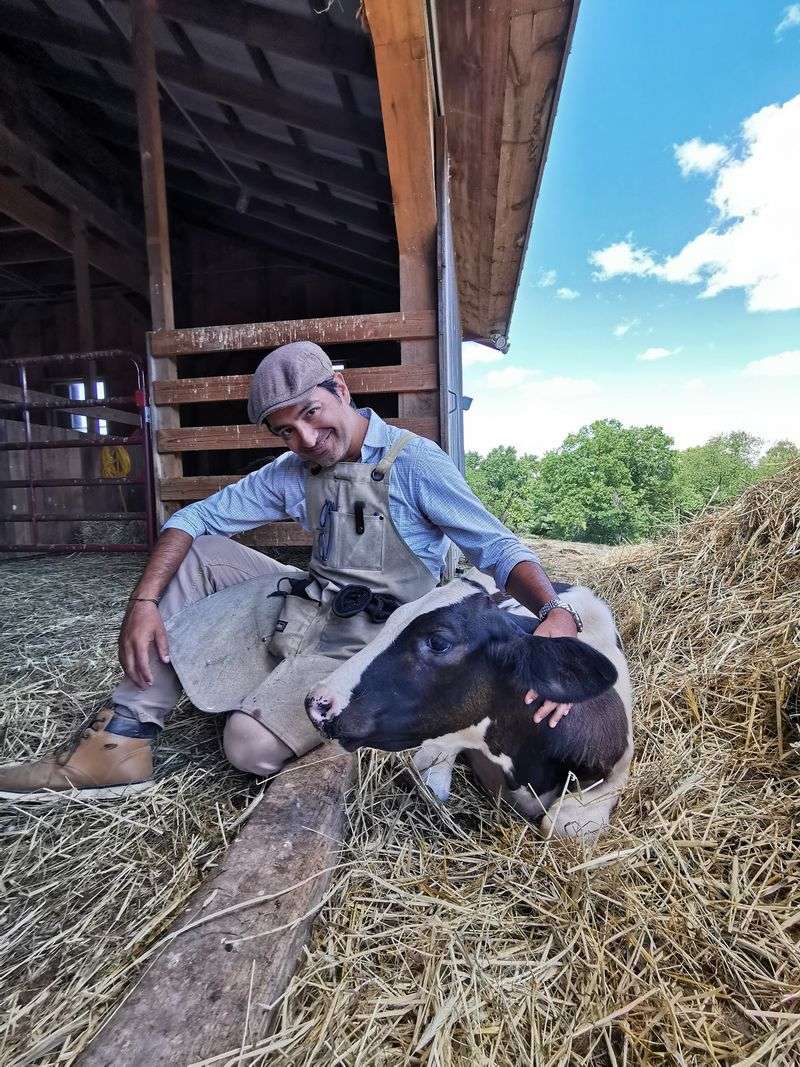
Some places exist because one person refused to look away. Skylands Animal Sanctuary and Rescue in Wantage, New Jersey was founded in 2014 by a man who spent years volunteering at other sanctuaries.
The spark came from a sick calf. Stura rescued him, nursed him back to health, and realized that animals like Jimmy needed more than temporary help. They needed a home that would last.
What started on a modest piece of land with a handful of animals has since grown into a 240-acre sanctuary housing over 400 residents. The mission has always been clear: rescue, rehabilitate, and provide lifelong care.
The sanctuary also promotes compassionate vegan living through community education, making it as much about changing minds as it is about saving lives. It is a place built entirely from conviction.
240 Acres of Space and Freedom
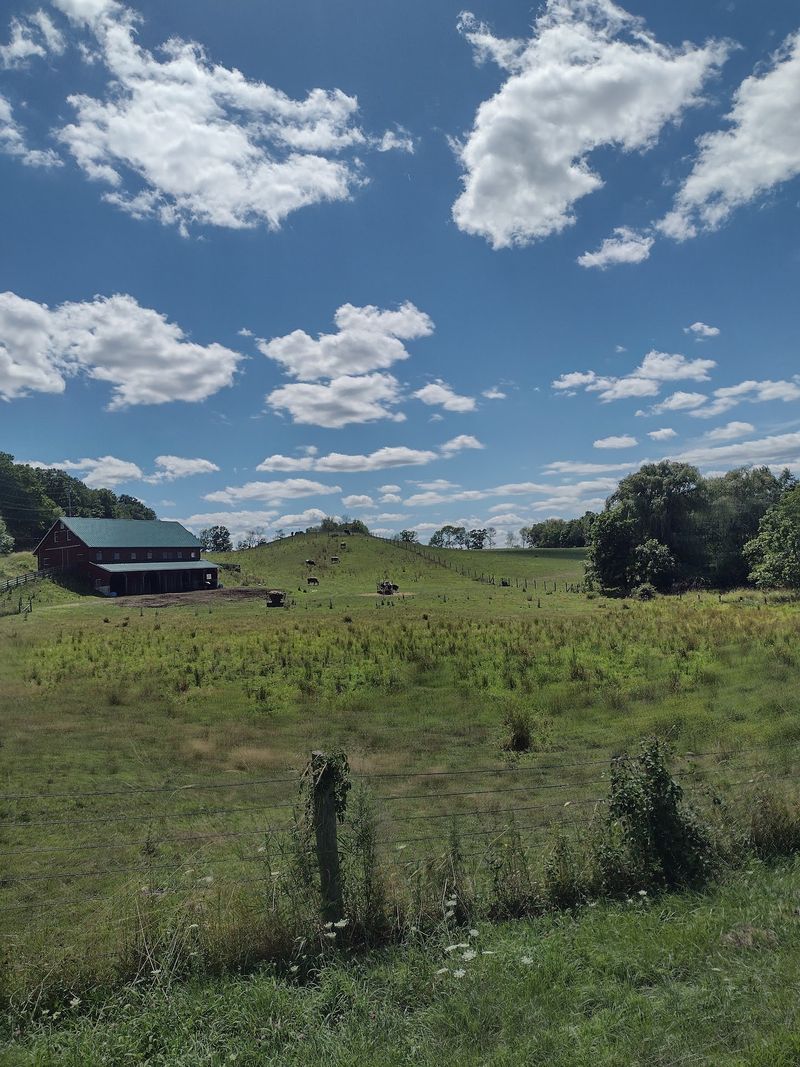
Space matters more than people realize when it comes to animal welfare. At Skylands, the animals are not confined to small enclosures or crowded pens. They have 240 acres of land to roam, graze, and simply exist without fear.
The sheer size of the property is something you feel the moment you arrive. Open pastures stretch in every direction, dotted with barns and shade trees. Cows wander unhurried. Pigs nap in the sun. It feels genuinely peaceful in a way that is hard to put into words.
Each animal has access to food, clean water, shelter, and regular veterinary care. The sanctuary prioritizes individual attention, making sure every resident has room to run, sleep comfortably, and behave naturally. That level of care across such a large population is remarkable.
For visitors, the landscape itself becomes part of the experience, a wide-open reminder that animals, when given the chance, thrive with dignity and space.
Ricardo the Bull Who Made Headlines
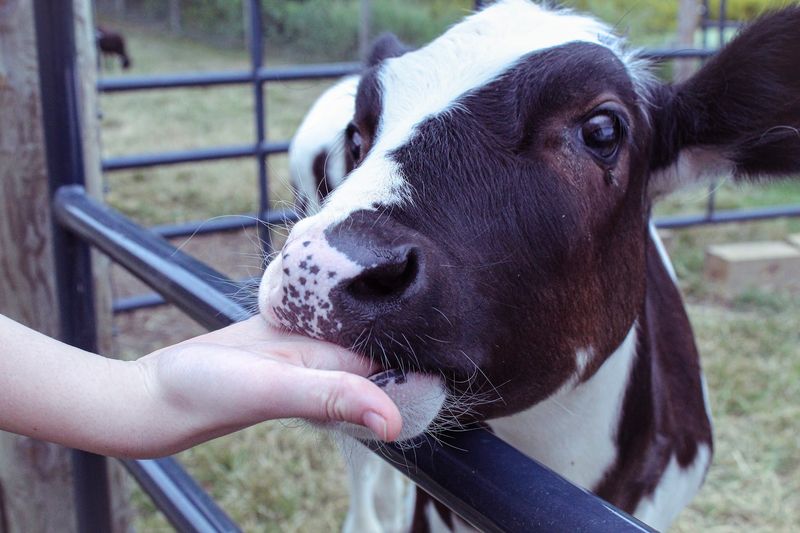
Ricardo the bull is one of those animals whose story sounds almost too dramatic to be true. He was found wandering near New Jersey Transit train tracks, confused and alone, before being brought to Skylands where he has lived ever since.
His arrival drew significant media attention, and the coverage helped put the sanctuary on a wider map. Ricardo became a symbol of the unexpected ways animals end up needing rescue. Train tracks are not exactly where most people picture a bull, but there he was.
Today, Ricardo is a calm and healthy resident of the sanctuary. Visitors who meet him often say the experience is disarming. There is something about standing near an animal that large, knowing he has been through something that harrowing, that shifts your perspective in a quiet but lasting way.
His story also serves as a reminder of how quickly life can change for farm animals, and why sanctuaries like Skylands matter so much.
Brianna the Cow and Her Calf Winter
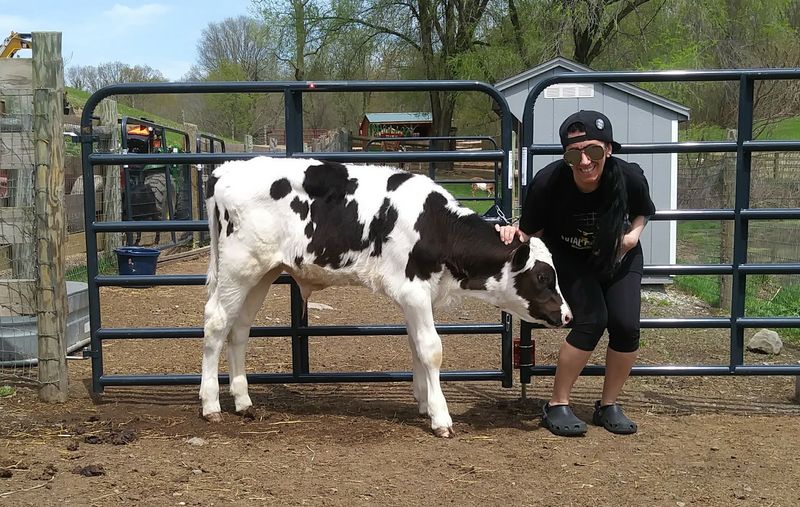
Brianna’s story is the kind that people share because they simply cannot stop thinking about it. Pregnant and being transported to a slaughterhouse, she leaped from a moving truck in an act that felt more deliberate than accidental.
She was recovered and brought to Skylands, where she was given the care she desperately needed.
Not long after her arrival, Brianna gave birth to a healthy calf named Winter. Both mother and calf have remained at the sanctuary, living out their days in safety and comfort. Winter’s birth felt like a symbol for everything the sanctuary stands for.
Seeing Brianna graze with Winter nearby is one of those moments that visitors tend to carry home with them. It is not sentimental in a forced way. It is just real. Two lives that could have ended very differently are instead living quietly in the New Jersey hills.
That quiet is the whole point. It is what Skylands protects every single day.
Freddy the Pig Who Escaped a Slaughterhouse
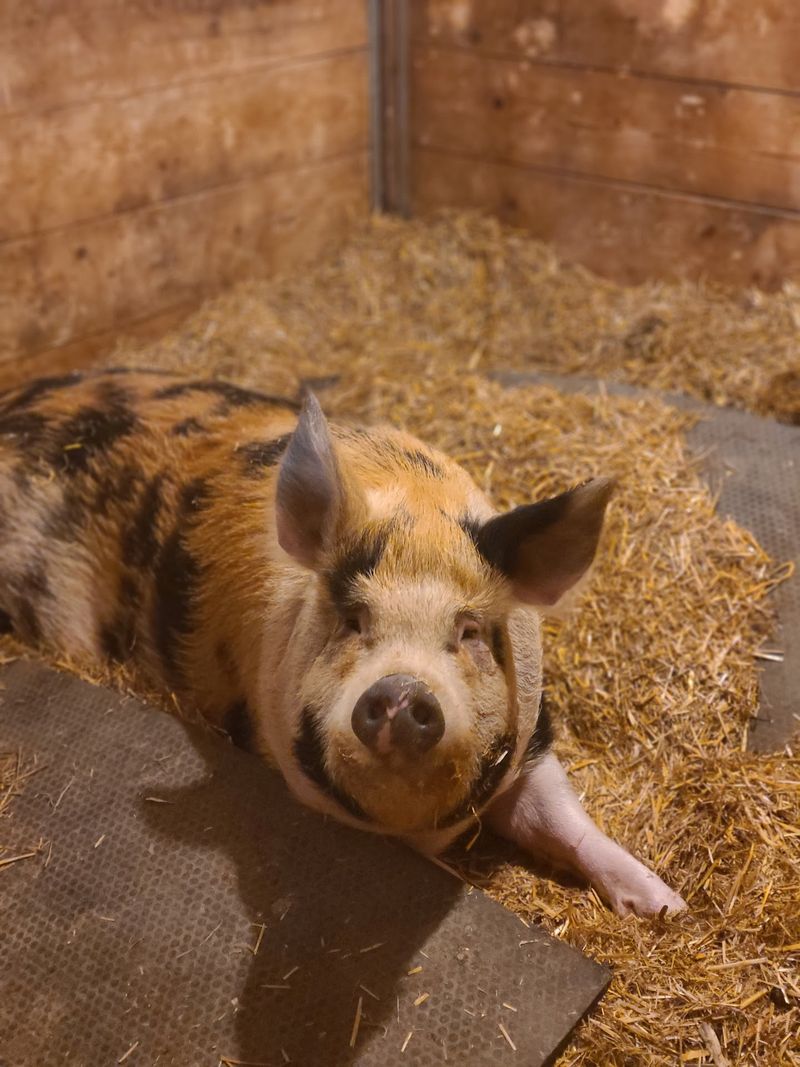
Freddy the pig has a reputation at Skylands that precedes him. He escaped a slaughterhouse, which is the kind of sentence that makes you stop mid-scroll and read again. His boldness apparently did not diminish after his rescue.
He arrived at the sanctuary with a personality that quickly made him one of the most recognized residents.
Pigs are extraordinarily intelligent animals, and Freddy seems to know it. He has his routines, his preferences, and his moods. Visitors who encounter him often describe the interaction as surprisingly engaging, like meeting someone who is fully aware of the impression they are making.
Freddy’s story also does something important: it puts a face on an animal that most people rarely think about as an individual. He is not a category or a product. He has a name and a history.
At Skylands, that is true for every resident, but Freddy has a particular way of making that point land without any explanation needed.
The Variety of Animals Calling Skylands Home
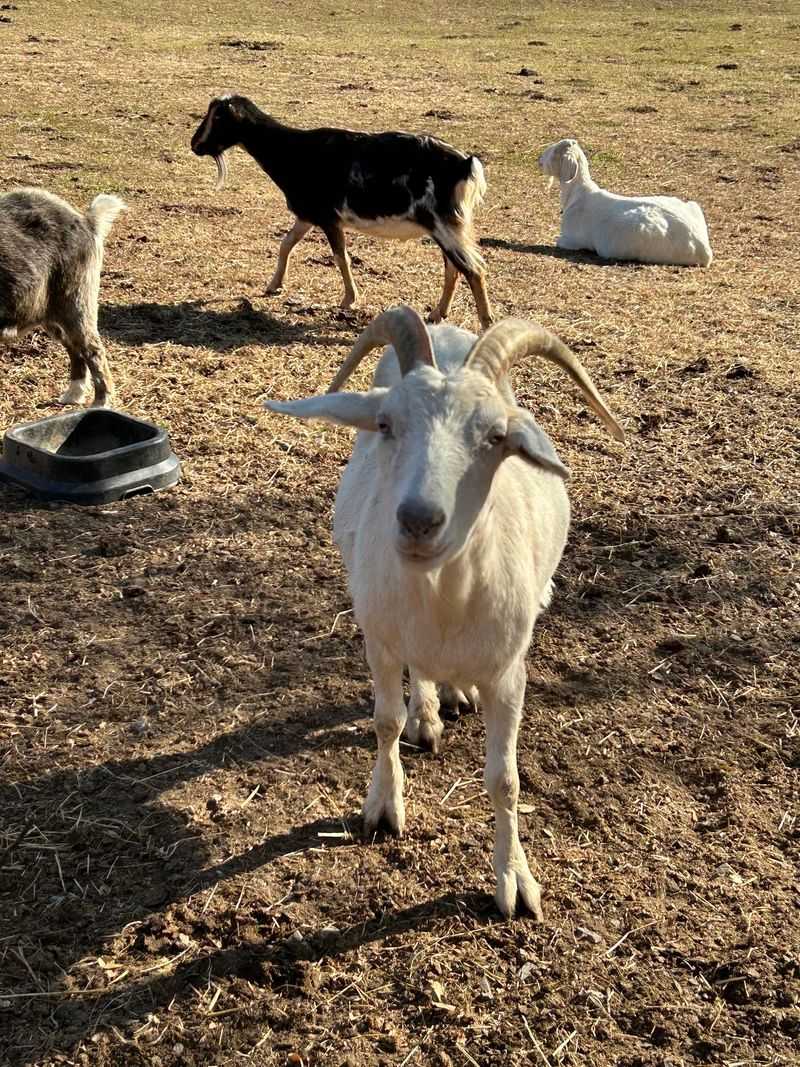
One of the first things that surprises visitors is just how many different species share the land at Skylands. Cows and pigs get a lot of attention, but the sanctuary is also home to goats, sheep, turkeys, chickens, ducks and even a goose named for good reason as a fan favorite.
Each species has its own area and social dynamics, and watching them interact is genuinely entertaining. Goats have their own unmistakable curiosity. Turkeys are far more expressive than most people expect. Miniature donkeys are, frankly, hard to walk away from.
The diversity of animals here reflects the range of situations that lead to rescue: slaughterhouses, live markets, neglect, abandonment, and farms that could no longer provide care. Some arrived in groups. Others came alone.
All of them receive the same standard of lifelong attention and medical support. For anyone who grew up thinking farm animals were interchangeable, a visit to Skylands is a thorough and gentle correction.
Where These Animals Come From
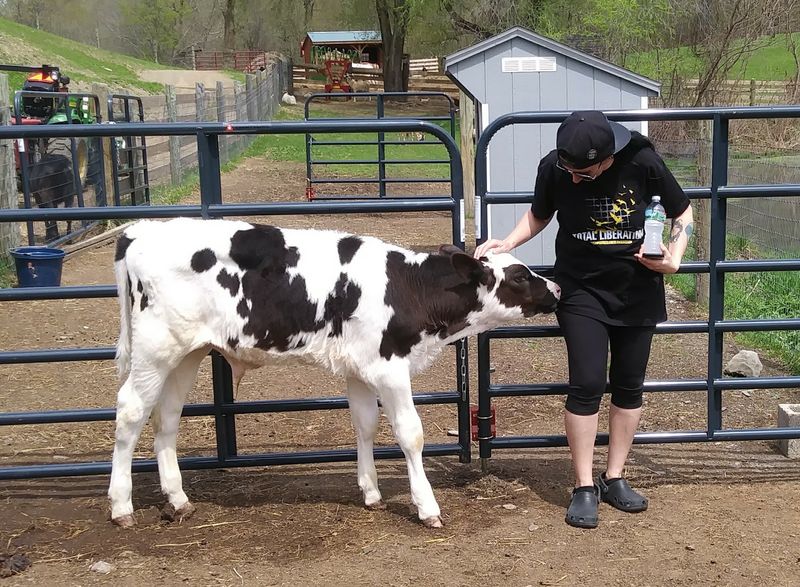
Understanding where Skylands’ residents come from adds a layer of weight to every visit. The sanctuary takes in animals from slaughterhouses, live markets, farms, and situations involving severe neglect or abuse. Some are found wandering streets, abandoned without explanation.
Each intake situation is different, and the sanctuary responds accordingly. Some animals arrive frightened and shut down. Others are physically injured or malnourished. The rehabilitation process is slow and patient, built around trust rather than schedules.
The breadth of sources matters because it shows how widespread the need actually is. This is not a niche problem in a single corner of the agricultural system. Animals arrive from all kinds of circumstances, and Skylands has positioned itself to respond to as many as possible.
The commitment to lifelong care means that once an animal arrives, it stays. There are no transfers, no returns, and no expiration on the sanctuary’s responsibility. That permanence is what separates a true sanctuary from a temporary holding facility.
Guided Tours and Visiting Skylands
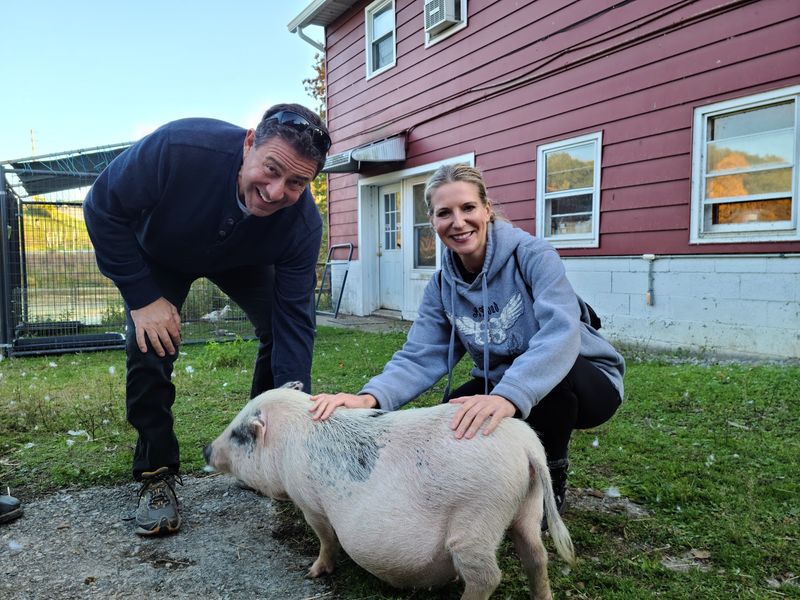
Skylands offers guided tours, primarily on weekends during warmer weather, giving visitors a structured and meaningful way to meet the animals and hear their individual stories. Groups can also arrange visits by contacting the sanctuary directly, which is worth doing well in advance.
The tours are not passive. Guides share the background of specific animals, explain the rescue process, and give context to what visitors are seeing. You leave knowing names, not just species.
The atmosphere during a visit is calm and unhurried. There is no pressure to feel a certain way or perform enthusiasm. People tend to naturally slow down once they are on the property, almost like the land itself sets the pace.
Many visitors describe it as one of the more unexpectedly restorative outings they have had in New Jersey. It is not a zoo, and it does not feel like one. It feels like spending time somewhere that genuinely cares about the lives it tends to every day.
The Mission of Compassionate Education
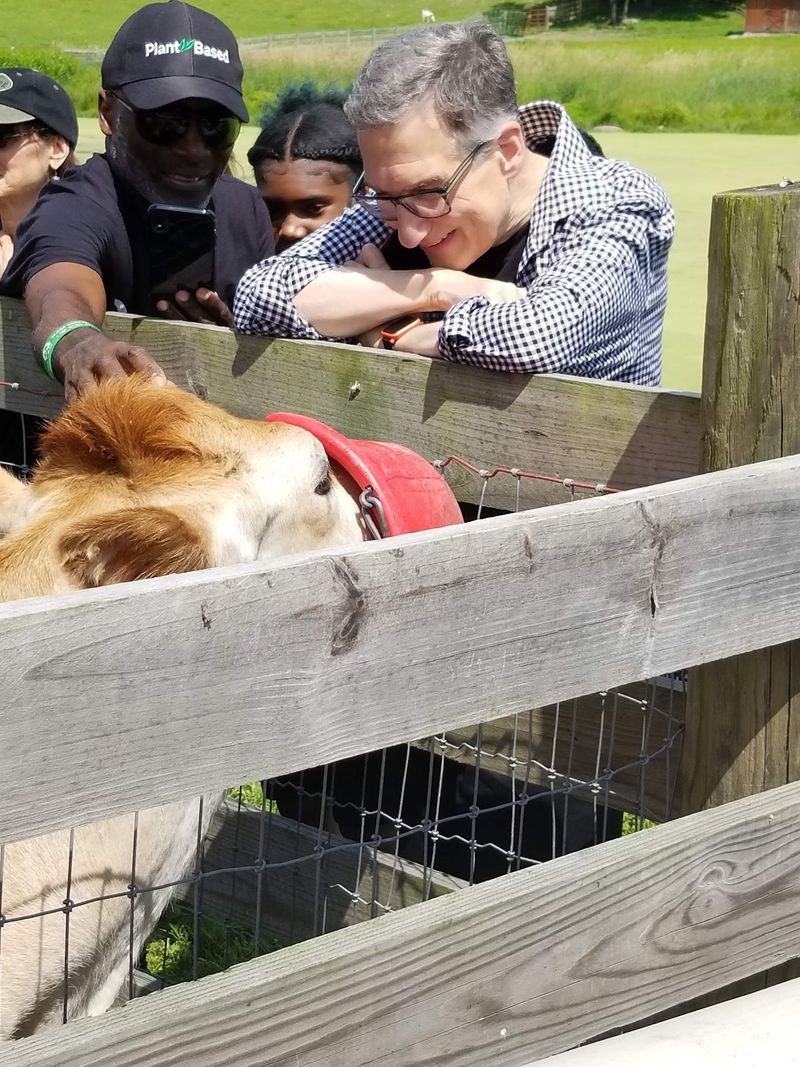
Rescue is only part of what Skylands does. The sanctuary also invests heavily in public education, using its animals and their stories to promote compassionate vegan living and broader awareness about how farm animals are treated in conventional systems.
That educational mission shows up in how tours are conducted, in the content the sanctuary shares publicly, and in the relationships it builds with visitors who return again and again. Some people arrive curious. Others arrive already aligned with the mission.
Many leave having shifted something in their thinking, even if they cannot quite name it.
What makes the education feel effective here is that it is grounded in reality rather than abstraction. You are not reading statistics or watching a screen. You are standing next to Brianna, or scratching a goat behind the ears, or watching a turkey follow a volunteer across a field.
That kind of direct experience tends to do more than any pamphlet ever could. The animals themselves are the most persuasive educators on the property.
Getting to Skylands from New York City
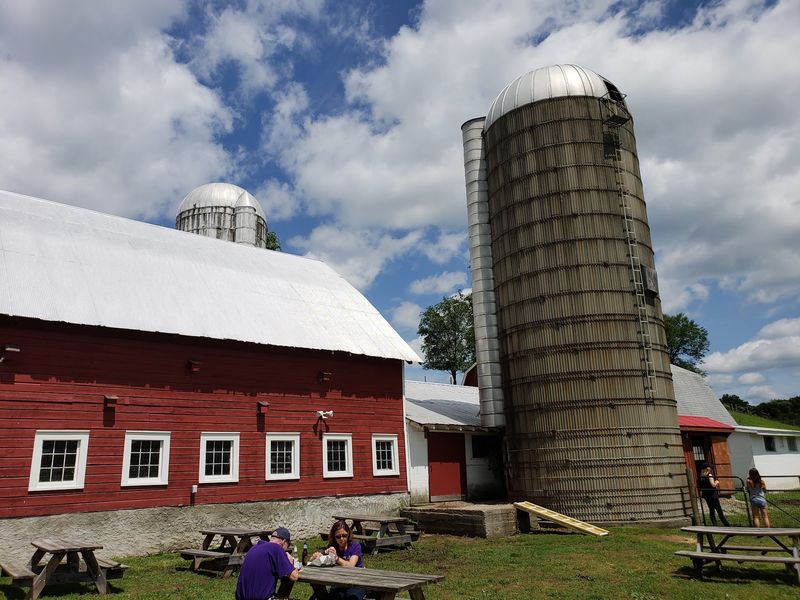
Skylands Animal Sanctuary sits about 54 miles from New York City, making it a very manageable day trip for anyone based in the metro area. The drive takes roughly an hour to an hour and a half depending on traffic, and the route through northern New Jersey is genuinely pleasant.
Wantage itself is a quiet township in Sussex County, far enough from the city to feel like a real escape. Arriving there after the pace of New York feels like exhaling.
If you are planning a visit, checking the sanctuary’s schedule ahead of time is essential since tours run primarily on weekends and availability can vary. Wearing comfortable shoes and dressing for the weather makes a noticeable difference, especially in spring when the ground is soft.
The sanctuary is worth the drive, not just as an outing but as an experience that tends to linger in your memory far longer than most weekend plans do.
Address: 50 Compton Road, Wantage, New Jersey
