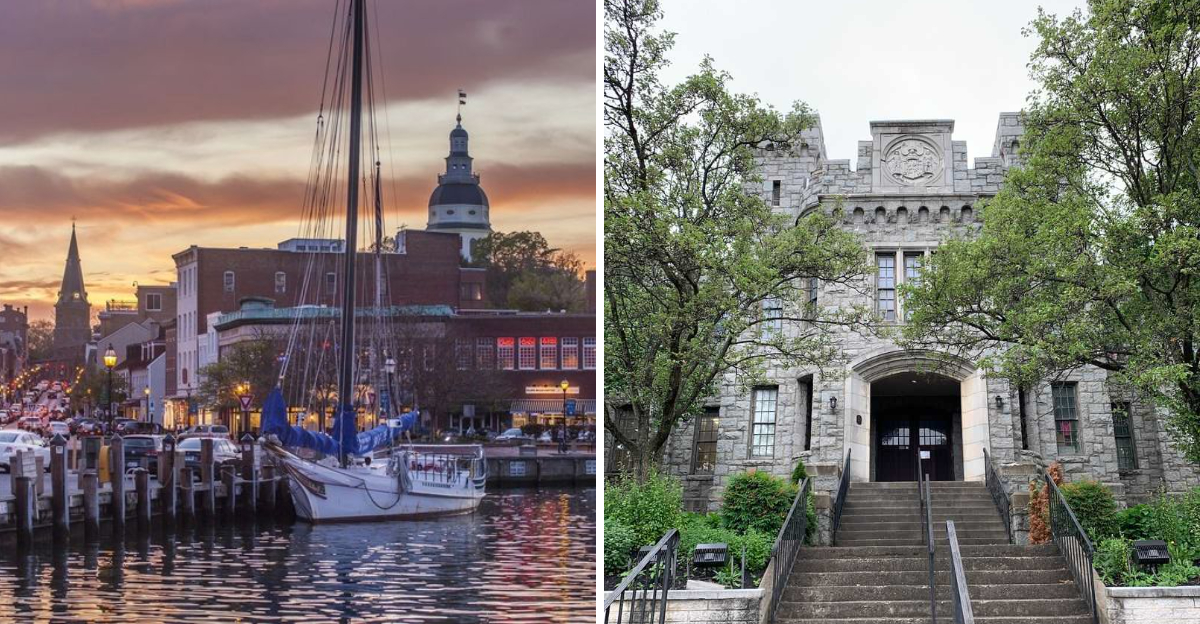
Small towns are changing. The ones that used to feel like hidden secrets are now attracting a different kind of attention.
Locals say investors are quietly buying up properties in certain Maryland towns, and the shift is already noticeable. Old buildings are being renovated, new businesses are opening, and the character of the towns is evolving.
Some residents welcome the change, seeing it as a positive development. Others worry about losing the charm that made these places special.
A conversation that is happening in communities across the state. The kind of shift that makes you pay closer attention to where you live and visit.
1. Federal Hill, Baltimore
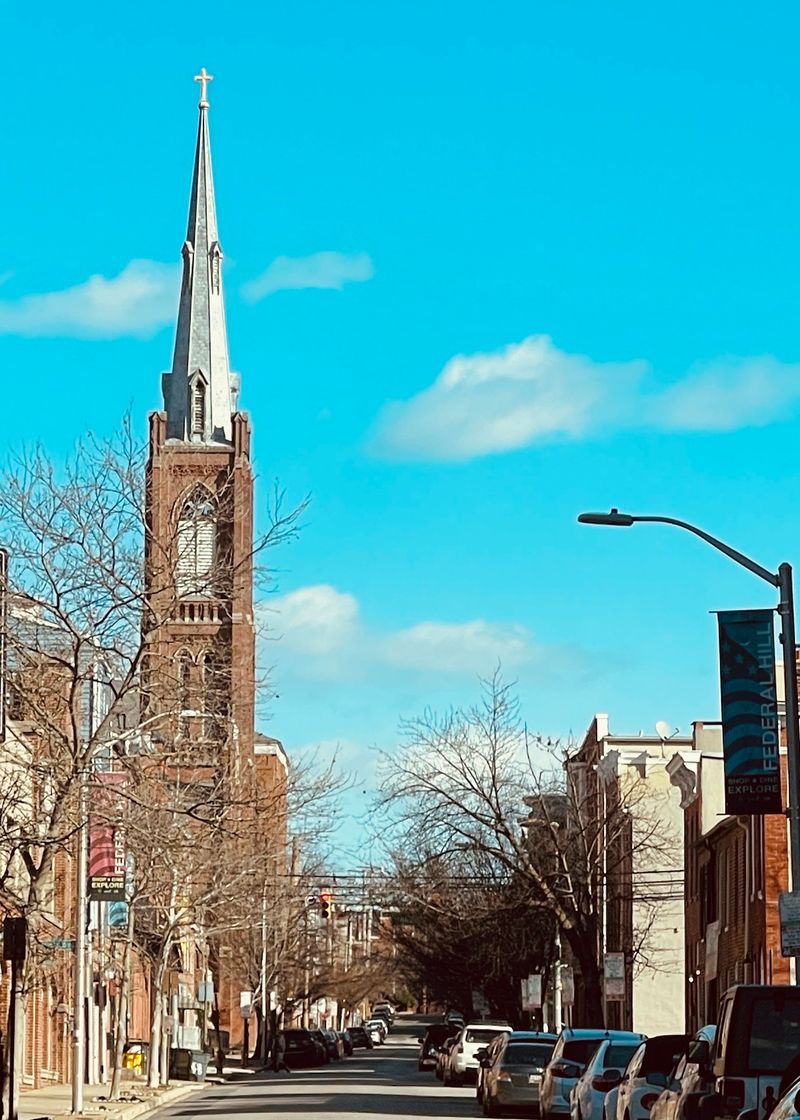
Federal Hill has a kind of magnetic energy that is hard to explain until you have actually spent time there.
The neighborhood hums with activity, from morning joggers heading up the park steps to families claiming spots on the grass with blankets and snacks, all while the Baltimore skyline sits comfortably in the background.
What I find interesting is how this vitality has made it a prime target for real estate buyers who are less interested in living there and more interested in profiting from it.
The consistent upward movement in property values has not gone unnoticed by investors, who have been quietly acquiring historic row houses and converting them into rental units.
It is a pattern that plays out gradually, almost invisibly, until residents notice fewer neighbors putting down roots.
The neighborhood’s walkability is part of its charm. You can get from your front door to a local market, a coffee spot, or the waterfront without ever needing a car, and that kind of convenience commands a premium that investors know how to leverage.
Long-term residents are not blind to what is happening. Some welcome the upkeep that new investment brings, while others feel the social fabric beginning to loosen as rental turnover increases.
Federal Hill is still a wonderful place to spend an afternoon, but the quiet competition for its properties tells a story about what happens when a neighborhood becomes too desirable for its own good. The charm remains, but the pressure underneath it is building steadily.
2. Wilde Lake, Columbia
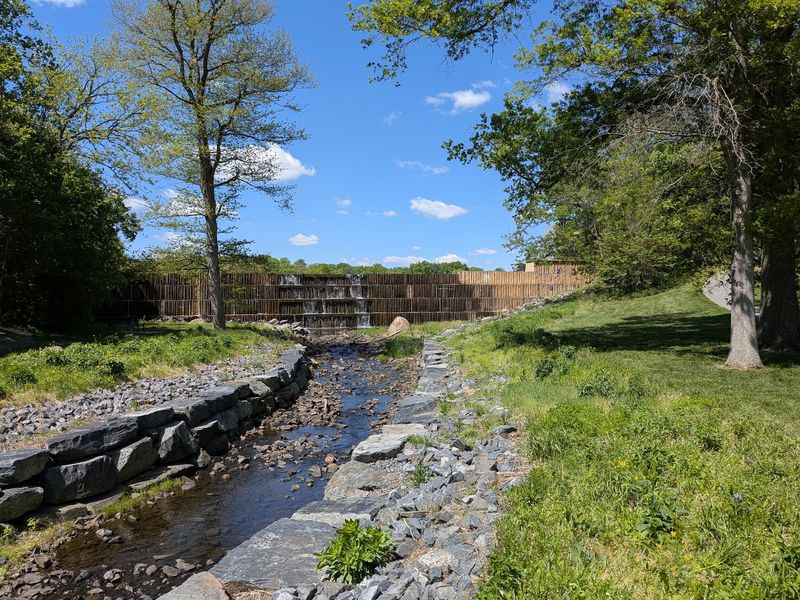
Columbia was always meant to be different. When the planned community was designed decades ago, the vision centered on integration, accessibility, and a kind of idealistic neighborliness that you do not often find in suburban developments.
Wilde Lake, one of its earliest villages, still carries that original spirit in its layout and its people.
What surprises first-time visitors is the prevalence of rowhouses and attached homes, a design choice that feels more urban than suburban and gives the area a visual cohesion that is genuinely appealing.
The paths connecting homes to the lake, the community center, and the surrounding green spaces were designed to encourage interaction, and they still do.
I have noticed, though, that the housing market here has grown intensely competitive. Properties move quickly and rental costs have climbed to a level that raises eyebrows even among people familiar with the broader Columbia area.
That kind of demand does not go unnoticed by investors, who see a stable, well-managed community with consistent returns as an attractive long-term hold.
The balance between owner-occupied homes and rental units is shifting in ways that some residents find concerning. When too many properties become rentals, the sense of long-term investment in a neighborhood, both financial and emotional, can start to erode.
Wilde Lake still feels like a community with genuine heart, but the quiet accumulation of properties by outside buyers is something locals have begun to watch more closely. The original dream of the place deserves protecting.
3. Annapolis
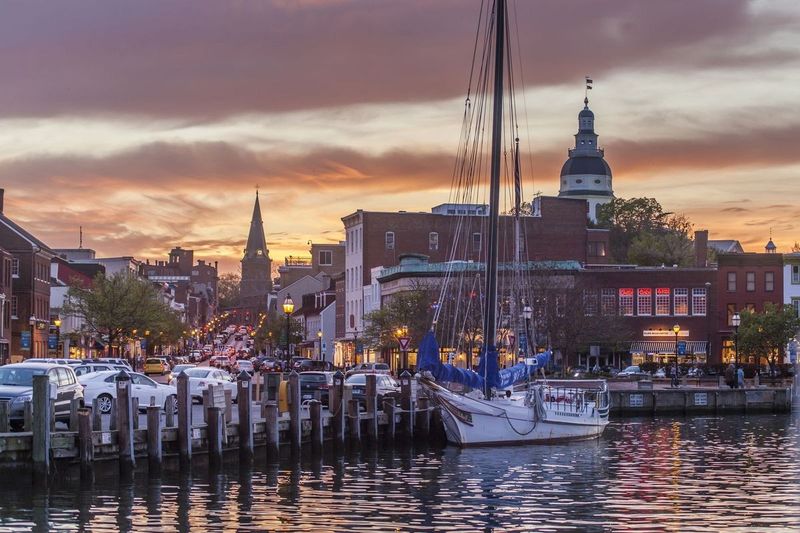
Annapolis earns its reputation every single time you visit. The cobblestone streets near the waterfront, the well-preserved colonial architecture, and the ever-present sight of sailboats on the Chesapeake Bay create an atmosphere that feels genuinely irreplaceable.
It is one of those places that does not need to try very hard to impress.
That effortless appeal, however, has made it one of the most competitive housing markets in the entire state. Homes here move fast.
Some properties go under contract within days of listing, and the bidding activity reflects a level of demand that goes well beyond families simply looking for a place to live. Investors have taken notice of Annapolis in a serious way.
The rental market tells part of that story clearly. Prices for rental units have climbed steadily, putting pressure on teachers, service workers, and others who contribute to the daily life of the city but cannot keep pace with rising costs.
When the people who make a community function can no longer afford to live in it, something fundamental starts to break down.
There is a real conversation happening among long-time Annapolis residents about how to preserve what makes the city special while still allowing it to grow and evolve.
Nobody wants to freeze it in time, but there is a growing recognition that unchecked investor activity can hollow out a community’s character faster than most people expect.
Annapolis is beautiful and vibrant, and that is precisely why it needs thoughtful stewardship right now.
4. Walkersville, Frederick County
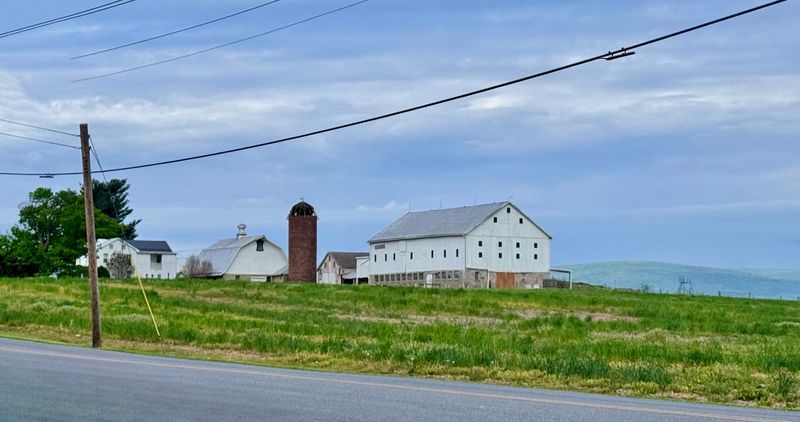
Walkersville has the kind of atmosphere that people describe when they say they want to raise a family somewhere peaceful. The streets are calm, the neighbors tend to know each other, and the town carries a historic farming identity that gives it a sense of continuity with its own past.
It sits close enough to Frederick to benefit from its amenities without absorbing its pace.
That balance is exactly what makes it appealing, and that appeal is exactly what has drawn outside attention to its housing market. Limited inventory is a real factor here.
When fewer homes are available and demand stays strong, prices rise and competition intensifies in ways that favor buyers who can move quickly and pay in full, which often means investors rather than first-time homebuyers.
Walkersville is currently experiencing what market analysts call a seller’s market, where homes receive multiple offers and often sell at or above asking price. For individual families hoping to buy their first home, that environment can be genuinely discouraging.
It is hard to compete when you are up against buyers who treat housing as a financial asset rather than a place to build a life.
Locals have started to notice the pattern. A house goes up for sale, gets snapped up quickly, and within a few months it reappears as a rental listing.
It is a subtle shift, but in a small town, even a handful of those transactions can change the feeling of a street. Walkersville still feels like home to those who live there, but the quiet competition for its houses is growing louder.
5. Hyattsville, Prince George’s County
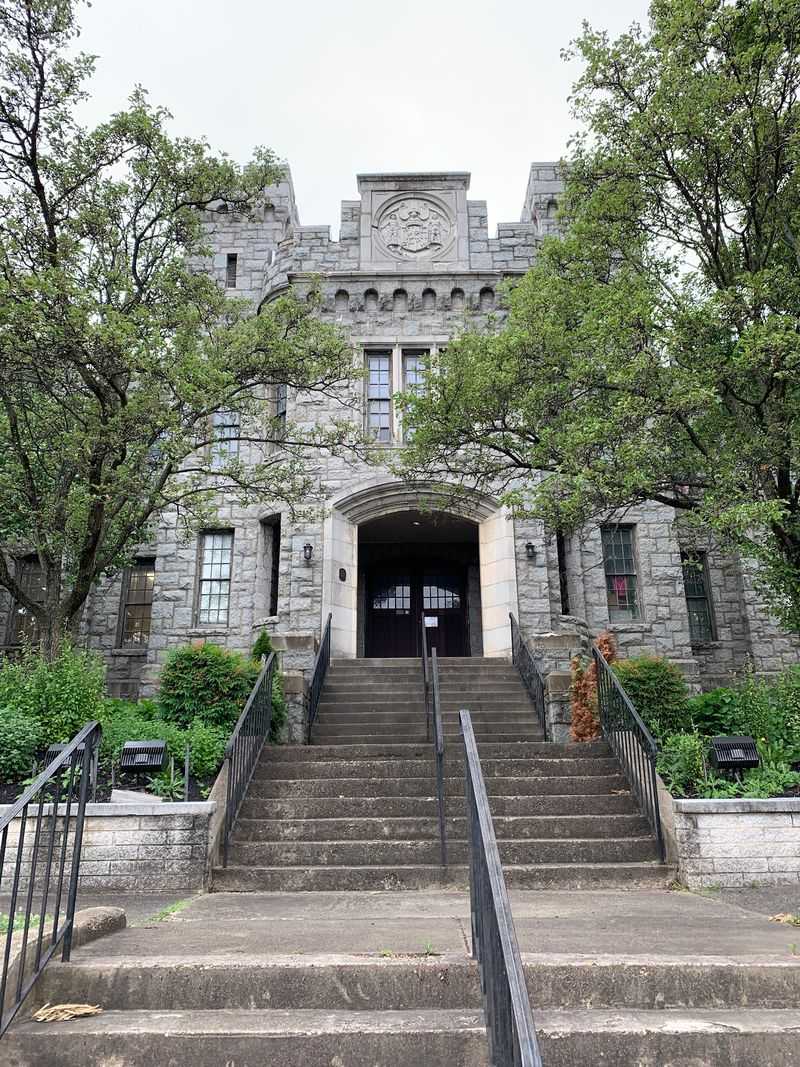
Hyattsville moves at a different speed than most of the towns on this list.
Its location just outside Washington, D.C., gives it an urban energy that is hard to ignore, and the Route 1 corridor running through it has become a focal point for development activity that is reshaping the community in real time.
The numbers behind that transformation are striking. A substantial amount of investment capital has flowed into Prince George’s County in recent years, with much of it targeting multi-family housing development near Metro stations.
Investors are drawn by the relative affordability of land compared to neighboring jurisdictions, combined with the reliable demand created by D.C. commuters who need somewhere close and accessible to live.
The Purple Line transit project has added another layer of excitement, and concern, to the mix. New transit infrastructure historically drives up property values along its route, and investors who positioned themselves early in Hyattsville and surrounding communities stand to gain significantly.
That kind of speculative buying can accelerate displacement before a community even has a chance to respond.
To its credit, Prince George’s County has enacted temporary rent stabilization measures to address affordability concerns, a sign that local officials are paying attention.
Whether those measures will be enough to protect the diverse, working-class character of neighborhoods like Hyattsville remains an open question.
The energy here is real and the development is genuinely exciting in some ways, but the people who built this community deserve a place in its future too.
6. Silver Spring, Montgomery County
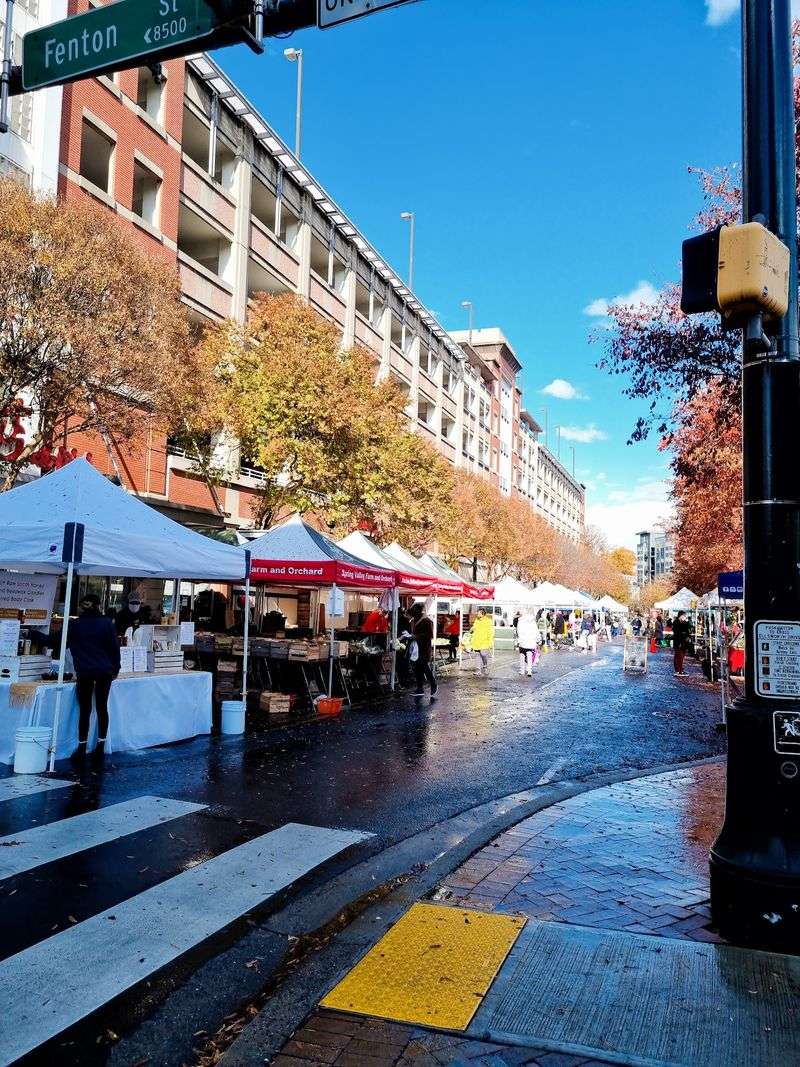
Silver Spring has a personality that is difficult to pin down, and that is part of what makes it so compelling.
It is urban without feeling overwhelming, diverse in ways that genuinely shape its culture, and connected to Washington, D.C., in a way that makes it feel like a city in its own right rather than just a suburb riding on its neighbor’s reputation.
The housing market here reflects that desirability in sharp terms. Homes move quickly, inventory stays tight, and rental prices have been climbing in a way that strains budgets for many of the community’s longer-term residents.
New zoning initiatives in Montgomery County are expected to increase density near transit hubs, a policy direction that investors have been watching closely and positioning themselves around.
There is something particularly worth noting about how investor activity interacts with a community like Silver Spring, which has historically been home to a wide range of income levels and cultural backgrounds.
When outside buyers begin accumulating rental properties at scale, the economic diversity that gives a neighborhood its texture can start to erode, replaced by a more uniform and expensive version of itself.
Even as housing inventory has expanded somewhat in recent months, prices have held firm, a sign that demand remains strong regardless of supply shifts. Silver Spring is still a genuinely exciting place to spend time, full of local character and community energy.
But the quiet accumulation of its housing stock by investors is a trend that deserves more public attention than it has received so far.
7. Hagerstown, Washington County
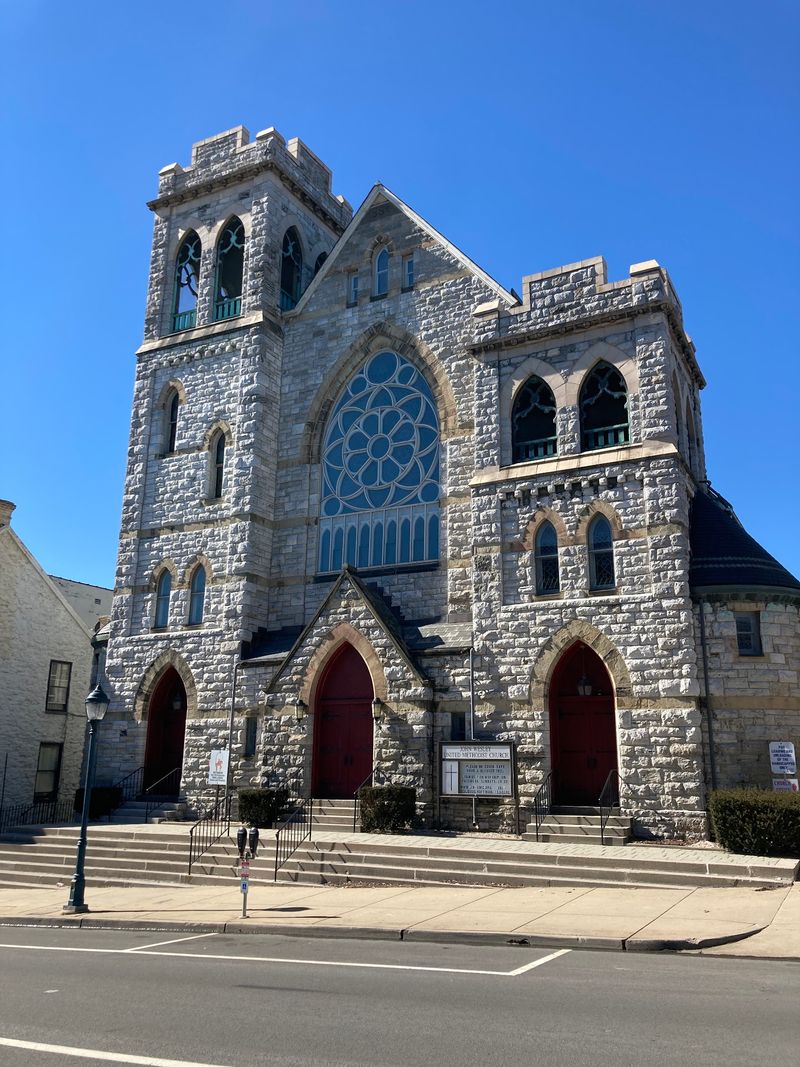
Hagerstown sits in a sweet spot that has made it increasingly attractive to people priced out of larger markets.
Its location within reasonable driving distance of both Washington, D.C., and Baltimore means that commuters can access major employment centers while paying significantly less for housing than they would closer in.
That combination has not gone unnoticed.
Investors have moved into Hagerstown with a clear strategy: acquire starter homes and townhouses, convert them to rentals, and benefit from consistent demand driven by an influx of cost-conscious transplants.
The problem with that approach, as local residents have pointed out, is that it removes entry-level housing from the ownership market entirely.
Families who might have used those homes to build equity and stability find themselves renting instead, often from out-of-town landlords with little connection to the community.
Vacancy rates for rental properties in Hagerstown are low, which tells you something about how tight the market has become. Low vacancy means landlords have less incentive to keep rents affordable, and prices have reflected that leverage.
City officials have been examining rent stabilization policies as a potential response, though any such measure comes with its own set of tradeoffs.
The pace of change here has accelerated as more people discover what Hagerstown offers. That discovery is not inherently bad, more residents can mean more investment in local schools, parks, and businesses.
But when the housing market is being shaped primarily by outside investors rather than by people who intend to actually live there, the community ends up serving someone else’s financial goals. Hagerstown deserves better than that.
8. Princess Anne, Somerset County
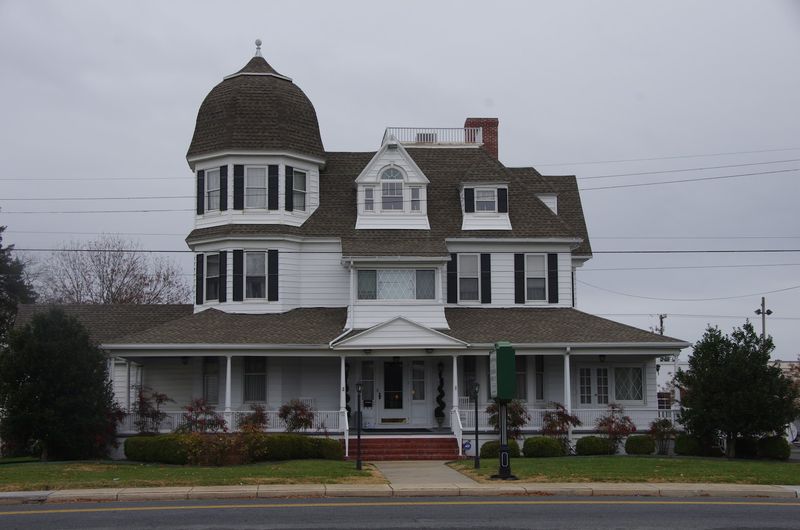
Princess Anne moves at a pace that feels almost deliberately unhurried, and for a lot of people, that is exactly the point.
It sits on the lower Eastern Shore, in Somerset County, one of Maryland’s more rural corners, where the landscape opens up into flat farmland and tidal waterways that have defined life here for centuries.
The town’s housing stock skews older, with a mix of historic properties and more modest homes that reflect the area’s working-class roots.
Vacancy and abandonment have been persistent issues in parts of Princess Anne, a reality that creates both challenges for current residents and opportunities that outside investors are beginning to recognize.
Available properties at lower price points, combined with rising county-wide values, make for an appealing entry point.
Somerset County recently saw a notable jump in residential property values, a shift that has sparked genuine concern among long-term residents, particularly those on fixed incomes who worry about property tax increases eating into already tight budgets. The fear is not abstract.
When land values rise faster than local wages, people who have lived somewhere their whole lives can find themselves unable to afford to stay.
The market in Princess Anne itself currently leans toward buyers, with more available homes than immediate purchasers, but the broader county trends suggest that window may not stay open long.
Quiet accumulation of properties, even at a slow pace, can reshape a small town’s character before anyone fully realizes it is happening.
The people of Princess Anne have built something real here, and they are right to pay attention to who is starting to show interest in it.
9. West Baltimore, Baltimore
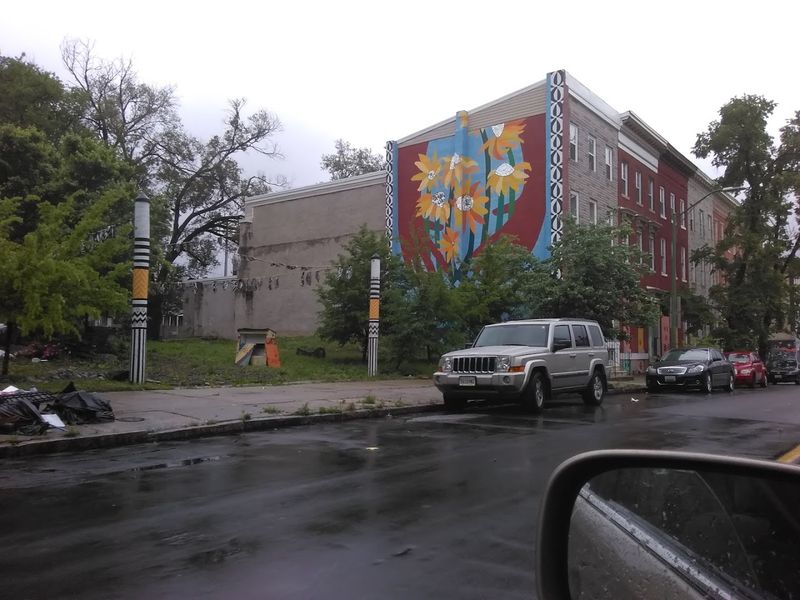
There is a certain weight to West Baltimore that you feel before you even step out of your car.
This is a neighborhood built on generations of Black culture, community pride, and resilience, a place where history lives on every block and in every handshake between neighbors who have known each other for decades.
Long-time residents here are deeply aware of what revitalization can mean in practice. When new investment money flows in, it often brings with it a creeping rise in living costs that pushes out the very people who kept the neighborhood alive through its hardest years.
Programs aimed at clearing vacant lots have sparked both hope and worry, especially when a significant share of those funds ended up benefiting investor interests rather than individual homeowners.
Community organizations like Parity Homes have stepped up, working to purchase and restore housing at rates that actual residents can afford, creating a kind of protective buffer against large-scale displacement.
Their approach is straightforward: buy before the big investors do, sell to local families, and keep ownership rooted in the community itself.
It is a model born out of urgency.
The tension here is real and ongoing. Nobody is opposed to seeing West Baltimore thrive, but the conversation has shifted to who gets to define what thriving looks like.
The neighborhood’s beautiful architecture and green spaces are assets that deserve to benefit the people who never left, not just those arriving with outside money and short-term plans.
