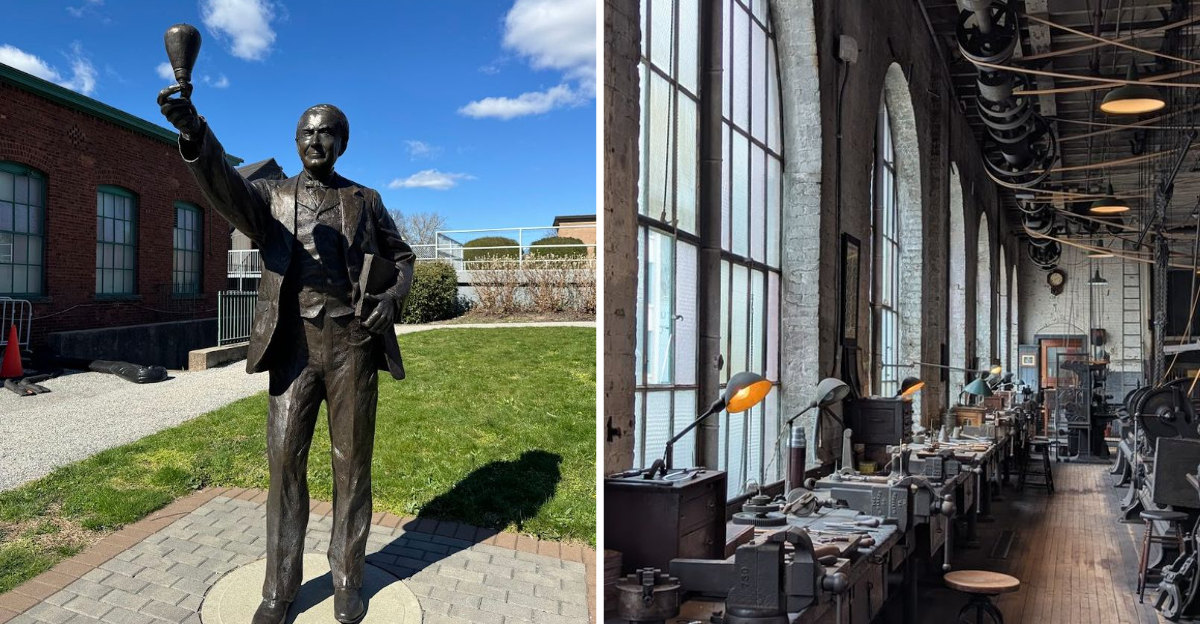
Step back in time and walk right into the world of invention.
This New Jersey site lets you explore Thomas Edison’s actual workshop, where groundbreaking ideas first sparked to life.
His home stands nearby, offering a glimpse into the personal side of the man behind the light bulb.
It’s not a replica; it’s the real deal, preserved so you can feel history humming through the walls.
For visitors, it’s part museum, part time machine, and all inspiration.
The Laboratory Complex: Where Genius Clocked In Every Day
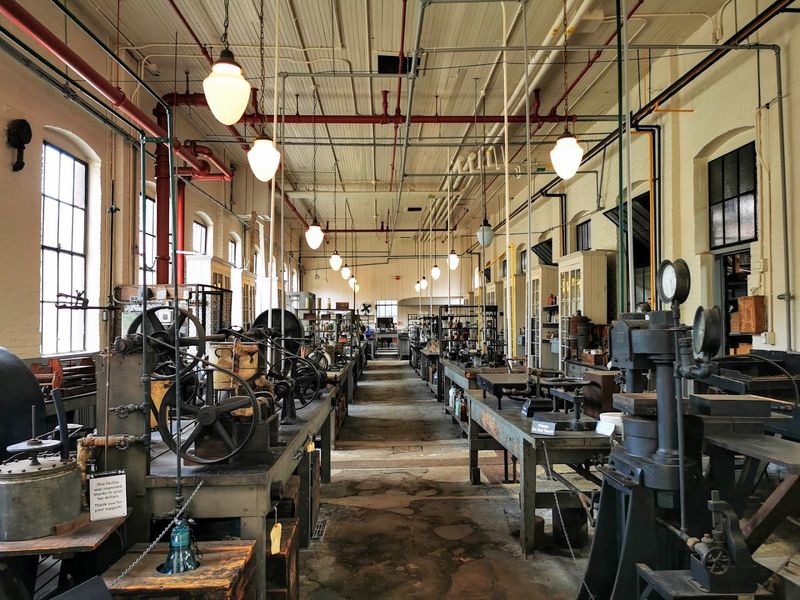
Walking into the Laboratory Complex for the first time feels a little surreal. This is not a recreation or a movie set.
These are the actual buildings where Edison and his team spent years turning wild ideas into real inventions that changed everyday life.
The Main Laboratory Building alone has three floors packed with machine shops, a drafting room, a music room, and Edison’s personal library. Every corner has something worth stopping to look at.
The belt-driven machinery, the shelves of supplies, the original equipment still arranged as if work might resume any moment, it all adds up to something genuinely powerful.
Plan to spend at least two to three hours here if you want to take it all in properly. The exhibits are well organized, the signage is clear, and the overall layout makes it easy to move through the space at your own pace.
Families, history buffs, and science lovers all seem to find something that clicks for them here.
Edison’s Personal Library: A Room Full of Big Ideas
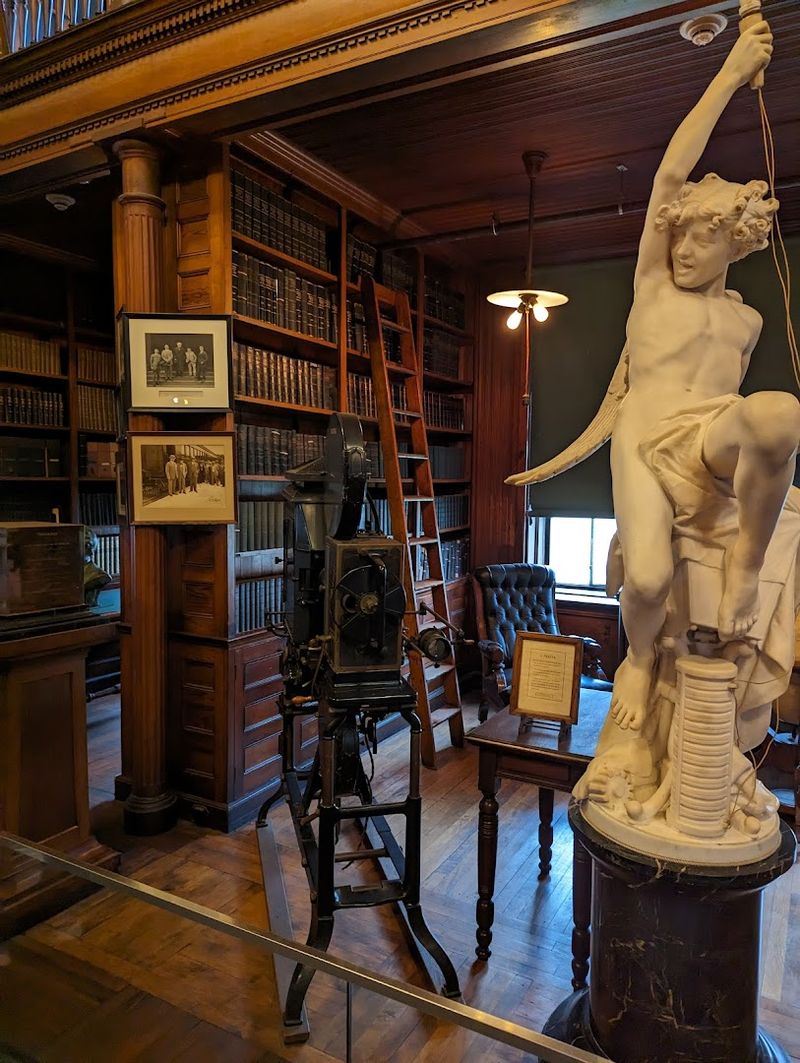
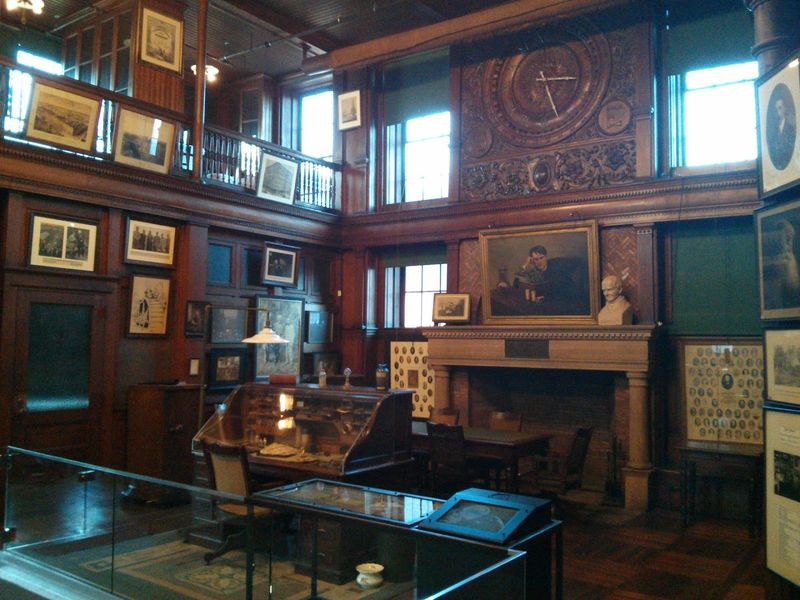
Few rooms in American history carry as much quiet energy as Edison’s library inside the Main Laboratory Building. Floor-to-ceiling shelves hold thousands of books and notebooks, and the space has a warmth that makes you want to pull up a chair and stay awhile.
Edison reportedly used this room as a thinking space, a place to read, plan, and recharge between long stretches in the workshop. You can almost feel that creative tension still hanging in the air.
The desk, the lamp, the carefully arranged objects, everything feels purposeful rather than decorative.
What makes this room especially worth your time is how personal it feels. Most museum spaces keep you at a distance from the subject.
This one pulls you closer. Standing in a room where Edison actually sat and thought through his biggest challenges is a different kind of history lesson.
It sticks with you long after you have left the building and moved on to the next stop on your visit.
The Chemistry Laboratory: Science Frozen in Time
The Chemistry Laboratory is one of those spaces that stops you in your tracks. You stand at the viewing area and look down a long room lined with original bottles, jars, and equipment that Edison and his team actually used.
It is surprisingly moving for what is essentially a very old lab.
Edison reportedly kept thousands of different chemical substances here, always ready for the next experiment. The sheer volume of materials on display gives you a real sense of the scale of work happening in this building on any given day.
This was not a quiet, orderly operation. It was a full-on creative engine.
For anyone who loves science, this room delivers something textbooks simply cannot. Seeing the actual tools of early industrial chemistry laid out exactly as they were used makes the history feel tangible.
Kids especially seem to respond to this space with genuine curiosity rather than the glazed-over look that sometimes comes with more traditional museum displays. It earns its place as a highlight of the whole complex.
The Black Maria Film Studio Replica: Lights, Camera, History
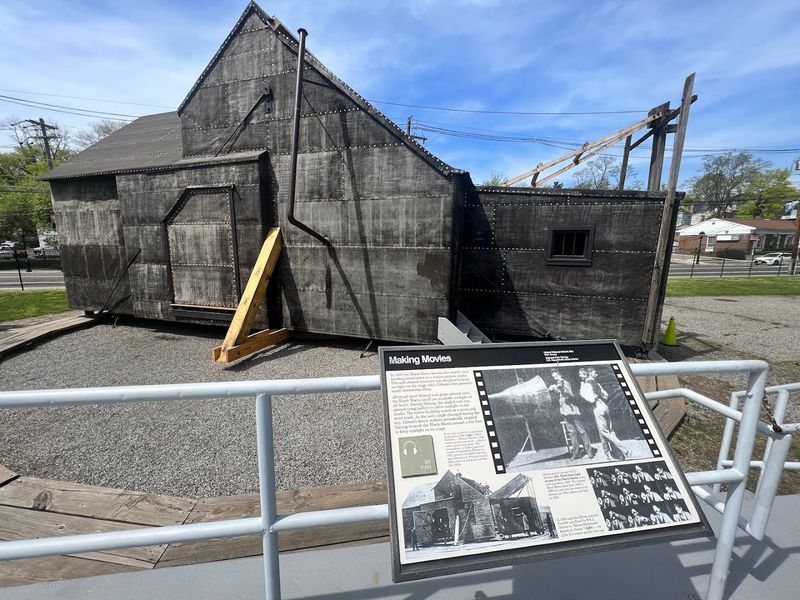
Before Hollywood existed, Edison was already making movies in New Jersey. The Black Maria replica on the grounds of the park is a full-scale recreation of the world’s first film studio, and it is one of the most genuinely surprising stops on the whole visit.
The original Black Maria was built to rotate and follow sunlight, keeping the filming area bright throughout the day. The replica captures that unusual design perfectly.
It has a quirky, almost theatrical quality that makes you appreciate just how experimental everything about early filmmaking really was.
A new ramp makes the studio accessible for more visitors, which is a welcome addition. Short films made at the original studio, including some genuinely delightful early clips, can be viewed nearby.
Knowing that the concept of cinema as we know it traces back to this odd black building sitting on a New Jersey lot adds a layer of wonder that is hard to shake. It is a must-see stop on any visit to the park.
Glenmont Estate: The Home Behind the Inventor
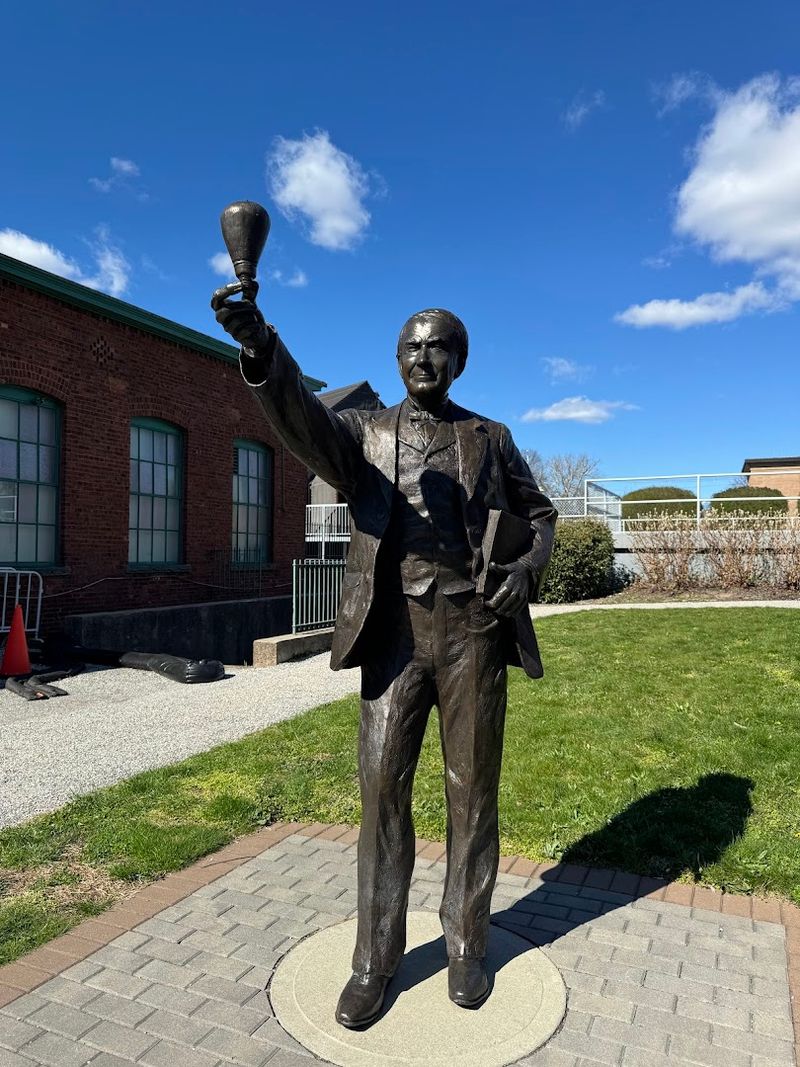
Glenmont is the kind of house that makes you stop at the gate and just stare for a moment. The Queen Anne-style architecture is bold and detailed, with a rich red exterior that stands out even against the lush greenery of Llewellyn Park.
It feels like a home that belonged to someone who thought big in every area of life.
Tours of the first and second floors offer a look at how Edison and his family actually lived. The interior balances elegance with warmth.
Chandeliers, stained glass windows, and carefully preserved furnishings all contribute to a space that feels lived-in rather than staged. The family room in particular has a golden, inviting quality that lingers in your memory.
Tickets for Glenmont tours are available on a first-come, first-served basis at the Laboratory Complex Visitor Center. Booking ahead through the National Parks Service website is strongly recommended.
The tour runs about 35 minutes and covers a meaningful amount of the house. It rounds out the full Edison story in a way the laboratory alone simply cannot.
The Music Room: Where Edison’s Ear for Sound Came Alive
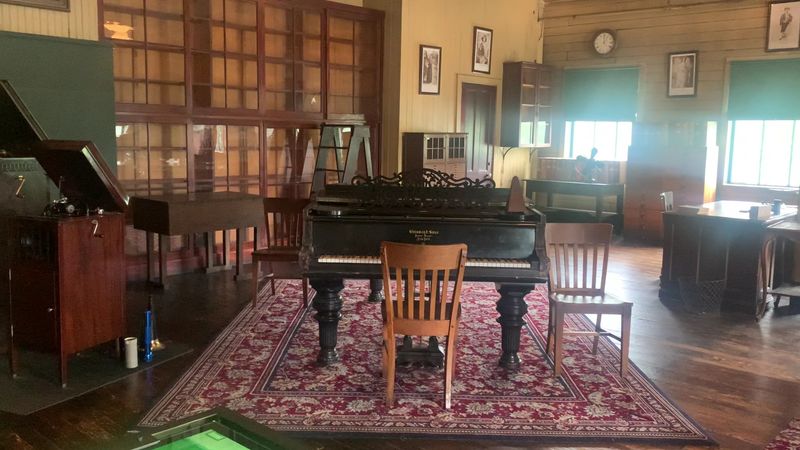
The music room inside the Main Laboratory Building is one of those unexpected highlights that catches you off guard. Edison’s work on sound recording was as revolutionary as anything else he did, and this room makes that clear in a very hands-on way.
Original phonographs are on display, and during certain presentations, park staff actually play recordings made over a hundred years ago. Hearing those early sounds crackle out of antique equipment is genuinely strange and wonderful.
It connects you to a moment in history when recorded music was brand new and absolutely mind-blowing to anyone who heard it.
The presentations fill up quickly, so arriving early and checking the schedule at the visitor center is a smart move. Missing this stop would mean leaving without one of the most memorable sensory experiences the park has to offer.
The music room reminds you that Edison was not just about machines and electricity. He was deeply interested in how people experienced the world around them, and that curiosity comes through clearly in this space.
The Machine Shop and Pattern Shop: Where Ideas Became Objects
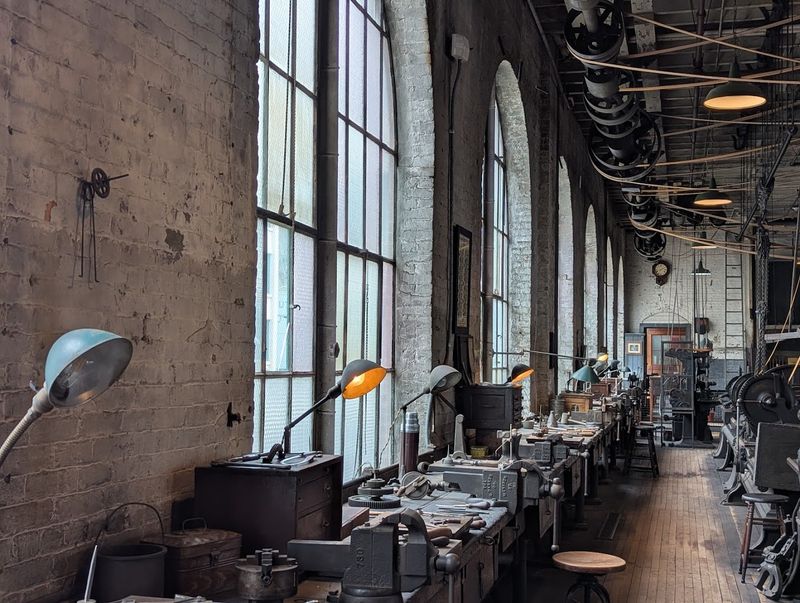
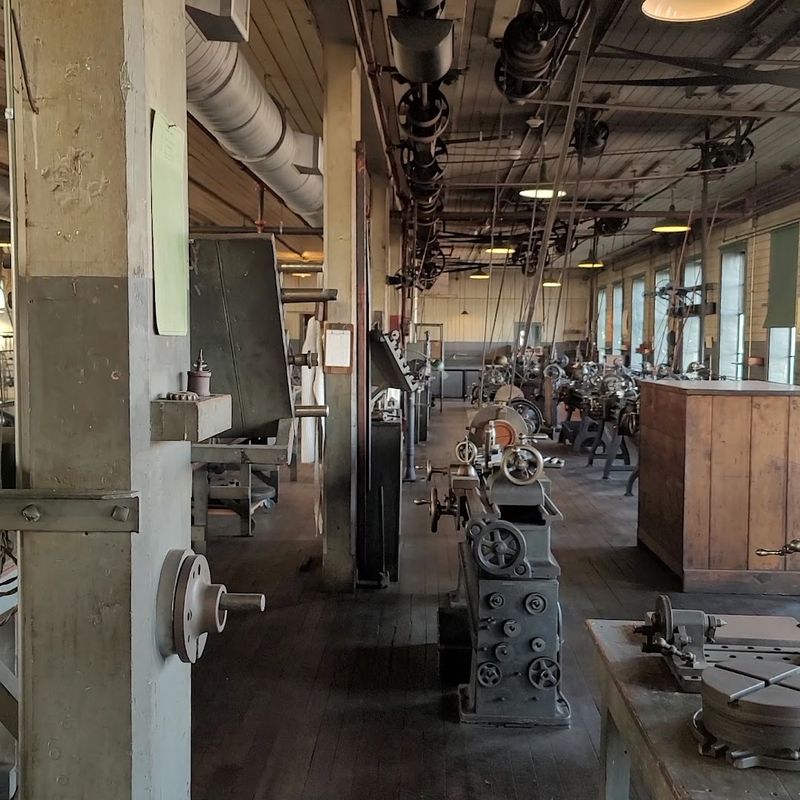
There is something almost theatrical about standing inside the machine shop and imagining the noise level when all that belt-driven equipment was running at full speed.
The room is massive, the machinery is original, and the whole setup gives you a vivid picture of how ideas moved from paper to prototype in Edison’s world.
The Pattern Shop sits nearby and adds another layer to the story. This is where wooden models were crafted before metal versions were made, a critical step in the invention process that most people never think about.
Seeing both spaces together makes the full workflow feel real and logical rather than abstract.
For anyone who loves industrial history or old-school craftsmanship, these rooms are deeply satisfying to walk through. The preserved condition of the equipment is remarkable.
Decades of work and wear are visible in every surface, and that authenticity is exactly what makes visiting in person so different from reading about it in a book or watching a documentary. You feel the weight of what happened here.
The Visitor Center and Gift Shop: Your First and Last Stop
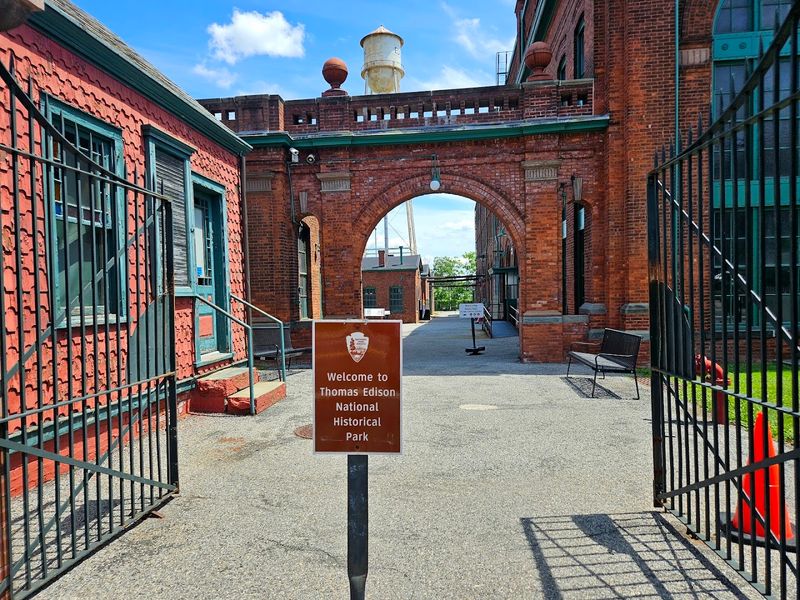
Every visit to the park begins at the Visitor Center, and that is actually a great thing. The orientation film shown here gives you context that makes everything you see afterward feel more connected and meaningful.
Walking into the laboratory buildings cold, without any background, would mean missing a lot of the story.
Park rangers and staff at the visitor center are genuinely enthusiastic about answering questions and pointing you toward the best parts of the complex based on your interests. The passes for Glenmont are also distributed here, so arriving early gives you the best shot at securing a spot on that tour.
Before heading out, the gift shop is worth a browse. It carries books, educational materials, and unique souvenirs that go well beyond the standard tourist fare.
Whether you are shopping for a curious kid or a history-loving adult, there is usually something worth picking up. The shop manages to feel curated rather than cluttered, which is a small but appreciated detail that adds to the overall quality of the visit.
Planning Your Visit: What to Know Before You Go
The park is open Thursday through Sunday, from 10 a.m. to 4 p.m., so planning around those days is essential.
Arriving close to opening time is the best strategy, especially if you want to secure Glenmont tour passes and catch a phonograph presentation before spots fill up.
Free parking is available directly across the street from the main gate to the laboratory complex. A second lot sits about half a block up the road, and both are convenient and easy to find.
Navigation apps sometimes route visitors directly to Glenmont first, so following park signage rather than relying entirely on GPS will save some confusion at the entrance.
The entrance fee covers a full week of access, which is a solid deal given how much there is to take in. Booking Glenmont tickets in advance through the National Parks Service website is highly recommended, especially on weekends.
With a little planning, this visit comes together smoothly and delivers one of the most genuinely rewarding history experiences available anywhere in the region.
Address: 211 Main St, West Orange, NJ
Dear Reader: This page may contain affiliate links which may earn a commission if you click through and make a purchase. Our independent journalism is not influenced by any advertiser or commercial initiative unless it is clearly marked as sponsored content. As travel products change, please be sure to reconfirm all details and stay up to date with current events to ensure a safe and successful trip.
