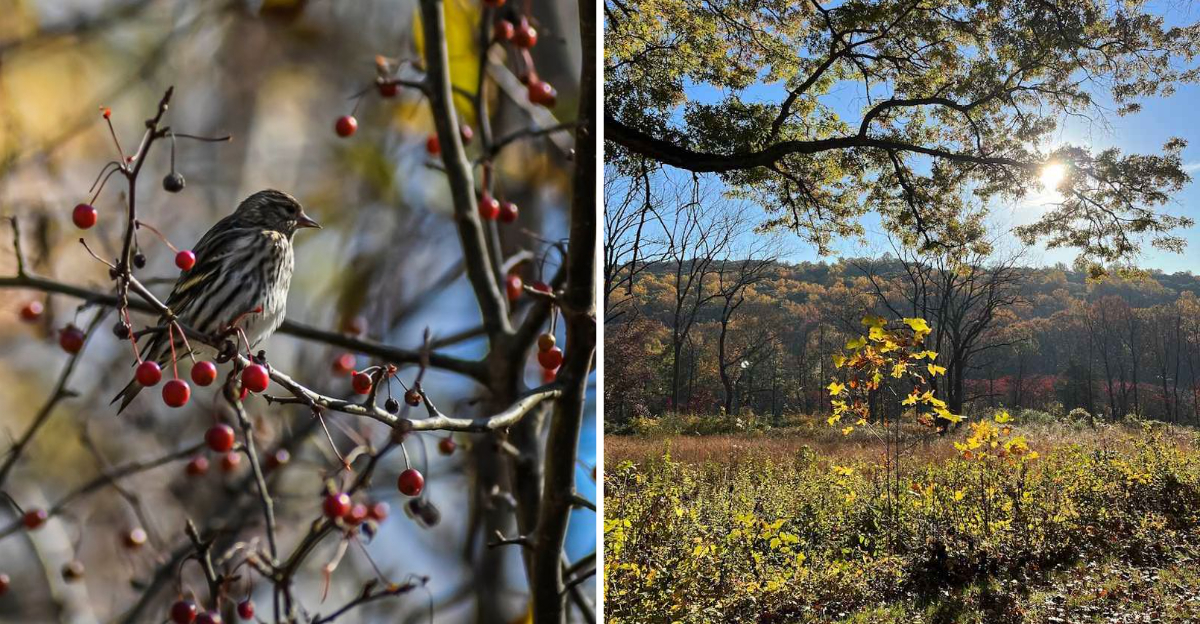
Did you know New Jersey is home to a wild corner where birds practically outnumber people? Over 200 species flutter through, making it feel like you’ve stumbled into a feathery convention.
The sounds alone are like nature’s mixtape, with chirps, whistles, and squawks blending into something oddly soothing.
I’ll admit, the first time I tried birdwatching I got way too excited spotting a woodpecker and scared it off by yelling “Look!”… rookie mistake.
Here, though, you can slow down, breathe, and let the wilderness do the entertaining.
Would you be the type to quietly blend in with binoculars, or the one who accidentally startles the birds like I did?
A 276-Acre Wilderness That Feels Nothing Like New Jersey
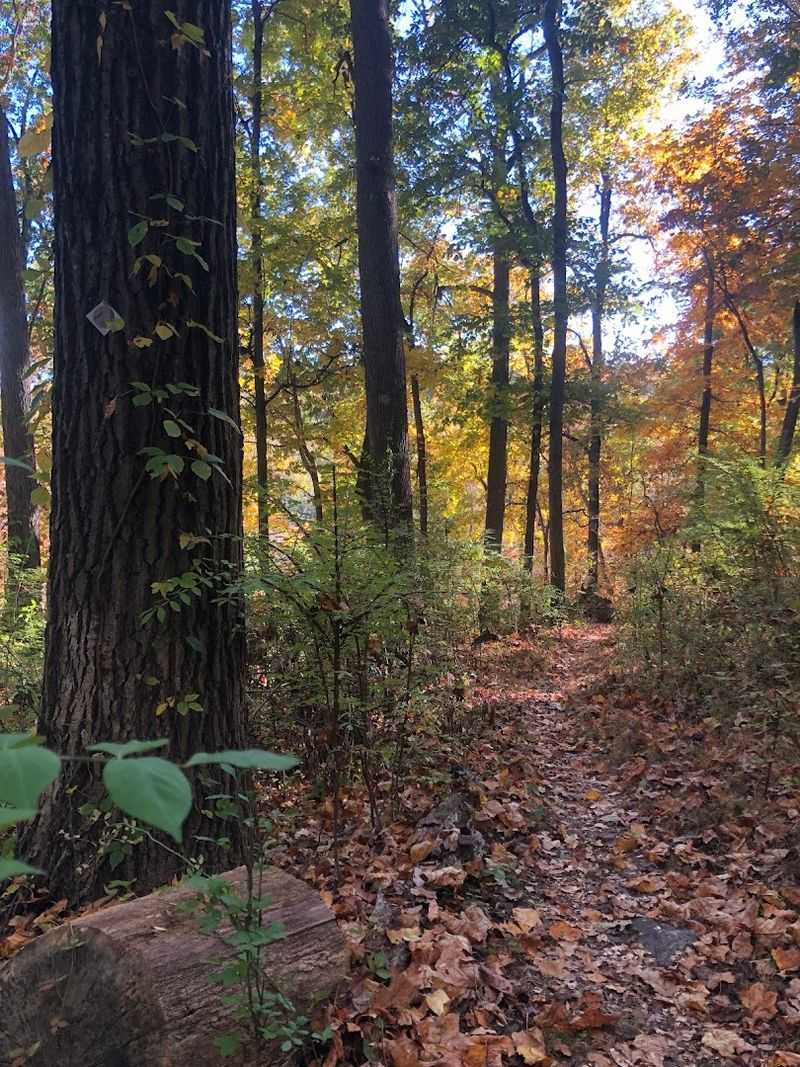
Most people think of New Jersey and picture highways or strip malls, which makes stumbling onto Scherman Hoffman feel like finding a secret that half the state forgot to mention. Spanning 276 acres, the sanctuary wraps you in a layered landscape of upland deciduous forests, open meadows, and the floodplain along the headwaters of the Passaic River.
The variety of habitats packed into one property is genuinely impressive. Each zone supports a different community of wildlife, so the ecosystem shifts noticeably as you move from one trail section to the next.
One minute you are under a dense canopy, and the next you are stepping into a sun-filled field buzzing with pollinators.
Established in 1965 through a generous donation by Mr. and Mrs. Harry Scherman, the sanctuary has grown steadily over the decades. That long history of conservation shows in how healthy and layered the habitat feels today.
It is not a manicured park; it is a functioning, breathing wilderness tucked into Somerset County that rewards anyone willing to slow down and pay attention. Address: 11 Hardscrabble Rd, Bernardsville, NJ.
Over 200 Bird Species and the Spring Migration That Will Blow Your Mind
Spring migration at Scherman Hoffman is the kind of event that turns casual walkers into full-on birders without warning. During peak migration weeks, up to 25 species of warblers have been recorded passing through, which is an almost absurd concentration of color and song for a single property in New Jersey.
More than 200 bird species have been documented at the sanctuary over the years, and the diversity covers everything from year-round residents to rare seasonal visitors. Warblers, thrushes, vireos, and sparrows all funnel through this stretch of habitat because the combination of forest edge, open field, and riverside corridor makes it an ideal stopover.
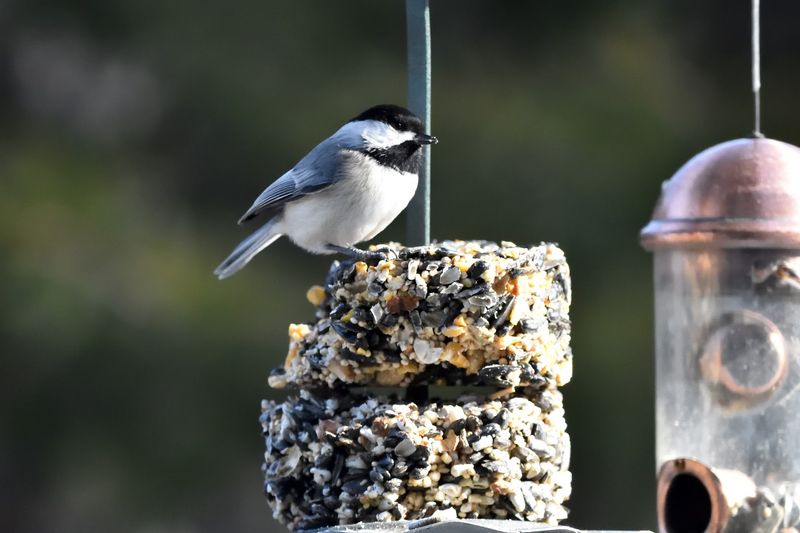
The bird-feeding station positioned near the Hoffman Center building is a reliable hotspot even outside migration season. Comfortable indoor seating lets you watch the feeders without spooking anything, which is a genuinely clever setup that feels more like a wildlife television program than a typical nature visit.
Binoculars are available inside if you did not bring your own. It is one of those small details that makes the whole experience feel welcoming rather than exclusive.
More Than 60 Nesting Species Calling This Place Home
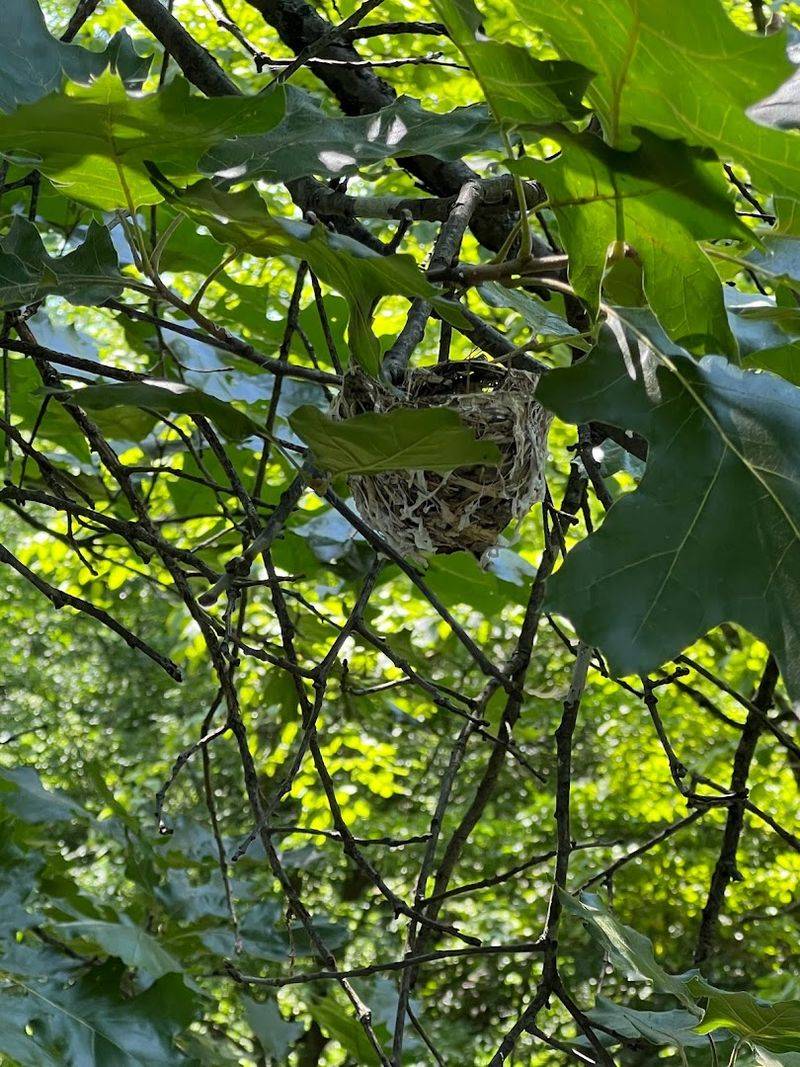
There is something different about a place where birds do not just pass through but actually stay to raise families. Scherman Hoffman supports over 60 species of nesting birds, which tells you a lot about the quality and stability of the habitat.
These are not just visitors grabbing a snack on the way north.
Nesting species depend on a sanctuary for food, shelter, and safe territory throughout the breeding season. The mix of mature forest, shrubby field edges, and streamside vegetation at Scherman Hoffman provides exactly the kind of layered structure that different birds need for different nesting strategies.
Some prefer dense shrubs, others need tall snags, and some are very particular about proximity to water.
Visiting in late spring or early summer means you might catch parent birds shuttling insects back to hidden nests, which is one of the most entertaining things you can witness on a trail. The energy of the sanctuary during breeding season is noticeably different from any other time of year.
Everything feels purposeful, busy, and alive in a way that is hard to describe but immediately recognizable once you experience it.
Trails That Range From a Gentle Stroll to a Proper Forest Hike
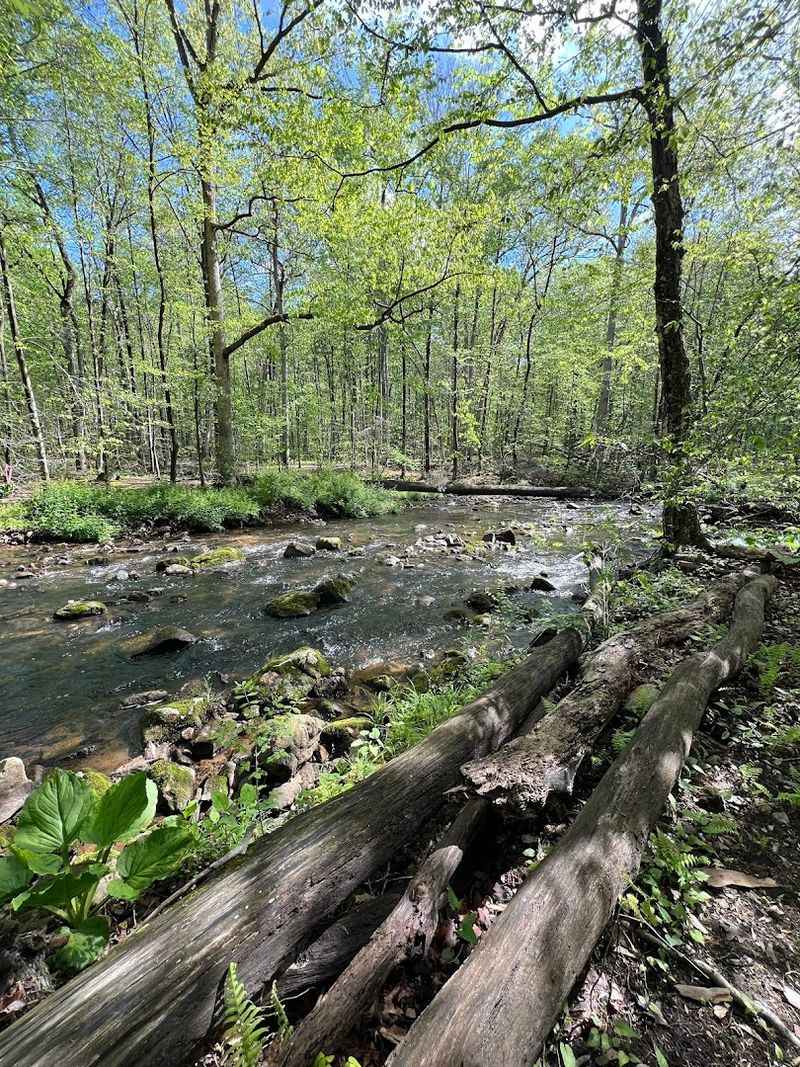
Trail options at Scherman Hoffman range from 0.3 miles to 1.3 miles, which sounds modest until you realize that every step is through genuinely varied and interesting terrain. Short does not mean boring here.
Each trail segment has its own character depending on which habitat zone it passes through.
The floodplain trail along the Passaic River headwaters is a particular highlight. Moving water always changes the mood of a walk, and the sound of a stream running alongside the path makes the whole thing feel more immersive.
Stream crossings, root-covered paths, and the occasional muddy patch remind you that this is a real forest, not a theme park version of one.
Trails are open daily from dawn to dusk, which gives early risers the best possible window for bird activity. Connecting paths also link to the Cross Estate and National Park trails nearby, meaning that if you are feeling ambitious, a much longer loop is entirely possible.
The trail map available at the Hoffman Center is worth picking up before you head out, especially since some junctions can feel a little ambiguous in the deeper sections of the woods.
The Hoffman Center: Where Education Meets Genuine Enthusiasm
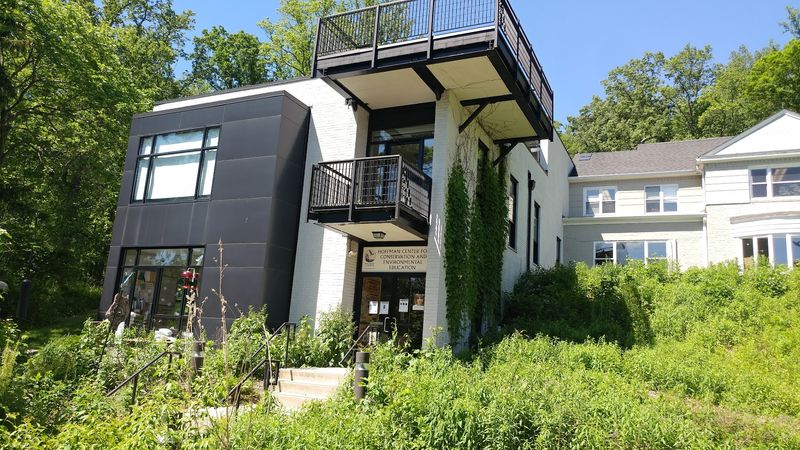
Walking into the Hoffman Center for Conservation and Environmental Education feels less like entering a building and more like stepping into someone’s very well-organized passion project. The space houses an environmental learning center, rotating gallery exhibits, interactive displays, and a tree-top observation deck that sits level with the upper canopy outside.
The indoor seating area with views directly onto the bird-feeding station is a clever piece of design. You get to observe without disturbing anything, which is exactly what good wildlife infrastructure should do.
On active feeding days, the window view can be genuinely spectacular, with multiple species competing for position at the feeders.
The building is open Wednesday through Sunday, with varying hours depending on the day, so checking the schedule before visiting is a smart move. Staff inside are knowledgeable and genuinely interested in helping visitors get the most out of the property.
The center also hosts classroom programs and seasonal events that go well beyond a standard nature walk. If you have kids with you, the interactive exhibits hold attention in a way that feels educational without being preachy about it.
The Tree-Top Observation Deck With Views Worth the Climb
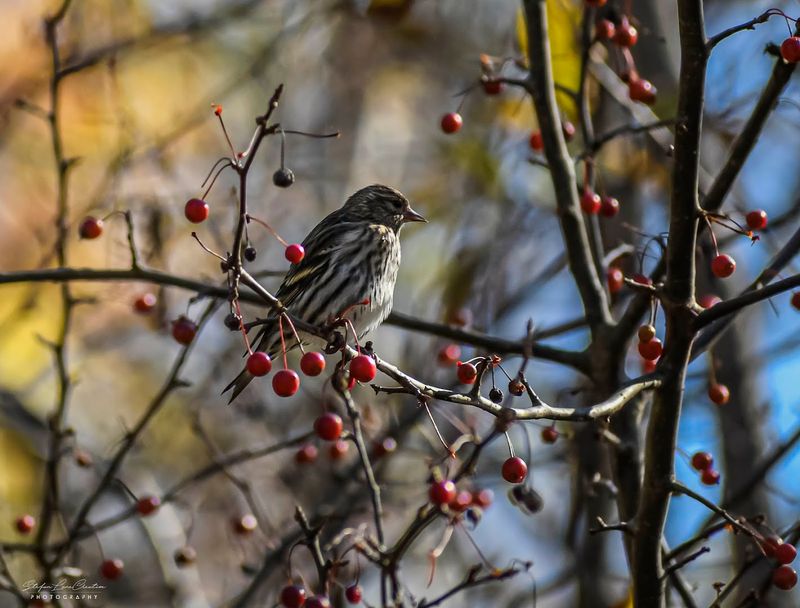
Getting up to the tree-top observation deck at the Hoffman Center is one of those simple moves that completely changes your perspective on the property. From ground level, the sanctuary is an immersive tangle of trunks and understory.
From the deck, it opens up into something that feels genuinely expansive.
Canopy-level views let you scan for raptors and other species that stay high in the tree layer and are easy to miss from below. Red-tailed hawks and other soaring birds become much more visible when you are not craning your neck through a filter of branches.
The deck is also just a beautiful place to stand quietly for a few minutes without any particular agenda.
On clear days the surrounding Somerset County landscape stretches out in a way that is easy to underestimate from the parking lot. The foothills of the Highlands provide a genuinely scenic backdrop that feels wilder than the address suggests.
Bringing a camera up to the deck is well worth the effort, and the morning light hits the canopy in a way that makes even a phone camera produce something frame-worthy. It is one of the more underrated spots in the entire sanctuary.
Mammals, Foxes, and the Occasional Coyote Roaming the Grounds
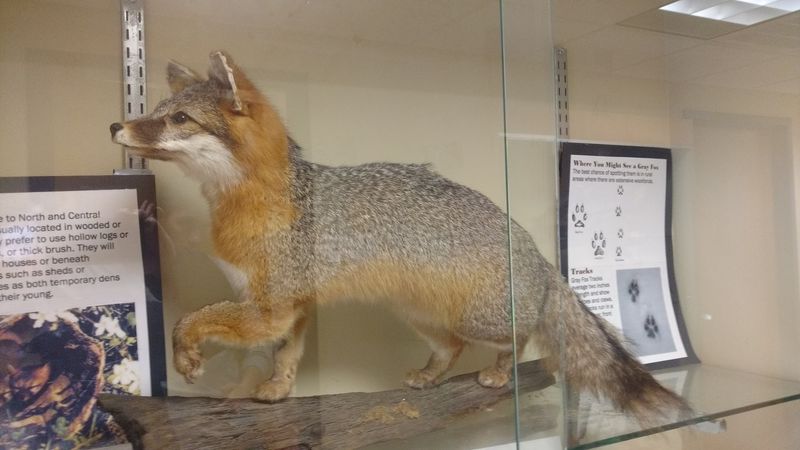
Birds get most of the attention at Scherman Hoffman, which is fair given the numbers, but the mammal community here is legitimately impressive and easy to overlook if you are only looking up. Red foxes, long-tailed weasels, minks, white-tailed deer, eastern chipmunks, gray squirrels, red squirrels, and coyotes have all been documented on the property.
Seeing a red fox cut across an open field edge in the early morning is one of those encounters that stops you completely. They move with a kind of casual confidence that makes you feel like the visitor, which, to be fair, you are.
Deer are common enough that they barely react to people on the trails anymore, which makes for some unusually close and calm wildlife encounters.
Minks and weasels are harder to spot but worth watching for near the stream corridors where they hunt most actively. The diversity of mammals reflects the same habitat quality that supports the bird community: varied terrain, intact forest, reliable water sources, and minimal human disturbance.
The sanctuary manages the balance between public access and wildlife welfare carefully, and that restraint shows in how comfortable the animals seem with the landscape they share.
Wildflowers, Bees, and the Floodplain Ecosystem Along the Passaic Headwaters
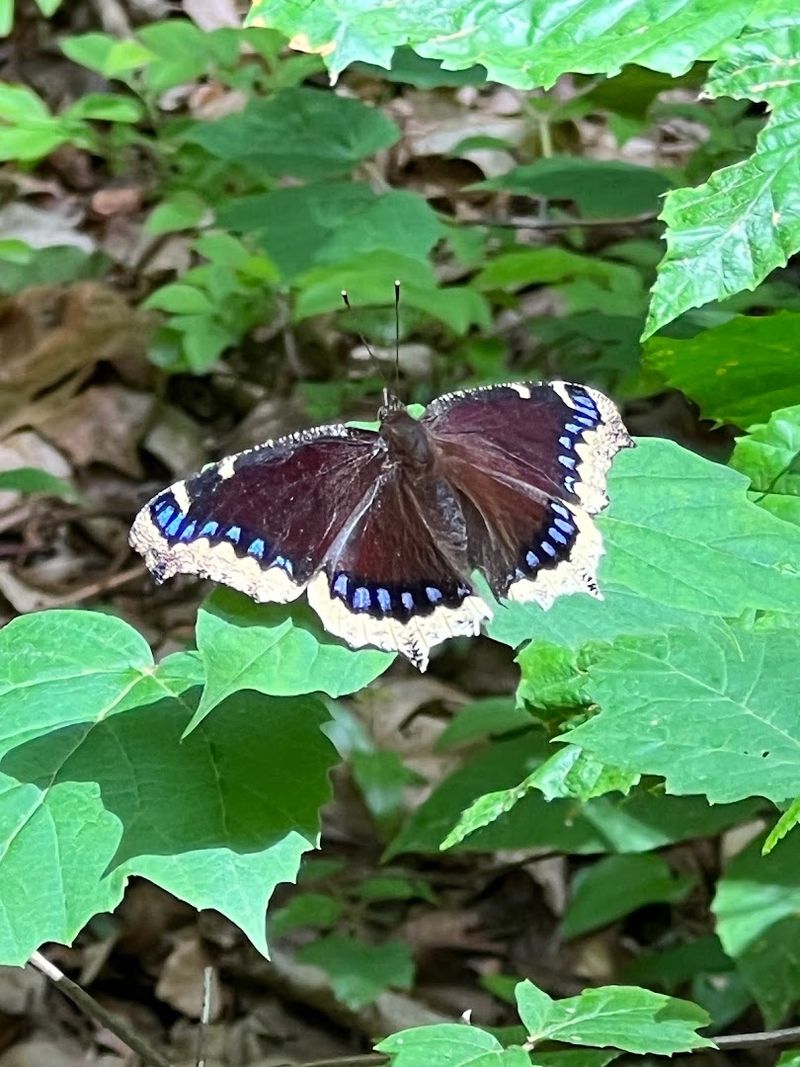
The floodplain section of Scherman Hoffman along the Passaic River headwaters is a different world from the upland forest trails. The vegetation is denser, the air is cooler, and the whole corridor hums with insect activity during warmer months.
Wildflowers bloom in waves from spring through summer, and the bees that work them are present in impressive numbers.
Watching pollinators move through a patch of native wildflowers is genuinely meditative once you stop rushing past it. The floodplain habitat supports plant communities that are less common in the surrounding region, which gives the area a slightly exotic feel compared to the typical New Jersey woodland.
Ferns, sedges, and moisture-loving shrubs line the stream banks in a way that feels lush and unmanaged.
Stream study programs run through the Hoffman Center use this exact habitat as a living classroom, which makes sense given how much biological activity is concentrated here. The water itself is clear enough to observe aquatic insects and small fish, which adds another layer to the experience beyond birds and mammals.
Visiting in late spring specifically to catch the wildflower peak is a strategy that rewards patience and a willingness to move slowly through the landscape.
Conservation Programs, Nature Camp, and Ways to Stay Involved
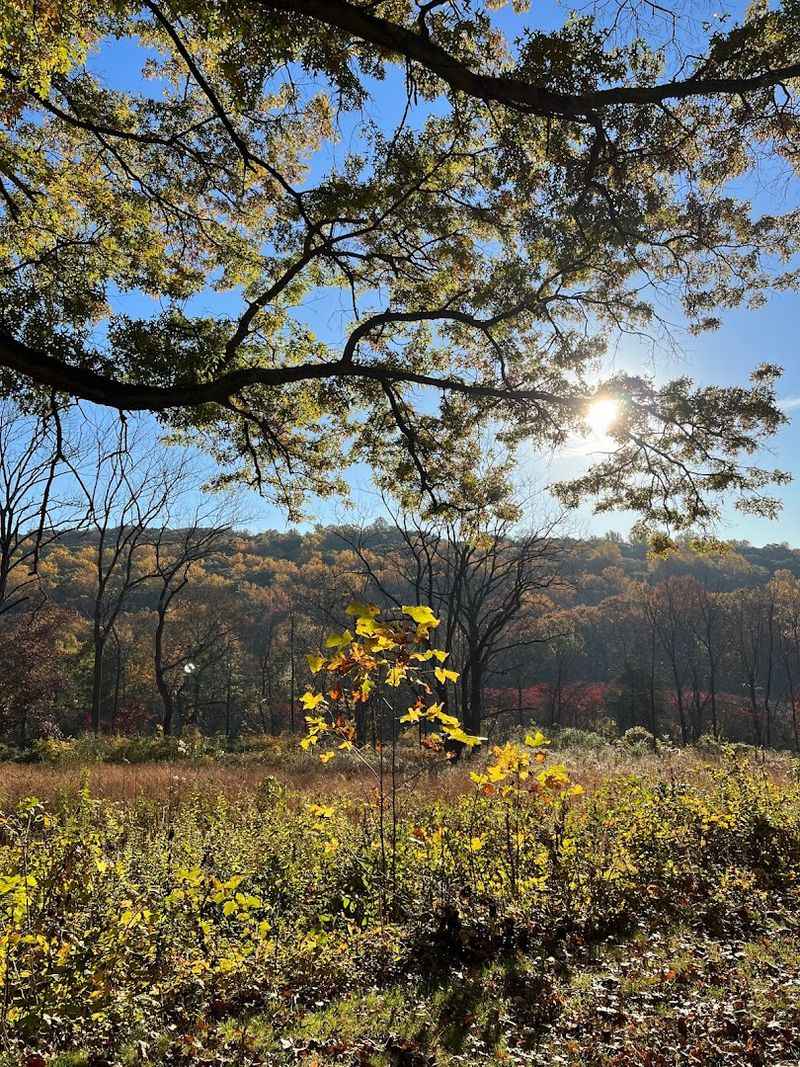
Scherman Hoffman is not just a place to walk through and admire from a distance. The programming calendar runs throughout the year with workshops, guided bird walks, classroom events, and seasonal programs that go deep into the ecology of the property.
The level of expertise behind these programs is evident in how specific and hands-on they tend to be.
Nature Camp for younger visitors has built a loyal following over the years, with kids returning season after season because the experience is genuinely engaging rather than just supervised outdoor time. Naturalists on staff bring the kind of field knowledge that turns a walk through the woods into something that sticks with you long after the mud washes off your boots.
Volunteer opportunities, including invasive species management like the removal of Japanese juniper, give adults a way to contribute directly to the health of the sanctuary rather than just observing it. Getting involved at that level changes the relationship with a place in a meaningful way.
The sanctuary is open Thursday through Saturday from 9 AM to 5 PM, Wednesday from 10 AM to 3 PM, and Sunday from 12 PM to 5 PM. Trails are accessible daily from dawn to dusk.
Address: 11 Hardscrabble Rd, Bernardsville, NJ.
Dear Reader: This page may contain affiliate links which may earn a commission if you click through and make a purchase. Our independent journalism is not influenced by any advertiser or commercial initiative unless it is clearly marked as sponsored content. As travel products change, please be sure to reconfirm all details and stay up to date with current events to ensure a safe and successful trip.
