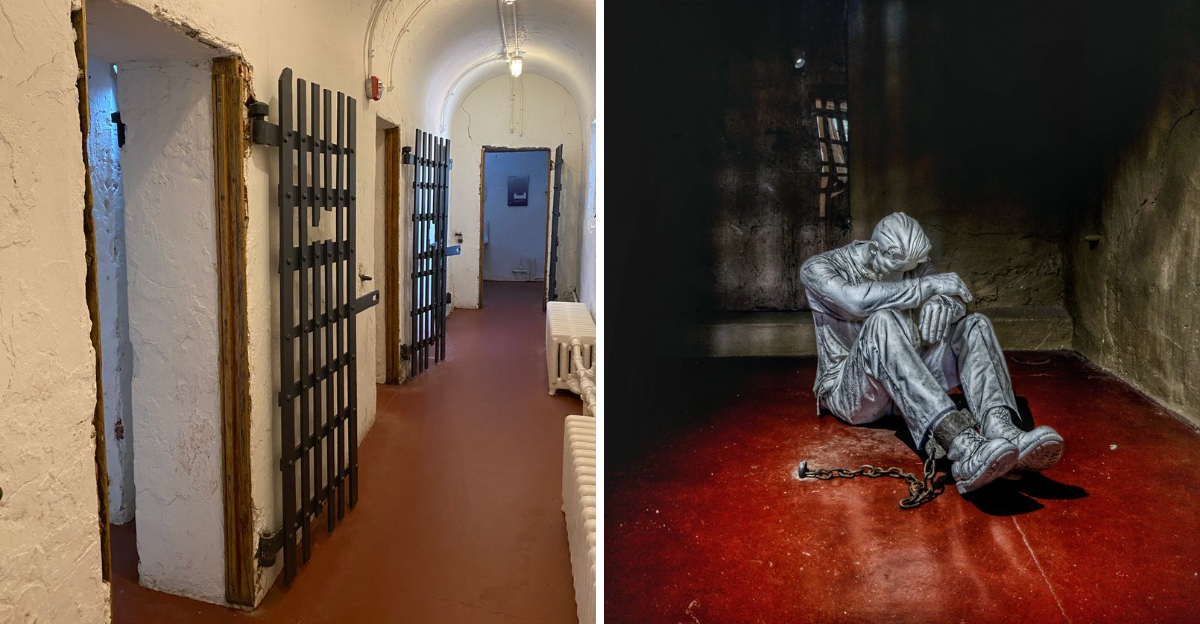
I never thought I’d be excited about visiting a prison, but here I am, practically buzzing with anticipation outside one of New Jersey’s most fascinating historic landmarks.
The Burlington County Prison Museum rises like a stone fortress, its weathered walls holding nearly two centuries of Garden State history.
As I walk toward this National Historic Landmark, I can already feel the weight of the stories waiting inside: desperate inmates, dedicated wardens, mysterious deaths, and even spirits that supposedly never checked out.
Open Thursday through Sunday with varying hours, this isn’t your typical museum where you shuffle past dusty displays and yawn your way to the gift shop.
I get to step into cell blocks where paranormal investigators have recorded unexplained voices and shadowy figures, and imagine what it was like to sleep where condemned prisoners once counted their final days.
It’s no wonder this unassuming building in Mount Holly has become one of New Jersey’s hottest destinations for ghost hunters and history buffs alike.
For me, it delivers chills, thrills, and genuine historical fascination in equal measure.
The Fortress Architecture That Stopped Escapes Cold
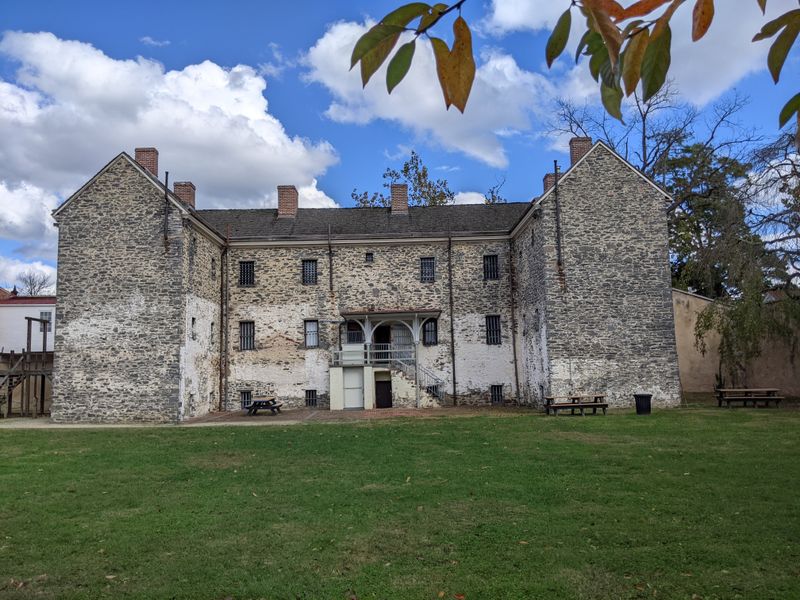
Robert Mills designed this prison back in 1808 using Egyptian Revival architecture, creating what looks like an impenetrable fortress dropped right into small-town New Jersey. The massive stone walls weren’t just for show.
They were engineered to withstand any escape attempt, and remarkably, they worked.
Standing before this building, I’m struck by how different it looks from anything else in Mount Holly. The thick limestone blocks and narrow windows give it an almost medieval appearance, though it predates many American castles by decades.
Mills, who also designed the Washington Monument, clearly understood that a prison needed to project authority and permanence.
Walking around the perimeter, I notice how the architecture creates natural surveillance points. Guards could monitor multiple areas simultaneously from strategic positions.
The design eliminated blind spots where prisoners might plot or hide contraband.
What fascinates me most is how this structure influenced prison design across America. Other states copied Mills’ blueprint, recognizing its practical genius.
The Egyptian Revival style wasn’t just aesthetic; those sloping walls made climbing nearly impossible.
Inside, the original construction remains largely intact. I can see hand-hewn beams, original masonry work, and iron fixtures that have survived two centuries.
The craftsmanship speaks to an era when buildings were constructed to last generations, not decades.
The fortress succeeded in its mission. During its 140 years of operation, very few inmates managed successful escapes.
Those walls kept dangerous criminals contained while the community outside went about their daily lives, barely aware of the dramas unfolding behind those imposing stones.
Cell Block Conditions That Defined Punishment
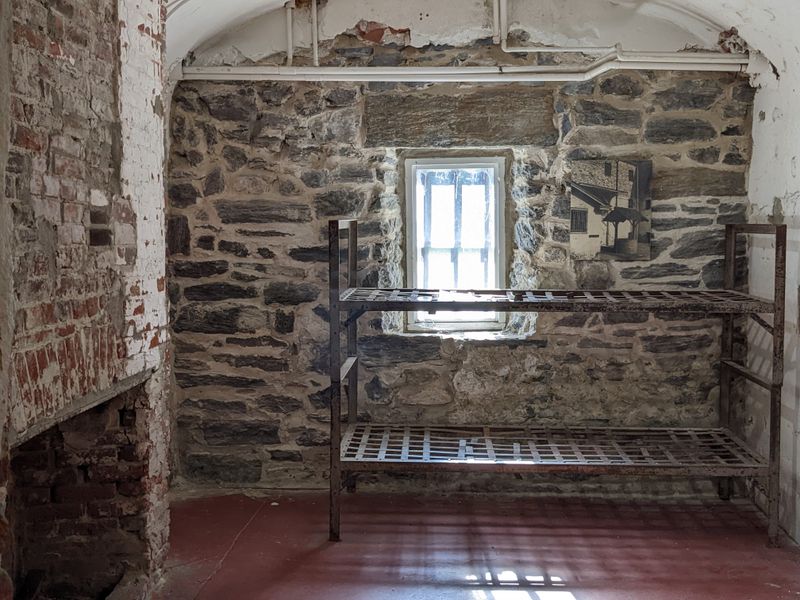
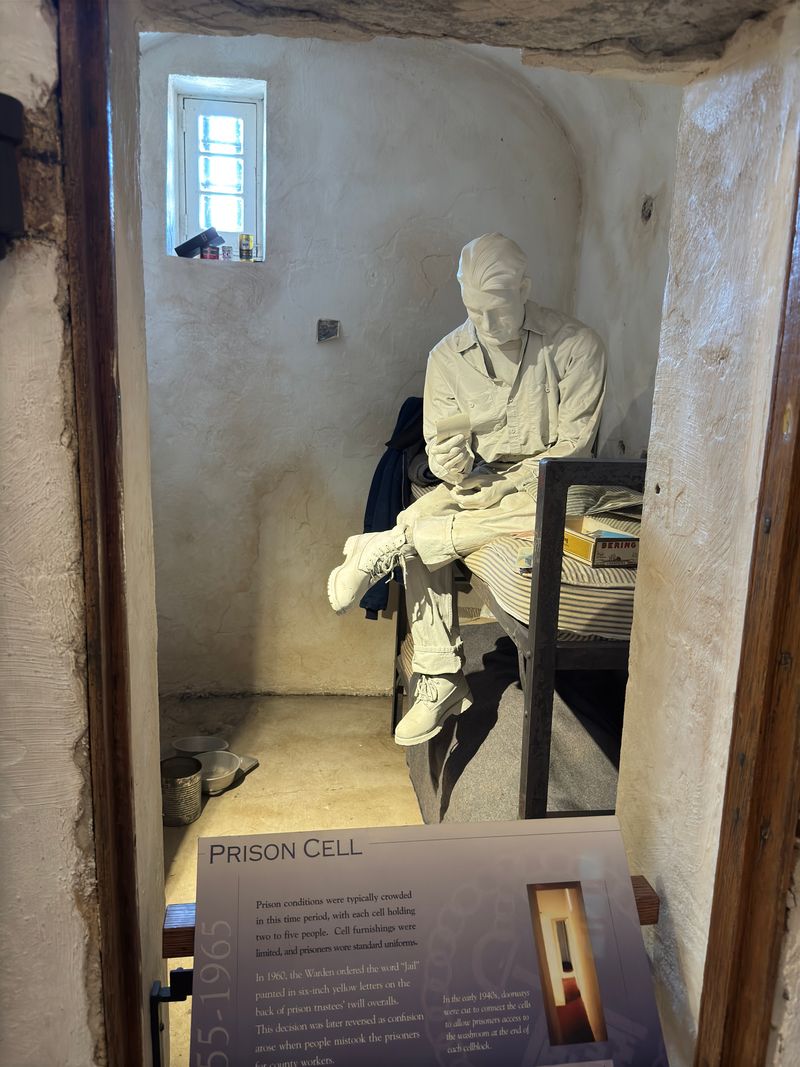
Stepping into the original cell blocks transported me backward through time in the most visceral way possible. These tiny spaces, barely larger than modern walk-in closets, housed inmates for months or even years.
The cells measure roughly six by eight feet, with stone walls that radiate cold even on warm days.
Each cell contains a simple iron cot bolted to the wall, a small shelf, and absolutely nothing else. No television, no books, no entertainment whatsoever.
Prisoners spent twenty-three hours daily in these spaces, with only one hour for exercise in the yard.
The isolation must have been psychologically devastating. I tried standing in one cell for just five minutes, and the claustrophobia became almost overwhelming.
The narrow window admits barely enough light to read by, and the silence feels oppressive, broken only by distant footsteps echoing through stone corridors.
What struck me hardest was the lack of privacy. Guards could observe inmates through the barred doors at any moment.
This constant surveillance, combined with the cramped quarters, created conditions designed to break spirits and discourage repeat offenses.
Temperature control was nonexistent. Summer heat turned cells into ovens, while winter cold seeped through limestone walls.
Inmates received thin blankets and basic clothing, insufficient for New Jersey winters. Many fell ill from these harsh conditions, and some never recovered.
The museum preserves these cells exactly as they existed during operation. Standing inside one, I gained profound respect for human resilience and genuine understanding of how punishment philosophies have evolved over two centuries of American criminal justice.
The Gallows Where Justice Took Its Final Form
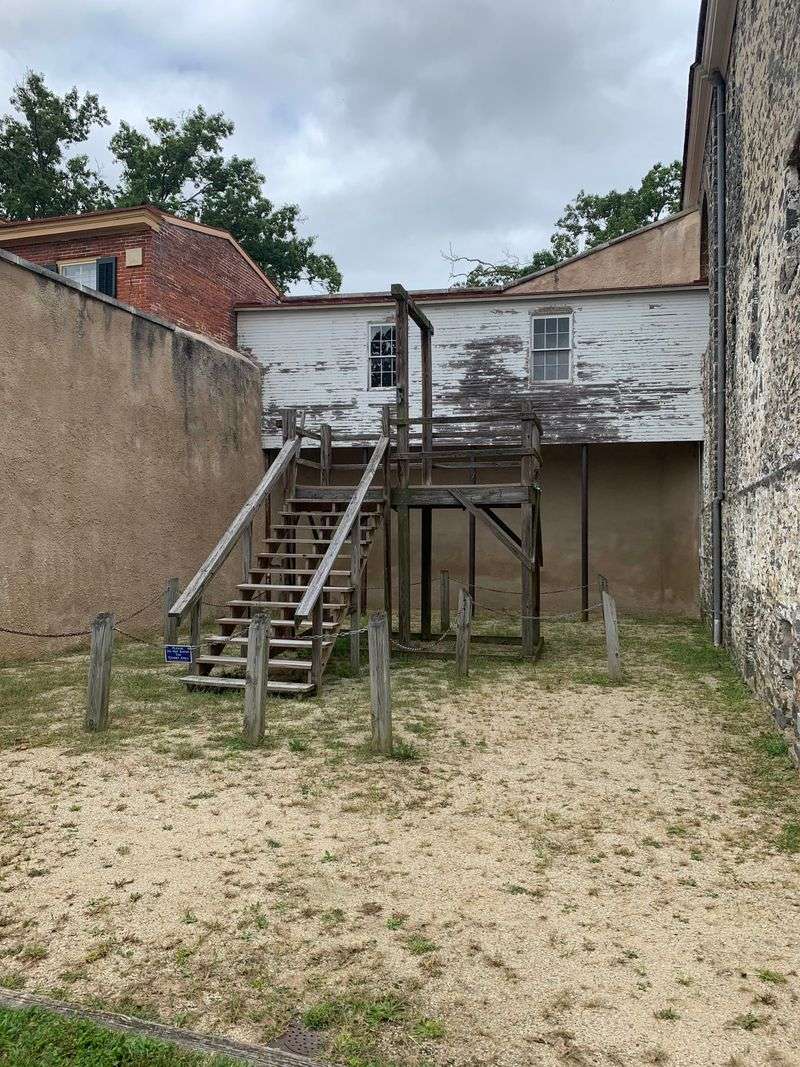
Behind a heavy door lies the room nobody wants to enter but everyone wants to see. The gallows area represents the darkest chapter in Burlington County Prison’s history.
Between 1828 and 1906, executions took place within these walls, and the original gallows mechanism remains on display.
Standing beneath the wooden beam where condemned prisoners met their fate gave me genuine chills unrelated to any paranormal activity. The mechanism is surprisingly simple: a trap door, a rope, and gravity.
Yet this simplicity masked the profound finality of what occurred here.
The museum documents each execution with historical records, giving names and crimes to those who died here. Reading these accounts, I realized how different societal standards were regarding capital punishment.
Crimes that might warrant life imprisonment today resulted in death sentences back then.
What haunts me most isn’t the equipment itself but the human stories surrounding it. Guards who had to carry out executions, families who said final goodbyes, and prisoners who spent their last nights in cells just feet away, listening to carpenters preparing the gallows for morning.
The room feels heavy with history. Whether you believe in ghosts or not, the emotional weight of this space is undeniable.
I noticed visitors speaking in hushed tones here, as if the executed deserve continued respect even centuries later.
New Jersey abolished capital punishment in 2007, making this gallows a relic of a different era. The museum presents this history without glorification, allowing visitors to form their own conclusions about justice, punishment, and how far we’ve come as a society in our treatment of criminals.
Sheriff’s Quarters That Blurred Home And Workplace
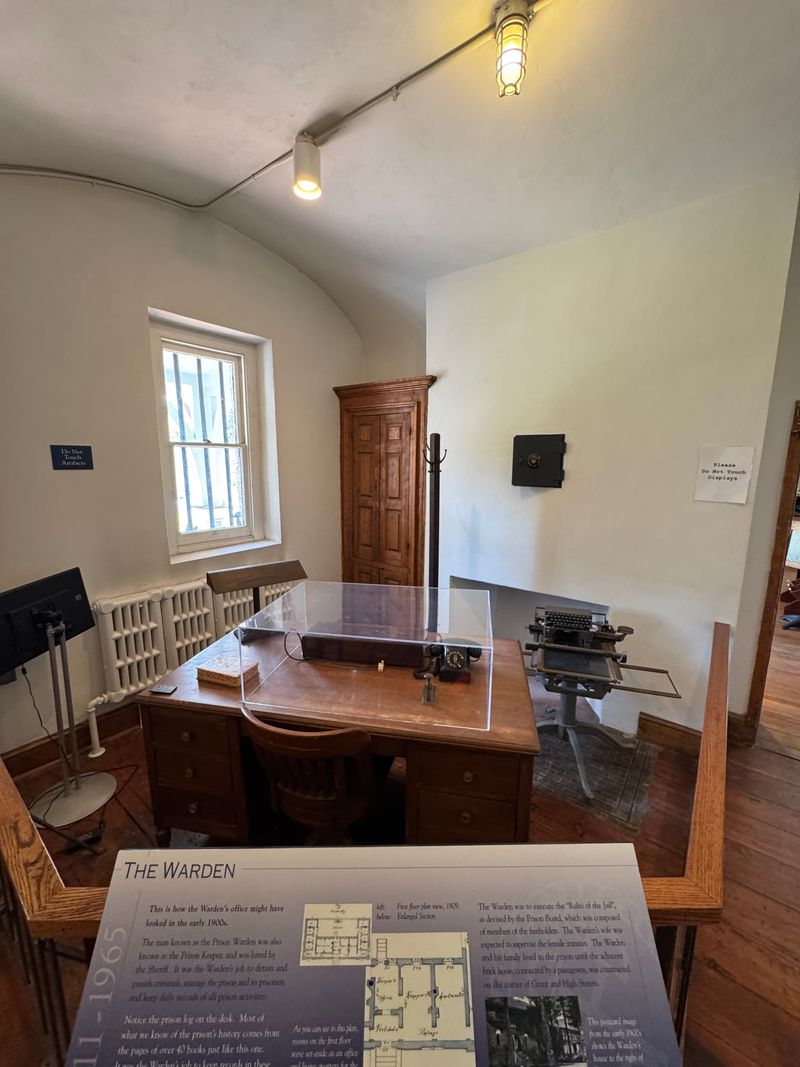
One of the most unusual aspects of this prison is that sheriffs and their families actually lived here. The attached residence allowed sheriffs to maintain constant oversight while raising children and hosting dinner parties just yards from maximum-security cells.
Talk about bringing work home with you!
Touring the restored living quarters, I’m amazed by the contrast between domestic normalcy and institutional severity. The parlor features Victorian-era furniture, decorative wallpaper, and family photographs, while the adjoining corridor leads directly to cell blocks.
Children literally grew up playing in rooms where they could hear inmates calling out.
The kitchen looks like any period home, with a wood-burning stove, pantry shelves, and cooking utensils. Yet the sheriff’s wife prepared meals knowing dangerous criminals were locked up just through that wall.
How did families normalize this bizarre living arrangement?
I learned that sheriff families often developed complicated relationships with long-term inmates. Some prisoners became trusted workers, helping with maintenance or kitchen duties.
Children sometimes befriended inmates through the bars, creating situations that seem almost unimaginable today.
The residence also served official functions. The dining room hosted county officials, lawyers, and judges discussing cases over meals.
Business meetings occurred in spaces decorated with lace curtains and china cabinets, creating surreal juxtapositions between genteel society and harsh punishment.
This living arrangement ended when the prison closed in 1965. Modern correctional facilities maintain strict separation between staff housing and inmate areas.
Touring these connected spaces, I gained appreciation for how prison management has evolved and how different professional boundaries were in earlier American history.
Paranormal Activity That Keeps Investigators Coming Back
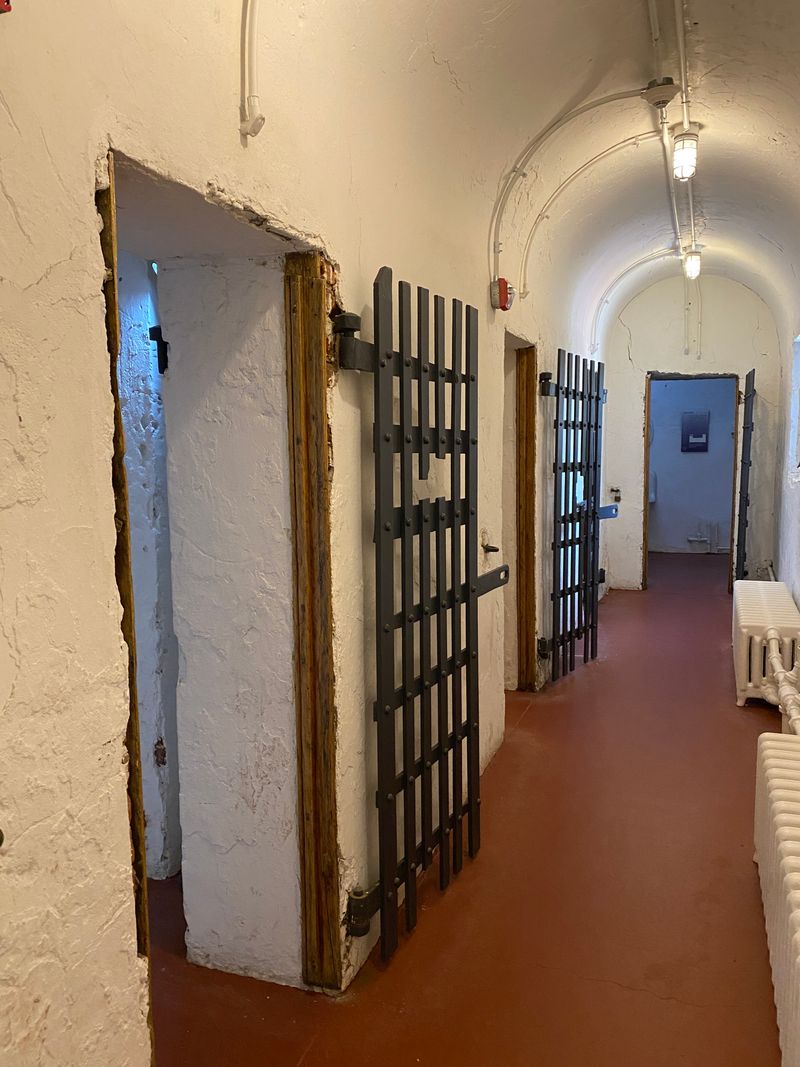
Whether you’re a believer or skeptic, the paranormal reputation surrounding Burlington County Prison Museum is impossible to ignore. Countless visitors, staff members, and professional investigators have reported unexplained phenomena within these walls.
The museum has become a magnet for ghost hunters seeking evidence of the afterlife.
During my visit, a docent shared stories that raised goosebumps on my arms. Visitors frequently report feeling sudden cold spots in specific cells, hearing disembodied voices calling out, and sensing unseen presences watching them.
Security cameras have captured shadows moving through locked areas when nobody was present.
The most commonly reported spirit is Joel Clough, executed here in 1857 for murder. Witnesses describe seeing a tall figure in period clothing near the gallows area, and some claim to have heard his voice pleading innocence.
Whether these accounts represent genuine paranormal activity or psychological suggestion remains hotly debated.
What intrigues me is the consistency of reports. Multiple visitors who knew nothing about the prison’s history have described identical experiences in the same locations.
They mention feeling overwhelming sadness in certain cells or experiencing inexplicable anxiety near the execution area.
The museum doesn’t exploit its haunted reputation but acknowledges it honestly. They host occasional paranormal investigation events where enthusiasts can explore after dark with proper equipment.
These events sell out months in advance, attracting serious researchers alongside curious thrill-seekers.
I remained skeptical but open-minded during my visit. While I didn’t experience anything overtly supernatural, the atmosphere certainly felt charged with history.
Whether that’s ghosts or simply the accumulated emotional energy of centuries of human suffering, I’ll leave for you to decide when you visit.
Artifacts That Bring Prisoner Stories To Life
The museum’s artifact collection transforms abstract history into tangible human stories. Glass cases throughout the facility display items that once belonged to inmates, guards, and sheriffs, each object representing a life lived within these walls.
These aren’t just dusty relics; they’re windows into individual experiences.
I spent considerable time examining handmade items crafted by inmates during their confinement. One display features intricate wood carvings created with crude tools, demonstrating remarkable artistry born from desperate boredom.
Another case holds letters written by prisoners to family members, their words revealing loneliness, regret, and occasional hope for redemption.
The personal effects of executed prisoners prove especially moving. A pocket watch, a wedding ring, a small Bible—these ordinary objects take on profound significance when you know their owners died here.
The museum presents them respectfully, honoring the humanity of people who committed terrible crimes but were human nonetheless.
Guard equipment tells another side of the story. Original keys, restraints, and uniforms illustrate the daily reality of maintaining order in a dangerous environment.
I examined a warden’s logbook documenting routine activities, disciplinary actions, and the mundane bureaucracy of running a 19th-century correctional facility.
Some artifacts surprise visitors with their ingenuity. Homemade weapons confiscated from inmates demonstrate creativity applied to violence.
Contraband items reveal the underground economy that existed within the prison, where tobacco, food, and other goods became currency.
What makes these artifacts powerful isn’t their monetary value but their authenticity. These objects witnessed real events, were touched by real people, and survived to tell stories that would otherwise be forgotten in the sweep of history.
Special Events That Transform The Museum Experience
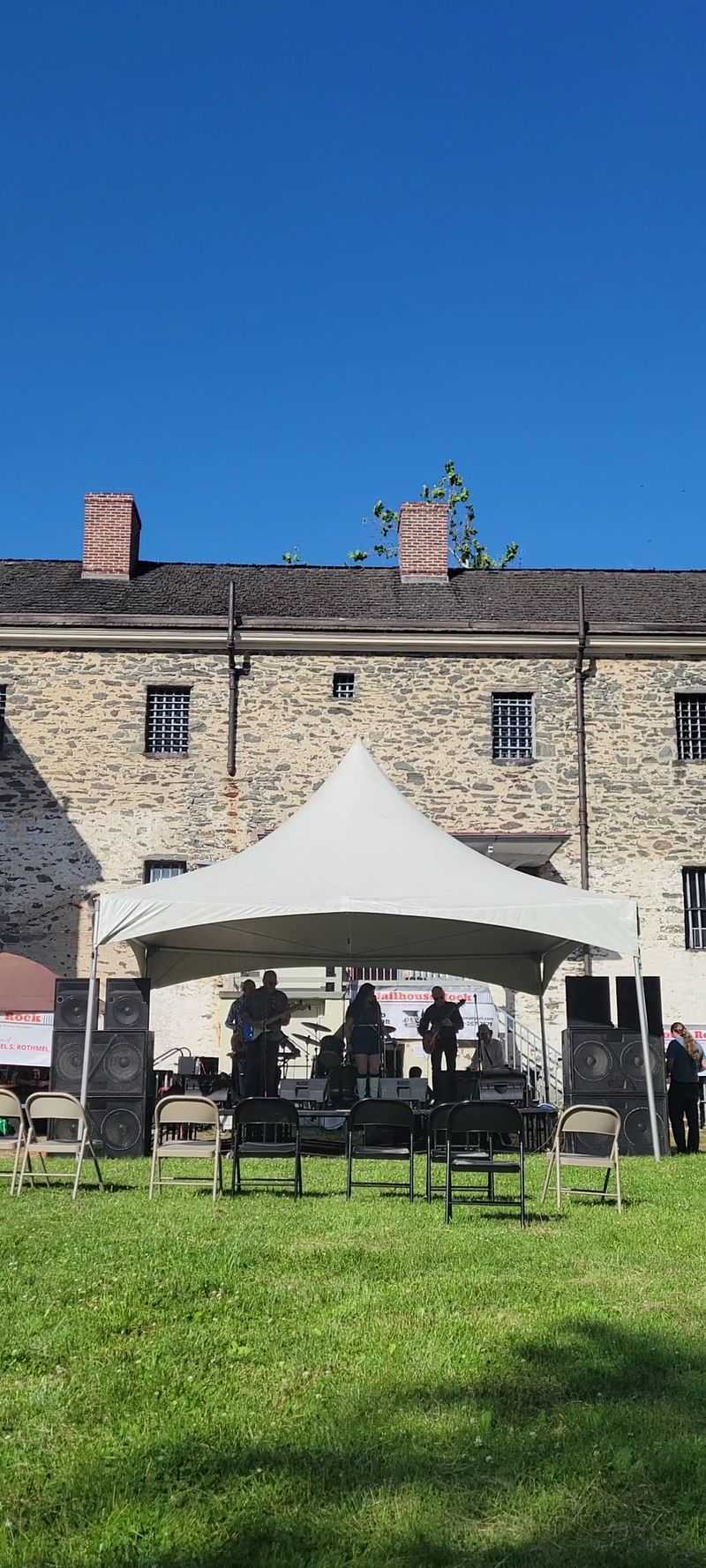
Visiting during regular hours provides excellent historical education, but the museum’s special events elevate the experience to something truly memorable. Throughout the year, the staff organizes programs that explore different aspects of the prison’s history, from educational lectures to theatrical presentations to paranormal investigations.
The lantern tours rank among the most popular offerings. As darkness falls, guides lead small groups through the prison using only period-appropriate lighting.
The flickering shadows and limited visibility create an atmosphere that modern electric lights simply cannot replicate. You experience the building much as 19th-century inhabitants would have, and the effect is genuinely transporting.
Historical reenactments bring specific events to life with costumed interpreters portraying sheriffs, inmates, and other figures from the prison’s past. These performances aren’t cheesy dinner theater; they’re carefully researched presentations that illuminate daily life, famous trials, and significant incidents that occurred within these walls.
The museum also hosts educational programs for school groups and history enthusiasts. These sessions delve deep into topics like prison reform, capital punishment debates, and how correctional philosophy has evolved.
Experts present lectures that contextualize the Burlington County Prison within broader American criminal justice history.
Ghost hunting events allow overnight access for serious paranormal investigators. Participants bring their own equipment and spend hours exploring the building after dark.
Whether you believe in ghosts or simply enjoy the thrill, these events offer unique access to areas not always open during regular tours.
Holiday events add seasonal flavor to your visit. The museum celebrates its history while acknowledging how holidays were observed by inmates and staff.
These programs demonstrate that even in harsh confinement, people found ways to mark special occasions and maintain human connections.
The Maximum Security Wing That Held The Worst Offenders
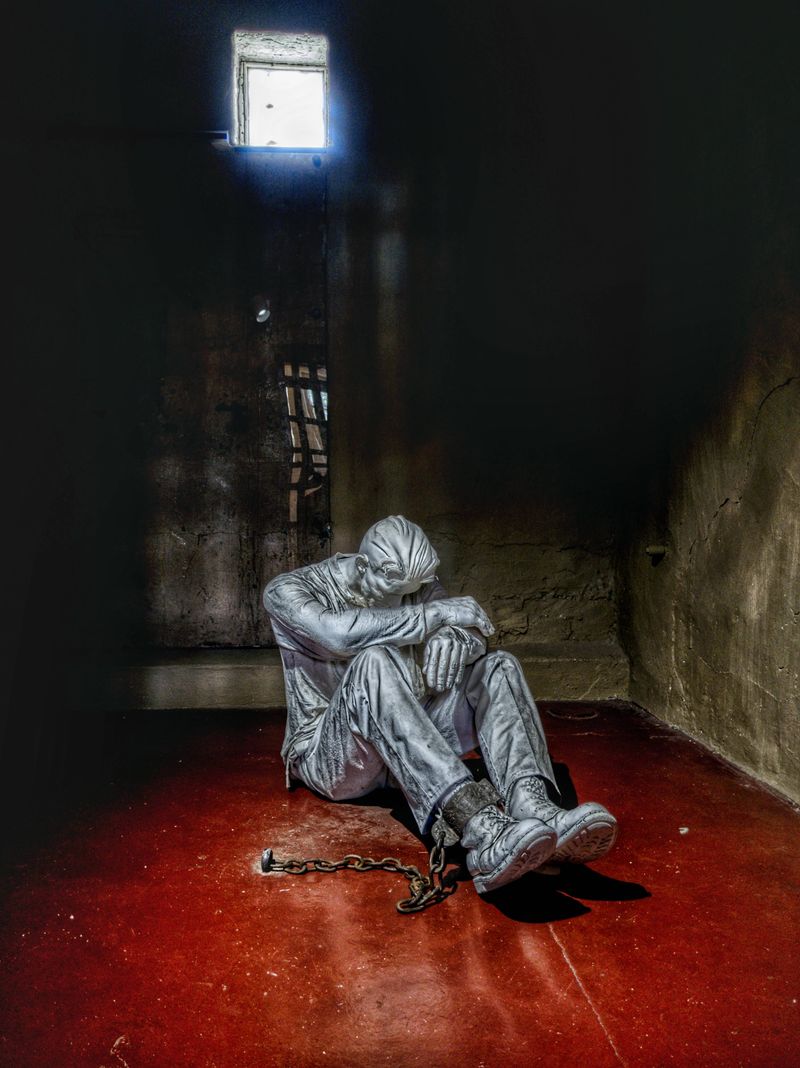
Not all prisoners received equal accommodations. The maximum security wing housed the most dangerous offenders, those convicted of murder, violent assault, or multiple escape attempts.
Walking through this section, I immediately noticed the enhanced security measures that separated it from general population areas.
The cells here feature double-barred doors and smaller windows positioned higher on the walls, making escape virtually impossible. Walls are thicker, and the isolation more complete.
Inmates in maximum security rarely interacted with others, spending their sentences in near-total solitude.
What struck me most was the psychological impact this isolation must have inflicted. Regular prison life was harsh, but at least general population inmates could see and speak with others.
Maximum security prisoners lived in a silence broken only by guards’ footsteps and their own thoughts echoing endlessly.
The museum documents several notorious criminals who occupied these cells. Reading their case files, I learned about crimes that shocked New Jersey communities and led to sensational trials.
Some names remain familiar to local history buffs, while others have faded into obscurity despite their once-infamous status.
One cell held prisoners awaiting execution. Imagine spending your final days in this tiny space, knowing exactly when and how you would die.
The condemned had no reprieve from contemplating their fate, no distractions from the approaching date with the gallows.
Guards assigned to maximum security faced unique challenges. They supervised the prison’s most dangerous individuals while maintaining humanity in inhumane conditions.
The museum honors these officers, recognizing that their jobs required courage, vigilance, and psychological resilience that few civilians could muster.
The Courtyard Where Prisoners Glimpsed Freedom
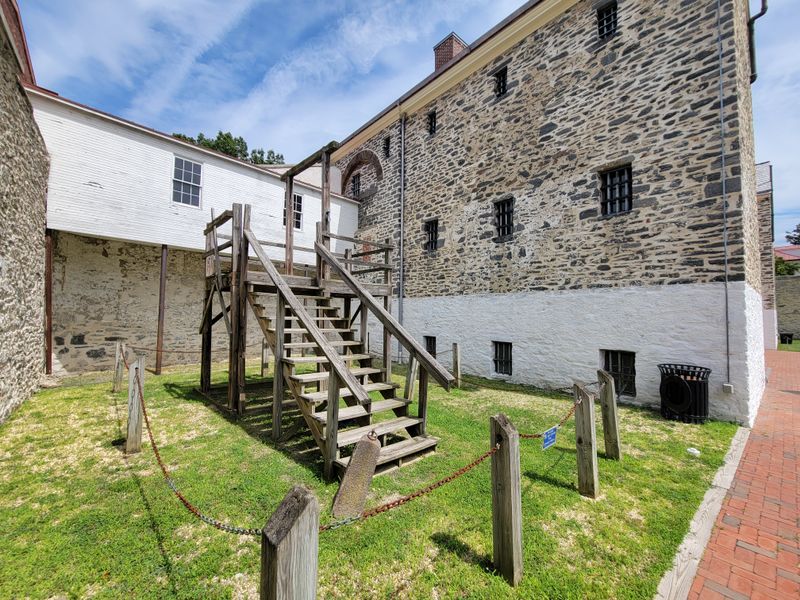
Stepping into the courtyard, I experienced the same bittersweet sensation inmates must have felt during their precious outdoor time. This small, walled space represented the only connection to the outside world for prisoners who spent months or years within the building.
High stone walls blocked views of the surrounding town, offering sky but nothing else.
For one hour daily, weather permitting, inmates were released into this yard for exercise. Guards monitored from elevated positions, ensuring no contraband exchanges or violence occurred.
The courtyard became a social space where prisoners could speak with each other, share news, and maintain some semblance of human connection.
I tried to imagine the psychological complexity of this space. The open sky must have been simultaneously liberating and tormenting, a reminder of freedom just beyond those walls.
Birds flying overhead could go anywhere, while prisoners remained trapped, their mobility limited to pacing this small rectangle.
The courtyard also served practical functions. Inmates performed maintenance work here, splitting wood, doing laundry, and handling other tasks that required outdoor space.
This labor provided both useful activity and economic benefit, as prisoners’ work offset some operational costs.
Weather in New Jersey varies dramatically across seasons. Summer heat made the courtyard oppressive, with no shade and stone walls radiating stored warmth.
Winter cold turned exercise time into an ordeal, though some prisoners preferred freezing temperatures to the stuffiness of their cells.
Today, visitors can walk this same space, though with very different feelings. What was once a privilege for inmates is now a casual stop on a museum tour.
Standing here, I reflected on how perspective transforms experience and how freedom is something we often take for granted.
Visiting Practical Information For Your Trip
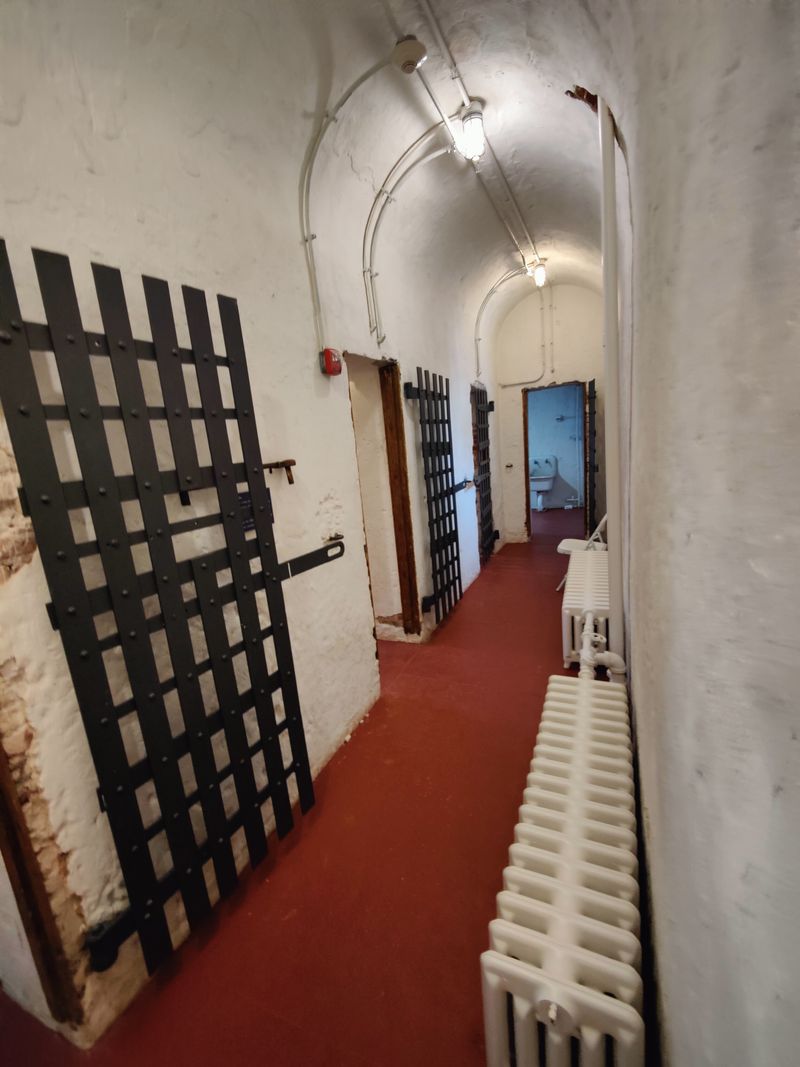
Planning your visit to Burlington County Prison Museum requires knowing a few key details to maximize your experience. Located at 128 High St, Mt Holly, NJ 08060, the museum operates on a limited schedule, so timing matters.
They’re open Thursdays and Fridays from 10 AM to 4 PM, Saturdays from 10 AM to 4 PM, and Sundays from noon to 4 PM, with closures Monday through Wednesday.
I recommend calling ahead at 609-265-5476 to confirm hours, especially if you’re traveling from a distance. Occasionally, special events or private bookings may affect regular visiting hours.
The museum’s website at prisonmuseum.net provides current information and details about upcoming programs.
Admission fees are remarkably reasonable for the quality of experience you receive. Adults pay a modest amount, with discounts available for seniors, students, and children.
Group rates make this an excellent destination for history clubs, school trips, or family reunions seeking something educational and unusual.
Tours typically last between sixty and ninety minutes, depending on your level of interest and how many questions you ask. Knowledgeable docents lead you through the facility, sharing stories and historical context that bring the building to life.
These guides are passionate volunteers who genuinely care about preserving and sharing this history.
The museum is largely accessible, though some areas present challenges for visitors with mobility limitations due to the historic nature of the building. Narrow staircases and uneven floors reflect 19th-century construction standards.
If you have specific accessibility needs, contact the museum in advance to discuss accommodations.
Mount Holly itself deserves exploration beyond the prison. This charming New Jersey town features excellent restaurants, antique shops, and other historical sites.
Make a day of it, combining your prison visit with lunch and browsing through this delightful community that surrounds one of the state’s most fascinating landmarks.
Dear Reader: This page may contain affiliate links which may earn a commission if you click through and make a purchase. Our independent journalism is not influenced by any advertiser or commercial initiative unless it is clearly marked as sponsored content. As travel products change, please be sure to reconfirm all details and stay up to date with current events to ensure a safe and successful trip.
