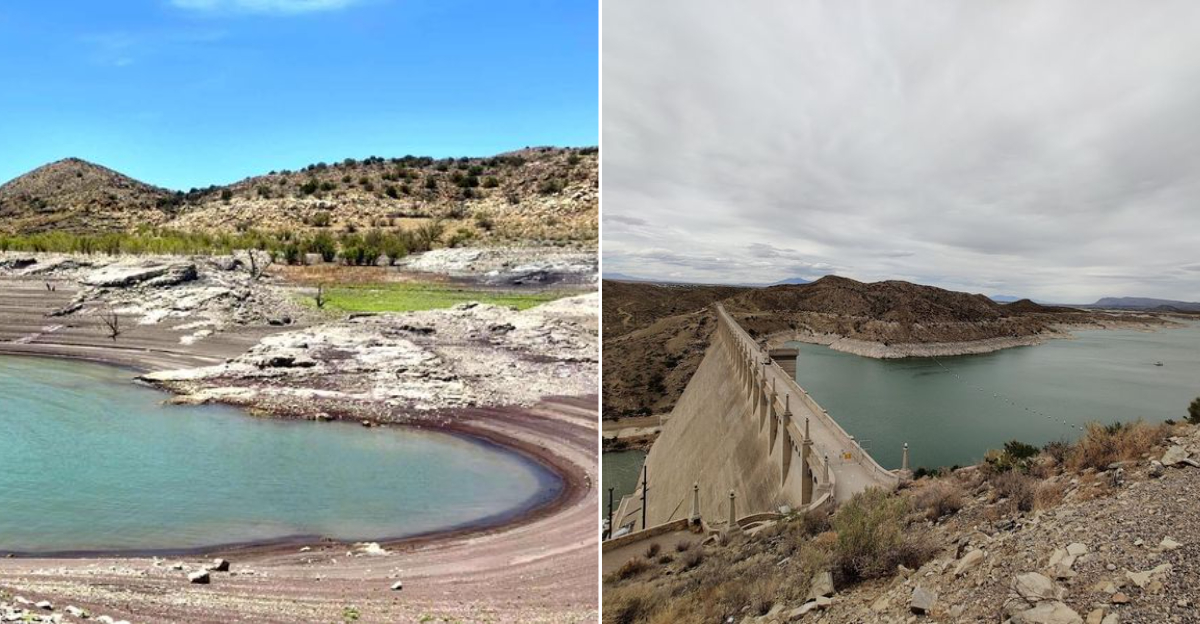
A lake does not have to disappear to look completely changed, and this New Mexico one is starting to prove that in a way that is hard to ignore. As the water keeps falling, expansive mud flats are taking over parts of a place that was once known for its huge scale and desert-oasis appeal.
That contrast is what makes the story so striking. This is not some tiny hidden pond quietly shrinking in the background.
It is a historically important reservoir, once famous for record-setting size, with boating, fishing, beaches, and even a volcanic island that helped give the lake its unforgettable identity. Now the lower water is exposing more than shoreline.
It is also bringing old structures, long-buried remnants, and fresh questions back into view as the landscape shifts. That makes the whole place feel a little more dramatic, a little more uneasy, and a lot harder to look away from.
If you think this is just another drought story, the strange things emerging from the mud may change your mind fast.
Falling Water Is Changing The Lake’s Shape
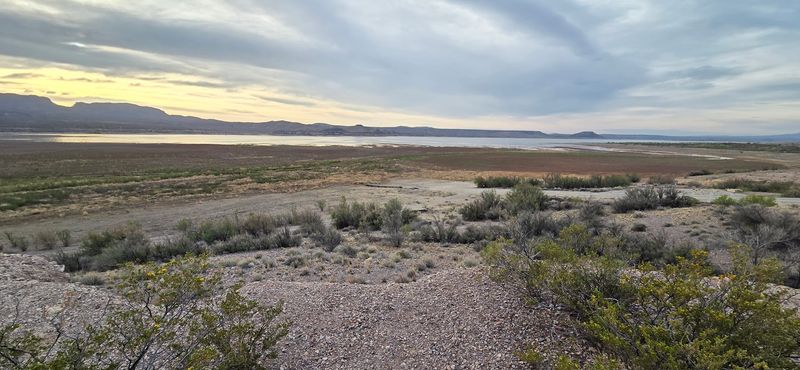
You can stand on the bluff near Dam Site Recreation Area and trace where the water used to push against the rock, then follow your eyes across the new flats. The lake’s edges look peeled back, and the curves that once felt soft now show their bones.
It is not just lower water, it is a new map taking shape right in front of you, and the lines keep moving.
Folks talk about snowmelt from Colorado and the hit or miss monsoon pulses, and you feel both stories in the shoreline. The channels tighten, coves turn into wide pans of clay, and the once subtle shelves are suddenly loud and obvious.
New Mexico has been dealing with this slow dryness for a while, and Elephant Butte is wearing the reality on its sleeve. If you are paying attention, you notice how boats sit farther downslope and the path to the waves stretches longer than your memory expects.
Expansive Mud Flats Make The Shift Hard To Miss
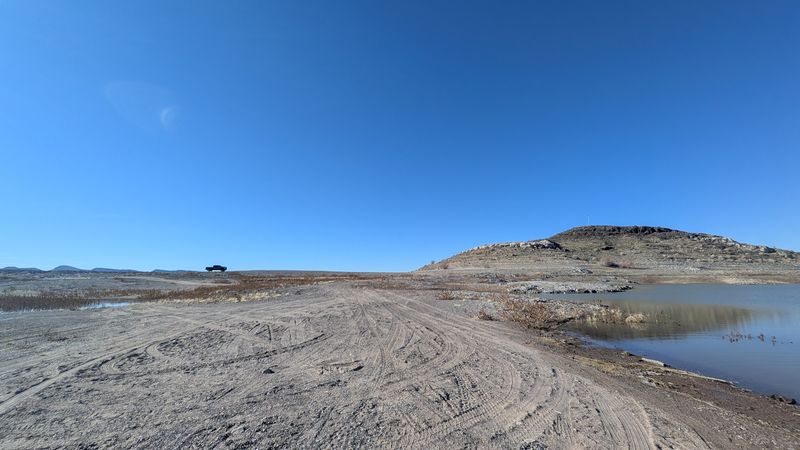
Walk down from Rock Canyon and your boots pick up weight with every step, because the flats cling like the place is trying to remember you. The surface looks smooth from above, then turns soft and grabby, and you start reading the lake by its footprints.
Bird tracks cross the faint ripples in the mud, and an old anchor mark sits high and dry.
It is a full sensory shift that you cannot ignore, and honestly, you should not try. The smell is part clay and part sunbaked lakebed, and it carries a memory of recent water.
You glance toward Truth or Consequences and the light flickers over the exposed shelves, and everything feels stretched. New Mexico desert light has a way of telling on edges, and these new edges are blunt.
Bring patience, steady footing, and a willingness to stop before the soggy patches, because the flats can change in a single afternoon.
Fresh Concern Keeps Elephant Butte In Focus
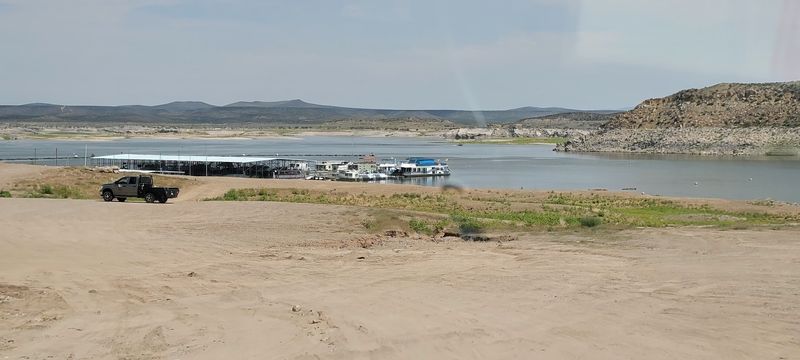
You hear it from rangers and regulars, and it lands with the same steady tone every time, because caution beats regret out here. The lake has wide, shallow zones now, and bars show up where you do not expect them, exactly when you relax.
Storm bursts still roll through, but the big picture depends on snow and timing, and that mix has been stingy.
People in New Mexico pay attention to this lake, because it not only steers weekends, it also marks how the region feels. When you see updated advisories, take them seriously and match your plans to the day’s reality.
The superintendent’s reminders about shallow, muddy areas are not drama, they are practical. You can still spend an easy day exploring, you just do it with sharper eyes, slower moves, and a plan B that does not push luck.
That is not fear talking, that is respect for a living, shifting basin.
Exposed Shoreline Leaves A Stark First Impression
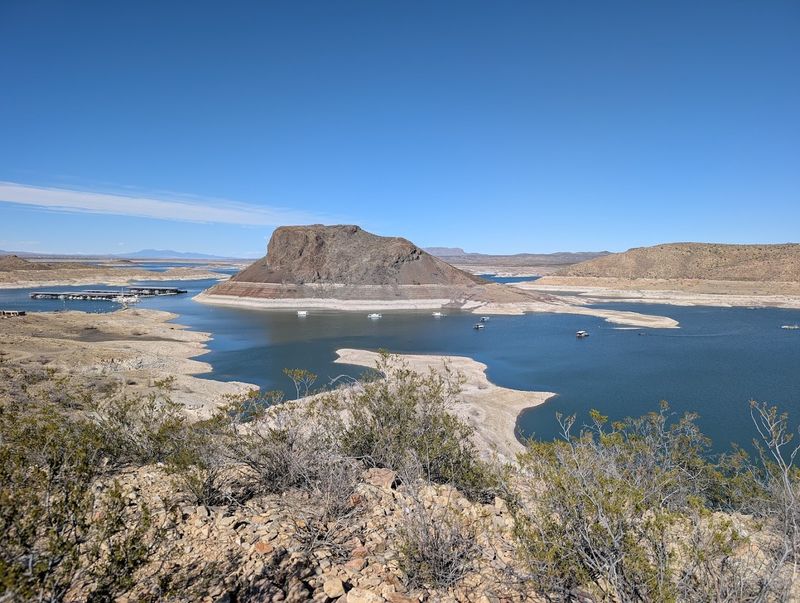
First steps from the parking pullout feel like walking into a story you half remember, then the scene jolts you. The bathtub ring on the rocks is not subtle, and the bleached driftwood looks like it crawled up the bank and gave up.
Your brain measures distance without meaning to, matching old launch points to the new wet line.
Stark does not have to mean ugly, though, and that is the tricky part. The colors lean pale and chalky, then swing to copper and shale, and the textures shift under your shoes.
You find small surprises, like a string of smooth pebbles or a hidden pocket of reeds holding a sliver of water. New Mexico light throws long, slow shadows that turn the flats into a quiet theater.
If first impressions run loud, give the place another beat, and let your eyes settle into the new normal before judging the whole.
Boating Access Tells Part Of The Story
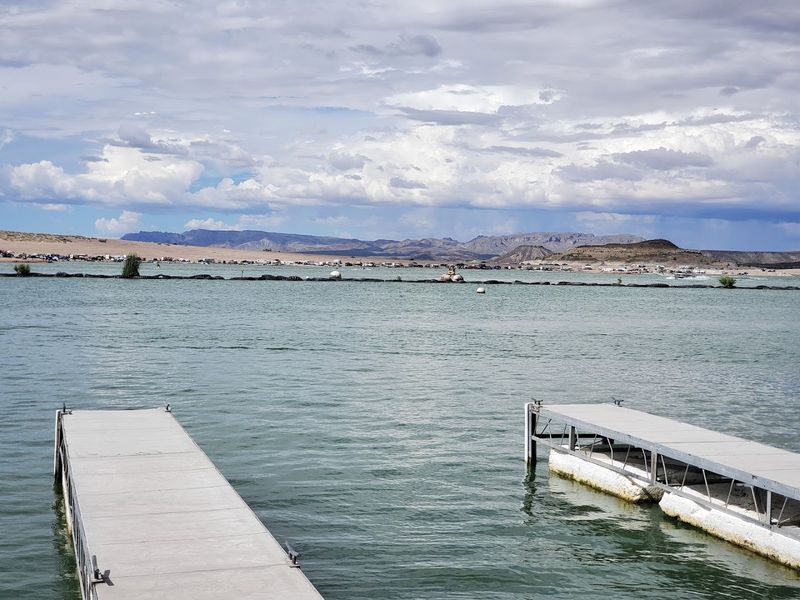
Down by the marinas, the ramps and docks speak in plain language, and you do not need a ranger to translate. Some lanes feel longer, some sit dry, and crews keep moving pieces to match the water.
You can still launch, but it takes timing, a lighter touch, and honestly, a bit more patience than a quick weekend sprint allows.
Neighboring lakes in New Mexico are feeling similar pressures, and the adjustments ripple through every plan. Wind and storms can stack water on one side, then pull it away, and the daily dance shows up in the hardware.
Ask at the kiosk, check with folks who launched that morning, and do not force what the day is not giving. When you see non-motor zones pop up at other reservoirs, it is the same story written with different details.
Here, the access story is flexible, not closed, but it absolutely asks you to read it line by line.
The Landscape Feels Bigger And Harsher Now
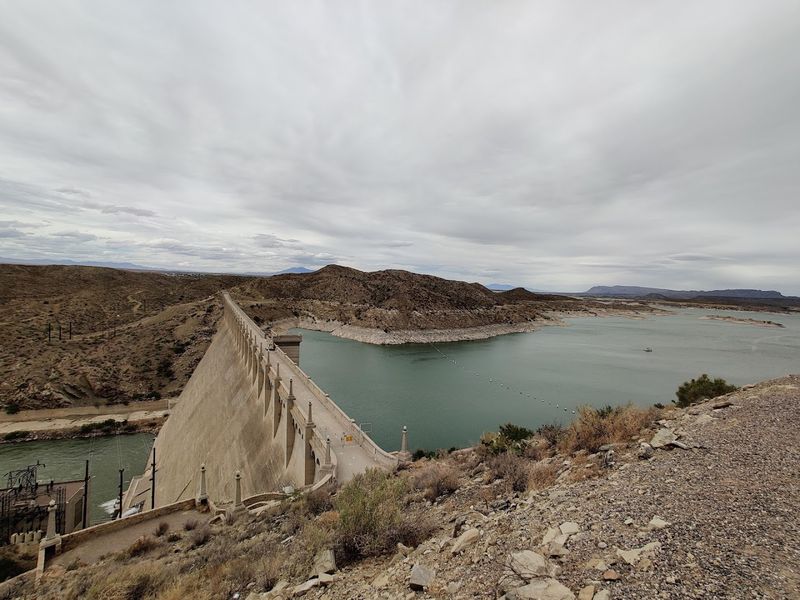
Funny thing about less water, the whole place somehow feels bigger, like someone pulled the curtain back and left the stage lights on. You notice buttes and ridges that used to read as small background flourishes, now staking real territory.
The wind works the flats and sends little dust swirls marching down the basin like scouts.
There is a sharper beauty in that, and also a grit that asks for steady attention. Shade is scarce, reflections are fewer, and the horizon pulls you farther than your legs might want to go.
You plan your route, check the sky, and carry the right layers, because New Mexico weather loves a quick mood swing. Harsh does not mean hostile, it simply means honest desert rules apply without apology.
If a place can be both inviting and blunt at once, this is it, and you feel that truth right in your stride.
Low Water Is Reshaping The Visitor Experience
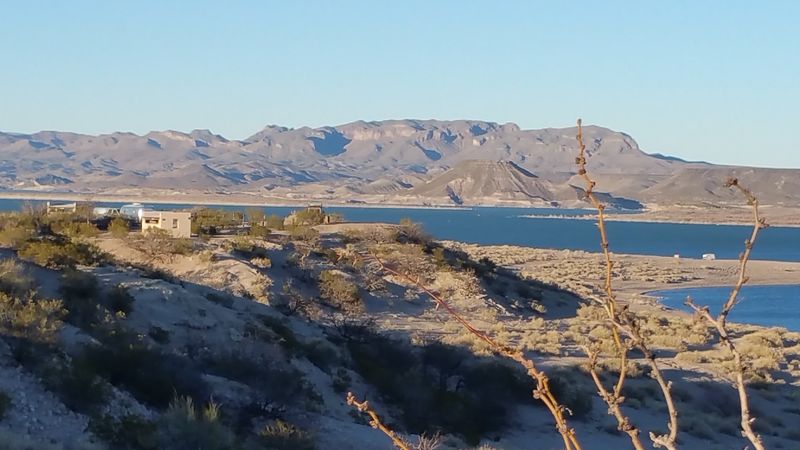
What used to be a short stroll to the splash is now a walk with choices, because trails split toward the new edge. You notice how families set up higher, and anglers wander the seams where water fingers into the mud.
The day slows, not because of rules, but because the landscape edits your plan in small, steady ways.
Campers talk about the night sky, and how the wider flats open more horizon for stargazing, which feels like a quiet bonus. Photographers line up late light on the butte and the fresh textures, and even simple phone shots catch the shift.
You check advisories, keep respectful distance from soft ground, and let the lake set the pace. This is still a good day out, just shaped differently than the one in your memory.
New Mexico travel has a way of teaching patience, and Elephant Butte is a thoughtful teacher right now.
Dry Edges Add A Different Kind Of Drama
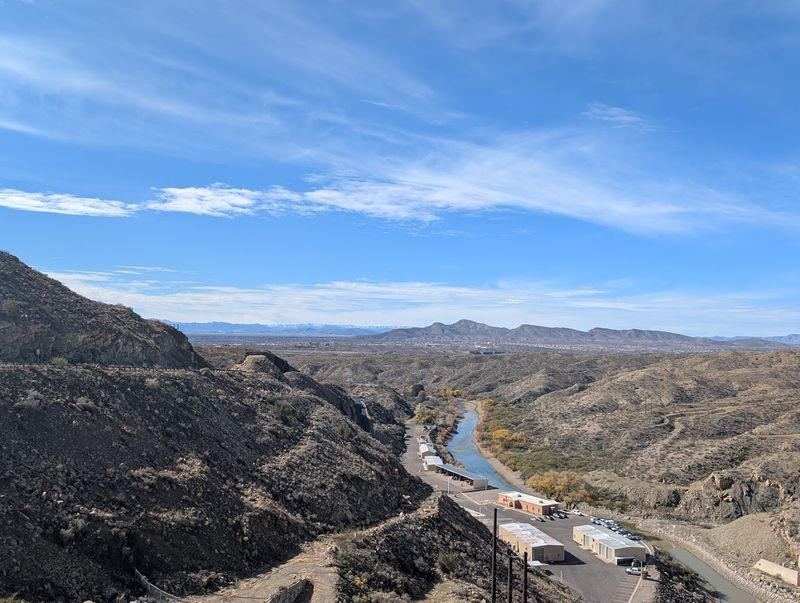
If you like big skies and strong lines, the new shoreline gives you a canvas that almost draws itself. The cracks run like tiny canyons under your feet, and the water’s edge folds into them with a gentle, careful lip.
It is quieter drama, the kind that builds without noise, then sneaks into your photos and your thoughts.
Clouds pile up in the afternoon and throw moving shade across the flats, and the whole lake breathes in shadow and light. You might not swim as long, but you will probably stand still more, just watching shape trade places with color.
That is not settling, that is noticing, and this place rewards that kind of attention. For a New Mexico lake known for wide recreation days, the stillness is a twist that plays well.
Bring time, good footing, and a willingness to let the view do most of the talking.
Scenic Pull And Water Worries Meet Here
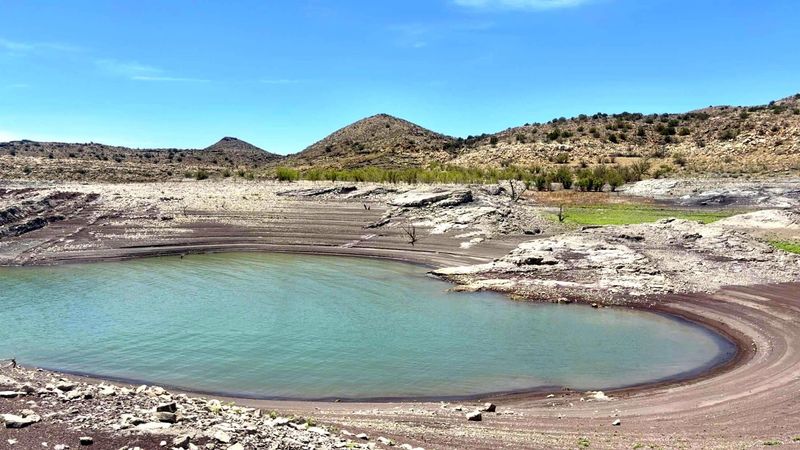
There is this tug you feel, because the lake is gorgeous even when it is stressed, and that contrast is hard to carry lightly. You can hold both, though, and most folks out here do, simply by paying attention while still letting the view land.
The butte glows, the mesas stretch, and then you look down and see clay shining where waves once tapped.
Conversations drift toward snowpack and monsoon storms, and you catch yourself rooting for clouds to build where they matter. It is not a gloomy vibe, just a practical one that folds into the day naturally.
You skip the risky spots, plan smarter routes, and keep the worry in its useful lane. New Mexico has always balanced beauty and scarcity, and Elephant Butte shows that balance in clean lines.
When both truths meet at the shoreline, you end up respecting the scene even more.
Elephant Butte Feels More Fragile Than Before
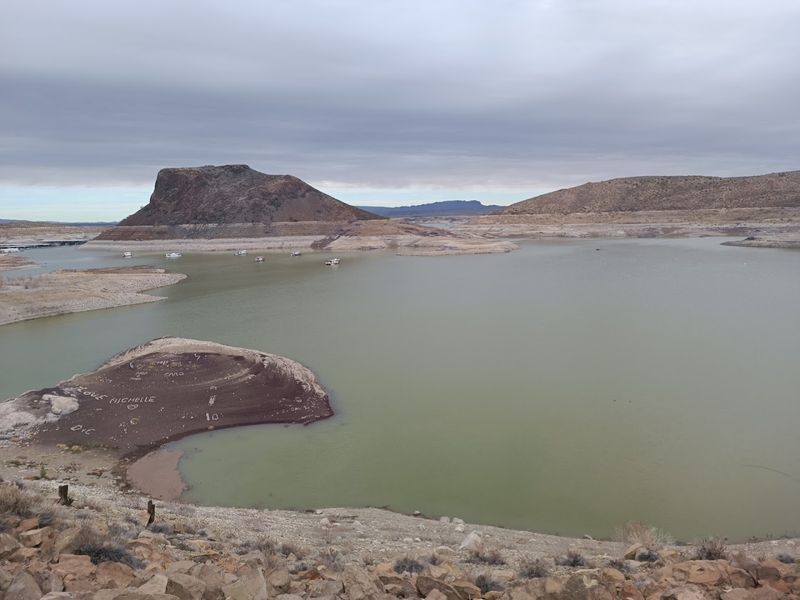
Standing near the overlook at sunrise, the butte looks steady and timeless, and the lake below looks thin around the edges. That pairing hits a nerve you might not expect until you see it.
Fragile does not mean lost, it means pay attention, tread lightly, and give the place the consideration it has earned.
You keep your plans, just tuned to current reality, and you treat the shoreline like a guest’s living room instead of a hallway. The park crews and local communities are watching the same patterns and rooting for kinder seasons, and it feels good to match their care.
New Mexico has a long memory for dry spells, and lessons sit right on the ground if you slow down and read them. If this is your first trip or your fifth, the lake will meet you honestly.
All it asks in return is that you meet it the same way, step by mindful step.
Dear Reader: This page may contain affiliate links which may earn a commission if you click through and make a purchase. Our independent journalism is not influenced by any advertiser or commercial initiative unless it is clearly marked as sponsored content. As travel products change, please be sure to reconfirm all details and stay up to date with current events to ensure a safe and successful trip.
