Have you ever pressed a random button on a building’s exterior just to see what would happen? One New York museum started exactly that way.
Back in 2002, a founder began displaying quirky artifacts in the ground floor windows of his apartment. Curious passersby could press a small button and hear his recorded voice guide them through the collection.
That homemade window display eventually grew into a real museum, hidden in plain sight beneath a traditional bodega style canopy. Locals describe it as the “dotty aunt’s tchotchke shelf” of New York City.
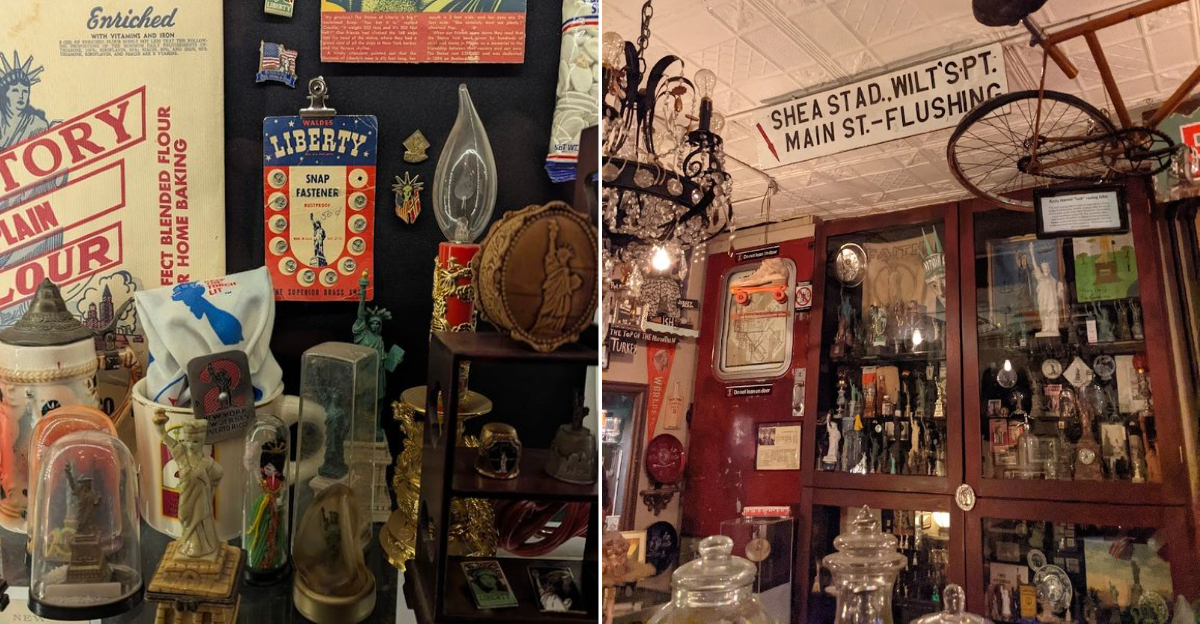
You will not find grand historical paintings here. Instead, the permanent collection includes subway rat bones, antique dentures washed ashore at Dead Horse Bay, paint chips from an L train platform, and even a piece of the Flatiron Building.
Community members display their own odd treasures in rotating exhibits. There are annual block parties, backyard concerts, and something called Bike Fetish Day.
So here is the real question. Would you drive across New York to see a jar of dirt from all five boroughs?
Keep reading, because this weird little spot might just become your new favorite museum.
The Storefront On Metropolitan Avenue
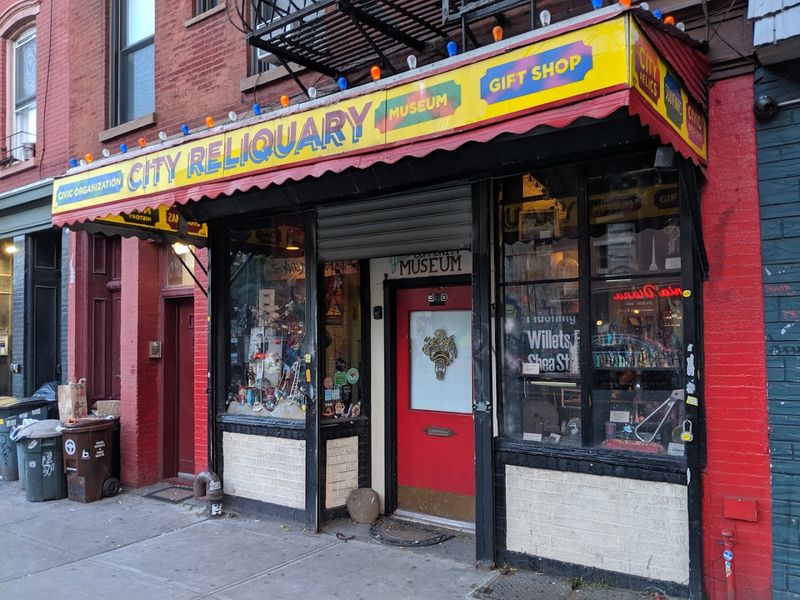
You know that feeling when you almost walk past the thing you came to find, then realize the inconspicuous doorway is exactly the point? The City Reliquary sits like that, a low-key storefront that blends into Metropolitan Avenue, and it works because curiosity becomes the ticket before you even step inside.
The window shows a jumble of small wonders that do not announce themselves loudly, and that restraint turns your pause at the glass into the first exhibit.
From the sidewalk, you catch reflections of buses and bikes sliding past while a faint glow spills over a scatter of postcards, badges, and tiny figurines. It feels like someone’s clubhouse opened its door just wide enough for you to peek, as if the city itself is nudging you to come closer.
The hum of Brooklyn traffic does the narration, and your pace naturally slows into museum speed.
Inside your head, you start placing bets on what waits beyond that threshold, and the guesses are half the fun. Is it a stash of subway lore, or a shrine to neighborhood grit?
Either way, the entry moment snaps into focus like a candid photo you did not mean to take, and suddenly you are in.
A Red Yellow And Blue Bodega Canopy Over The Door
Here is the detail that makes you smile before you even touch the handle, because the canopy looks like it belongs above a corner bodega and not a museum. The colors pop against the brick, a casual wink that sets the tone for everything inside, and you feel welcomed the way a neighborhood stoop does on a warm afternoon.
It is playful without trying too hard, which tells you the curators trust the objects to do the talking.
Step up beneath that awning and take a breath, since you are about to swap the speed of the street for the calm of deep browsing. The City Reliquary, 370 Metropolitan Ave, Brooklyn, NY 11211, sits right here like a friend holding a door, and the awning is its cheerful wave.
I love that it feels lived in, not staged to impress, because it signals that memory and humor are part of the collection.
New York can be serious, but this is the friendly version that still knows every corner story. You are allowed to be curious, to grin, to lean in close.
The canopy says museum, sure, but also says come hang out for a minute.
The Secret Backyard Hidden Behind The Museum
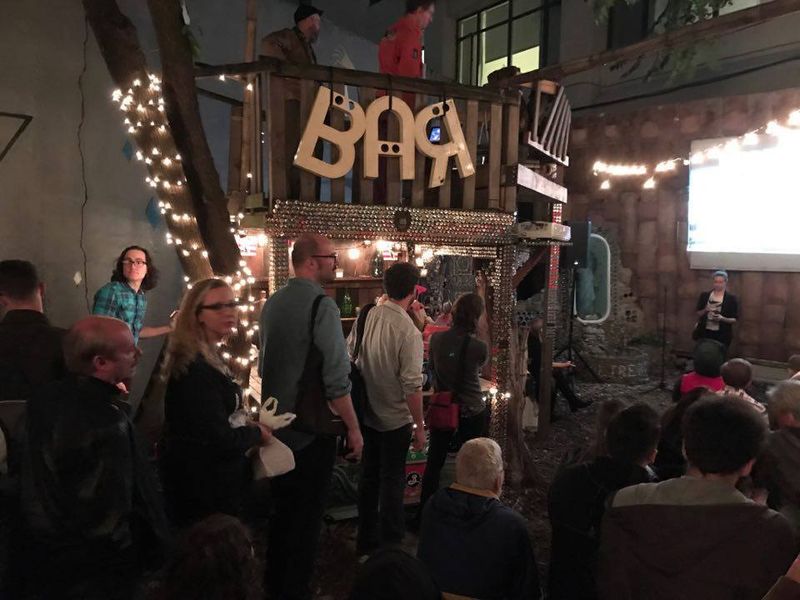
You would not expect a backyard here, and that is why it feels like a bonus level after the exhibits. Slip through the back and there is this scrappy little oasis where mismatched chairs, planters, and old signs turn into a pocket park.
The breeze carries the neighborhood soundtrack, and the brick walls make it feel like you found a page in the city’s diary.
What I love most is how the yard doubles as a gathering spot, because conversations stick to the air out here. You will hear stories about saved tokens and family heirlooms that were never fancy, and somehow they gain weight when told under string lights.
It is the New York many visitors miss, the one that grows out of small corners and shared benches.
Take a second to look at the details along the fence, since the outdoor bits echo the collections inside. Faded metal, hand-painted wood, and oddball fragments sit together like old friends swapping memories.
It is easy to linger longer than planned, and honestly, that is the point, because the museum keeps extending itself until the block feels like part of the exhibit.
Stepping Into A Two Room Time Capsule Of New York
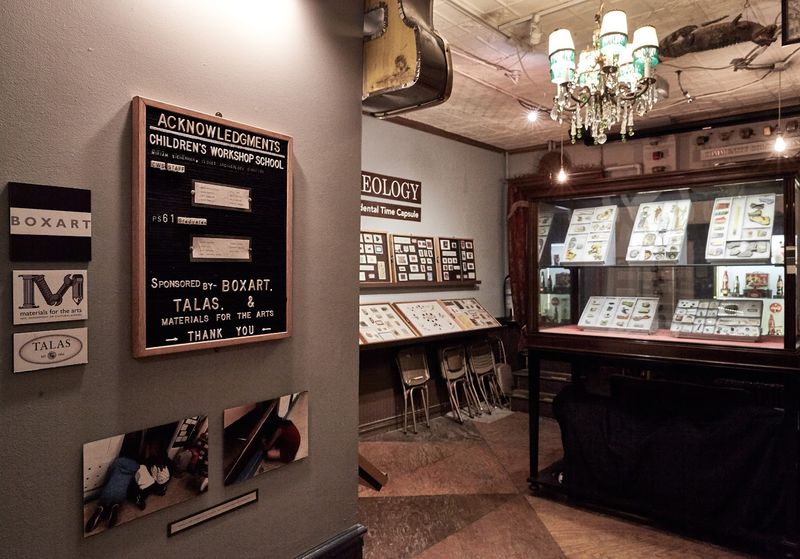
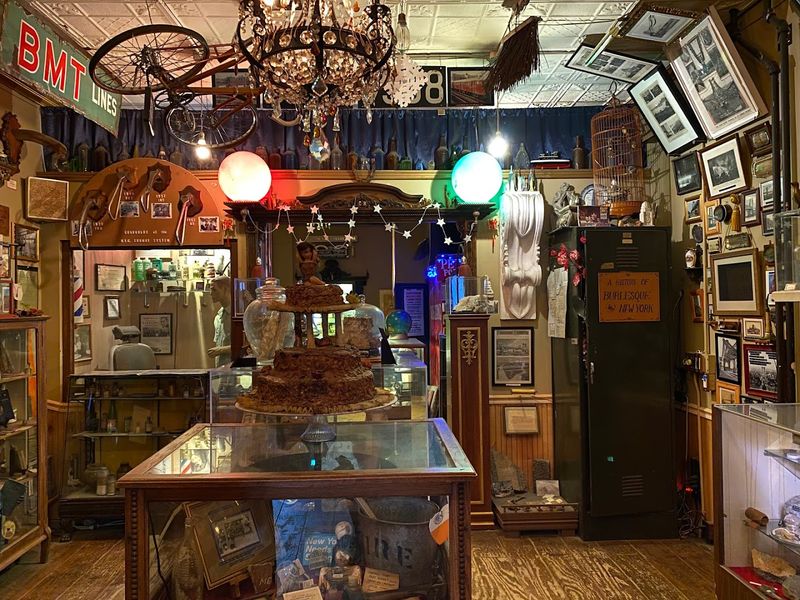
The first room greets you with shelves stacked like a friend’s overstuffed living room, except every object carries a slice of New York history. Labels tilt at friendly angles, and cases sit just close enough that you lean in the way you would at a kitchen table.
The space is small, but it opens a huge memory field, because the city shrinks to hand-held scale and suddenly feels pocketable.
Drift into the next room and the rhythm shifts, since groupings arrange themselves into little stories. You get transit artifacts meeting souvenir oddities, then neighborhood keepsakes lining up like stoops on a long block.
The curation is playful, but not random, which makes your brain connect things that never met before and then nod like they always belonged together.
There is a pleasure in the pacing, because nothing hurries you, and your attention becomes the map. Every glass surface reflects shapes you recognize from the street, and that mirror effect is sneaky.
One moment you are peering at a label, and the next you are remembering a corner in the state where that exact typography once lived.
Subway Tokens And Paint Chips From The L Train Platform
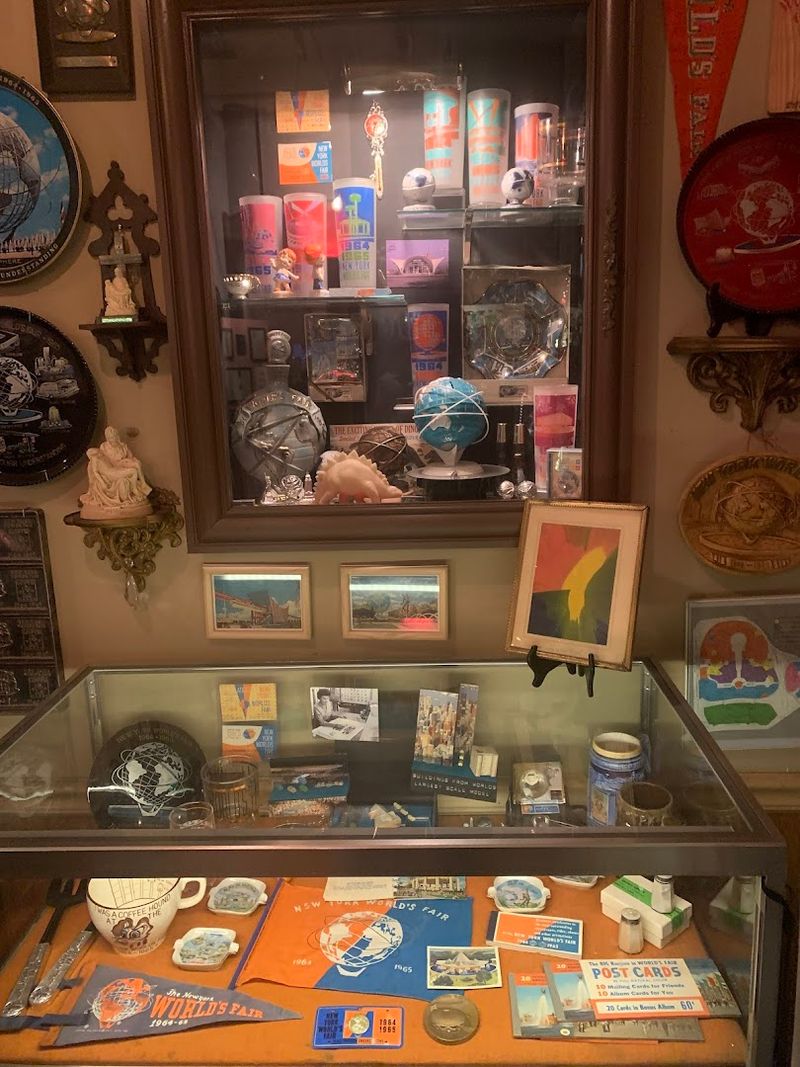
Tell me you would not stop at a case of old subway tokens and instantly start sorting by memory. The tiny cutouts and stamped letters carry the sound of turnstiles in your head, and you realize how much weight a pocket-sized circle can hold.
Then there are these little vials of platform paint, flaked from a surface you have stood on countless mornings, now turned into color swatches of routine.
What catches me is how the tokens and chips talk to each other, because transit is not just movement, it is a daily ritual. The tokens feel ceremonial, while the paint chips are the residue of patience, and together they tell a whole commute without any announcements.
You can almost hear doors sliding, brakes hissing, and that chorus of station names that maps your week.
People love big artifacts, but the small ones do the heavy emotional lifting. You stare at a fleck of gray and remember weathered platforms across the state, from quiet edges to packed hubs.
And the tokens, lined like tiny medals, make a case for the heroism of ordinary mornings and the stories hidden in a jacket pocket.
Dentures From Dead Horse Bay And A Very Old Shovel
Okay, this is the moment you lean in, laugh, then lean in again, because dentures on a velvet pad next to a beat-up shovel will do that to you. Dead Horse Bay has a way of coughing up the city’s past, and these finds feel both eerie and affectionate.
The shovel looks like it could tell jokes about hard work, while the dentures grin like a punchline from the shoreline.
I love that the label is matter of fact, because the humor lands without a drumroll. You start picturing the long arc from industrial edges to museum shelf, and the distance collapses into one weirdly charming duet.
It is New York object theater, where banter between tools and teeth makes perfect sense despite how wild it sounds.
Stand with it for a minute, because the longer you look, the more tender it gets. These are fragments of real lives and real labor, and the ocean decided to bring them back for a second act.
Moments like this explain why the state holds so many micro histories, each one both ridiculous and oddly moving.
Statue Of Liberty Figurines In A Mahogany Display Case
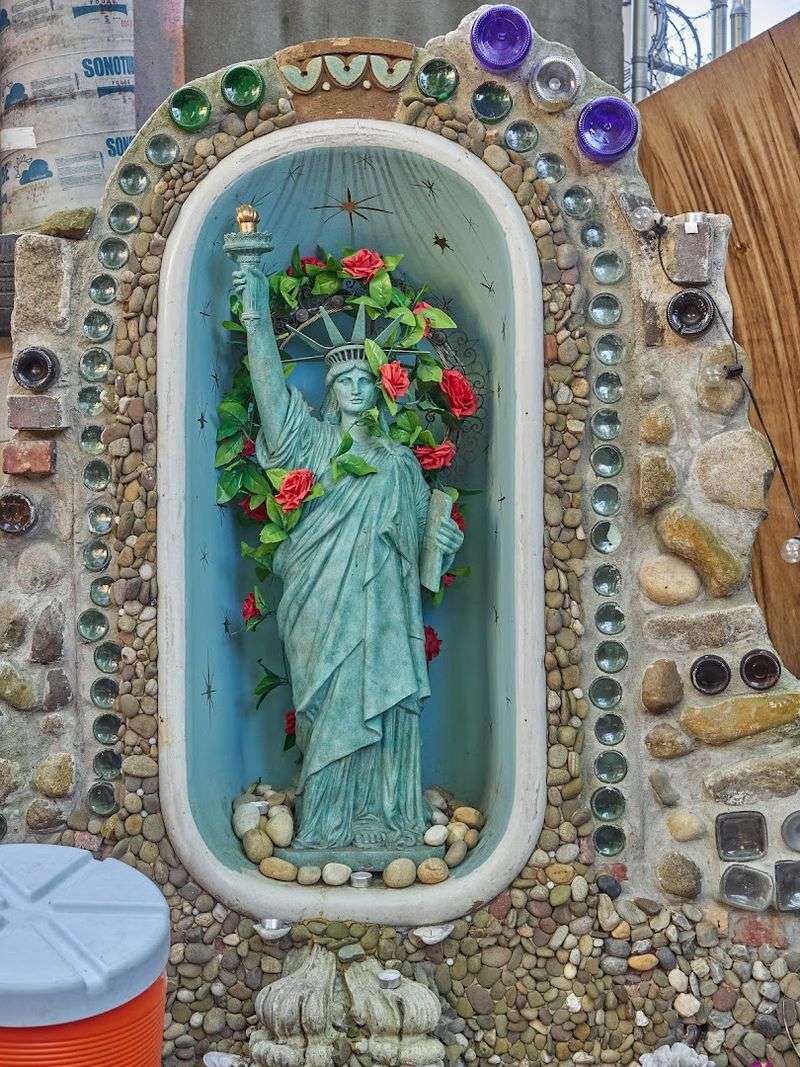
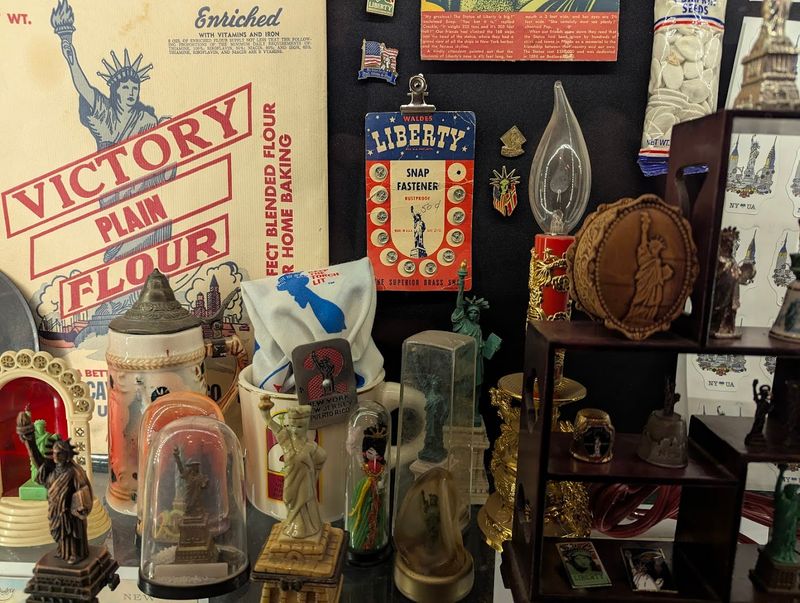
There is a mahogany case that stops you kindly, because it gathers a crowd of tiny Statues of Liberty and they look like a family portrait. Some tilt, some gleam, some show their age in friendly scuffs, and together they read like a chorus humming the city’s favorite song.
The wood is warm, which softens the icon into something you could keep by a window.
What lands is the tenderness of repetition, since the same figure holds a torch a dozen different ways. You start noticing facial expressions that probably are not there, and that is part of the fun.
The collection shows how people carry symbols home, and how souvenirs grow into keepsakes that outlive the trip.
I always think of ferries and skyline views when I see this case, and then I remember how symbols travel across the state, picking up meanings like lint. In this room, the figurines feel like neighbors passing batteries down a crowded line.
They keep the flame steady, sure, but also share it, which is the real engine of the city’s glow.
The Former Apartment Window That Started It All
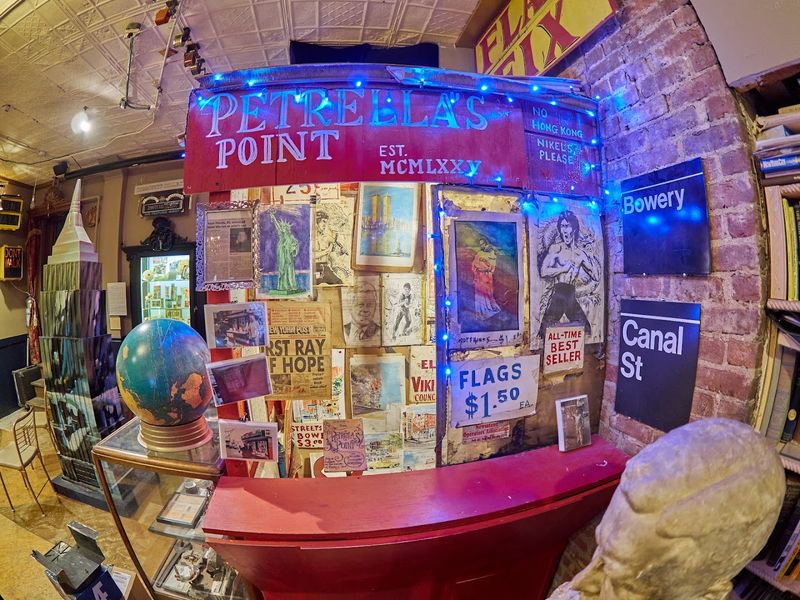
Some museums start with big donations, but this one started with a window that looked out and decided to invite the block inside. The story goes that a neighborhood display grew in that frame, and people began dropping off artifacts like they were passing notes.
The window became a stage for small treasures, and the street answered back with curiosity.
Standing in front of that frame now, you feel the original intent still humming through the sill. It is domestic and public at the same time, like a living room that forgot where the walls ended.
You can see how a view of the city turned into a container for it, and how that simple act gave permission for everything that followed.
I like that the origin is not grand, because the modest start matches the soul of the place. It explains why the shelves feel neighborly, and why the labels sound like friendly whispers.
From that first window to this whole room, the thread runs clear across New York like a homemade banner, reminding you that museums can grow from a single ledge.
Why Brooklyn Locals Return Again And Again
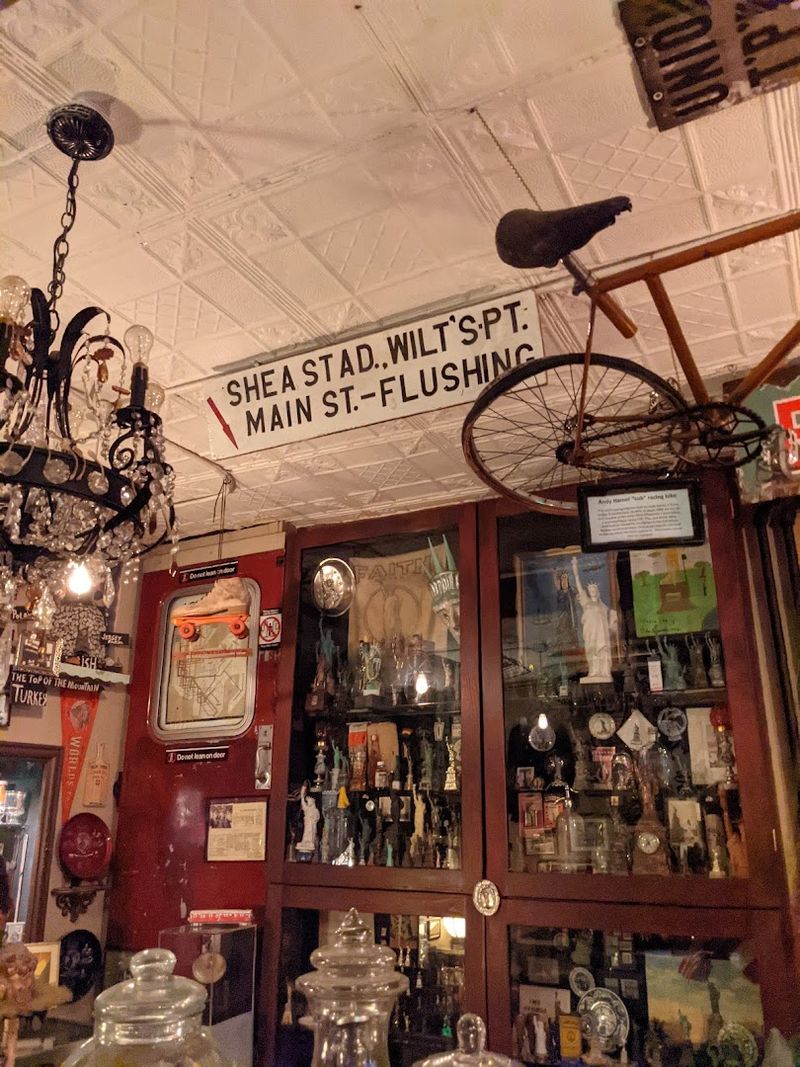
Locals come back because the place changes slowly and your own life fills the gaps, which is a comfortable kind of growth. One visit is a scavenger hunt and the next is a reunion, since a familiar badge or postcard greets you like a neighbor who remembers your name.
Collections rotate just enough to spark a new story without losing the core heartbeat.
There is also this community layer that does not shout, because it does the quiet work of connecting people who love the same scrappy details. You hear someone point at a trinket and say, that sat in my aunt’s hallway, and suddenly the room nods in recognition.
It is the state’s version of a porch swing, shot through with city speed but softened by shared memory.
Every time I go, I leave with a tiny mission, like spotting a sign on my block that belongs in a future case. That loop keeps the museum fresh and honest.
It is not nostalgia for nostalgia’s sake, it is curiosity with good manners, and it is why Brooklyn folk keep holding the door for the next person.
One Last Look Before Leaving Williamsburg’s Weirdest Gem
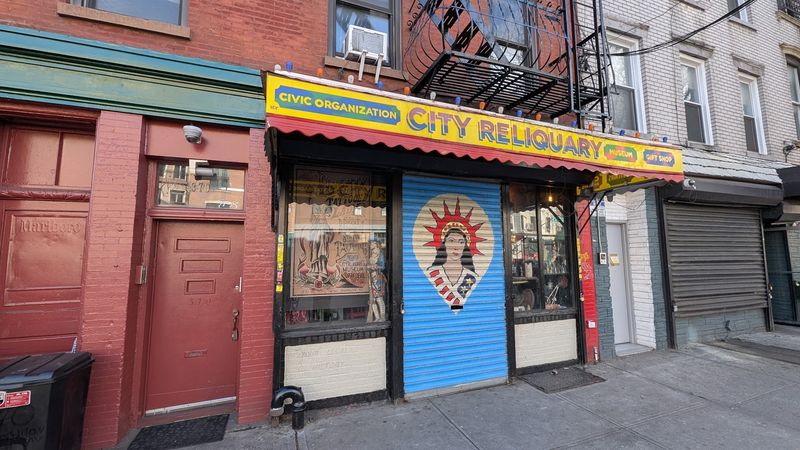
Right before you step back onto Metropolitan, do the slow spin, because the room looks different once your pockets are full of stories. Shelves that felt crowded now feel generous, like they are handing you an extra block of the city to carry home.
You realize you were not just looking at objects, you were practicing a way of seeing that finds wonder in the scuffed and overlooked.
Out on the sidewalk, the colors of the awning land softer, and the traffic sounds fold into a soundtrack you recognize. It is still Brooklyn, still noisy and lovable, but now the clutter feels choreographed.
You leave lighter, which is funny considering how much you picked up in your head.
As you walk away, you think about how the state holds an endless constellation of small museums and street corner archives. The City Reliquary sits proudly in that orbit, shining with the glow of saved scraps and patient storytelling.
One last glance through the glass, a quiet promise to return, and then you join the flow again, carrying the city like a lucky charm.
