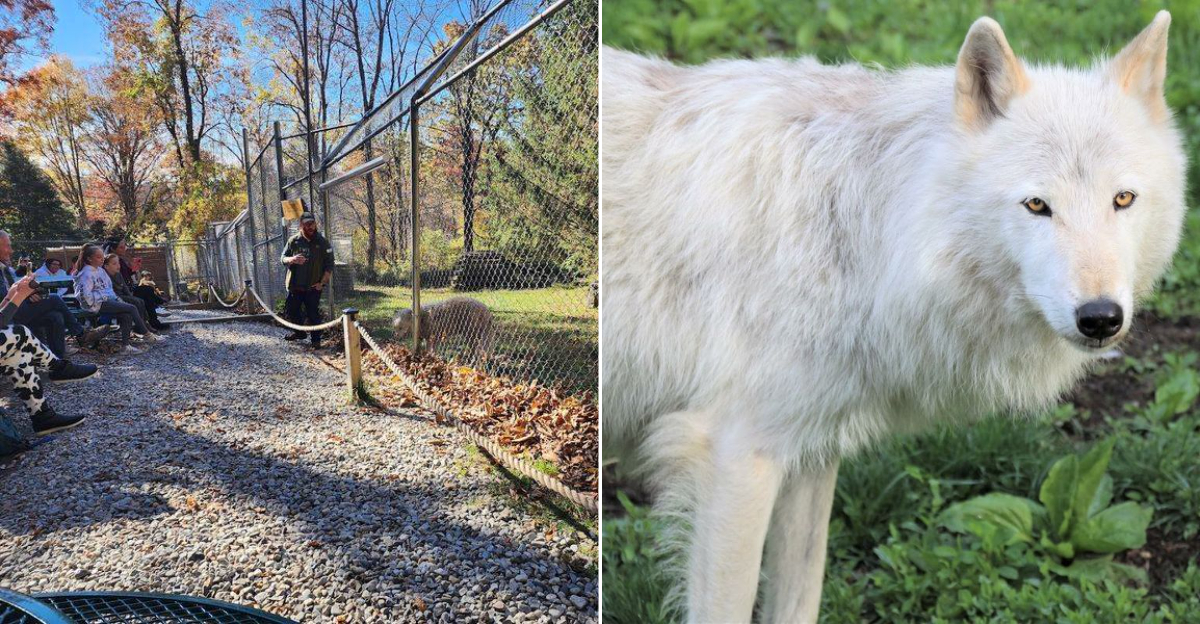
Have you ever locked eyes with a wolf through a pane of glass, close enough to see the flecks of gold in its gaze? That rare encounter awaits at this New York sanctuary, where you can observe ambassador wolves up close and personal.
These animals are raised to be comfortable around humans, but they remain truly wild. Some travel to schools and museums, accompanied by a German shepherd road buddy.
The center also cares for Mexican gray and red wolves, two of the rarest subspecies in North America. Visitors can watch them roam spacious natural enclosures or join an evening program to hear the packs howl as the sun sets.
The experience is unforgettable. So which conservation center in the Hudson Valley offers a closer look at these majestic predators than almost anywhere else?
Bring your curiosity and your camera. The wolves are watching, and they have stories to tell.
Why This Place Feels Different
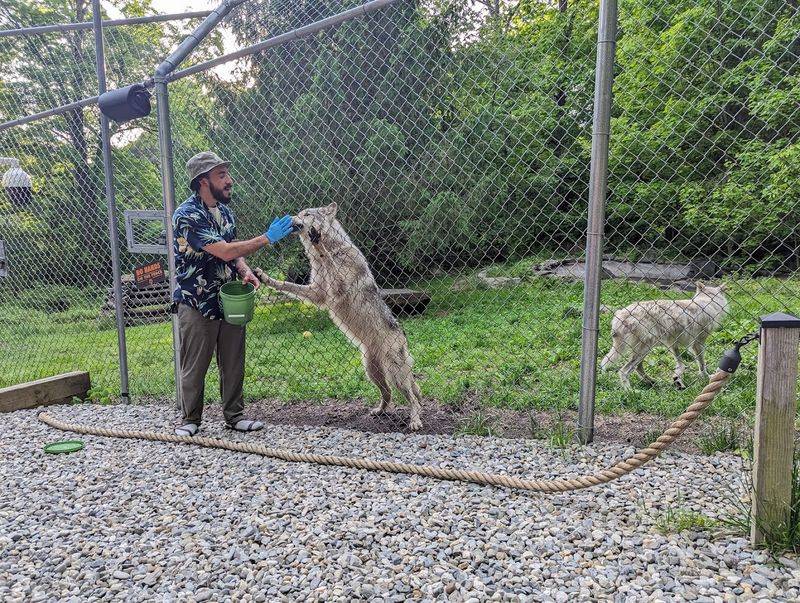
The first thing that makes this place stand out is how quickly you realize it is not trying to entertain you in the usual way. The Wolf Conservation Center is built around protecting wolves, teaching people what they actually do in an ecosystem, and helping visitors let go of the old movie version of these animals.
That shift happens fast, and honestly, it changes the whole mood of the visit in the best possible way.
You are close enough here to really study how a wolf moves, looks, and reacts, which is a lot more powerful than just spotting one far off in a huge landscape. At the same time, there is a clear line between you and the animals, and that line matters because the wolves here are not meant to become casual around people.
I liked that balance, because it feels responsible without taking away the thrill of being nearby.
What also sticks with you is the setting, which feels quiet, wooded, and a little removed from everything else in a way that suits the animals. In New York, that kind of close, thoughtful wildlife experience is not something you run into every day, and it feels even more memorable because it never pretends the wolves are anything other than wild.
You leave feeling amazed, but also a little more informed, which is exactly what a place like this should do.
Where You Are Actually Going
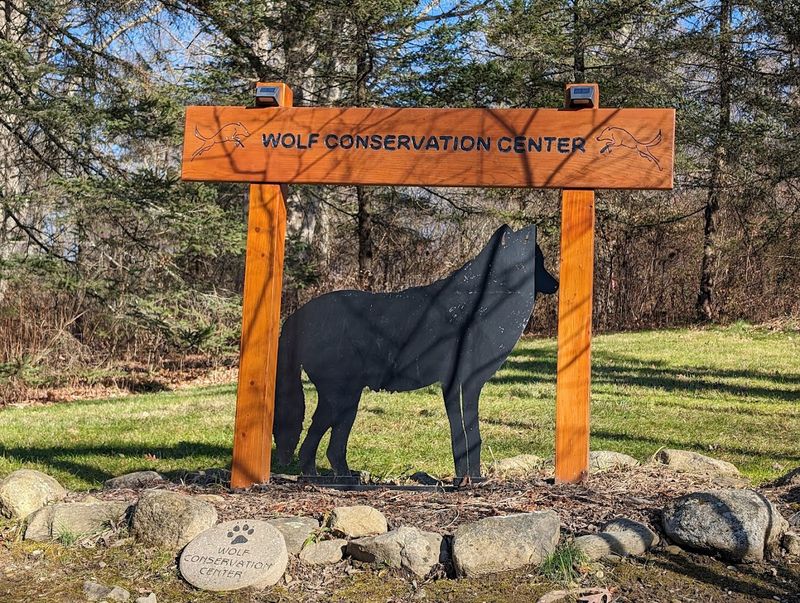
Let me put the place on the map first, because it is tucked into a calm part of Westchester County that feels farther from the city than it really is. The Wolf Conservation Center is at 7 Frontage Rd, South Salem, NY 10590, and the setting makes a lot of sense the moment you arrive.
You are surrounded by woods, quiet roads, and that slightly hushed feeling that makes you lower your voice without thinking about it.
That location matters because the whole experience works best when it feels a little separate from regular daily noise. You are not stepping into some flashy attraction with oversized signs and crowds drifting around with snacks.
It feels more like entering a place with a purpose, and that purpose stays clear from the moment you see the grounds.
South Salem is one of those corners of New York that lends itself to this kind of visit, because the landscape already feels close to the natural world the center is trying to protect. Even before a program begins, the environment helps you settle into a different pace and pay better attention.
That may sound small, but it changes how you take everything in, and it makes the wolves feel like the center of the experience instead of just one stop on a busy day.
You Get Close Without Crossing The Line
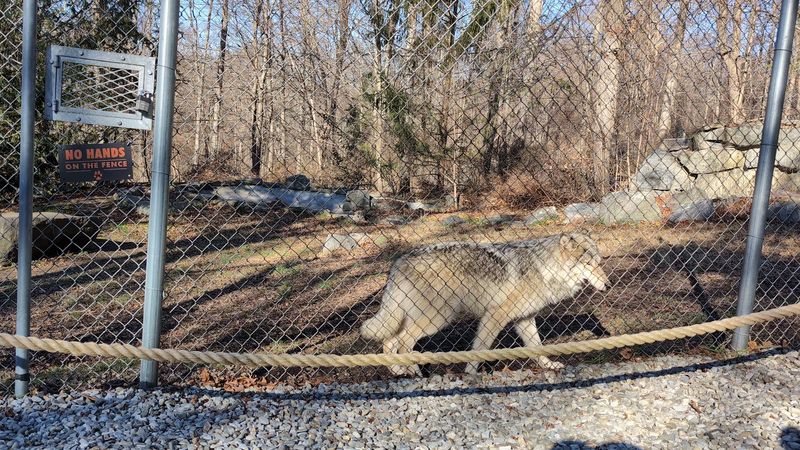
Here is the part most people really want to know, and it is worth being clear about from the start. You can get impressively close to the wolves visually, especially the ambassador animals, but this is not a hands-on place and that is exactly why the experience feels so real.
The fence is there for a reason, and instead of making things feel distant, it actually sharpens your awareness of the animal on the other side.
When a wolf steps forward and looks in your direction, you feel the full force of that moment because nothing about it is softened for your comfort. You are not being invited to treat the animal like a pet, and the staff does not blur that line just to make the visit seem more exciting.
Honestly, that restraint is what makes it exciting, because you are meeting the presence of a predator without pretending domestication has anything to do with it.
I think that is why this place stays with people long after they leave. In New York, plenty of wildlife experiences are built around convenience, easy photos, or a quick emotional payoff, but this one asks you to appreciate distance as part of the privilege.
You still come away feeling close, maybe closer than expected, yet the wolves remain what they are, which is really the whole point.
The Ambassador Wolves Are The Heartbeat
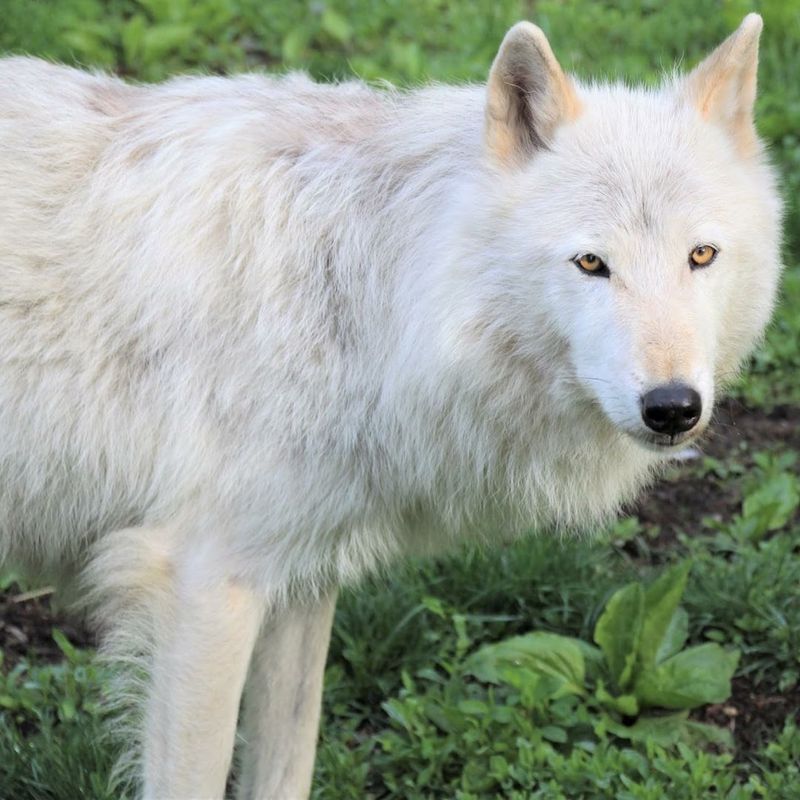
If there is one part of the center that really helps everything click, it is the ambassador wolves. These are the animals used in educational programs, and seeing them up close gives visitors a rare chance to study wolf behavior in a way that feels immediate instead of abstract.
You stop thinking in stereotypes pretty quickly when a living animal is right there, carrying itself with that mix of alertness, intelligence, and calm intensity.
The ambassador wolves are incredibly important because they help people connect emotionally while the staff explains the bigger picture. You learn about pack dynamics, communication, habitat pressure, and why fear-based myths have been so damaging for wolves across North America.
None of that feels heavy-handed when it is delivered in front of the animals, because the wolves do most of the convincing on their own.
What I liked most is that the educational side never feels dry or school-like, even though the information is serious and meaningful. In New York, it is rare to find a place where conservation, public understanding, and a genuinely memorable wildlife encounter fit together this naturally.
You leave with actual context, not just a nice afternoon memory, and that makes the ambassador wolves feel less like exhibit animals and more like the center’s clearest and strongest voices.
This Is Really About Conservation
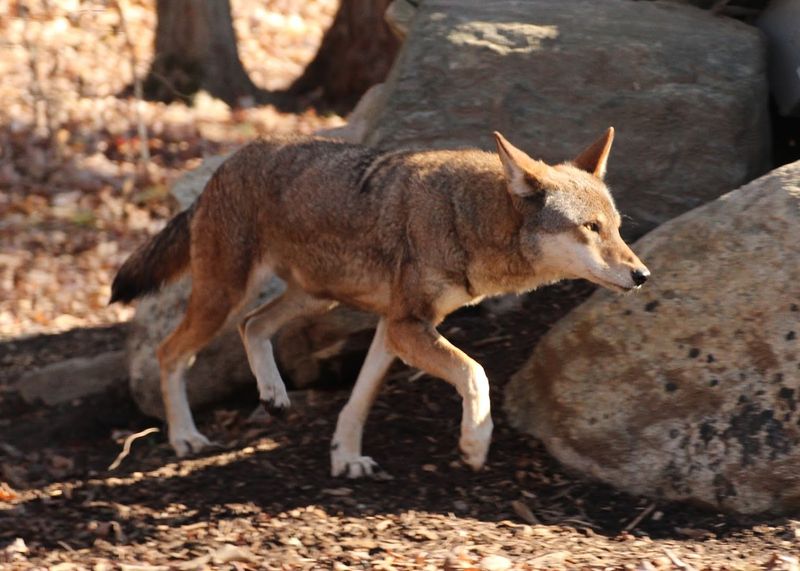
What makes this place more than just a fascinating animal encounter is that the mission is doing real work beyond the fence. The center focuses on education, advocacy, research, and wolf recovery, including support for critically endangered Mexican gray and red wolves.
That gives the visit a lot more weight, because you are not just learning facts for fun, you are stepping into a larger story about survival.
I think that difference matters, especially when wildlife places can sometimes blur into one another if you are not paying attention. Here, the wolves are tied to federal recovery efforts, and the staff is careful about preserving the animals’ natural wariness around people.
That is why there is no physical contact, and once you understand that, the rules stop feeling restrictive and start feeling like part of the respect the animals are owed.
There is also something refreshing about a place that does not oversell itself when the actual purpose is already strong enough. In New York, people are often used to experiences being packaged into quick emotional moments, but this center trusts visitors to care about the bigger conservation picture.
If you are the kind of person who wants a trip to leave something behind besides camera roll clutter, this is where the center really earns your attention and keeps it.
The Howling Is What Gets You
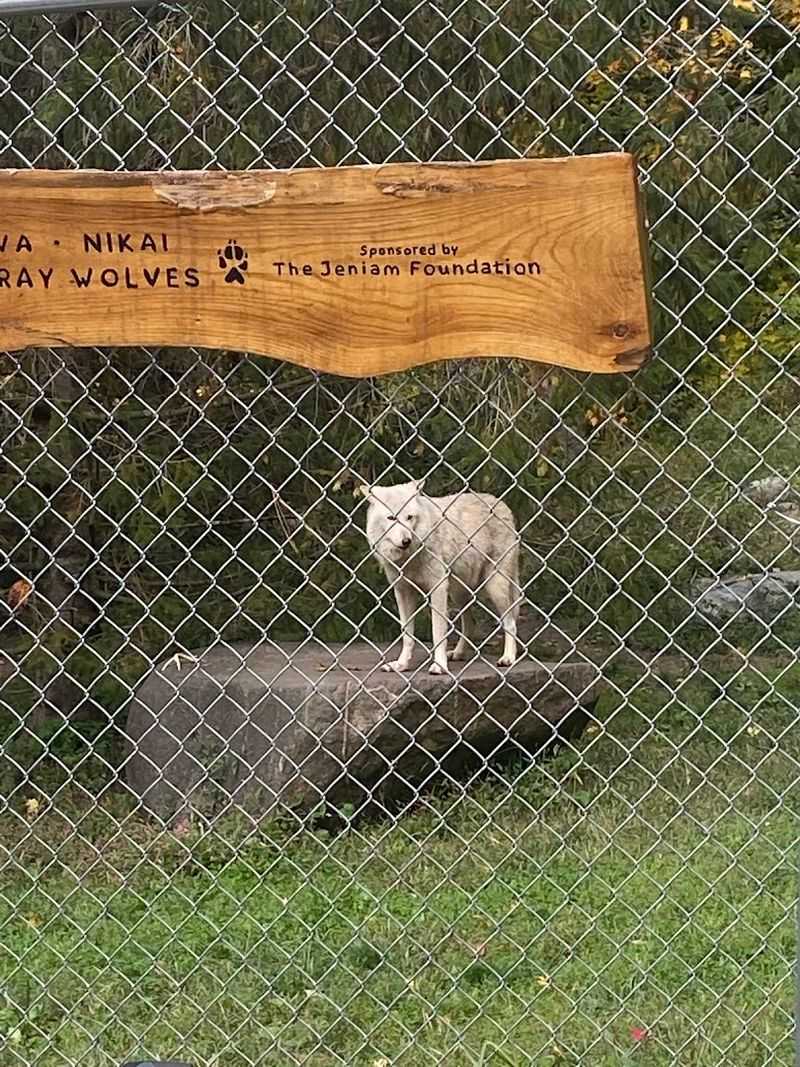
You can read about wolves all day, but the thing that really gets under your skin is hearing them. The center has been known for overnight experiences where guests stay on site and listen for howls carrying through the night, and that detail alone explains why people talk about it with such a specific kind of awe.
It is not a gimmick, because no one is manufacturing the moment for you, and that unpredictability makes it feel almost surreal.
There is something about being in the dark, with trees around you and very little outside noise, that makes every sound feel bigger and more alive. When a howl starts, you are not just hearing an animal, you are hearing distance, communication, territory, and instinct all bundled into one sound that goes straight through you.
It is the kind of experience that makes people suddenly go quiet, even if they were chatty all evening.
I would honestly put that among the most memorable wildlife moments you can have anywhere near New York, because it feels intimate without ever becoming artificial. The center has always been clear that even these programs are observational and respectful, which only makes them stronger.
You are not trying to control the experience, and that surrender is what gives the whole thing its depth and the reason it lingers afterward.
It Feels Wild Even When You Are Standing Still
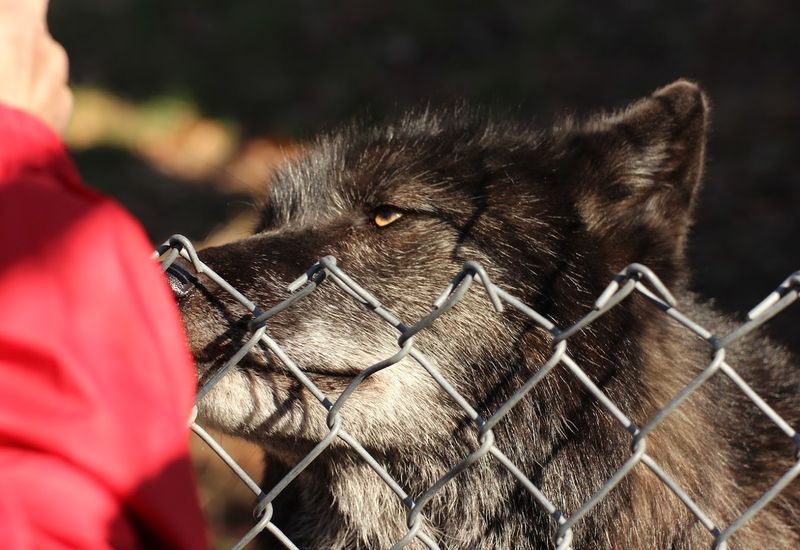
One thing I did not expect until I started really thinking about this place is how much the atmosphere does the work. You are not hiking deep into a remote wilderness, yet the center still manages to create that same alert feeling where every rustle and distant sound makes you pay closer attention.
The woods, the spacing, and the quiet all help build that sense that something powerful is nearby even before you see a wolf.
That matters because wolves are not just interesting to look at, they change the energy of a place. Even from a viewing area, you can feel the difference between looking at an animal and sensing its awareness returning right back at you.
It sounds dramatic when written down, but in person it feels surprisingly simple, like your body just understands you are near something that has not been shaped around human comfort.
I think this is one reason the center leaves such a strong impression on people from New York and beyond. The surroundings are modest enough that the wolves never have to compete with flashy distractions, and that keeps your attention exactly where it should be.
You are standing there, doing almost nothing, yet the moment still feels charged, and that is a pretty rare thing in travel, where so many places try far too hard to manufacture significance.
Bring Curiosity More Than A Camera
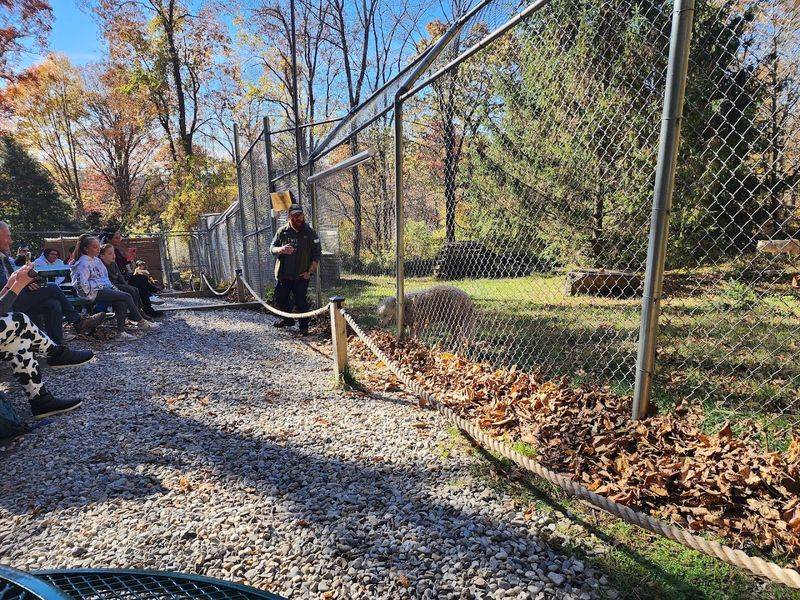
If you are the kind of person who shows up somewhere and wants the biggest reaction right away, this place asks for a slightly different mindset. Yes, photos and videos are part of the experience, and you will absolutely want to remember what you saw, but the richer part comes from paying attention while the staff explains what makes each wolf, each recovery effort, and each behavior meaningful.
It rewards curiosity much more than speed.
I say that because the center is one of those places where listening changes what you think you are seeing. A glance at a wolf resting in the shade can seem quiet until someone explains posture, social cues, or the reasons preserving natural wariness is so important for animals connected to recovery programs.
Then the whole scene deepens, and suddenly you are not just looking at an impressive predator, you are reading a living story with context.
That is why I would tell anyone planning for a future visit in New York to come ready for more than pictures. Bring patience, ask questions, and let yourself slow down enough to notice details that would otherwise drift past.
The center gives you plenty to look at, but what really stays with you is the understanding that builds while you are standing there, and that kind of memory has a lot more staying power than a perfect shot ever could.
Why People Keep Talking About It
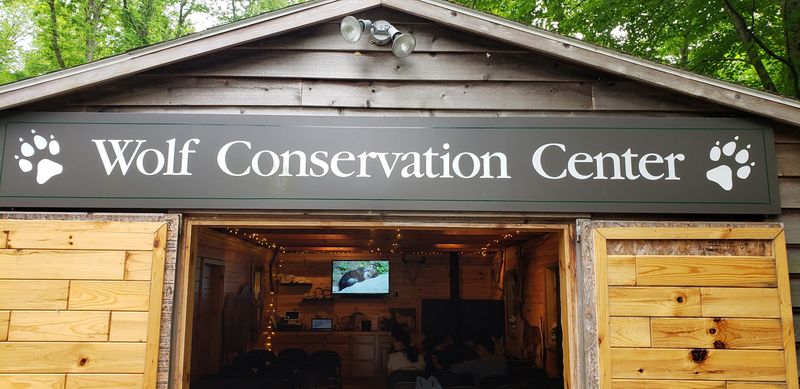
The reason this place keeps getting talked about is pretty simple once you strip away the hype. Most people do not get many chances to stand near wolves in a setting that feels respectful, informed, and emotionally real all at once.
The center manages that balance in a way that sticks, which is why it keeps coming up whenever people swap unusual day trip ideas around New York.
There is also a deeper pull to it that goes beyond novelty. Wolves bring out strong feelings in people, whether that is fascination, fear, admiration, or plain curiosity, and the center gives those feelings somewhere useful to go.
Instead of leaning into fantasy or softening the animals into symbols, it lets visitors encounter wolves as living creatures tied to ecosystems, recovery work, and a future that still needs advocates.
That is probably why this sanctuary feels more memorable than places that try harder to impress you on the surface. Even with current onsite access paused, the idea of the Wolf Conservation Center still lands because it represents a rare kind of wildlife experience, one where closeness does not require contact and wonder does not cancel responsibility.
If you are drawn to places that leave your head fuller and your attention sharper, this one earns its reputation in a very honest way.
