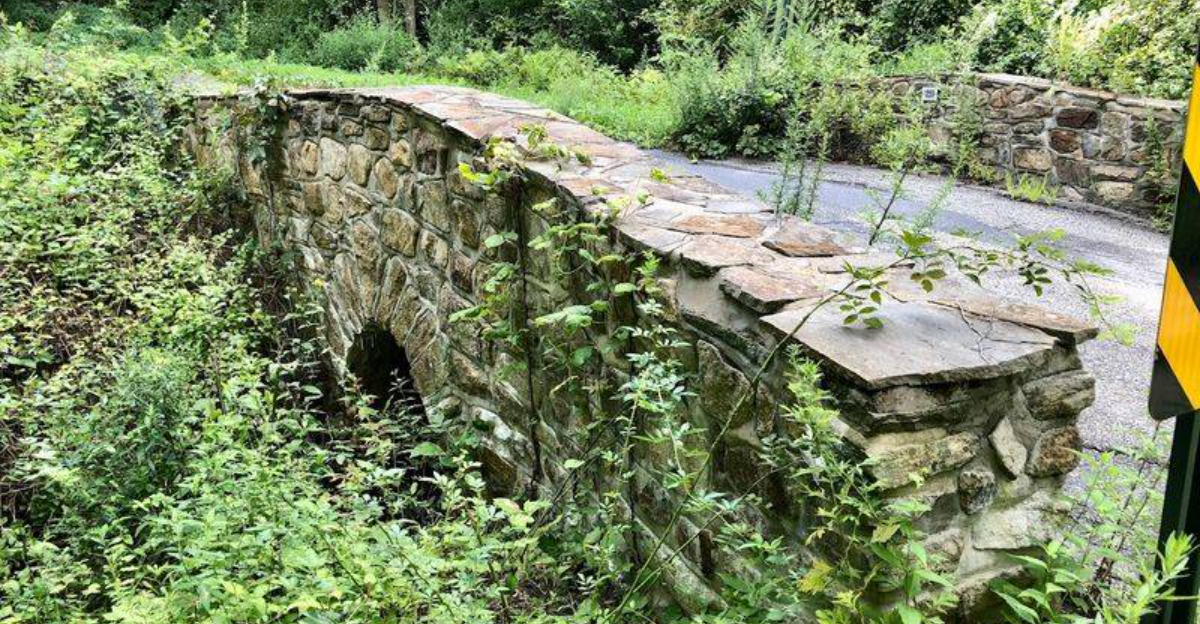
Some bridges just get you from point A to point B. This one transports you back a hundred and fifty years.
Built before cars existed, it was designed for farmers and their horse-drawn wagons crossing the river.
The craftsmanship is wild to see up close.
Two elegant arches curve over the water, held together by nothing but the sheer weight of the stones and the skill of the masons who cut them by hand.
There are no flashy signs or gift shops here.
Just the quiet sound of water flowing underneath and the echo of wagons that rolled across two centuries ago.
This is a rare piece of rural New Jersey that somehow survived bulldozers, progress, and time itself.
Park by the side of the road and walk out onto the grass. Stand in the middle.
Isn’t it strange how the oldest things can feel the most alive?
A Bridge Built From the Land Itself
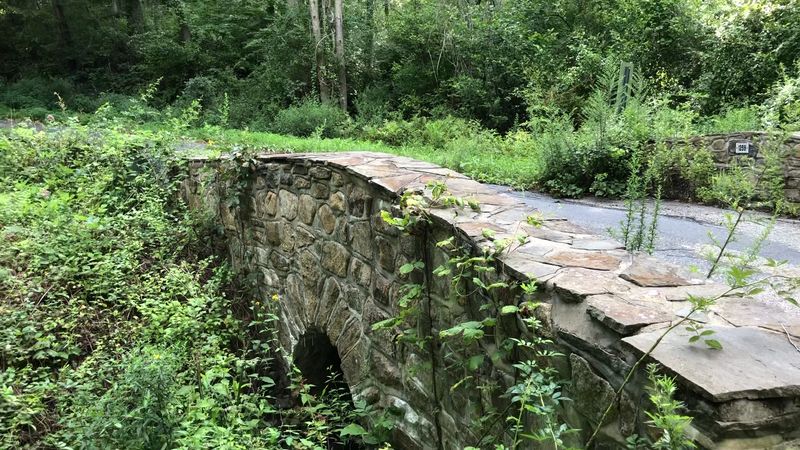
Local field stones were hand-selected and carefully stacked to form this bridge, which means the land essentially built itself a crossing. That kind of craftsmanship tells a story that no factory-made material ever could.
Every stone here came from the earth nearby.
Walking up to it, the texture alone is worth the trip. The irregular shapes of the stones fit together with a kind of organic precision that feels almost accidental but clearly was not.
Builders in the 1800s worked with what they had, and what they had was apparently enough to last nearly two centuries.
The bridge carries Black River Road across an unnamed tributary of the Lamington River, a modest but meaningful crossing. It is not grand in scale, but it carries enormous weight in terms of history.
Small bridges like this one quietly held rural communities together long before paved highways existed. Seeing it in person makes that reality feel very real and surprisingly moving.
Crossing an Unnamed Tributary With a Very Famous Past
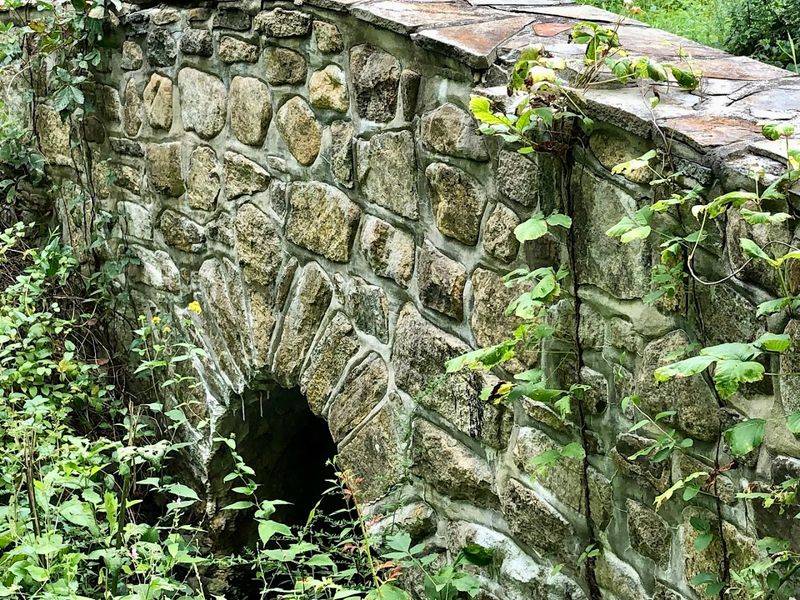
There is something poetic about a bridge that crosses a stream with no official name. The tributary of the Lamington River running beneath Pickel’s Bridge is quiet and unassuming, much like the bridge itself.
Yet together, they create a scene that feels genuinely timeless.
The water moves gently under the arch, catching light in broken patterns through the tree cover above. On warmer days, the sound of that current against old stone is the kind of thing that makes you forget your phone exists.
It is genuinely peaceful in a way that feels earned rather than designed.
Streams like this one were lifelines for early settlers, providing fresh water, power for mills, and natural boundaries for farmland. The bridge was built specifically to keep that connection alive across the water.
Crossing it today, even on foot, gives a small but vivid sense of what daily life once looked like in this corner of New Jersey. That connection to the past is hard to replicate anywhere else.
The Pickle Family’s Legacy Written in Stone
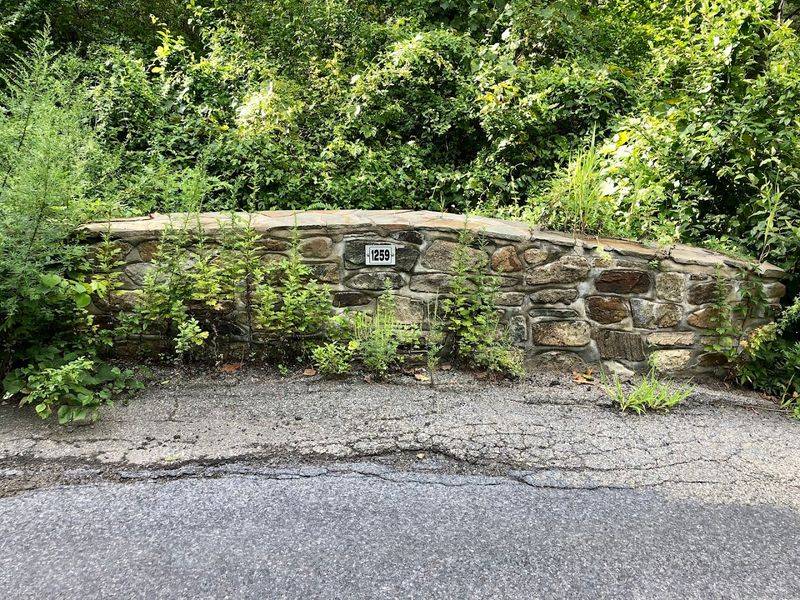
The Pickle family settled in this area during the 1800s and owned the land stretching between Fairmount Road and the Lamington River. Their name has stuck to this bridge ever since, even though official county records simply call it Bridge 1259.
That gap between official record and local memory says a lot about how communities actually preserve history.
Family-owned land in rural 19th-century New Jersey was not just property. It was identity, livelihood, and legacy all wrapped into one.
A bridge on that land became part of the family story whether anyone planned it that way or not.
Giving a bridge a family name is one of the most human ways to mark a place. It says someone was here, someone mattered, and the land remembers even when the paperwork does not.
Visiting Pickel’s Bridge feels a little like paying respects to people who shaped this landscape long before it appeared on any tourist map. Their presence is still very much felt here.
What an 1868 Map Reveals About Deep Roots
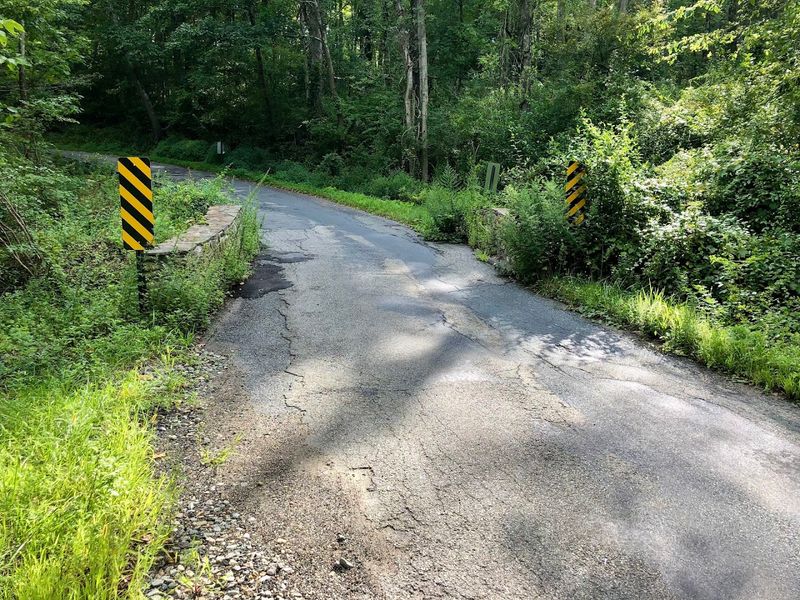
The earliest known map of this area, dating to 1868, already shows this bridge in place. That means by the time anyone thought to draw a map, Pickel’s Bridge was already old enough to be considered a permanent fixture.
That is a remarkable thing to sit with.
Maps from that era were practical documents, not decorative ones. If something appeared on them, it was because it mattered to the people moving through the landscape every day.
This bridge earned its spot on that map through years of daily use by farmers, travelers, and local families.
Standing on the bridge today and knowing it predates that 1868 map by at least a few decades adds a layer of meaning that guidebooks rarely capture. History here is not behind glass in a museum.
It is underfoot, solid and slightly mossy, carrying the weight of everyone who ever crossed it. That is the kind of context that turns a short detour into something genuinely worth remembering for a long time.
Stone Arch Engineering That Has Outlasted Almost Everything
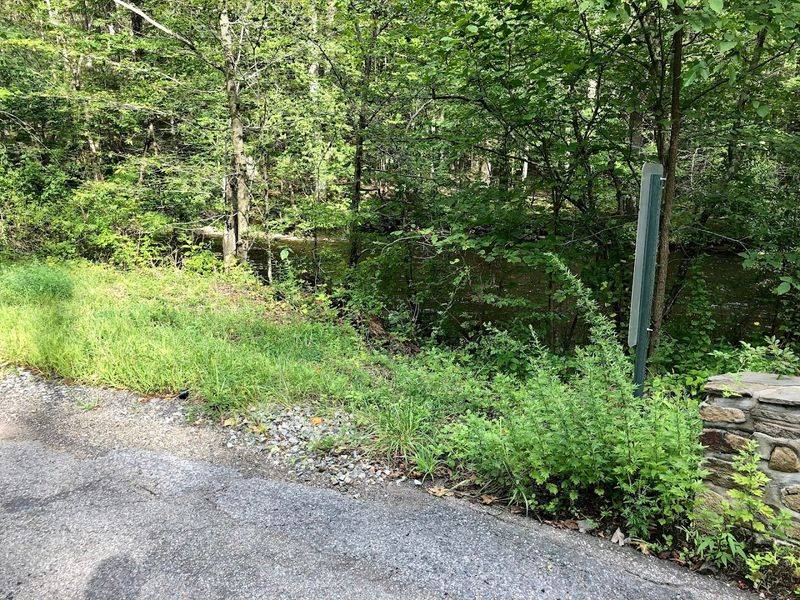
Stone arch construction is one of the oldest and most reliable forms of bridge engineering ever developed.
The arch shape distributes weight outward and downward, which means the more pressure applied from above, the more stable the structure becomes.
It is almost counterintuitive until you see one still standing after 150-plus years.
Pickel’s Bridge uses this principle beautifully, with fieldstones arranged in a curved span that has resisted decades of weather, flooding, and seasonal freeze-thaw cycles. No steel reinforcement, no concrete pour, just stone on stone doing what physics allows.
The simplicity of it is genuinely impressive.
Modern bridges are often designed with a lifespan of 50 to 75 years. This one has already doubled that estimate and is still going.
For anyone with even a passing interest in engineering or architecture, seeing this bridge is like reading a textbook that refused to go out of print. The arch continues to hold, quietly proving a point that nobody around here seems to need reminding of anymore.
German Valley’s Forgotten Corner Along Black River Road
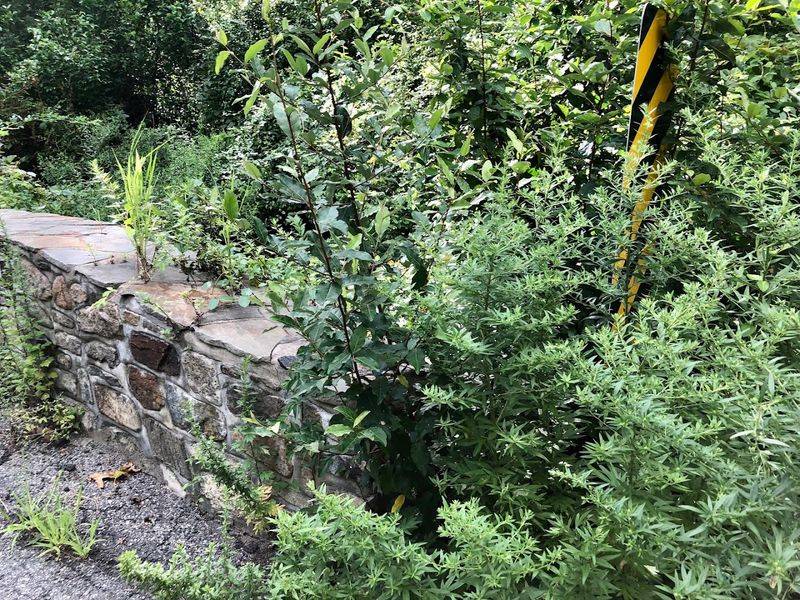
Long Valley was once called German Valley, a name that reflects the deep European roots of its earliest settlers who arrived in the mid-1700s.
The area carries that heritage in its architecture, its farmsteads, and in places like Pickel’s Bridge, which sits quietly at the edge of that long history.
Black River Road itself has a kind of old-world country lane feeling that is hard to fake.
Driving or walking along this road, the landscape opens and closes in a rhythm that feels pre-industrial. Stone walls line fields that have been farmed for generations.
The trees are tall and unhurried.
Pickel’s Bridge fits perfectly into this setting because it was made for it. It was not imported or engineered from afar.
It grew out of the same soil and stone that defines everything else along this corridor.
Visiting it as part of a longer exploration of Long Valley gives the bridge even more context, making it feel less like a single landmark and more like a thread running through a much larger, still-visible story.
Why Small Bridges Like This One Deserve More Attention
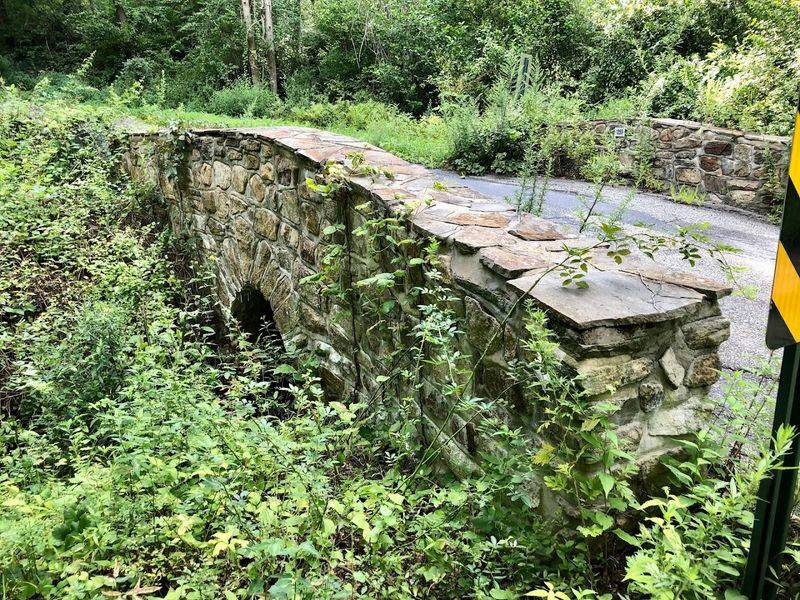
Big, famous bridges get all the postcards. But small stone arch bridges like this one are where the real texture of rural history lives.
They were built by local hands, using local materials, for local needs, and most of them have been slowly disappearing for decades. Pickel’s Bridge is one of the survivors.
There are several similar bridges scattered across the Long Valley area, each one a variation on the same theme. Finding them requires a little effort, a willingness to slow down and turn onto roads that do not promise anything spectacular.
That effort is exactly what makes the discovery feel worthwhile.
Preservation of small structures like this often falls through the cracks between major restoration budgets and public interest. What keeps them alive is usually a combination of durable construction and community awareness.
Sharing their stories, even casually, is a form of preservation in itself. Pickel’s Bridge has survived this long partly because the land around it remembers why it was built and still treats it with the quiet respect it has always deserved.
Visiting Pickel’s Bridge as Part of a Longer Rural Exploration
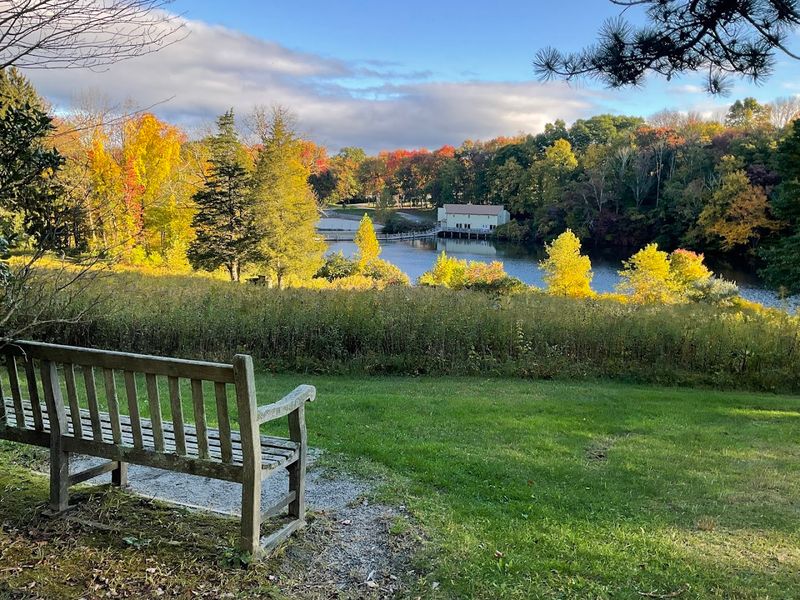
Pickel’s Bridge works best as part of a longer wander through Long Valley and the surrounding Morris County countryside. The area has enough historic texture to fill a full day without ever needing a formal itinerary.
A morning walk across the bridge, followed by a slow drive along the back roads, covers a lot of ground both literally and historically.
Long Valley has local farms, scenic overlooks, and quiet stretches of road that feel genuinely off the beaten path. Pairing a visit to the bridge with a stop at one of the nearby farm stands makes for a well-rounded outing.
Fresh local produce and old stone bridges are a surprisingly satisfying combination.
The whole area rewards the kind of traveler who enjoys slowing down and paying attention. There is no admission fee, no visitor center, no gift shop.
Just a bridge, a stream, and a story that stretches back further than most people expect when they first pull off the road. That kind of uncurated experience is increasingly rare and genuinely worth seeking out on a free afternoon.
A Hidden Relic That Quietly Refuses to Be Forgotten
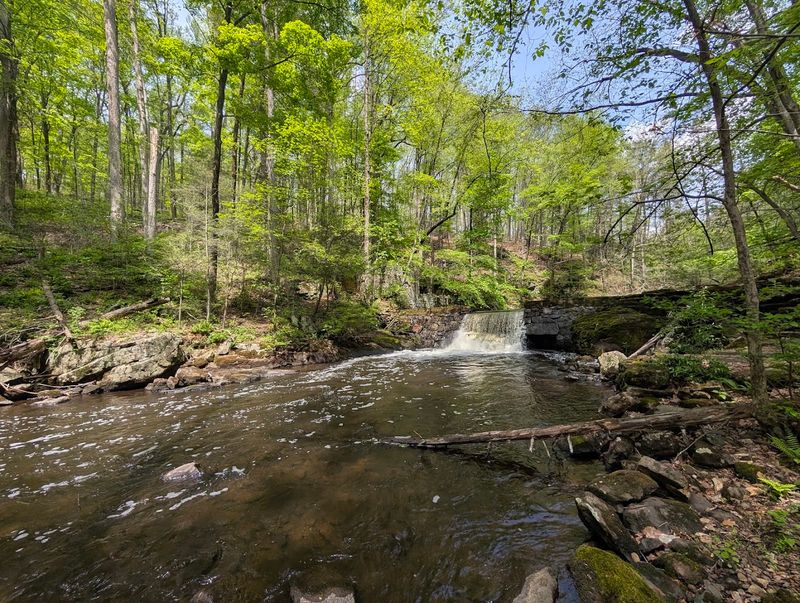
Some places earn their reputation through crowds and marketing. Pickel’s Bridge earns its place through sheer staying power.
It has been standing on Black River Road since before the Civil War, serving travelers who never imagined someone would one day write about it on the internet. That kind of unintentional legacy is hard to manufacture.
The bridge sits at coordinates that most GPS systems treat as a non-event. But arriving there in person feels like finding something the map forgot to make a big deal about.
That contrast between digital indifference and physical presence is part of what makes it so satisfying to visit.
Historic places like this one remind us that significance does not always come with a sign or a plaque. Sometimes it comes from simply still being there, solid and real, long after everything built around it has changed.
Pickel’s Bridge is exactly that kind of place, a relic that never asked for attention but absolutely deserves it.
Address: 345 Black River Rd, Long Valley, NJ
