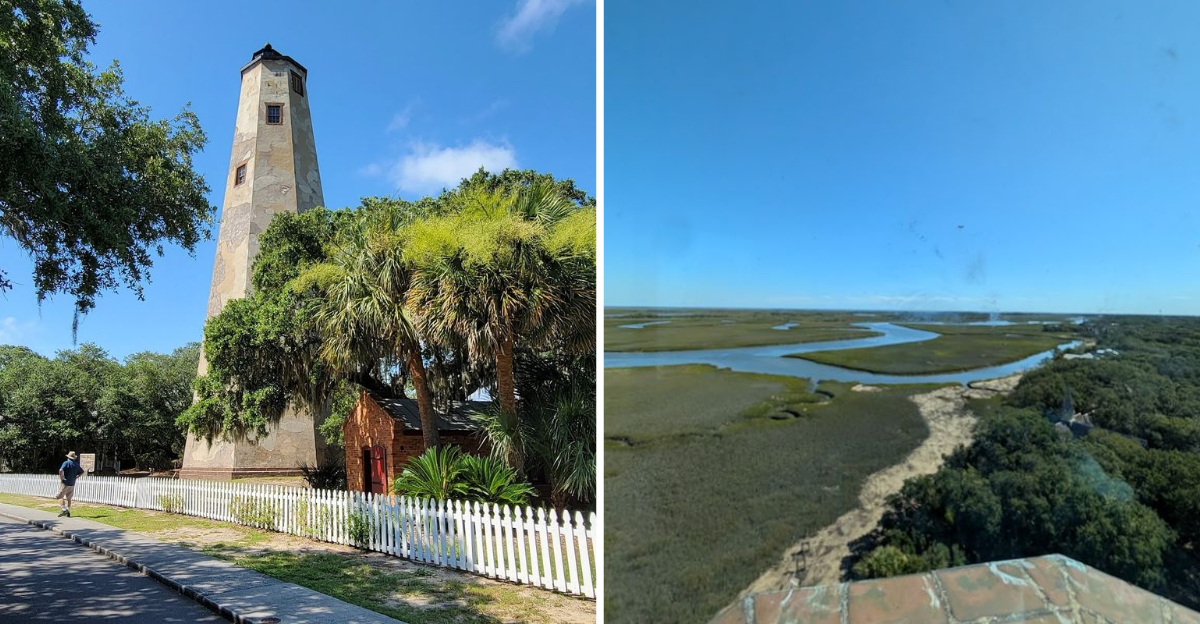
No cars, no highways, no way in except by water.
North Carolina has a place off its coast where the only access is a twenty-minute ferry ride, and the moment the boat pulls away from the dock, something shifts.
The usual noise of everyday life starts to fade.
I stumbled onto that island almost by accident, drawn in by the idea of being dropped into a completely different world.
Golf carts replace cars, ancient maritime forest lines the paths, and loggerhead sea turtles nest right on the shoreline.
I spent a day roaming those quiet roads, the beach stretching wide and empty in every direction, feeling like I had found a corner of the coast that belonged only to me.
The whole place moves at a pace that feels almost forgotten in today’s world.
If you have ever wanted a beach that actually feels like yours, this is the one.
The Ferry Ride That Changes Everything
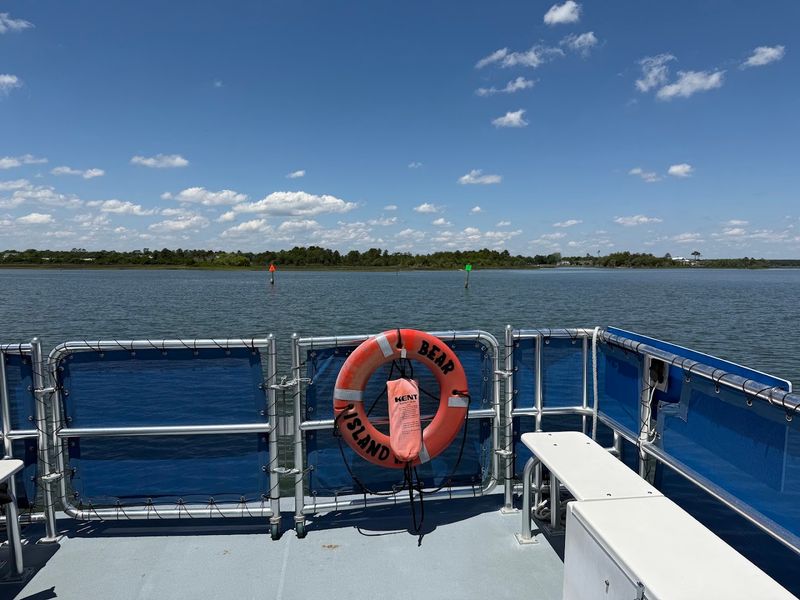
Most beach trips start with a long drive and a crowded parking lot.
Getting to Bald Head Island starts with something far more interesting: a 20-minute ferry ride from Deep Point Marina at 1301 Ferry Rd SE in Southport, North Carolina.
That short crossing does something unexpected to you.
By the time the island comes into view, your shoulders drop, your breathing slows, and whatever was on your mind before feels remarkably far away.
The ferry is a passenger-only vessel, which means your car stays on the mainland.
That detail matters more than it sounds.
No cars on the island means no traffic, no engine noise, and no exhaust fumes mixing with the salt air.
What fills that silence instead is the sound of wind off the Cape Fear River and the occasional cry of a gull overhead.
Watching the mainland shrink behind you while a forested shoreline grows larger ahead creates a sense of arrival that a highway simply cannot replicate.
Families on the ferry tend to get quieter.
Kids press against the railing.
Even people who have made the trip before seem to look forward with fresh eyes.
Once you dock on the island side, golf carts and bicycles take over from there.
The tram service is another option if you are traveling with gear or little ones who need a break.
The whole system works smoothly, and within minutes of stepping off the boat, the island’s rhythm becomes your rhythm too.
Address: 1301 Ferry Rd SE, Southport, NC 28461.
Three Beaches, Three Completely Different Moods
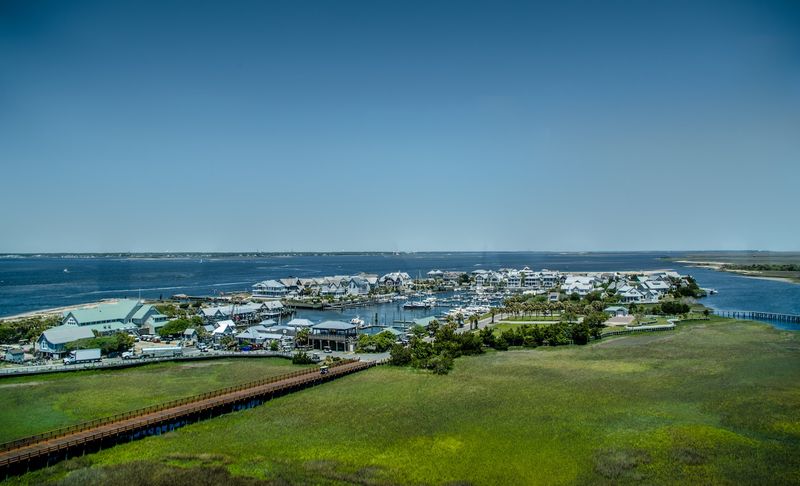
Fourteen miles of beach sounds almost too good to be true, but Bald Head Island actually delivers on that promise.
The island has three distinct beaches, and each one has its own personality.
West Beach is the spot for sunsets that turn the sky into something almost embarrassing in its beauty, with views of boats navigating the place where the Cape Fear River meets the open Atlantic.
South Beach tends to draw families and anyone who just wants to walk for a long time without turning around.
The water here is generally calmer, the sand is wide, and the pace is unhurried.
You can cover a lot of ground without ever feeling like you are in anyone’s way, which says a lot about how uncrowded this island stays even in summer.
East Beach faces the open Atlantic directly, which makes it the liveliest of the three in terms of wave action.
Surfers and boogie boarders show up here regularly, and the sunrises from this stretch of sand are genuinely worth setting an early alarm for.
The light comes up fast and golden over the water.
At the point where all three beaches converge sits Cape Fear Point, where the Frying Pan Shoals extend offshore.
Shell collectors tend to gravitate here, and it is easy to understand why.
The currents push an impressive variety of shells onto this stretch of sand, and spending an hour hunting for them feels like the most natural thing in the world.
Old Baldy Lighthouse and the History Hiding in Plain Sight
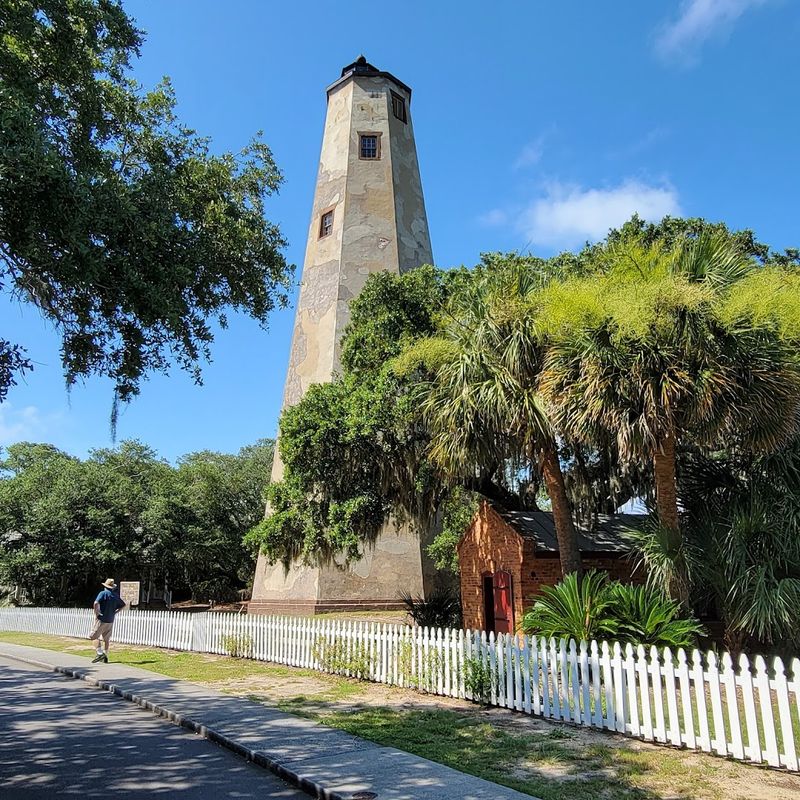
There is something quietly powerful about standing at the base of a lighthouse that has been watching over these waters since 1817.
Old Baldy is the oldest standing lighthouse in North Carolina, and it rises 110 feet above the island in a way that feels both ancient and completely at home among the trees surrounding it.
The name comes from the early settlers who noticed the island’s bald, windswept appearance from a distance.
The tower was built using bricks salvaged from its predecessor, which erosion had made unstable.
That kind of resourcefulness feels fitting for a place that has always had to work with what the sea and land provide.
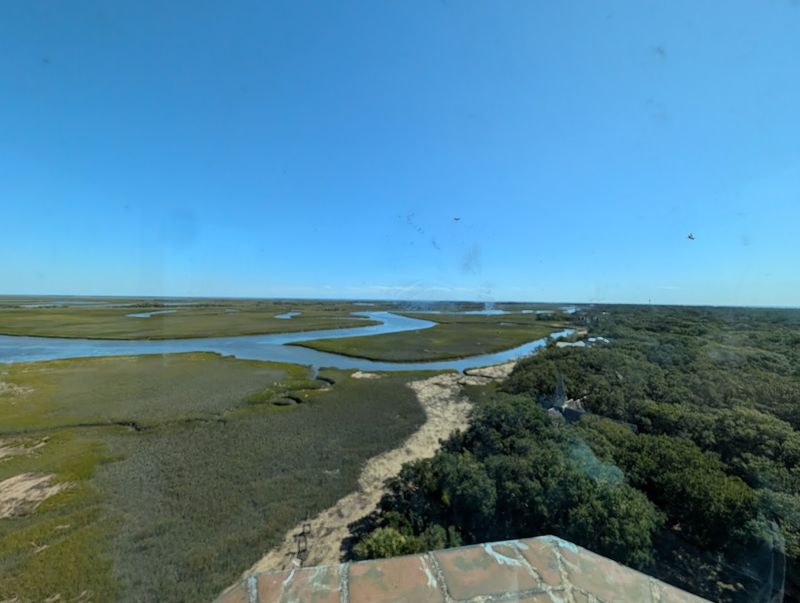
Climbing the interior stairs rewards you with a panoramic view that takes in the maritime forest, the beaches, and the wide expanse of water beyond.
Right next to the lighthouse, the Smith Island Museum fills in the story with exhibits about the lighthouse keepers who lived and worked here across the centuries.
It is not a large museum, but it is genuinely engaging, especially if you have kids with you who are starting to ask good questions about how people lived before electricity and modern navigation tools.
The lighthouse and museum are easy to reach by golf cart or bicycle from the ferry landing, and they make a natural anchor for a morning of exploration.
Seeing the island through the lens of its history adds a layer to the experience that the beach alone, wonderful as it is, cannot quite provide.
A Car-Free Island Where the Quiet Is the Point
The no-car policy on Bald Head Island is not just a quirky rule.
It is the entire foundation of what makes the place feel the way it does.
Without engine noise and traffic, the island’s natural soundtrack takes over completely.
Wind moves through the maritime forest, birds call back and forth across the canopy, and waves provide a constant low rhythm beneath everything else.
Golf carts are the primary way to get around, and renting one for your stay is genuinely fun rather than just practical.
Navigating the island’s paths at a slow pace forces you to notice things you would roll past in a car: a deer at the edge of the tree line, a painted bunting perched on a branch, the way the light filters differently through a forest that has been growing undisturbed for centuries.
Bicycles are another popular option, and the island’s relatively flat terrain makes cycling accessible for most ages and fitness levels.
The tram service covers the main routes if you need it, and walking is entirely reasonable for shorter distances.
The whole system encourages a kind of intentional slowness that most vacation destinations only promise but never actually deliver.
There are no high-rise buildings blocking the horizon, no neon signs competing with the sunset, and no commercial strips crowding the beachfront.
The island’s commitment to keeping development minimal means the landscape stays raw and genuine.
That restraint is what separates Bald Head Island from almost every other coastal destination in the Southeast.
Sea Turtles, Painted Buntings, and the Wildlife That Calls This Place Home
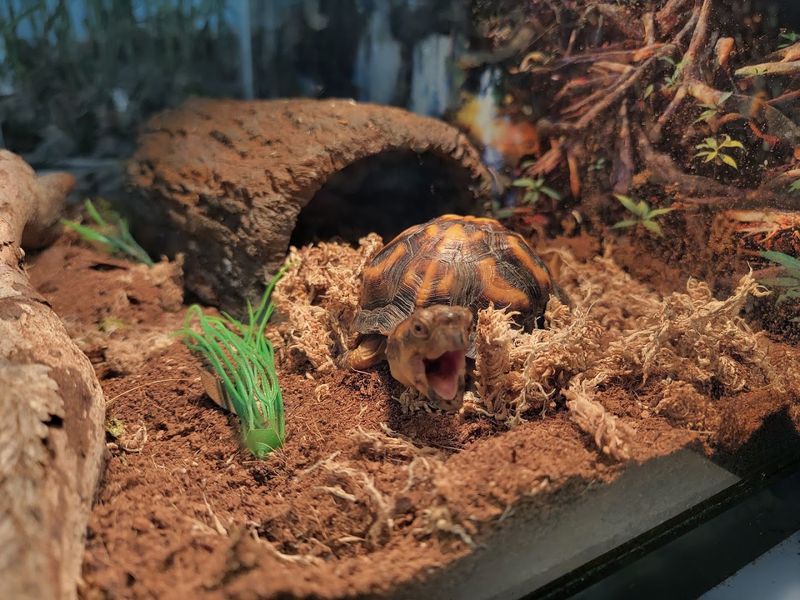
Bald Head Island has earned a serious reputation as one of the most important sea turtle nesting sites on the East Coast.
Loggerhead turtles, a threatened species, return to these beaches from May through mid-November to lay their eggs.
The island’s strict lighting ordinance, which prohibits artificial light from reaching the beach at night, exists entirely to protect these nesting turtles and the hatchlings that follow weeks later.
The Bald Head Island Conservancy runs guided turtle walks during nesting season, and getting a spot on one of those programs is worth planning ahead for.
Watching a loggerhead move up the beach in the dark, completely unhurried and focused on an instinct older than human memory, is one of those experiences that recalibrates your sense of what matters.
Beyond sea turtles, the island hosts an impressive range of wildlife across its four ecosystems: beachfront, dune ridge, maritime forest, and salt marsh.
White-tailed deer are common and surprisingly unbothered by people.
Red foxes appear at dawn and dusk.
Alligators inhabit the freshwater lagoons tucked into the interior, which tends to surprise first-time visitors who associate gators strictly with Florida.
The painted bunting might be the island’s most visually striking resident.
The male of the species looks almost too colorful to be real, with a blue head, red underparts, and a green back that together seem more like a painting than a bird.
Spotting one in the maritime forest is the kind of moment that makes you reach for your phone and then decide to just look instead.
The Maritime Forest and the Feeling of Being Somewhere Truly Untouched
Most people come to Bald Head Island for the beach, which makes complete sense.
But the maritime forest in the island’s interior is the part that tends to stay with you longest after you leave.
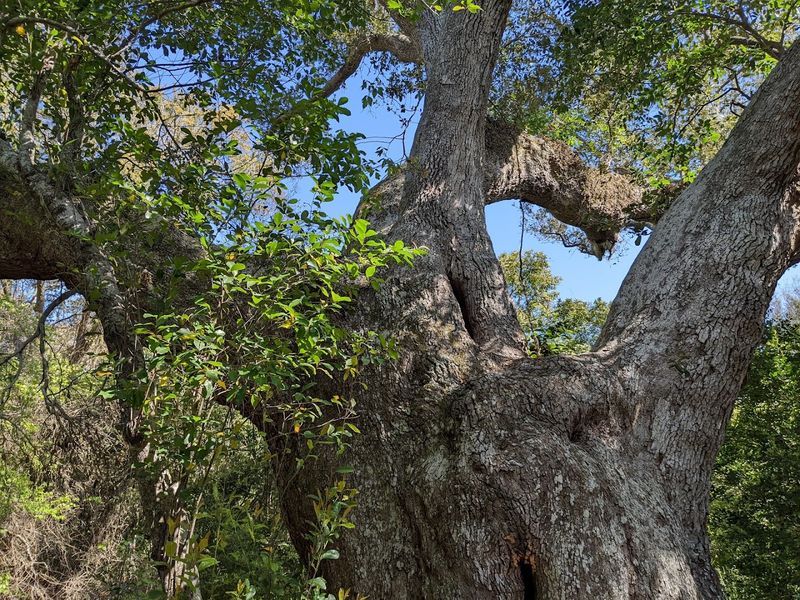
Some of the trees here are over two hundred years old, their trunks twisted by decades of salt wind into shapes that look like they belong in a fairy tale illustration.
The forest covers a significant portion of the island and creates a microclimate that feels noticeably cooler and more sheltered than the open beach.
Paths wind through it in ways that reward slow exploration rather than purposeful hiking.
You are not trying to get somewhere in here.
The point is simply to be inside something ancient and still largely intact.
Spanish moss hangs from the live oaks in long, grey curtains.
Warblers and woodpeckers move through the canopy overhead.
The ground cover shifts from sandy soil near the dunes to richer, darker earth deeper in the forest, and the change happens gradually enough that you notice it without quite being able to say when it occurred.
The Bald Head Island Conservancy offers educational programs and guided marsh crabbing tours that bring the island’s ecology into sharper focus.
Even without a guided experience, the forest is accessible and worth an afternoon of unhurried wandering.
There is a particular kind of quiet that exists inside old-growth coastal forest, different from the quiet of the beach, and once you have felt it, you will understand why this island inspires such loyalty in the people who visit it.
Address: North Carolina 28461.
