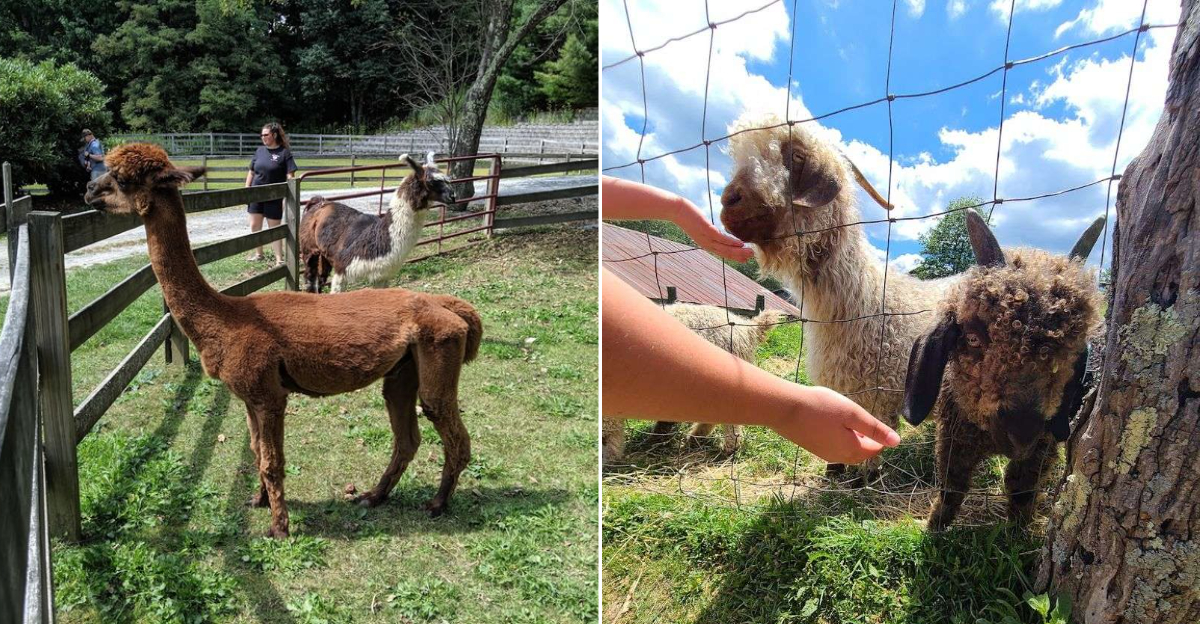
You walk into a pasture in North Carolina, and a curious alpaca immediately walks over to check you out. That is not unusual here.
The animals are friendly, the air is cool, and the whole place runs at a slower pace. You can pet the soft fleece, learn how the farm works, and watch a llama guard its herd from a hilltop.
The guides know each animal by name and will tell you stories that make you smile. Families with young kids find the experience easy and relaxing, not rushed or crowded.
You will leave with a few fuzzy photos and a new appreciation for working mountain farms. No loud noises, no long lines, just a peaceful afternoon with gentle creatures.
This is a good place to slow down and remember what simple feels like.
The Drive Up Feels Like Part Of The Fun
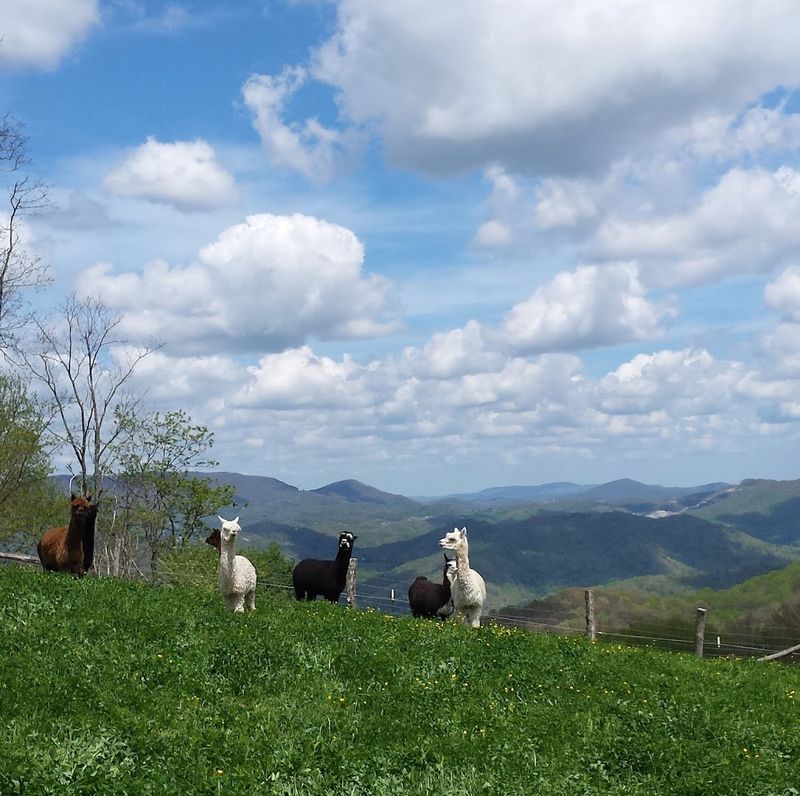
You know that feeling when the road starts climbing and everything outside the window gets quieter and prettier at the same time? That is exactly how this place begins, and honestly, by the time you reach the farm, you already feel like you have gone somewhere that runs on a slower clock.
The mountain setting does a lot of the work before you even meet a single animal.
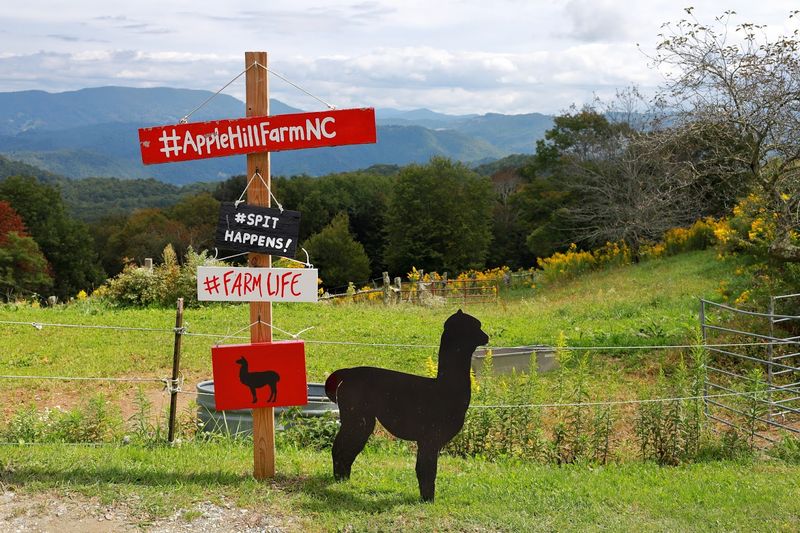
Apple Hill Farm sits high in the Blue Ridge Mountains near Banner Elk, and the views make the whole visit feel wide open and peaceful without trying too hard. In North Carolina, there are plenty of scenic drives, but this one lands differently because the destination is not just a lookout or a trailhead.
You are heading into a real working farm, which gives the whole trip a grounded, lived-in kind of charm.
I would not rush this part, because arriving here feels like easing into the day instead of checking into an attraction. You notice the fences, the barns, the mountain air, and the calm way everything is laid out.
Before the tour even starts, the place already nudges you to unclench a little and pay attention.
It Is Easy To Find But Still Feels Tucked Away
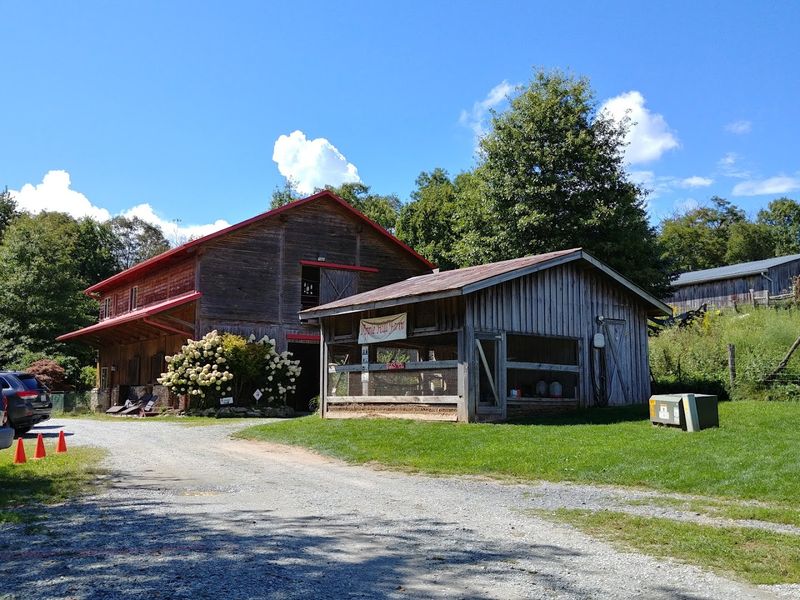
Here is the nice surprise, because it feels remote in the best way, but it is not one of those places that makes you wonder whether your map has given up on you. Apple Hill Farm is at 400 Apple Hill Road, Banner Elk, NC 28604, and once you turn in, the whole setting immediately tells you that you picked a good day.
It feels mountain quiet without being hard to reach.
The farm is near Banner Elk and not far from Sugar Mountain, so it works really well if you are already spending time in this part of North Carolina. I like that it feels tucked into the landscape instead of plopped on top of it.
The property has that natural, settled look that comes from being used every day, not dressed up for passing visitors.
That matters more than it sounds, because the place comes across as sincere from the start. You are not arriving at something glossy or overly arranged for photos.
You are stepping into a real farm with real routines, and that makes the whole visit feel warmer, more personal, and a lot easier to enjoy.
The Alpacas Really Do Steal The Show
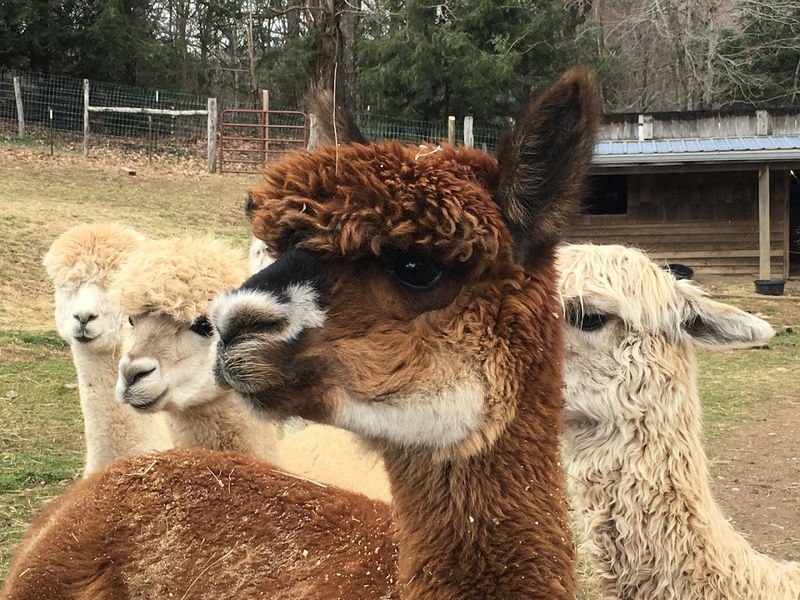
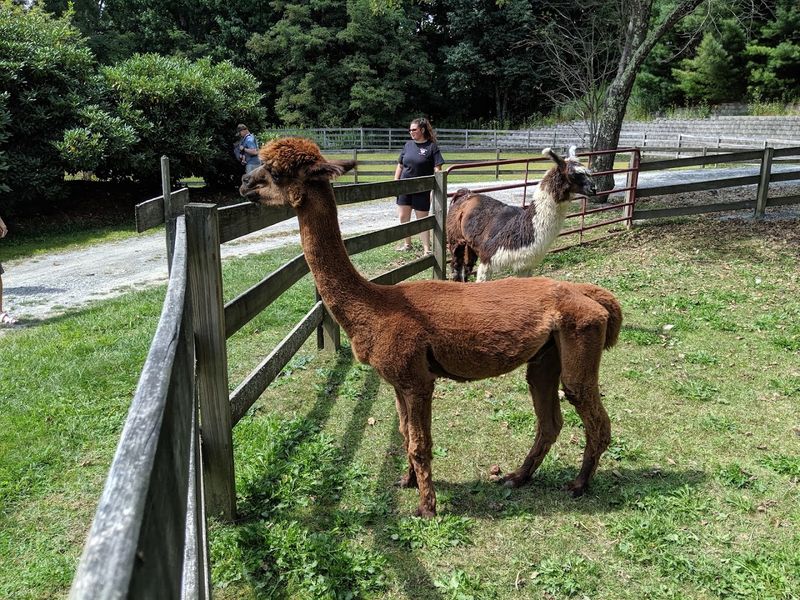
I mean, the alpacas are the reason a lot of people come, and after about five minutes with them, that makes complete sense. They have this calm, curious energy that is somehow both funny and soothing, and you end up watching their faces like they are all in on a private joke.
If you are the kind of person who talks to animals without thinking about it, you will fit right in.
What I loved is that you are not just standing far away, squinting over a fence and pretending that counts as an experience. On the guided walking tour, you get close enough to really notice their personalities, their fleece, and the way they move through the pasture together.
It feels more personal than most animal attractions because the farm is built around connection, not spectacle.
The alpacas also make the whole place feel softer somehow, which is hard to explain until you are there. They bring this gentle rhythm to the visit that slows people down in a good way.
By the end, you are not just saying they were cute, you are telling stories about which one kept staring at you.
The Llamas Bring A Little More Attitude
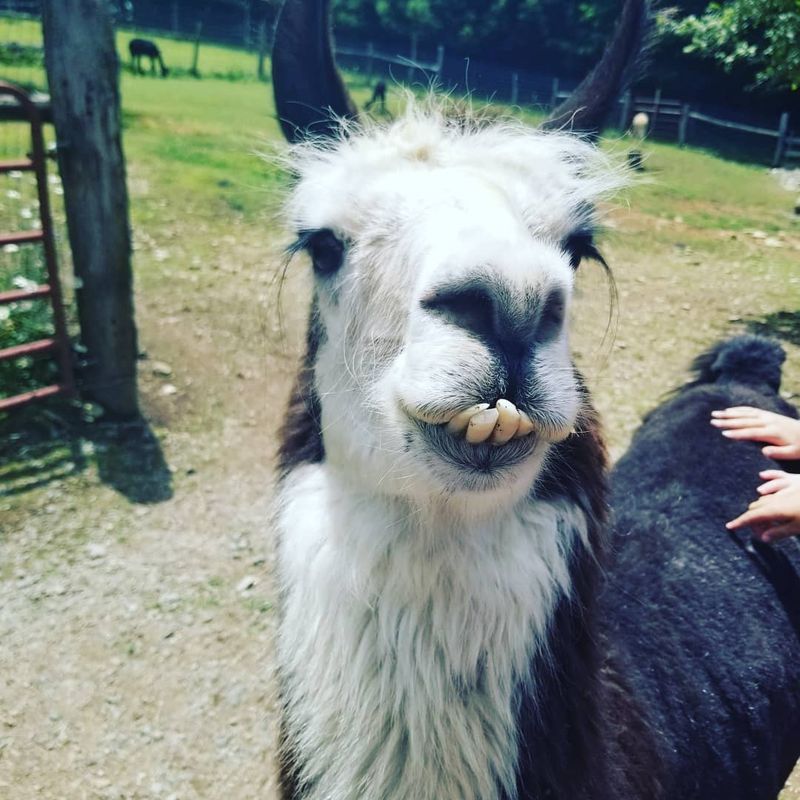
Now the llamas are a slightly different vibe, and that is part of why they are so much fun. They have a little more presence, a little more swagger, and they somehow manage to look both regal and mildly suspicious at the same time.
If the alpacas melt you, the llamas make you laugh.
Seeing them as part of the farm, instead of as some separate petting area, makes the experience feel more natural and more interesting. You get a better sense of how these animals fit into the daily life of a working place in the North Carolina mountains.
That context matters, because it turns a cute outing into something that actually sticks with you.
I also liked that the visit is guided, so you are not left guessing what makes one animal different from another. You hear about behavior, care, and the farm itself while walking through a setting that feels relaxed instead of lecture-heavy.
It is the kind of learning that sneaks up on you, because you are too busy smiling at a llama face to notice you are absorbing a lot.
This Is Not Just An Alpaca Place
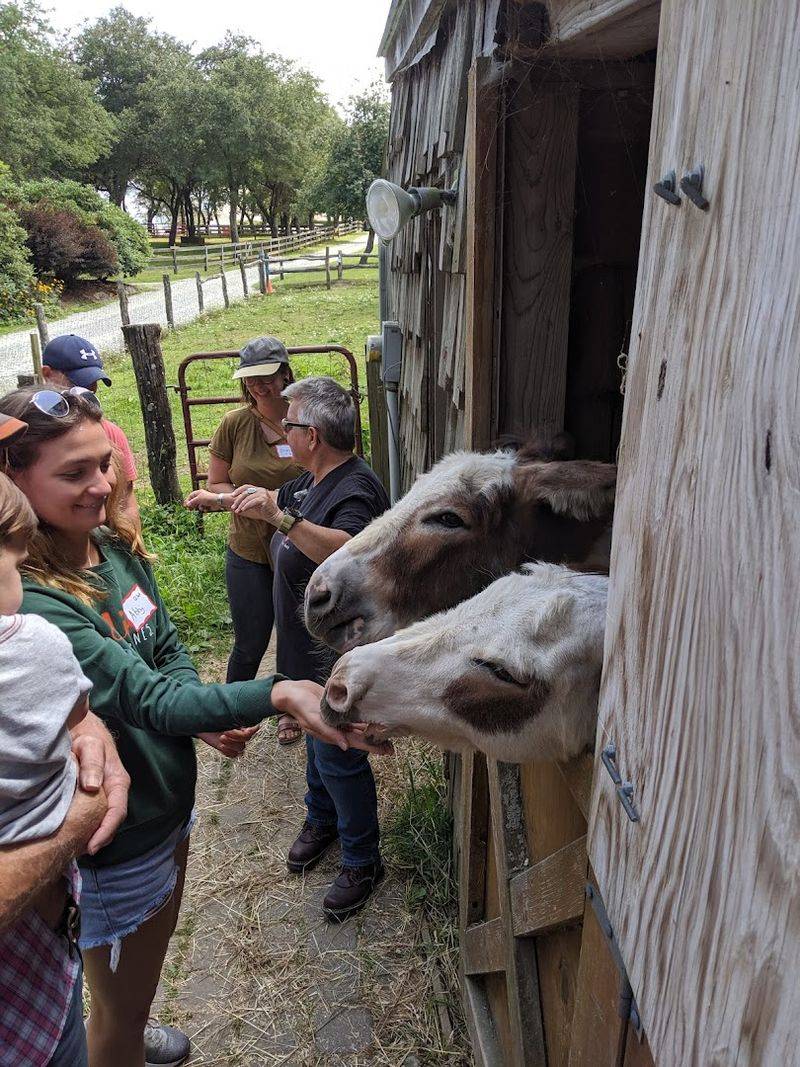
One thing that makes Apple Hill Farm more memorable is that it does not stop at alpacas and llamas, even though those are the big headliners. As you walk around, you meet a whole cast of working farm animals, and each area gives the visit a slightly different feel.
That variety keeps the tour lively without making it feel scattered.
You might see angora goats, potbelly pigs, Zebu cows, donkeys, chickens, and farm dogs that help guard livestock, which gives the place a real sense of purpose. It is not a collection of random cute animals placed there for effect.
Everything feels connected to the actual life of the farm, and that makes you pay closer attention.
I think that is why families, couples, and grown adults without kids all seem to get equally wrapped up in it. There is always something new to notice, whether it is a funny noise from a pig, the way a donkey watches the group, or the casual confidence of the guardian dogs.
The farm keeps unfolding as you move through it, and that makes the hour pass way too fast.
The Guided Tour Keeps It Personal
What makes the visit click is that you are not wandering around trying to piece things together from a sign and a quick glance. The farm runs guided educational walking tours, and that structure gives the whole experience a friendlier, more human pace.
You get enough information to feel engaged, but not so much that it starts sounding like school.
The tours usually run around an hour, which is just about right for staying interested without getting worn out. Because you are moving with someone who knows the animals and the land, little details start standing out more.
You notice habits, personalities, and routines that you would absolutely miss on your own.
I liked that the guide-led format also keeps the experience calm and respectful for the animals, which you can feel while you are there. People are not crowding every enclosure or rushing ahead to get the same photo.
Instead, the visit feels conversational and steady, which fits the whole atmosphere of the farm really well. It is one of those rare tourist experiences where the organized part actually makes everything feel more relaxed, not less.
You Learn Things Without Feeling Lectured
I always appreciate it when a place teaches you something without making you feel trapped in a presentation, and this farm pulls that off really well. You come for the animals, obviously, but you leave with a much clearer sense of how a working farm runs and why these animals matter here.
The information lands naturally because it is tied to what you are seeing in the moment.
There is a lot to pick up as you go, from the differences between alpacas and llamas to the role of guardian dogs and the care behind fiber animals. In North Carolina, plenty of outings are scenic, but not all of them give you that satisfying feeling of having actually learned something real.
This one does, and it never loses its warmth while doing it.
That balance makes a difference if you are visiting with kids, friends, or somebody who usually claims they are not into farm tours. The facts come wrapped in stories, animal behavior, and little moments of connection that keep everyone tuned in.
By the time you are heading out, you have a bunch of new details in your head and none of it felt forced.
The Farm Store Is Hard To Walk Past
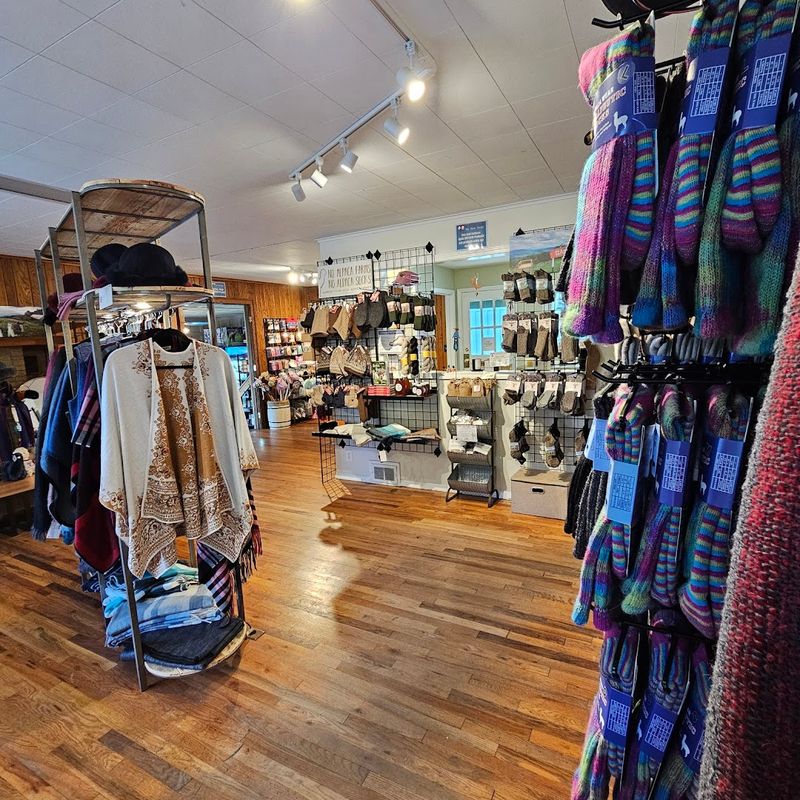
I am just going to say it, because there is a good chance you will tell yourself you are only browsing and then end up holding a pair of alpaca socks. The on-site store is small enough to feel approachable and tempting enough to keep you circling one more time.
After seeing the animals outside, the things inside feel a lot more meaningful than standard souvenir-shop stuff.
You can find alpaca fiber goods like socks, hats, gloves, and yarn, and the farm also offers local products such as eggs and honey. Nothing about it feels random or overly stuffed.
The shop fits the rest of the visit, which is to say it feels useful, genuine, and tied to the actual work happening on the property.
I liked that the store felt like a natural extension of the farm instead of a forced final stop. You can ask questions, look around slowly, and leave with something that actually connects back to what you just experienced.
Even if you do not buy a thing, it rounds out the visit nicely and gives you one last cozy reason to linger before heading down the mountain.
The Weather Is Part Of The Experience
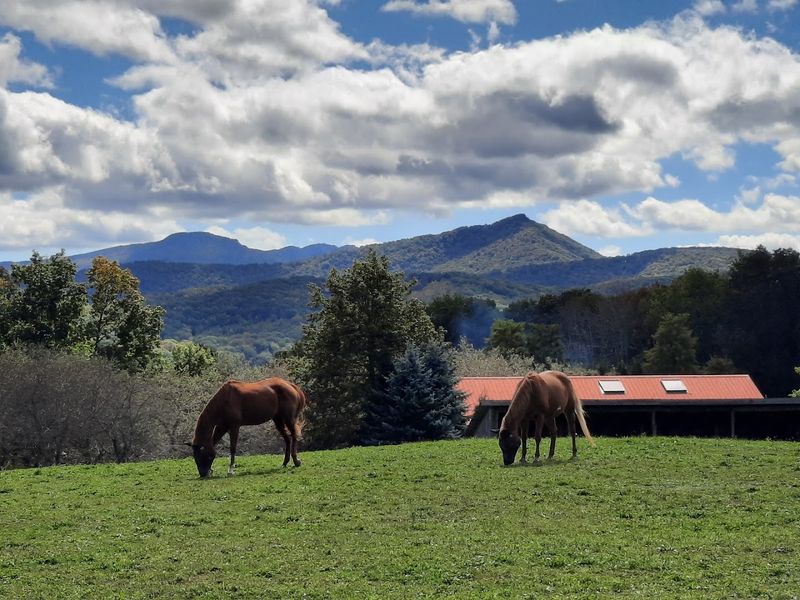
One thing to keep in mind is that this is mountain weather, and it likes to remind you who is in charge. Because the farm sits at a high elevation, the air can feel cooler than you expect, and that crispness becomes part of the whole mood.
Honestly, it adds something to the experience, especially if you are coming from a warmer part of North Carolina.
The tours usually happen rain or shine, unless conditions get severe with things like lightning, major snow, or ice, so it is smart to dress like you are actually going outdoors. That sounds obvious, but people forget when an outing involves fluffy animals and pretty views.
A light layer and shoes you do not mind wearing on a farm will make the day a lot easier.
I kind of love that the visit is not too polished against the elements, because it keeps the whole experience real. You feel the breeze, notice the clouds moving, and understand that this place runs with the seasons, not against them.
That mountain atmosphere is not background scenery here, it is woven into the way the farm feels from start to finish.
It Leaves You Feeling Better Than You Expected
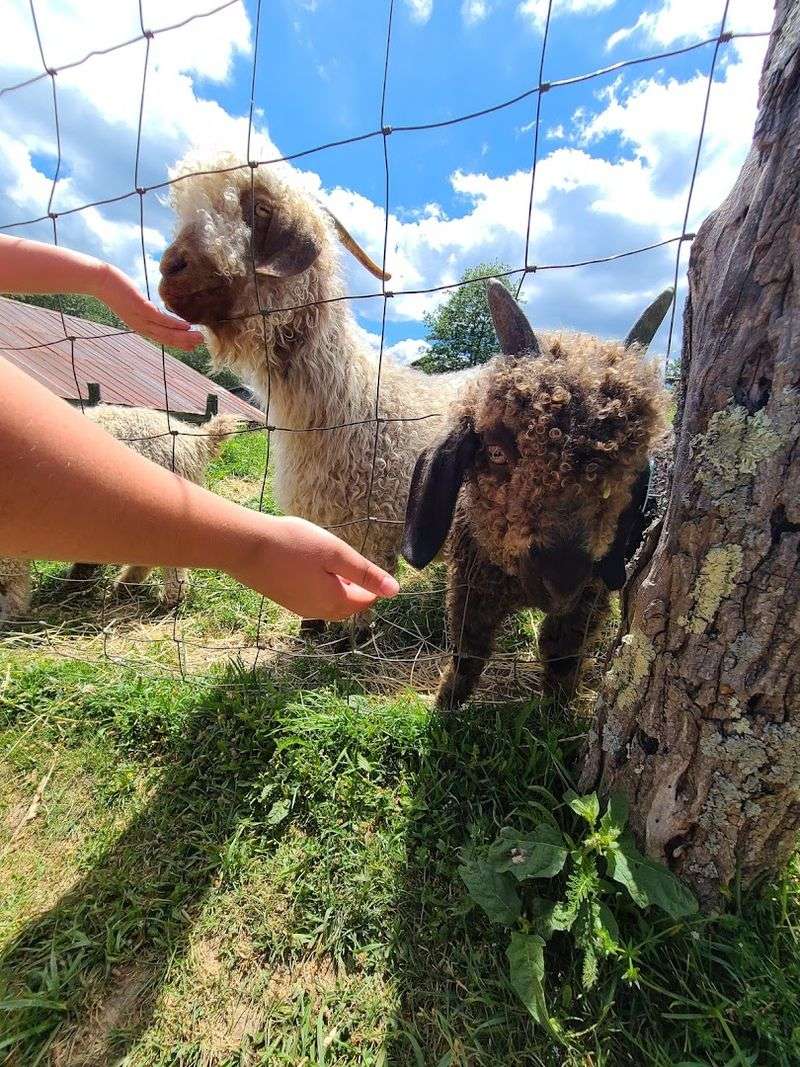
Maybe this is the best way to put it, because Apple Hill Farm leaves you in a better mood than you were in when you arrived. It is not flashy, and it does not need to be, because the mix of mountain quiet, animal encounters, and steady farm rhythm does the job on its own.
You walk in thinking it will be cute, and you walk out feeling oddly refreshed.
There is something about spending time in a place where the point is simply to slow down, pay attention, and connect with the animals in front of you. In North Carolina, that kind of reset can be surprisingly easy to find if you know where to go, and this farm is one of those places.
It feels sincere all the way through, which is probably why people remember it.
If you are already around Banner Elk, I would absolutely make room for this. If you are planning a day trip and want something that feels relaxed, specific, and actually worth talking about later, this is a strong bet.
By the drive home, you will probably be discussing your favorite alpaca like it was someone you just met at a party.
