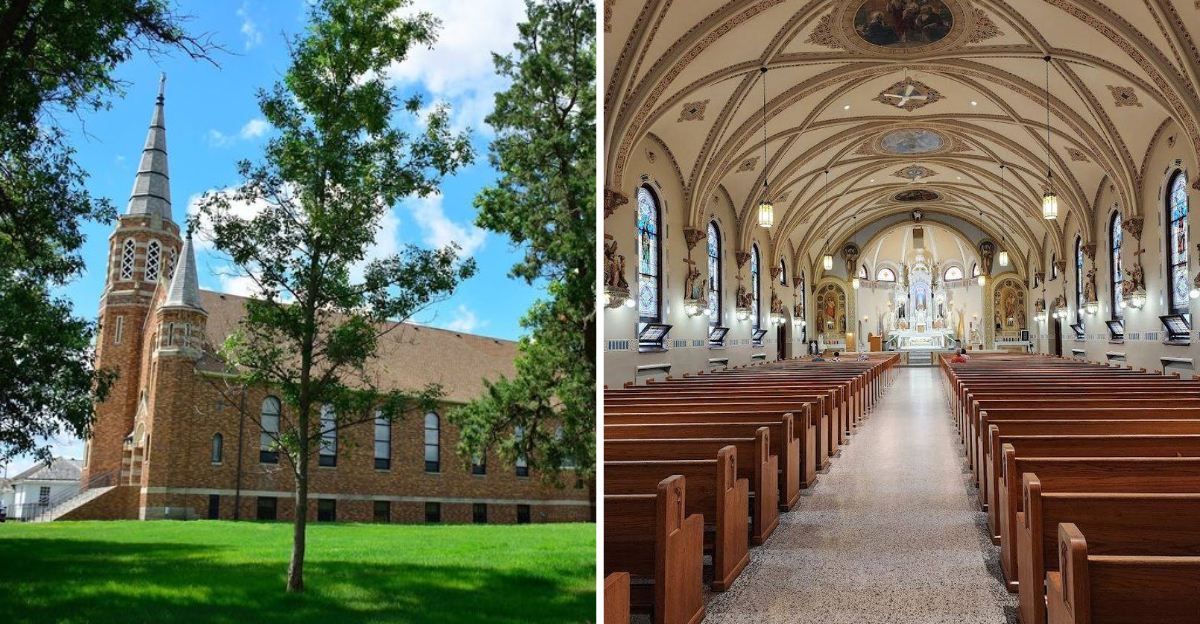
Twin towers reach toward an open sky, and the brick facade carries more than a century of faith and community. This North Dakota church rises from the prairie like something out of a dream. The original building burned down in nineteen twenty nine, but the community chose to rebuild during the Great Depression.
Parishioners dug out the basement by hand and with horses. Inside, stained glass windows line the nave, and the dome is covered with gold pieces. Over one hundred statues and paintings of angels fill the space. The acoustics are extraordinary.
Some say the upper spaces carry whispers that follow old walls. Small in numbers, but the commitment to preserving what was built is anything but small.
A Church Built From Hardship and Heart
The original fire that destroyed the 1906 brick church on Ash Wednesday of 1929 could have ended everything. Instead, it ignited something fierce in the German-Russian community of Hague.
Families who were already struggling through the early waves of the Great Depression chose to rebuild rather than give up.
The cornerstone for the current church was laid on August 4, 1929, and the dedication followed on June 19, 1930. That timeline alone is remarkable.
Think about what it means to raise $80,000 during an economic collapse, especially in a small rural town.
Much of the labor came from the parishioners themselves. They dug out the basement by hand and with horses, hauling dirt so their community could have a proper foundation.
That kind of commitment is rare anywhere, let alone in a town as small as Hague.
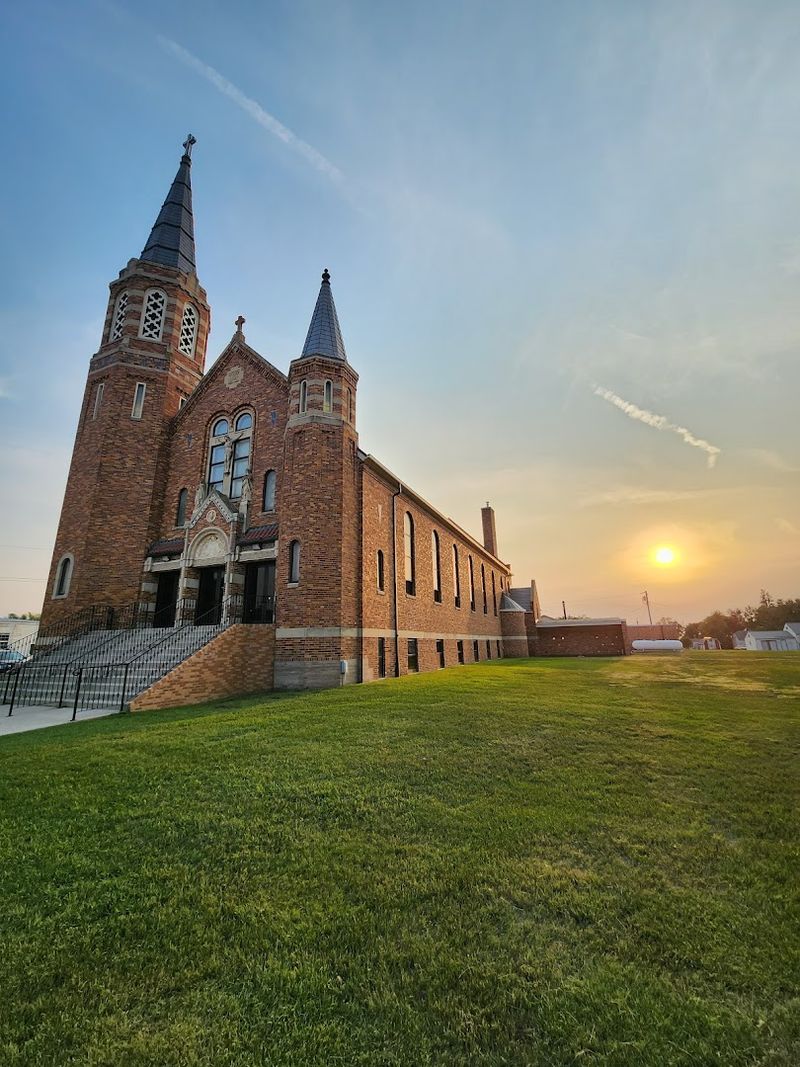
The result is a church that carries the weight of sacrifice in every brick. You can feel it when you stand outside and look up at those twin towers.
This was not just a construction project. It was an act of collective faith that refused to be broken by fire or financial hardship.
Romanesque Meets Gothic on the North Dakota Prairie
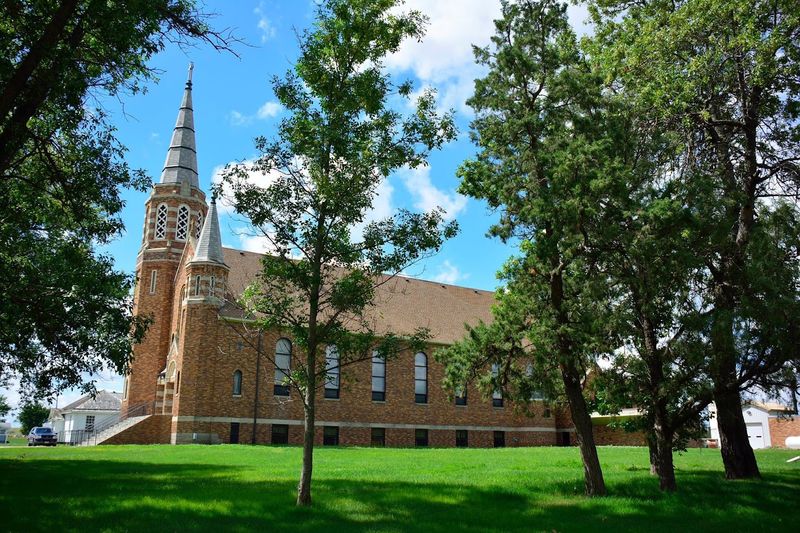
Most people driving through Emmons County are not expecting to find a church that looks like it belongs in a European city. The design of St. Mary’s pulls from both Romanesque and Gothic traditions, blending them into something that feels genuinely grand against the wide open prairie sky.
Twin towers frame the front facade with confident symmetry. Arched windows line the sides, and stone trim adds texture and depth to the brick exterior.
Religious statuary is placed with care throughout the building, giving the whole structure a devotional presence even before you step inside.
The scale of the building is surprising. It does not feel like a small-town church, and that contrast between the rural setting and the architectural ambition is part of what makes it so memorable.
I kept circling the outside, noticing new details with each pass.
Architects who designed churches in this tradition understood that beauty itself was a form of worship. The people of Hague clearly believed that too.
Every carved detail and every arch speaks to a community that wanted their spiritual home to reflect something eternal, not just practical. That vision still holds up nearly a century later.
Inside, the Art Will Genuinely Stop You
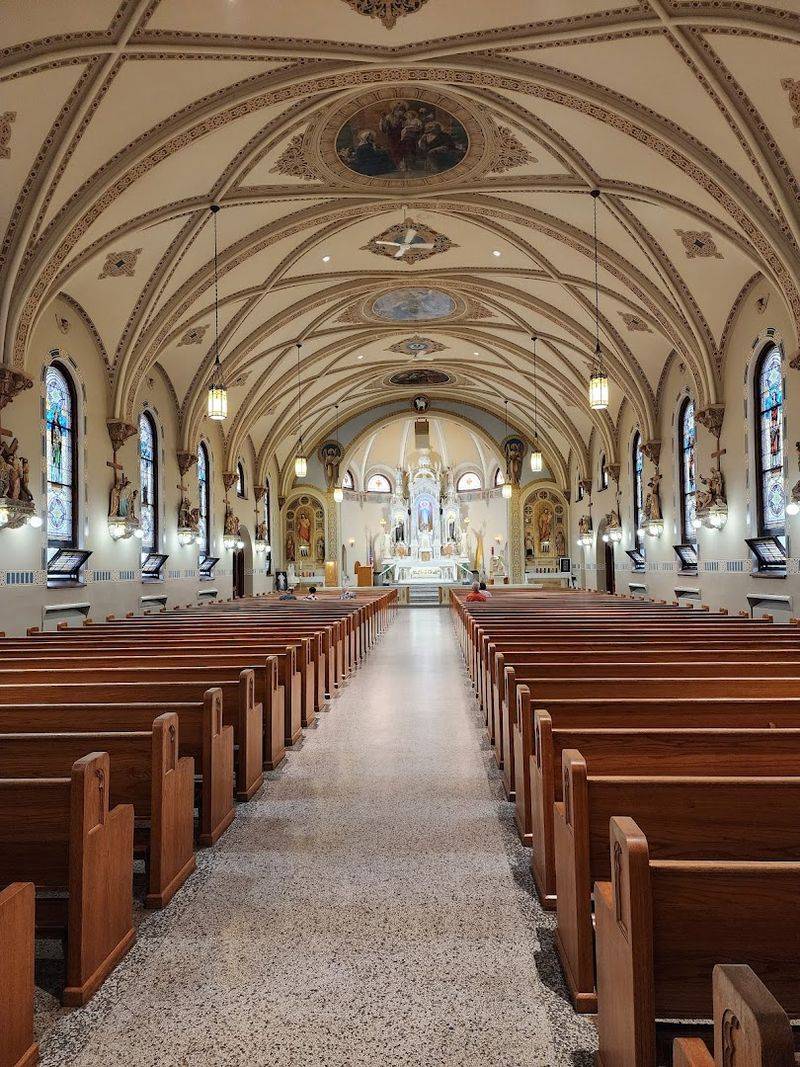
The moment you cross the threshold, the interior grabs you completely. The high altar features a life-sized statue of the Blessed Virgin Mary, and it commands the space with quiet authority.
Your eyes keep moving because there is so much to take in all at once.
Thirteen Roman-arched stained glass windows line the nave, each one depicting a different saint. The light that filters through them shifts throughout the day, painting the interior in soft color.
Ceiling oil paintings illustrate scenes from Mary’s life, and they are detailed enough to reward a long, careful look.
The dome is covered with gold pieces that catch whatever light exists in the space. It sounds excessive on paper, but in person it feels reverent rather than showy.
Many of the furnishings were imported from Germany, France, and Belgium, which explains the European craftsmanship visible throughout.
Over 100 statues and paintings of angels are distributed across the interior. That number sounds almost impossible until you are actually inside counting them.
The acoustics are extraordinary too, as every sound seems to travel with unusual clarity. It is the kind of interior that makes you want to sit quietly for a while and just absorb it.
German-Russian Roots Run Deep Here
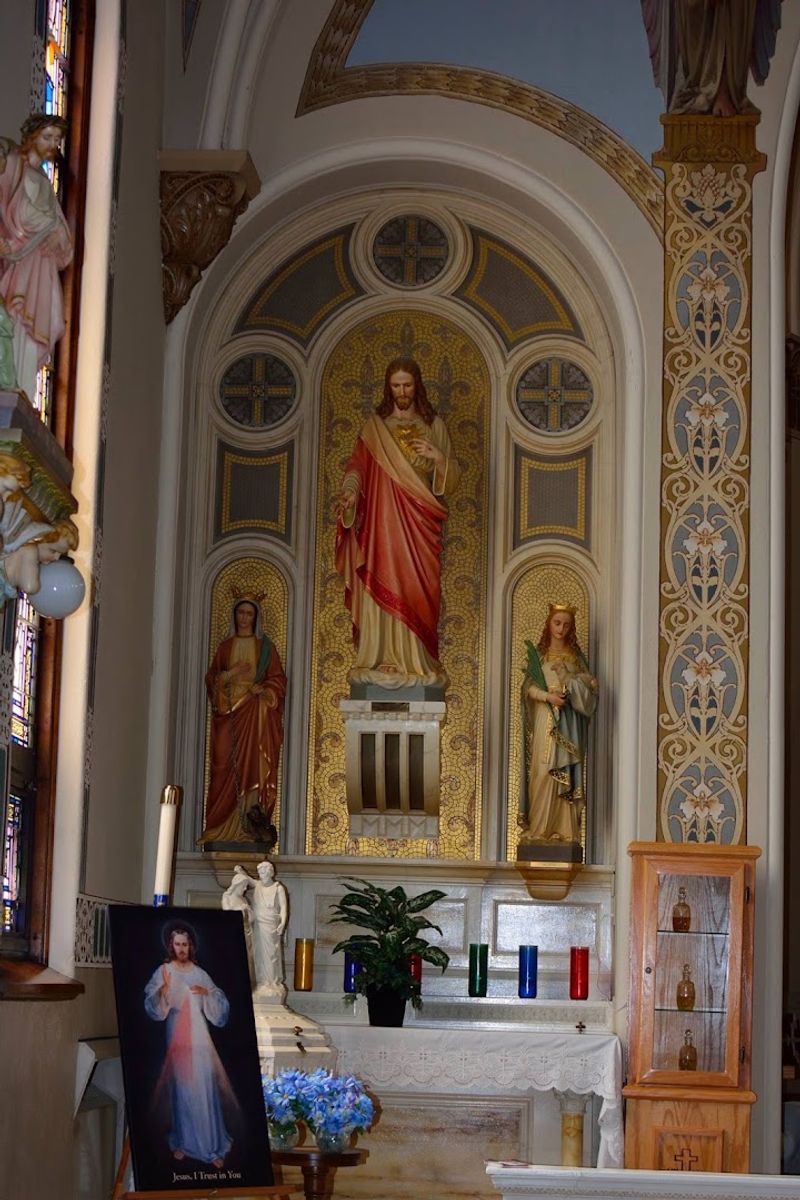
St. Mary’s holds the distinction of being the oldest continuous German-Russian Catholic Parish in North Dakota. The first German-Russian settlers arrived in the Hague area around 1885, and they brought their faith with them across an enormous distance.
These were people who had already relocated once from Germany to Russia before making the journey to the American plains.
The original wooden church for this community was built in 1890 in Alasys, a settlement west of present-day Hague. That early structure reflects how quickly the community organized itself around its faith.
They did not wait for conditions to be perfect before building.
That heritage is still felt in the parish today. Traditional dishes appear at fundraising events, and the cultural memory of the founding families is woven into how the community understands itself.
There is a pride here that is specific and earned, not generic.
Understanding that history changes how you see the church building. It is not just a pretty structure.
It is a marker of survival, of a people who crossed continents and still found the energy to create something lasting. That layered identity makes St. Mary’s more than a tourist stop.
It is a living document of an entire community’s journey.
The Iron Cross Cemetery Next Door
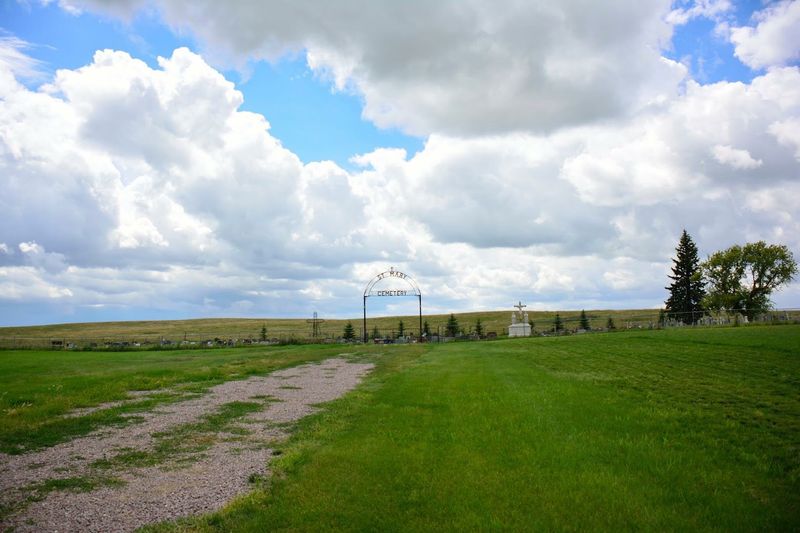
Right beside the church sits one of the most visually striking cemeteries in the entire state. The Iron Cross Cemetery is named for the distinctive wrought iron crosses that mark many of the graves, a tradition brought directly from the German-Russian homeland.
These crosses are not decorative in a casual sense. They represent a specific cultural and religious identity that the community carried across generations.
Both St. Mary’s Catholic Church and the Iron Cross Cemetery are listed on the National Register of Historic Places. The cemetery is recognized as a non-contiguous historic district, which speaks to its independent significance beyond just being adjacent to the church.
Visiting the cemetery feels like reading a chapter of history that textbooks usually skip. The names on the markers reflect the founding families of the community, and the dates tell stories of hardship, infant mortality, and long lives lived on demanding land.
The iron crosses themselves are remarkable objects. Each one was crafted with care, and many have survived more than a century of North Dakota winters.
There is something deeply moving about the way they stand in rows across the prairie grass. This is not a sad place.
It feels more like a conversation between the living and those who came before.
A Small Parish With a Big Presence
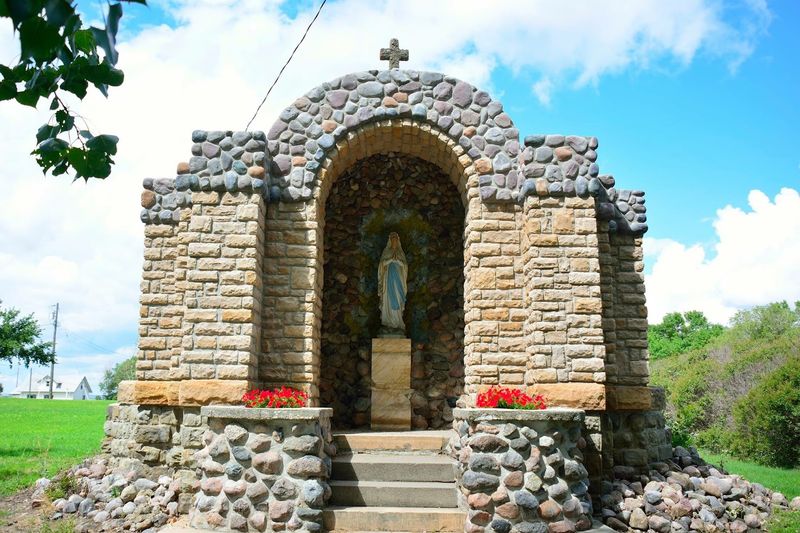
St. Mary’s currently serves around 65 registered households, which is a small number by any standard. But the footprint of this parish extends well beyond its membership roster.
It draws tourists to Emmons County from across the region, and its reputation as one of the most beautiful churches in North Dakota is well established.
The parish operates as part of a Tri-Parish Cluster alongside Sts. Peter and Paul in Strasburg and St. Michael in Rural Linton.
The main parish office is housed at Sts. Peter and Paul.
That kind of cooperative structure is practical for rural communities where populations have shifted over the decades.
The endurance of St. Mary’s as an active parish is itself a kind of miracle. Many rural churches in the Great Plains have closed or been repurposed as the surrounding communities shrank.
Hague has held on, and the church remains a gathering point for faith and community identity.
A fundraising drive launched in 2017 eventually led to $600,000 in repairs completed as recently as November 2024. That investment shows that the current community takes its responsibility to this building seriously.
Small in numbers, maybe. But the commitment to preserving what was built is anything but small.
The Paranormal Whispers That Follow Old Walls
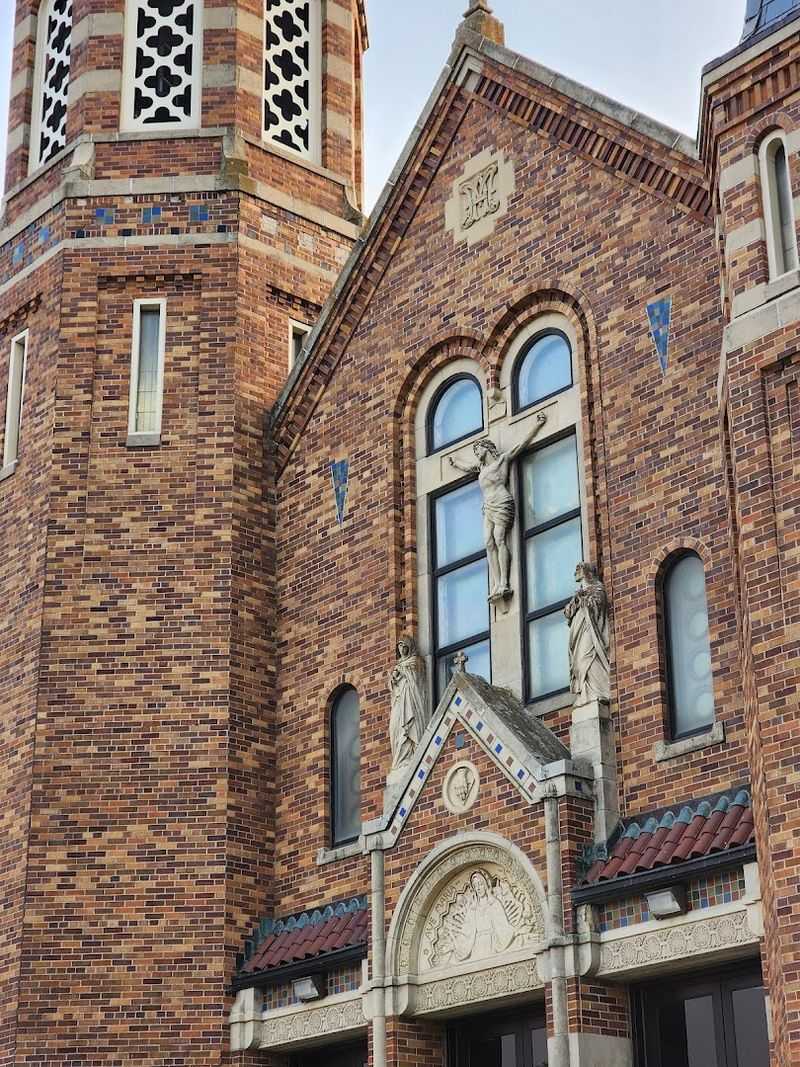
Old buildings collect stories the way old wood collects rings. St. Mary’s is no exception, and the stories that gather around its upper spaces tend to lean toward the unexplained.
At least one account on a North Dakota ghost sightings page mentions a large, very old church in Hague described as haunted, though the person who submitted it ultimately chalked it up to an overactive imagination.
That kind of half-dismissal is actually pretty common with places like this. The architecture alone does something to your perception.
High ceilings, shadowed corners, and the way sound moves through the space can make even a skeptic pause. I am not saying anything is there.
But the atmosphere invites the question.
There are no confirmed paranormal investigations tied to St. Mary’s, and no documented accounts with verifiable sources. What exists is more like ambient folklore, the kind that attaches naturally to old sacred spaces with dramatic histories, fires, great loss, and generations of intense emotion concentrated in one place.
Whether you believe in that sort of thing or not, there is something undeniably atmospheric about the church after dark. The twin towers against a North Dakota night sky look like something from another era entirely.
Some places just carry a charge that is hard to name. This is one of them.
Address: 210 4th St S, Hague, ND 58542
