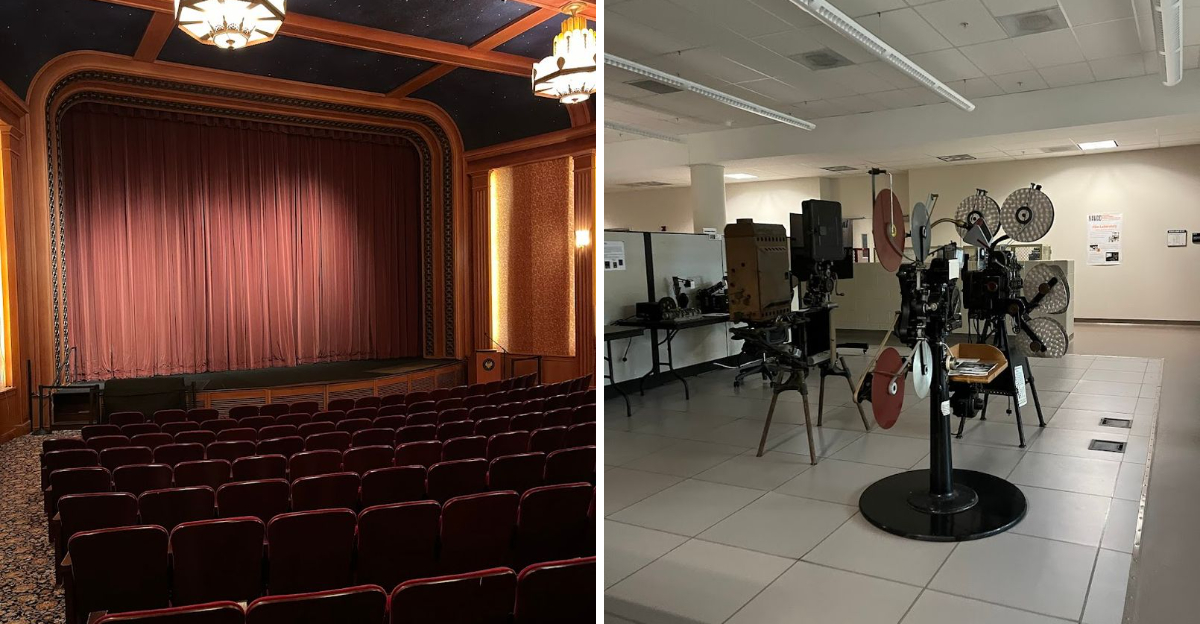
Drive through Virginia and you would never guess what is hidden beneath the landscape. Carved into a hillside, an unassuming structure holds one of the most fascinating experiences in the state.
This spot was originally designed as a secure facility capable of withstanding a nuclear blast, yet today it welcomes visitors for free film screenings every Friday and Saturday night. Inside, a beautifully restored Art Deco theater sets the stage for classic movies in a setting that feels both historic and unexpected.
It stands as a reminder that some of the most remarkable places are the ones few people know about.
A Bunker Built to Outlast the Apocalypse
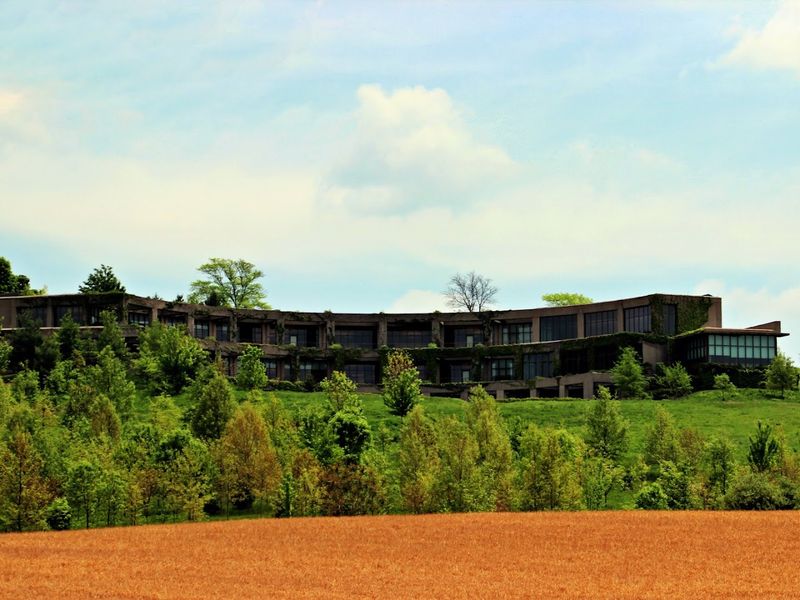
Most buildings try to blend in with their surroundings. This one was designed to survive the end of civilization.
The structure that now houses the Packard Campus was originally built as a Federal Reserve facility, engineered to withstand a nuclear strike and keep the American economy functioning in the aftermath of catastrophe.
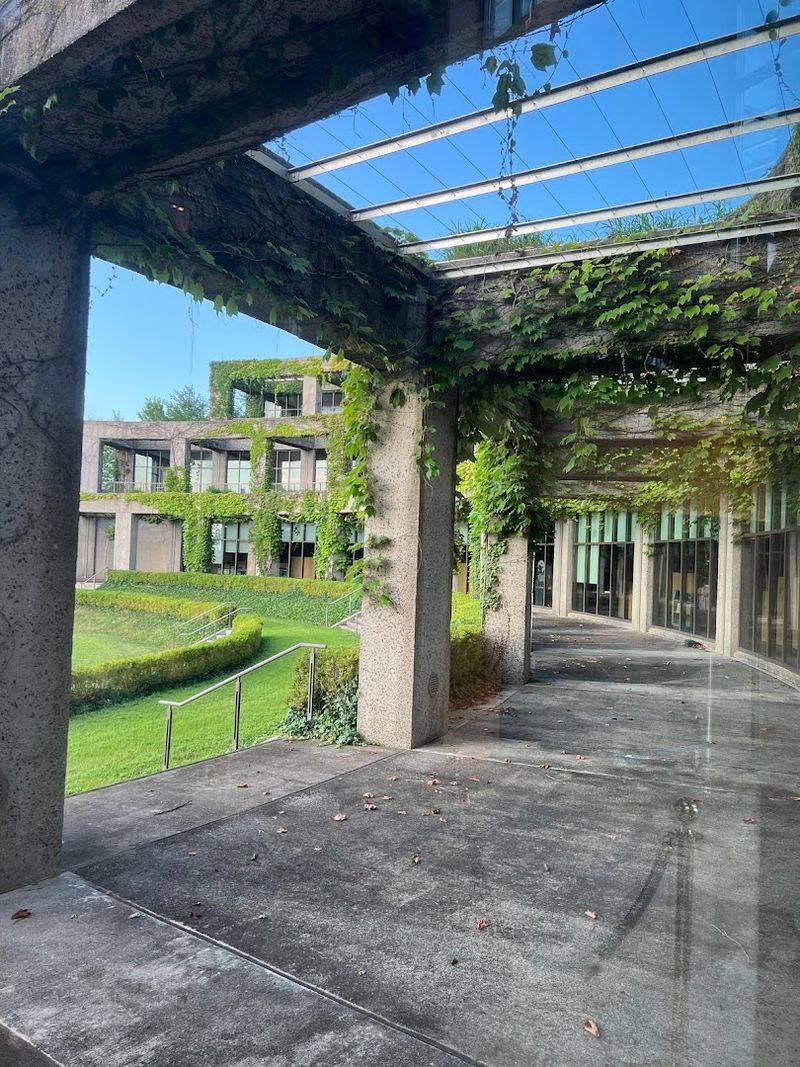
Driving up to it for the first time is genuinely surreal. The building appears to grow right out of the hillside, its brutalist concrete facade rising beside a wide, glassy reflecting pool that gives it an almost eerie calm.
Virginia has plenty of historic landmarks, but nothing quite prepares you for the scale and strangeness of this place.
What makes it even more remarkable is what happened next. Instead of sitting empty after its original mission ended, the facility was repurposed into something far more life-affirming.
The Library of Congress took over and transformed it into a world-class preservation center. The bones of a Cold War survival bunker now protect a very different kind of treasure, one measured in reels of film rather than gold reserves.
The Art Deco Theater That Stops You in Your Tracks
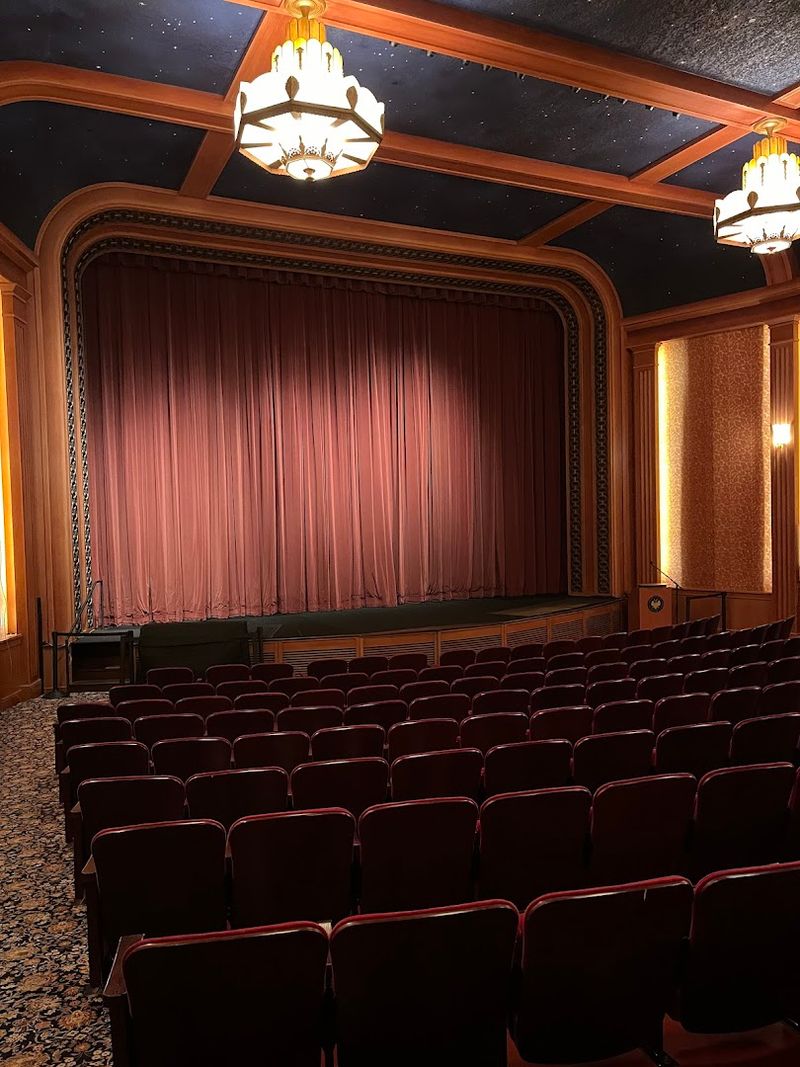
Walking into the Packard Campus theater feels like stepping through a time portal. The Art Deco design wraps around you immediately, all warm tones, elegant lines, and a vintage charm that modern multiplexes simply cannot manufacture.
My jaw dropped a little, and I am not embarrassed to admit it.
The theater seats just over two hundred people, which gives every screening an intimate, almost club-like atmosphere. Sight lines are excellent from every seat, and the legroom is genuinely comfortable, something that even newer cinemas often get wrong.
The projection quality is exceptional, which makes complete sense given that the facility exists specifically to preserve and present film at the highest possible standard.
Saturday matinees lean toward family-friendly programming, making it a fantastic outing for all ages. Friday evenings and Saturday nights tend to feature classics, foreign films, and rarities that you simply cannot catch anywhere else in Virginia.
Staff members often introduce each screening with background on the film and its production history, adding a layer of context that turns a movie night into a genuinely educational experience. Arrive early because seats fill up fast and there is no reserving your spot in advance.
Free Admission, Zero Excuses
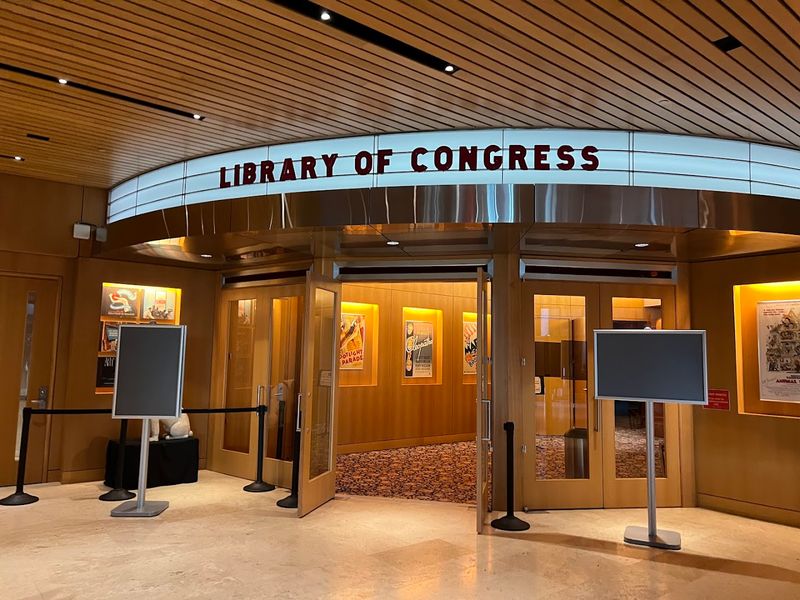
Let me say this plainly: every single screening at the Packard Campus theater is completely free. No ticket purchase, no membership required, no donation jar at the door.
The Library of Congress opens its stunning little cinema to the public at no cost, and that is a genuinely rare thing in today’s world.
Screenings happen on Fridays and Saturdays, with the schedule posted on the Library of Congress official website. Planning ahead is smart because seats are limited and popular titles draw a crowd.
I showed up for a classic Hollywood screening and found a line already forming outside well before doors opened.
Security screening is required upon entry, so plan a few extra minutes for that. You will place bags and pocket items into a bin and walk through a scanner, similar to airport security but far friendlier in tone.
The staff make the process quick and welcoming. Virginia residents especially tend to be surprised that such a remarkable cultural amenity exists right in their own backyard, completely free and open to anyone who wants to experience it.
Pack a light jacket because the theater runs cool, which is actually perfect for a long classic film.
One of the World’s Great Film Archives Lives Here
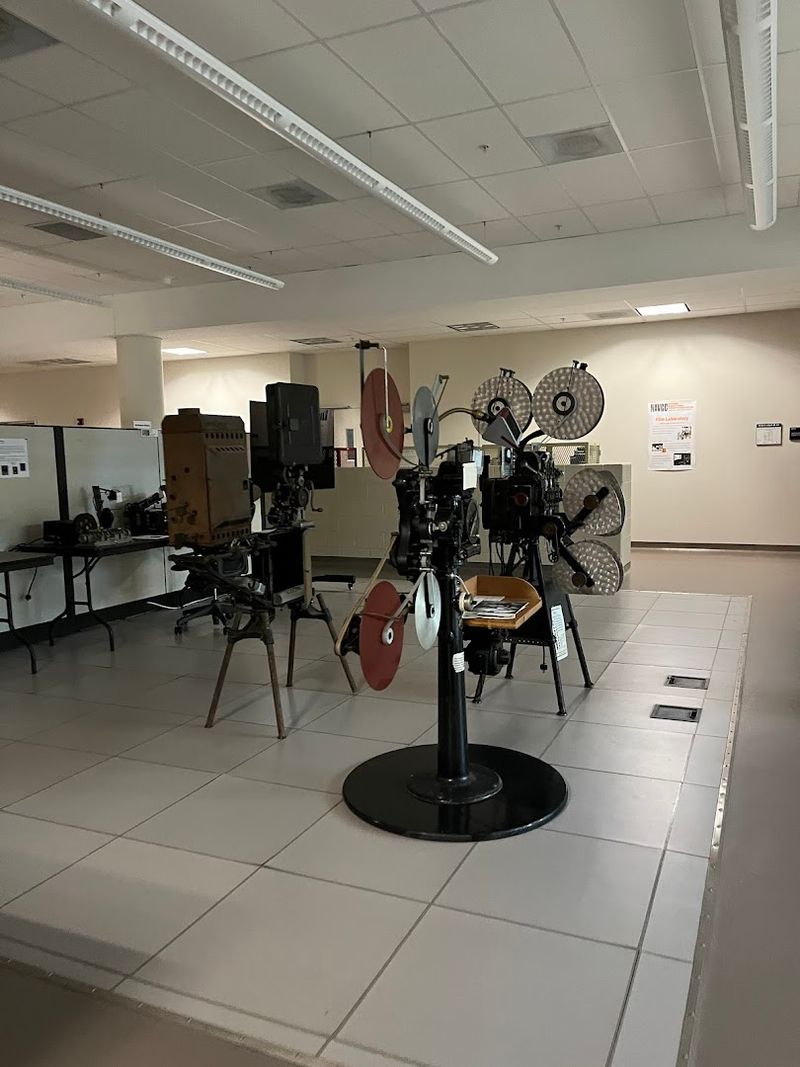
Beneath the surface of this remarkable Virginia facility lies one of the most significant moving image collections on the planet. The National Audio-Visual Conservation Center, which operates out of the Packard Campus, is responsible for preserving millions of items including motion pictures, television broadcasts, radio recordings, and sound recordings of every imaginable kind.
Original nitrate films from the earliest days of Hollywood are stored here under carefully controlled conditions. Studios including Disney, Columbia Pictures, and Warner Bros. have entrusted their original materials to this facility, recognizing it as one of the safest and most capable preservation environments in existence.
The irony is beautiful: a building designed to protect paper money now protects cultural memory instead.
Staff at the campus work daily on digitizing old films, restoring damaged recordings, and ensuring that future generations will have access to works that might otherwise have crumbled into dust. The scale of the operation is staggering when you start to understand it.
Virginia is home to a lot of history, but few places in the state carry quite this level of responsibility for preserving the cultural heritage of an entire nation. It is a serious mission wrapped inside a surprisingly welcoming public space.
Silent Films and Hollywood Classics on the Big Screen
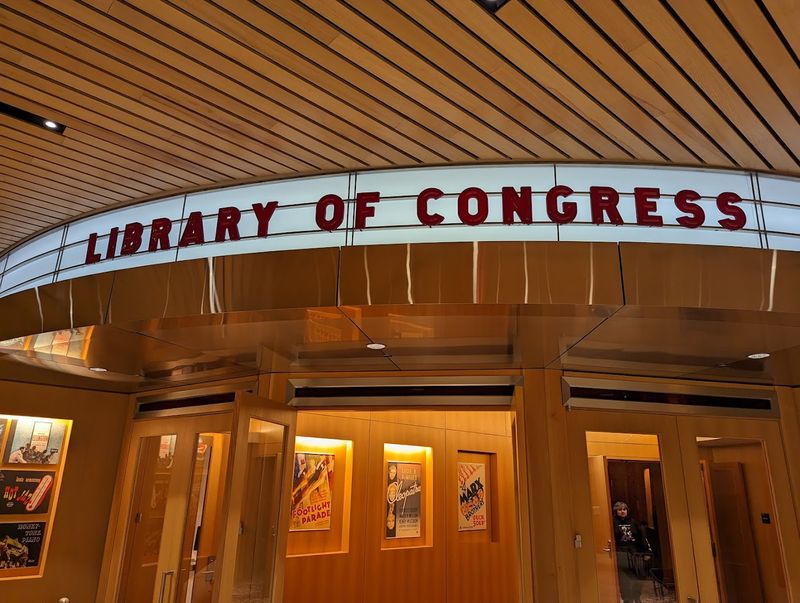
Catching a silent film on a proper big screen is an experience that most people alive today have never had. The Packard Campus theater makes it possible on a regular basis, programming silent-era features alongside musical shorts, animated cartoons, and foreign language films that rarely get theatrical airings anywhere else.
The variety in the schedule is genuinely impressive. One weekend might feature a screwball comedy from the golden age of Hollywood.
The next could bring a restored print of a foreign masterpiece, or a Saturday matinee packed with classic cartoons that will delight kids and nostalgic adults equally. I attended a screening of a restored film from the nineteen-thirties and the picture quality was extraordinary, far better than any streaming version I had seen before.
The introductions before each film are a highlight in their own right. Knowledgeable staff members share production history, preservation stories, and fascinating context about why each film matters.
It transforms a passive viewing experience into something genuinely enriching. Across Virginia, there are plenty of ways to spend a weekend evening, but very few offer this particular combination of history, culture, and pure cinematic joy all wrapped up in one free outing.
The Reflecting Pool and Brutalist Beauty Outside
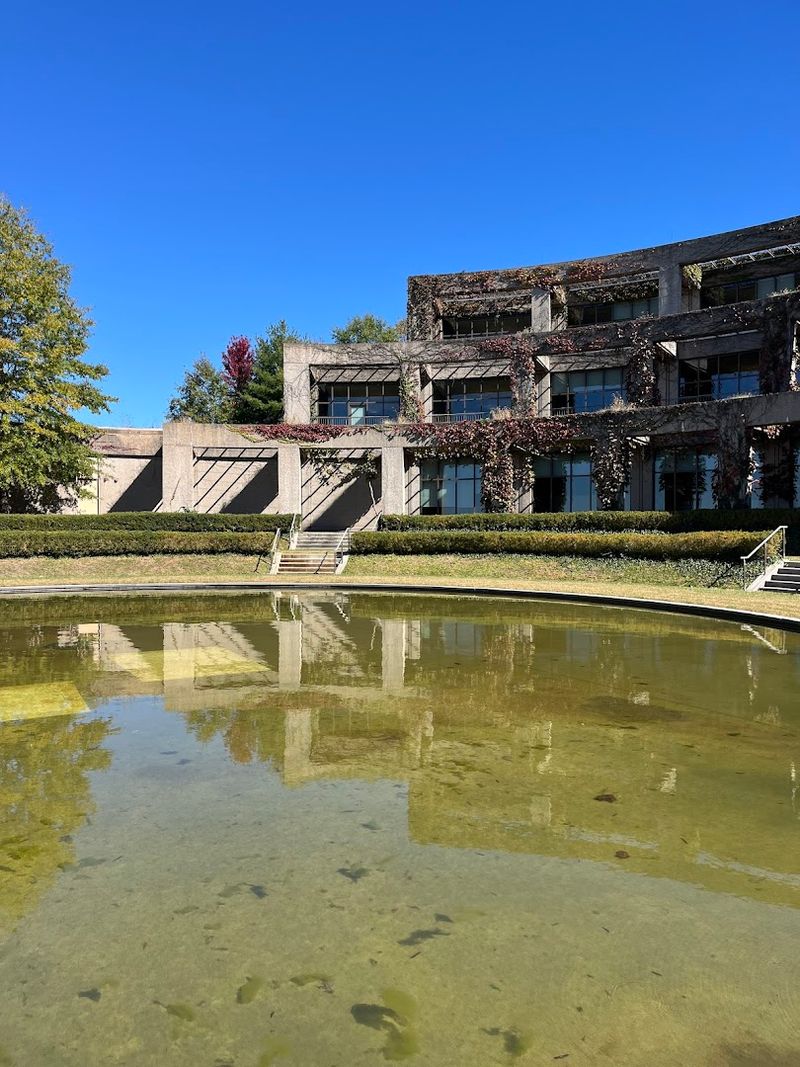
Before you even step inside, the exterior of the Packard Campus demands your full attention. A large reflecting pool wraps around the building, its still surface mirroring the unusual architecture above.
The effect is dramatic and a little otherworldly, especially on a clear day when the clouds double in the water below.
The brutalist design is unapologetically bold. Concrete dominates, angles are sharp, and the building seems to push itself into the hillside with quiet authority.
It is not a building that tries to charm you with decorative flourishes. Instead, it earns your respect through sheer presence and the weight of its purpose.
Architectural enthusiasts will want to spend time outside just taking it all in from different angles.
Walking around the perimeter gives you a sense of how deliberately the structure was integrated into the landscape. The hill essentially swallows part of the building, which was intentional from its original Cold War design.
That integration also helps maintain the stable temperature conditions required for long-term film preservation inside. In a state full of colonial-era architecture and Civil War monuments, this particular corner of Virginia offers something genuinely unlike anything else you will find on a road trip through the region.
Culpeper, Virginia: The Unexpected Cultural Capital
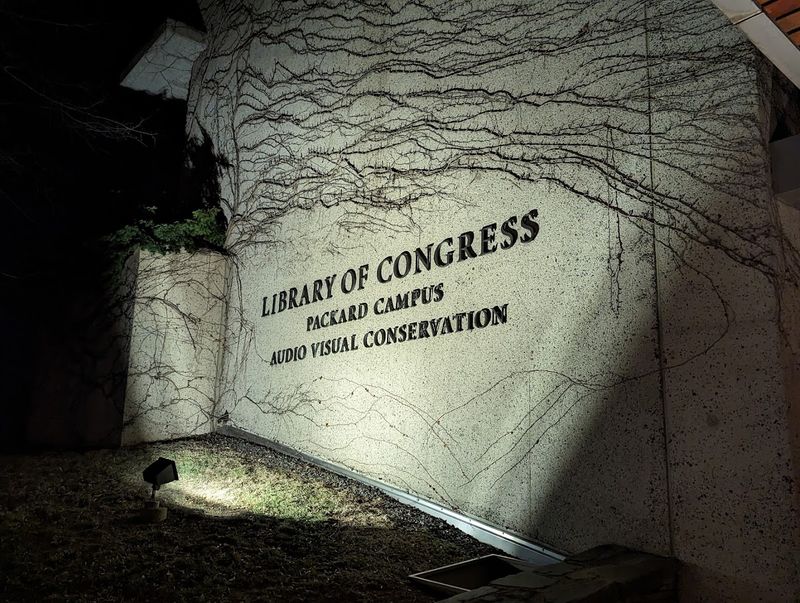
Culpeper does not always make the top of Virginia travel itineraries, and that is honestly its greatest advantage. This small, unhurried town in the Virginia Piedmont carries real character without the crowds that descend on more famous destinations.
The downtown area has a genuine main-street energy with local shops and historic buildings lining the blocks.
Pairing a Packard Campus movie night with an afternoon exploring Culpeper makes for a surprisingly full and satisfying day. The town sits in a region rich with Civil War history, surrounded by rolling farmland and the kind of scenery that makes Virginia so endlessly photogenic.
It is close enough to Washington, D.C. for a comfortable day trip but feels worlds away from urban noise.
The community has clearly embraced the Packard Campus as a point of local pride. Longtime residents speak about the theater with genuine affection, and the monthly regulars who come for screenings have turned it into something of a social tradition.
Discovering a place like this in a small Virginia town is the kind of travel reward that makes spontaneous road trips so worthwhile. Culpeper keeps surprising people who give it a proper chance, and the Packard Campus is exhibit A in that argument.
What to Expect From Your First Visit
First-timers should know a few practical things before making the drive out to the Packard Campus. Arrive early, and I mean it.
Seating is limited to just over two hundred spots and there is no advance reservation system. Popular screenings, especially well-known classics, fill up quickly.
Getting there thirty to forty minutes before showtime is a smart move.
Security screening is a non-negotiable part of the entry process. Bags, phones, and pocket items go through a scanner, and everyone walks through a security frame.
The process is efficient and the staff are genuinely pleasant about it, but first-timers sometimes get caught off guard by how thorough it is. Think of it as the price of admission to one of the most secure cultural institutions in Virginia.
Food and drinks are not permitted inside the theater, so plan accordingly. The facility keeps the temperature notably cool inside, which is great for the film preservation equipment but can catch unprepared attendees off guard.
Bringing a light jacket or a small blanket is strongly recommended, especially for longer screenings. The staff are attentive and helpful throughout, and the overall experience is smooth, welcoming, and worth every bit of the planning it takes to get there.
Open House Tours: Going Behind the Vaults
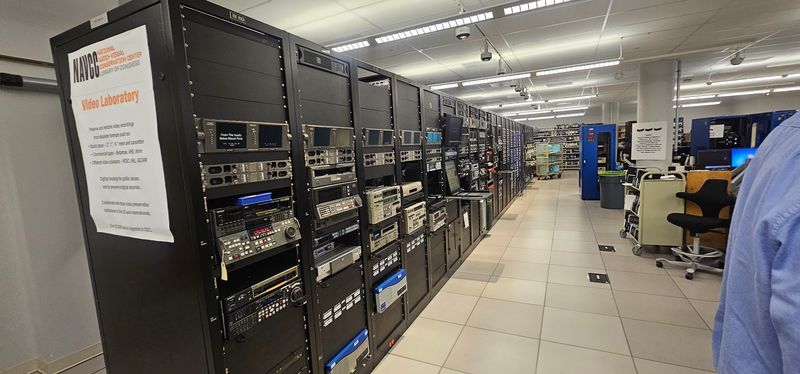
The annual Open House at the Packard Campus is a separate event from the regular movie screenings, and it is an absolute must for anyone genuinely curious about what goes on behind those thick vault doors. During Open House events, the public gets rare access to areas of the facility that are normally off-limits, including the preservation labs and storage vaults.
Seeing the actual archival conditions up close is eye-opening. Temperature-controlled rooms hold film canisters that represent some of the most important moving image records in American history.
Staff walk visitors through the digitization process, explaining how fragile nitrate films are stabilized and transferred to modern formats without losing quality. It is the kind of behind-the-scenes look that most cultural institutions simply do not offer.
The Open House typically draws a mix of film enthusiasts, history lovers, and curious locals who want to understand what their national institution actually does with its resources. Checking the Library of Congress website for the next scheduled Open House date is worth adding to your calendar now.
Virginia offers a lot of fascinating historical sites, but very few give you access to living, active preservation work of this magnitude happening in real time. It is genuinely thrilling to witness.
Plan Your Visit to the Packard Campus
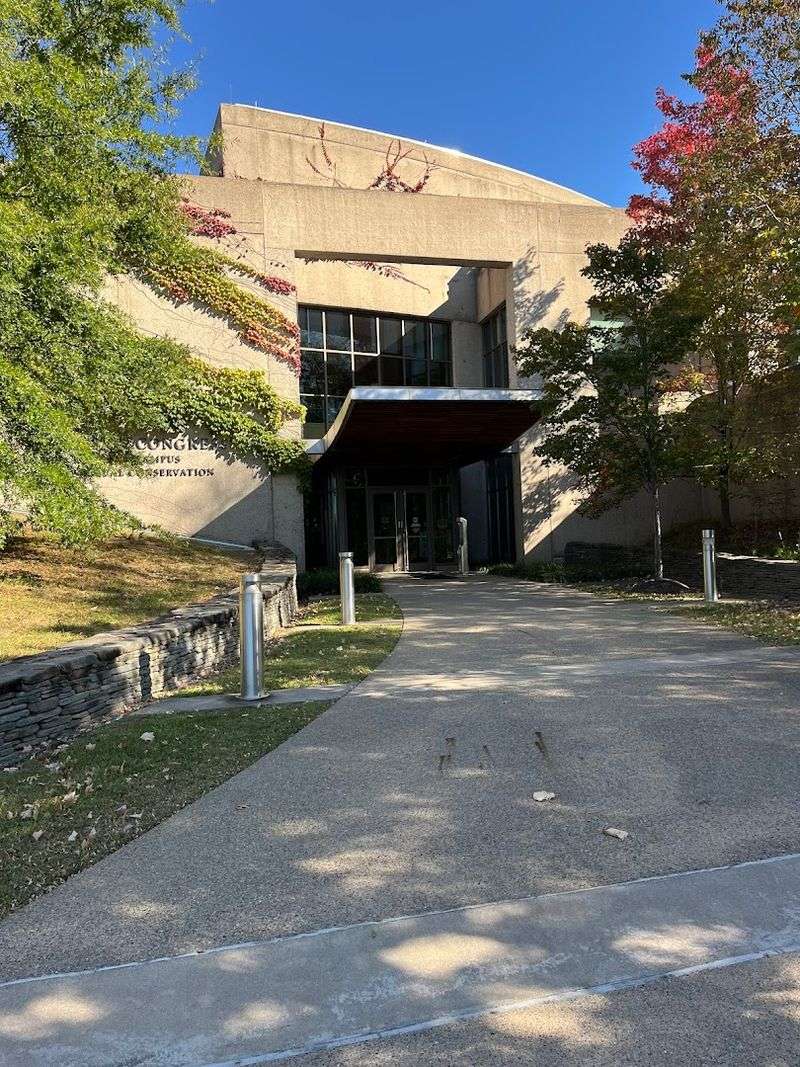
Getting to the Packard Campus is straightforward once you know where you are going. The facility sits at 19053 Mt Pony Rd, Culpeper, VA 22701, tucked into the Virginia countryside with the kind of quiet surroundings that make the whole experience feel like a proper escape.
GPS will get you there without drama, though the approach road through the rural landscape adds to the anticipation nicely.
The official schedule for screenings is updated regularly on the Library of Congress website at loc.gov/avconservation/theater/schedule.html. Checking ahead is essential because programming changes seasonally and some dates fill up well in advance.
The phone number for the campus is available through the Library of Congress contact page if you have specific questions before your visit.
My strongest advice is simply to go. Virginia is full of remarkable places, but the Packard Campus occupies a category entirely its own.
It is a Cold War relic, a world-class preservation institution, a free public cinema, and an Art Deco gem all rolled into one extraordinary destination. Pack that jacket, arrive early, silence your phone, and settle in for a movie experience that no streaming platform can replicate.
This is the real thing, and it is absolutely free.
Dear Reader: This page may contain affiliate links which may earn a commission if you click through and make a purchase. Our independent journalism is not influenced by any advertiser or commercial initiative unless it is clearly marked as sponsored content. As travel products change, please be sure to reconfirm all details and stay up to date with current events to ensure a safe and successful trip.
