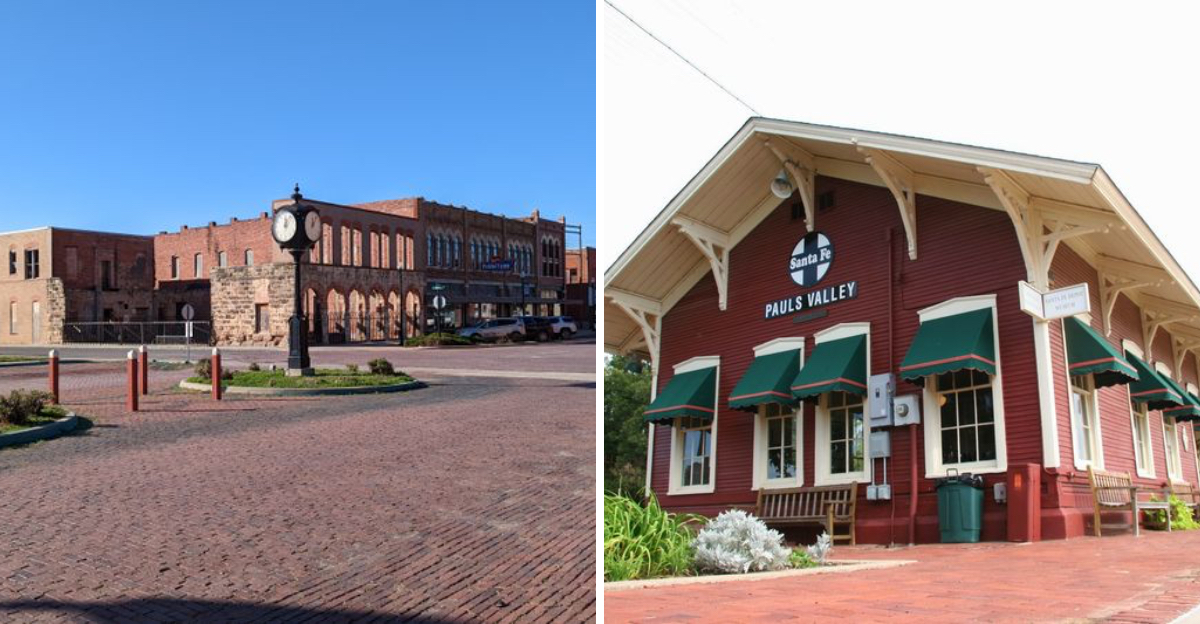
Some towns race forward while others choose a different speed entirely. Pauls Valley sits in south-central Oklahoma like a postcard from another era, where downtown storefronts still bear hand-painted signs and locals gather at the same cafes their grandparents did.
This isn’t a place trying to recreate the past for tourists, it simply never rushed to leave it behind. Main Street stretches through the heart of town with brick buildings that have weathered decades without losing their character, and conversations at the diner counter move at a pace that feels almost rebellious.
Walking these streets means stepping into a rhythm that modern life forgot existed, where people still know their neighbors and Friday nights revolve around high school football.
The population hovers around 6,000 souls who’ve chosen authenticity over acceleration, creating a community that feels lifted straight from the pages of a novel set in simpler times.
The Downtown District Preserves Small-Town Commerce
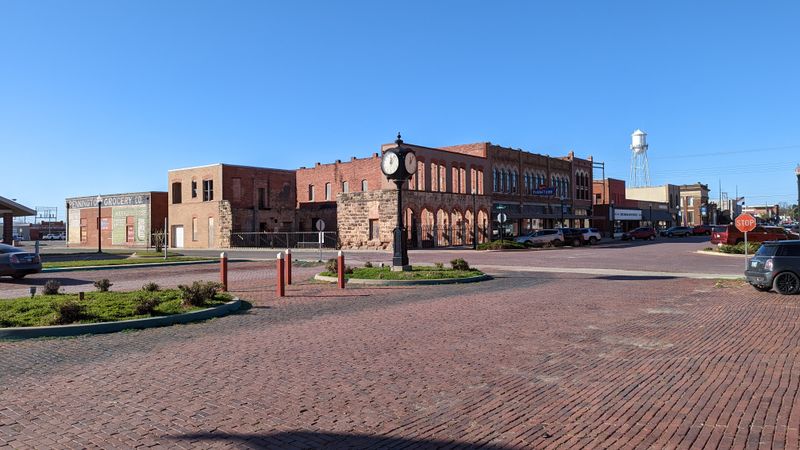
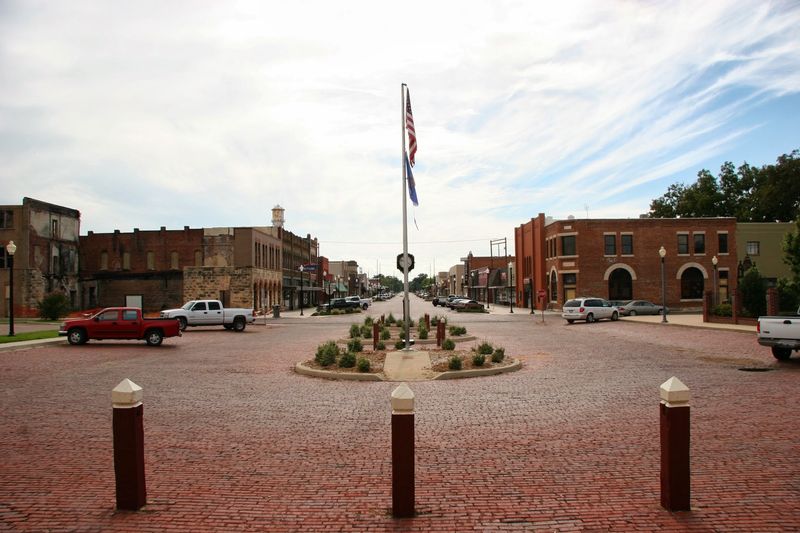
Pauls Valley’s downtown core tells a story that big-box retailers can’t replicate. Buildings constructed in the early 1900s still house family-owned businesses where transactions happen with handshakes and personal recognition.
The architecture speaks to an era when craftsmanship mattered, with detailed brickwork and large display windows designed for community connection rather than corporate branding.
Local merchants maintain storefronts their parents and grandparents operated, creating continuity that shopping malls destroyed elsewhere. You’ll find genuine hardware stores with knowledgeable staff who actually use the tools they sell, not teenagers reading product specs off their phones.
The dress shops carry clothing selected by owners who know their customers by name and remember their sizes without checking a database.
Walking these sidewalks on a Saturday morning feels like attending a weekly reunion. Conversations pause business as neighbors catch up on family news, and nobody rushes anyone along.
The pace allows for actual human interaction instead of transactional efficiency. Street parking remains free and abundant, another relic of times when convenience didn’t require payment.
This commercial district survives because the community chooses to support it, understanding that once these businesses close, they’re replaced by emptiness or chains that could exist anywhere. Pauls Valley’s downtown remains distinctly itself, refreshingly resistant to homogenization.
Santa Fe Depot Museum Guards Regional Heritage
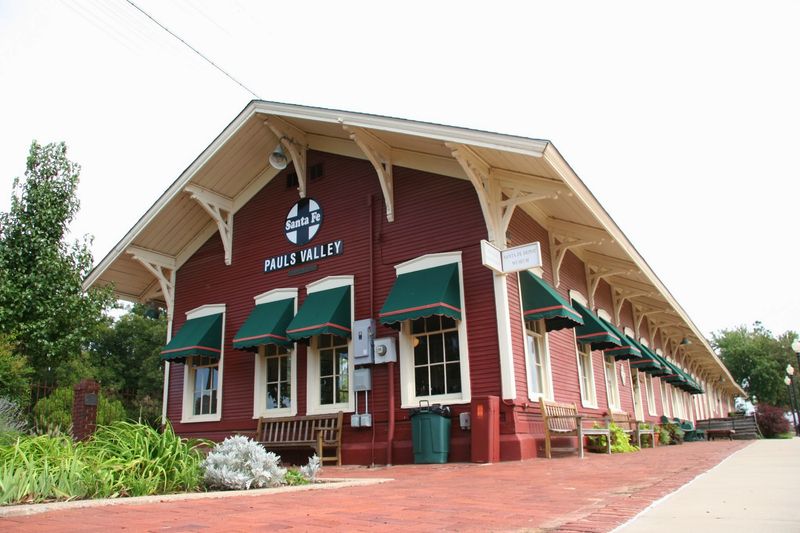
Railroad history pulses through this restored 1907 depot that once connected Pauls Valley to the wider world. The Santa Fe line brought prosperity, travelers, and transformation to this Garvin County seat, and the depot building witnessed generations of arrivals and departures.
Now serving as a museum, it preserves artifacts and stories from when trains ruled transportation and small towns thrived as essential stops on major routes.
Inside, exhibits showcase everything from railway equipment to local family histories, creating a tangible connection to the past. Old photographs line the walls, capturing faces of residents long gone but not forgotten.
The collection includes items donated by families who’ve lived here for generations, each piece carrying stories passed down through decades.
What makes this museum special isn’t just the artifacts but the volunteers who maintain it, locals who grew up hearing stories about the depot’s heyday and feel personally invested in preserving that legacy.
The building itself represents an architectural style rarely constructed anymore, with waiting rooms designed for prolonged stays and ticket windows built for face-to-face service. Visiting here means experiencing history through a community’s eyes, not through sterile museum professionalism.
Wacker Park Offers Timeless Recreation
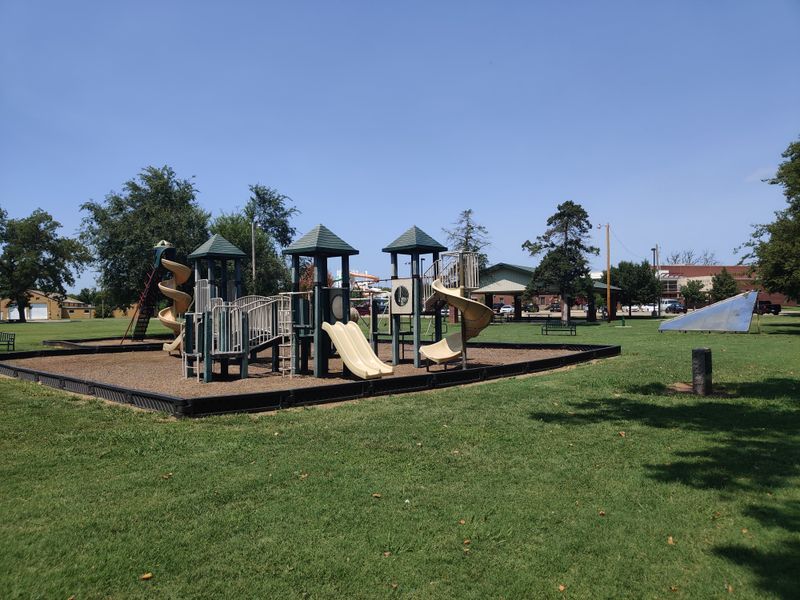
Generations of Pauls Valley children have learned to swing, slide, and climb at Wacker Park, where play equipment may have been updated but the essential experience remains unchanged.
Families still gather here for birthday parties and weekend picnics, spreading blankets under massive trees that have shaded these gatherings for decades.
The park embodies recreational simplicity before screens dominated childhood.
Mature trees create natural cooling that makes summer afternoons bearable, their branches forming canopies that technology can’t improve upon. Squirrels scamper across the grass, providing entertainment that doesn’t require batteries or Wi-Fi connections.
Kids actually play together here, inventing games and negotiating rules without adult micromanagement or structured programming.
The park includes standard amenities, playground structures, picnic tables, open fields, but what makes it special is how the community uses it. Little League teams practice on diamonds worn smooth by thousands of innings.
Families claim favorite spots they’ve returned to for years, creating traditions around simple outdoor time together.
Evening walks around the park reveal neighbors greeting each other by name, dogs on leashes meeting canine friends, and teenagers hanging out without causing trouble. This green space functions as the town’s living room, a shared commons where public life unfolds naturally.
Pauls Valley residents don’t need elaborate recreation facilities because they’ve maintained something more valuable, a place where community happens organically.
Local Diners Serve Consistency and Comfort
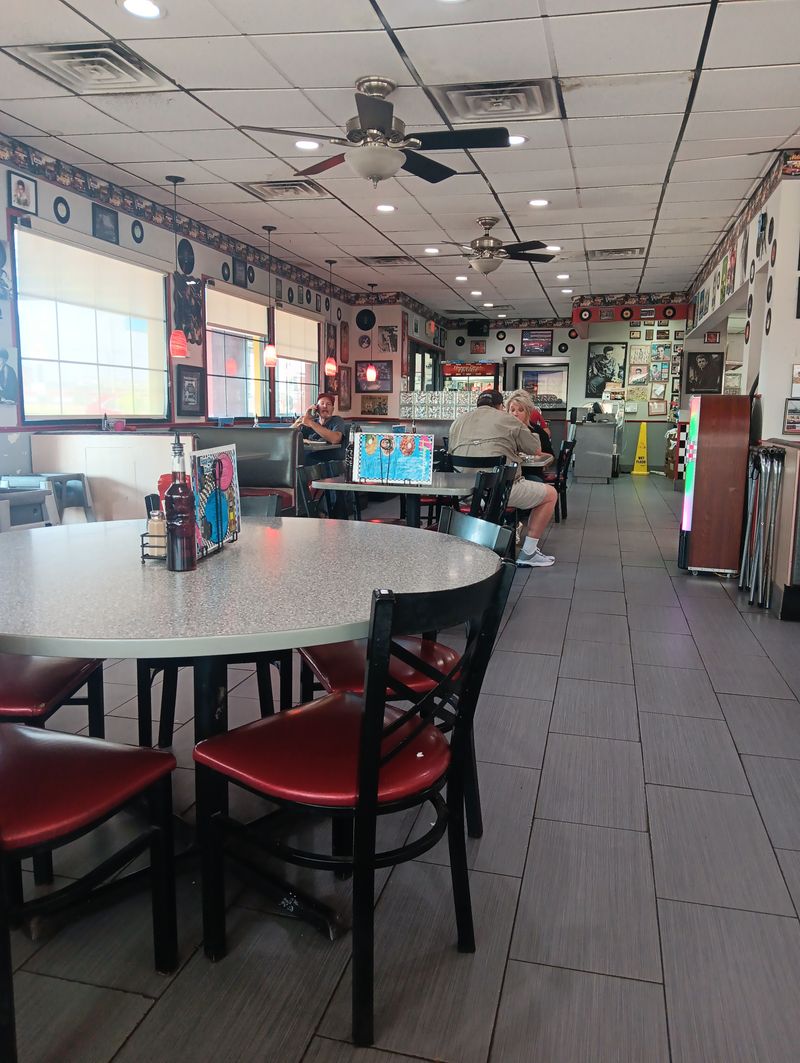
Breakfast at a Pauls Valley diner means eggs cooked exactly how you ordered them, coffee refilled without asking, and waitresses who remember whether you take cream.
These establishments haven’t changed menus significantly in years because customers don’t want innovation, they want the chicken fried steak that tastes like their grandmother made it.
Portions remain generous, prices reasonable, and the atmosphere genuinely welcoming rather than corporate-friendly.
Regulars occupy the same stools and booths they’ve claimed for decades, reading newspapers or chatting with whoever sits nearby. Conversations flow between strangers because small-town diners operate as community gathering spots where isolation isn’t tolerated.
Someone eating alone will inevitably be drawn into discussion about weather, crops, or Friday night’s game.
The cooking happens in open kitchens where you can watch your order being prepared, nothing hidden or mysterious about the process. Ingredients come from local suppliers when possible, and recipes are guarded family secrets passed between generations of cooks.
Nobody’s trying to reinvent comfort food or make it Instagram-worthy, they’re simply feeding people real meals.
These diners survive while chains struggle because they offer something franchises can’t replicate: authenticity. The staff genuinely cares whether you enjoyed your meal, and management consists of owners who work the floor themselves.
Eating here means participating in daily rituals that have sustained this Oklahoma community through changing times.
Garvin County Courthouse Anchors Civic Life
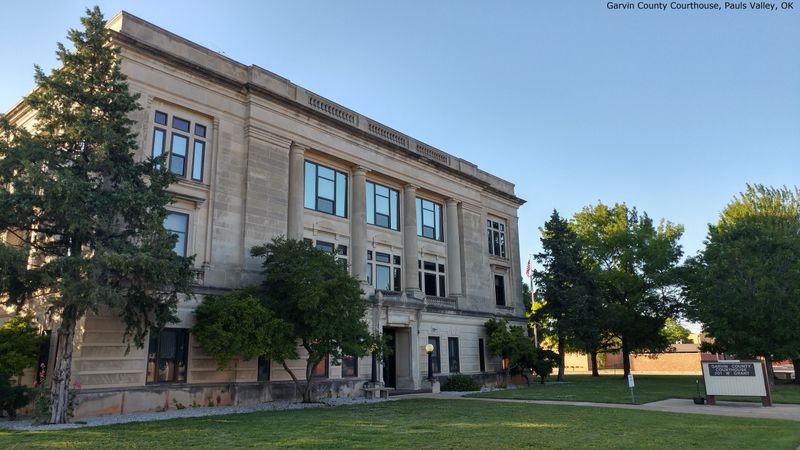
The Garvin County Courthouse rises above surrounding buildings as both architectural landmark and functioning government center.
Built when courthouses symbolized civic pride and permanence, this structure features design elements modern buildings sacrifice for efficiency, high ceilings, substantial woodwork, and spaces scaled for dignity rather than cost savings.
County business still transpires within these walls, connecting current residents to legal and administrative traditions stretching back generations.
Locals navigate county offices with familiarity born from repeated visits over lifetimes. Clerks know families by name, remembering who married whom and which properties changed hands decades ago.
This institutional memory creates continuity that computerized records can’t replicate, preserving context alongside data.
The courthouse grounds function as informal gathering space where people pause to chat after handling business or wait for appointments under shade trees. Benches positioned around the building invite lingering, and the square surrounding the courthouse hosts community events that draw the entire town.
This building represents government as accessible and human-scaled rather than intimidating and distant.
Architectural details throughout the structure reveal craftsmanship from an era when public buildings were constructed to last centuries and inspire confidence. Original fixtures remain in use, maintained through careful stewardship rather than replaced with modern equivalents.
Walking these halls means experiencing government architecture as it existed before standardization stripped character from civic spaces.
High School Football Unites the Community
Friday nights in Pauls Valley revolve around the Panthers football team, continuing a tradition that predates most residents’ births. The stadium fills with families who’ve occupied the same sections for generations, and conversations pause when plays develop.
This isn’t entertainment, it’s communal identity expressed through athletic competition, where wins and losses affect the entire town’s mood through the following week.
Players aren’t just athletes but neighbors’ kids, students from down the street, children of parents who wore the same uniforms decades earlier. Everyone knows the quarterback’s family and remembers when the running back was learning to walk.
This personal connection transforms games into collective experiences where the entire community invests emotionally in outcomes.
The concession stand serves food prepared by boosters who volunteer time because supporting the team means supporting the town. Halftime features the marching band playing arrangements they’ve performed for years, and cheerleaders execute routines passed down through generations of squads.
Everything about these Friday nights follows established patterns that create comfort through repetition.
Visiting teams often comment on the atmosphere, noting how seriously Pauls Valley takes high school football. Residents don’t find this remarkable because they’ve never known anything different.
This is simply how Oklahoma towns have always operated, prioritizing communal experiences over individual entertainment. The stadium represents the town’s heart, pumping life through the community each fall.
Toy and Action Figure Museum Celebrates Nostalgia
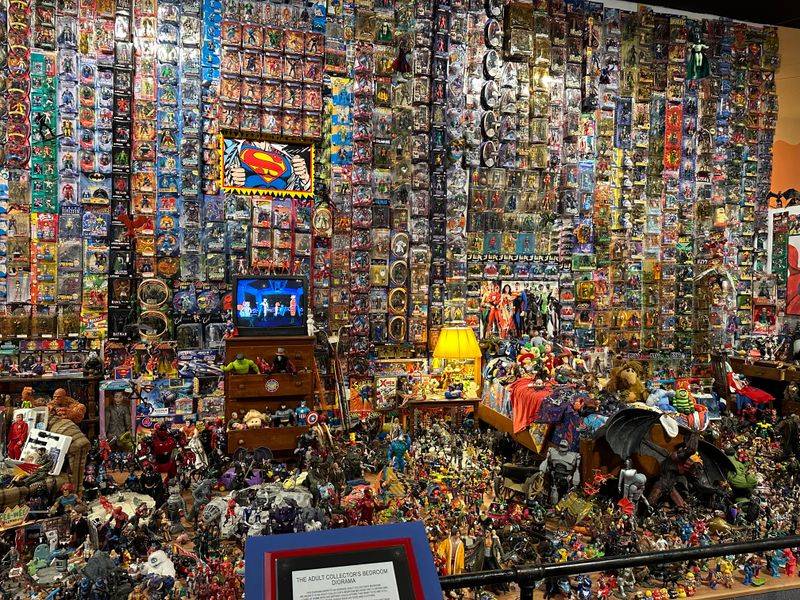
An unexpected treasure sits in Pauls Valley, a museum dedicated to toys and action figures that transports visitors back to childhoods spent playing with physical objects rather than screens.
This collection spans decades of American toy manufacturing, preserving artifacts from when playthings were simpler and imaginations did most of the work.
Walking through these displays means confronting how dramatically childhood has changed while appreciating what earlier generations enjoyed.
Cases overflow with action figures still in original packaging, dolls that were Christmas morning miracles, and games that required face-to-face interaction. Each item triggers memories for visitors of certain ages, creating powerful nostalgic responses.
Parents point out toys they owned to children who can’t imagine entertainment without electronics, bridging generational gaps through shared wonder at these relics.
The museum exists because someone cared enough to preserve these pieces of cultural history before they disappeared entirely. It’s exactly the kind of quirky attraction that thrives in small towns where rent is affordable and passion projects can survive without massive visitor numbers.
Pauls Valley’s willingness to host such a specialized collection reflects the community’s appreciation for preservation over constant renovation.
Visitors often spend longer than anticipated, surprised by how engaging these displays become once they start recognizing toys from their own childhoods.
The museum validates that these objects mattered, that the joy they brought was real and worth remembering in an era rushing to forget everything that came before.
Dear Reader: This page may contain affiliate links which may earn a commission if you click through and make a purchase. Our independent journalism is not influenced by any advertiser or commercial initiative unless it is clearly marked as sponsored content. As travel products change, please be sure to reconfirm all details and stay up to date with current events to ensure a safe and successful trip.
