Imagine hearing a whisper from the trees about a place in Oregon that most visitors never write about. It’s the kind of spot that appears on a friend’s “hidden-gem” list, then quietly vanishes from guidebooks.
I was drawn in by a photo of a mist-kissed meadow. The moment I arrived, the silence felt almost conspiratorial.
It was as if the landscape was letting me in on a private joke.
The air carried the scent of pine. There was also that fresh, rain-on-stone feeling you can’t quite describe.
A sudden burst of wildflowers broke the soft green around me. I didn’t even think about my phone. It stayed in the car while I wandered a little longer than planned.
If you enjoy places that feel quietly personal, this one leaves a lasting impression. Just ahead, you’ll see what makes this overlooked state park such a memorable find.
The 90-Foot White River Falls That Steals Your Breath Instantly
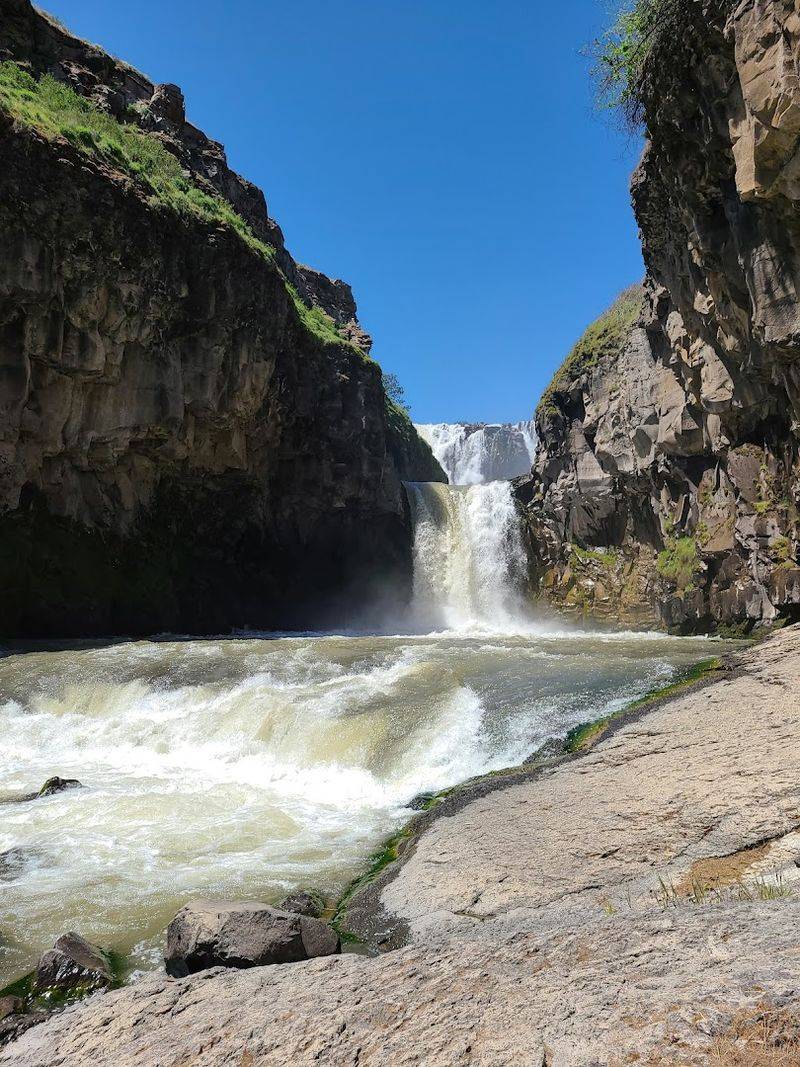
Standing at the viewpoint above White River Falls, the first thing you notice is the sound. It rises up from the canyon like something alive, deep and steady, before the water even comes into view.
The falls drop roughly 90 feet in a two-tiered rush of white water. The upper tier crashes hard and wide.
The lower tier fans out into a wide pool below, cold and inviting on a hot Oregon afternoon.
What makes this waterfall unusual is its setting. Most Oregon falls are wrapped in dense green forest.
These falls pour through open, sun-baked desert canyon walls, which gives them a raw, almost cinematic quality.
The viewpoint near the parking area offers a solid look without any hiking at all. Families with young kids often stop here and feel completely satisfied.
But if you want the full picture, the trail down to the base is worth every step. The view from below is something else entirely, up-close, powerful, and impossible to forget.
The Rugged Trail Down Into the Canyon
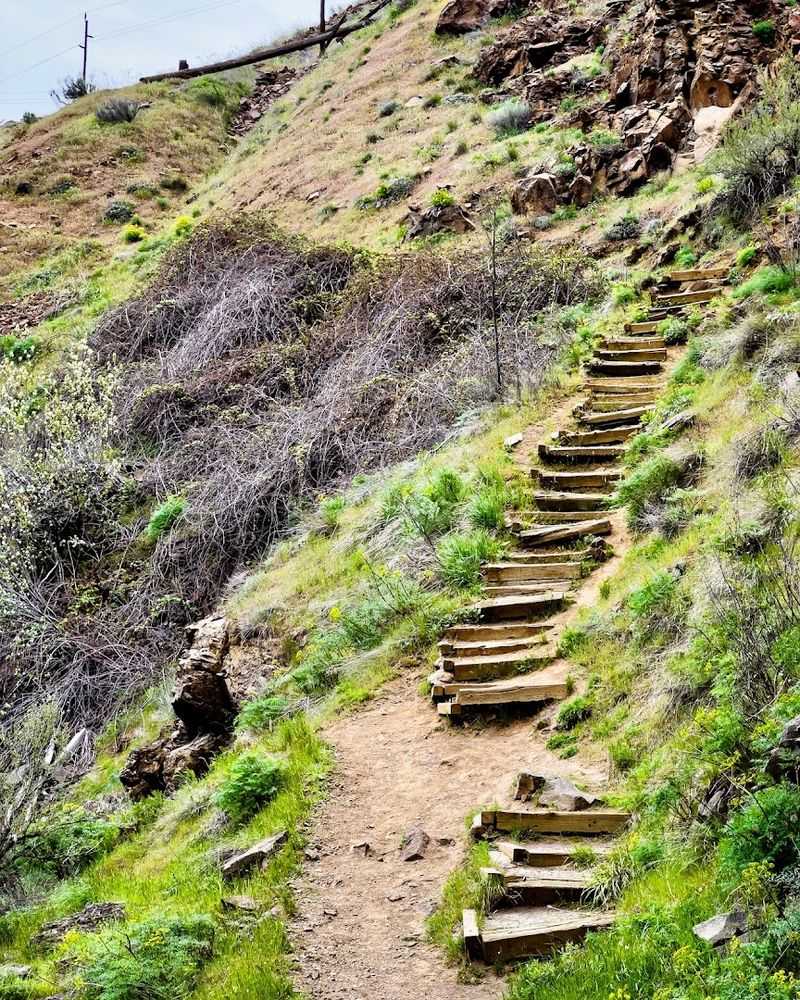
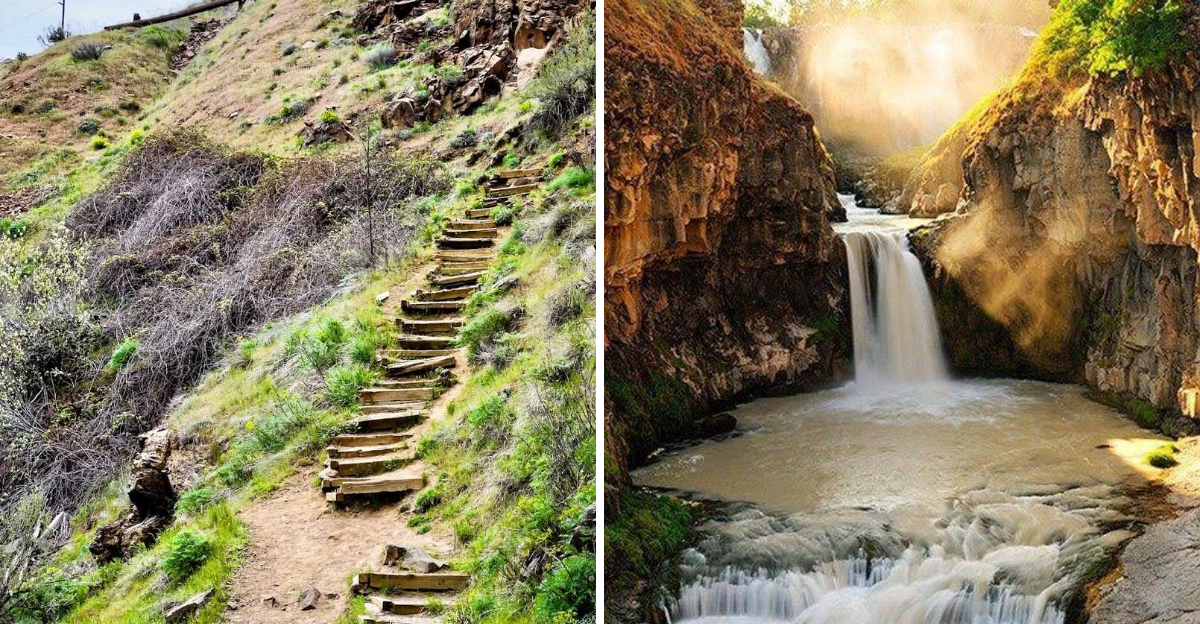
The trail down into the canyon is not a casual stroll. It is steep, rocky, and completely unguarded, which is exactly what makes it exciting for the right kind of hiker.
There are no handrails. The path is worn smooth by countless boots over many years.
Near the bottom, a set of old wooden stairs helps with the steepest section, though they show their age clearly.
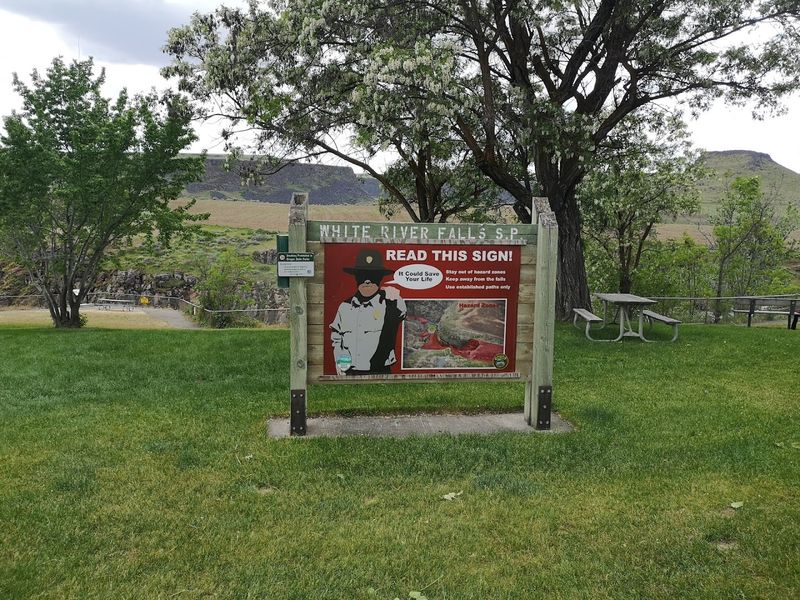
Park signage is refreshingly honest about the challenge. Signs note the distance to the nearest hospital, which sounds alarming but is actually helpful context.
The hike is short, about a mile round trip, but the terrain demands your full attention.
Going down is manageable for most healthy adults and older kids. Coming back up is where you earn it.
The canyon offers no shade, so starting early in the morning makes a real difference. Bring more water than you think you need.
The reward waiting at the bottom makes every cautious step completely worth it.
The Abandoned 1910 Hydroelectric Powerhouse
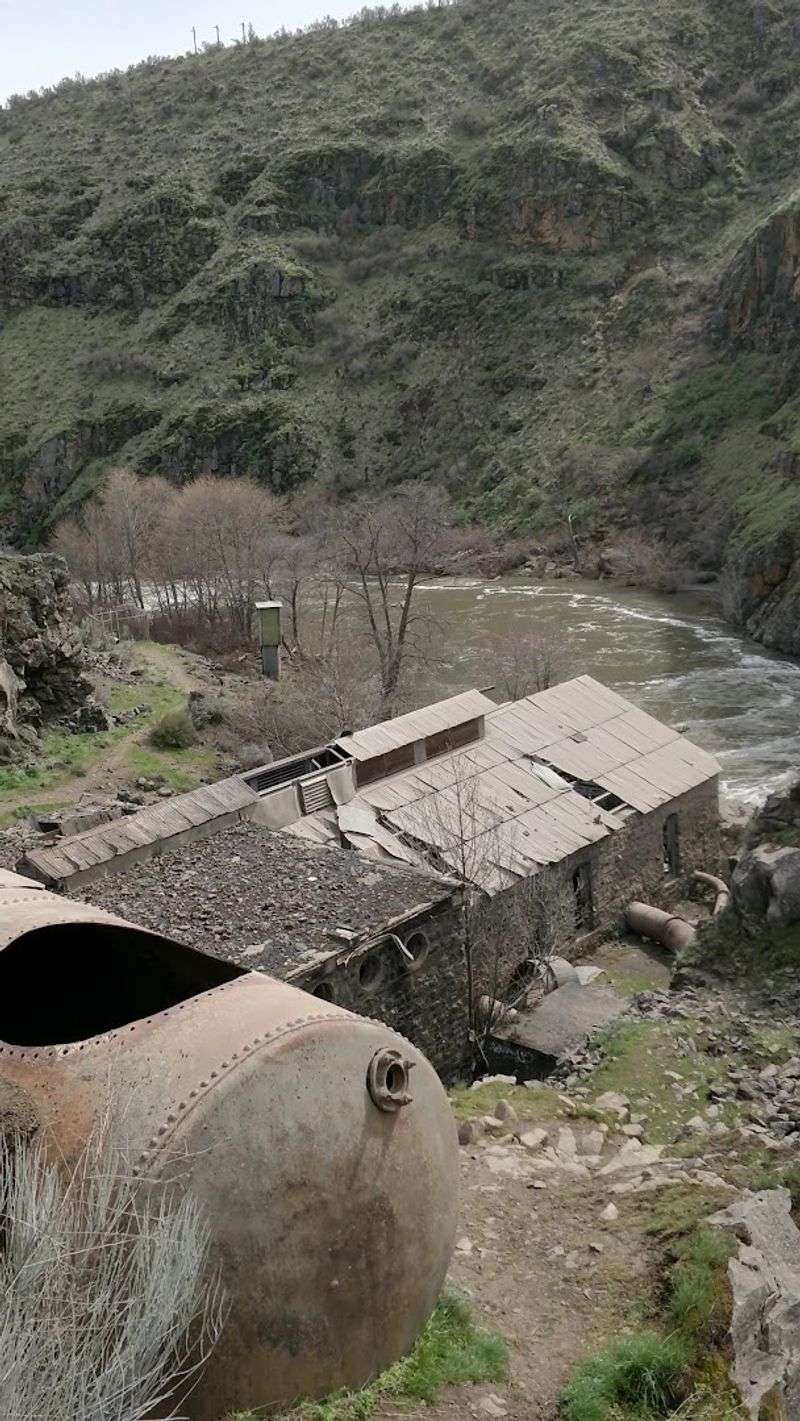
History has a way of making a place feel layered, and the old powerhouse at the bottom of White River Falls canyon does exactly that. Built in 1910, this small hydroelectric plant once generated electricity for the surrounding region.
The building sits locked and weathered at the canyon floor, its concrete walls cracked and stained with decades of moisture. You cannot go inside, but you can walk around it and study the structure up close.
It is a surprisingly moving thing to stand next to.
Old equipment is still visible through gaps and windows, remnants of a working operation that powered local communities over a century ago. The contrast between the roaring falls and the silent, forgotten machinery is striking.
For history lovers, this is one of the most interesting stops in the entire park. Photographers tend to linger here longer than anywhere else.
The textures, the light, and the sense of time standing still make for genuinely compelling images. It is a quiet monument tucked into a canyon most people never visit.
Celestial Falls, the Hidden Second Waterfall
Most visitors stop at the main falls and call it a day. That is completely understandable.
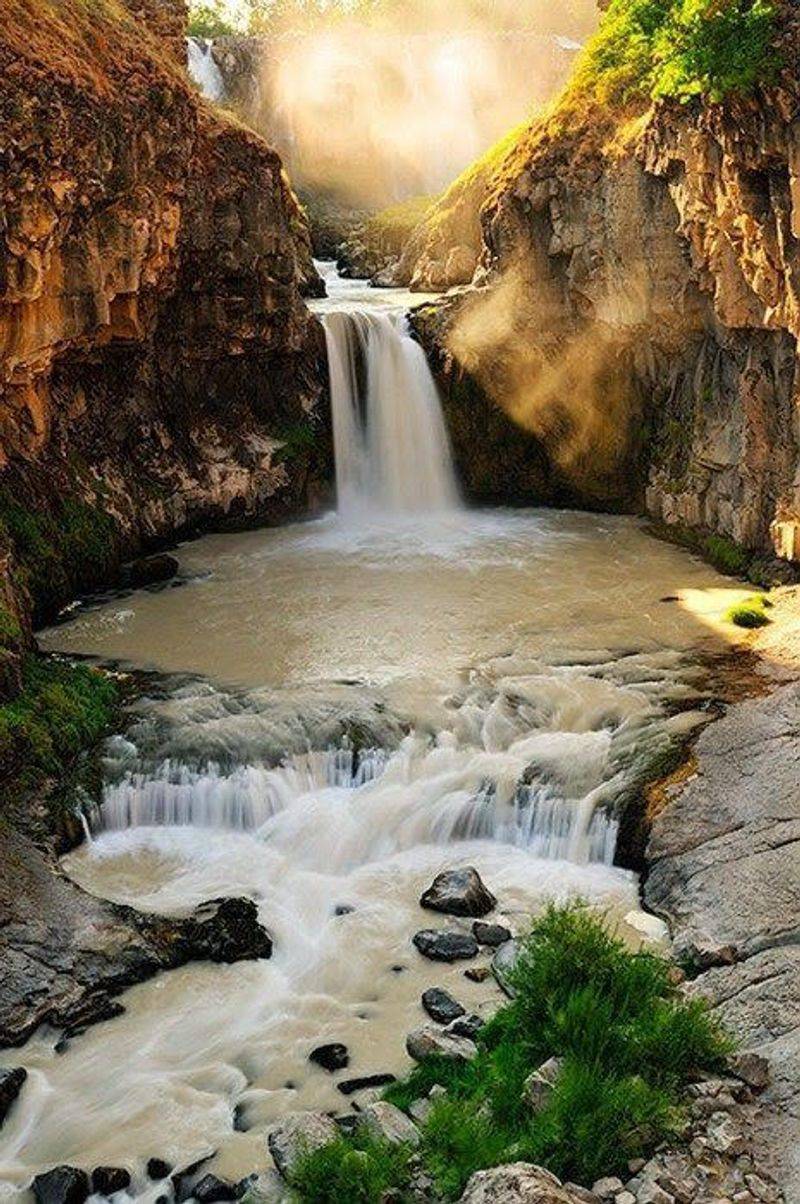
But continuing past the old powerhouse leads to something genuinely unexpected: Celestial Falls, a second waterfall tucked about a quarter mile further along the trail.
The path beyond the ruins feels less traveled. The canyon narrows slightly, and the vegetation changes.
Wildflowers sometimes appear in spring, pressing bright color against the dry rocky walls in a way that feels almost surreal.
Celestial Falls is quieter and more intimate than the main attraction. The water drops in a softer curtain compared to the thundering main falls, but the setting around it is magical.
Standing there with almost no one else nearby feels like finding a room in a house that nobody else knows about.
Visiting in spring gives you the best water flow and the most dramatic scenery. Sunset light hitting the canyon walls at that second viewpoint is genuinely stunning.
It rewards the extra effort with a moment that feels entirely your own, unhurried and completely peaceful.
The Swimming Hole at the Base of the Falls
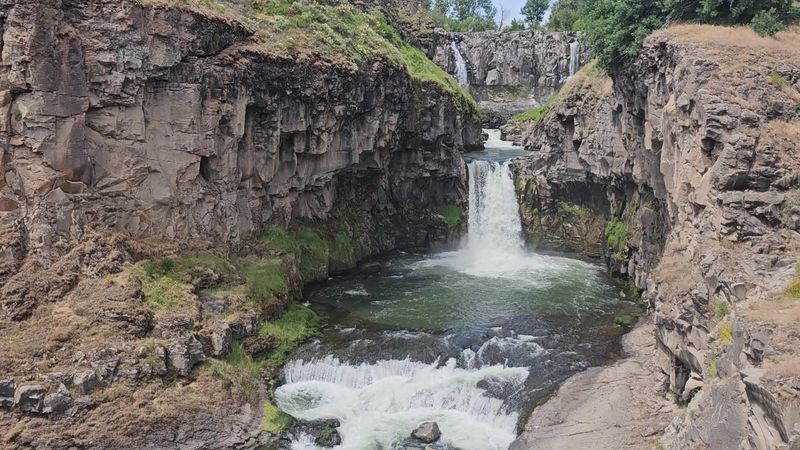
At the bottom of the canyon, the White River collects into a wide, shallow pool that becomes a natural gathering spot on hot summer days. The water is cold.
Seriously cold. But after hiking down in the full desert sun, that cold hits like a reward.
The pool is not deep across most of its width, which makes it accessible for cautious swimmers. Kids tend to love wading in the shallower edges.
The mist from the falls drifts across the surface and cools the air noticeably, even when the canyon walls above are baking in the heat.
Bring a towel, water shoes, and a dry bag for your phone. The rocks underfoot are slippery in places, so moving carefully is smart.
Flip flops work fine for wading at the edges.
Arriving earlier in the day means fewer people sharing the pool with you. By midday on weekends, the swimming area fills up quickly.
Early morning visits offer the falls almost entirely to yourself, with golden light just beginning to reach the canyon floor. That timing is hard to beat.
The Picnic Area and Parkland at the Top
Not every great park experience requires a hike. The upper area at White River Falls is genuinely pleasant on its own terms.
Trimmed green grass, shaded picnic tables, and a sense of calm that feels earned by the drive to get here.
The parking lot sits close to the viewpoint, so even visitors who prefer not to hike can enjoy the falls from above. The grassy area makes a natural spot to spread out, eat lunch, and simply absorb the surroundings.
Dogs on leashes are welcome throughout the park.
Restrooms are available near the parking area. During winter months, the main parking lot closes, but a small overflow area near the entrance stays open for a limited number of vehicles.
Portable restrooms are available during those months as well.
The park has a relaxed, unpolished feel that suits it perfectly. There are no entry fees, no ticket booths, and no gift shops.
The Best Time to Visit for Light and Solitude
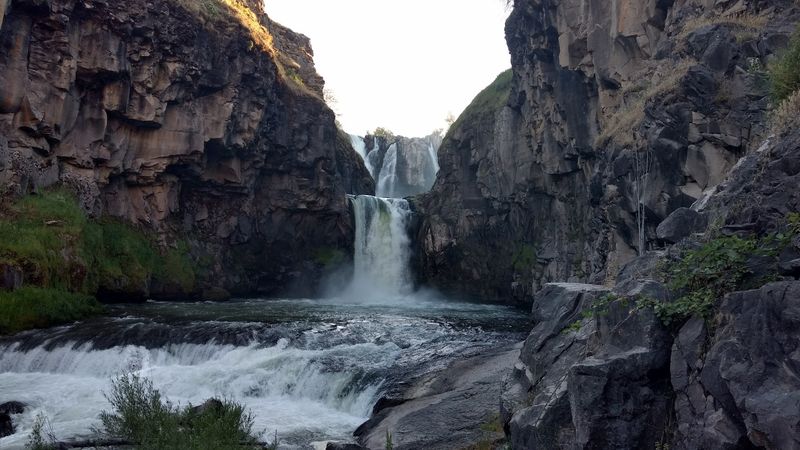
Timing your visit to White River Falls changes the entire experience. Early morning arrivals, roughly 50 minutes after sunrise, catch the first light as it reaches the canyon floor.
The falls glow gold. The mist catches the light in ribbons.
It is genuinely cinematic and almost completely quiet.
Weekdays are noticeably less crowded than weekends. The parking lot can fill by mid-morning on busy summer Saturdays.
Getting there before 9 AM almost guarantees a relaxed experience with space to breathe and explore at your own pace.
Spring is the strongest season for water volume. The falls run full and powerful after snowmelt, and wildflowers sometimes appear along the lower trail.
Summer brings heat and swimmers. Autumn offers golden canyon light and cooler temperatures that make the hike back up far more comfortable.
Winter visits have their own quiet charm. The main lot closes, but the falls still flow, and the canyon feels almost otherworldly with frost on the rocks.
Wildlife and Desert Canyon Ecology
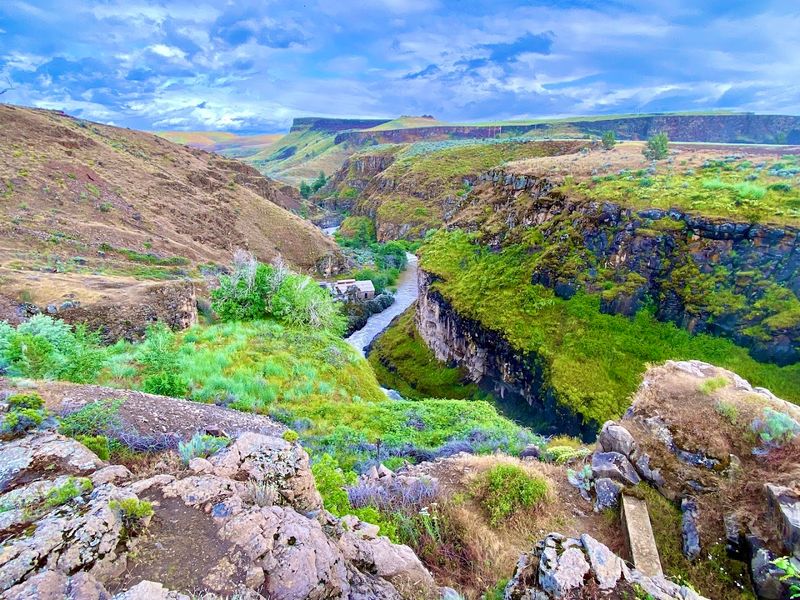
The canyon at White River Falls supports a surprising range of life for a place that looks so stark from the road. High desert ecosystems pack more biodiversity into their rocky layers than most people expect.
Red-tailed hawks are common overhead, riding thermals above the canyon rim. Lizards dart across warm rocks near the trail.
In spring, the lower canyon fills with bird activity as the moisture near the falls draws species that would not normally survive in the surrounding dry landscape.
The basalt canyon walls themselves are fascinating. Layers of volcanic rock tell a geological story that stretches back millions of years.
The contrast between the dry upper plateau and the green, moist corridor along the river below is visible and dramatic.
Wildflowers push through rocky soil along the lower trail in late April and May. The colors against the canyon stone are unexpectedly vivid.
The canyon rewards slow, observant visitors generously.
Getting There: The Drive Through Maupin and Wasco County
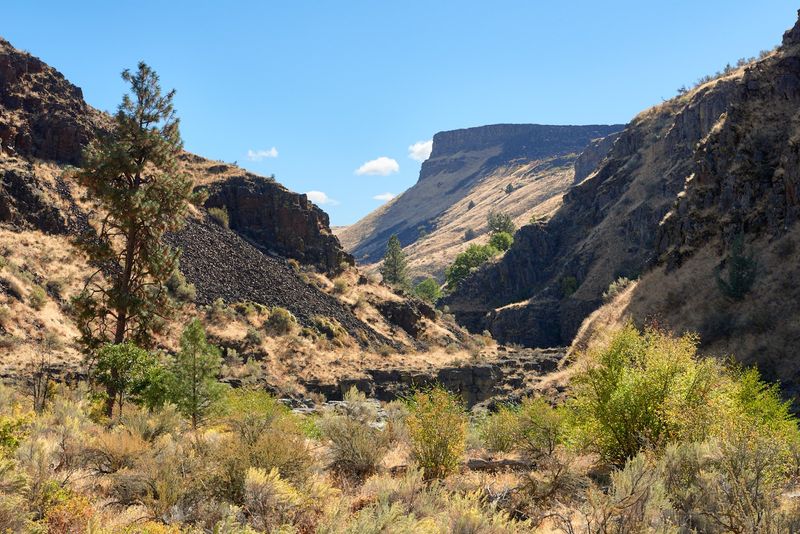
The drive to White River Falls is part of the experience. Coming from the Columbia River Gorge, the road south through Maupin follows the Deschutes River through dramatic canyon terrain.
The scenery keeps shifting in ways that make the drive feel like its own adventure.
Cell service drops off well before you reach the park. Downloading offline maps or writing down directions beforehand is a genuinely practical idea.
The road is paved and in good condition, but the surrounding landscape is remote enough that preparation matters.
Maupin itself is a small river town worth a quick stop. It sits along the Deschutes and has a handful of local spots to grab food before heading out to the falls.
The final stretch along White River Road feels appropriately remote. Dust, dry grass, and open sky in every direction.
When the canyon suddenly appears and the sound of the falls reaches you through the car window, the sense of arrival is completely satisfying. The long drive earns its reward.
What to Pack for a Perfect Visit
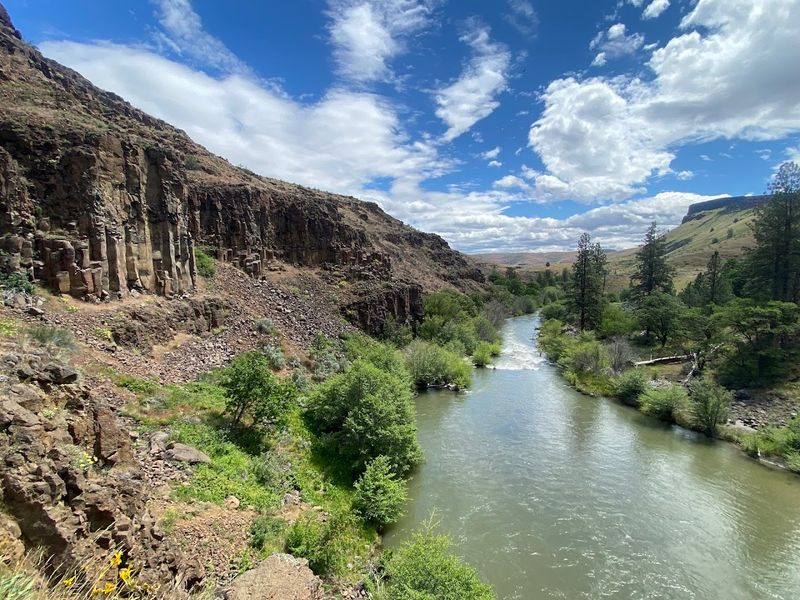
Packing well for White River Falls makes the difference between a great day and a rough one. The canyon offers zero shade on the trail down, and the sun in this part of Oregon is intense from late spring through early fall.
Water is the most important thing you can bring. Carry more than feels necessary.
The hike is short, but the heat and the climb back up will drain you faster than expected. Sunscreen and a hat are not optional extras here, they are basic necessities.
Sturdy hiking shoes with grip are important for the steep descent. The trail surface is loose and rocky in sections.
Trekking poles are a smart addition, especially for the return climb. Sandals are fine for wading at the swimming hole but not for the trail itself.
Pack a towel if you plan to swim. A small dry bag protects your phone near the falls where mist drifts constantly.
Snacks and a simple lunch round things out, since the nearest food options are back in Maupin. Coming prepared means staying longer and enjoying more.
Dear Reader: This page may contain affiliate links which may earn a commission if you click through and make a purchase. Our independent journalism is not influenced by any advertiser or commercial initiative unless it is clearly marked as sponsored content. As travel products change, please be sure to reconfirm all details and stay up to date with current events to ensure a safe and successful trip.
