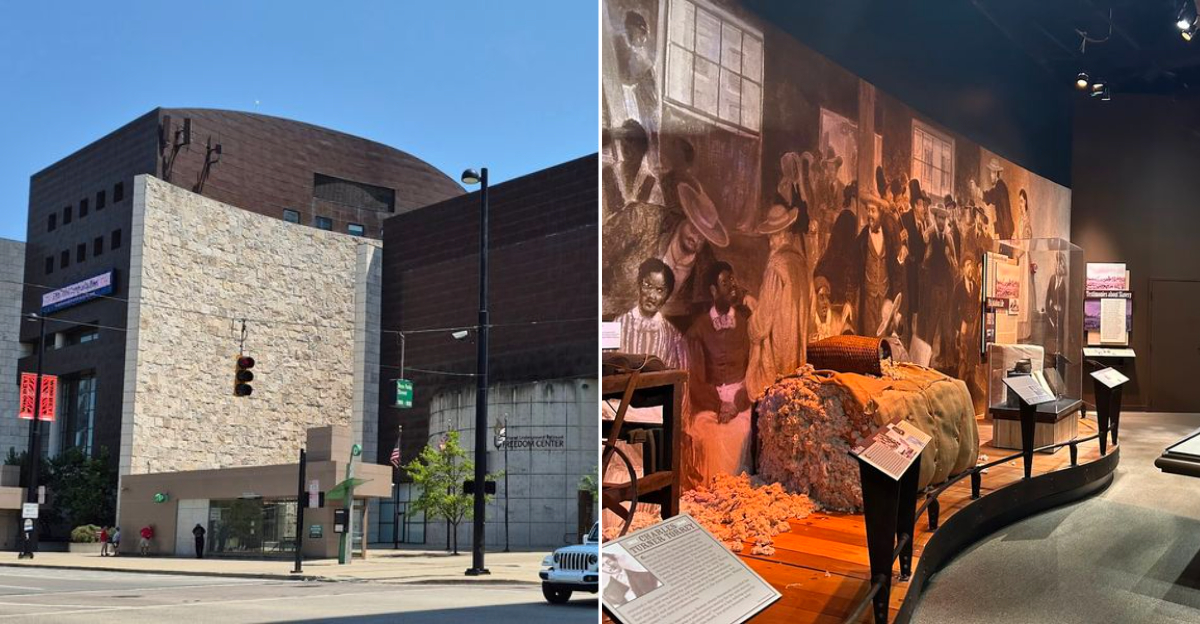
Want a museum visit that feels meaningful without feeling like you are being lectured? This Ohio museum connects the past to the present in a way that stays clear, human, and surprisingly easy to take in.
You walk in expecting history, and you leave noticing the present a little differently, because the exhibits do not talk down to you or drown you in fluff. They show what happened, why it mattered, and how the effects kept moving forward.
The best museums make the timeline feel connected. They use real objects, personal stories, and smart context so you can feel the stakes without being told what to think every second.
That approach makes the experience hit harder. Instead of leaving tired, you leave sharper, because the information sticks and the connections feel earned.
It is also a good stop for visitors who want depth without drama. You can take your time, read what pulls you in, and walk out with a clearer picture of how the past still shows up in everyday life.
If you want an Ohio museum that respects your brain and your attention span, this is the kind of place that delivers.
Walk In On The Ohio Riverfront And Feel Why The Location Matters
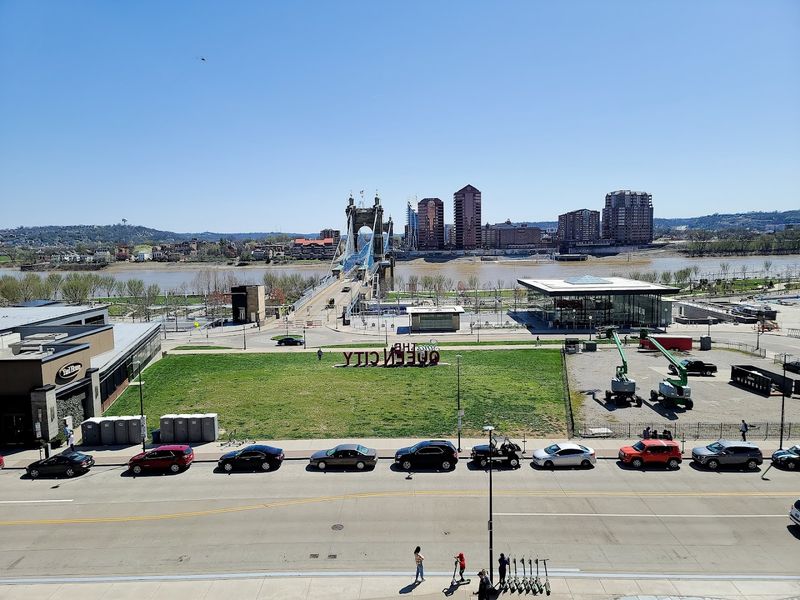
Step outside and take a second on the plaza, because the setting does the first bit of teaching. The museum faces the river that once marked a line between bondage and the chance to slip into a different life, and that physical fact lands before any text panel.
You hear traffic, you see the water, and suddenly this is geography, not theory.
Walk in and notice the way the lobby opens wide, with daylight washing down in a way that feels intentional. The building is modern but not cold, and that mix mirrors the mission perfectly, anchoring difficult stories in a space that welcomes questions.
You will move slower here without feeling like you are being told to slow down, which is a neat trick.
Since we are in Ohio, the river is not just a backdrop, it is a co narrator. You can glance back through the glass and picture crossings, helpers, and watchers, all knotted into this shoreline.
A guide might greet you, but even without a word you get the point.
I like starting right there, breathing, then heading for the first permanent gallery on the lower level. When place clicks, the rest of the visit finds a natural rhythm.
The address, by the way, is National Underground Railroad Freedom Center, 50 East Freedom Way, Cincinnati, OH 45202, and being this close to the water matters far more than a pin on a map.
What The Freedom Center Actually Does, Past Stories With Present-Day Links

Here is the simple version of what this place does. It lays out the history of enslavement, resistance, and escape, then turns your head gently toward the ways unfreedom shows up today without wagging a finger.
The tone is steady and humane, so the bridge from then to now feels earned.
You move through artifacts, narratives, and first person accounts that put names and rooms around things often left abstract. The museum does not rush you, yet the path is clear, so you do not feel stuck in a maze of heavy walls.
When you reach contemporary sections, the language stays plain, which helps you absorb difficult patterns without shutting down.
What I appreciate is how Ohio and the broader region keep appearing as real coordinates. Routes, safe houses, and allies are woven into maps and stories, and you can almost trace them with a fingertip.
Then the present steps in with labor, trafficking, and dignity issues, framed in a way that feels actionable rather than crushing.
By the time you loop back toward the main hall, you have a workable mental model. Past, resistance, and present challenges sit in the same mental folder, not as separate chapters.
You walk out with language for conversations you might already be having, which is exactly the museum’s quiet gift.
Start With In This Place So The Rest Of The Museum Clicks Faster
If you want the visit to make instant sense, begin with In This Place. It sets the table with everyday objects, local stories, and names that feel close enough to touch, so you are not floating in dates or grand claims.
That grounding turns the following galleries into a conversation rather than a slideshow.
You will see familiar items presented with careful context, and that normalcy hits hard. This is not distant drama, it is a household, a street, a workplace, and a church bench, all carrying weight you might miss without a guide.
The labels are brisk and clear, which keeps your mind open.
From there, cross into the deeper narrative spaces with a sense of who was living where and why choices were razor thin. The emotional lift is steadier when you start here, and you notice patterns you might have skimmed past otherwise.
Design wise, the flow is purposeful without feeling prescriptive.
Ohio comes up early, and that matters because the landscape itself shaped tactics, hope, and risk. The gallery makes that point with maps that behave like companions rather than lecture tools.
When you step out, the rest of the museum will feel like a series of connected rooms instead of separate assignments.
Expect A 3 To 4 Hour Visit, Not A Quick Lap
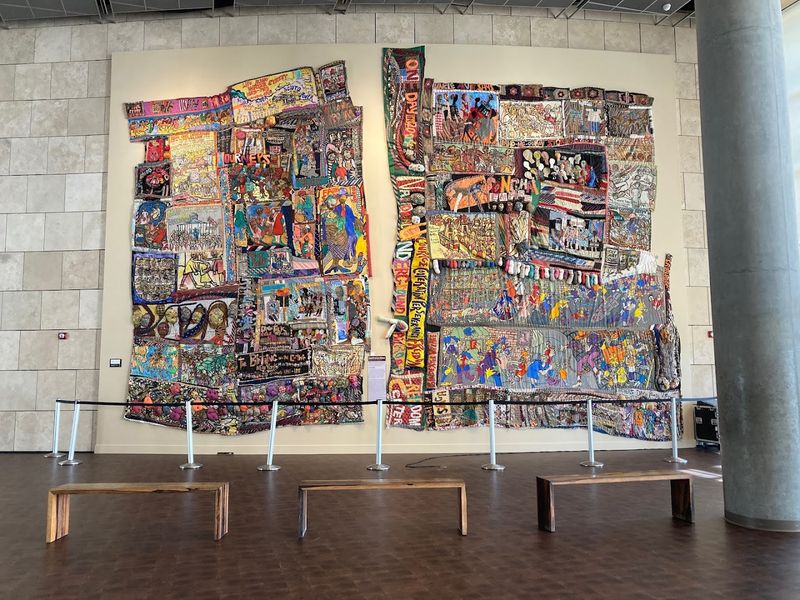
I would plan for a real block of time, the kind that lets you breathe and think between sections. A quick lap will shortchange the subtle parts, like the way a single object reframes a whole timeline.
When you give yourself space, the museum repays it with clarity instead of overload.
Take breaks on the benches tucked along the path, and let your brain reset before you keep going. You will notice different layers during the second pass through a room, even if you only circle a few steps.
Moving slowly here is not a luxury, it is the way the learning settles.
The films, the voices, and the text panels each carry a piece of the story, and together they add up best when you are unhurried. If you can swing a half day, do it, and keep your phone on silent so you do not get yanked away.
This is lived history, not trivia.
By the exit, you will be glad you took your time because the threads will feel knit instead of frayed. The Ohio River outside will look different when you step back into the light.
You might even want a quiet walk along the banks to let it all land.
Hours And Last Entry Details That Help You Plan It Right

Before you go, check the hours on the official site because they shift with seasons and special programming. The last entry typically falls before closing, which matters if you like to linger, so plan your arrival with a comfortable cushion.
I always aim earlier than my brain first suggests, and it pays off every time.
Staff at the desk can confirm the day’s rhythms, including gallery times and film schedules, and they are good about simple, direct answers. If you are coming from across Ohio or just down the street, build in travel wiggle room so you are not sprinting at the end.
A calm start sets a better tone for everything that follows.
Keep an eye on community events, school groups, and partner programs that can change the flow inside. None of that is a negative, it just shapes how you move through the building.
With a little foresight, you will float rather than weave.
When in doubt, pick a morning or early midday arrival, and plan a quiet pause at the finish rather than another commitment immediately after. The museum deserves that breathing room, and so do you.
It is a simple tweak that makes the day feel collected instead of chopped up.
Exhibits That Let The Facts Speak Without A Heavy Hand

The best compliment here is that the exhibits trust you. Facts, objects, and testimony sit in clean sightlines, and you are given the space to do the thinking without theatrical push.
That trust creates a steadier emotional arc than forced drama ever could.
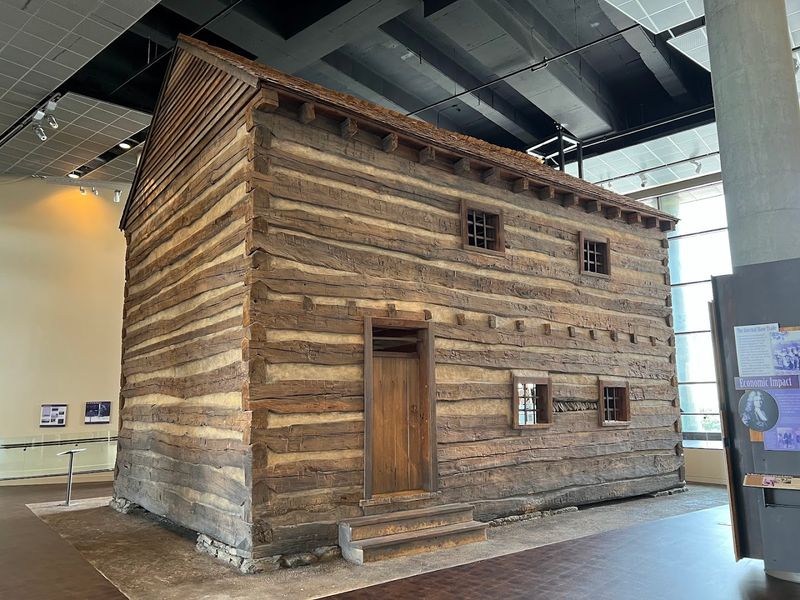
Take the preserved wood structure known as the Slave Pen, which anchors a core gallery. Standing near it, you feel proximity rather than performance, and the surrounding interpretation stays clear, supported by records and context.
You will likely pause longer than you expect, and that pause is the learning.
Elsewhere, timelines unfold without shouting, with maps and names doing the heavy lifting. The writing is concise and active, which means you can digest more without feeling scolded or rushed.
It is a presentation style that respects both subject and visitor, which is rarer than it should be.
By the time you reach modern connections, the tone holds steady, so continuity feels natural. The museum does not need to preach because the evidence and voices already carry weight.
You leave with language, images, and a few purposeful questions, which is exactly the right bundle to take back into Ohio life.
Films And Multimedia Moments That Add Context Without Slowing You Down
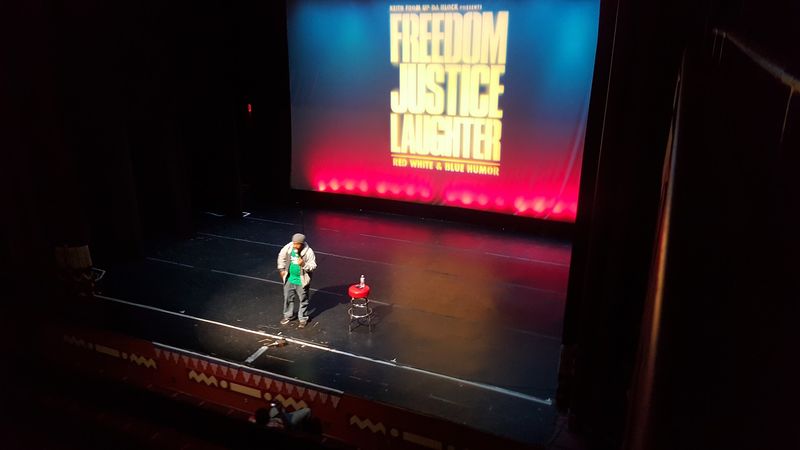
Save a little attention for the films and audio stations, because they sharpen details you might gloss over in print. The short theater pieces move briskly, adding faces and voices that stick in your head without hijacking your schedule.
You will step back into the galleries with clearer stakes.
I like how the multimedia is placed at natural pauses, almost like breath marks in music. You look, you listen, then you resume your walk with fresh focus.
Nothing drags, and nothing leans on jump scares or swelling sound just to manufacture feeling.
Interviews and readings quote people who lived the risk, and hearing cadence and pause changes how you hold the facts. A map on a wall is one thing, but a voice describing a night crossing stays longer.
The technology is present but not flashy, which keeps you with the story rather than the gear.
If crowds build, circle back later, because the content lands the same on the second pass. Bring a friend into the conversation as you exit each clip, and compare what stuck.
Those quiet talks in the hallway are where a lot of the meaning settles in for good.
Rotating Exhibits And Programs That Make Repeat Visits Worth It

One visit is not the whole story here, which is kind of the point. Rotating exhibits bring in artists, historians, and community partners who widen the lens beyond the core narrative.
The result is a fresh angle that keeps regulars coming back without the feeling of homework.
Sometimes a temporary show highlights a single voice, and sometimes it gathers a whole network around present day freedom work. Either way, the through line is dignity and courage, framed in ways that invite conversation rather than debate.
You will often find a program or talk nearby that extends the gallery material into lived action.
Check the calendar before your trip, and do not be shy about asking staff what is newest or easiest to catch. They will point you toward rooms you might have missed and encourage lingering where it matters.
That quick question at the front can change the shape of your day.
Because we are in Ohio, touring partnerships land here regularly, and the museum’s spot on the river makes it an easy stop for regional collaborations. If you like feeling plugged into a bigger conversation, these rotating pieces are your on ramp.
They keep the place alive in the best way.
A Simple First-Timer Route So You Do Not Miss The Biggest Stops

Here is an easy route I give friends. Start downstairs for the foundational galleries, spend real time near the Slave Pen, then loop upward following the timeline so the present day sections land with full context.
This path keeps you from double backing and protects your attention.
Pause at the small theater when you see it, since that clip unlocks details that help the next gallery. From there, skim the labels first, then circle for deeper reads, and end in the spaces that connect historical courage to current work.
You will feel the arc gather instead of scatter.
If a room feels crowded, skip ahead one gallery and return when the flow opens up. The building layout makes that painless, and you will not lose the thread.
Bring a notebook or a phone note, because a name or quote will likely follow you home.
As you exit, step back to the windows for one last look at the river and the skyline. That view ties together place, movement, and possibility in a single frame.
It is a quiet finish that holds, especially here in Ohio.
Ticket And Timing Tips, Including Free Community Days To Watch For

Grab tickets ahead if you can, because it smooths the start and lets you step straight into the day. If you prefer to decide on the fly, the lobby team is used to that too, and they keep things moving with a calm, friendly rhythm.
Either way, you will be in the galleries before your coffee cools.
Keep an eye on free community days, which pop up through the year and are absolutely worth catching. They can draw bigger crowds, but the energy is warm and purposeful, and you still find quiet corners for reflection.
Put a reminder on your calendar and watch the announcements roll.
For timing, earlier arrivals make pacing easier, especially if you like to read more deeply and watch the films. Afternoons can be lovely too, particularly when the light along the river softens and the building glows.
The trick is leaving yourself room at the end so you are not rushing out the door.
Ohio folks, pair the visit with a slow riverfront walk so you can decompress and talk through what landed. Out of town friends can do the same and catch the skyline changing color as they go.
It is a simple plan, but it works, and it respects the weight of what you just learned.
Dear Reader: This page may contain affiliate links which may earn a commission if you click through and make a purchase. Our independent journalism is not influenced by any advertiser or commercial initiative unless it is clearly marked as sponsored content. As travel products change, please be sure to reconfirm all details and stay up to date with current events to ensure a safe and successful trip.
