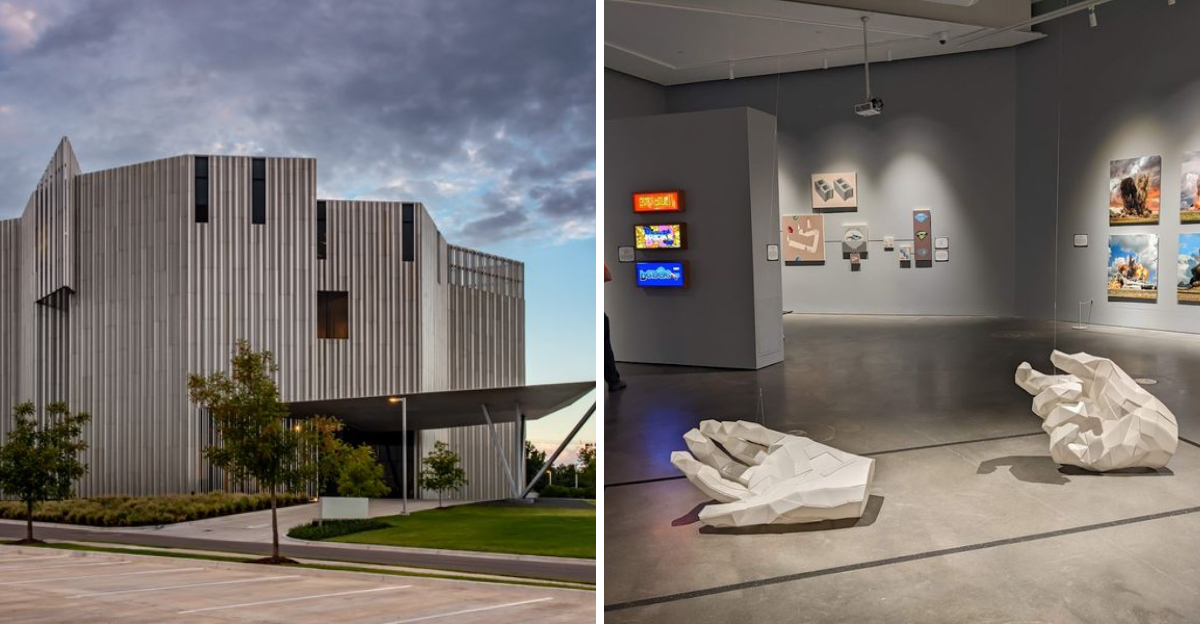
You’re driving through Oklahoma City expecting the usual strip malls and fast food signs, and then out of nowhere something catches your eye and makes you slow down. A building rises up that looks like it was designed by someone who dreamed in angles and light.
It doesn’t look like it belongs here. Honestly, it barely looks like it belongs on this planet.
Oklahoma Contemporary Arts Center is one of those rare places where the building itself is art before you even step inside. And trust me, once you do step inside, things get even more interesting.
This is the kind of place that makes you feel something you didn’t expect to feel on a random Tuesday afternoon in the middle of the Great Plains. Keep reading, because this place has layers.
The Building Itself Is a Work of Art Before You Walk In
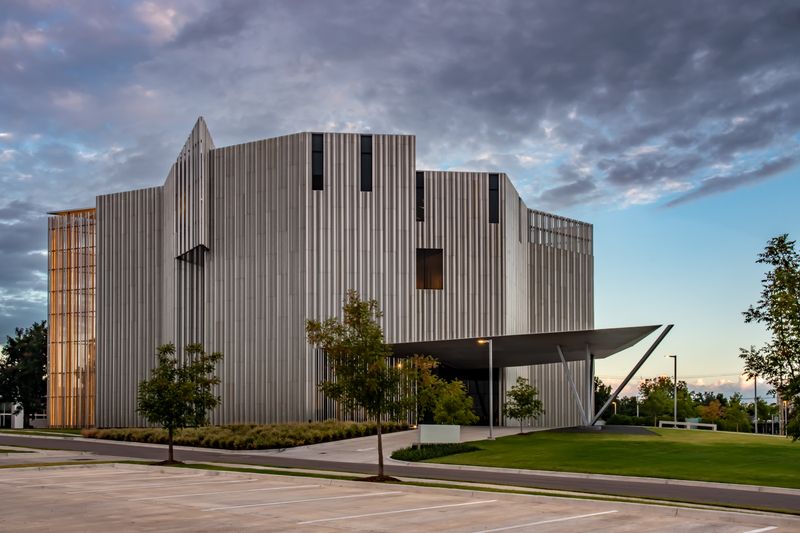
Before you even reach the front door, you stop. You just stand there on the sidewalk, tilting your head, trying to figure out what you’re looking at.
The building known as “Folding Light” does exactly what its name promises. Its angular, folded exterior catches sunlight in ways that shift depending on where you stand and what time of day it is.
The structure was designed by Rand Elliott of Elliott + Associates Architects, an Oklahoma-based firm. The fact that something this bold and forward-thinking came out of a local studio makes it even more exciting.
It doesn’t feel imported or transplanted. It feels like it grew right here, proud and unapologetic.
Walking up to it feels like approaching a giant piece of modern sculpture. The lines are sharp, the surfaces are dramatic, and the whole thing seems to lean toward you with intention.
Every angle feels deliberate. Nothing about this building was an accident.
Most art centers let the inside do all the talking. This one starts the conversation outside, loudly, before you’ve even touched the door handle.
It’s the kind of architecture that makes you want to walk around the entire block just to see how it changes from different angles. And yes, you absolutely should do exactly that.
Free Admission Makes It Accessible for Everyone
Let’s be honest. A lot of world-class art experiences come with a price tag that makes you wince a little.
So when you find out that walking into this stunning building costs absolutely nothing, the feeling is almost suspicious. You look around for a catch.
There isn’t one.
Admission to Oklahoma Contemporary Arts Center is free to the public. The center runs on donations, much like a public library.
A suggested donation of around five dollars per person helps keep the doors open, and honestly, after spending time inside, you’ll want to give more.
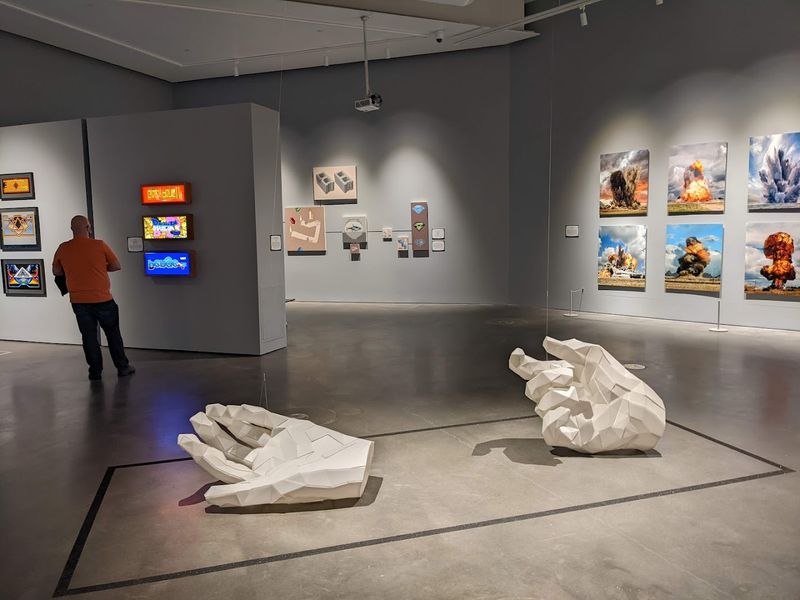
This open-access model means the building fills with a genuinely mixed crowd. You’ll see school groups moving through galleries with wide eyes.
You’ll see solo visitors sitting quietly in front of a single piece for ten full minutes. Families with strollers, older couples holding hands, young artists with sketchbooks.
Everyone belongs here.
Making art this accessible sends a clear message: creativity is not a luxury reserved for people with money. It’s a public good, like clean water or a good park bench.
The fact that Oklahoma City has a space this intentional and this beautiful, open to anyone who walks through the door, is something worth celebrating out loud. Bring a few dollars to drop in the donation box.
It matters.
Rotating Exhibits Keep Every Visit Fresh and Surprising
One visit here is never enough. That’s not a sales pitch.
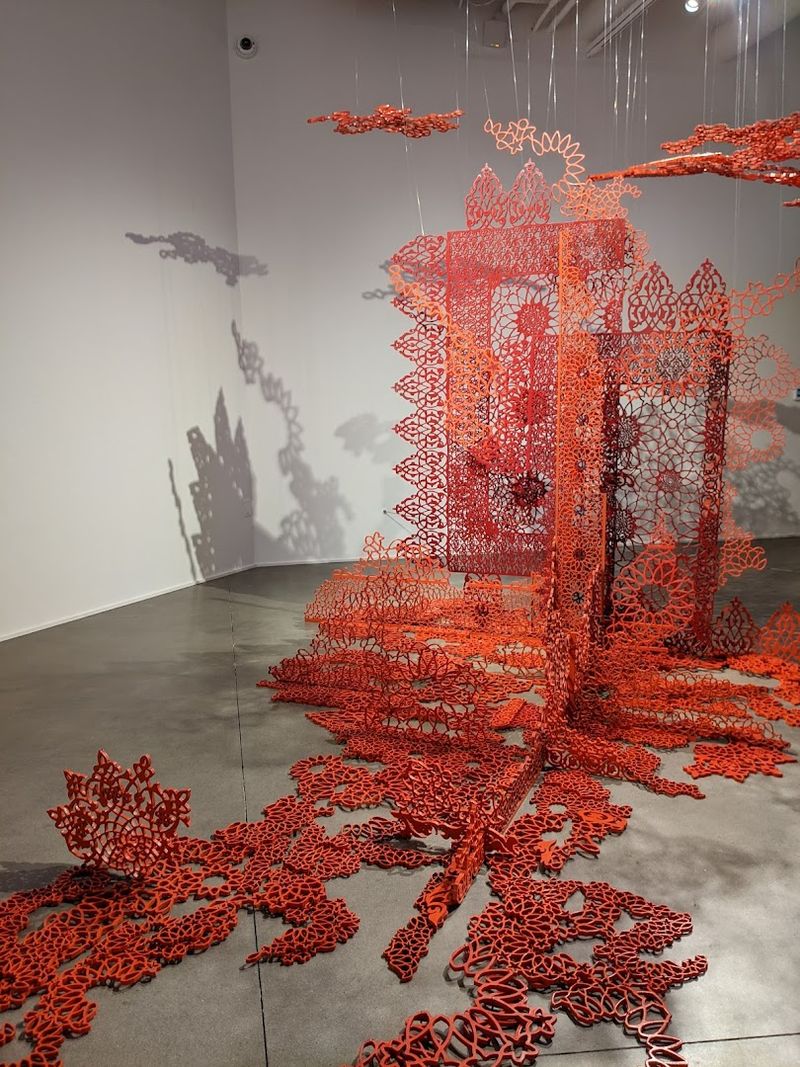
It’s just the reality of how this place operates. Exhibits rotate every couple of months, which means the building you walked through in March looks completely different by June.
The art changes, the energy shifts, and the whole experience resets.
Past exhibitions have covered an enormous range of subjects and styles. You might walk in during a photography show that stops you cold on the third floor.
You might arrive just as a new installation is going up, which only means you have a great excuse to come back next week. The curatorial team here clearly loves taking risks.
What makes the rotation feel meaningful is the storytelling behind each show. The center does a remarkable job of giving context to the work.
You don’t just see a piece hanging on a wall. You understand something about why it exists and what it’s reaching for.
That depth turns a casual visit into something closer to a conversation.
The exhibitions have included work from Oklahoma artists alongside nationally and internationally recognized names. Seeing local talent presented with that level of care and seriousness is genuinely moving.
It signals that this isn’t a regional outpost of art. It’s a real destination with real ambition, right here in the middle of the country.
The Creativity Room Lets You Make Something of Your Own
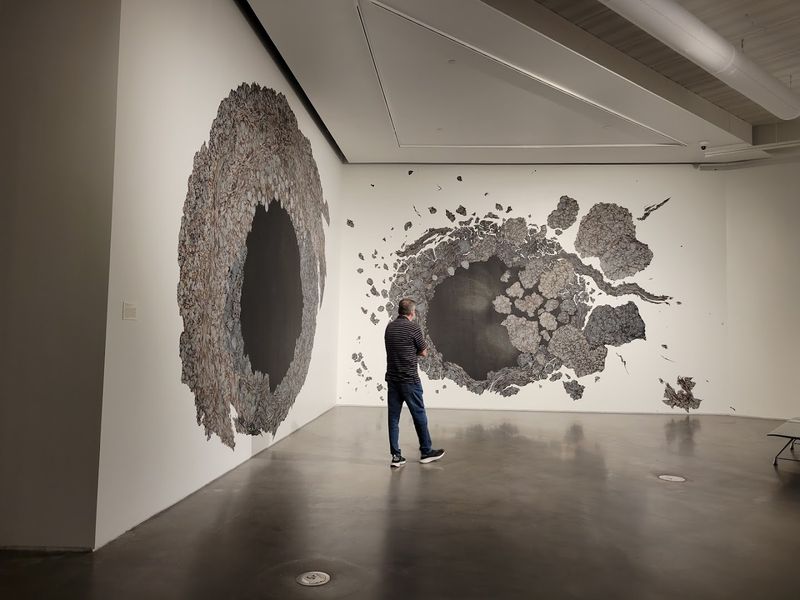
There’s a room in this building where you’re not just allowed to make art. You’re encouraged to.
Invited, even. The creativity room is one of those unexpected spaces that catches you off guard in the best way.
You walk in expecting to keep your hands in your pockets like you do in every other gallery, and instead, there are supplies waiting for you.
For families with young kids, this room is pure gold. Children who might get restless in traditional gallery spaces suddenly come alive here.
The freedom to create something, to put your own mark on the visit, transforms the whole experience from passive to active. Parents have described spending most of their visit right here, and that’s not a complaint.
Adults love it too. There’s something quietly powerful about sitting down with a blank page or a piece of clay and just making something without any pressure or judgment.
No one is grading you. No one is watching with a critical eye.
The room holds space for everyone from toddlers to grandparents.
It’s the kind of feature that elevates a museum from a place you observe to a place you participate in. Oklahoma Contemporary clearly understands that art isn’t just something you look at behind a velvet rope.
Sometimes it’s something you get your hands into, literally, and that philosophy runs through everything here.
Studio School Classes Across the Street Open a New Door
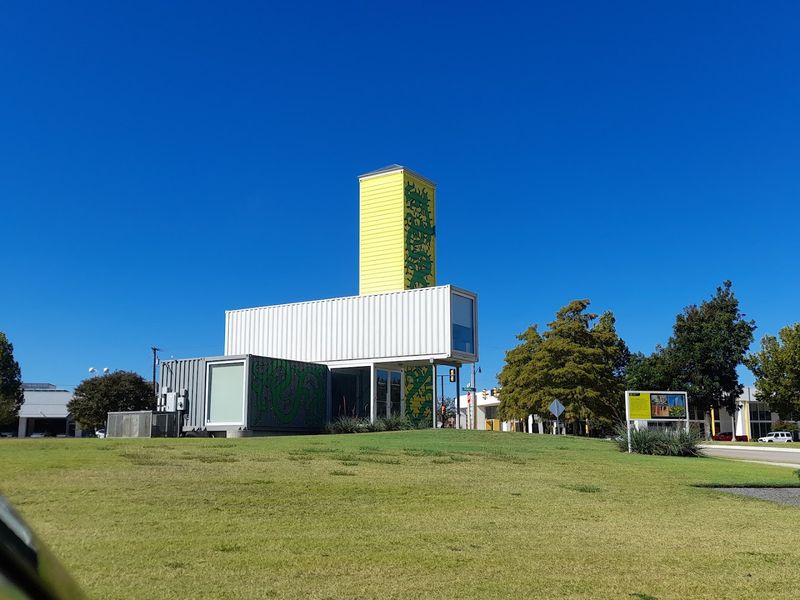
Right across the street from the main building sits the Studio School, and this is where things get really interesting for people who want more than just looking. The school offers hands-on art classes in a wide range of disciplines.
Pottery, painting, sculpture, textile work, and more. The schedule changes with the seasons, and there’s almost always something worth signing up for.
The classes attract a wonderfully mixed group of people. Beginners show up nervous and leave with something they made with their own hands.
More experienced artists come to push their skills further. The instructors are working artists themselves, which means the teaching comes from a place of real practice, not just theory.
One class that has generated real buzz involves making Renaissance-style clothing. Yes, you read that correctly.
The range of offerings here is broad enough to surprise even the most well-traveled arts enthusiast. You never quite know what’s going to be on the schedule next, and that unpredictability is part of the appeal.
Having a dedicated building for classes means the school can run serious, focused programs without competing with the gallery spaces. Everything has room to breathe.
The Studio School feels like a natural extension of the center’s core belief: that art belongs to everyone, and everyone deserves a real chance to make it, not just admire it from a distance.
The Cafe Deserves Its Own Conversation
Nobody walks into an art center expecting the food to be a highlight. And then you find the cafe here, and suddenly you’re revising all your expectations.
The coffee is genuinely good. The baked goods are the kind that make you slow down and pay attention.
It’s not an afterthought wedged into a corner. It feels like it belongs.
The space itself is bright and welcoming. It has the same visual intelligence as the rest of the building.
Sitting down with a cup of coffee inside a building this beautiful, surrounded by art, with no particular rush and no entry fee waiting on the other side of the door, feels almost indulgent in the best possible way.
The cafe is also a great spot to decompress between floors. Art can be intense.
Sometimes you need ten minutes to just sit and let things settle before you head up to the next exhibition. The cafe gives you that pause without pulling you out of the experience entirely.
You’re still inside the world of the building.
If you visit with kids, the menu has enough to keep everyone happy. Cookies, pastries, and solid coffee options make it a crowd-pleaser across age groups.
It’s the kind of small addition that tips a great visit into a genuinely memorable one. Don’t skip it just because you came for the art.
Stay for both.
An Art Vending Machine You Won’t See Coming
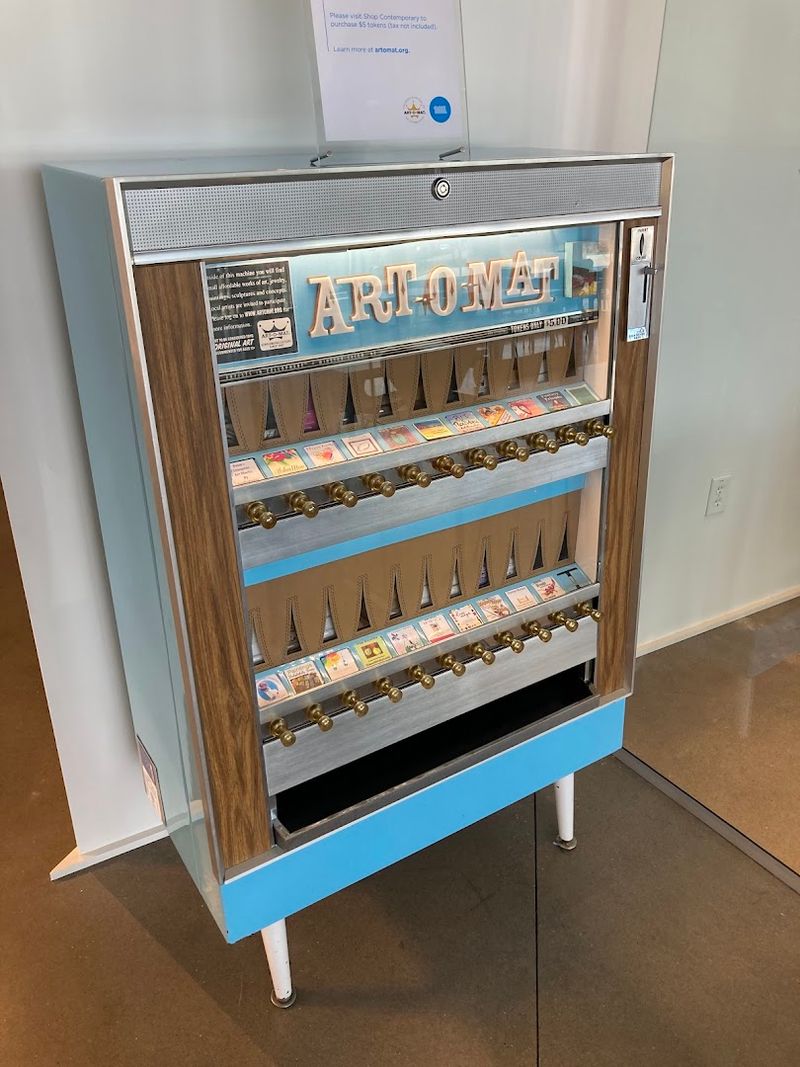
You turn a corner inside the building and there it is: a vending machine. But this is not the kind that dispenses chips and stale crackers.
This one is filled with small, original artworks. Little prints, tiny objects, handmade pieces.
You put in your coins or card, and out comes something an actual artist made. It is, without question, one of the most charming things in this entire building.
The art vending machine has become a beloved detail for regular visitors. It’s playful and completely unexpected.
It also makes buying original art feel approachable rather than intimidating. No gallery walls, no white-gloved staff, no hushed atmosphere of commerce.
Just you, a machine, and a small piece of something real.
For kids, it’s basically magic. The combination of a vending machine’s familiar mechanics with the surprise of what comes out turns the whole thing into an event.
Parents have reported their children asking to come back specifically because of this machine. That’s the power of a well-placed moment of delight.
It also speaks to something the center does really well throughout the whole building: finding ways to lower the barriers between people and art. Buying a piece of original art from a vending machine is the kind of story you tell at dinner for years.
It’s unexpected, affordable, and completely wonderful. Keep some change in your pocket when you visit.
Live Performances Add Another Dimension to the Space
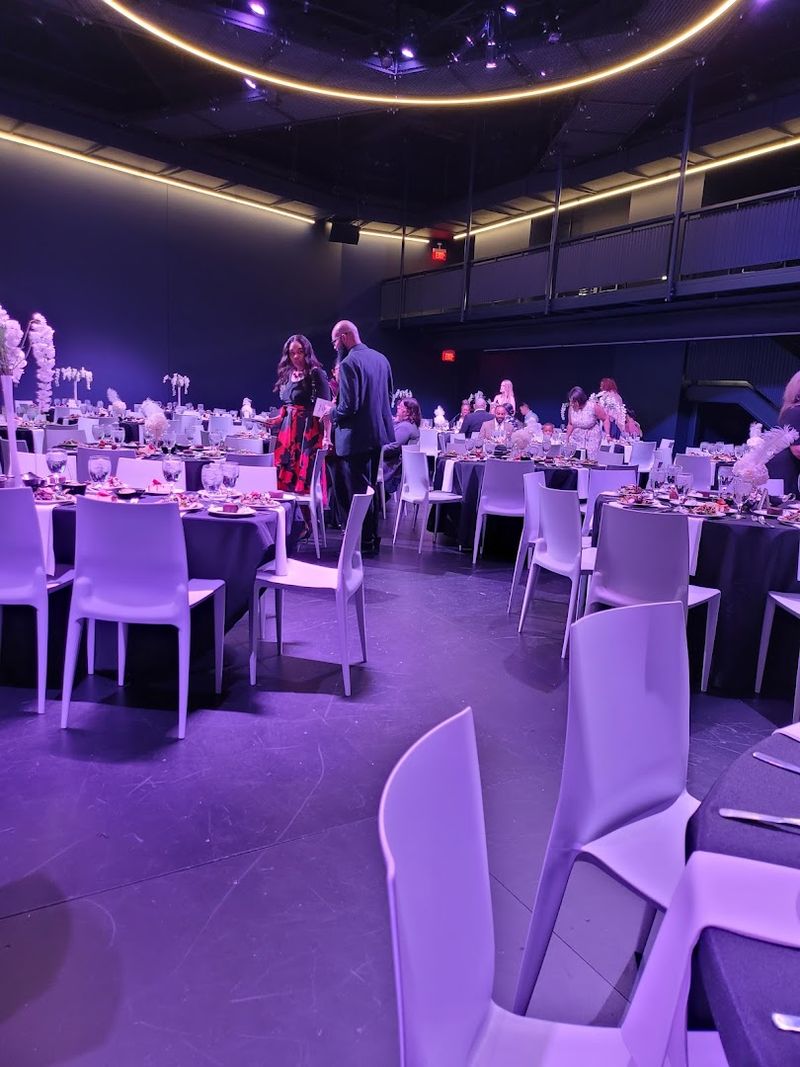
Most people come here for the visual art and leave surprised by everything else. The building also hosts live performances, including theatrical productions in one of its dedicated stage areas.
The productions are described by regular visitors as lovely, intimate, and worth every bit of the modest ticket cost. This is not a side attraction.
It’s a real part of what the center offers.
Having a performance space inside an art center changes the energy of the whole building. On performance nights, the place hums with a different kind of anticipation.
People are dressed up slightly more than usual. There’s a buzz in the lobby that feels electric and warm at the same time.
The building holds all of it without breaking a sweat.
The programming reflects the same curatorial thoughtfulness as the gallery exhibitions. Productions are chosen with care and tend to lean toward work that challenges, moves, or provokes in some way.
You won’t find generic crowd-pleasers here. You’ll find work with something to say.
For visitors who love the performing arts, this is a major bonus. It means a single destination in Oklahoma City can offer a full cultural evening without ever needing to change venues.
Arrive early, walk the galleries, grab something from the cafe, and then settle in for a performance. That’s a pretty perfect night by almost any standard.
Where to Find It and What to Know Before You Go
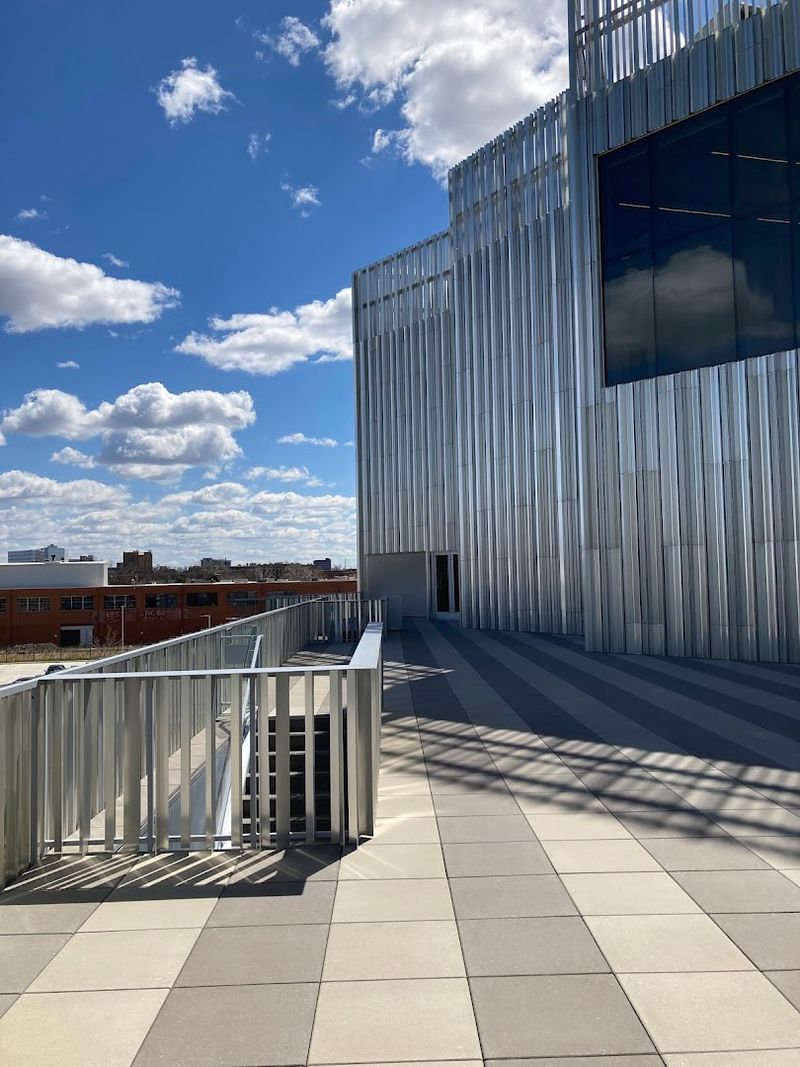
The center sits at 11 NW 11th St in Oklahoma City, Oklahoma, 73103. It’s in the Midtown area of the city, which means there’s plenty to explore before or after your visit.
Parking is free, which is a small but meaningful detail in a world where parking fees have become their own form of art.
The building is open Tuesday through Sunday, from 11 AM to 6 PM. It’s closed on Mondays.
If you’re planning an evening visit, keep in mind that 6 PM comes around fast, especially when you’re deep in an exhibition on the third floor. Arriving by 4 PM gives you a comfortable two hours to move through everything at your own pace.
The website at oklahomacontemporary.org has up-to-date information on current exhibitions, upcoming classes, and performance schedules. Checking it before you go is worth the two minutes it takes.
Exhibits change frequently, and knowing what’s currently up helps you set expectations and plan your time inside the building.
One last thing worth knowing: this place runs on community support. If you walk out feeling like the visit was worth more than you paid, which is almost guaranteed since entry is free, drop something in the donation box on your way out.
It keeps the doors open for everyone who comes after you. And they will come, because this building is impossible to ignore.
Dear Reader: This page may contain affiliate links which may earn a commission if you click through and make a purchase. Our independent journalism is not influenced by any advertiser or commercial initiative unless it is clearly marked as sponsored content. As travel products change, please be sure to reconfirm all details and stay up to date with current events to ensure a safe and successful trip.
