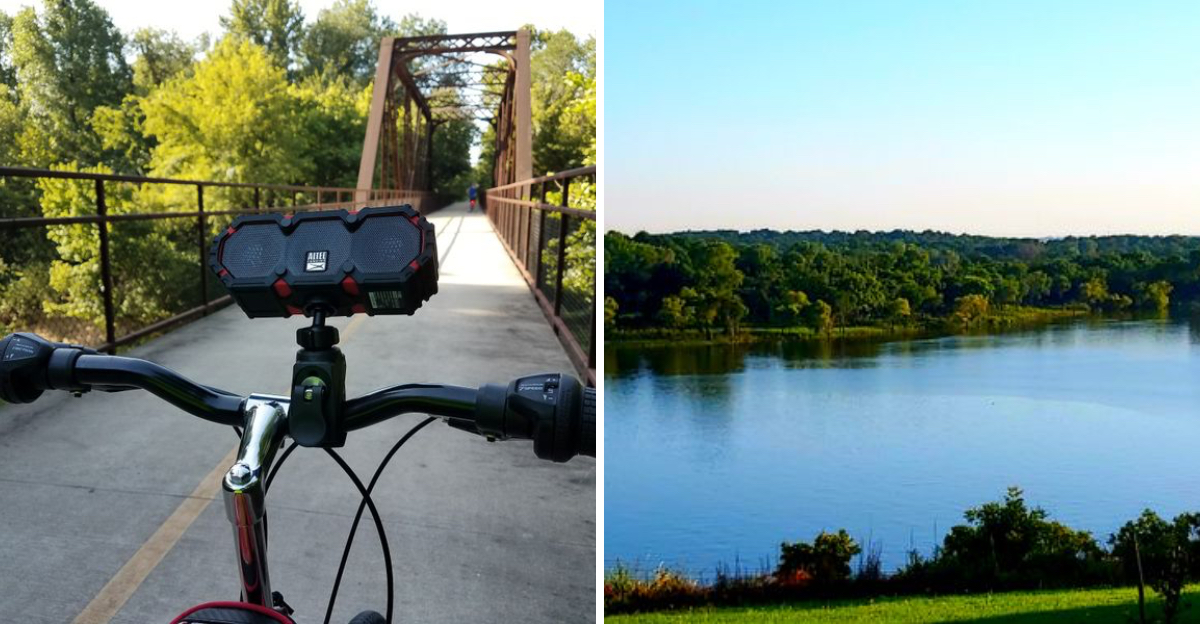
I pedaled along the Osage Prairie Trail in northeastern Oklahoma and discovered something I hadn’t expected: a converted railroad corridor that delivers genuine surprises around every gentle curve.
This 18-mile paved path stretches between Skiatook and Sperry, transforming what was once the St. Louis-San Francisco Railway into a peaceful route through rolling prairie, wooded creek crossings, and quiet towns that time nearly forgot.
The scenery unfolds with a subtle beauty that sneaks up on you, especially during spring when wildflowers blanket the grasslands or autumn when the hardwoods explode with color.
I found myself stopping more often than I planned, not because I was tired, but because each vista deserved a longer look.
This trail proves that Oklahoma holds scenic treasures beyond the obvious, and you don’t need mountains or coastlines to experience something memorable on two wheels.
A Railroad History That Lives On
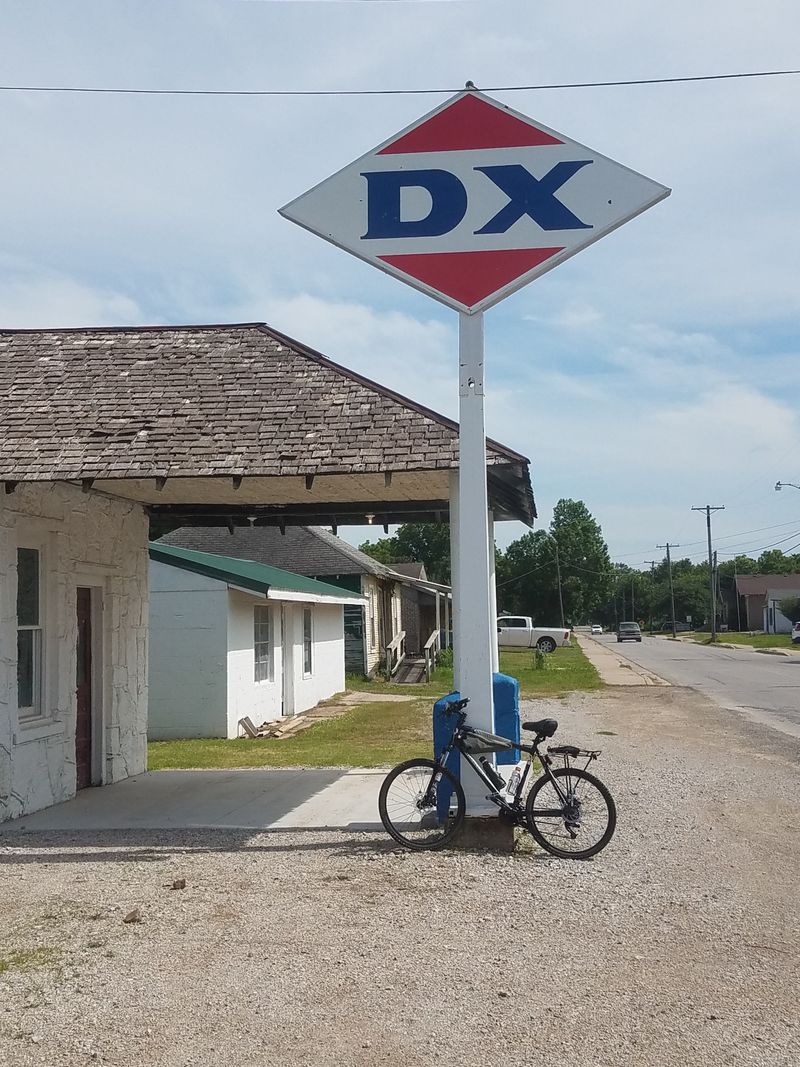
The Osage Prairie Trail follows the old St. Louis-San Francisco Railway bed, affectionately known as the Frisco Line, which once carried freight and passengers through this corner of Oklahoma.
I noticed remnants of that railroad past as I rode, from the gentle grades engineered for steam locomotives to the occasional crossing marker that hints at busier days.
The railway operated through this region for decades before abandonment, and the Rails-to-Trails Conservancy helped transform the corridor into the recreational path it is today.
Standing where trains once rumbled, I felt connected to the countless travelers who passed through these same small towns generations ago.
The conversion preserved the railroad’s defining characteristic: its remarkably flat, accessible grade. Engineers designed railways to avoid steep climbs, which means cyclists now enjoy an easy ride suitable for all skill levels.
I appreciated this thoughtful grade during my ride, never facing punishing hills that would have left me gasping.
Historical markers along the route share stories about the railway’s role in developing these communities. Each town depended on the Frisco Line for commerce and connection to the wider world, and that history adds depth to every mile you cover on this beautifully repurposed corridor.
Starting Point in Skiatook Offers Easy Access
I began my journey at the Skiatook trailhead, where ample parking and clear signage made starting my ride completely hassle-free. The northern terminus sits conveniently in town, giving you immediate access to restaurants and shops before or after your ride.
I grabbed supplies at a nearby convenience store, appreciating how the trail integrates seamlessly into the community fabric.
The trailhead features restroom facilities and informational kiosks that provide maps and safety tips. I studied the route layout before departing, noting the mile markers that would help me track my progress toward Sperry.
These amenities matter when you’re planning a longer ride and need to know what resources await along the way.
Skiatook itself deserves a look beyond the trailhead. This Osage County town offers a glimpse into small-town Oklahoma life, with locally owned businesses and friendly residents who often wave to passing cyclists.
I found the community pride evident in how well-maintained the trail entrance appeared.
Starting from Skiatook also means you can turn around at any point if you’re not up for the full 18-mile journey to Sperry.
I met several families who rode just a few miles out and back, proving the trail accommodates various fitness levels and time commitments without any pressure to complete the entire route.
Prairie Landscapes Unfold With Understated Beauty
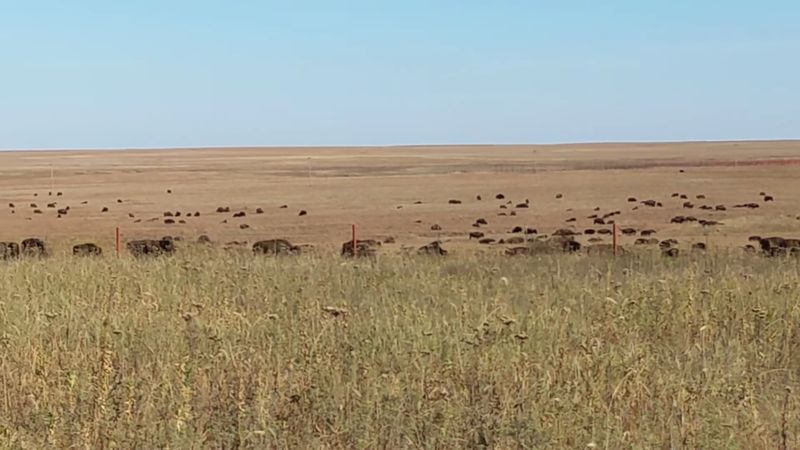
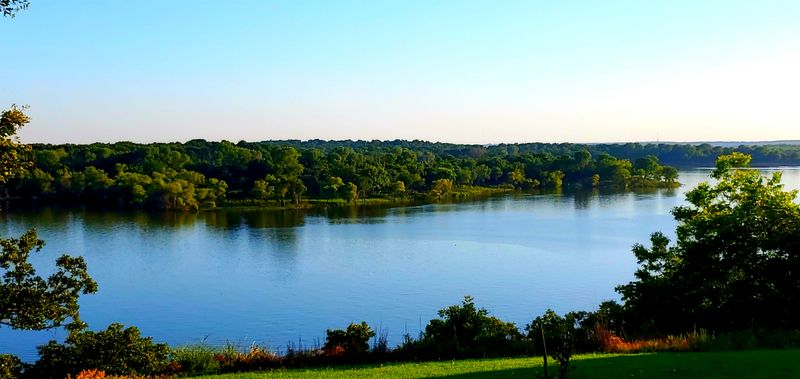
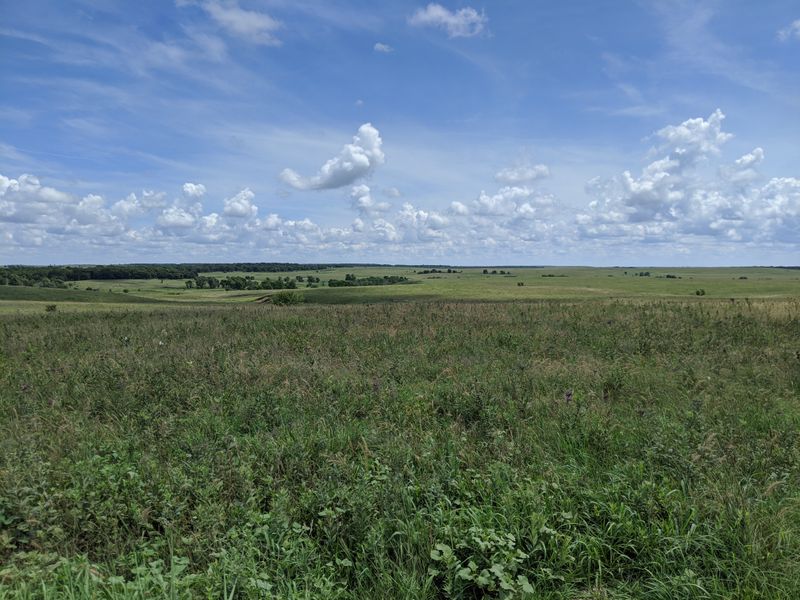
Rolling through the prairie sections, I experienced landscapes that embodied the heartland’s quiet beauty. Native grasses rippled in the breeze like waves on a golden ocean, stretching toward horizons that seemed impossibly distant.
This isn’t dramatic mountain scenery, but something more subtle that grows on you with each passing mile.
The openness creates a sense of freedom I hadn’t anticipated. With nothing but grassland and sky surrounding me, I felt genuinely removed from everyday concerns.
Birds soared overhead, and I spotted several hawks circling lazily above the prairie, hunting for their next meal across this vast ecosystem.
Spring transforms these grasslands into wildflower showcases, with Indian blanket, black-eyed Susans, and purple coneflowers adding splashes of color. I visited during late summer and still found plenty of blooms decorating the trail edges.
The seasonal changes mean every ride offers something visually different, giving you reasons to return throughout the year.
The prairie sections also provide unobstructed views of approaching weather, which proved useful during my ride. I could see rain clouds forming miles away, giving me plenty of warning to adjust my plans.
This visibility adds a practical benefit to the scenic openness that defines much of the Osage Prairie Trail experience.
Creek Crossings Add Variety and Shade
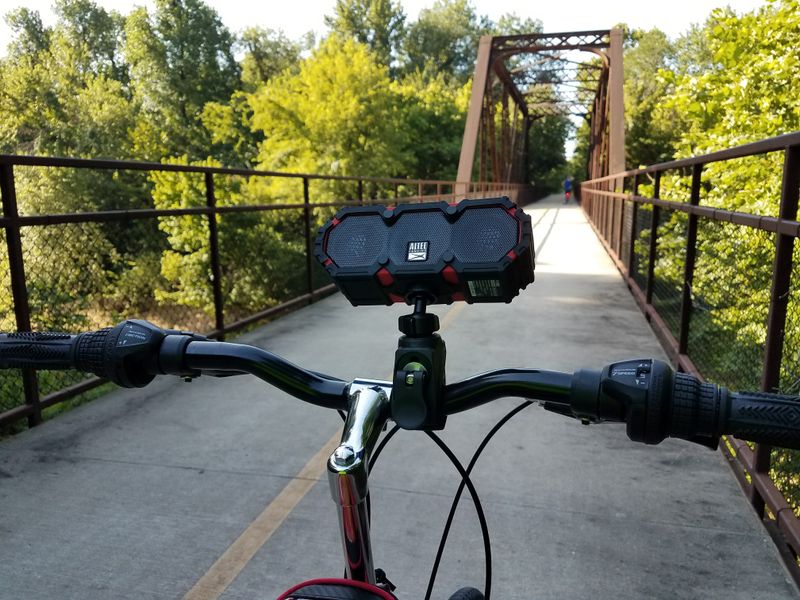
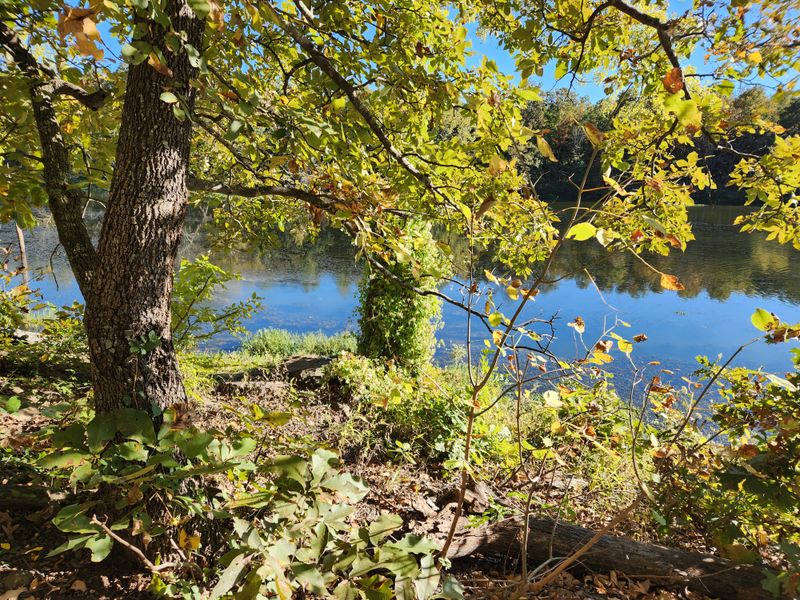
Several creek crossings punctuate the route, offering welcome shade and a complete change of scenery from the open prairie. I slowed down at each bridge, appreciating the cooler air and the sound of water trickling below.
These wooded corridors felt like nature’s rest stops, providing relief during warmer months when the sun beats down on exposed sections.
The bridges themselves are well-maintained and safe, with railings and smooth surfaces that accommodate all types of bikes. I noticed families pausing at these spots, letting kids peer over the sides to watch for fish or turtles in the shallow water below.
These natural features create memorable moments that break up the ride into distinct chapters.
Trees cluster along the creek banks, creating canopy cover that supports different wildlife than the prairie sections. I heard songbirds calling from the branches and spotted a deer drinking from one creek during an early morning ride.
These riparian zones add ecological diversity that makes the trail more than just a path through grasslands.
During spring, these creeks run fuller, sometimes creating small waterfalls or rapids that add sound and movement to your ride.
I found myself lingering longer than planned at one particularly scenic crossing, just listening to the water and enjoying the peaceful atmosphere these natural features provide along the Oklahoma countryside.
Small Towns Provide Welcome Rest Stops
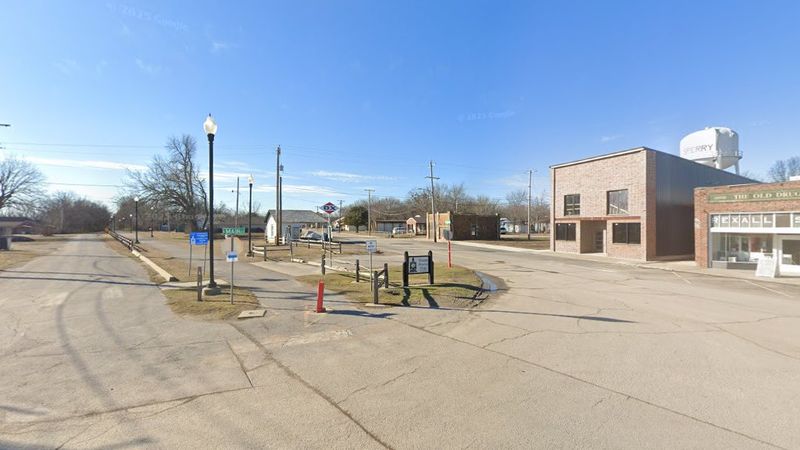
Passing through Sperry and other small communities along the route gave me chances to rest, refuel, and interact with locals who take pride in the trail running through their towns.
I stopped at a cafe in Sperry where the owner knew several cyclists by name, evidence of the trail’s role in bringing visitors to these quiet communities.
These towns represent authentic small-town Oklahoma, places where life moves at a different pace and strangers still greet each other. I appreciated the genuine hospitality I encountered, from directions to the nearest water fountain to recommendations for the best sandwich shop.
This human connection added unexpected richness to what could have been just a solo ride.
The trail’s economic impact on these communities seems significant. Local businesses cater to cyclists with bike racks, water stations, and trail-friendly amenities.
I noticed several establishments advertising cyclist discounts, showing how the trail has been embraced as an asset worth supporting and promoting.
Timing your ride to include a meal stop in one of these towns makes practical sense and supports local economies.
I enjoyed a hearty lunch in Sperry before tackling the return journey, and the break recharged me both physically and mentally for the miles ahead through the beautiful Oklahoma countryside.
Wildlife Sightings Add Natural Interest
The diverse habitats along the Osage Prairie Trail support surprisingly abundant wildlife that kept my eyes scanning the landscape throughout my ride. I spotted white-tailed deer multiple times, usually in the wooded creek areas during early morning or late afternoon hours.
These graceful animals seemed accustomed to trail users, watching calmly as I passed rather than bolting away.
Raptors patrol the skies above the prairie sections, and I identified red-tailed hawks, American kestrels, and even a northern harrier during different rides. Watching these skilled hunters work the grasslands added entertainment to longer stretches between towns.
I found myself pausing frequently to observe their hunting behaviors and aerial acrobatics.
Smaller creatures abound as well, from cottontail rabbits darting across the path to various songbirds flitting through the trees. I heard meadowlarks singing their distinctive songs from fence posts, a sound that epitomizes prairie landscapes.
These auditory experiences complemented the visual beauty, creating a multisensory connection to the environment.
Spring and fall migrations bring even more bird diversity, as waterfowl and songbirds pass through this region. I spoke with a regular trail user who keeps a bird list and has identified over 80 species from the trail over several years.
This wildlife dimension transforms the Osage Prairie Trail from simple transportation corridor into genuine nature experience.
Seasonal Changes Transform the Experience
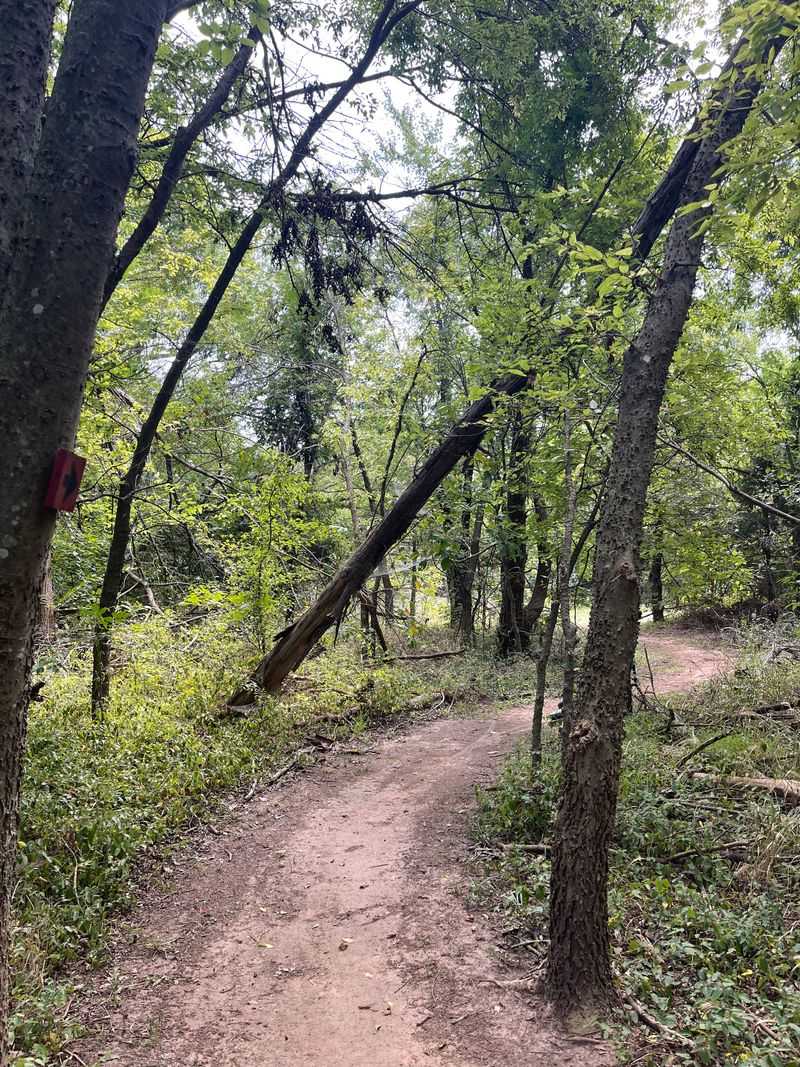
Each season paints the Osage Prairie Trail in different colors and moods, making return visits worthwhile throughout the year. I’ve ridden this trail in spring when everything explodes with green growth and wildflowers carpet the prairie in vibrant colors.
The energy of renewal fills the air, and the moderate temperatures make for perfect cycling conditions.
Summer brings intense heat to Oklahoma, but early morning or evening rides remain pleasant, especially through the shaded creek sections. I learned to carry extra water during summer rides and appreciated every tree-covered stretch.
The prairie grasses reach their full height, creating a sea of vegetation that sways hypnotically in the breeze.
Fall might be my favorite season on this trail. The hardwood trees along creek crossings turn brilliant shades of red, orange, and yellow, creating stunning contrast against the golden prairie grasses.
The cooler temperatures feel energizing, and the clear autumn light makes everything appear sharper and more vivid.
Winter riding is possible on milder days, when the dormant prairie takes on subtle brown and tan hues that some might call drab but I found beautiful in their simplicity.
The bare trees reveal landscape contours hidden during leafier months, and wildlife becomes easier to spot against the muted background colors of the Oklahoma countryside.
Trail Surface and Maintenance Exceed Expectations
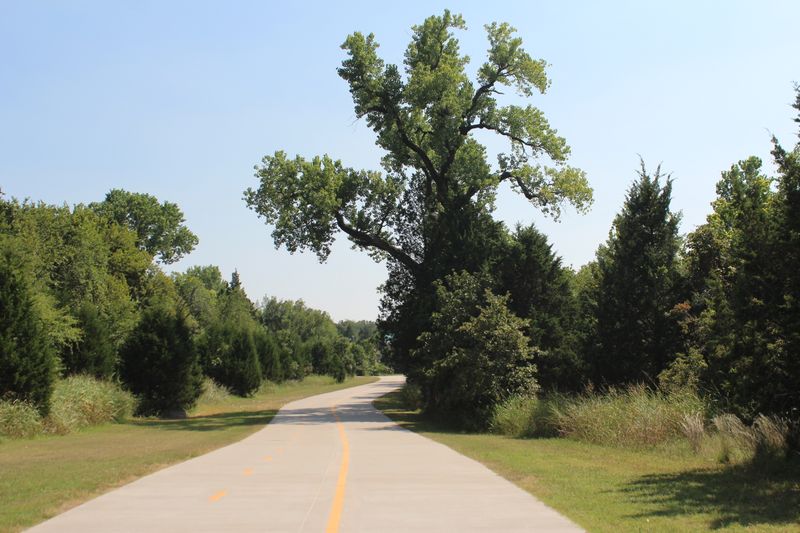
The pavement quality on the Osage Prairie Trail impressed me from the first mile. Smooth, well-maintained asphalt provides excellent riding surface for road bikes, hybrids, and even inline skaters.
I encountered very few cracks or rough patches, suggesting consistent maintenance efforts that keep the trail in top condition year-round.
Clear centerline markings help separate directional traffic, though the trail never felt crowded during my visits. Mile markers appear regularly, helping you track progress and plan rest stops.
I appreciated these thoughtful details that show someone truly cares about the user experience on this Oklahoma trail.
The trail width accommodates two-way traffic comfortably, allowing faster cyclists to pass slower users safely. I never felt squeezed or unsafe, even when encountering groups or families spread across the path.
The generous width also means you can ride side-by-side with a companion while chatting, making this trail ideal for social rides.
Seasonal maintenance includes regular mowing of adjacent areas, keeping vegetation from encroaching on the path. I noticed minimal debris like fallen branches or leaves, even after passing through wooded sections.
This level of care doesn’t happen by accident and speaks to the community investment in maintaining this recreational resource for residents and visitors alike.
Accessibility Makes This Trail Inclusive
The railroad-grade foundation means the Osage Prairie Trail maintains remarkably gentle slopes throughout its entire length. I never shifted into my lowest gears or felt challenged by steep climbs, making this route accessible to cyclists of varying fitness levels.
Families with young children can ride confidently, knowing the terrain won’t defeat less experienced riders.
The smooth pavement and wide path also accommodate hand cycles and adaptive bikes, opening this natural experience to people with mobility challenges.
I’ve seen wheelchair users enjoying the trail, and the absence of steps or barriers at access points removes obstacles that plague many recreational facilities.
Multiple access points along the route mean you can customize ride length to match your abilities and available time. I met an older couple who drive to different trailheads, riding short segments rather than attempting the full distance.
This flexibility makes the trail welcoming rather than intimidating, encouraging participation from community members who might avoid more challenging routes.
Benches appear at regular intervals, providing rest spots for those who need frequent breaks. I used these myself during longer rides, appreciating the chance to sit and absorb the scenery without pressure to keep moving.
This thoughtful infrastructure demonstrates that accessibility involves more than just physical design in making Oklahoma’s outdoor spaces truly inclusive.
Practical Tips for Riding the Osage Prairie Trail
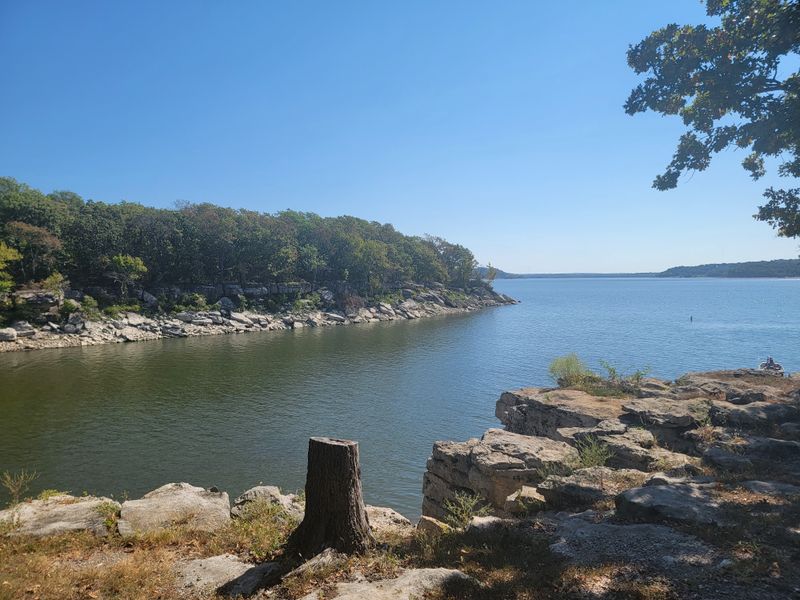
Preparation makes any trail ride more enjoyable, and I learned several practical lessons during my Osage Prairie Trail experiences. Carry more water than you think necessary, especially during warmer months when Oklahoma heat can be intense.
Limited services exist between trailheads, so self-sufficiency matters more than on urban trails with frequent amenities.
Sun protection becomes crucial on the exposed prairie sections where shade is scarce. I always wear sunscreen and a hat with a brim, and I’ve seen other smart riders using arm sleeves and neck gaiters.
The sun reflects off the light-colored pavement, increasing exposure from below as well as above.
Check weather forecasts before departing, paying special attention to wind predictions. Strong winds can make prairie riding exhausting, particularly if you’re battling headwinds for miles.
I’ve learned to plan out-and-back rides so prevailing winds help rather than hinder my return journey.
Bring basic repair supplies including spare tubes, tire levers, and a pump. While the smooth pavement minimizes flat tire risks, you’re miles from bike shops if mechanical issues arise.
I carry a small multi-tool and know how to make basic repairs, which provides peace of mind during longer rides through the Oklahoma countryside far from immediate assistance.
Photography Opportunities Abound Throughout the Route
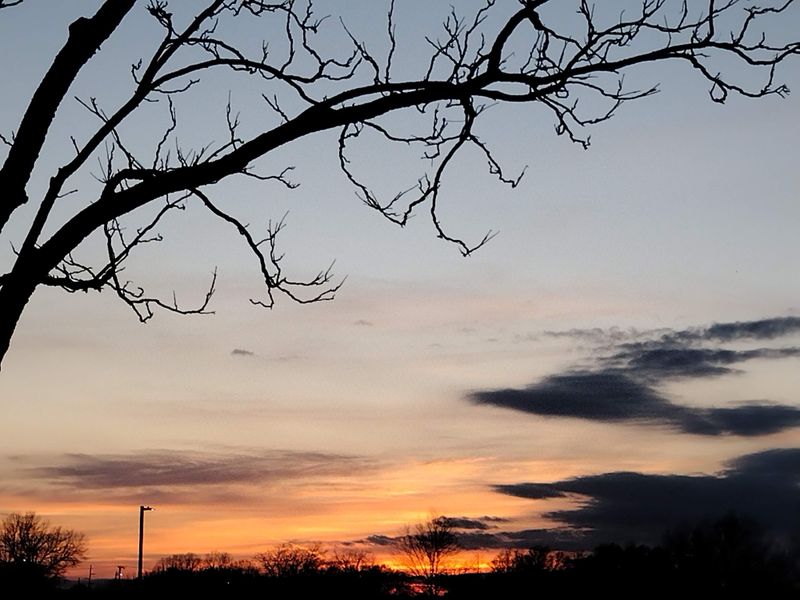
Photographers will find countless compelling subjects along the Osage Prairie Trail, from sweeping prairie vistas to intimate wildlife moments. I always carry a camera, and I’ve accumulated hundreds of images that capture the subtle beauty of this route.
The changing light throughout the day creates different moods, with early morning and late afternoon offering the warmest, most flattering illumination.
The open prairie sections provide unobstructed horizon views perfect for dramatic sky photography. I’ve captured stunning cloud formations, brilliant sunsets, and even approaching storm systems that demonstrate nature’s power and beauty.
The flat landscape emphasizes the sky, which often becomes the star of prairie photographs.
Wildlife photography opportunities arise frequently if you ride quietly and remain observant. I’ve photographed deer, various birds, and even a coyote during different trips.
Patience pays off, especially near creek crossings where animals come to drink during early morning or evening hours.
The small-town architecture and vintage elements provide cultural photography subjects that document rural Oklahoma life. I’ve captured weathered barns, historic buildings, and charming main streets that tell stories about the region’s character and history.
These human elements balance the natural landscapes, creating a complete visual narrative of the Osage Prairie Trail experience.
Dear Reader: This page may contain affiliate links which may earn a commission if you click through and make a purchase. Our independent journalism is not influenced by any advertiser or commercial initiative unless it is clearly marked as sponsored content. As travel products change, please be sure to reconfirm all details and stay up to date with current events to ensure a safe and successful trip.
