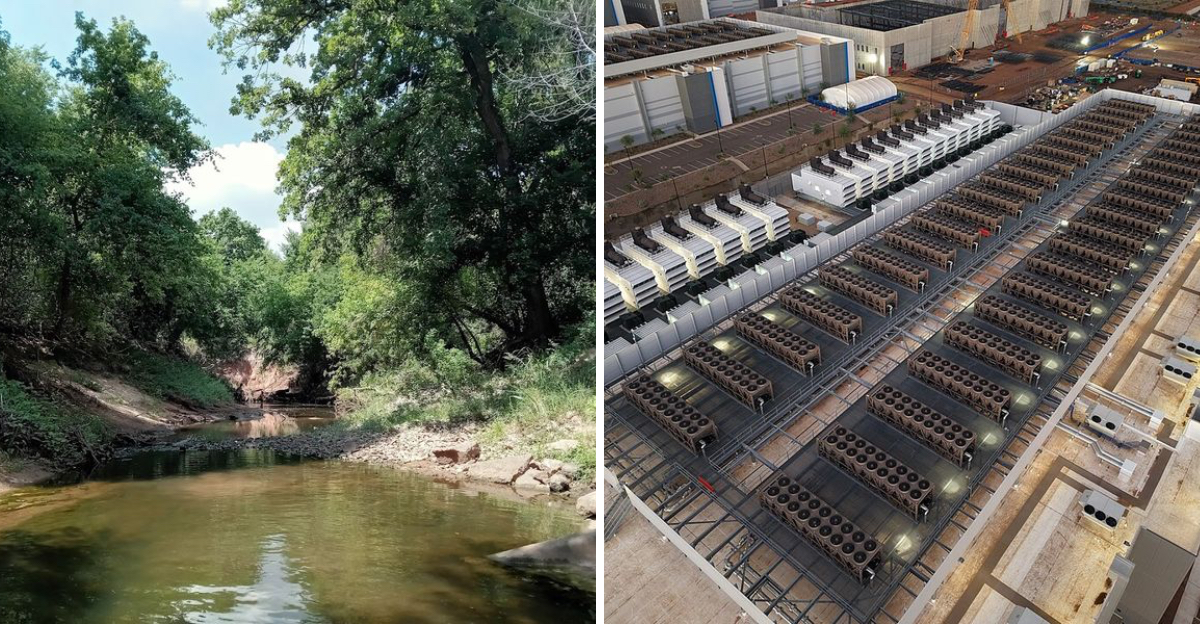
There’s a part of Oklahoma most people pass through without a second thought, but right now, it’s right in the middle of a conversation that could change how the state thinks about energy. Massive data centers are moving in quickly, bringing with them a level of electricity demand that’s hard to overlook.
For a community this size, that kind of pressure doesn’t stay in the background for long. It starts to shape decisions, priorities, and the future in ways people can’t ignore.
What’s happening here isn’t just local. It’s part of a bigger shift, and the impact is already starting to show.
Midwest City Is More Than a Suburb
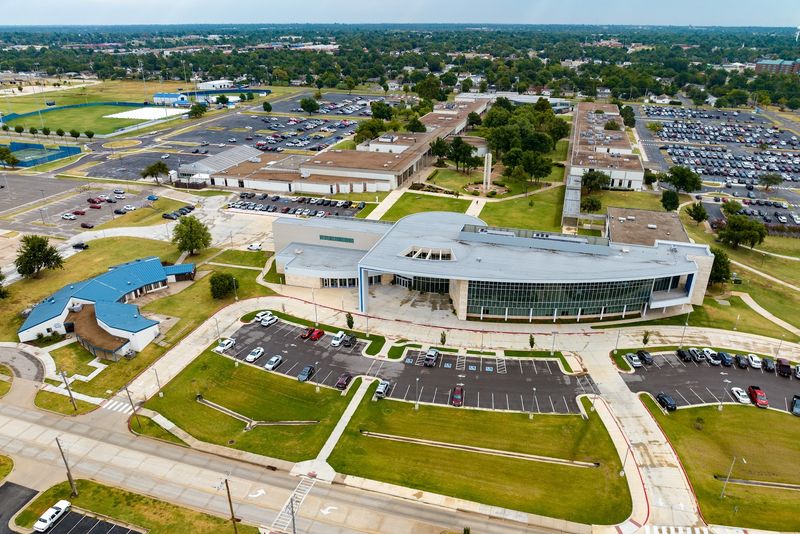
Most people hear “Midwest City” and picture a quiet bedroom community where nothing much happens. That picture is only partly right.
Sitting in Oklahoma County just east of Oklahoma City, Midwest City has its own identity, its own city government, and its own set of challenges that are growing more complicated by the year.
Founded in 1943 to house workers at Tinker Air Force Base, the city grew quickly and steadily. By the 2020 census, the population had reached 58,409, making it the eighth largest city in the entire state of Oklahoma.
That is not a small footnote. That is a real city with real infrastructure demands.
Tinker Air Force Base remains one of the largest employers in the region, giving the local economy a stable military backbone. But stability can shift fast when outside forces, like a wave of data center development, start pulling at the same power grid that keeps homes, schools, and businesses running.
Understanding what Midwest City actually is makes it easier to understand why the energy pressure it is facing right now feels so urgent to so many residents.
Data Centers Are Arriving at a Rapid Pace
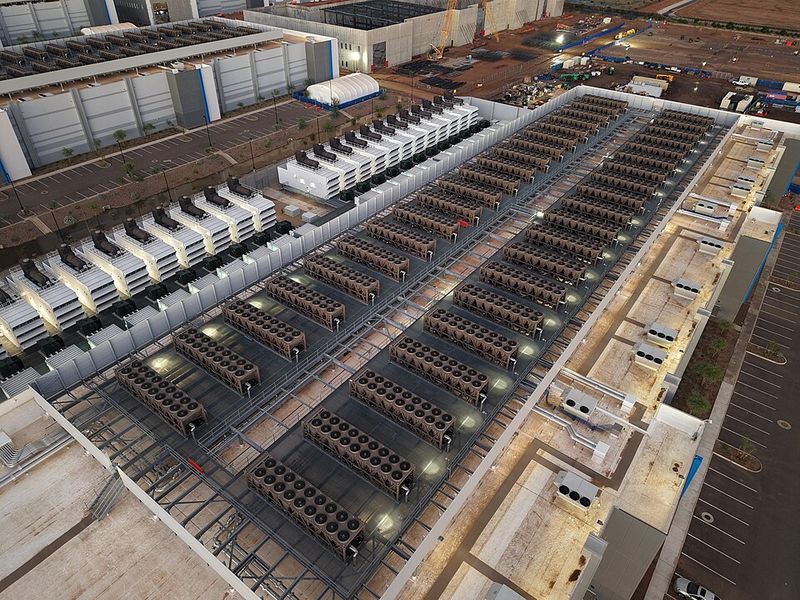
The tech industry has been eyeing Oklahoma for years, and for good reason. Land is affordable, the climate is manageable for cooling systems much of the year, and state incentives have made it financially attractive for companies to build here.
Data centers, which store and process the digital information behind everything from streaming services to financial transactions, require a staggering amount of electricity to run around the clock.
Midwest City and the surrounding Oklahoma County area have become a target for this kind of development. Several large-scale projects have been proposed or developed across the Oklahoma City region, bringing thousands of square feet of server space that never sleeps and never stops drawing power.
The companies behind these facilities often negotiate directly with utilities and local governments, moving faster than community planning processes can keep up with.
For residents, the arrival of data centers can feel abstract until the effects show up on their electricity bills or in conversations about grid reliability. The speed of this expansion is the part that catches many people off guard, and in Midwest City, that speed is now very much part of the daily conversation among city planners, utility providers, and everyday families trying to make sense of what comes next.
The Grid Is Under Serious Strain
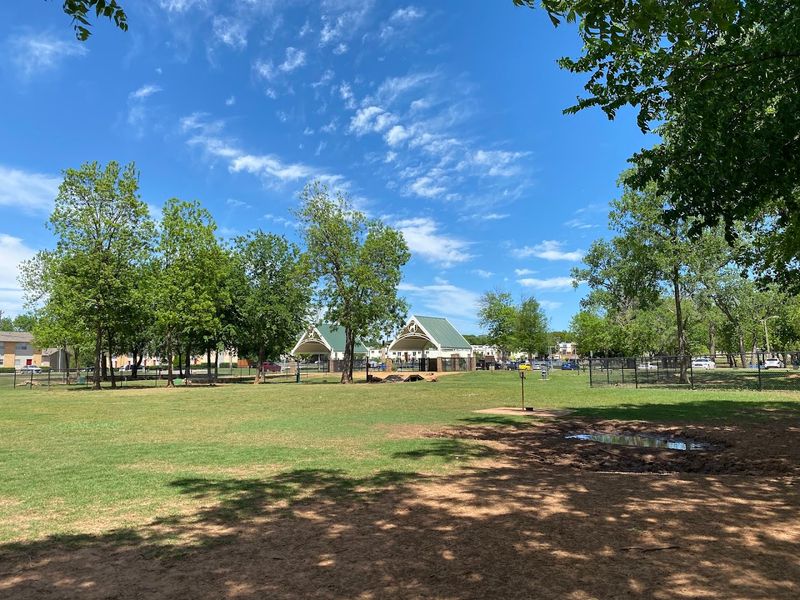
Power grids are built with a certain level of demand in mind. Engineers plan for peak usage, seasonal spikes, and gradual population growth.
What they did not always plan for was the sudden arrival of industrial-scale electricity consumers like data centers dropping into communities that were previously drawing a fraction of that load.
In Oklahoma, the regional grid managed by the Southwest Power Pool serves millions of customers across multiple states. Large data centers can consume substantial amounts of electricity, in some cases comparable to the usage of thousands of homes.
When multiple facilities are added to one area in a short period, the increased demand can place strain on existing infrastructure that was not originally designed for that level of load.
Addressing this requires upgrades that involve significant time, investment, and coordination between utilities and private developers.
For Midwest City specifically, the concern is not just about keeping the lights on today. It is about what happens as more facilities come online and the demand curve keeps climbing.
Utility providers are working to expand capacity, but construction timelines and regulatory processes do not move at the same speed as tech industry investment decisions. Concerns are emerging about how future demand could affect residents in practical ways.
Energy Costs Are Becoming a Kitchen Table Issue
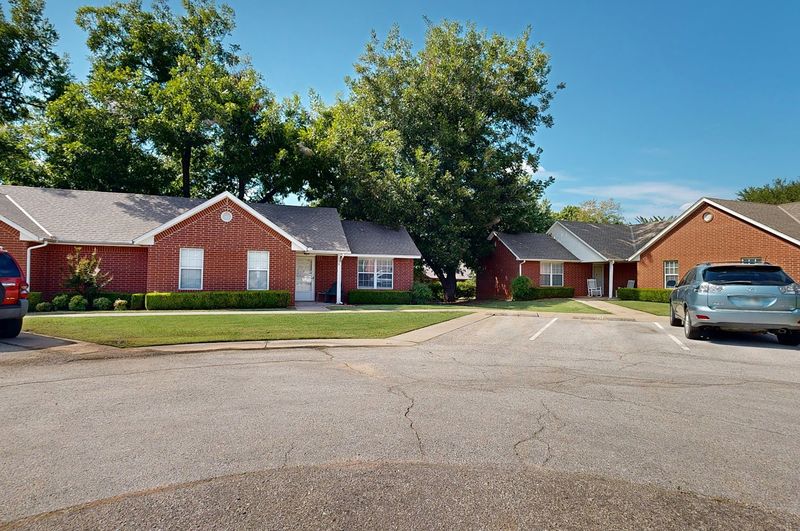
There is a version of this story that stays in boardrooms and city council chambers, and then there is the version that shows up on a monthly utility statement. For many households in Midwest City, the second version is the one that matters most.
When grid infrastructure is stressed and utilities invest heavily in upgrades to serve industrial customers, the cost of those investments does not always stay with the industrial customers alone.
Rate structures, infrastructure fees, and the general economics of electricity delivery mean that in some cases, costs may be shared with residential customers depending on how utilities structure their rates.
This is not unique to Oklahoma, but it is a pattern that consumer advocates and local officials are watching closely as data center development accelerates in the region.
Families budgeting for groceries, rent, and school supplies are not in a position to absorb significant increases in their monthly energy bills without feeling it.
Community groups in Midwest City have started raising these questions publicly, asking who benefits from the economic development and who ends up carrying the financial weight of supporting it.
These are fair questions, and the answers will shape how this community moves forward in a very real and personal way.
Water Usage Is Part of the Equation Too
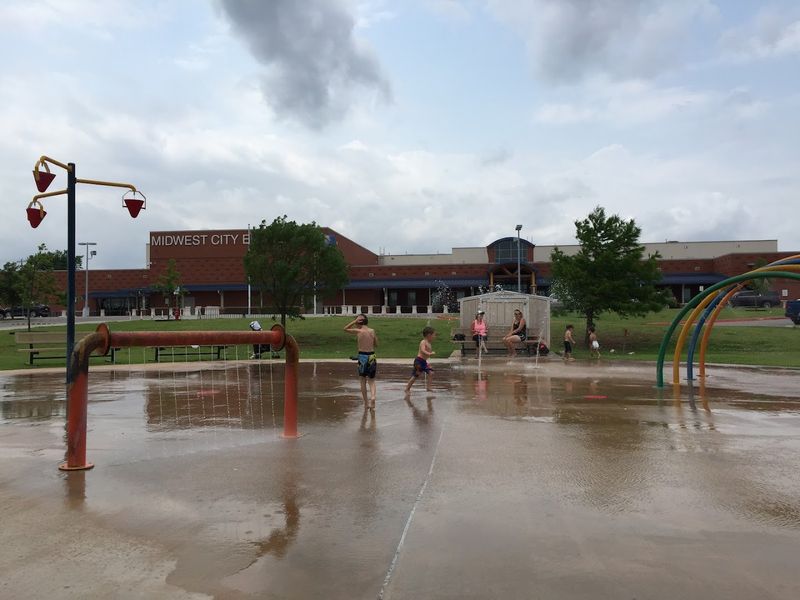
Electricity is the headline, but water is the quieter part of the data center story that deserves equal attention. Most large data centers use water-based cooling systems to keep their servers from overheating.
Depending on the design and the local climate, some facilities can consume large amounts of water each year, depending on the type of cooling systems they use.
Oklahoma is no stranger to drought conditions and water resource challenges. The state has experienced significant dry spells that stress municipal water supplies and agricultural operations alike.
Adding industrial-scale water consumers to that mix raises questions about long-term sustainability that go beyond electricity bills and into the realm of environmental planning.
For Midwest City, which sits within a metro area that already manages complex water sharing agreements and infrastructure demands, the arrival of water-intensive data centers adds another layer to an already complicated picture.
Local officials and environmental advocates are pushing for transparency about exactly how much water these facilities will use and what the cumulative impact will look like over the next decade.
Water is not an unlimited resource, and the communities that manage it carefully today will be in a far stronger position as the region continues to grow and industrial demand keeps climbing.
Local Government Is Navigating Unfamiliar Territory
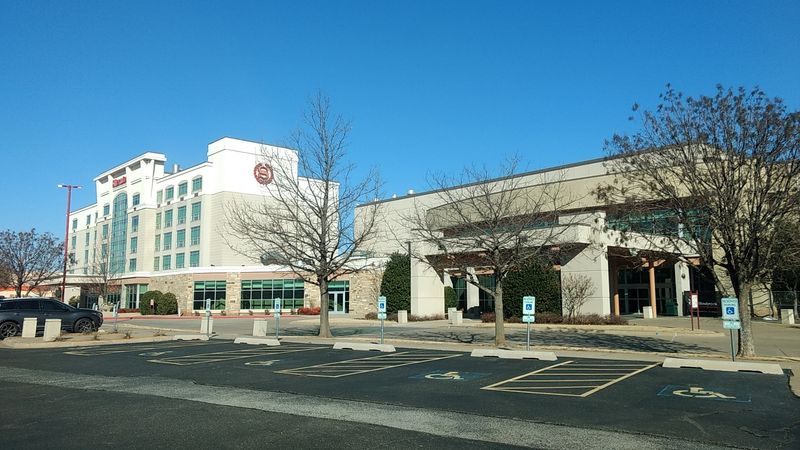
City governments are built to handle zoning disputes, road maintenance, and parks budgets. They are less naturally equipped to negotiate the long-term energy and infrastructure implications of hosting industrial-scale digital infrastructure.
Cities like Midwest City may face these kinds of challenges as development expands.
The challenge is partly informational. Data center companies arrive with detailed technical proposals, legal teams, and economic impact projections that are genuinely difficult for a municipal government to evaluate without specialized expertise.
The promise of tax revenue and jobs is real and appealing, especially for a city that has worked hard to build a stable economic base since its founding near Tinker Air Force Base.
But the long-term commitments embedded in those deals, including utility infrastructure requirements, water usage agreements, and traffic impacts, require careful scrutiny that takes more time than the pace of private investment typically allows.
Several Oklahoma communities have started bringing in outside consultants and energy policy experts to help them evaluate proposals more effectively.
Midwest City would benefit from that kind of support as it works through decisions that will define the character and livability of the community for a generation of residents who are counting on their local government to get it right.
Jobs and Economic Growth Tell Only Part of the Story
One of the most common arguments made in favor of welcoming data center development is the promise of economic growth. New facilities mean construction jobs during the build phase and permanent technical positions once the center is operational.
Tax revenue flows to local governments, and the presence of major tech-adjacent industry can attract additional business investment to the surrounding area.
These benefits are real, and in a community like Midwest City, where working families are always looking for quality employment opportunities, they carry genuine weight.
Oklahoma has used data center incentives deliberately as part of a broader economic development strategy, and the results in terms of investment dollars attracted to the state have been measurable.
The part that gets less attention is the ratio of jobs to energy demand. A large data center might employ a few dozen to a few hundred permanent workers while consuming electricity equivalent to tens of thousands of homes.
That math does not automatically make the deal a bad one, but it does mean that the economic argument needs to be evaluated carefully rather than accepted at face value.
Communities that ask hard questions about the full cost-benefit picture before signing agreements tend to end up with better outcomes than those that prioritize the headline investment number above everything else.
Renewable Energy Could Shift the Conversation

Oklahoma is one of the windiest states in the country, and it has become a genuine leader in wind energy production over the past two decades. The state also has significant solar potential that is still being developed.
That energy profile matters a great deal when thinking about whether data center expansion has to be a story of strain and conflict, or whether it can be reframed as an opportunity to accelerate the transition to cleaner power sources.
Several data center companies have made public commitments to powering their facilities with renewable energy, either through direct generation, power purchase agreements, or renewable energy credits.
If those commitments are structured carefully and verified rigorously, they can shift the environmental calculus of data center development significantly.
The key word is carefully, because not all green energy claims are built the same way.
For Midwest City and the broader Oklahoma region, the presence of abundant wind and growing solar capacity creates a genuine opening for a different kind of negotiation with data center developers.
Instead of simply accepting or rejecting industrial energy demand, local and state officials could push for binding renewable energy commitments as a condition of development approval.
That kind of forward-thinking policy could turn a pressure point into a genuine step toward a more sustainable energy future for the whole state.
What Residents Can Do Right Now
Feeling like a big industrial trend is rolling through your community can make a person feel powerless, but residents of Midwest City actually have more tools available than they might realize.
Local government decisions about zoning, utility agreements, and development incentives happen in public meetings, and those meetings are open to anyone who wants to show up and ask questions.
Attending city council sessions, joining neighborhood associations, and connecting with local advocacy groups focused on energy and environmental policy are all practical ways to stay informed and make your perspective heard.
Oklahoma has a tradition of community engagement in local governance, and that tradition is an asset when navigating complex decisions about infrastructure and development.
On the household level, energy efficiency measures reduce individual consumption and lower monthly costs regardless of what is happening at the grid level. Weatherizing homes, upgrading appliances, and being strategic about high-usage times can all make a meaningful difference.
But the bigger lever is collective action. When residents come informed and organized, local officials gain the support to negotiate tougher with developers and protect the long-term interests of Midwest City families.
Dear Reader: This page may contain affiliate links which may earn a commission if you click through and make a purchase. Our independent journalism is not influenced by any advertiser or commercial initiative unless it is clearly marked as sponsored content. As travel products change, please be sure to reconfirm all details and stay up to date with current events to ensure a safe and successful trip.
