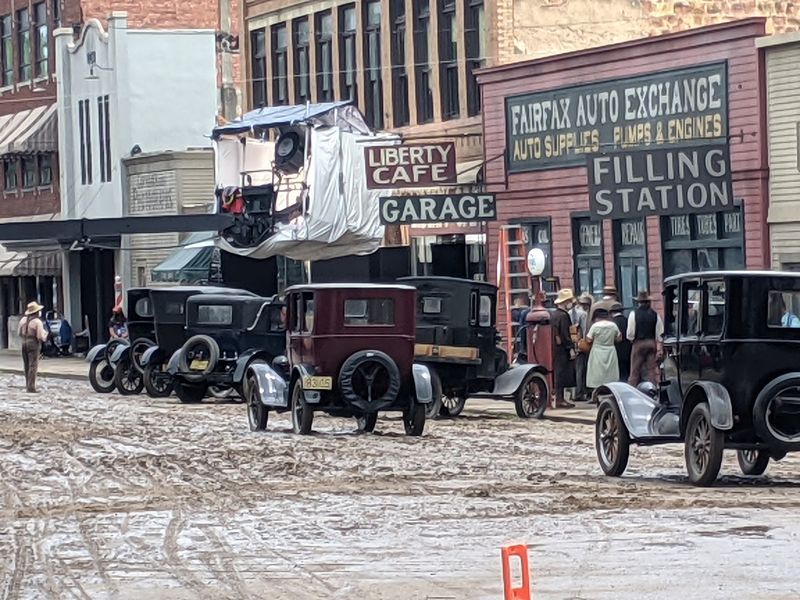
I stopped in northern Oklahoma for nothing fancier than a cold drink and a chance to stretch my legs, and I ended up staying half a day. The brick street under my boots was uneven in that honest way old streets get, the storefronts still had their original stone faces, and somewhere down the block a cafe window smelled like fried onions and cinnamon rolls.
What looked like a quiet county on the map turned out to be one of the loudest chapters in frontier history, still standing in plain sight. If you like your road trips cheap, unhurried, and full of stories nobody put on a billboard, this one belongs on your list.
A County Bigger Than Some Whole States
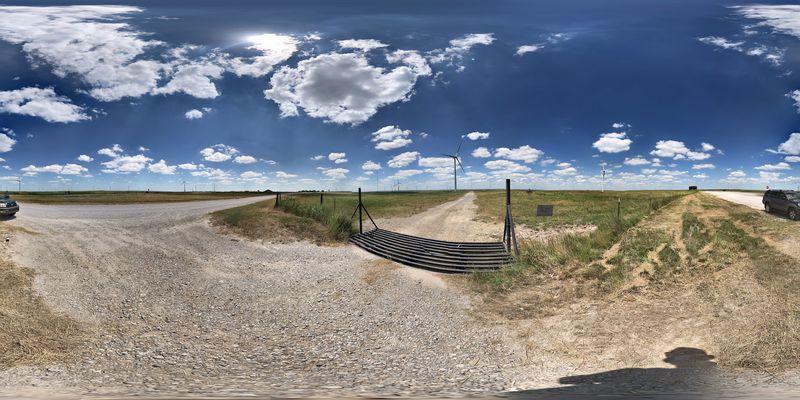
Pull out a map of Oklahoma and put your finger on the northeastern shoulder of the state. That broad block of green and gold is Osage County, the largest county by area in Oklahoma, stretching from the edge of Tulsa County north to the Kansas line.
Size changes how a place feels. Instead of towns every few miles, you get long stretches of bluestem grass, cattle guards, and hilltops where you can see the weather coming from twenty minutes away.
The county was created in 1907, the same year Oklahoma became a state, and it takes its name from the Osage Nation, whose reservation boundaries match the county lines almost exactly. That single fact explains a lot about why the place looks and feels different from its neighbors.
Pawhuska serves as the county seat and the practical hub for visitors, with Hominy, Fairfax, and Barnsdall scattered across the grasslands. Highway 99 and U.S. 60 do most of the heavy lifting for travelers.
Come expecting distance between stops. The driving itself, windows down over cattle country, ends up being half the reason people fall for it.
The Osage Nation’s Living Homeland
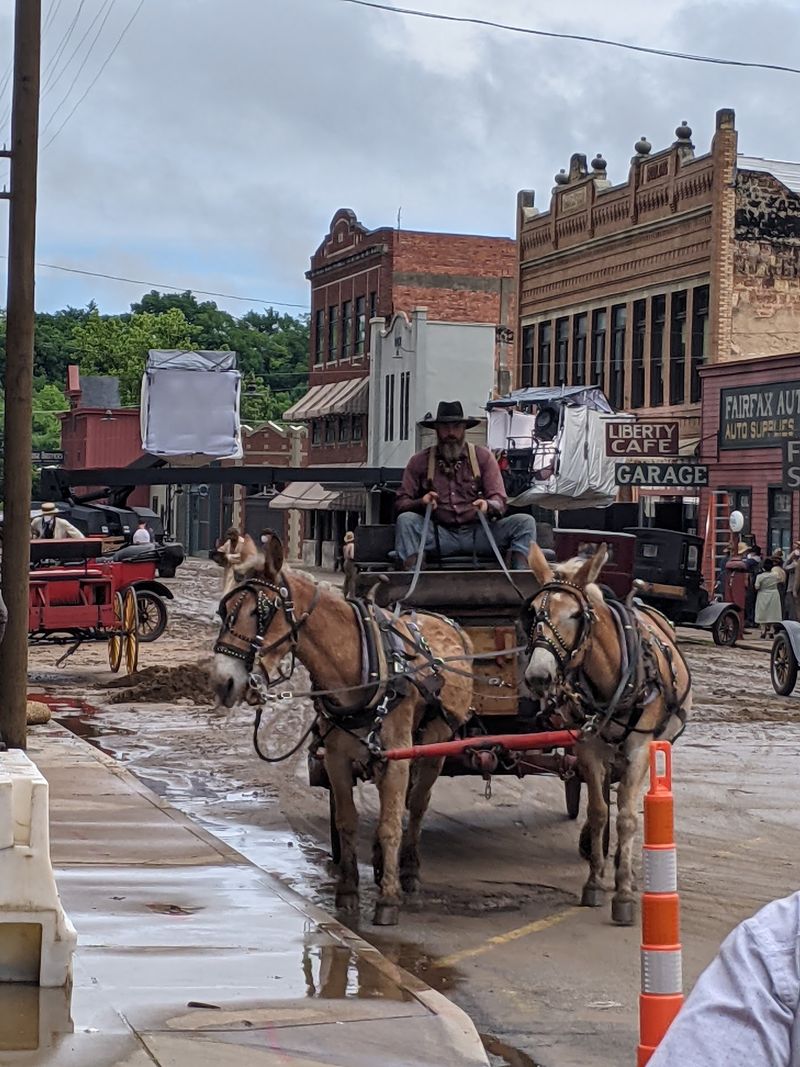
Long before surveyors drew county lines, the Osage people held sway over an enormous swath of the southern plains. The nation later purchased and settled this rugged stretch of hills on purpose, choosing land that was too rocky for easy farming and therefore less attractive to outsiders.
That decision shaped everything. Ranching took hold instead of row crops, and the wide grasslands were never plowed under the way prairie was almost everywhere else.
Today the Osage Nation is one of Oklahoma’s 39 federally recognized tribes, and Pawhuska functions as its governmental and cultural center. Visitors will notice the seal on buildings, signage in the Osage language, and community events posted on bulletin boards downtown.
It is worth remembering that this is a working homeland, not a history exhibit. People live, govern, ranch, and raise families here, and the past is treated as something ongoing rather than finished.
Travelers who take the time to read the markers and visit the tribal museum tend to leave with a much clearer picture of how the county got its character. Respectful curiosity goes a long way in this part of Oklahoma.
Pawhuska’s Main Street Time Capsule
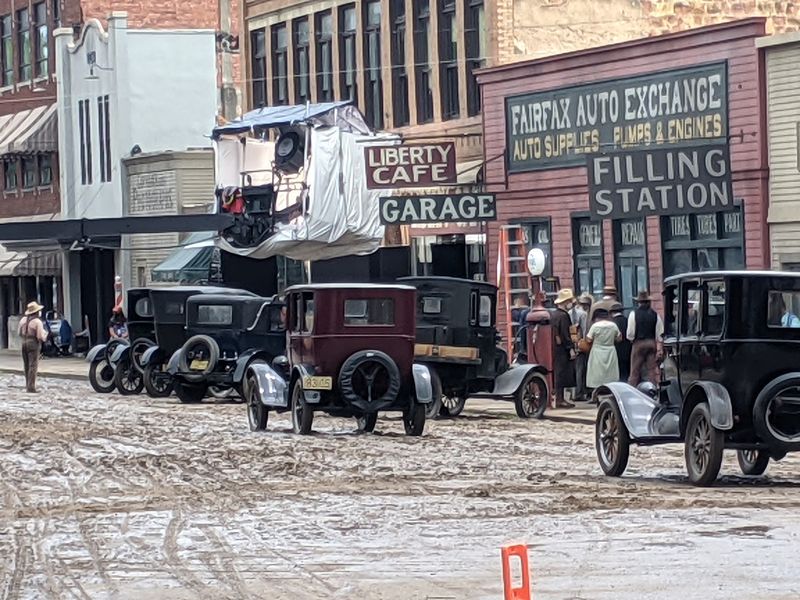
Walking Kihekah Avenue feels like flipping through an old photo album where somebody forgot to turn the last page. Two- and three-story buildings line the street with stone cornices, arched windows, and painted signs that have faded into something better than new.
The scale is the giveaway. Streets this wide and buildings this ornate were not built for a small town, they were built for a boomtown that expected to keep growing forever.
Some storefronts hold shops and cafes, others sit quiet with their original tin ceilings visible through the glass. Preservation here has been practical rather than polished, which is exactly why it still reads as authentic.
Bring comfortable shoes and a camera. The whole commercial district covers just a handful of blocks, so you can cover it slowly in an hour and still feel like you missed details.
Parking is free and usually easy, angled right along the curb. On weekday mornings you may have the sidewalk almost to yourself, which is when the old bricks and the wind through the hills do their best work.
Trail Dust, Longhorns, and Ranch Country
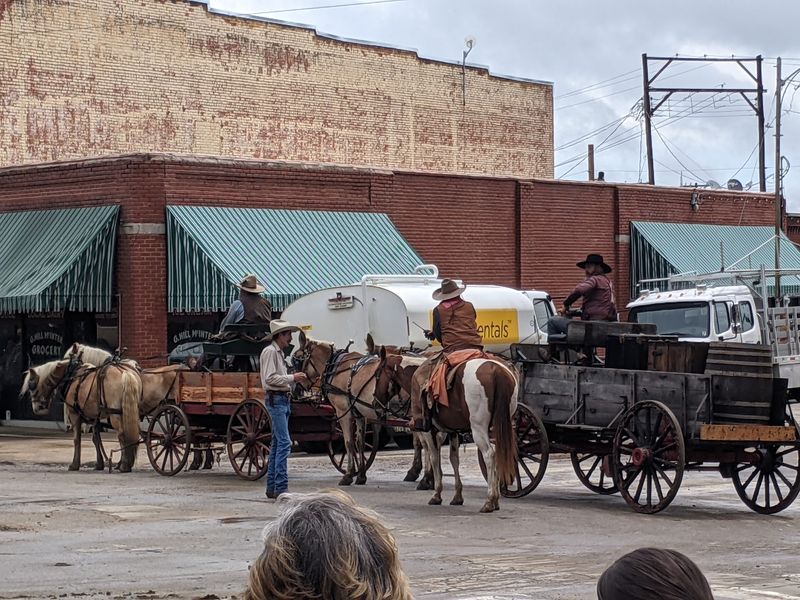
Cattle built the rowdy reputation. In the decades after the Civil War, herds moved north across these grasslands toward Kansas railheads, and the drovers who pushed them turned every crossroads settlement into a temporary circus of commerce, card games, and bargaining.
Grass was the whole economy. Osage rangeland leased to cattle outfits became some of the most valuable pasture on the plains, and huge ranches took shape across the hills.
That legacy has not gone anywhere. Drive any county road and you will pass working spreads, loading chutes, hay rings, and pickup trucks with mud on the fenders and a dog in the bed.
Rodeo and ranch culture still show up on community calendars, and the local vocabulary leans heavily on brands, bloodlines, and rainfall. Ask about grass conditions and you may get a fifteen minute answer.
For visitors, the payoff is texture. Fence lines that run to the horizon, hawks on every other post, and the occasional traffic jam caused by cattle crossing make the frontier era feel far closer than a century and a half away.
Boomtown Brick on the Hilltop
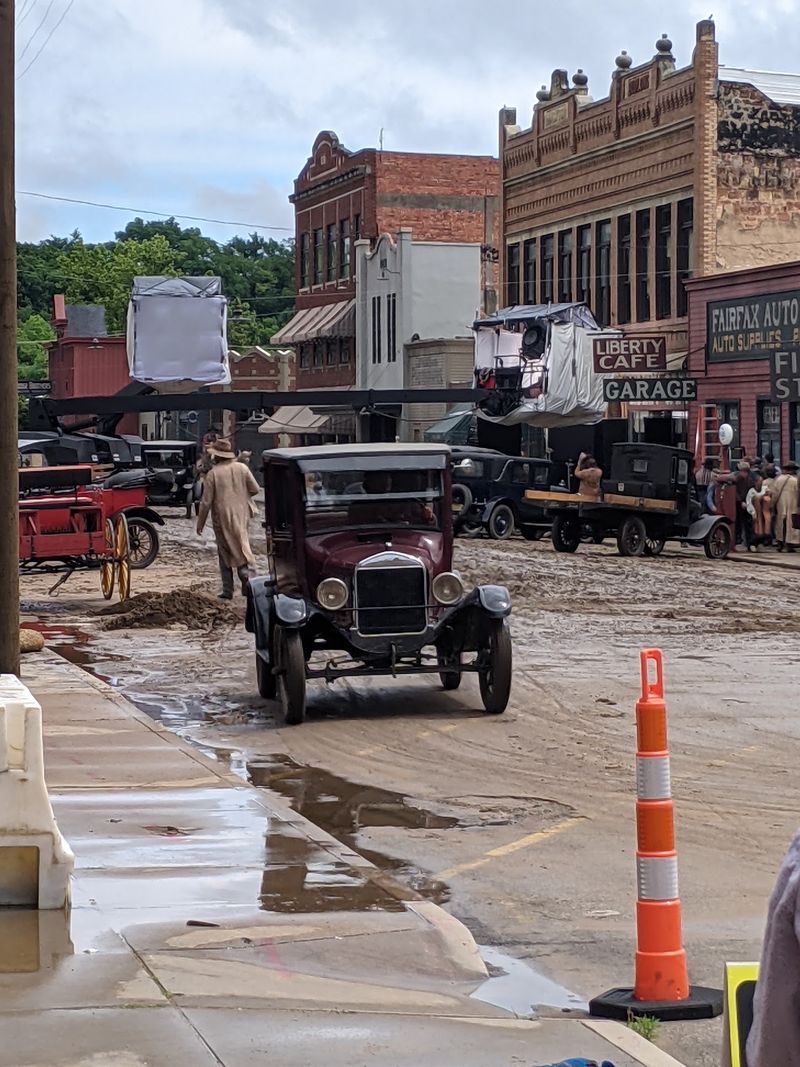
Money arrived fast here in the early 1900s, and the buildings tell on it. Oil leases turned a prairie county into one of the wealthiest places per person in the country, and the architecture reflects ambitions well beyond small-town practicality.
Look up while you walk. Decorative brickwork, carved stone details, grand staircases, and courthouse-scale civic buildings sit on streets where you might otherwise expect a feed store and a filling station.
Hominy and Fairfax carry their own examples, including handsome old schools, banks, and public buildings that have outlasted the boom that paid for them. Several hold murals and community art worth a short detour.
Not everything has been restored, and some of the most striking facades stand empty. There is a particular kind of honesty in that, a reminder that boom towns rise and level off.
Photographers do well here in early morning or the last hour before sunset, when low light catches the stone. Weekend visits are pleasant, though if you want to see the interiors of public buildings, weekday business hours are the safer bet.
Bison, Bluestem, and the Tallgrass Prairie
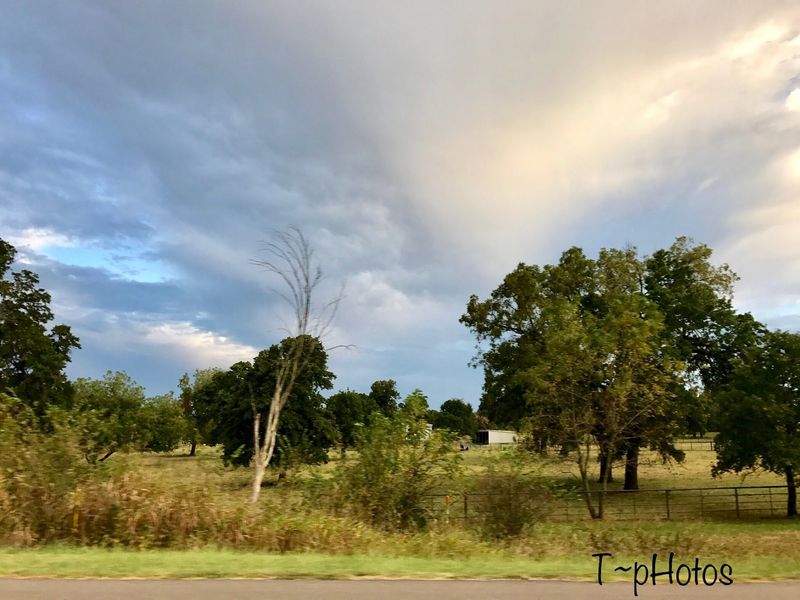
North of Pawhuska the pavement gives way to gravel and the land opens into something most Americans have never seen. The Tallgrass Prairie Preserve protects a huge remnant of the grassland that once covered the middle of the continent, and a free-roaming bison herd lives on it.
Driving the gravel loop is the main event. Bison often graze near the road, and the rule of thumb is simple, stay in the vehicle and give them plenty of room.
Spring brings wildflowers and green so bright it looks edited. By late summer the big bluestem stands tall enough to brush a truck mirror, and autumn turns the hills copper and rust.
Access is generally free, with a visitor area, interpretive signs, and short walking trails. Amenities are limited, so fill the tank, pack water, and expect no cell service in spots.
Kids tend to love it, mostly because spotting a bison from the back seat beats any screen. Allow at least an hour for the drive, longer if you stop often, which you will.
Museum Time in Pawhuska
Rain in the forecast? The indoor stops here carry real weight.
The Osage Nation Museum in Pawhuska is among the oldest tribally owned museums in the country, and its collections cover regalia, beadwork, paintings, photographs, and community history told from the inside out.
Exhibits rotate, so a return trip rarely feels repetitive. Staff are generally happy to answer questions, and that conversation is often the most memorable part of the visit.
Admission is typically modest or donation based, which fits the county’s overall budget-friendly feel. Hours can shift with staffing, holidays, and tribal events, so a quick phone call before you drive out is a smart habit.
Other small collections and historical markers are scattered through the county, covering ranching, oil, railroads, and the early scouting movement. None of them take long, and together they build a surprisingly complete picture.
Plan an hour minimum for the museum and consider pairing it with lunch downtown. For families, the photographs and clothing displays hold attention better than long text panels, so let the kids lead the pace.
Diner Counters and Storefront Shopping
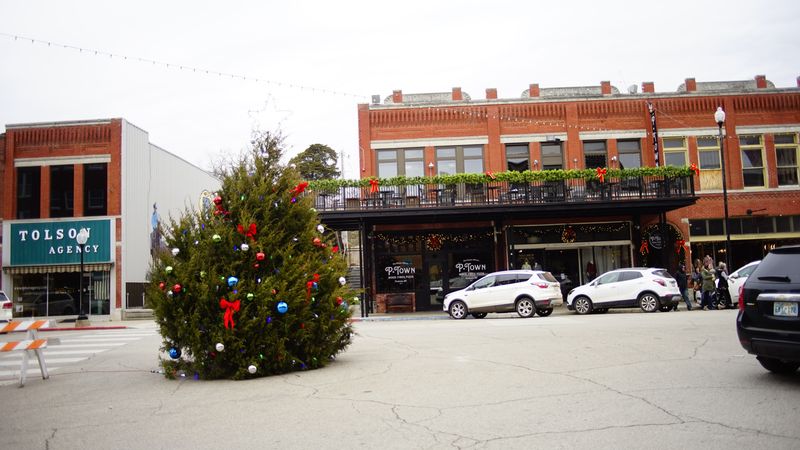
Hunger is a legitimate reason to visit. Downtown Pawhuska has built a small reputation for bakery cases, coffee, and sit-down comfort food, helped along by the popularity of a well-known ranch family’s mercantile and bakery on the main drag.
Expect the classics rather than anything fussy. Chicken fried steak, burgers, biscuits, pie, and cinnamon rolls the size of a saucer show up across the county’s cafes.
Shopping runs to boots, home goods, western wear, antiques, and gift shops tucked into restored storefronts. Prices lean reasonable, and the checkout conversation usually comes free.
Timing matters more than you would think. Weekend mornings can bring real crowds to the most popular spots, while smaller cafes in Hominy or Fairfax close early or shut down between the lunch and supper rush.
My honest advice is to eat before noon and shop after. That way you avoid the line, get the fresh bakery selection, and still have daylight left for the prairie drive.
Hours change seasonally, so a quick look at a business page or a phone call saves disappointment.
Backroads, Osage Hills, and Scenic Pull-Offs
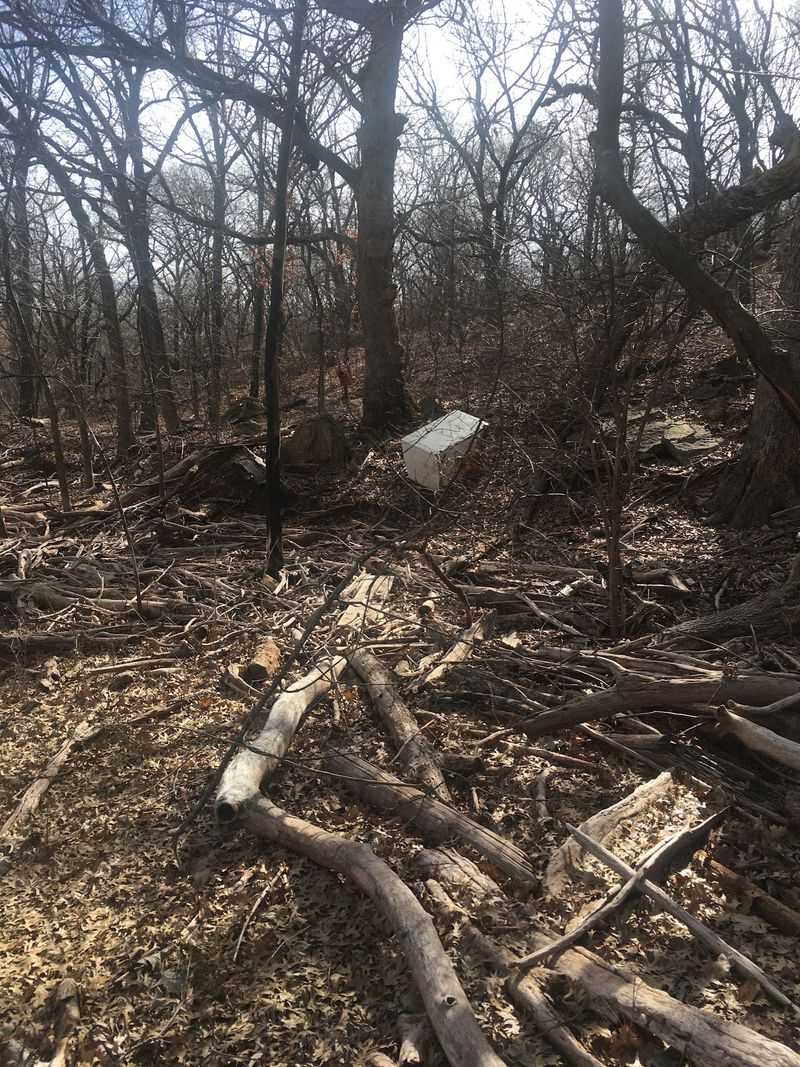
Some of the best hours in this county cost nothing but fuel. The eastern edge rolls into blackjack oak woods and creek canyons, and Osage Hills State Park near the Washington County line offers hiking, fishing, camping, and old stonework built during the Depression era.
Day use at Oklahoma state parks is generally free, with fees only for camping or cabins. That makes a picnic and a two-mile trail one of the cheapest outings in the region.
Elsewhere, the reward is simply the drive. Lake Skiatook and Lake Hulah bring water views, and county roads thread between ranch gates, prairie chicken country, and hilltops perfect for a sunset stop.
Gravel is common and washboard sections are real, so take it slow and keep an eye out for cattle and deer. Rain can make low crossings unpleasant.
Download your maps ahead of time. Service drops off quickly once you leave the highways, and half the fun is not knowing exactly what is over the next rise anyway.
Drive Times, Seasons, and Practical Planning
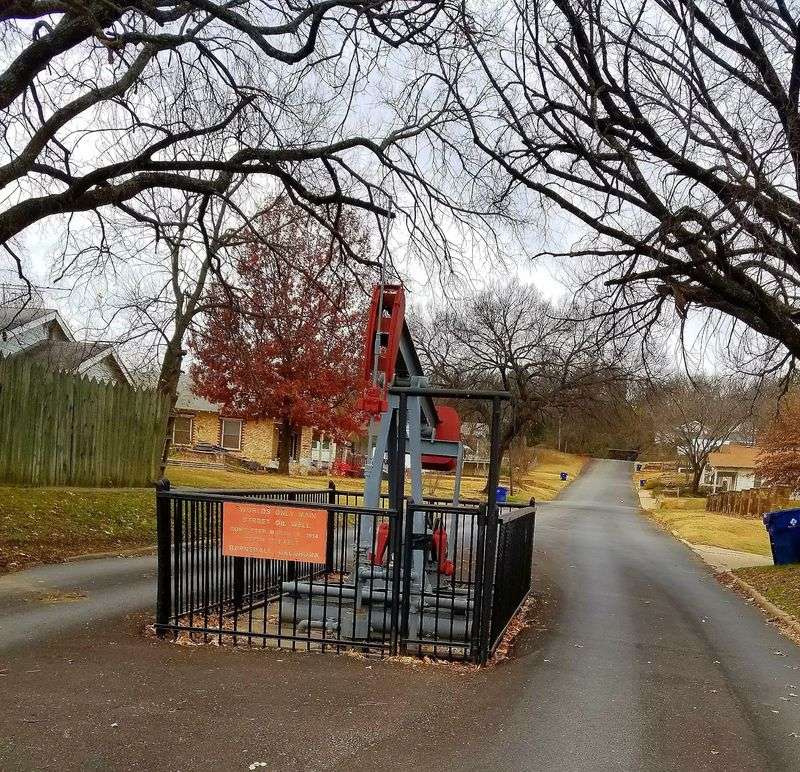
Geography works in your favor if you live in the eastern half of the state. Pawhuska sits roughly an hour northwest of Tulsa and around two hours from Oklahoma City, which puts a full day trip well within reach for most families.
Bartlesville is the closest city with a wide range of lodging, about forty minutes east. Options inside the county are limited, so book ahead if you want to stay overnight.
Seasons matter here more than in most places. Spring delivers wildflowers and storm season, summer brings heat and relentless wind, and fall gives you the prairie in full color with the most comfortable walking weather of the year.
Winter is quiet and often beautiful, though small-town hours shrink and some attractions reduce their schedules. Ice on gravel roads is worth respecting.
Budget wise, this is an inexpensive trip. Free prairie access, free state park day use, small museum admission, and a diner lunch mean a family can fill a day for the cost of gas and a meal.
Why This Corner Still Earns the Gas Money
Verdicts are easy when a place is honest about itself. Osage County does not dress up its history or charge much to show it to you, and that lack of polish is precisely the appeal.
You get the largest county in Oklahoma, a main street built by a boom that came and went, a tribal nation whose homeland this remains, and one of the last great stands of tallgrass prairie in North America. Not bad for an afternoon’s drive.
It suits history buffs, photographers, grandparents showing grandkids what open country looks like, and anyone who would rather eat pie at a counter than wait for a table at a chain.
What it does not offer is nightlife, shopping malls, or a tidy itinerary. Bring patience for small-town hours and flexibility for weather.
My suggestion is straightforward, go early, walk the brick street before the crowds, eat well, then let the gravel roads carry you into the grass until the sun drops. That combination tends to stick with people long after the trip ends.
