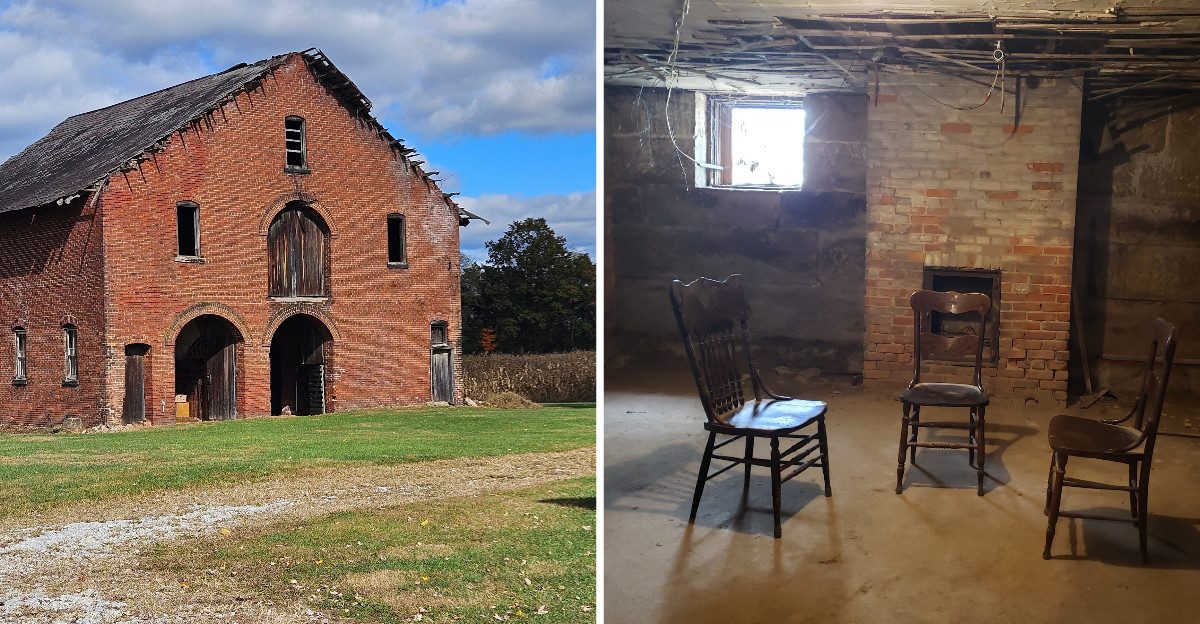
Ohio has no shortage of old houses with complicated histories, but this one carries stories far heavier than its brick walls suggest. I came expecting a grand nineteenth-century mansion and quickly realized the architecture was only the beginning.
Behind those tall windows are rooms connected to abolition, survival, changing fortunes, and decades when the building itself came dangerously close to disappearing. Walking through the hallways, it is easy to imagine how different this place must have felt when travelers arrived quietly, hoping to continue north without being discovered.
Later generations brought entirely different chapters, including fire, abandonment, vandalism, restoration, and stories of unexplained activity that still attract curious visitors. Somehow, the mansion endured all of it.
That persistence is what stayed with me most. Ohio nearly lost this remarkable piece of its past, yet today its doors still open to visitors willing to listen closely.
A Virginia-Born Abolitionist With a Big Plan
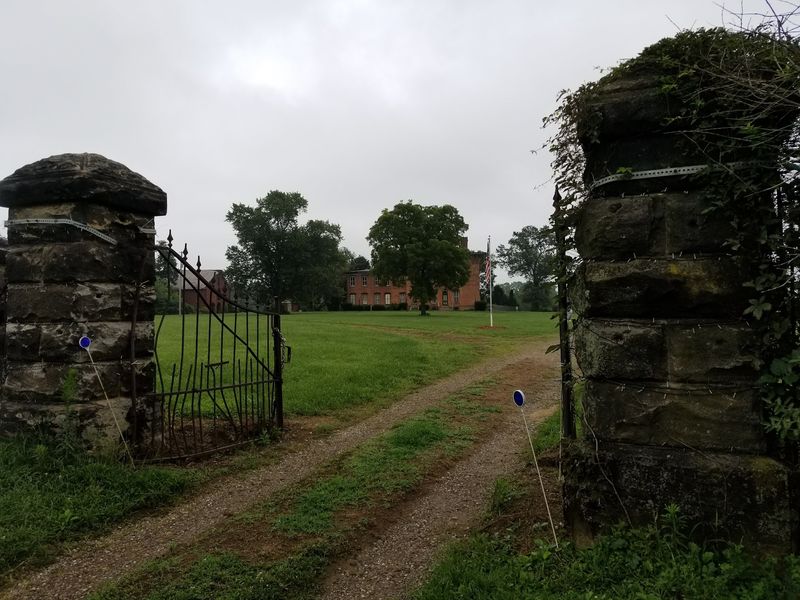
Honestly, the story of Prospect Place starts long before the first brick was laid. George Willison Adams was born in Virginia in 1799, into a family that owned a plantation and enslaved people.
In 1808, the family moved to southeastern Ohio and freed those they had enslaved, a choice that shaped young George for life.
Years later, Adams inherited his father’s estate. Instead of keeping the plantation, he sold it and personally freed the enslaved individuals still tied to it.
I kept thinking about how rare and bold that decision was in his time.
Adams grew into a serious businessman and a strong voice against slavery. He also left a big mark on Ohio, serving as president of the Steubenville and Indiana Railroad, directing construction of the Cincinnati and Muskingum Valley Railroad, and spending a term in the Ohio Legislature.
Knowing all this before your visit changes how the house feels. The tall windows and high ceilings stop being just pretty features and start looking like the home of someone who used his wealth for something bigger.
He lived there until his passing in 1879, right inside the mansion he built.
Read up on Adams before you go, since a little background makes the tour stick.
Flour, Riverboats, and a Dangerous Secret
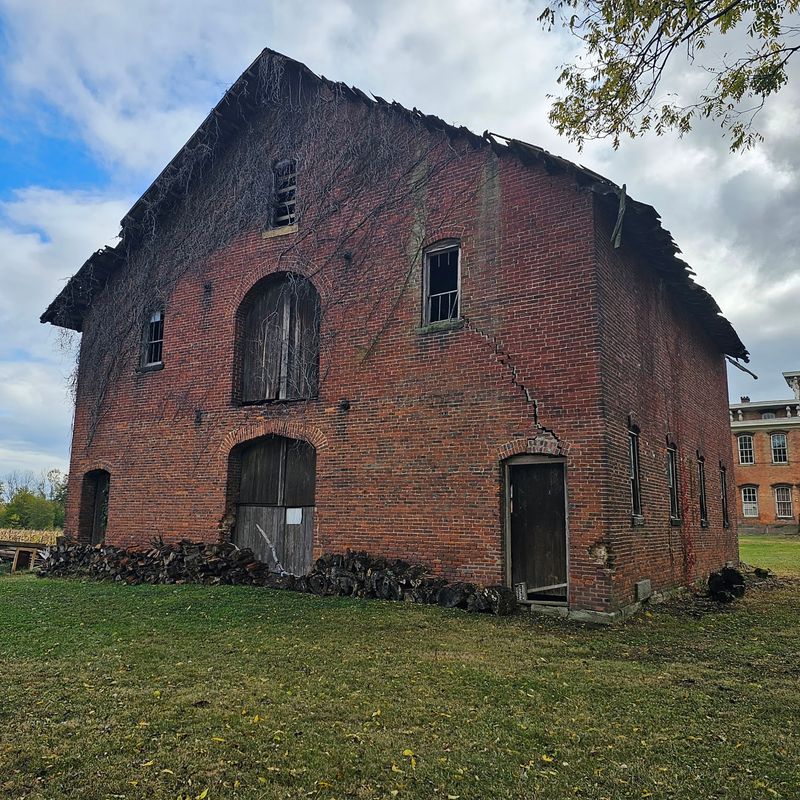
Picture a busy flouring mill in Dresden, Ohio, with barrels stacked high and boats heading down to New Orleans. That was the Adams family business, run by George and his brother Edward.
It also happened to be the perfect cover for one of the region’s most extensive Underground Railroad operations.
On the return trips north, freedom seekers were hidden beneath the decks of the Adams boats. They traveled in cramped, dark spaces, trusting strangers with their lives.
I tried to imagine that kind of courage and came up short.
By the mid-1850s, the risks were growing. Adams moved the secret operation to his new mansion, partly to protect his business and partly to make the work safer.
A big private home on a hill offered more control than a busy mill ever could.
Hundreds of people seeking freedom are believed to have passed through Prospect Place during the 1850s and 1860s. That is why the home now appears on the Ohio Underground Railroad Association’s list of sites and on the National Register of Historic Places.
While you tour, pause at a window and look out toward the river valley. It helps you understand how important this spot was as a stepping stone on the road north.
The Fire That Couldn’t Stop It
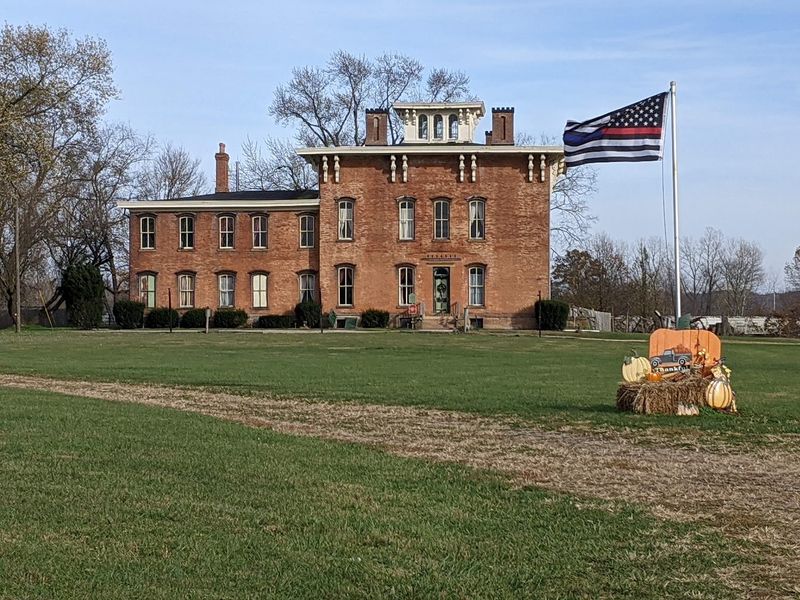
Here’s a twist I didn’t see coming. Shortly after the first version of the mansion was finished in 1856, an arson-related fire destroyed it.
Plenty of people would have given up right there. Adams did the opposite and rebuilt the house right away on the very same foundation.
This time, he added some clever fire-stopping features that were far ahead of their era.
The interior walls were made of solid brick instead of wood framing. Between the floors, builders spread a thick layer of mortar about two inches deep.
If a fire started in one room, it would have a much harder time spreading through the rest of the house.
When I learned this, the thick walls suddenly made sense. You can almost feel how solid they are when you rest a hand against them.
They keep the rooms feeling cool and quiet, too.
The fire adds a layer of mystery to the story. Nobody can say for sure who set it, but helping freedom seekers was dangerous work in the 1850s.
It is hard not to think about that while you study the sturdy brick.
Keep an eye out for signs of the rebuild as you move from room to room. The house is a lesson in stubborn determination.
Hot Water, Cool Air, and Other 1850s Surprises
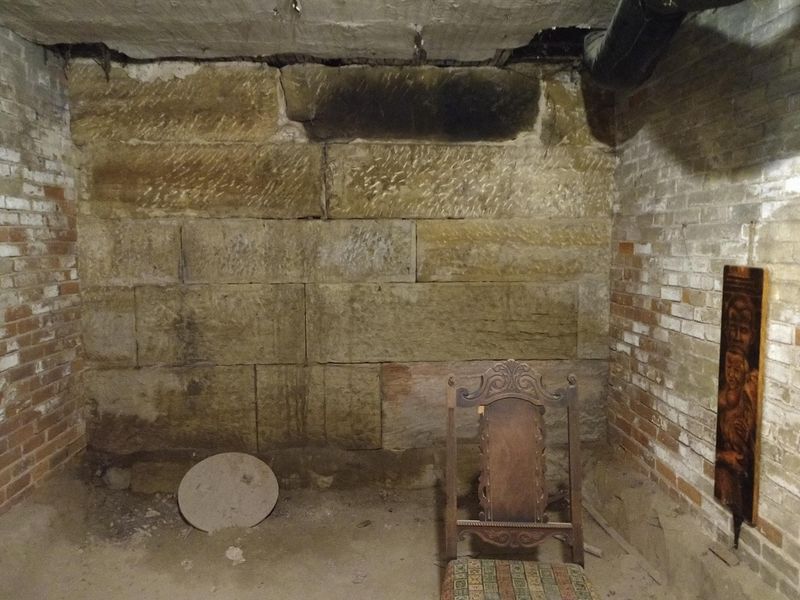
You might expect a house from the 1850s to feel pretty rough by modern standards. Prospect Place flips that idea on its head.
It was packed with inventions that would have amazed most visitors back then.
Start with the plumbing. The mansion had indoor plumbing with both hot and cold running water, which was almost unheard of at the time.
A copper tank cistern on the second floor stored the water, and coal stoves helped heat it.
Then there is the food storage. The house included its own refrigeration system to keep food fresh, long before electric fridges existed.
I laughed a little thinking about how much easier that must have made summer meals.
My favorite detail is the early form of air conditioning. During hot months, cool air from the basement was channeled up through ducts in the walls and into the living spaces.
It was simple, smart, and surprisingly effective.
All of this tells you a lot about Adams. He was a railroad man who liked new ideas and practical solutions, and his home reflects that mindset.
Ask your guide to point out where the ducts and water systems once worked. Seeing the real spots makes it easier to picture daily life in this clever, comfortable home.
The Parlor Where Plans Were Made
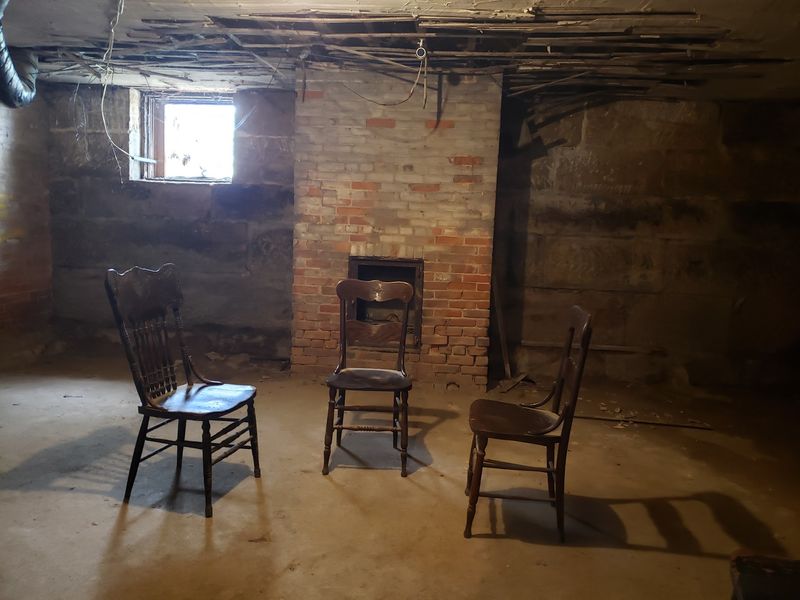
Every old house with a secret past seems to come with tunnel rumors, and Prospect Place is no exception. Local lore has long claimed that hidden passages ran beneath the property.
It is a fun idea, and I will admit I was hoping to find one.
The truth is a little different. Restoration work at the mansion has not uncovered any underground tunnels.
That actually makes the real story more interesting, because it means the work happened in plain sight.
Abolitionist meetings most likely took place in the gentlemen’s parlor. Imagine a room that looked ordinary to any visitor, with polite conversation and comfortable chairs.
Behind that calm surface, people may have been planning safe routes for freedom seekers.
I found myself lingering in that room longer than any other. There is something powerful about being in a space where brave decisions may have been made quietly, one careful plan at a time.
Hiding people did not always need secret doors or tunnels. It often depended on trust, silence, and families willing to take big risks.
Prospect Place reminds visitors that bravery can look very ordinary from the outside.
Bring your questions about the tunnel stories. The guides are happy to explain what has been found and what is still just legend.
From Near Ruin to a Second Chance
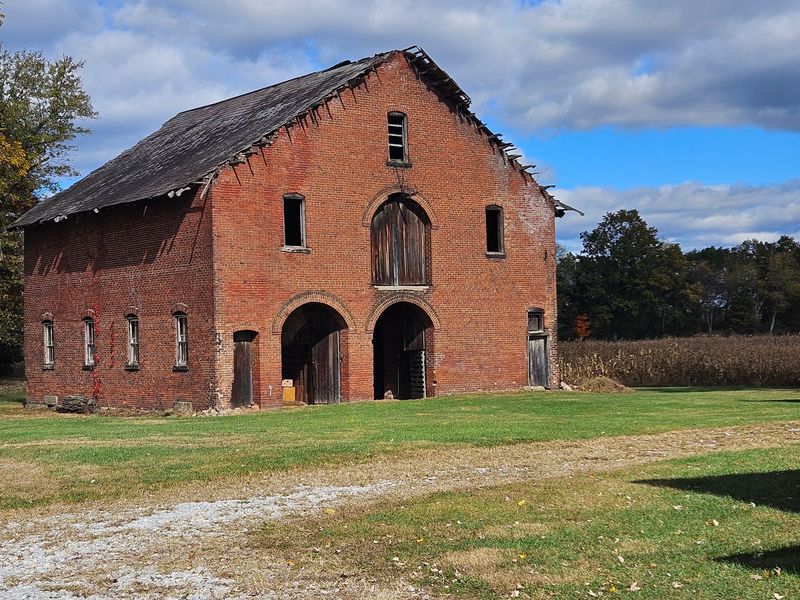
After George W. Adams passed away in 1879, the mansion stayed in his family for several generations.
Then, in 1969, the house and its land changed hands.
Eugene Cox bought the property, and his gravel mining company worked the surrounding 275 acres. Sadly, the mansion itself was not well cared for during this time.
Years of neglect, missing maintenance, and heavy vandalism left it battered and broken.
By 1988, things looked grim. The historic home was scheduled for demolition, and it seemed like this chapter of Ohio history might simply disappear.
I felt a little chill reading that part.
Local businessman Dave Longaberger stepped in and bought the house to save it. He put on a new roof and improved security, with plans to restore it as the headquarters for the Longaberger Basket Company.
Those plans changed when the headquarters ended up somewhere else, and restoration was put on hold.
Even so, the company kept up security until 2001, which helped protect the building. Scars from the hard years are still visible in spots, and I think they make the visit more honest.
Look closely at the walls and floors as you explore. Each patch and repair shows how close this place came to vanishing.
Planning Your Visit to Prospect Place Today
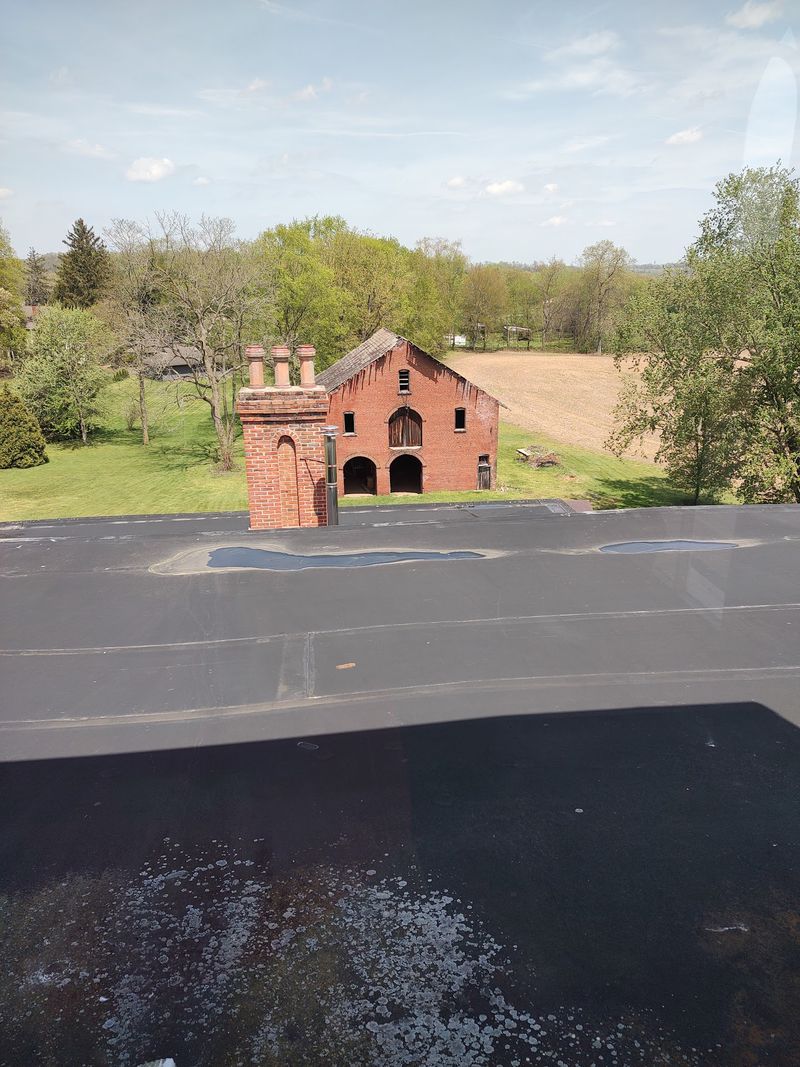
Visiting is easier than you might think, and the people who run the place clearly love sharing it. Since the early 2000s, the non-profit G.
W. Adams Educational Center has cared for the mansion.
It was founded by Dr. Felix Spector and George Jeffrey Adams, a descendant of G. W.
Adams.
The center works on restoring the house and teaching visitors about Adams and the Underground Railroad. Tours of the mansion and grounds run on weekends from March through November, usually between noon and 4 PM.
Checking the official website before you go is a smart move, since schedules can shift.
Wear comfortable shoes. The mansion is not ADA-compliant, so expect plenty of stairs as you move between floors.
Prospect Place has also earned a reputation as one of Ohio’s most talked-about spots for paranormal activity. The center offers ghost tours and private investigations, and those events help fund the ongoing restoration.
Whether or not you believe in ghosts, the old rooms have a mood you won’t forget.
I suggest giving yourself time to wander the grounds after your tour. The quiet hillside setting just north of Dresden is a lovely spot to sit and think about everyone who passed through here.
Address: 12150 Main Street, Trinway, OH 43842
