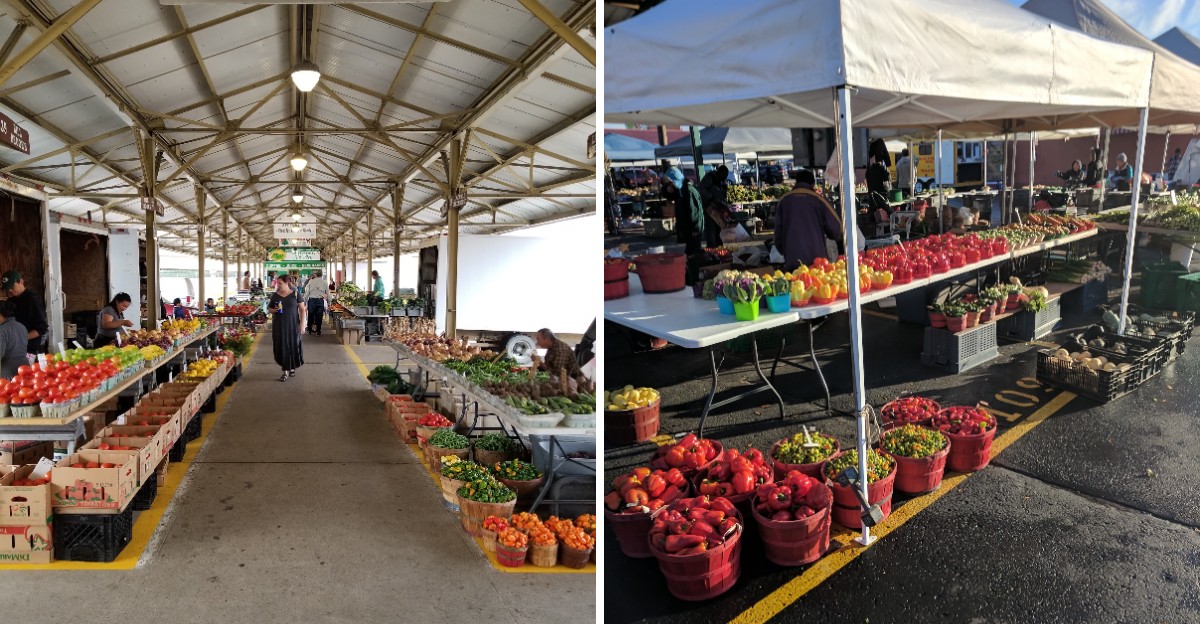
Saturday mornings pull the same crowd back here week after week, enthusiasm somehow never fading no matter how many times they’ve already visited.
Stalls stretch out far enough that covering everything in one trip barely feels realistic, produce piled high beside baked goods and specialty items rotating with whatever’s actually in season. Vendors recognize regulars by name too, relationships built slowly through repeat visits.
Keeping energy this consistent takes more than fresh produce alone showing up each week. Something about the atmosphere itself keeps pulling people back, turning a routine errand into something closer to a weekly ritual in Minnesota.
Few markets generate buzz this reliably. Minnesota shoppers keep proving that a farmers market can become a weekly habit rather than just an occasional stop.
Rows of Covered Stalls That Seem to Go On Forever
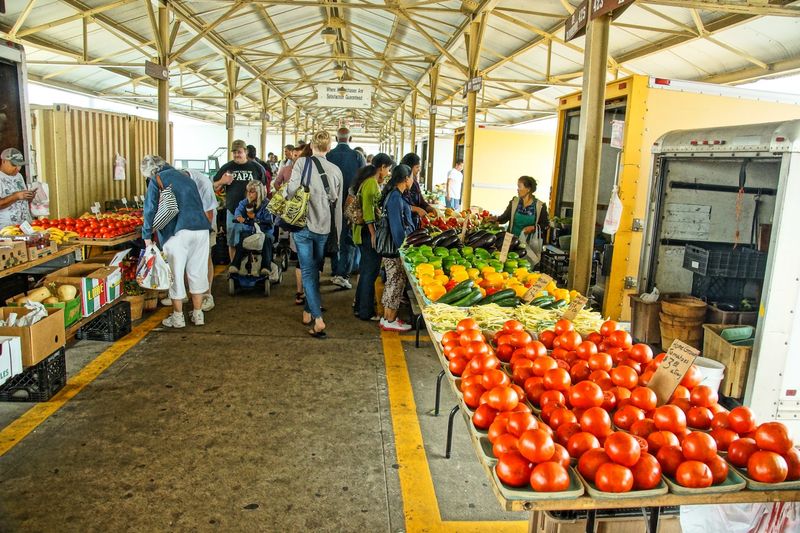
Nothing quite prepares a first-timer for the sheer length of the aisles. Covered canopies run in long parallel rows, and each one is packed with tables of produce that changes with the season.
Early summer brings rhubarb, strawberries and leafy greens. By August the tables sag under sweet corn, tomatoes, cucumbers and peppers in every shade. Fall shifts things toward squash, apples and root vegetables stacked in crates.
Give yourself more time than planned. Shoppers regularly spend two or three hours wandering up and down without feeling rushed, and there is always one more row you missed.
A tip worth remembering is to walk the full length once before buying anything. Prices and quality vary from stall to stall, and the vendor at the far end might have exactly what the first one ran out of.
Bring a sturdy tote or two. Paper bags get heavy fast, especially once melons and potatoes enter the picture, and nobody wants a bag blowout in the parking lot.
Flower Bouquets That Steal the Show
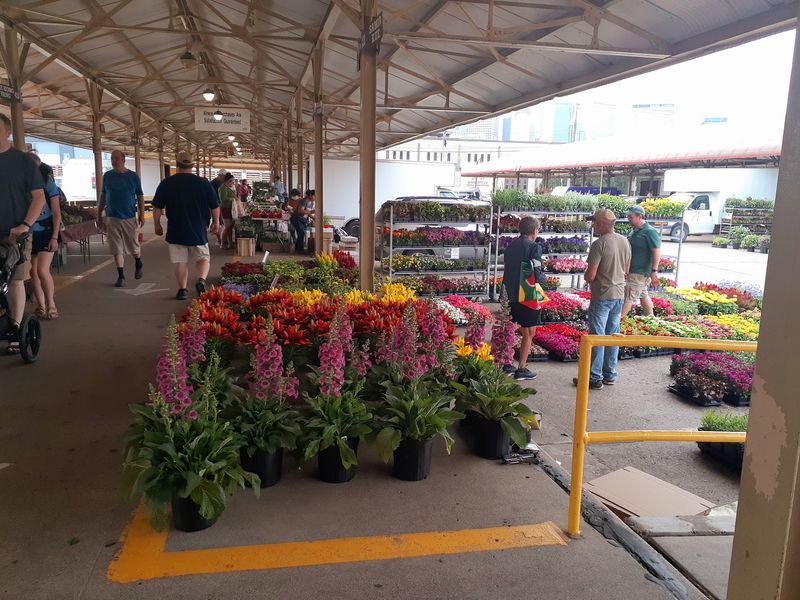
Ask anyone what they remember most and the flowers usually come up first. Buckets of sunflowers, zinnias, dahlias and snapdragons line entire stretches of the market, turning gray canopy shade into something closer to a paint palette.
Bouquets get wrapped in paper while customers wait, and vendors often mix stems to order. Some stalls let shoppers build their own arrangement, pulling one bloom at a time until the bunch feels right.
Peak flower season runs roughly from midsummer into early fall, when dahlias hit their stride and sunflowers reach almost comic proportions.
Practical advice from people who shop here often: buy flowers last. Carrying a bouquet through crowded aisles for an hour leaves it looking tired, and stems bruise easily against bags of vegetables.
Keep a water bottle in the car. A quick splash into the wrapping helps blooms survive the drive home on a hot morning, and they will hold up for days afterward on a kitchen table.
Breakfast Cooked Right There in the Aisles
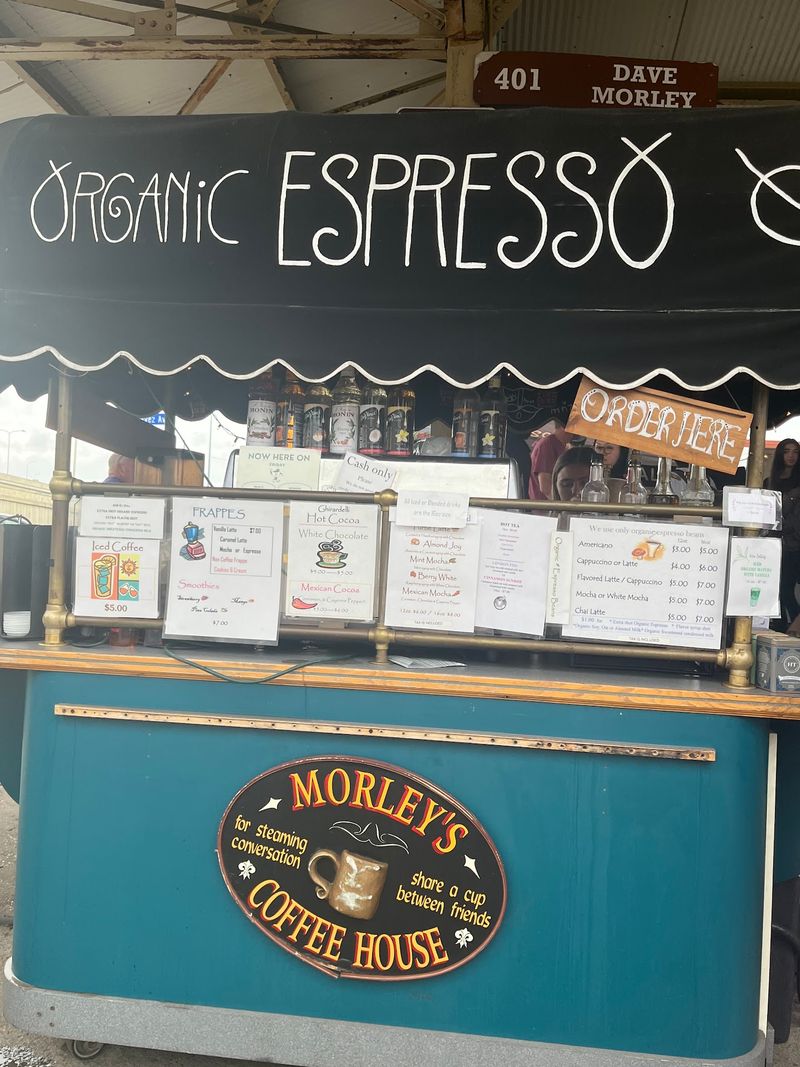
Skipping breakfast before arriving turns out to be the smartest possible move. Hot food vendors are tucked between produce tables, and the smell of eggs on a griddle travels a long way in cool morning air.
Breakfast sandwiches, burritos and fresh crepes are common sights. Mini donuts come out warm in paper bags, and there is usually a line worth joining. Coffee carts handle the rest. Several are family-run operations, and the iced mocha crowd tends to form early.
Eating here is a stand-up affair for the most part. Seating exists but stays limited, so many people lean against a rail or find a patch of curb and make it work. Timing matters. Breakfast items sell steadily from opening onward, and some vendors shift toward lunch fare by late morning.
Arriving before nine means shorter lines, warmer food and a far better shot at grabbing one of those scarce seats near the music.
Live Music Drifting Between the Tables
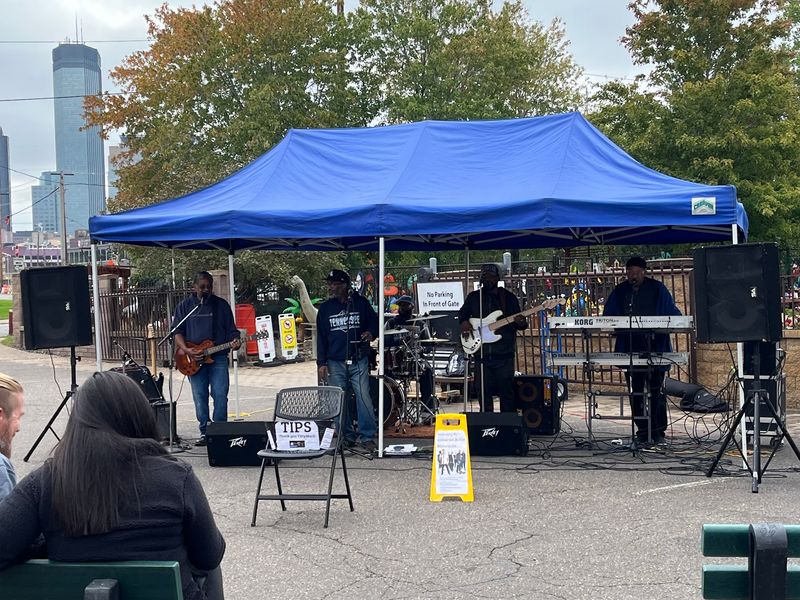
Somewhere around mid-morning, guitar chords start competing with the general chatter. Live performers set up within the market on many weekend days, and the sound carries surprisingly well under the canopies.
Styles shift from one visit to the next. Acoustic sets, folk, jazz trios and the occasional surprise act all make appearances, which keeps regulars curious about who they will stumble onto.
Nobody charges admission to listen. Shoppers slow down, a few stop entirely, and kids usually end up dancing without anyone asking them to.
Music tends to be strongest on Saturdays and Sundays, when vendor numbers peak and the crowd is at its liveliest. Weekday mornings run quieter, which suits people who prefer a calmer shop.
Finding a spot near the performers works best if there is food involved. Grab something warm, claim a bit of bench or curb, and let the market move around for a while. Those twenty minutes often end up being the most memorable part.
Minnesota Grown Meats, Cheese and Pantry Goods
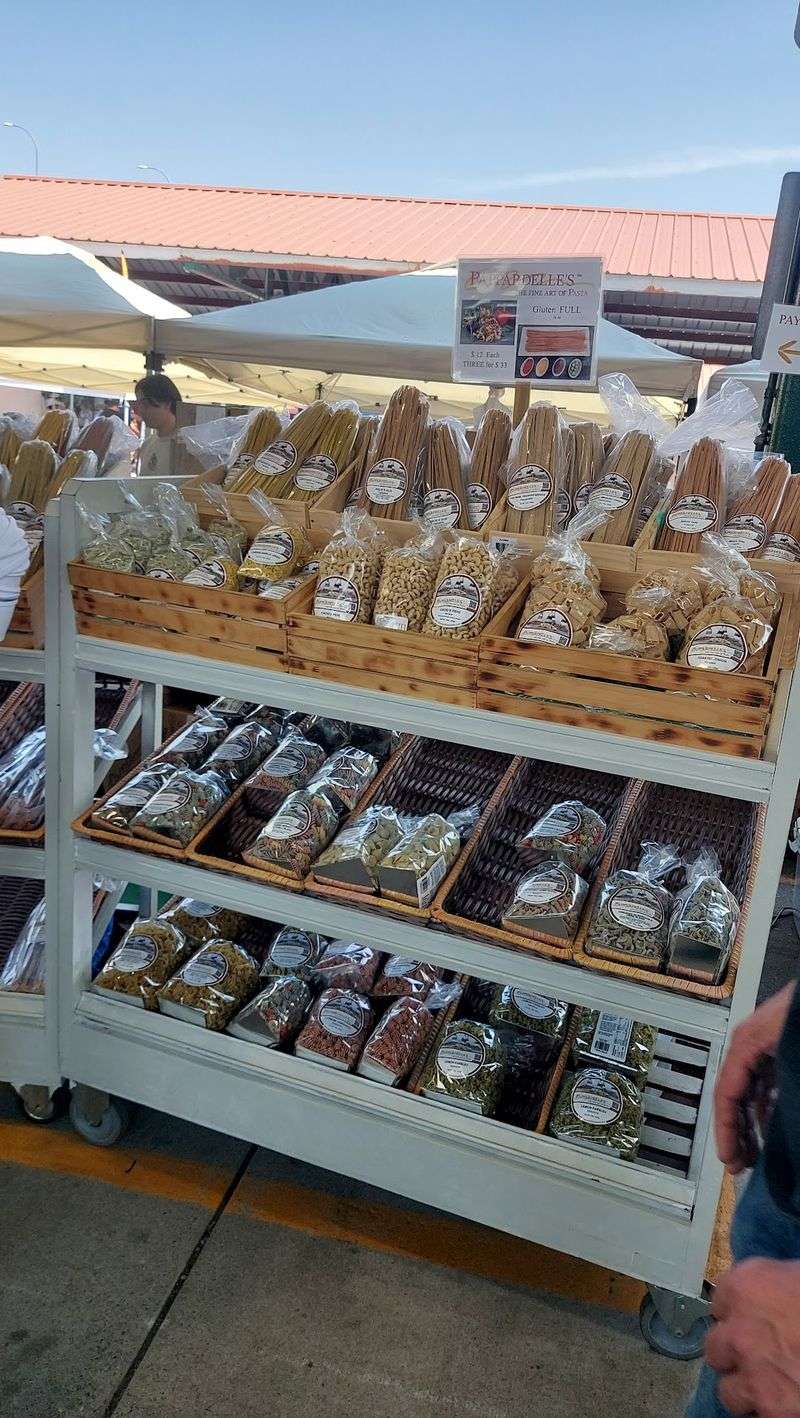
Beyond the vegetable tables sits a whole other category of shopping. Coolers hold frozen poultry, pork cuts and sausages from family farms, while nearby stalls stack jars of pickles, jams, jellies and hot sauce.
Cheese curds show up frequently, sometimes fresh from associated dairy farms and sometimes battered and fried on the spot. Both versions have loyal fans.
Samples are part of the culture here. Pickle vendors in particular seem happy to hand over a taste before anyone commits to a jar.
Shoppers stocking up for canning season often buy in bulk quantities, which the produce vendors are set up to handle. Ask directly and many will offer a case rather than a handful.
Bring a cooler bag if meat or dairy is on the list. Summer mornings warm up quickly, and a fifteen-minute drive home feels a lot longer when there is a package of sausage riding in a sunny back seat. Small step, big difference.
Handmade Crafts, Jewelry and Unexpected Finds
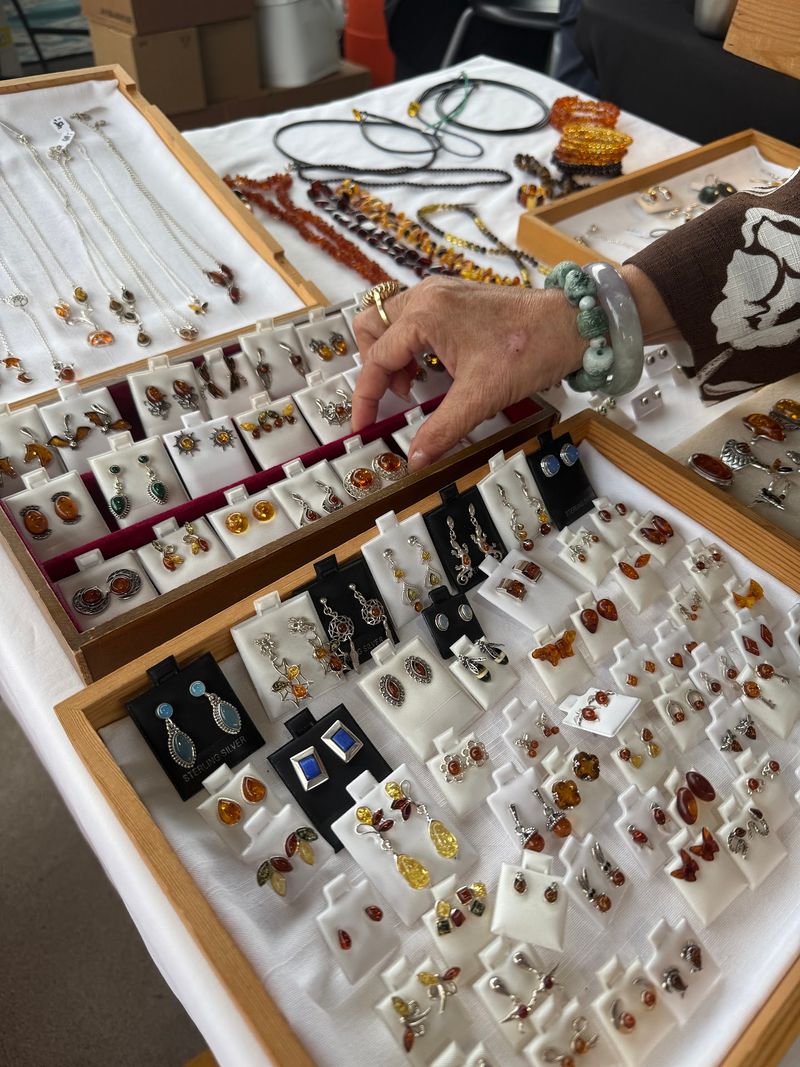
Plenty of visitors arrive for vegetables and leave with earrings. Craft booths thread through the market, offering handmade jewelry, pottery, soaps, candles and clothing alongside the produce.
Artisans usually stand behind their own tables, which makes conversation easy. Ask about a piece and the story behind it tends to come out naturally.
Pottery mugs, hand-poured soaps and screen-printed shirts are common, but the inventory shifts constantly. Regulars say the fun is in not knowing what will turn up.
Gift shoppers do well here, especially heading into the holidays when the craft side of the market gets more attention. Picking up something locally made beats a mall run any day.
Weekends bring the largest number of these vendors. Weekdays lean more heavily toward food and plants, so anyone hunting for handmade items should aim for Saturday or Sunday. Some smaller craft sellers are set up for cards, but not all, and a few dollars in pocket saves an awkward moment.
Getting There Early Is the Whole Strategy
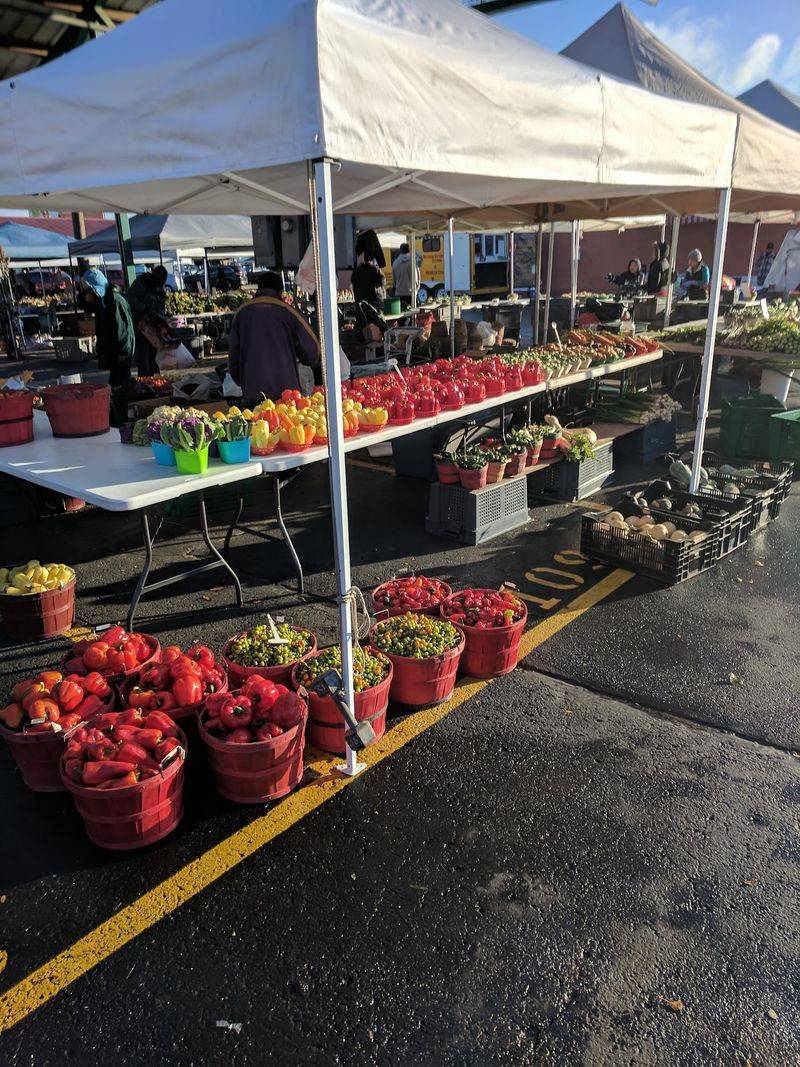
Regulars talk about arrival time the way runners talk about pace. Weekend hours begin at 6 AM, and the market fills noticeably by around 8:30. Showing up in that first stretch means cooler air, fuller tables and a genuine chance to chat with vendors who are not yet juggling five customers.
Weekdays offer a different rhythm entirely. Wednesday through Friday mornings run quieter, with fewer vendors but far more elbow room.
The flip side is that the best items disappear. Popular produce, specialty flowers and small-batch goods often sell out well before closing, so anyone arriving near noon is shopping the leftovers. Closing time lands at 1 PM across all open days, and Mondays and Tuesdays are dark.
Dress in layers. Minnesota mornings can start genuinely chilly even in July, and by the time shopping wraps up the sun is usually doing its best to undo that. A light jacket that folds into a bag handles both.
Parking Under the Highway and Other Realities
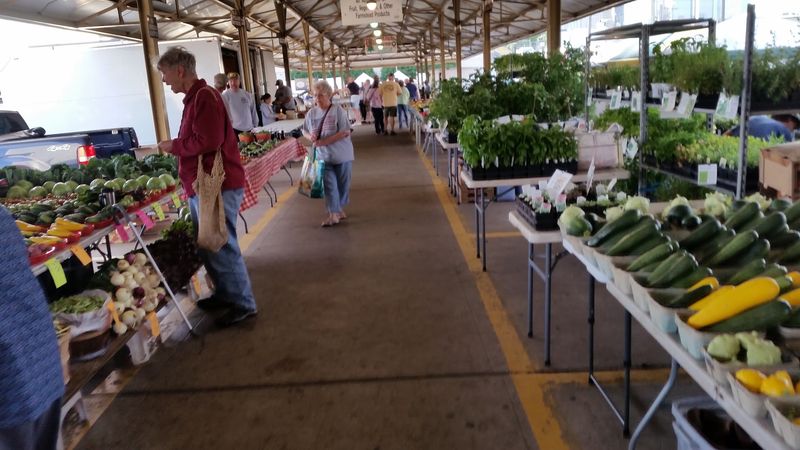
Every honest conversation about this market eventually turns to parking. Free lots sit near the stalls, including space beneath the nearby highway, and they fill fast on weekend mornings.
Patience is the main tool. Circling for a few minutes is normal, and drivers who arrive before eight generally avoid the worst of it. Paid street parking exists on surrounding blocks as a backup, and construction in the area occasionally shifts the usual routes.
Cyclists have an easier time overall, though bike parking on site is modest. Locking up nearby works fine for most people. The walk from any lot is short, which softens the frustration considerably once the smell of the market takes over.
One more thing worth knowing before setting out: dogs are not allowed inside the market area, so leave the four-legged companion at home. It catches a lot of first-time visitors off guard, and turning around in the lot is nobody’s favorite start to a morning.
A Century of Market Mornings
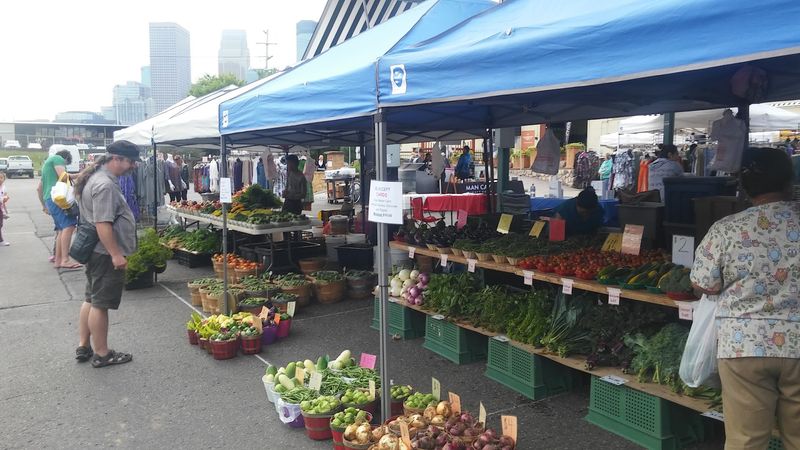
Few city institutions last a hundred years, but this one has. The market has operated for well over a century, connecting growers from surrounding farms directly with shoppers in the heart of Minneapolis.
Generations of families have worked the same stalls, and that continuity shows in how comfortably vendors and regular customers interact. Located just northwest of downtown, the site sits close enough to the skyline that the city is always visible over the canopy roofs.
What keeps it going is simple. People want food that traveled a short distance, and they like knowing who grew it.
A worthwhile habit is checking signage at each stall. Many vendors clearly mark Minnesota grown items, and asking where something was raised is completely normal and welcomed.
Supporting growers directly is part of the appeal. Money spent here largely stays with regional farms, which is a quietly satisfying thought while carrying home a bag of tomatoes picked the day before.
Planning the Perfect Market Morning
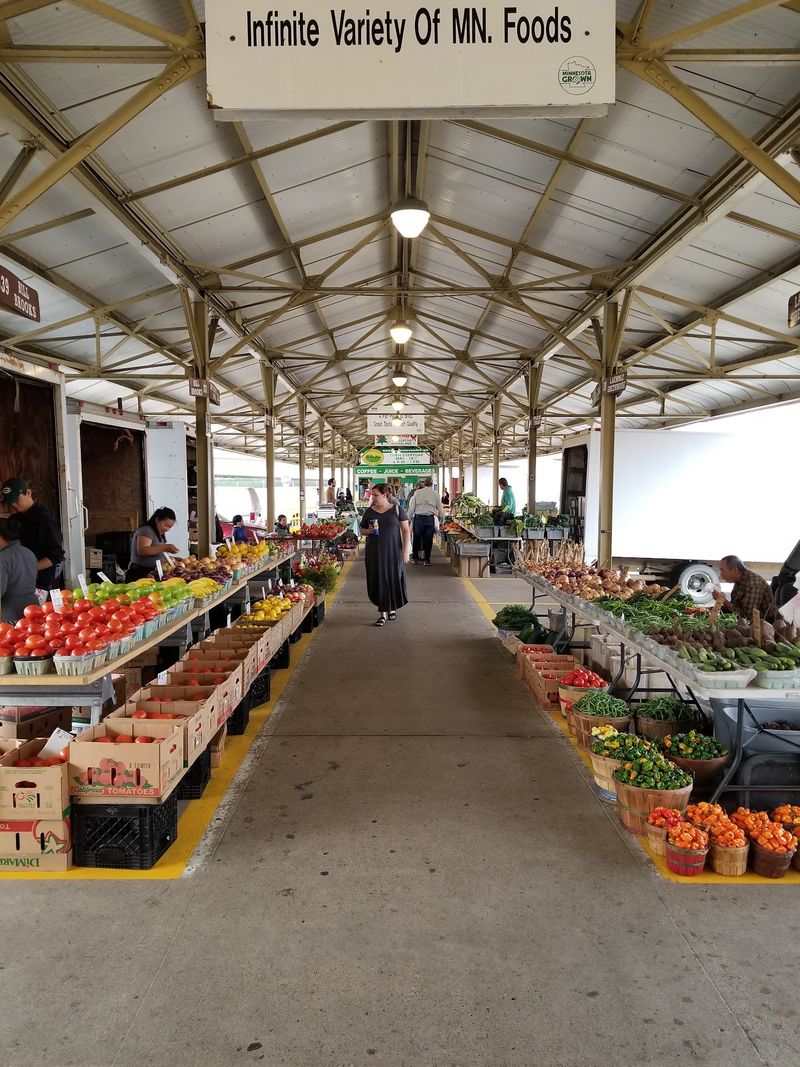
A good visit here follows a loose plan rather than a strict list. Eat first, walk the full market once, then double back for whatever stuck in your mind.
Cash remains useful since not every vendor takes cards, and EBT SNAP is accepted at the market. Restrooms are available on site, which matters on longer visits. Bring reusable bags, a cooler for perishables and comfortable shoes. Three hours of concrete adds up.
Plan around the seasons too. Spring means plant starts and bedding flowers, midsummer delivers berries and corn, and autumn fills the tables with squash and apples.
Find it at 312 East Lyndale Ave N, Minneapolis, MN 55405, open Wednesday through Friday from 7 AM to 1 PM and weekends from 6 AM to 1 PM. Go once and the weekly habit forms itself.
