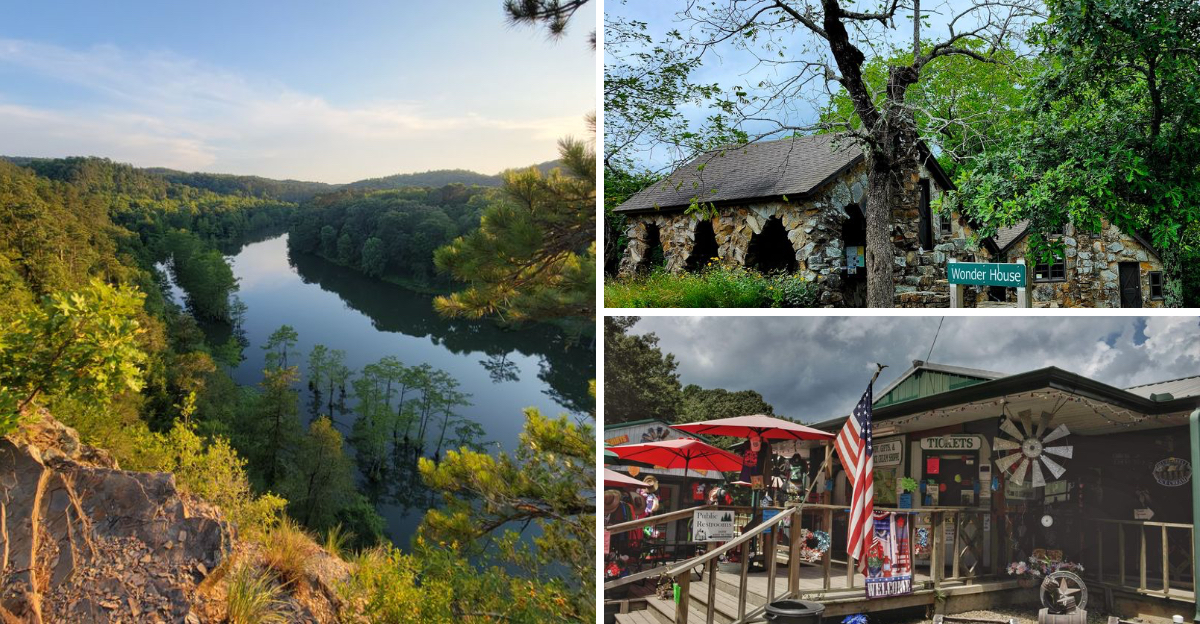
Oklahoma stretches across landscapes so varied that a single drive can transport you through multiple worlds without ever crossing a state line. Rolling prairies give way to rugged mountains, red rock canyons fade into lush forests, and wide-open plains suddenly transform into scenic lakeshores.
This diversity creates a road trip experience that feels less like exploring one state and more like journeying through an entire region.
The Talimena Scenic Drive stands as Oklahoma’s crown jewel for those seeking this kind of transformative travel. Winding along mountain ridges and through dense woodlands, this route delivers panoramas that rival anything found in more famous destinations.
Each curve reveals something unexpected, whether it’s a valley blanketed in autumn color or a vista stretching fifty miles into the distance.
What makes this drive truly special is how it showcases Oklahoma’s hidden character. Beyond the stereotypes of flat grasslands, travelers discover terrain that surprises and captivates at every turn.
From historic towns nestled in valleys to overlooks perched high above forested slopes, the journey proves that some of the country’s most dramatic scenery hides in the least expected places.
1. Talimena Scenic Drive
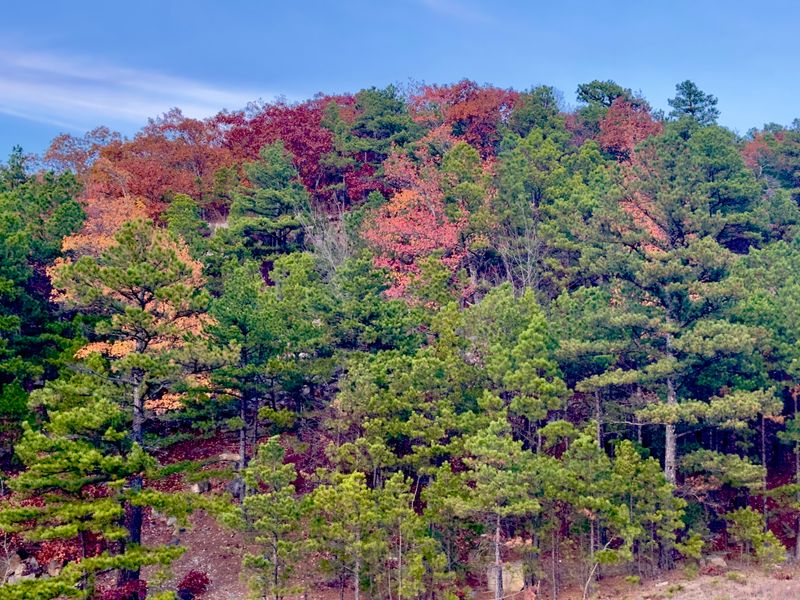
Stretching 54 miles along the crest of the Ouachita Mountains, this designated National Scenic Byway delivers one of America’s most underrated road trip experiences. The route follows a ridgeline path that keeps drivers elevated above the surrounding landscape, offering constant views that shift with every season.
Spring brings wildflower explosions across the hillsides, while autumn transforms the forests into a patchwork of crimson, gold, and amber that rivals New England’s famous foliage.
The road itself curves gently through terrain that feels more Appalachian than plains-state, with dense hardwood forests pressing close to the pavement before opening suddenly to reveal sweeping vistas. Numerous pullouts allow travelers to stop and absorb the scenery without rushing, and many of these overlooks feature interpretive signs explaining the geology and ecology of the region.
Early morning drives often place you above low-lying fog banks that fill the valleys, creating an ethereal effect as sunlight breaks through.
Wildlife sightings are common along this stretch, with white-tailed deer frequently crossing the road at dawn and dusk. Black bears also inhabit these mountains, though they’re typically spotted from a distance.
The byway connects several state parks and recreation areas, making it easy to extend your journey with hiking or camping stops. Whether you’re seeking photography opportunities, a peaceful drive, or simply a chance to see Oklahoma from a completely different perspective, this route delivers an experience that challenges every preconception about the state’s landscape.
2. Queen Wilhelmina State Park
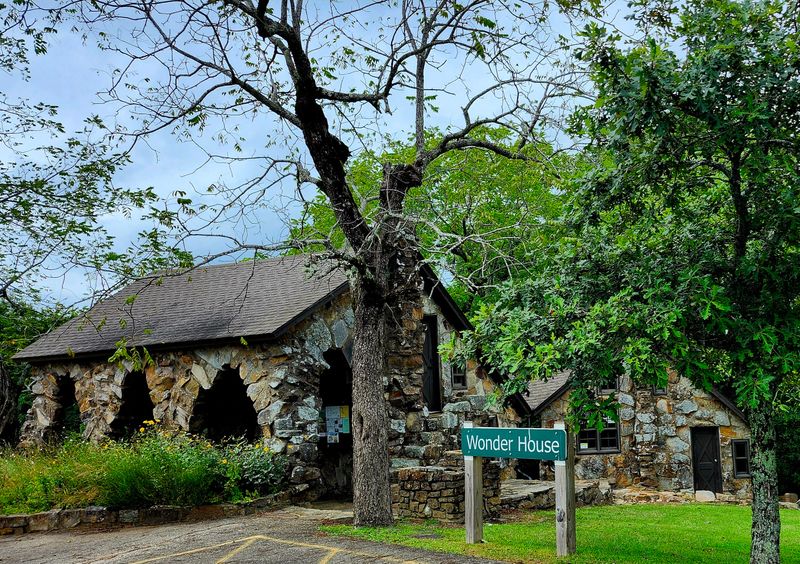
Perched at 2,681 feet elevation on Rich Mountain, this Arkansas park sits right at the Oklahoma border and serves as a natural stopping point along the scenic byway. The crown jewel here is the historic Queen Wilhelmina Lodge, originally built in 1898 and named for the Dutch monarch who once held investments in the local railroad.
The current lodge, rebuilt in the 1970s after fires destroyed earlier versions, maintains period charm while offering modern amenities and a restaurant with panoramic mountain views.
Trails radiating from the park range from easy walks to challenging hikes that descend into the surrounding wilderness. The Lover’s Leap Trail leads to a dramatic overlook where sheer cliffs drop away to reveal valleys stretching into Oklahoma.
Interpretive displays throughout the park explain the area’s logging history and the narrow-gauge railroad that once hauled timber down these steep slopes. A small herd of llamas roams the grounds, descendants of animals kept here decades ago and now serving as unofficial park mascots.
Sunrise from the lodge deck is particularly spectacular, with morning light gradually illuminating layer after layer of distant ridges that fade from deep purple to soft blue. The park’s high elevation means temperatures run cooler than surrounding lowlands, making it a popular summer escape.
Miniature train rides operate on weekends, delighting children and adults alike as they circle through the forested grounds. This spot proves that Oklahoma’s borders touch terrain as dramatic as anywhere in the mid-South.
Address: 3877 Highway 88, Mena, Arkansas
3. Talihina
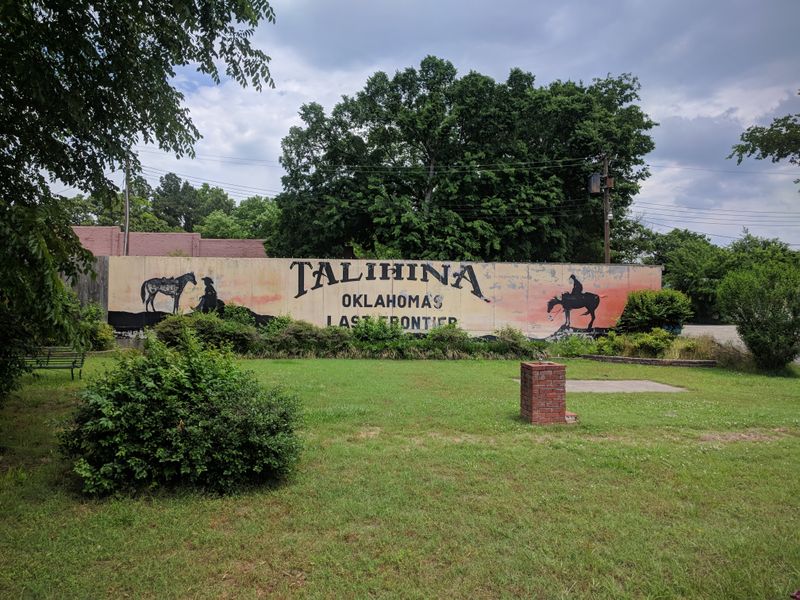
Sitting at the eastern terminus of the Talimena Drive, this small town serves as the perfect basecamp for exploring Oklahoma’s mountain country. With a population hovering around 1,000 residents, Talihina maintains an authentic small-town atmosphere that feels worlds away from urban Oklahoma.
Local diners serve hearty breakfasts to fuel mountain adventures, while antique shops and craft stores offer handmade goods reflecting the region’s Choctaw heritage.
The town’s name derives from Choctaw words meaning “iron road,” referencing the railroad that arrived here in the early 1900s and transformed the area’s economy. That railroad heritage remains visible in historic buildings downtown, many constructed from native stone quarried from nearby hillsides.
A small museum preserves artifacts from the logging era when massive stands of virgin timber covered these mountains and logging camps employed hundreds of workers.
Talihina’s location makes it ideal for accessing both the scenic drive and numerous hiking trails threading through the Ouachita National Forest. The town hosts an annual fall foliage festival that draws visitors from across the region, with live music, craft vendors, and food trucks lining the main street.
Local outfitters offer guided horseback rides through the mountains, providing access to remote areas inaccessible by car. Evening walks through residential neighborhoods reveal homes built into hillsides, with front porches offering views across forested valleys.
The pace here is decidedly slower than most of Oklahoma, giving travelers a chance to decompress and experience mountain culture that has remained largely unchanged for generations.
4. Robbers Cave State Park
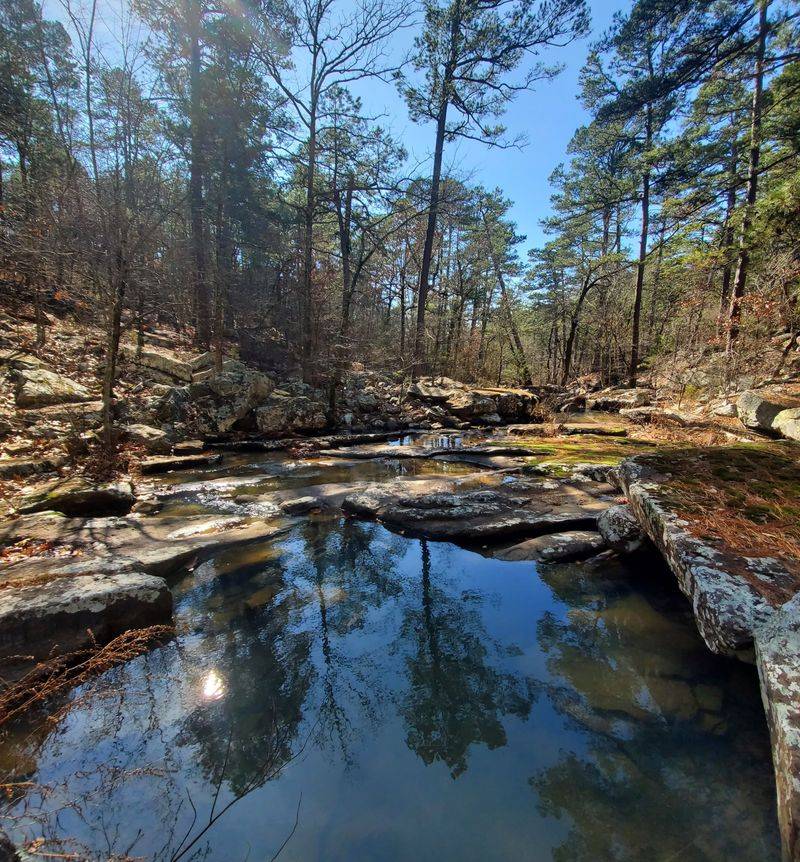
Legends of outlaws hiding in these sandstone caves and canyons add an element of Wild West romance to this 8,400-acre park. Jesse James, Belle Starr, and other notorious figures allegedly used the natural rock formations as hideouts during the late 1800s, and whether these stories hold complete truth or not, they’ve become woven into the park’s identity.
The main cave is easily accessible via a short trail and features a large opening that provides shelter from rain while offering views across the surrounding forest.
Beyond outlaw mythology, the park offers some of Oklahoma’s best outdoor recreation opportunities. Three lakes provide fishing and kayaking options, while more than 20 miles of trails wind through terrain ranging from easy valley walks to challenging ridge climbs.
The rock formations themselves are the real attraction, with towering bluffs and narrow canyons creating dramatic scenery that photographers find endlessly compelling. Seasonal waterfalls emerge after heavy rains, cascading down moss-covered rocks into clear pools.
An equestrian camp accommodates riders who want to explore the backcountry on horseback, with dedicated trails threading through remote sections of the park. Rock climbers tackle the sandstone faces, though routes here are more moderate than those found at famous climbing destinations.
The park’s developed areas include a swimming pool, miniature golf, and a nature center with exhibits on local geology and wildlife. Cabins and campsites scattered throughout the property allow for extended stays, and many visitors return year after year to favorite spots.
This park showcases the rugged beauty that defines eastern Oklahoma’s landscape.
Address: 100 Robbers Cave Park Rd, Wilburton, Oklahoma
5. Beavers Bend State Park
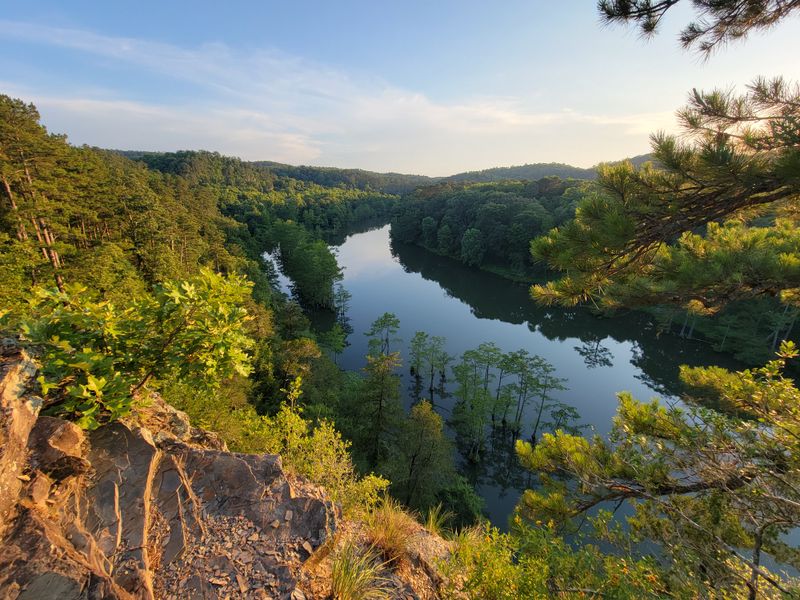
Crystal-clear waters of the Mountain Fork River flow through this park, creating one of Oklahoma’s most picturesque natural settings. The river’s trout-stocked waters attract fly fishermen year-round, with catch-and-release sections producing rainbow and brown trout in surprising sizes.
Towering pines and hardwoods shade the riverbanks, and the sound of rushing water provides a constant soundtrack to any visit. Canoes and kayaks glide past smooth boulders and beneath overhanging branches, offering a peaceful way to explore the waterway.
Hiking trails range from riverside strolls to challenging climbs up surrounding ridges, with the David Boren Hiking Trail offering a 16-mile backpacking route through remote wilderness. Shorter trails lead to overlooks, waterfalls, and unique geological features like the park’s namesake bend in the river.
The Forest Heritage Center Museum within the park preserves logging history and features working sawmill equipment, a restored depot, and exhibits on sustainable forestry practices. Interactive displays engage children while teaching about the region’s natural resources.
Accommodations span from primitive campsites to luxury cabins with hot tubs and full kitchens, making the park accessible to all comfort levels. The Beavers Bend Depot serves as a visitor center and gift shop, housed in a historic railroad building relocated to the site.
Nearby Broken Bow Lake extends the recreational opportunities with boating, swimming, and additional fishing options. Autumn brings spectacular color to the mixed forests, while spring wildflowers carpet the forest floor.
This park represents Oklahoma mountain scenery at its finest, proving the state harbors landscapes as beautiful as anywhere in the country.
Address: 792 Beavers Bend Rd, Broken Bow, Oklahoma
6. Hochatown
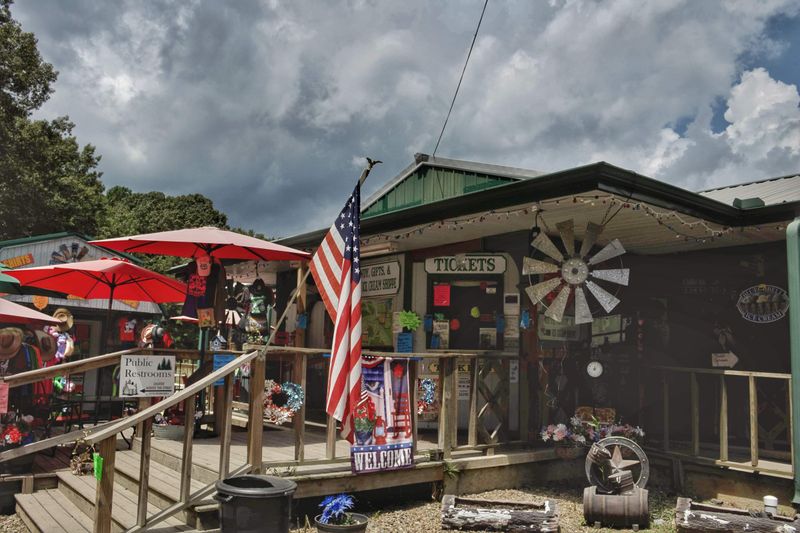
What began as a tiny mountain community has evolved into Oklahoma’s premier cabin getaway destination without losing its small-town charm. Hundreds of vacation rentals dot the forested hillsides surrounding this unincorporated area, ranging from cozy one-bedroom retreats to sprawling luxury lodges that sleep entire extended families.
Many feature amenities like game rooms, outdoor fire pits, and private hot tubs, creating self-contained vacation experiences in the woods.
The main commercial strip has expanded in recent years to include restaurants, shops, and entertainment venues that serve the growing visitor population. Local eateries specialize in everything from barbecue to Italian cuisine, with many offering outdoor seating that takes advantage of the mountain views.
Craft breweries have opened, producing beers with names referencing local geography and outdoor activities. Art galleries showcase work by regional artists, much of it inspired by the surrounding landscape.
Despite growth, Hochatown retains access to wilderness experiences, with Beavers Bend State Park forming its eastern boundary and national forest land surrounding it on other sides. This proximity means visitors can walk from their cabins to trailheads, fishing spots, and scenic overlooks.
The community has become particularly popular with Texas visitors seeking a quick mountain escape, but travelers from across Oklahoma also flock here for weekend retreats. Evening walks along quiet roads reveal glimpses of deer browsing in yards and the occasional armadillo shuffling through leaf litter.
The combination of modern comfort and natural beauty creates an appealing balance that explains Hochatown’s rising popularity as a vacation hub.
7. Ouachita National Recreation Trail
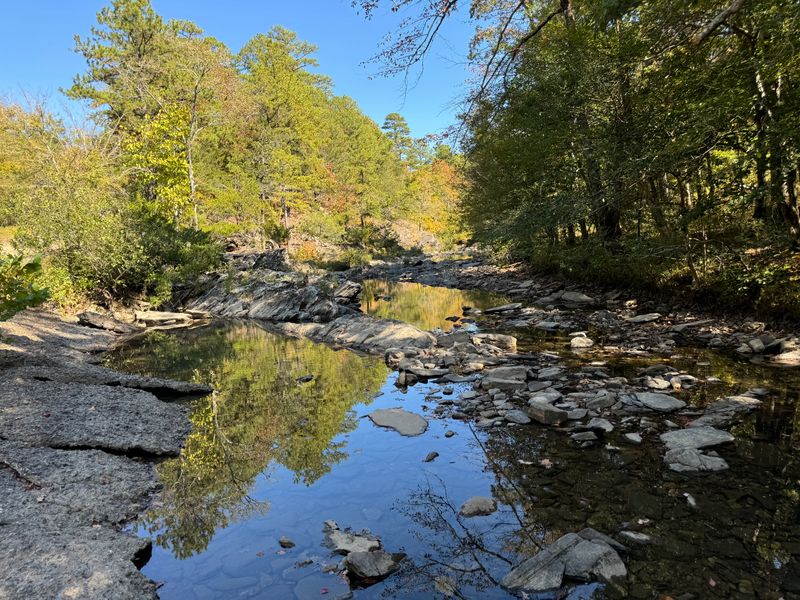
Stretching 223 miles from Talimena State Park in Oklahoma to Pinnacle Mountain State Park in Arkansas, this long-distance footpath ranks among the longest hiking trails in the South. The Oklahoma portion traverses the most remote and rugged sections of the Ouachita Mountains, passing through old-growth forest stands, across crystal-clear streams, and over numerous peaks that offer expansive views.
Thru-hikers typically need two to three weeks to complete the entire route, but numerous access points allow for shorter day hikes or overnight backpacking trips.
Trail conditions vary from well-maintained sections with clear blazes to more primitive stretches where route-finding skills prove valuable. Rocky terrain and steep climbs challenge even experienced hikers, but the rewards include solitude and wilderness experiences rare in the mid-South.
Camping is permitted along most of the trail, with designated sites offering fire rings and sometimes water sources. Spring brings abundant wildflowers, while autumn foliage creates a colorful canopy overhead.
Winter hiking is possible, though ice can make some sections treacherous.
Wildlife encounters are common, with black bears, deer, wild turkeys, and numerous bird species inhabiting the forest. The trail crosses several roads, allowing for resupply trips or early exits if needed.
Trail registers at major access points let hikers sign in and read entries from previous adventurers, creating a sense of community among those who tackle this challenging route. For those seeking to experience Oklahoma’s mountain wilderness in its purest form, this trail delivers an authentic backcountry adventure that rivals anything found in more famous hiking destinations across the country.
8. Winding Stair Mountain
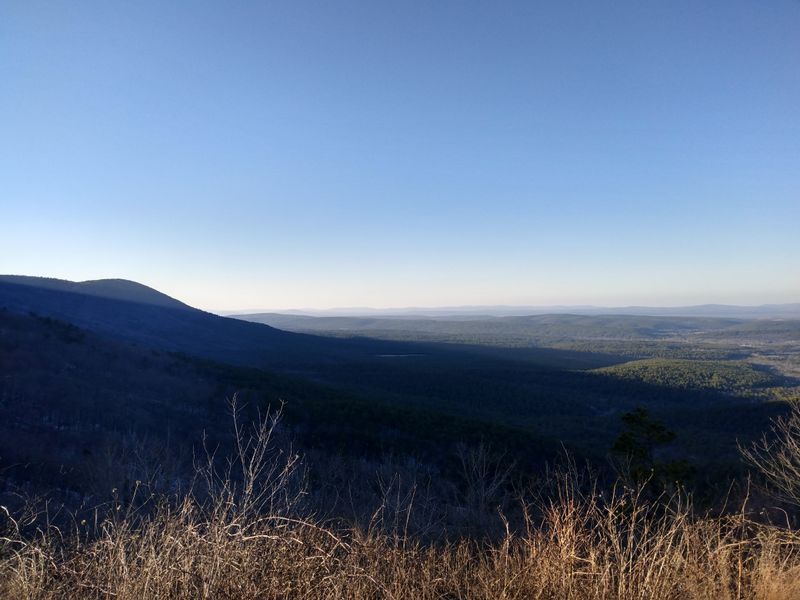
Rising to 2,100 feet, this prominent peak forms part of the Ouachita Mountain range and gives its name to the national recreation area encompassing much of the region. The mountain’s distinctive profile is visible from miles away, with its forested slopes standing in dramatic contrast to the lower elevations surrounding it.
Native Americans used these mountains for centuries before European settlement, and archaeological evidence suggests seasonal hunting camps once dotted the ridges.
Several trails provide access to the summit and surrounding ridgelines, with varying difficulty levels to accommodate different fitness levels. The views from higher elevations reveal the characteristic east-west orientation of the Ouachita range, a geological anomaly since most North American mountain ranges run north-south.
This unique orientation creates microclimates and ecological zones that support plant and animal species found nowhere else. Botanists have identified rare orchids and other specialized flora clinging to rocky outcrops and thriving in sheltered coves.
The mountain’s forests show evidence of past logging operations, with second-growth timber now reaching maturity and providing habitat for a recovering ecosystem. Old logging roads have been converted to trails, making previously inaccessible areas now reachable on foot or mountain bike.
Winter ice storms sometimes coat the trees in crystalline beauty, transforming the forest into a glittering wonderland. Local folklore tells of hidden springs with healing properties and lost silver mines worked by Spanish explorers, adding layers of mystery to explorations.
Winding Stair Mountain embodies the wild character that defines this corner of Oklahoma.
9. Cedar Lake Recreation Area
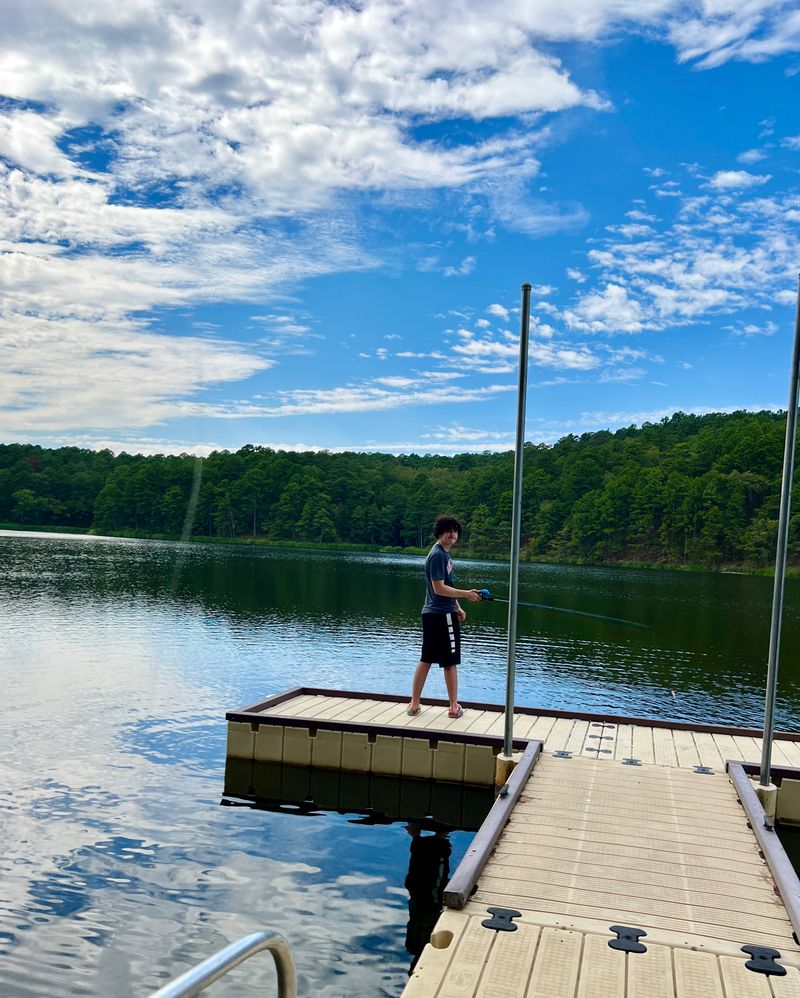
Tucked into the Ouachita National Forest, this 90-acre lake offers a quieter alternative to larger reservoirs in the region. The surrounding campground features sites nestled among towering pines, many with lake views and easy access to the shoreline.
A swimming beach with designated area provides safe water recreation for families, while a boat ramp accommodates small watercraft for fishing and paddling. The lake’s relatively small size means powerboats are limited, keeping noise levels low and maintaining a peaceful atmosphere.
Fishing here targets bass, catfish, and sunfish, with a fishing pier extending into the water for those without boats. The pier’s design accommodates wheelchairs, making the sport accessible to all visitors.
A three-mile trail circles the lake, offering an easy walk through mixed forest with frequent water views. Benches placed at scenic spots invite contemplation and wildlife watching, with great blue herons often spotted stalking the shallows and beavers occasionally making evening appearances.
The recreation area’s developed facilities include modern restrooms, picnic shelters, and a playground, making it suitable for day use or extended camping stays. Interpretive signs explain the forest management practices employed in the surrounding national forest lands.
Evening brings spectacular sunsets that paint the water in shades of orange and pink, with the silhouettes of pine trees framing the sky. Fall camping proves particularly popular when cooler temperatures and changing leaves create ideal conditions.
This spot exemplifies the numerous hidden recreational gems scattered throughout Oklahoma’s mountain region, offering quality outdoor experiences without the crowds found at more famous destinations.
Address: Cedar Lake Road, Heavener, Oklahoma
10. Heavener Runestone Park
Mystery surrounds the large stone slab bearing runic inscriptions that gives this park its name and has sparked decades of debate among historians and archaeologists. The runestone, discovered in the 1830s, features carved symbols that some interpret as Norse writing dating to the 11th century, while skeptics argue for more recent origins.
Regardless of its true age and meaning, the artifact draws curious visitors who climb the short trail to view it protected within a glass enclosure.
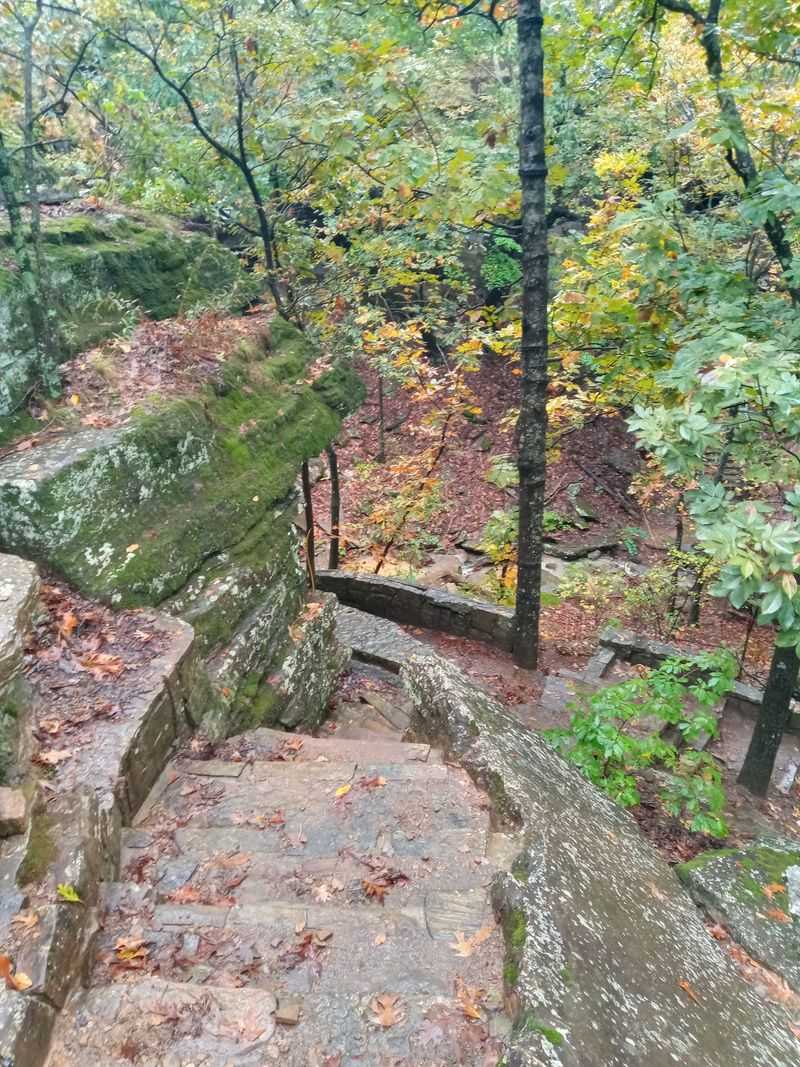
The park encompasses 55 acres of forested hillside with several trails offering varying lengths and difficulties. The main trail to the runestone is paved and accessible, making the destination reachable for most visitors.
Longer trails climb to ridge tops with views across the Poteau River valley and surrounding mountains. Interpretive displays explore various theories about the stone’s origins and discuss the region’s documented history, from Native American inhabitants to European settlement.
Picnic facilities scattered throughout the park provide spots for lunch with mountain views, and the visitor center houses additional exhibits on local history and geology. The park’s location just off Highway 59 makes it an easy stop for travelers exploring the region, and the short visit required to see the main attraction fits well into longer itineraries.
Spring wildflowers bloom along the trails, while autumn brings vibrant color to the hardwood forest. Whether you believe the runestone represents pre-Columbian European contact or a more recent creation, the park offers an intriguing stop that adds an element of mystery to exploring Oklahoma’s mountain landscapes.
Address: 18365 Runestone Rd, Heavener, Oklahoma
Dear Reader: This page may contain affiliate links which may earn a commission if you click through and make a purchase. Our independent journalism is not influenced by any advertiser or commercial initiative unless it is clearly marked as sponsored content. As travel products change, please be sure to reconfirm all details and stay up to date with current events to ensure a safe and successful trip.
