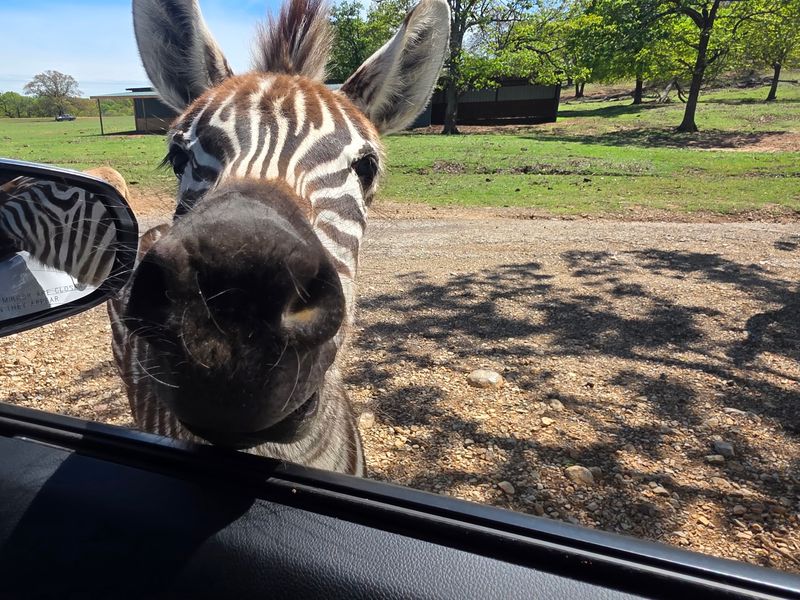
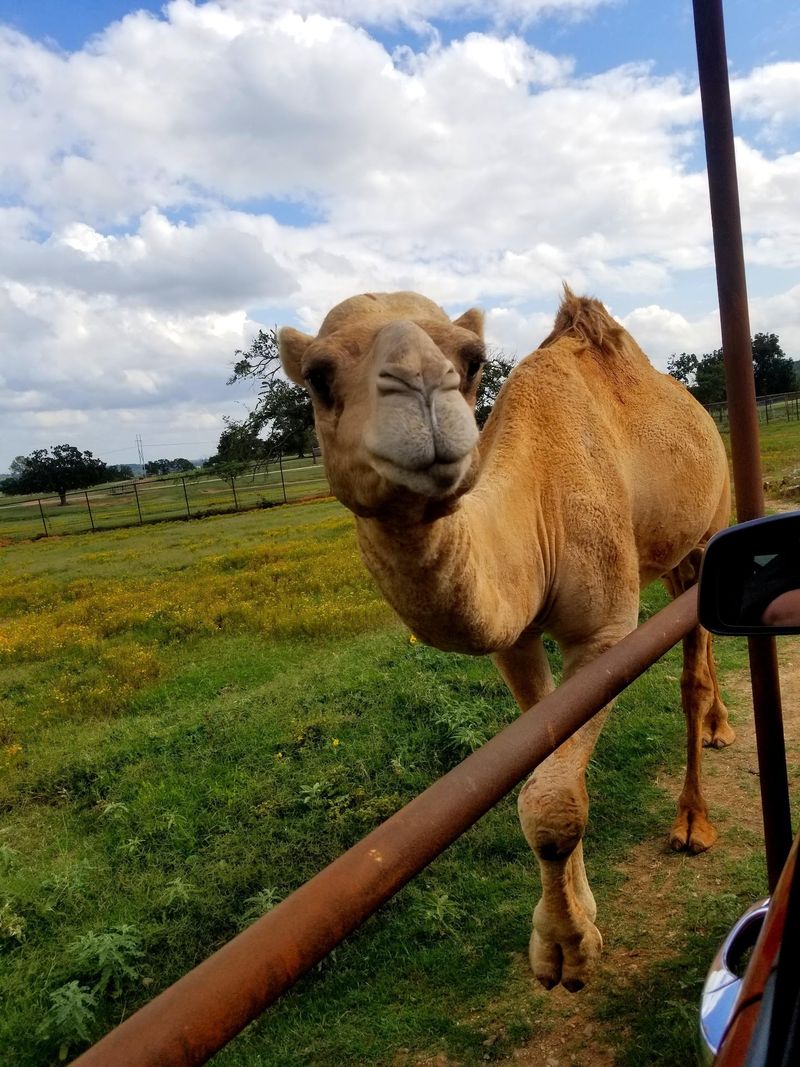
I pulled off the interstate in southern Oklahoma expecting nothing more than a gas station snack and a chance to stretch my legs. A little while later, a camel had its fuzzy chin resting on my window and a zebra was eyeing my paper cup of feed like it was the last cookie in the jar.
The best road trip stops rarely look fancy from the highway, and this one proves it. If you have kids, grandkids, or just a curious streak, this wild little detour belongs on your list.
A Safari Park Tucked Into Southern Oklahoma
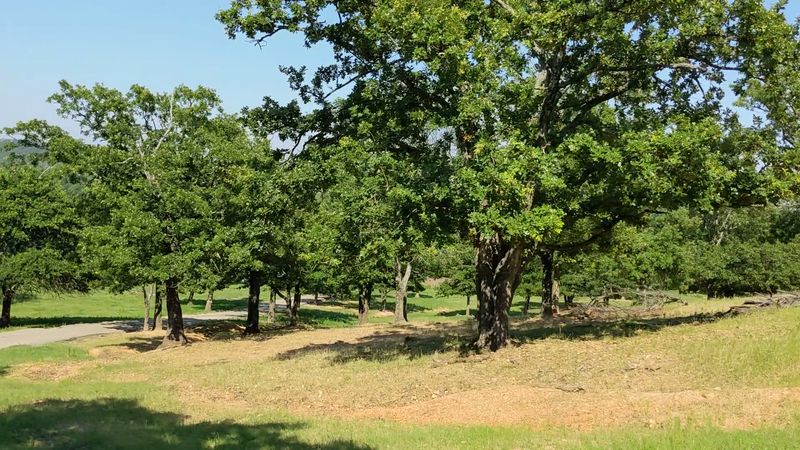
Picture a gravel loop winding through the Arbuckle Mountains, where the traffic jams are caused by donkeys instead of delivery trucks. That is the everyday scene at Arbuckle Wilderness, a drive-through exotic animal park at 6132 Kay Starr Trail in Davis, Oklahoma.
You stay in your own car, roll down the windows, and let the animals come to you.
The park describes itself as a home for hundreds of exotic animals from five continents, spread across more than 200 acres. Some sources put the property closer to 400 acres, which gives you a sense of just how much ground the route covers.
Either way, it is far roomier than a typical city zoo.
Beyond the self-drive tour, the grounds include a petting zoo area, a reptile center, and a handful of small rides. Most families, though, come for one reason: the chance to have a camel or zebra lean right up to the car window for a snack.
It sits in the part of the state often called Chickasaw Country, close to other favorite stops in the Arbuckles. For folks in Oklahoma City, Ardmore, or north Texas, it makes an easy day trip that feels a world away from home.
Decades of Family Road Trip Memories
Ask around at a family reunion and someone will probably remember a trip here. Arbuckle Wilderness has been welcoming carloads of curious visitors for generations, and plenty of today’s grandparents first rolled through as kids in the back seat.
Some visitors say they came roughly 40 years ago, back when the grounds had bouncy houses and more walk-around activities. Others describe it as a yearly tradition, the kind of outing a family repeats every single year because it never gets old.
That mix of nostalgia and fresh wonder is a big part of its charm.
Honesty matters here, too. Several recent guests mention that the park has seen better days, with worn buildings and grounds that show their age.
Many of those same folks still say the safari drive is worth the trip and hope to see the place brought back to its former shine.
That feeling says something about Oklahoma roadside attractions in general. People are loyal to the spots that shaped their childhood summers, even when the paint is peeling.
If you go in expecting a classic, old-school animal park rather than a polished theme park, you will likely find exactly the kind of simple fun that keeps families coming back.
Rolling Hills, Rocky Roads, and a Cooling Pond
Limestone hills and scrubby pasture set the stage long before the first animal appears. The safari route follows winding gravel roads through the Arbuckle Mountains, so the drive itself offers a pleasant slice of southern Oklahoma countryside.
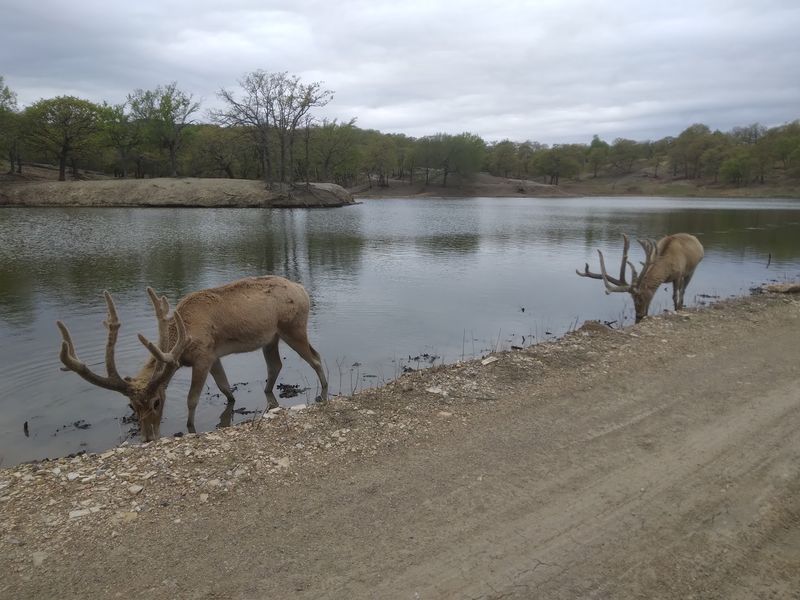
One visitor who came with a grandson praised the amount of room the animals have. Much of the herd roams freely, and a large pond gives them a spot to cool off when the Oklahoma sun gets fierce.
Watching a group of animals wade in on a hot afternoon is a sight you will not get at most petting zoos.
Not everyone sees the landscape the same way. A few guests note that the ground can look dry and bare, especially compared with the green scenery at nearby Turner Falls.
Rainy seasons and drought years probably change the look quite a bit from one visit to the next.
Weather is worth planning around. Summer afternoons can be hot, spring brings storm season, and the drive-through is open daily only when the weather allows.
A cloudy spring morning or a crisp fall day may give you comfortable temperatures and livelier animals, and it lets you keep the windows down without melting.
The Donkey Welcome Committee
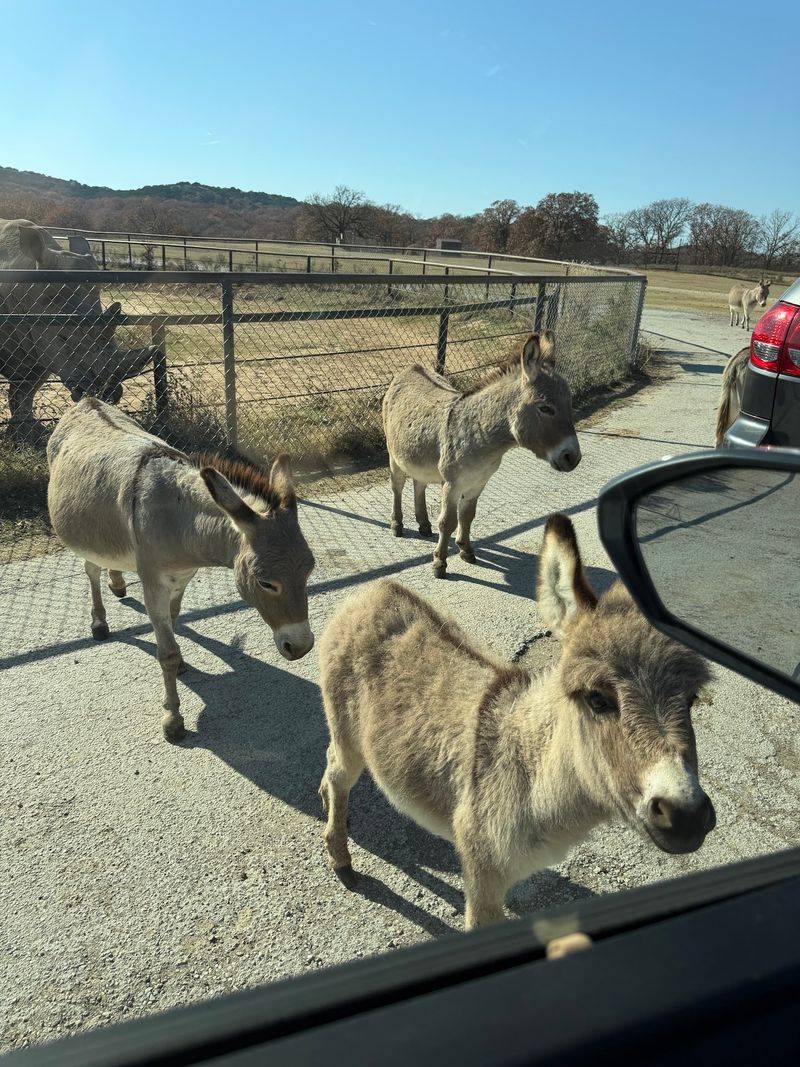
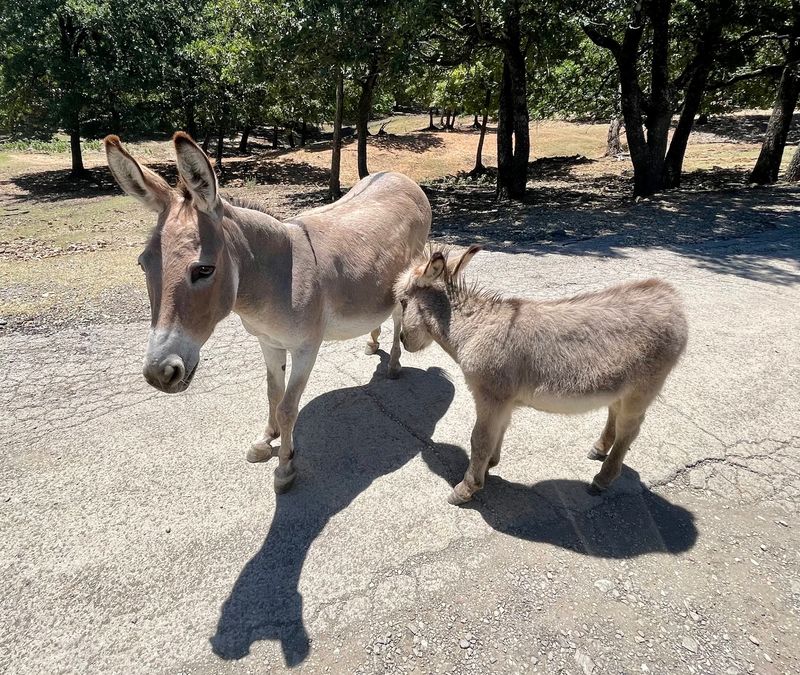
Fair warning: the donkeys will find you first. By a wide margin, they are the animals visitors talk about most, and they seem to have appointed themselves the official greeters of the entire route.
Expect them to crowd the road, press their noses toward your window, and even trot alongside the car hoping for one more handful. One guest joked that the donkeys were by far the most persistent, chasing the vehicle for snacks.
Another had a donkey nibbling on a side mirror, though no damage was done.
Their numbers are impressive. Some visitors feel the herd is a little too large, with one guest even joking that the place could be called a donkey safari.
Love them or laugh at them, they will absolutely eat a big share of your feed if you let them.
A smart move is to ration. Give the donkeys a few pellets, enjoy the giggles from the back seat, and then politely keep rolling.
Many families say an entire cup vanished on donkeys and deer before they ever reached the zebras.
Still, a fuzzy gray face with long ears poking into your car is hard to resist. For small kids, these friendly beggars often become the highlight of the day.
Camels and Zebras at the Window
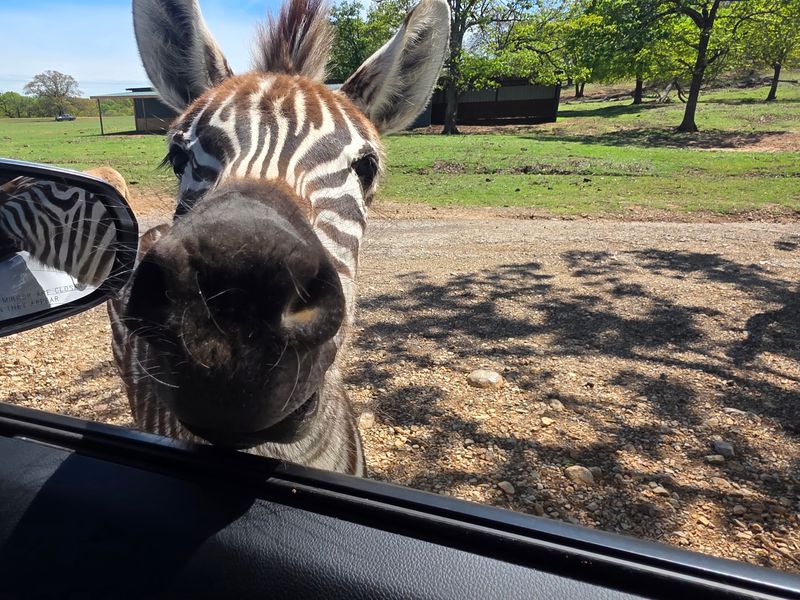
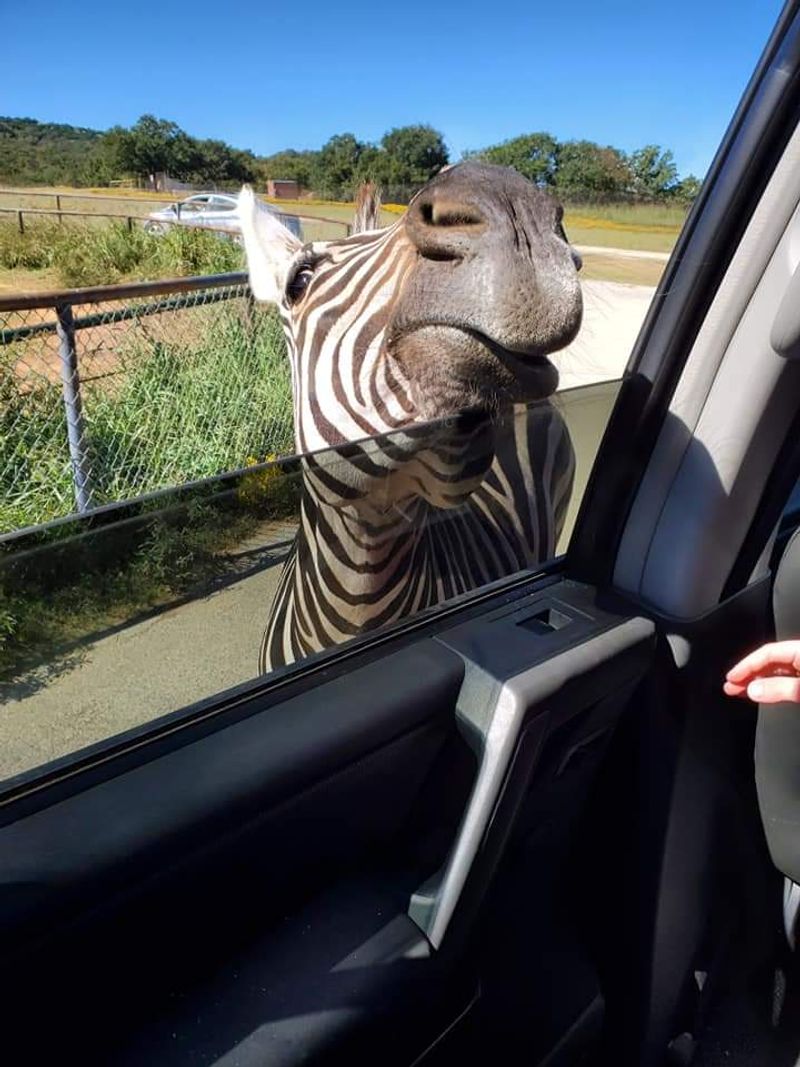
Zebra slobber on the passenger door. One visitor proudly said it was the first time they ever had to wash that off a car, and honestly, that might be the best souvenir the park offers.
The big draws for many families are the camels and zebras, which tend to wait deeper along the route. They are used to people and will often stretch their long necks toward an open window, sometimes reaching right inside for a treat.
It feels thrilling and a little silly at the same time.
Several guests suggest saving a good portion of feed for these larger animals near the end. One traveler ran out before reaching the zebras and had to keep the window closed, which is a sad way to meet a striped celebrity.
Visitors have also mentioned giraffes in this part of the park, though at least one family did not spot any during their trip.
Staff and past visitors recommend tossing food out of the window instead of holding the cup out. Some eager animals will try to grab the whole cup from your hand.
Keeping fingers tucked and letting pellets fall to the ground keeps things calm, safe, and fun for everyone involved.
Llamas, Deer, and a Few Pushy Birds
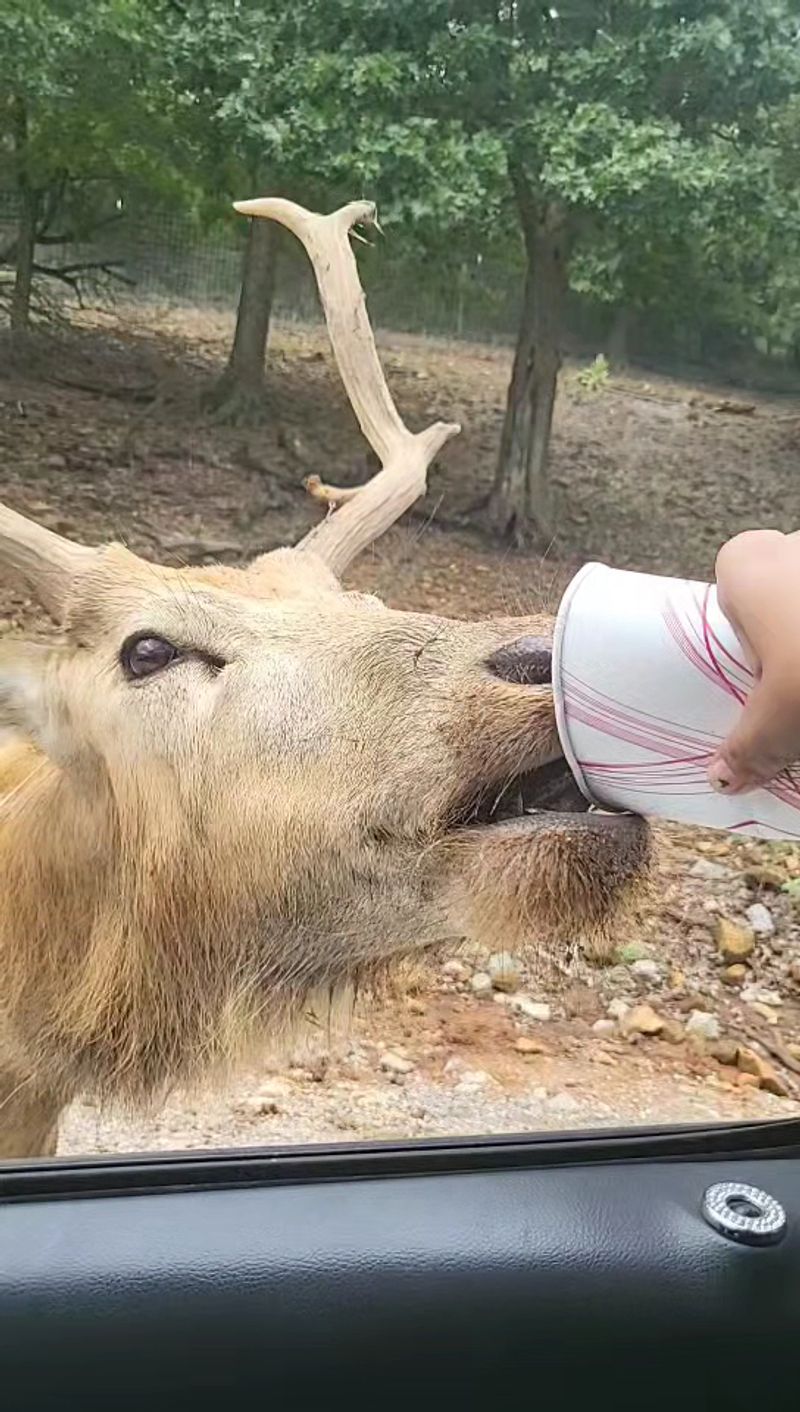
Llamas have a way of looking at you like they already know you brought snacks. Along the route, they are among the most frequent visitors to car windows, and more than one family says the llamas will follow you around for food.
Deer wander up too, often in small groups, and many guests describe them as mild and easy to feed. Kids who might feel nervous around bigger animals usually warm up quickly with the deer and llamas.
That makes this stretch a nice confidence builder early in the drive.
Then come the birds. Emus often appear near the entrance gate, and ostriches later on can be surprisingly bold.
One visitor laughed about an ostrich pecking at her window, with no harm done beyond a startled squeal or two.
Ducks may waddle across the road as well, so keep that 5 mph pace and watch the ground. Some visitors also mention sheep and cattle along the way.
The variety shifts a bit between trips, and a few returning guests feel there used to be more kinds of animals than there are today.
Even so, the friendly parade of woolly necks and big eyes keeps cameras busy. Have your phone ready before you lower the window, because the best shots happen fast.
Bison and Other Big-Bodied Grazers
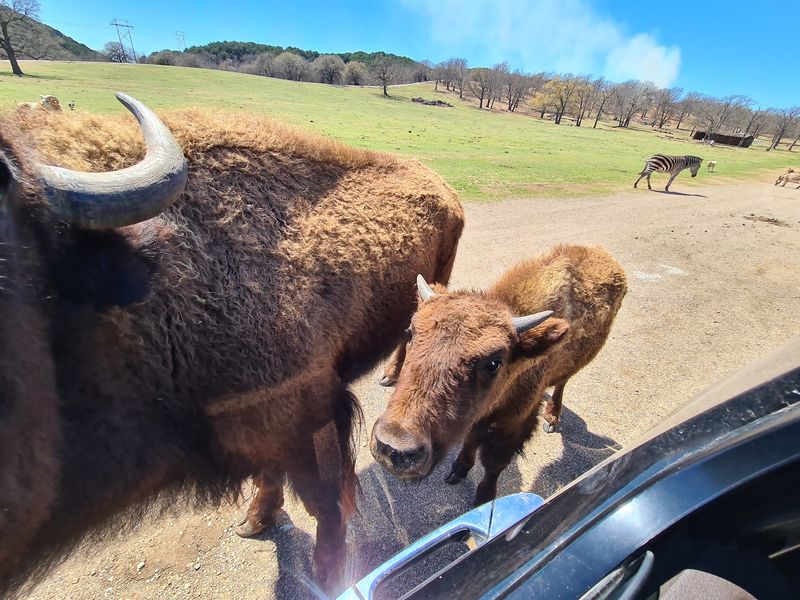
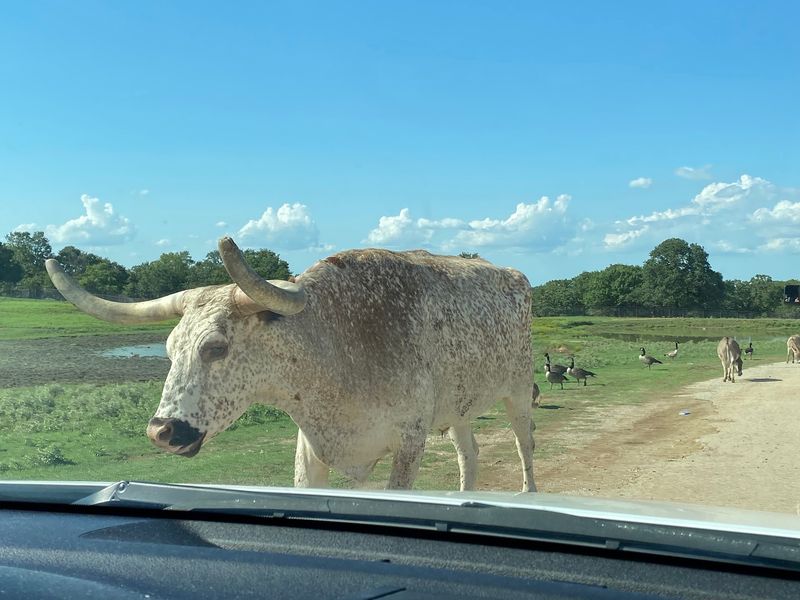
Nothing wakes up a sleepy back seat like a bison ambling toward the car. These massive, shaggy grazers are a favorite for many visitors, and seeing one up close gives you a real appreciation for the animal that once roamed the Great Plains in huge herds.
They also have serious appetites. One couple laughed that an entire cup of feed disappeared into a single greedy buffalo.
If you want to share snacks with the zebras later, plan on offering the bison just a little at a time.
Bison, ostriches, and zebras are the big animals one solo traveler recommended saving feed for near the end of the drive. Visitors also report a rhino in the park, though it is viewed rather than fed.
Guests generally describe the animals as eager rather than aggressive. Several say the creatures seem excited to see visitors and are easygoing around cars.
Still, giving the largest animals space, keeping hands inside, and driving slowly is simply good sense.
For Oklahoma kids who have only seen bison in picture books or at a distance on a prairie drive, the up-close view here can be a real eye-opener. It is a small lesson in how big nature can be.
A White Tiger and Arctic Wolves
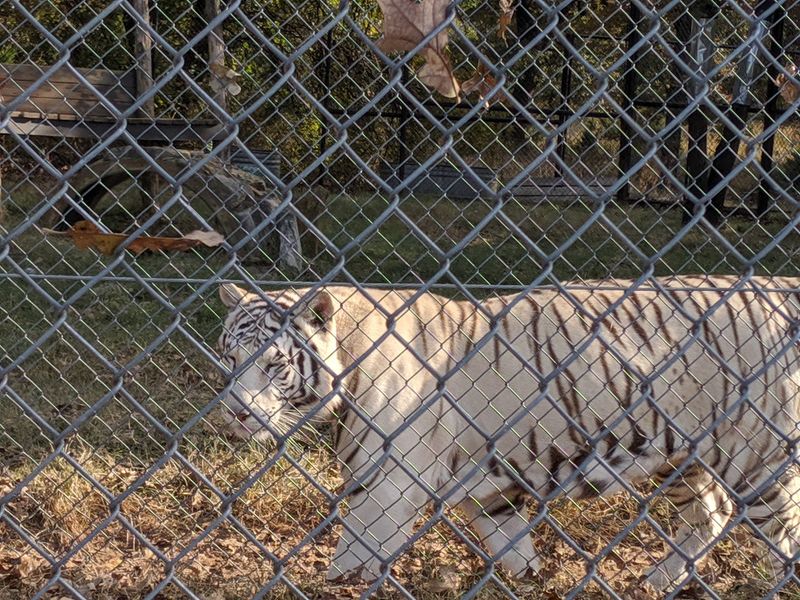
Not every animal here comes to the car for snacks. A few of the park’s most talked-about residents live in their own enclosures, and they are best enjoyed from a respectful distance.
The white tiger is a showstopper. One visitor described spotting it cooling off in the water, a calm moment that felt almost unreal.
Arctic wolves, with their thick pale coats, also draw attention along the route, and a traveler passing through from Texas called the pair of white wolves beautiful.
Not every guest leaves feeling cheerful about these exhibits. Some visitors feel the tiger and wolves deserve larger, cooler spaces, especially in the summer heat.
Those concerns come up more than once, so it is fair to go in knowing that opinions differ.
Other visitors see it differently and say the animals appear well cared for and have enough water and room. The best approach is to look for yourself, ask staff questions if you are curious, and talk with your kids about what animals need to stay healthy and comfortable.
Whatever you decide, these rare animals are a reminder of why the park feels so different from a typical farm visit. Seeing a white tiger in Oklahoma is not something most people forget.
Feed Cup Math
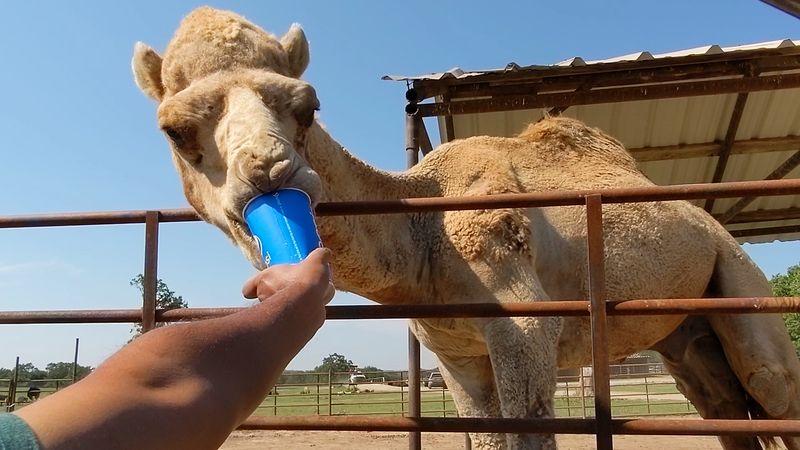
Here is the number one tip repeated by nearly every family: buy more food than you think you need. Feed is sold at the front gate, and there is no place to buy more once you enter the safari route.
Prices seem very reasonable. Recent visitors mention three cups costing around $5 to $6, so extra cups will not break the budget.
Costs can change, so check at the counter before you commit.
How many is enough? Answers vary, but a pattern emerges.
One pair found six cups was just right, while another couple with three cups had only a little left by the time they met the zebras. A grandmother and two teens bought 15 cups and still wished they had more.
A good rule of thumb might be three cups per person, with a few saved for the big animals at the end. Hand out small amounts to the donkeys and deer early, then open up the snack bar for camels, zebras, and giraffes.
One more thing: the turtles have their own food, and one guest reminded others not to forget it. Staff also ask that you only feed the animals from the cups provided, which keeps everyone’s diet safe and simple.
Gravel, Potholes, and Choosing the Right Vehicle
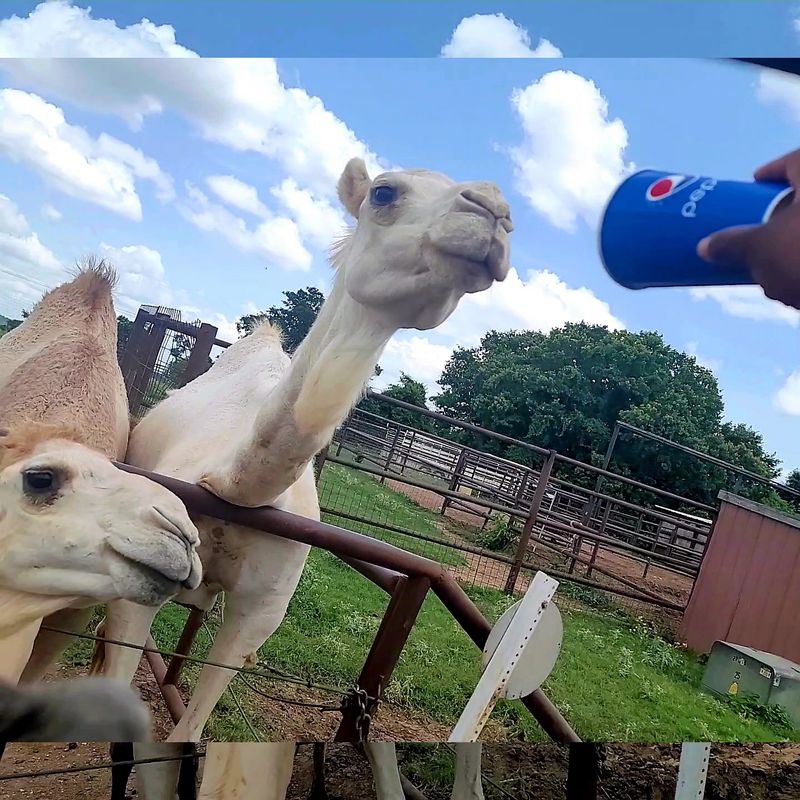
Bumpy does not quite cover it. The safari road is gravel, and visitors consistently describe potholes, ruts, and rough patches that make the ride feel like a real backcountry adventure.
For kids, that can actually add to the fun. One guest joked that the bouncing made the trip feel more like a real safari, as long as the driver kept quiet about the suspension.
Parents with trucks or SUVs often shrug it off as part of the experience.
Low cars are another story. Several visitors warn against bringing a lowered sports car, and one grandmother said her small car bottomed out in a couple of spots, possibly because of heavy rain that year.
Even a 4×4 driver described the road as rough going.
The 5 mph speed limit helps. Moving slowly protects both your car and the animals, and it gives you more time for photos anyway.
Plan on one to two hours for the full loop, depending on how often you stop to feed and giggle.
Animals may also nibble or peck at mirrors and windows, though visitors say they have not seen damage. If you drive something you treasure, consider taking the family minivan instead and saving yourself the worry.
Petting Zoo, Reptiles, and the Gift Shop
Once the car is parked, a few more stops wait on foot. The park includes a walk-through area with a petting zoo and a house of reptiles, plus some small rides for younger kids.
Availability can be hit or miss. One returning family mentioned that the petting zoo was closed during their visit for a second time, so it may be wise to call ahead at 580-369-3383 if that part matters to your crew.
The drive-through safari is the main event, and some guests say it is the only activity they did.
Inside the gift shop, you might meet a friendly parrot and a lemur. The shop also sells feed, tickets, T-shirts, and trinkets, and one visitor happily picked up shirts and a bracelet on the way in.
Prices on souvenirs can run high, with at least one guest pointing to a T-shirt around $30. Some visitors also mention that restrooms and floors could use updating.
Setting a souvenir budget with the kids before you walk in could save a few groans later.
If you are trying to stretch dollars, spend on feed cups instead of shirts. The memories of a camel at the window will last longer than any magnet.
Who Will Love It Most
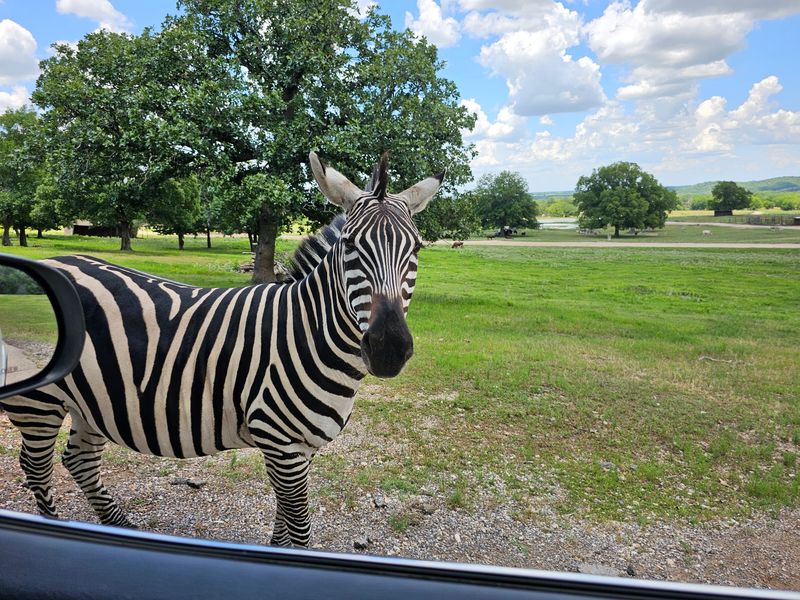
Grandparents with a car full of grandkids might be the ideal audience. Several visitors describe bringing grandchildren along, and the shared laughter over drool and donkey antics seems to bridge every age gap.
Teens enjoy it more than you might expect. One visitor brought a teen sister, and another took two 14-year-olds who loved every minute.
Little ones can be more hit or miss, with one parent laughing that her 5-year-old rolled up the window for good after getting a whiff of the animals.
Couples on road trips also find it a fun detour. One pair stopped on the way home and said it was more affordable and a bit longer than expected, in the best way.
A solo traveler driving from Texas to Oklahoma City pulled in after seeing a sign and had a great time.
Visitors who care about polished facilities might feel differently. Some guests are bothered by worn grounds or have concerns about certain animals.
Knowing that ahead of time helps you decide if it fits your family.
Families who enjoy hands-on moments, silly surprises, and a bit of dust on the tires will likely have a blast. Bring wet wipes, a sense of humor, and your camera.
Hours, Tickets, and the Drive Down
Planning ahead is easy. Current hours are 9 a.m. to 4:30 p.m.
Monday through Friday and 9 a.m. to 5 p.m. on Saturday and Sunday, with the park closed on Thanksgiving and Christmas Day. The drive-through runs daily, weather permitting.
Admission has recently been listed at about $16.99 for adults and $14.99 for children ages 3 to 11 and seniors. Feed cups are extra.
Group rates are available, which can help with family reunions, church groups, or school outings. Prices can shift, so a quick call or website check is smart.
Timing matters. Visitors who arrive early on a weekday often find almost no line, and one family said the place was nearly empty.
Another guest visiting in March around 11 a.m. found the animals very active, while weekend visitors sometimes wait a bit to get in.
Finding it is simple. The park sits at 6132 Kay Starr Trail in Davis, just minutes from Turner Falls in the Arbuckle Mountains.
From Oklahoma City, visitors call it well worth the drive, and the trip down Interstate 35 makes for an easy morning outing.
Allow one to two hours for the safari loop, plus time for the gift shop. Pack water and snacks for the humans, too.
A Dusty, Delightful Verdict
So, is it worth the gas money? For most families, the answer seems to be yes, with a few honest caveats.
The heart of Arbuckle Wilderness is simple and hard to beat: a camel’s whiskery chin on your window, a zebra peeking into the back seat, and a donkey chasing your bumper for one more bite. Few places in Oklahoma let you get that close to so many animals for under $20 a ticket.
Kids talk about it for weeks.
The caveats are real, too. Roads are rough, facilities show their age, and some visitors wish for bigger habitats and more upkeep.
Going in with clear expectations makes all the difference.
Pairing the park with a visit to Turner Falls, just a few minutes away, turns the trip into a full day. Several visitors suggest exactly that, calling the safari a perfect pit stop on the way.
Bring extra feed cups, a vehicle that can handle a few bumps, and a camera with plenty of space. Arrive early, save treats for the big animals, and keep the windows down.
You may drive away with slobber on the doors and a car full of grinning faces, which sounds like a pretty good day in southern Oklahoma.
