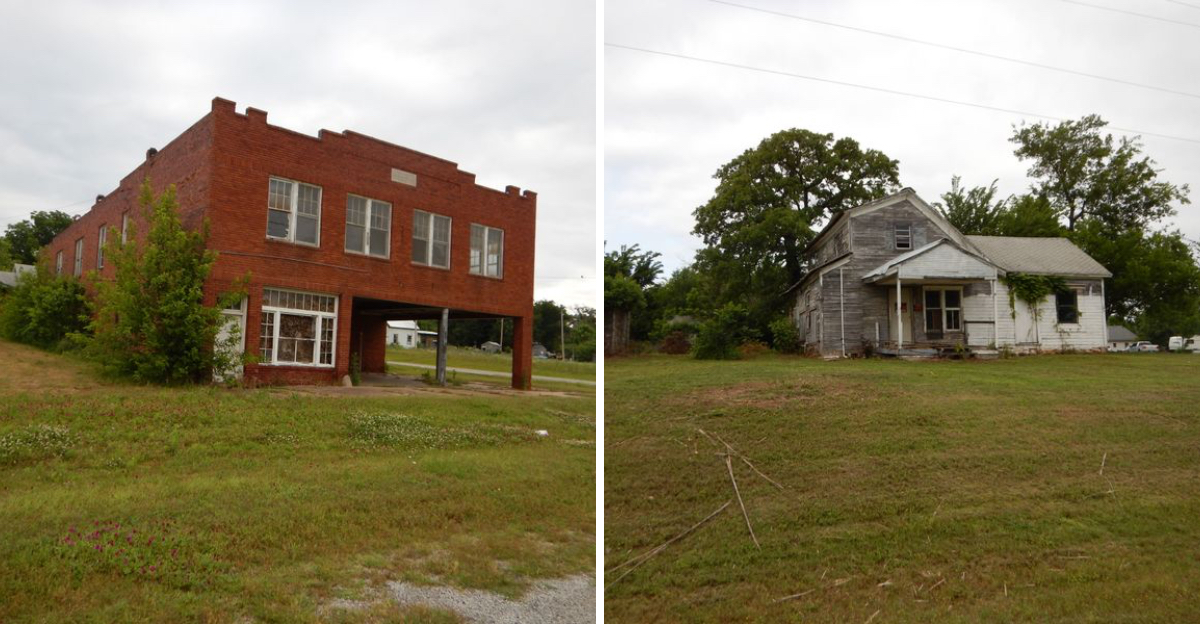
Some towns simply vanish from the map, Sparks, Oklahoma, is one that punched its last time card and never looked back.
Once a bustling railroad stop in Lincoln County, this tiny hamlet decided the daily grind wasn’t worth it anymore. Today, Sparks stands as a shadow of its former self, a place where tumbleweeds have more of a social life than the remaining residents.
What happened to this quirky little town that sits smack-dab in the geographic center of Oklahoma’s population? Did it give up, burn out, or simply decide retirement looked better?
The truth is stranger and more layered than you’d think. From its glory days serving steam engines to its current status as one of the state’s most peculiar semi-abandoned communities, Sparks has a story that’s equal parts tragic and fascinating.
Was it progress that killed this town, or did Sparks just decide the rat race wasn’t worth running?
The Railroad That Built a Town and Then Ghosted It
Railroad towns across Oklahoma sprouted like wildflowers in the late 1800s, and Sparks was no exception. The arrival of the Missouri-Kansas-Texas Railroad, affectionately known as the Katy, transformed this patch of prairie into a legitimate whistle-stop in 1902.
Trains needed water, coal, and a place to catch their breath, and Sparks provided all three with enthusiasm.
Back then, the town hummed with activity. Depot workers, section hands, and their families created a tight-knit community that revolved entirely around those iron rails.
General stores, a post office, and even a schoolhouse popped up to serve the growing population. Life wasn’t glamorous, but it was steady, predictable, and rooted in the rhythm of steam engines chugging through.
Then came the diesel locomotive. Suddenly, trains didn’t need those frequent stops anymore.
They could barrel through without so much as a courtesy wave. The Katy Railroad’s decision to phase out steam power in the mid-20th century hit Sparks like a freight train with no brakes.
Jobs vanished overnight, families packed up, and the town’s heartbeat started to flatline. By the time the tracks fell silent, Sparks had already started its slow fade into obscurity, a victim of progress that never looked back.
Population 169 and Dropping Like a Bad Habit
According to the 2010 census, Sparks managed to scrape together a population of 169 souls, which was actually a 23.4 percent increase from the 137 counted in 2000. Before you start thinking this was some kind of revival, let’s pump the brakes.
Those numbers are microscopic, and the so-called growth was likely just a statistical blip rather than a genuine renaissance.
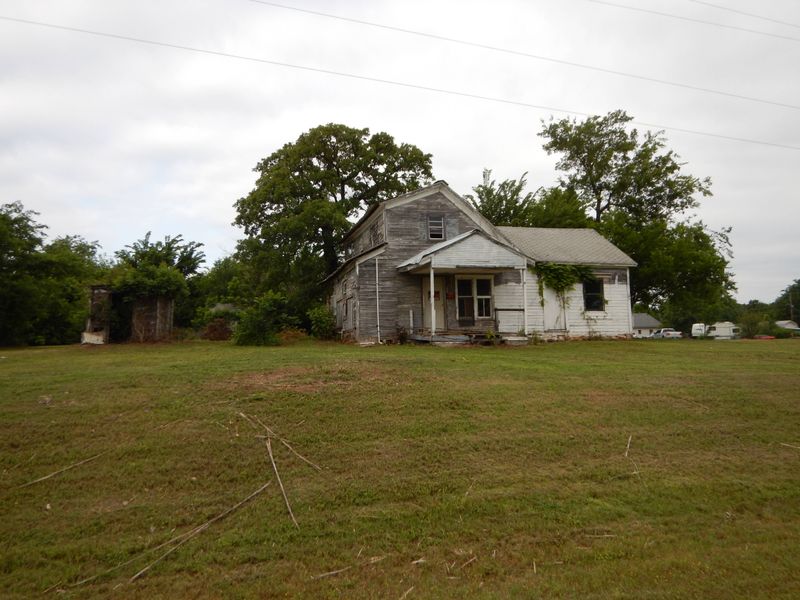
Walking through Sparks today feels like stumbling onto a movie set after the crew went home. Houses sit empty with sagging porches and peeling paint.
The few residents who remain are either too stubborn to leave or too attached to their land to let go. It’s the kind of place where everyone knows everyone, mostly because there’s barely anyone left to know.
Oklahoma has plenty of small towns struggling to survive, but Sparks takes it to another level. There’s no thriving downtown, no trendy coffee shop trying to spark a comeback, and certainly no influx of young families looking for affordable housing.
The exodus continues, slow but steady, as each generation decides there’s more opportunity elsewhere. What you’re left with is a community that exists more on paper than in practice, a place that’s technically alive but barely kicking.
The Geographic Center of Nowhere and Everywhere
Here’s a fun fact that probably doesn’t help property values: Sparks is home to the center of population of Oklahoma. That’s right, this barely-there town holds a mathematical distinction that sounds way more impressive than it actually is.
The center of population is the point where an imaginary flat map of the state would balance perfectly if every resident had equal weight.
Back when this designation was calculated, it meant Sparks represented the average location of all Oklahomans. In theory, this should have made the town feel important, like the state’s belly button or something.
In reality, it’s just a quirky trivia answer that occasionally brings curious geography nerds through town with their GPS units and cameras.
The irony is thick enough to cut with a butter knife. A town that’s essentially clocked out of the modern economy holds the title for Oklahoma’s population center.
It’s like being crowned prom king after you’ve already graduated and moved three states away. Still, there’s something poetic about it.
Sparks may have given up on growth and prosperity, but it accidentally became a symbolic anchor point for the entire state. Whether that’s a blessing or a cosmic joke depends on who you ask.
Main Street USA If USA Gave Up
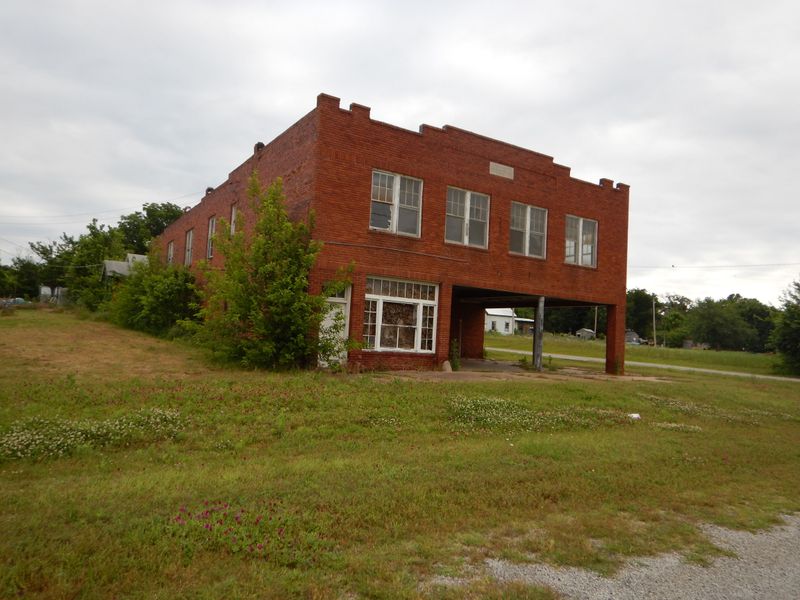
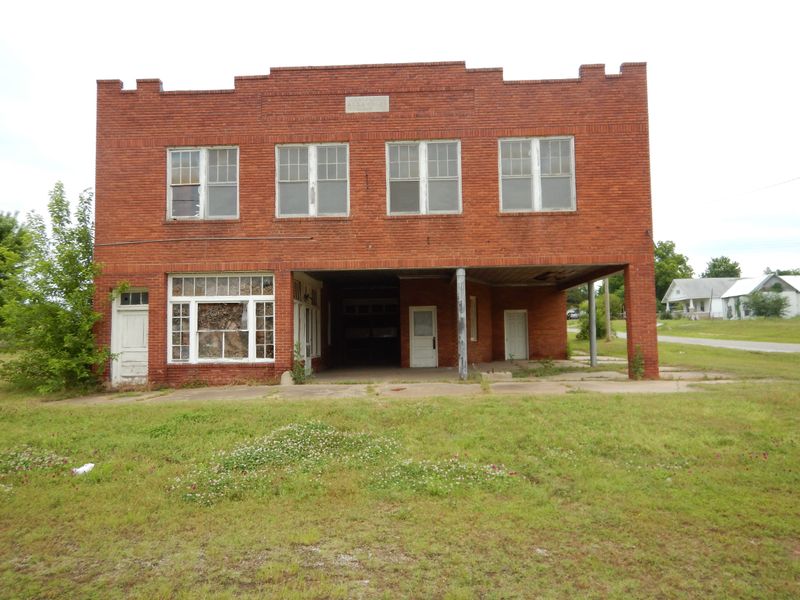
If you’re expecting a charming main street with antique shops and a diner serving pie, prepare for disappointment. Sparks’ version of downtown looks like someone hit pause on a demolition project and never came back.
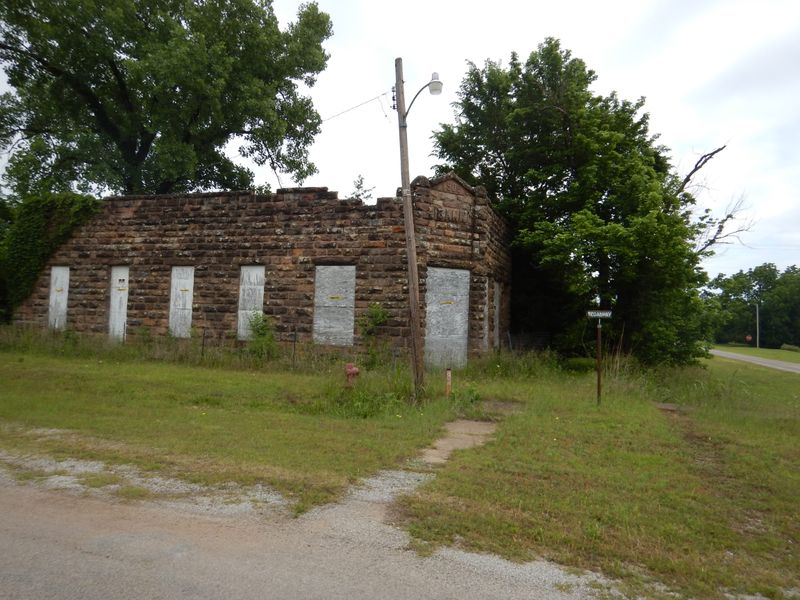
Crumbling storefronts, boarded windows, and faded signs advertising businesses that closed decades ago create an eerie time capsule effect.
There’s a certain haunting beauty to abandoned commercial districts, and Sparks delivers that in spades. You can almost hear the echoes of conversations that happened on these sidewalks a century ago.
Farmers talking crops, kids buying penny candy, women gossiping outside the general store. All that human energy just evaporated, leaving behind empty shells and overgrown weeds.
Urban explorers and photographers sometimes make pilgrimages here to capture the decay. There’s an Instagram aesthetic to abandonment that Sparks provides without even trying.
But beyond the photo ops, it’s genuinely sad. These buildings once represented dreams, investments, and community pride.
Now they’re just waiting for gravity and weather to finish what economic decline started. Oklahoma has seen plenty of boom-and-bust cycles, but Sparks never got its second act.
The curtain fell, the audience left, and nobody bothered to strike the set.
The School That Taught Its Last Lesson
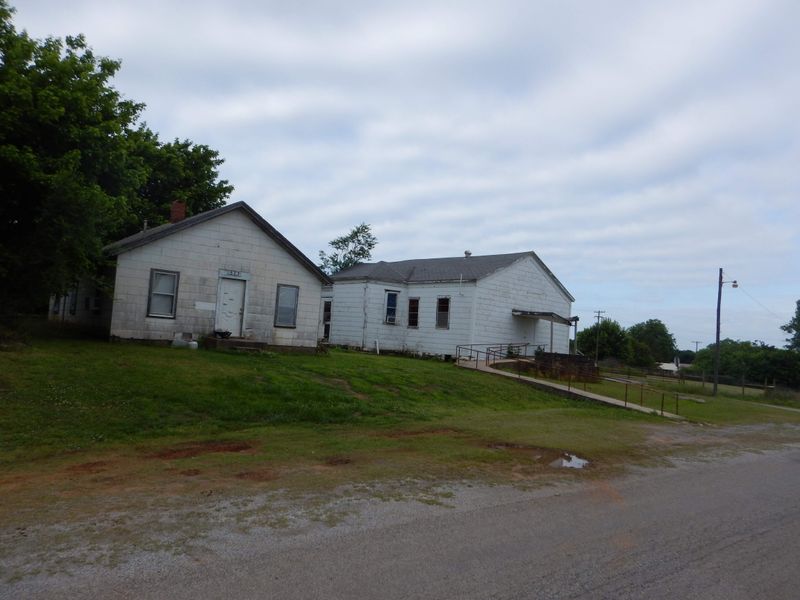
Education is often the heart of small-town life, and when the school closes, that heart stops beating. Sparks’ schoolhouse served generations of local kids, teaching reading, writing, and arithmetic in that no-nonsense prairie style.
Teachers doubled as coaches, counselors, and sometimes disciplinarians, creating a tight educational community where everyone knew exactly who was passing or failing.
Like most rural schools in Oklahoma, Sparks eventually couldn’t sustain its own district. Consolidation became inevitable as student numbers dwindled.
Kids got bused to neighboring towns, and the schoolhouse was left to gather dust and memories. You can still find the building if you know where to look, though it’s been repurposed or left empty depending on which decade you’re asking about.
The loss of a school does more than just relocate kids. It severs a community’s connection to its future.
Without young families staying or moving in, the town becomes a retirement home without the amenities. Sparks felt this shift acutely.
Once the school closed, there was one less reason for families to stick around. The domino effect was swift and brutal.
No school meant no teachers, no coaches, no parent-teacher organizations, and no Friday night basketball games bringing the community together. The town didn’t just lose a building; it lost its reason to believe in tomorrow.
Post Office Politics and the Death of Daily Mail
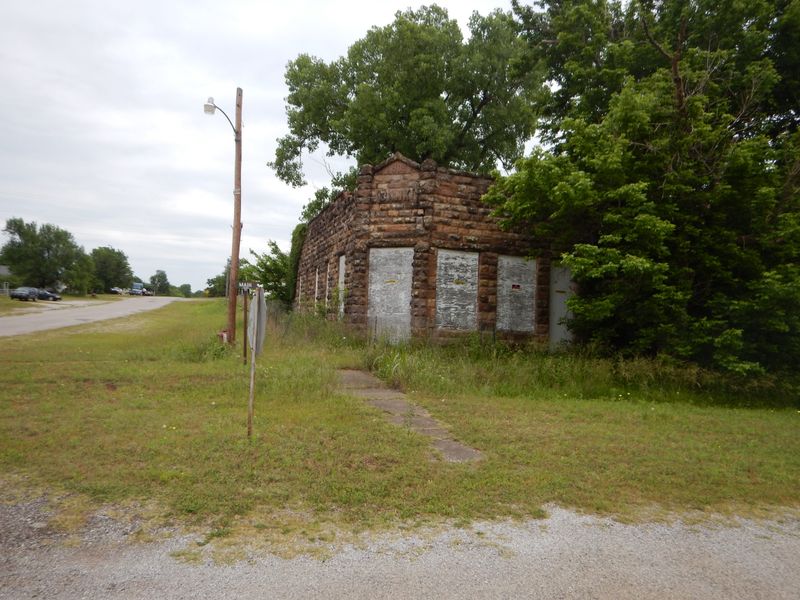
Nothing signals a town’s decline quite like losing its post office. For decades, Sparks maintained its own postal facility, a point of pride that gave the community official recognition.
Residents could walk to the post office, chat with neighbors while sorting mail, and feel connected to the larger world through letters and packages arriving on the regular.
But as population declined and efficiency experts crunched numbers, the writing appeared on the wall in bureaucratic red ink. Small post offices are expensive to maintain when you’re serving a handful of people.
Eventually, the decision came down from on high: Sparks would lose its post office, and mail service would be consolidated with a neighboring town.
Losing that post office was more than an inconvenience; it was a symbolic gut punch. Suddenly, Sparks didn’t have its own ZIP code identity anymore.
Residents had to drive elsewhere for basic postal services, and the sense of being a real town, not just a spot on a map, started to erode. Oklahoma’s rural areas have watched this pattern repeat across countless communities.
Once the post office goes, people start questioning whether the town even exists anymore. For Sparks, it was another nail in a coffin that was already pretty well sealed.
Agricultural Dreams That Couldn’t Weather the Storm
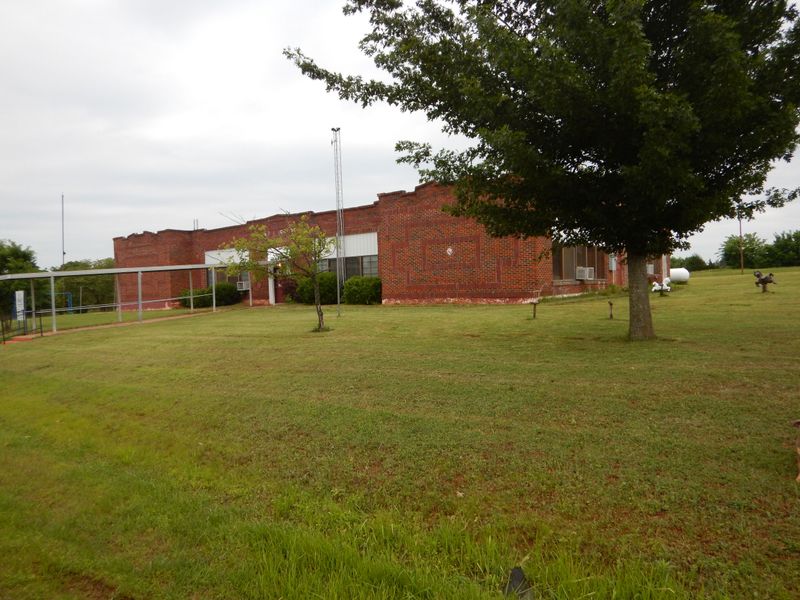
When the railroad gig dried up, Sparks tried to pivot toward agriculture like so many other Oklahoma towns. The surrounding land was decent for farming and ranching, and plenty of folks figured they could make a living off the soil.
Cotton, wheat, and cattle became the new economic engines, replacing the steam locomotives that had abandoned them.
For a while, this strategy worked well enough. Farms dotted the landscape around Sparks, and the town served as a modest hub for agricultural supplies and services.
Grain elevators stored harvests, feed stores sold supplies, and the local economy hummed along at a slower but steadier pace than the railroad days.
But agriculture is a brutal mistress, especially in Oklahoma where drought, dust, and market fluctuations can wipe out a year’s work in weeks. Small family farms struggled to compete with industrial operations that could afford modern equipment and weather the bad years.
One by one, farms around Sparks either sold out to larger operations or simply went under. The town lost its agricultural base just like it lost its railroad identity.
Without a stable economic foundation, Sparks couldn’t offer residents a reason to stay. The land is still there, still being worked, but the town itself became increasingly irrelevant to the agricultural economy it hoped would save it.
The Church That Outlasted the Congregation
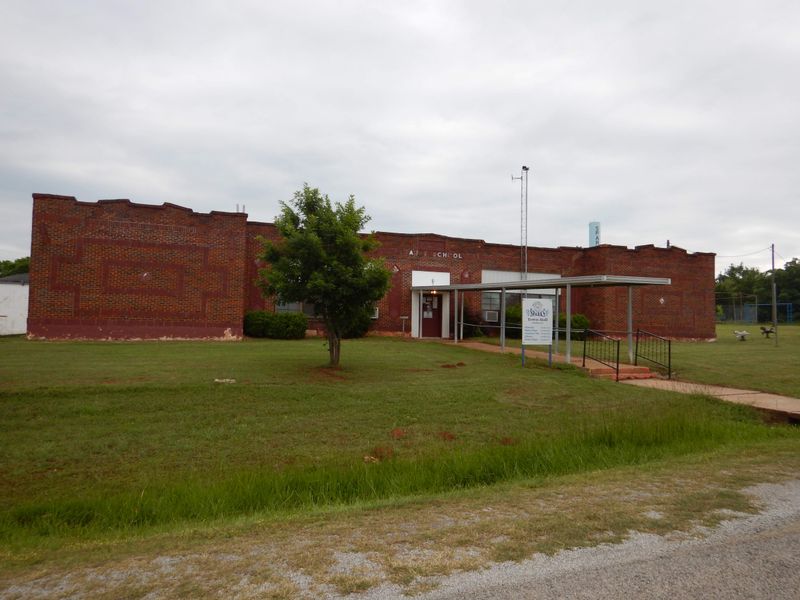
Churches are often the last institutions standing in dying towns, and Sparks follows that pattern faithfully. Even as businesses closed and families moved away, the local church kept its doors open, serving the spiritual needs of whoever remained.
Sunday services might have dwindled from packed pews to a handful of faithful souls, but the tradition continued.
There’s something both admirable and heartbreaking about a church outliving its community. The building stands as a testament to faith, perseverance, and maybe a touch of stubbornness.
Elderly members keep the lights on, maintain the property as best they can, and hold services even when the choir consists of three voices instead of thirty.
Eventually, though, even churches have to face reality. Maintenance costs money, and collections from a dozen attendees don’t cover much.
Some rural Oklahoma churches merge with neighboring congregations, others close entirely, and a few become community centers or private residences. Sparks’ church situation reflects the town’s broader struggle: how do you maintain institutions when there’s barely a community left to support them?
The answer usually involves a lot of volunteer labor, stubborn determination, and eventually, a locked door and a for-sale sign that nobody responds to.
Highway 66 Missed Them and So Did Progress
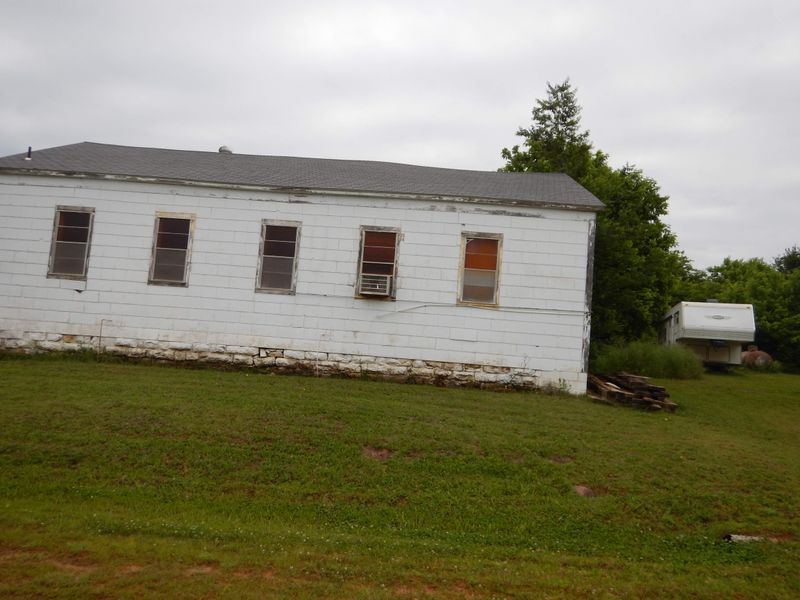
Geography is destiny, and Sparks drew the short straw. While other Oklahoma towns boomed thanks to Route 66 running through their main streets, Sparks sat miles away from the action.
That famous highway brought tourists, truckers, and commerce to communities lucky enough to be on the path. Sparks wasn’t one of them.
Being off the beaten path might sound romantic in theory, but in practice, it’s economic death. Towns need traffic, whether it’s foot, automobile, or train.
When you’re not on the way to anywhere, people have no reason to stop. Gas stations, diners, and motels need customers, and customers need a reason to be there.
Sparks had neither the highway nor the destination appeal.
Modern interstates made things even worse. Oklahoma’s major routes bypass tiny towns entirely, favoring efficiency over local character.
Sparks didn’t get an exit ramp or even a highway sign pointing curious travelers in its direction. The town became invisible to anyone not specifically looking for it.
In today’s GPS-driven world, places like Sparks exist in a weird limbo: technically on the map but functionally forgotten. Progress didn’t destroy Sparks so much as it drove right past without slowing down, leaving the town to fade in the rearview mirror.
The Survivors Who Refuse to Leave
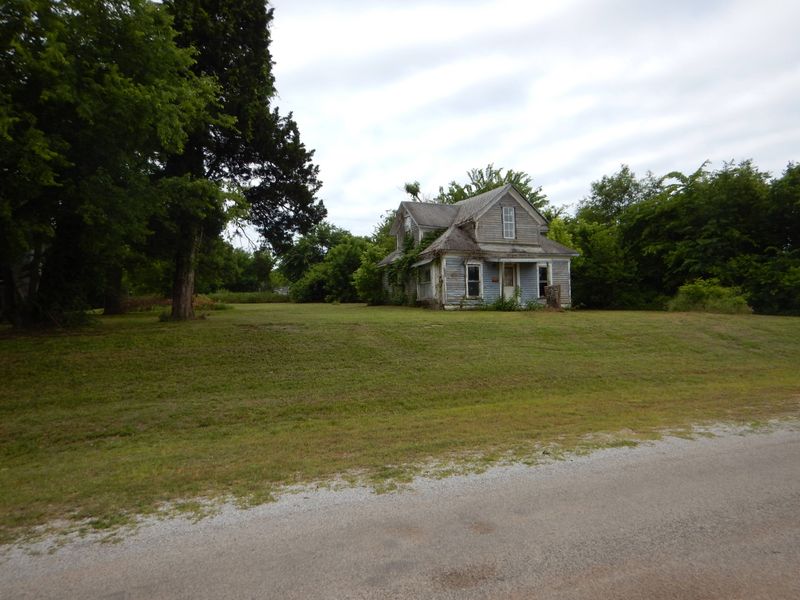
Not everyone abandoned Sparks. A core group of residents remains, clinging to their homes and land with impressive tenacity.
These folks aren’t naive about the town’s condition; they know Sparks is more ghost than town at this point. But for various reasons, they’ve chosen to stay put rather than chase opportunities elsewhere.
Some stayed because they were born here and can’t imagine living anywhere else. The land holds memories, family history, and a sense of identity that transcends economic practicality.
Others stayed because leaving would mean admitting defeat, and prairie stubbornness runs deep in Oklahoma. There’s pride in toughing it out when others couldn’t or wouldn’t.
These remaining residents form a unique community of survivors. They help each other out, maintain what infrastructure they can, and create a life that outsiders might find baffling.
There’s no grocery store, no gas station, no restaurants. Everything requires a drive to neighboring towns.
But there’s also peace, quiet, and a connection to the land that’s increasingly rare. Sparks may have checked out economically, but these holdouts haven’t clocked out yet.
They’re writing the final chapters of the town’s story, and whether it ends in total abandonment or some unexpected revival remains to be seen.
The Future That Probably Isn’t Coming
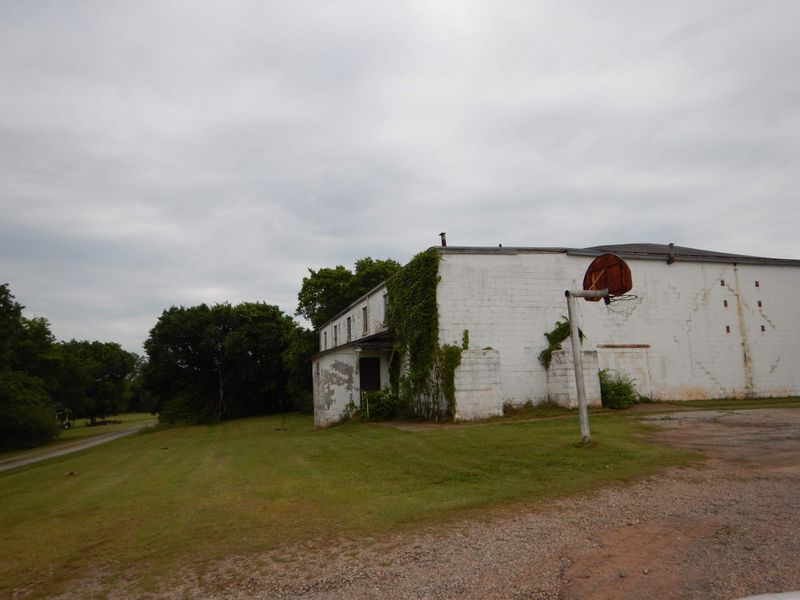
Can Sparks make a comeback? The optimistic answer is that anything’s possible, especially if some entrepreneur sees potential in the cheap land and rural setting.
Remote work has changed the game for some dying towns, allowing people to live anywhere with decent internet and still earn city salaries. Maybe Sparks could become an artists’ colony, a weekend retreat destination, or a quirky historical tourism spot.
The realistic answer is much less cheerful. Sparks lacks the infrastructure, amenities, and location advantages that revived ghost towns typically possess.
It’s not near a major city, doesn’t sit on a scenic route, and has no obvious hook to attract visitors or new residents. The buildings are too far gone for easy renovation, and the population is too small to support new businesses.
Oklahoma has seen a few small towns pull off miraculous turnarounds, but they usually had something special: a unique festival, a celebrity connection, or proximity to natural attractions. Sparks has its geographic center claim to fame, but that’s not exactly a tourism goldmine.
Most likely, the town will continue its slow fade, losing a few more residents each decade until even the diehards give up.
The buildings will collapse, the roads will crack, and eventually, Sparks will exist only in history books and census records as another Oklahoma town that checked out early and never came back to clock in.
Dear Reader: This page may contain affiliate links which may earn a commission if you click through and make a purchase. Our independent journalism is not influenced by any advertiser or commercial initiative unless it is clearly marked as sponsored content. As travel products change, please be sure to reconfirm all details and stay up to date with current events to ensure a safe and successful trip.
