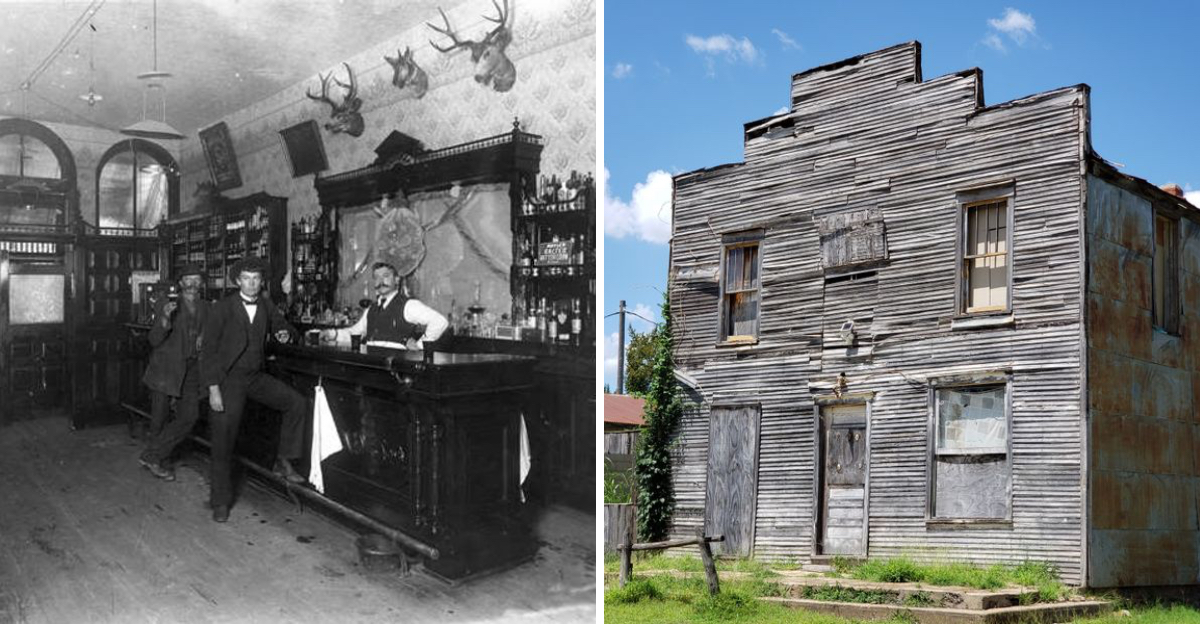
Some folks think ghost towns are nothing but dusty ruins and forgotten dreams, but Ingalls, Oklahoma tells a different story. Sitting nine miles east of Stillwater in Payne County, this tiny census-designated place packs more Wild West drama per square foot than most Hollywood sets.
Born from the chaotic Unassigned Lands run of 1889, Ingalls became the unlikely stage for one of the most explosive gunfights in outlaw history when the Doolin-Dalton Gang made it their hideout.
Today, visitors wander streets where legendary lawmen once traded bullets with infamous bandits, where saloons stood shoulder to shoulder, and where ordinary settlers tried to carve out peaceful lives amid the chaos.
The buildings may be gone, but the legends refuse to die. Walk these Oklahoma plains and you can almost hear the echo of gunfire, the thunder of horses, and the whispers of stories too wild to be forgotten.
Ready to explore a place where history bleeds into legend and every dusty corner holds a secret?
The Doolin-Dalton Gang Made This Their Secret Sanctuary
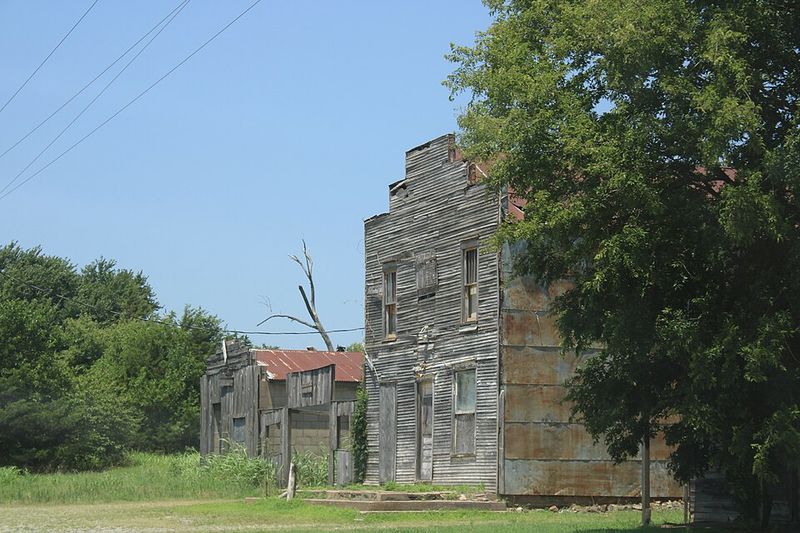
Bill Doolin and his rowdy crew of outlaws didn’t just pass through Ingalls. They practically set up camp here, turning this sleepy settlement into their personal hideaway between bank robberies and train heists across Oklahoma Territory.
Local saloons became their living rooms, and the townsfolk either looked the other way or genuinely enjoyed the company of these charismatic criminals.
Doolin himself was a complicated character, part Robin Hood and part ruthless bandit, depending on who told the story. His gang included names that would become infamous across the frontier: Bitter Creek Newcomb, Tulsa Jack Blake, and Dynamite Dick Clifton.
They’d ride into town dusty and dangerous, pockets full of stolen cash, ready to blow off steam.
What made Ingalls perfect for outlaws was its isolation and the protection offered by sympathetic locals. Farmers and shopkeepers had little love for distant government authorities, and these bandits spent money freely.
The arrangement worked beautifully until federal marshals decided enough was enough and planned their dramatic raid. The gang’s presence transformed Ingalls from an ordinary prairie town into a legendary outlaw stronghold that still captures imaginations today.
The Battle of Ingalls Turned Main Street Into a War Zone
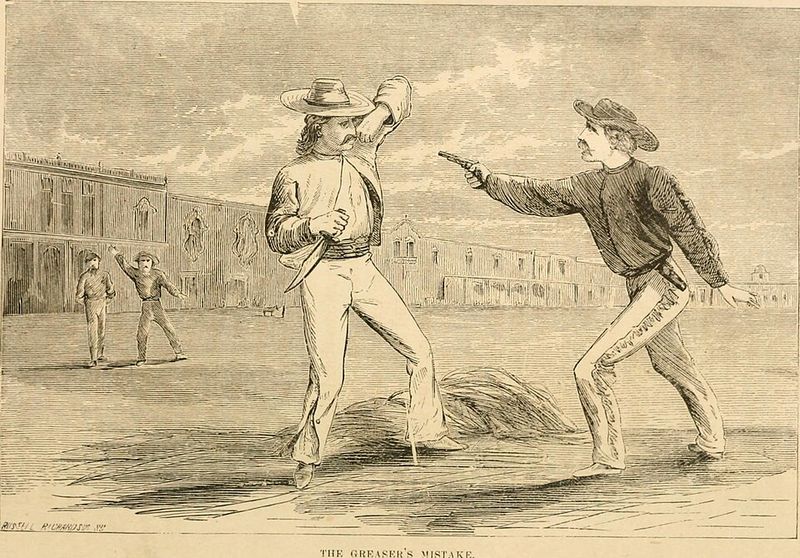
September 1, 1893, started as an ordinary Thursday morning in Ingalls. By noon, it had become one of the bloodiest shootouts in Old West history.
Thirteen heavily armed U.S. Marshals surrounded the town, determined to capture or kill the Doolin-Dalton Gang once and for all.
What they didn’t expect was how fiercely the outlaws would fight back.
Gunfire erupted from multiple directions as the gang scrambled from saloons and boarding houses, rifles blazing. Bullets ripped through wooden buildings, shattered windows, and kicked up dust clouds along the dirt streets.
The battle raged for hours, with innocent townsfolk caught in the crossfire, diving for cover wherever they could find it.
When the smoke finally cleared, three marshals lay dead, along with two civilians and one outlaw. Several others nursed serious wounds.
Despite the overwhelming force brought against them, most of the gang escaped into the Oklahoma countryside, cementing their legendary status. The Battle of Ingalls shocked the nation and proved that even heavily armed lawmen couldn’t easily tame the wildest elements of frontier Oklahoma.
The town would never be quite the same.
Ransom’s Saloon Stood at the Heart of Outlaw Territory
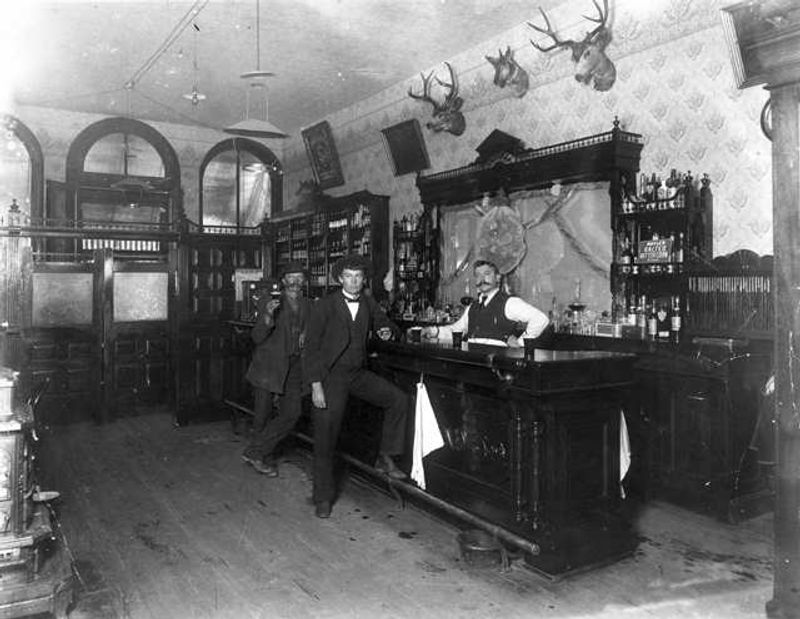
If Ingalls had a headquarters for bad behavior, Ransom’s Saloon was it. This weathered wooden establishment served as the unofficial clubhouse for the Doolin-Dalton Gang, where they’d gather to drink, gamble, and plan their next criminal adventures.
Owner Mary Pierce ran the place with a firm hand, serving whiskey and tolerance in equal measure.
The saloon wasn’t fancy by any stretch. Rough-hewn floorboards, a simple bar, a few tables for card games, and walls that had seen better days.
But what it lacked in elegance, it made up for in character and clientele. On any given evening, you might find notorious outlaws drinking alongside honest farmers, creating an atmosphere both dangerous and oddly democratic.
During the famous shootout, Ransom’s Saloon became a fortress as gang members fired from its windows and doorways. Bullet holes pockmarked its exterior, turning it into a battle-scarred monument.
Though the original building is long gone, its location remains a pilgrimage site for Wild West enthusiasts who want to stand where legends once stood, glass in hand, defying the law and living by their own rough code.
Arkansas Tom Fought From a Second-Story Window Like a Fortress
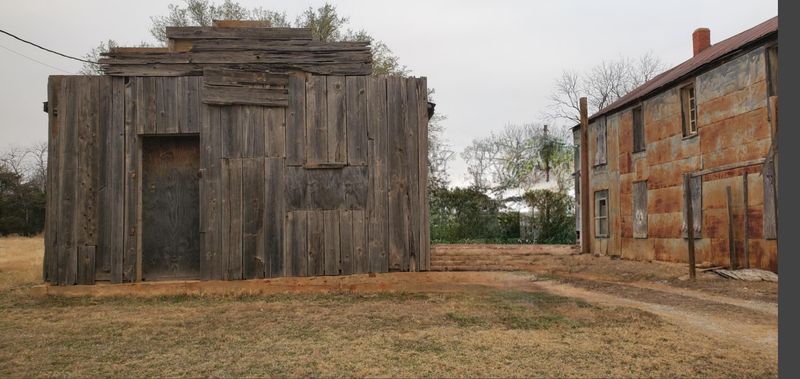
Roy Daugherty, better known as Arkansas Tom, earned his place in outlaw folklore during the Battle of Ingalls through sheer stubbornness and impressive marksmanship. While his gang members scrambled for horses and escape routes, Arkansas Tom was stuck in a second-floor room at the O.K.
Hotel, sick with fever but far from helpless.
From his elevated position, he commanded a perfect view of the street below. As marshals advanced, Arkansas Tom turned his window into a sniper’s nest, picking off lawmen with deadly accuracy.
His rifle fire kept federal forces pinned down for hours, allowing several gang members precious time to flee. Marshal Tom Hueston fell to Arkansas Tom’s bullets, making the outlaw one of the day’s most effective fighters.
Eventually, marshals surrounded the hotel and demanded his surrender. Low on ammunition and with no escape route, Arkansas Tom finally gave up, becoming the only gang member captured that day.
He’d spend years in prison, where he’d reflect on his moment of fame. That second-story window became legendary, representing both the desperate courage and ultimate futility of the outlaw life in Oklahoma Territory.
The Land Run of 1889 Created This Town Overnight
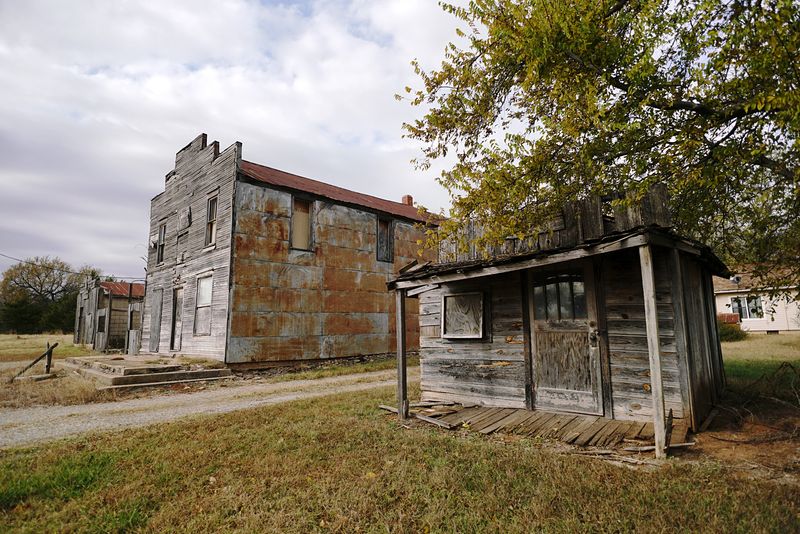
Before Ingalls became an outlaw haven, it was born from one of the most chaotic events in American history: the Land Run of 1889. At precisely noon on April 22, thousands of settlers thundered across the starting line into the Unassigned Lands, racing to claim their piece of Oklahoma Territory.
Stakes were driven, tents were pitched, and towns materialized almost instantly.
Ingalls emerged from this organized chaos, settled by hopeful pioneers who believed they’d found their promised land. Within months, the tiny settlement had a post office, established January 22, 1890, giving it official status.
Businesses sprang up to serve the surrounding farmers: general stores, blacksmith shops, and yes, those famous saloons that would later host outlaws.
The land run mentality shaped everything about early Ingalls. People here were risk-takers, rule-benders, folks willing to gamble everything on uncertain futures.
That independent spirit made them sympathetic to outlaws and suspicious of distant authorities. They’d literally raced to claim this land, so they weren’t about to let anyone tell them how to live on it.
This defiant Oklahoma attitude created the perfect environment for Wild West legends to flourish and for history to get gloriously messy.
Ghost Town Status Arrived When the Railroad Passed Them By
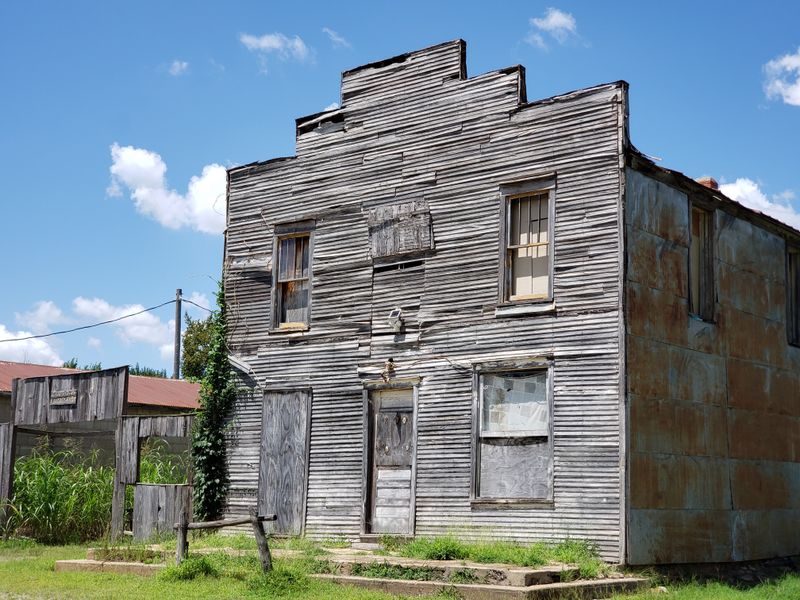
Ingalls’ decline wasn’t dramatic like its famous shootout. Instead, it happened slowly, inevitably, as economic forces proved more powerful than any outlaw gang.
When railroad companies planned their routes through Oklahoma Territory, they bypassed Ingalls, dooming the settlement to irrelevance. Towns without rail connections simply couldn’t compete in the modern economy emerging across the plains.
By 1907, when Oklahoma achieved statehood, Ingalls had already begun its fade into history. The post office closed on October 31 that year, a symbolic death certificate for the community.
Residents gradually drifted away to Stillwater, Cushing, and other towns with better prospects. Buildings were abandoned, then salvaged for lumber, then forgotten entirely.
What remained was something more valuable than a functioning town: a legend preserved in amber. Because Ingalls never modernized, never grew into a city, it stayed frozen in the Wild West era that made it famous.
Today’s visitors see essentially the same landscape those outlaws knew, unchanged by strip malls or suburban sprawl. The ghost town status that marked economic failure became historical gold, keeping the legends alive and the stories pure across generations of Oklahoma history enthusiasts.
Annual Reenactments Bring the Gunfight Back to Life
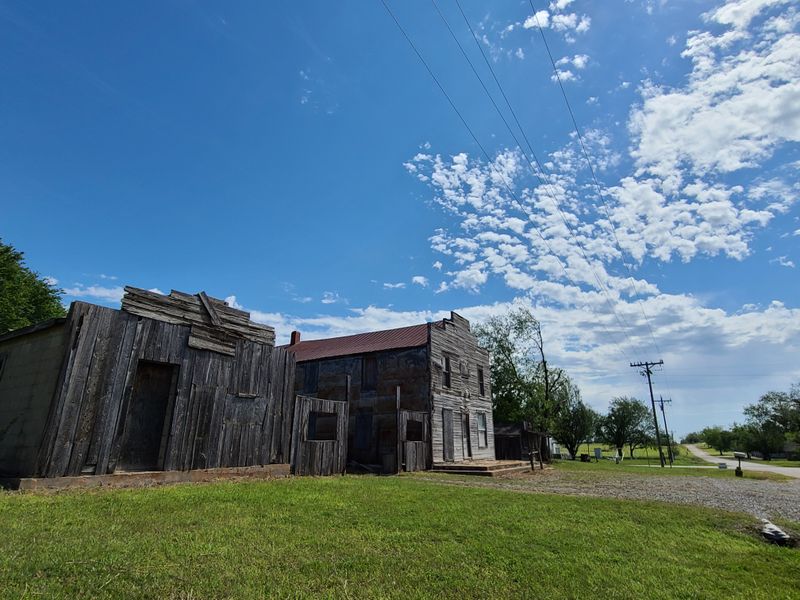
Every year, history buffs and Wild West enthusiasts gather near Ingalls to recreate the famous Battle of Ingalls through carefully choreographed reenactments. Participants dress in period-authentic clothing, brandish replica weapons, and stage the shootout with theatrical flair.
Blank cartridges crack like real gunfire, actors fall dramatically in dusty streets, and spectators get a visceral sense of that violent September day in 1893.
These events aren’t just entertainment. They’re living history lessons that honor both the marshals who died doing their duty and the complex legacy of the outlaws they pursued.
Organizers take historical accuracy seriously, consulting archives and eyewitness accounts to get details right. Between action sequences, historians provide context about frontier justice, territorial law enforcement, and the economic conditions that bred outlaw culture.
Families spread blankets on the prairie grass, kids wide-eyed as the drama unfolds. Local vendors sell period-appropriate food and crafts, creating a festival atmosphere around the serious historical commemoration.
For a few hours, Ingalls lives again, populated by ghosts made flesh through dedication and imagination. It’s Oklahoma at its finest, celebrating a rough-and-tumble past without sanitizing it, keeping legends alive for new generations to discover and debate.
The Ingalls Museum Preserves Artifacts From the Outlaw Era
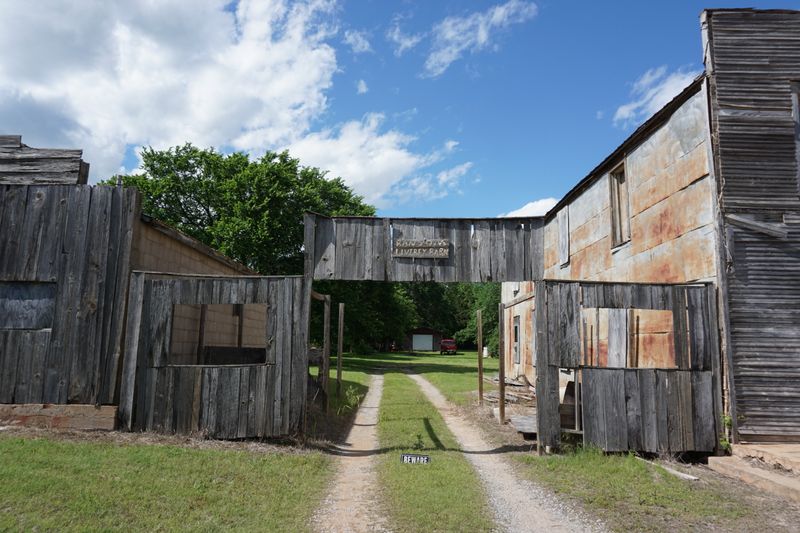
Located near the historic site, a small museum dedicated to Ingalls history houses an impressive collection of artifacts from the town’s wild days. Yellowed photographs show the settlement in its prime, wooden buildings lining dusty streets, stern-faced settlers staring into primitive cameras.
Display cases hold bullets recovered from the shootout site, rusted horseshoes, fragments of bottles from long-gone saloons, and other tangible connections to that violent era.
The museum’s real treasures are the documents: wanted posters featuring the Doolin-Dalton Gang, newspaper accounts of the battle written in the breathless prose of frontier journalism, letters from marshals describing their dangerous work.
These primary sources bring authenticity to legends that sometimes grow too tall in the retelling. Reading actual words written by people who lived through these events grounds the stories in reality.
Volunteers who staff the museum are passionate local historians, eager to share stories and answer questions. They’ll point out connections between Ingalls and other famous Oklahoma outlaw sites, explain territorial law enforcement structures, and separate documented facts from colorful myths.
It’s a small operation with a big mission: keeping accurate history alive while acknowledging why these legends captured imaginations then and continue to fascinate visitors now.
The Prairie Landscape Looks Much Like It Did in 1893
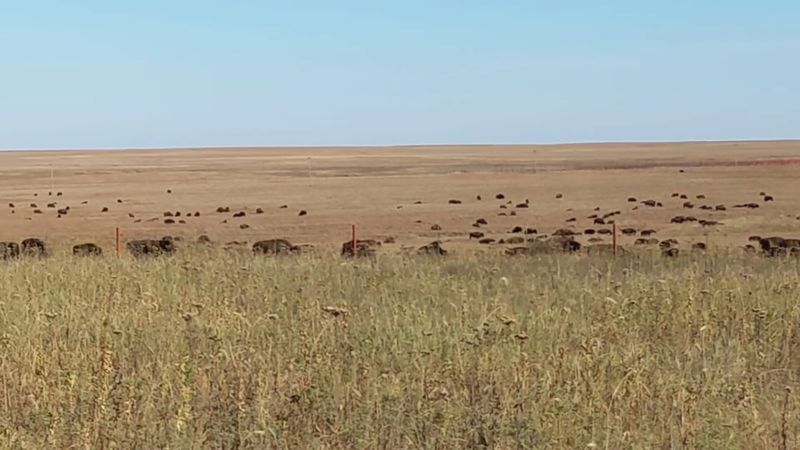
Stand in Ingalls today and you’re seeing essentially the same view those outlaws and marshals saw over 130 years ago. Rolling prairie stretches to distant horizons, native grasses rippling like ocean waves in the persistent Oklahoma wind.
The sky dominates everything, vast and often dramatic with thunderheads building in summer afternoons or crystal-clear blue stretching forever on autumn days.
This unchanged landscape is rare and precious. Most Wild West sites have been swallowed by development, their historical character buried under parking lots and convenience stores.
Ingalls escaped that fate through its very failure to thrive. Without economic growth came preservation by neglect, leaving the setting remarkably intact.
You can stand where the shootout happened and understand the sightlines, the distances, the tactical challenges both sides faced.
The land itself tells stories. Slight depressions mark where buildings once stood.
Old wagon trails are still visible as faint traces across the grassland. Native wildflowers bloom in spring just as they did when settlers first arrived.
Birds that would have been familiar to Bill Doolin still nest here. This continuity connects visitors directly to the past in ways that reconstructed sites simply cannot match.
The Oklahoma prairie remembers everything, patient and eternal.
Stillwater Sits Just Nine Miles West With Modern Amenities
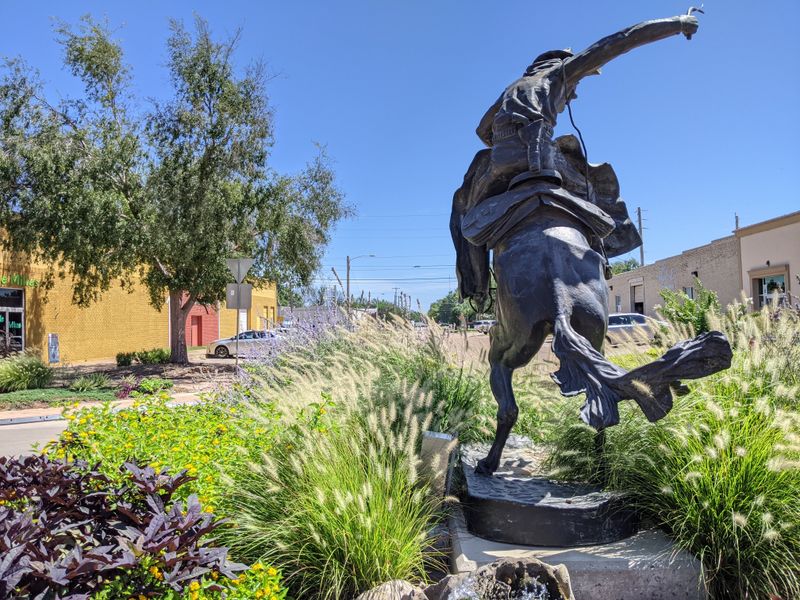
Visiting Ingalls works perfectly as a day trip from Stillwater, the thriving college town that represents everything Ingalls never became. Home to Oklahoma State University, Stillwater offers hotels, restaurants, museums, and all the conveniences modern travelers expect.
The contrast between these neighboring communities couldn’t be more stark or more interesting from a historical perspective.
Stillwater survived and flourished precisely because it secured what Ingalls lacked: railroad connections, educational institutions, and strategic location. Today it’s a vibrant community of over 45,000 people, with a downtown that successfully blends historic buildings with contemporary businesses.
After exploring the ghost town, visitors can return to Stillwater for craft breweries, farm-to-table restaurants, and comfortable accommodations.
The nine-mile distance between these towns represents more than geography. It’s a gap between past and present, between legend and everyday life, between what was and what might have been.
Many visitors spend mornings walking Ingalls’ silent prairie, imagining outlaws and gunfights, then return to Stillwater for evening entertainment and reflection.
This combination makes the Payne County area ideal for history enthusiasts who appreciate authentic Wild West sites but also enjoy modern comforts after their historical adventures conclude.
Oklahoma offers both, conveniently packaged.
The Legends Continue Growing With Every Retelling
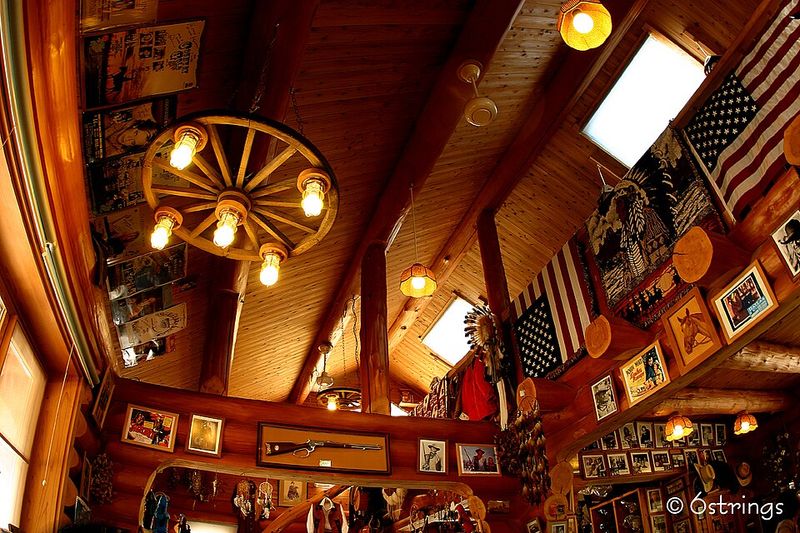
Something magical happens to Wild West stories over time. Facts blur into folklore, minor characters become larger-than-life heroes or villains, and events that were chaotic and confusing when they happened crystallize into clear narratives with dramatic arcs.
Ingalls exemplifies this transformation perfectly, its legends growing richer and more complex with each generation that rediscovers them.
Bill Doolin has evolved from a simple cattle rustler turned bank robber into a complex antihero, portrayed alternately as a Robin Hood figure or a ruthless criminal depending on who’s telling the story.
The marshals who raided Ingalls are sometimes depicted as brave lawmen doing dangerous work, other times as heavy-handed government enforcers oppressing independent frontier folk.
Truth probably lies somewhere in the middle, as it usually does.
Local historians work to separate fact from fiction, but even they admit the legends serve important purposes. They keep interest alive in Oklahoma history, draw tourists to an economically struggling region, and provide shared cultural touchstones.
The stories connect modern Oklahomans to their state’s wild origins, offering pride and identity. So the legends continue evolving, told around campfires and in classrooms, adapted into books and films, forever shooting off new variations while remaining rooted in that dusty September showdown.
Dear Reader: This page may contain affiliate links which may earn a commission if you click through and make a purchase. Our independent journalism is not influenced by any advertiser or commercial initiative unless it is clearly marked as sponsored content. As travel products change, please be sure to reconfirm all details and stay up to date with current events to ensure a safe and successful trip.
