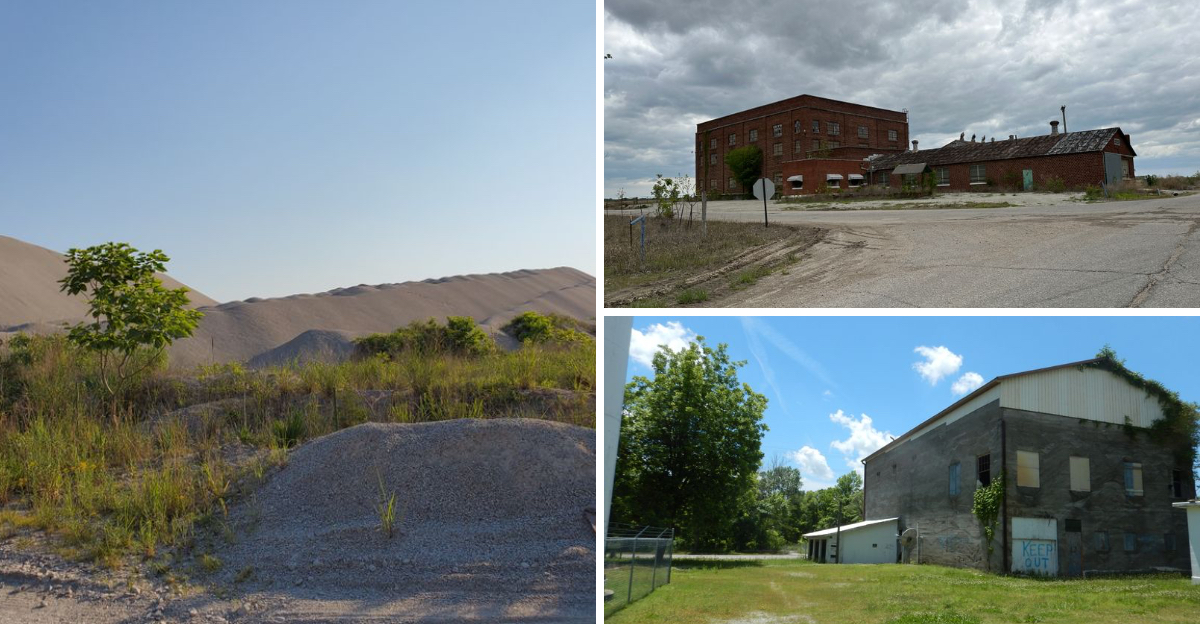
Locals around Oklahoma can’t stop debating whether Cardin is more haunting in moonlight or blazing daylight, and honestly, the daylight crew might be onto something darker than they bargained for. This tiny ghost town in Ottawa County didn’t fade away because of bandits or drought.
It vanished because of something far more sinister lurking beneath the soil, something you can still see today if you’re brave enough to wander its empty streets. What remains is a chilling reminder that not all dangers hide in shadows, and sometimes the scariest stories unfold under the brightest Oklahoma sun.
A Town Poisoned by Its Own Prosperity
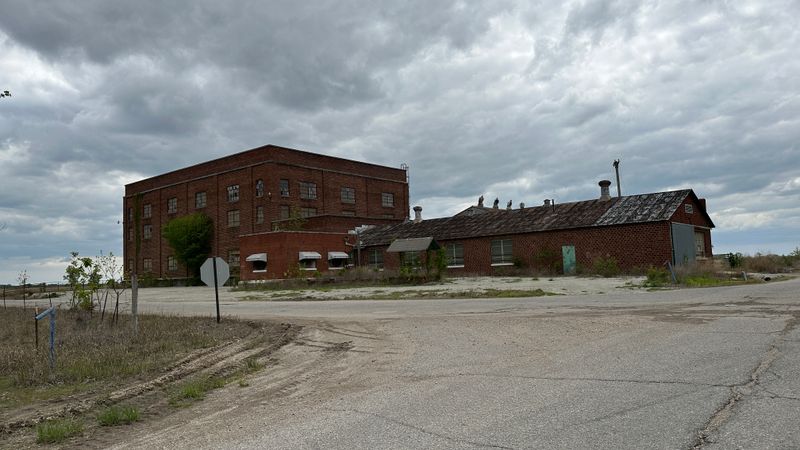
Cardin once thrived as a bustling mining community in the early 1900s, pulling lead and zinc from the earth with reckless ambition. Thousands flocked here for work, building homes, schools, and dreams on land that would later betray them.
The mines brought wealth, but they also brought something deadly that would linger for generations.
By the late 20th century, scientists discovered catastrophic levels of lead contamination in the soil, water, and air. Children tested positive for dangerous lead levels in their blood, and families faced impossible choices.
The Environmental Protection Agency declared Cardin part of the Tar Creek Superfund site, one of the most toxic places in America.
Walking through Cardin today feels like stepping into a cautionary tale written in rust and ruin. Crumbling foundations mark where homes once stood before the government bought them out and demolished them to prevent people from returning.
The daylight reveals every scar, every poisoned patch of earth, every reminder that progress sometimes costs more than anyone anticipated.
This isn’t a ghost town because people left for better opportunities. They fled because staying meant slow poisoning, and that reality hits harder when you can see the bright orange-stained creeks still flowing through the abandoned streets.
Chat Piles That Tower Like Toxic Mountains
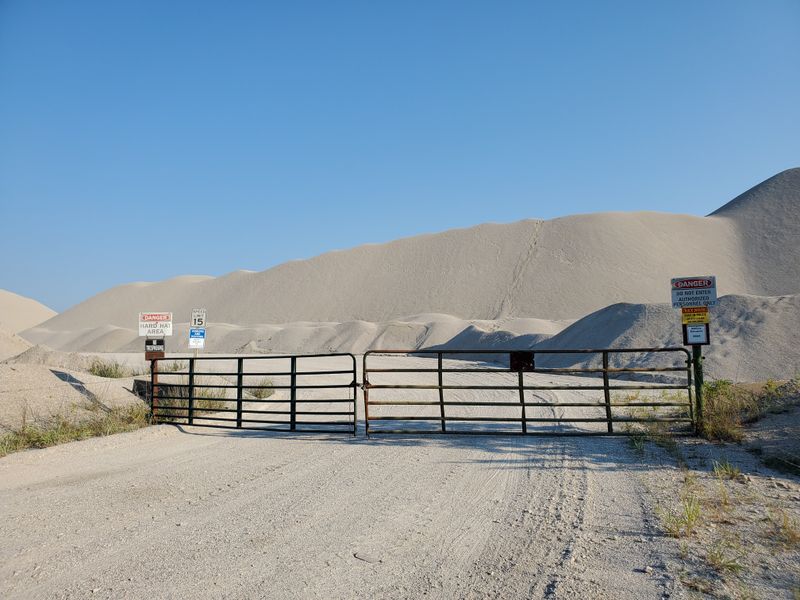
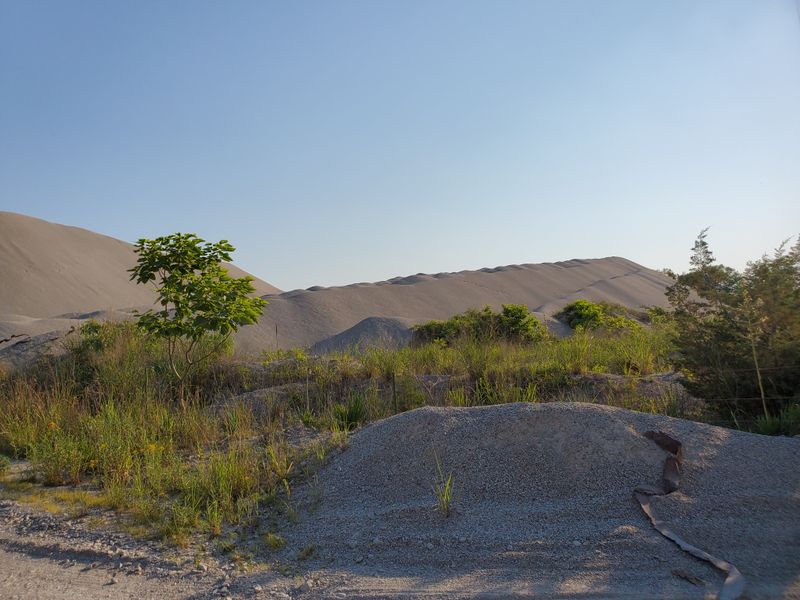
Driving toward Cardin, you’ll spot them long before you reach the town limits: massive gray-white mountains rising unnaturally from the flat Oklahoma prairie. These aren’t natural formations but chat piles, leftover mining waste stacked stories high and stretching for acres.
They look almost otherworldly in daylight, like something from a science fiction landscape.
Chat piles contain crushed rock and mineral waste from decades of mining operations, and they’re loaded with heavy metals including lead, zinc, and cadmium. Rain washes these toxins into nearby waterways, spreading contamination across the region.
The piles shift and settle over time, creating sinkholes and unstable ground that makes them dangerous to climb despite their tempting, moon-like appearance.
What makes these mountains truly unsettling in daylight is how starkly they contrast with the surrounding landscape. Under the sun, you can see their unnatural angles, the way nothing grows on their slopes, and the dust that kicks up with every breeze.
That dust carries the same heavy metals that poisoned the town.
Some chat piles have been partially remediated, but many remain, silent sentinels to an industry that prioritized profit over people. They’re a visible scar on the land, impossible to ignore when daylight illuminates every contaminated grain.
Orange Water That Flows Like Warning Signs
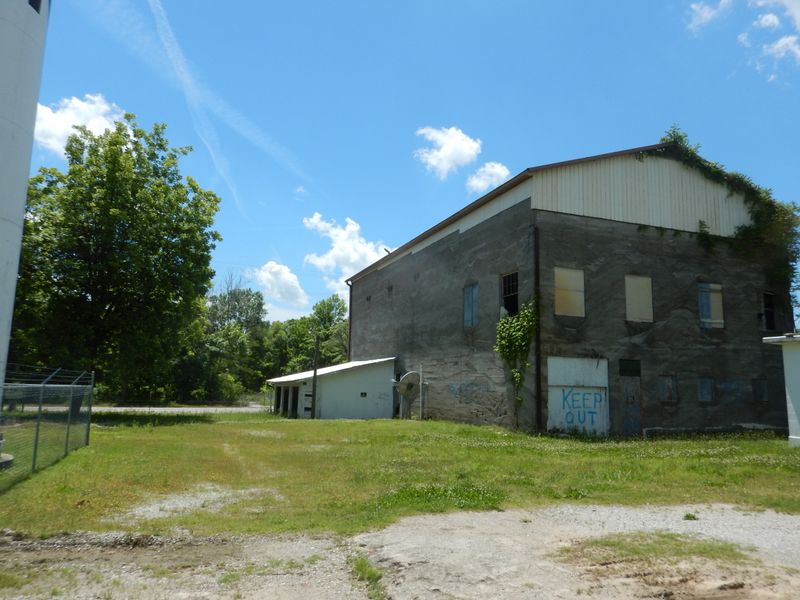
Tar Creek earned its name honestly, and one look at the water flowing through Cardin explains everything. The creek runs bright orange, stained by iron oxide and heavy metal runoff from abandoned mines.
It’s a color you can’t unsee, especially in full daylight when the contaminated water practically glows against the landscape.
This isn’t just ugly water. It’s toxic, carrying lead concentrations thousands of times higher than safe drinking levels.
Fish can’t survive in it, and neither can most aquatic life. The orange coating clings to rocks and banks, a permanent reminder of the environmental disaster that unfolded here.
Standing beside Tar Creek during the day feels surreal. The water moves like any other stream, babbling over rocks and catching sunlight, but its unnatural color screams danger.
Children who played in this creek decades ago suffered lead poisoning, and the contamination continues flowing downstream, affecting communities far beyond Cardin’s borders.
The daylight makes the contamination impossible to dismiss or romanticize. There’s no mysterious beauty here, just the stark reality of ecological destruction.
The orange water serves as a liquid memorial to environmental negligence, flowing past empty lots where families once lived, a constant toxic presence that never sleeps.
Empty Streets Where Houses Used to Stand
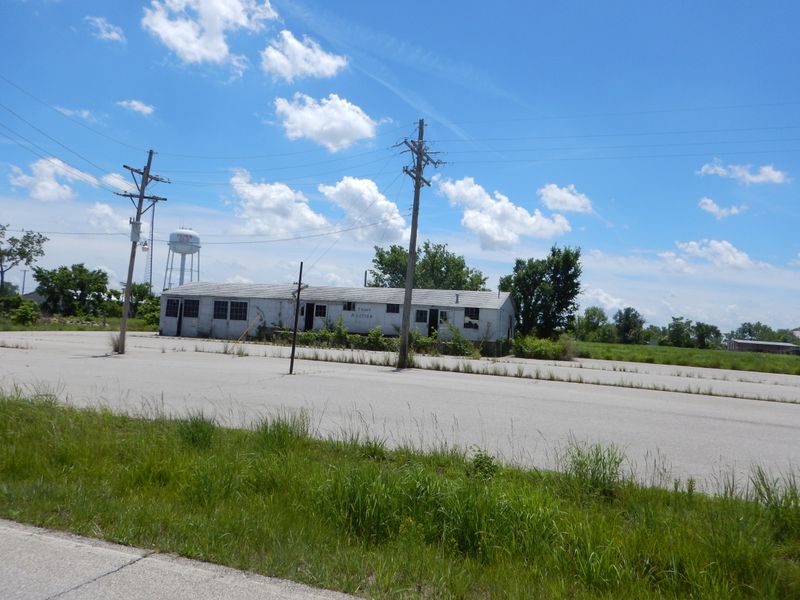
Cardin’s street grid remains intact, but the houses are gone, creating one of the most unsettling landscapes you’ll encounter in Oklahoma. Concrete foundations, driveways leading nowhere, and the occasional front porch steps are all that mark where homes once stood.
In daylight, you can walk these phantom neighborhoods and count the lives displaced by contamination.
The federal government’s buyout program removed most structures to prevent people from returning to poisoned land. What they left behind is a grid of absence, a town outlined in negative space.
Street signs still stand at intersections, marking roads that serve no residents. Overgrown yards blend into one continuous field interrupted only by foundations slowly crumbling into the earth.
Walking these empty streets during the day amplifies the tragedy. You can see children’s swing sets rusting in yards, mailboxes still standing sentinel, and the occasional flower that someone planted decades ago, now growing wild.
These small domestic details make the abandonment personal, transforming statistics into stories of real families forced to leave everything behind.
The silence is profound. No dogs barking, no cars passing, no screen doors slamming.
Just wind moving through empty lots and the distant industrial hum from mines still operating elsewhere in the region. Daylight reveals every detail of this erasure, making it impossible to ignore what was lost.
The School That Taught Its Last Lesson
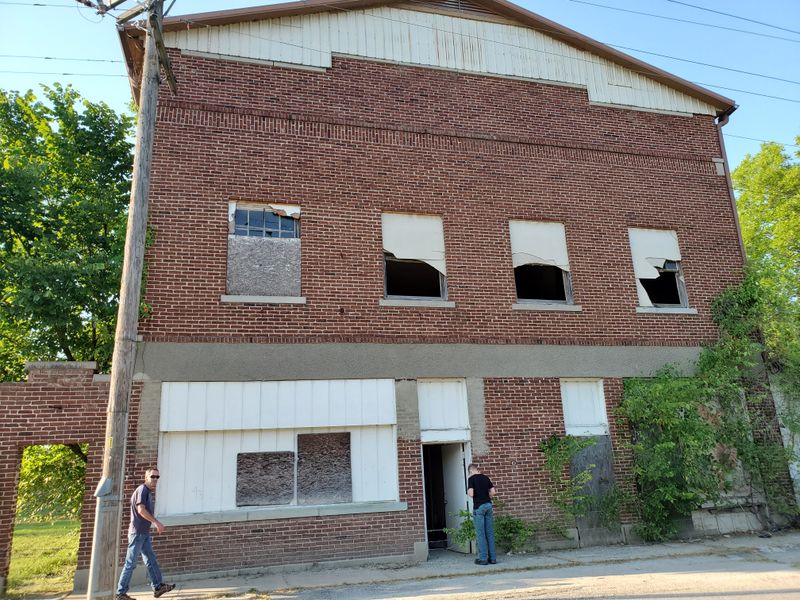
Cardin’s school closed its doors permanently, and what remains tells a heartbreaking story about a community that once invested in its future. The building stands in various states of decay, depending on when you visit, with broken windows and faded paint revealing the passage of time.
Educational posters still cling to some walls inside, teaching lessons to classrooms that will never fill again.
This wasn’t a one-room schoolhouse from pioneer days. Cardin had a proper school building that served children through the mining boom years, complete with a playground and athletic fields.
Parents sent their kids here believing they were building better lives, unaware that the very ground beneath the school was poisoning their children.
The playground equipment rusted long ago, swings hanging motionless in the Oklahoma breeze. In daylight, you can see where children wore paths in the dirt, patterns still faintly visible decades after the last recess.
The basketball court’s painted lines have faded to ghosts, and the flagpole stands empty, no longer raising colors each morning.
Schools represent hope and future, which makes abandoned ones particularly poignant. Cardin’s school symbolizes dreams interrupted, childhoods cut short by environmental disaster, and a community’s inability to protect its most vulnerable members.
The building serves as a monument to everything that went wrong here, more haunting in sunshine than any midnight shadow could make it.
Mine Shafts That Collapsed Into Sinkholes
Beneath Cardin lies a honeycomb of abandoned mine shafts and tunnels, and the surface above them isn’t always stable. Sinkholes appear without warning, swallowing sections of streets and yards as old mine works collapse under their own weight.
These sudden openings in the earth create a landscape of hidden danger that’s only fully visible in daylight.
Some sinkholes are small, just a few feet across, while others could swallow vehicles. The ground around them often shows warning signs like circular cracks or subtle depressions, but not always.
Walking through Cardin means watching your step constantly, aware that the earth beneath might be hollow, held up by century-old timbers slowly rotting away.
The mines that created Cardin’s wealth also ensured its destruction. Tunnels extend for miles underground, following ore veins in unpredictable patterns.
No complete map exists showing where all the shafts run, making it impossible to know which areas are safe and which might collapse tomorrow. This uncertainty adds psychological weight to visiting the town.
During the day, you can spot the sinkholes, note the warning signs, and navigate carefully. At night, they’d be invisible traps.
But somehow, seeing them in full light makes them more disturbing, because you realize how much danger lurks just beneath the surface of what looks like ordinary ground. The earth itself became unsafe here, a betrayal that drove away everyone who called this place home.
A Population That Vanished to Zero
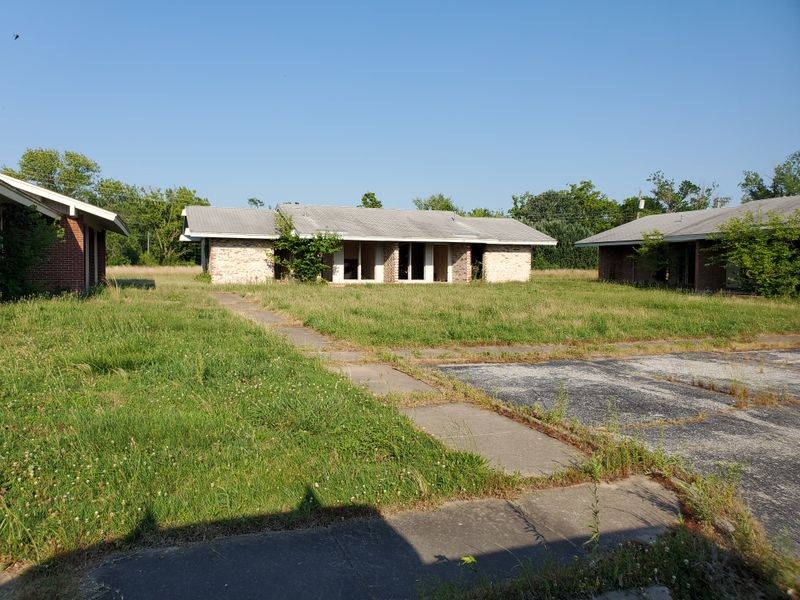
Census numbers tell Cardin’s story in stark mathematical terms. The town counted 150 residents in 2000, dropped to just 3 people by the 2010 census, and by November that same year, the official population reached zero.
Not a single person remained. Those numbers represent one of the most complete town abandonments in modern Oklahoma history, a community erased within a decade.
The final holdouts who resisted leaving became local legends, stubbornly staying in their contaminated homes despite government warnings and buyout offers. Eventually, even they departed, unable to maintain a life in a place with no services, no neighbors, and poisoned everything.
Their departure marked the official death of Cardin as a living community.
Standing in Cardin today, that zero population feels tangible. There’s no one to ask for directions, no one maintaining the roads, no one who calls this place home.
It’s not a town with a small population. It’s a town with no population, a distinction that transforms the entire experience of visiting.
You’re not a guest here. You’re a trespasser in a place humans abandoned.
The daylight emphasizes this absolute emptiness. You can see for blocks in every direction and spot no signs of human activity.
No smoke from chimneys, no cars in driveways, no curtains in windows. Just structures in various states of collapse, slowly being reclaimed by nature.
The complete absence of people makes Cardin uniquely unsettling among Oklahoma’s ghost towns.
Dear Reader: This page may contain affiliate links which may earn a commission if you click through and make a purchase. Our independent journalism is not influenced by any advertiser or commercial initiative unless it is clearly marked as sponsored content. As travel products change, please be sure to reconfirm all details and stay up to date with current events to ensure a safe and successful trip.
