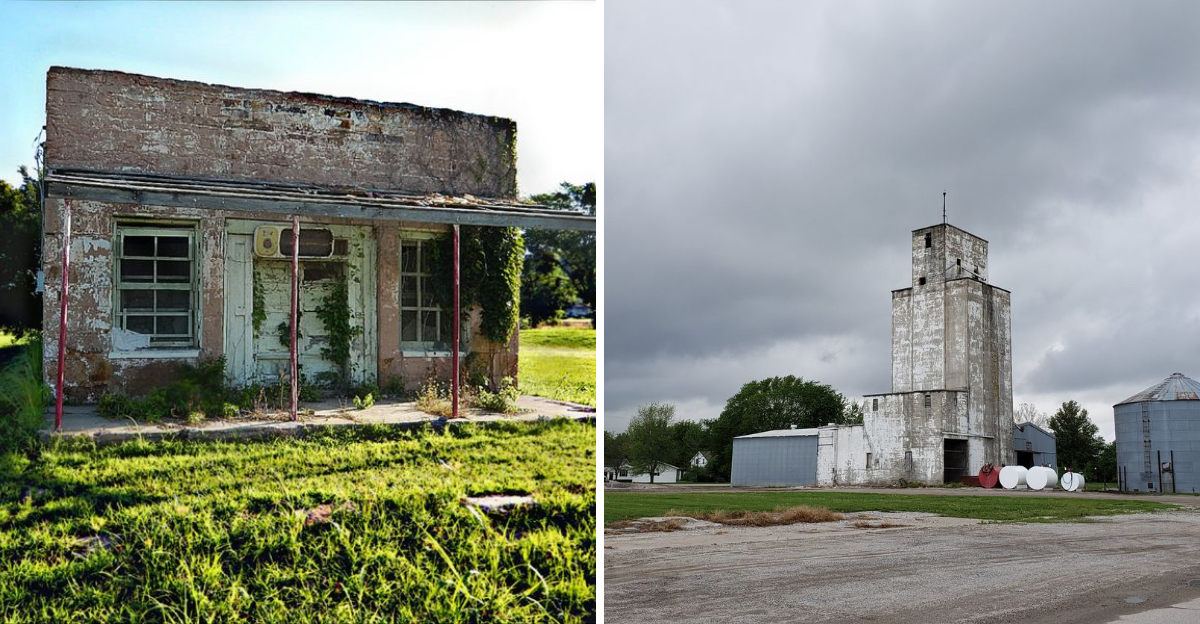
Ever heard of a town that just disappeared? Not in some mysterious Bermuda Triangle way, but because history, economics, and time decided to erase it from the map.
Clearview, Oklahoma, was once a thriving all-black freedmen’s town with hopes as big as the prairie sky. Founded with dreams of independence and prosperity, it became a beacon for African Americans seeking a fresh start after the Civil War.
But like so many small towns across the Great Plains, Clearview couldn’t outrun the forces of change. Today, it’s barely a dot on the map, with a population that’s dwindled to just 41 souls.
Yet, the spirit of what it once was still lingers in the stories, the soil, and the stubborn few who refuse to let it fade completely. So, is Clearview truly a ghost town, or is it a living monument to resilience?
That’s the debate worth having. Some say it’s a tragic loss, while others argue it’s a powerful reminder of a community that dared to dream big in a world that didn’t always make room for them.
Let’s wander through the remnants of this nearly forgotten place and see what memories still echo across the Oklahoma plains.
A Freedmen’s Dream Born from Struggle
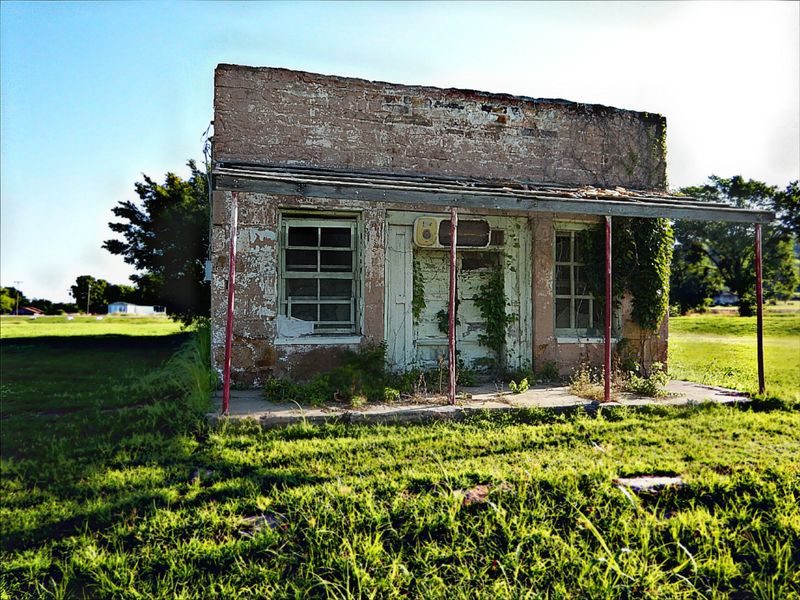
Clearview wasn’t just another Oklahoma settlement. It was originally known as Lincoln and platted by the Lincoln Townsite Company with a bold vision: to create a safe haven for formerly enslaved people and their descendants.
After the Civil War, thousands of African Americans migrated westward, seeking land, opportunity, and a chance to govern themselves without the shadow of oppression. Oklahoma Territory, with its promise of open land and new beginnings, became a magnet for these hopeful pioneers.
The founders of Clearview imagined a town where black families could own property, run businesses, and build schools without interference. It was part of a larger movement that established dozens of all-black towns across Oklahoma in the late 1800s and early 1900s.
These communities weren’t just about survival; they were about pride, autonomy, and proving that African Americans could thrive when given the chance. Clearview stood as a testament to that determination.
By the early 20th century, the town had a post office, general stores, churches, and a tight-knit community that looked out for one another. Families farmed the land, raised livestock, and celebrated their hard-won freedom.
But the dream was fragile, built on soil that was sometimes unforgiving and an economy that depended on agriculture and the railroad, both of which would eventually betray the town’s future.
The Lincoln Townsite Company’s Grand Plan
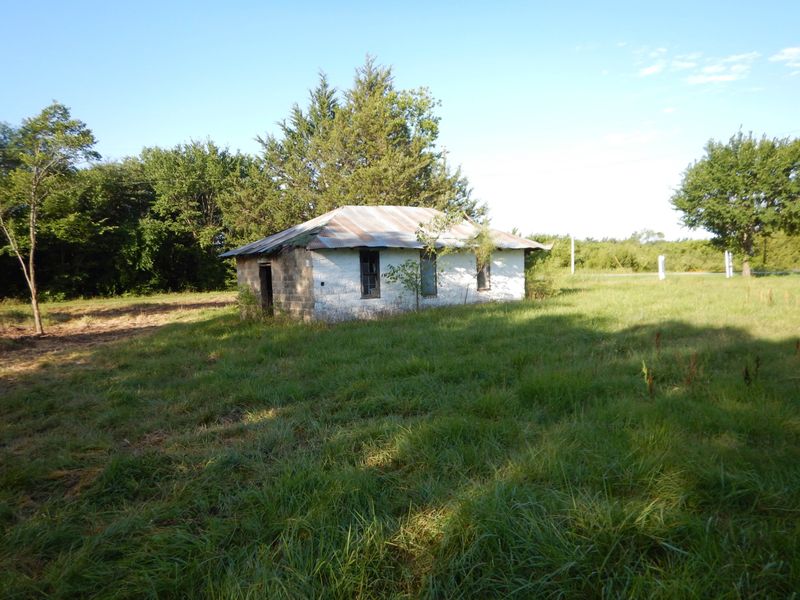
Behind every great town is a story of ambition, and Clearview’s began with the Lincoln Townsite Company. This group of visionary entrepreneurs saw an opportunity to create something revolutionary: a self-sufficient black community in the heart of Indian Territory, which would later become Oklahoma.
They purchased land, drew up plats, and marketed the town to African American families across the South who were desperate to escape Jim Crow laws and racial violence.
The company’s pitch was compelling. Own your own land.
Build your own future. Live free from the constant threat of discrimination.
For many families, it sounded like a dream come true. They packed up everything they owned and made the journey to Oklahoma, ready to start fresh.
The Lincoln Townsite Company promised not just plots of land, but a chance at dignity and prosperity.
However, like many land development schemes of that era, the reality didn’t always match the promise. The soil was tough to farm, droughts were common, and access to markets was limited.
Still, the families who settled there worked tirelessly to make it work. They built homes, planted crops, and created a community from scratch.
The Lincoln Townsite Company may have been motivated by profit, but the people who came to Clearview were motivated by something far more powerful: hope.
The Dust Bowl’s Devastating Blow
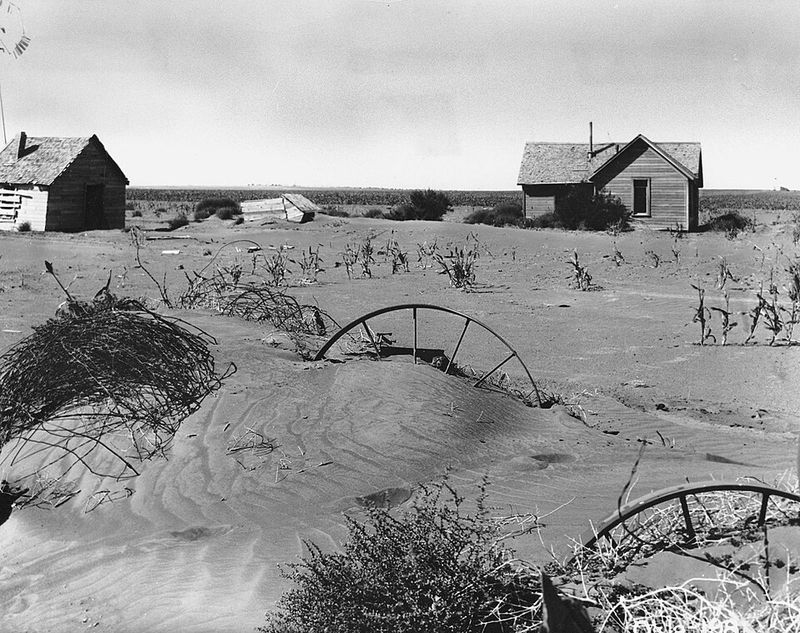
Just when things couldn’t get much worse, the 1930s arrived with a vengeance. The Dust Bowl, one of the most catastrophic environmental disasters in American history, hit Oklahoma hard.
For Clearview, already teetering on the edge of survival, the dust storms were nearly the final nail in the coffin. Crops failed, livestock died, and the land turned into a barren wasteland.
Families who had already struggled to make ends meet found themselves facing starvation and despair.
The black blizzards, as they were called, rolled across the plains with terrifying force, blotting out the sun and burying everything in their path. People hung wet sheets over windows to keep the dust out, but it seeped in anyway, covering furniture, food, and lungs.
Children developed respiratory illnesses, and the elderly suffered the most. Many families packed up what little they had left and joined the mass exodus to California and other states, hoping for a better life.
Clearview’s population, already declining, took another massive hit during this period. The few who stayed did so out of sheer stubbornness or lack of options.
They watched their neighbors leave, one by one, until the town was a shadow of its former self. The Dust Bowl didn’t just destroy crops; it destroyed communities, dreams, and the very fabric of rural life across Oklahoma.
A Population That Shrank to Double Digits
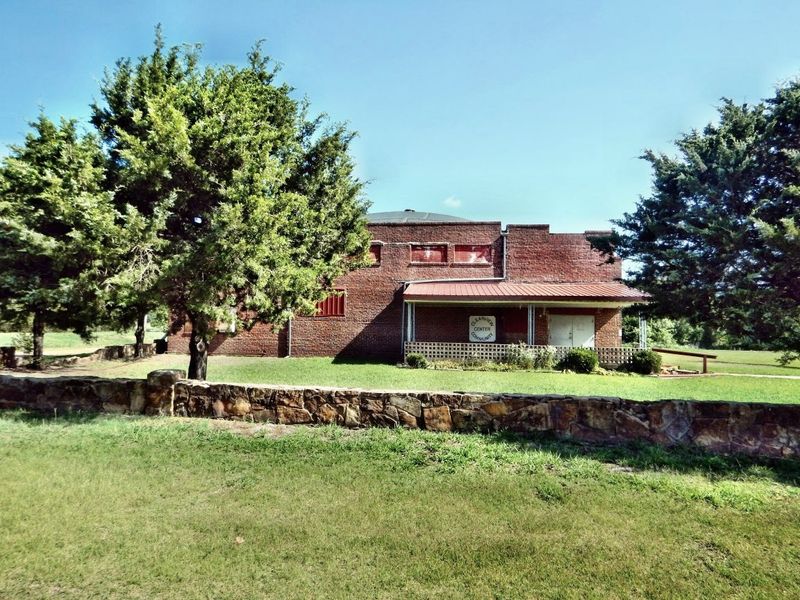
Numbers tell a stark story. At its peak, Clearview had a few hundred residents, enough to support multiple businesses, a school, and a vibrant community life.
By the 2020 Census, that number had plummeted to just 41 people. Forty-one.
That’s barely enough to fill a school bus, let alone sustain a town. It’s a statistic that’s both shocking and heartbreaking, a testament to how quickly a place can slip from relevance into near oblivion.
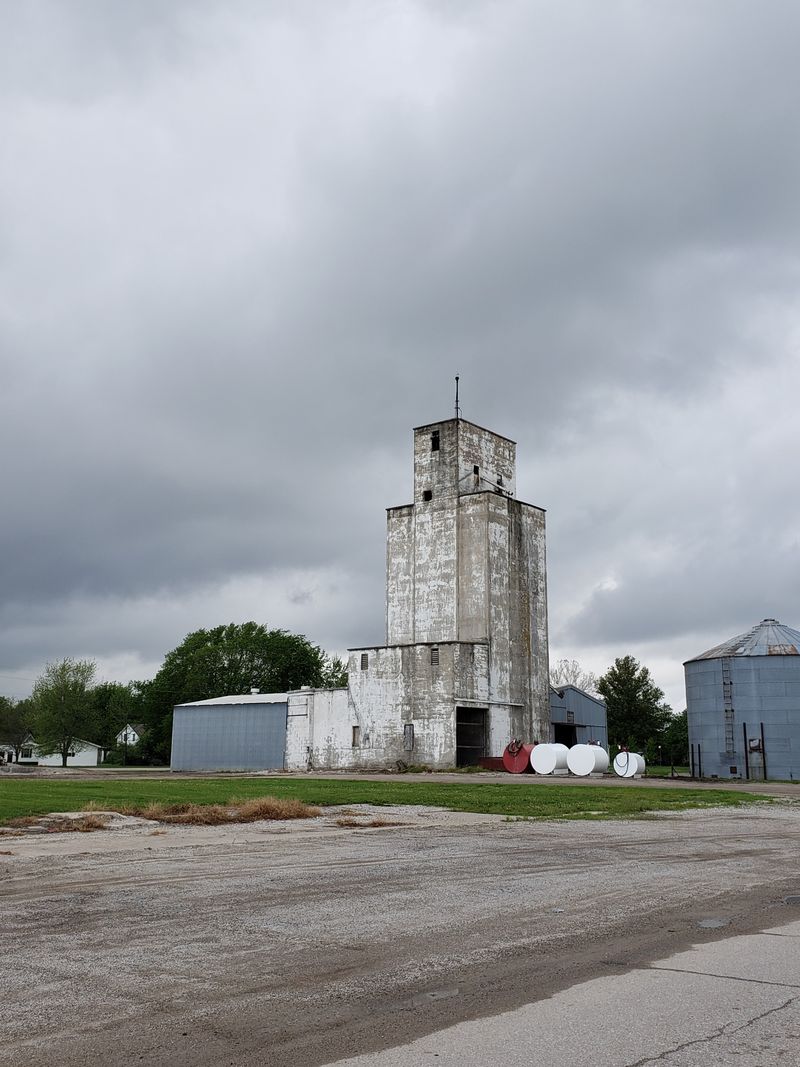
Walking through Clearview today, you can feel the emptiness. Houses stand vacant, their windows broken and roofs caved in.
The few occupied homes are scattered, separated by empty lots where buildings once stood. There’s no grocery store, no gas station, no bustling downtown.
The sense of isolation is palpable. For the residents who remain, life is quiet, almost hauntingly so.
They know their neighbors well because there are so few of them.
Yet, those 41 people represent something important: resilience. They could have left, like so many others, but they chose to stay.
Whether it’s because of family ties, a connection to the land, or a refusal to let Clearview disappear completely, they are the keepers of the town’s memory. Their presence, however small, ensures that Clearview isn’t just a name on an old map, but a living, breathing piece of Oklahoma history.
The School That Educated Generations
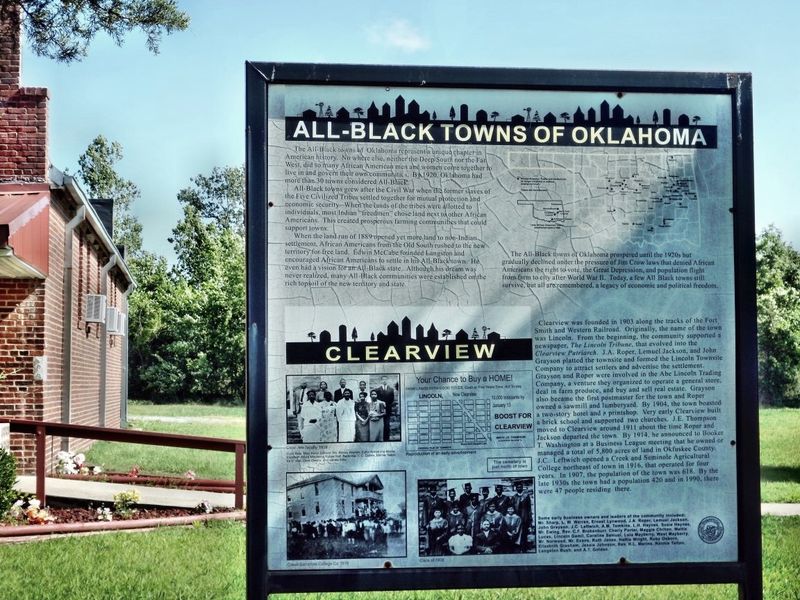
Education was a cornerstone of Clearview’s identity. In a time when many African American children were denied quality schooling, the town’s school represented hope and opportunity.
Families moved to Clearview specifically so their children could attend a school where they would be valued and encouraged, not marginalized or ignored. The school building itself was modest, but what happened inside its walls was profound.
Teachers, often members of the community, poured their hearts into educating the next generation.
The school taught more than reading, writing, and arithmetic. It instilled pride, history, and a sense of possibility.
Students learned about their heritage, about the struggles their ancestors overcame, and about the importance of community. The school was a place where black excellence was celebrated, not questioned.
For many graduates, the education they received in Clearview became the foundation for successful lives elsewhere, even as the town itself declined.
Sadly, as the population dwindled, the school eventually closed its doors. There simply weren’t enough children left to justify keeping it open.
The building, like so many others in Clearview, now sits empty, a monument to what once was. But the legacy of that school lives on in the memories of former students and in the emphasis on education that continues to be a value among the descendants of Clearview’s founders.
The General Store That Fed a Community
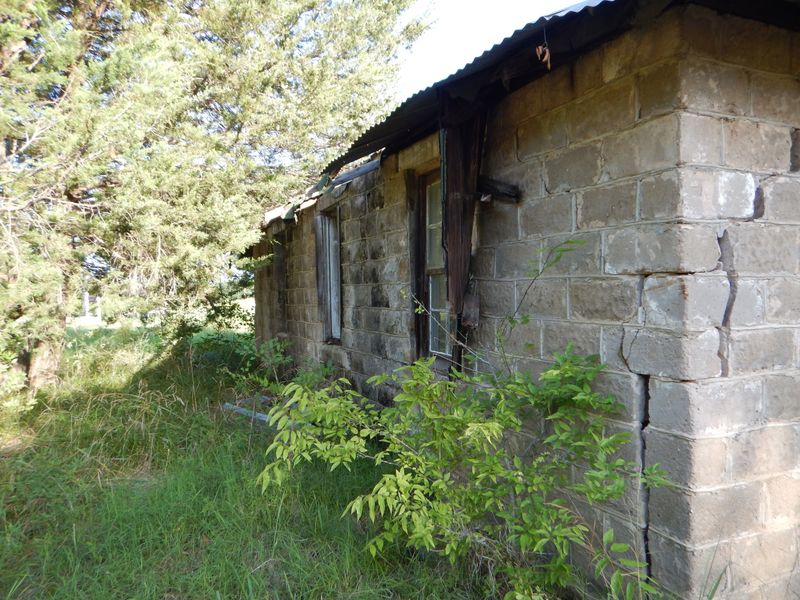
Every town needs a gathering place, and in Clearview, the general store filled that role beautifully. It was more than just a place to buy flour and nails; it was the social hub of the community.
People came to shop, sure, but they also came to catch up on news, share gossip, and connect with neighbors. The store owner knew everyone by name, knew their families, their struggles, and their triumphs.
Transactions were often conducted on trust, with credit extended to those who needed it until harvest time.
The general store stocked everything a farming community might need: seeds, tools, fabric, canned goods, and sometimes a few luxury items like candy or tobacco. For children, a trip to the store was a special occasion, a chance to press their noses against the glass jars of penny candy and dream of what they might buy.
For adults, it was a lifeline, a place where they could get what they needed without traveling miles to a larger town.
As the population declined, so did the store’s business. Fewer customers meant less income, and eventually, the economics just didn’t work anymore.
The store closed, leaving a gaping hole in the community. Without it, residents had to travel to nearby towns for supplies, further eroding the sense of Clearview as a self-sufficient place.
The empty storefront stands as a reminder of a time when the town was vibrant and alive.
The Families Who Refuse to Leave
Who stays in a town with only 41 people? The answer is both simple and complex.
Some are elderly residents who have lived in Clearview their entire lives and can’t imagine being anywhere else. This is where they were born, where they raised their children, where they buried their parents.
The land is in their blood, and leaving would feel like a betrayal of everything their ancestors worked for. Others stay because they own property and have nowhere else to go, or because they value the peace and quiet that comes with rural isolation.
These families are the keepers of Clearview’s memory. They remember when the town was bustling, when the school was full, when the church overflowed on Sundays.
They tell stories of community picnics, harvest celebrations, and the tight bonds that held everyone together. Their memories are living history, passed down through generations, preserving a narrative that would otherwise be lost.
They are the town’s archivists, its storytellers, its conscience.
Life in modern Clearview isn’t easy. Residents have to drive long distances for groceries, medical care, and other necessities.
Internet and cell service can be spotty. But there’s also a freedom and simplicity that appeals to some.
The pace of life is slow, the night sky is spectacular, and there’s a sense of connection to the land that’s hard to find in more developed areas. For those who remain, Clearview is home, and that’s all that matters.
The Annual Reunions That Keep Memory Alive
Once a year, something magical happens in Clearview. Former residents and their descendants return for a reunion, transforming the nearly empty town into a bustling gathering of family and friends.
Cars line the streets, laughter fills the air, and for a brief moment, Clearview feels alive again. These reunions are more than just social events; they are acts of remembrance, celebrations of heritage, and affirmations that Clearview’s legacy endures even as the physical town fades.
People travel from all over Oklahoma and beyond to attend. They bring photo albums, share stories, and reconnect with relatives they haven’t seen in years.
The church hosts a special service, and there’s usually a potluck dinner featuring traditional soul food dishes that have been passed down through generations. Elders are honored, children are introduced to their roots, and everyone leaves with a renewed sense of pride in where they came from.
These reunions serve an important purpose: they ensure that the story of Clearview doesn’t die with the last resident. Younger generations learn about the struggles and triumphs of their ancestors, about the all-black towns that dotted Oklahoma, and about the importance of community and resilience.
The reunions are a bridge between past and present, a way of saying that even though Clearview may have vanished from most maps, it will never vanish from memory. As long as people gather to remember, the town lives on.
A Legacy Etched in Oklahoma’s History
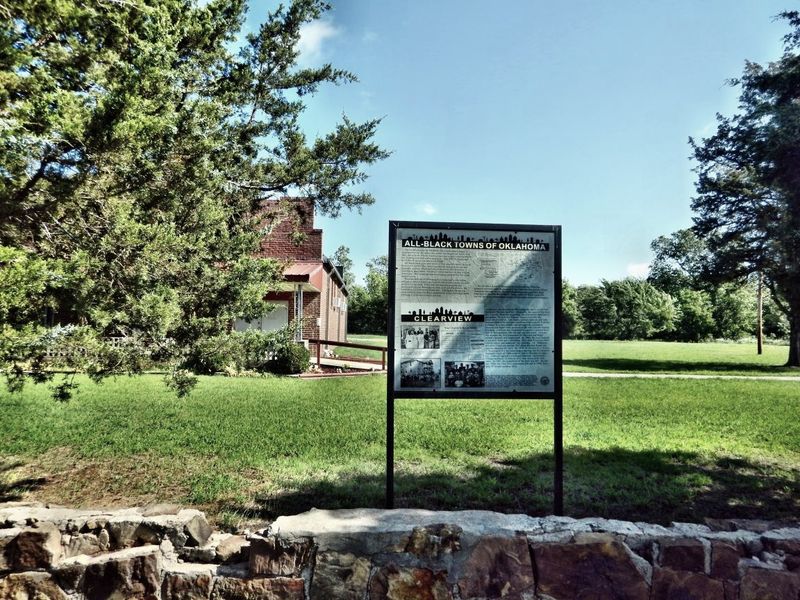
Clearview may be nearly gone, but its place in Oklahoma history is secure. It stands as one of the many all-black towns that represented hope, autonomy, and the determination of African Americans to build their own futures in the face of overwhelming obstacles.
These towns were radical experiments in self-governance and community building, and while many didn’t survive, their stories are essential to understanding the full tapestry of American history. Clearview’s legacy is one of courage, perseverance, and the refusal to be erased.
Historians and researchers continue to study Clearview and towns like it, documenting their rise and fall, preserving oral histories, and ensuring that future generations know what happened here.
Museums and cultural centers across Oklahoma feature exhibits on these communities, highlighting their contributions and the challenges they faced.
Clearview is often mentioned in discussions about African American history, land ownership, and the Great Migration, cementing its role as an important piece of the larger narrative.
For visitors willing to make the trip, Clearview offers a powerful, if sobering, lesson. It’s a reminder that progress is never guaranteed, that communities can rise and fall, and that the stories of ordinary people striving for a better life deserve to be remembered.
Walking through the quiet streets, past the empty buildings and the few remaining homes, you can almost hear the echoes of a town that once thrived.
Clearview may have vanished from most maps, but its spirit endures in the hearts of those who remember, and in the history books that ensure it will never be forgotten.
Dear Reader: This page may contain affiliate links which may earn a commission if you click through and make a purchase. Our independent journalism is not influenced by any advertiser or commercial initiative unless it is clearly marked as sponsored content. As travel products change, please be sure to reconfirm all details and stay up to date with current events to ensure a safe and successful trip.
